(1,480)
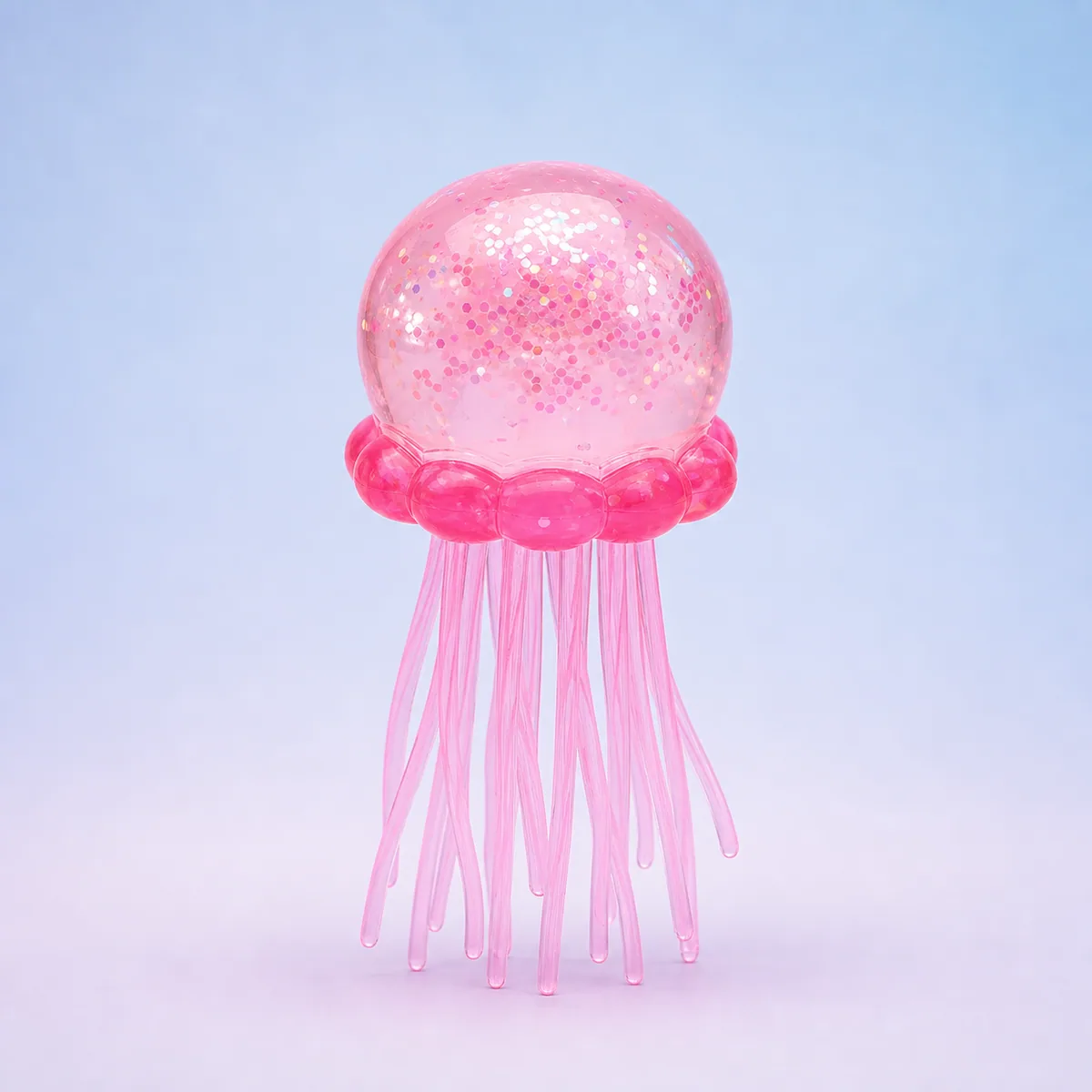
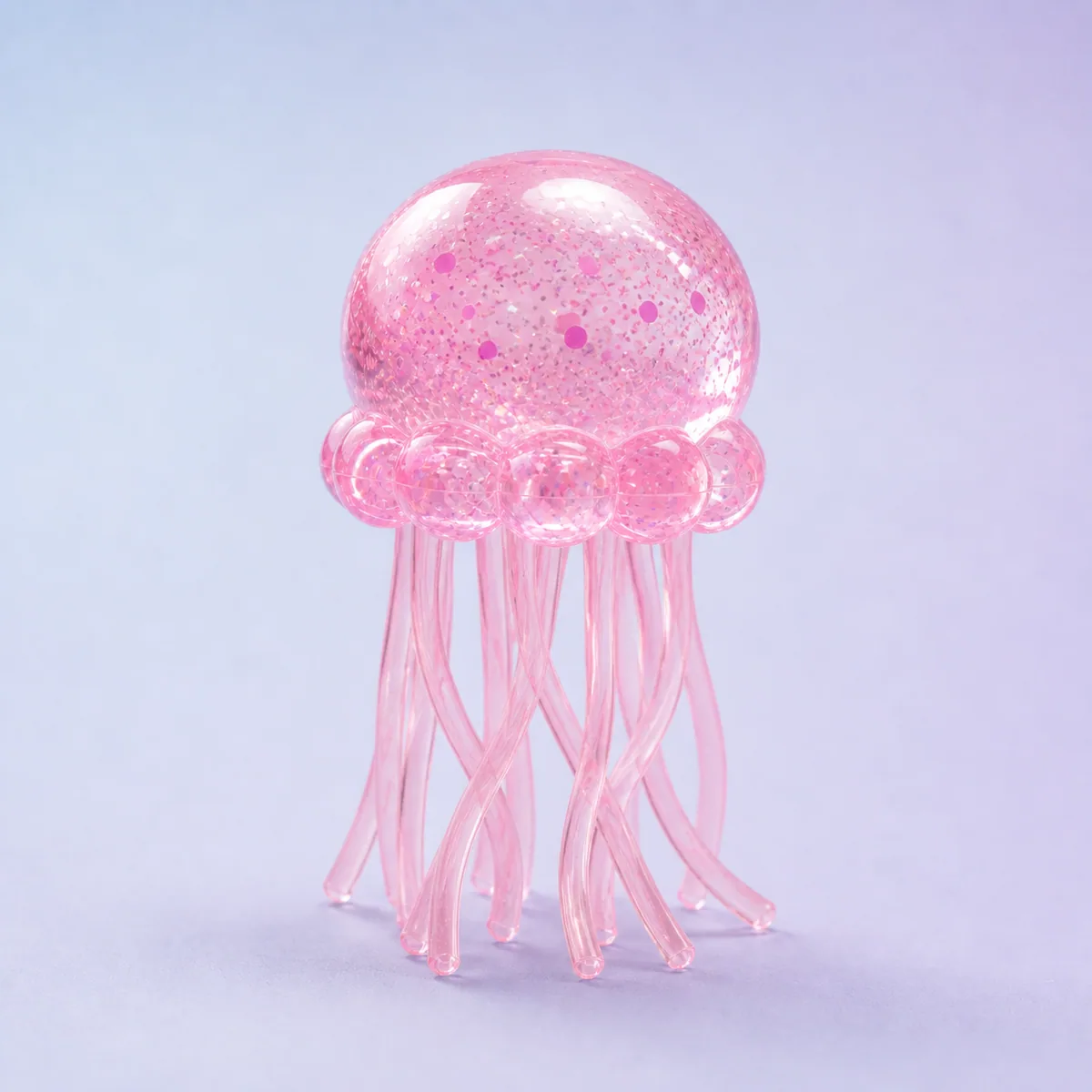
Drift Jellyfish Glitter Squishy
Slow-melt calm for anxious moments and 2 a.m. overthinking
$12.99 $18.00
Shop by need
Fidget toys for anxiety give restless hands a calm, repetitive task (squeezing, slow-pressing, or rolling) that can help redirect nervous energy and gently anchor your attention. They are supportive tools, not a cure, but for many people they take the edge off an anxious moment and make it easier to breathe through.
Every toy in this collection is quiet, soft, and built for self-soothing: no flashing lights or jarring noise, just satisfying tactile feedback. If you tend to clench when stressed, reach for a squeeze ball. If you spiral, a slow-rising squishy gives your eyes something gentle to follow. If you need something no one will notice in a meeting, a spinner ring keeps the calm discreet. The useful way to shop this page is to pick the motion that matches what your hands already do when you are on edge, then check the noise level against the room you will be in. Both are listed on every product page, and they are the two things that decide whether a fidget gets used or ends up in a drawer.
30 calming toys
Slow-melt calm for anxious moments and 2 a.m. overthinking
Springy, satisfying squeeze-and-go focus on busy days
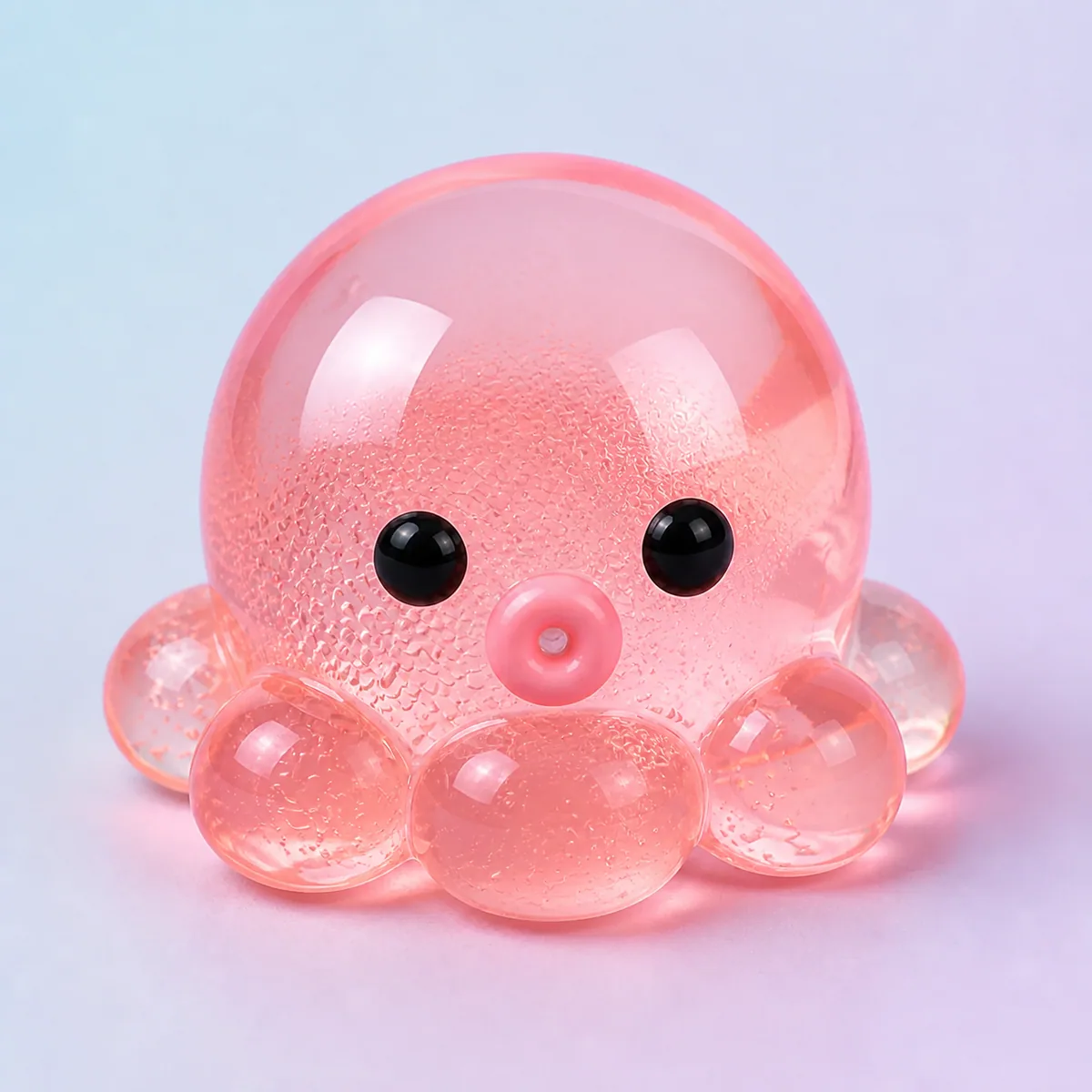
Quiet full-palm squeezing and smooth visual sensory play
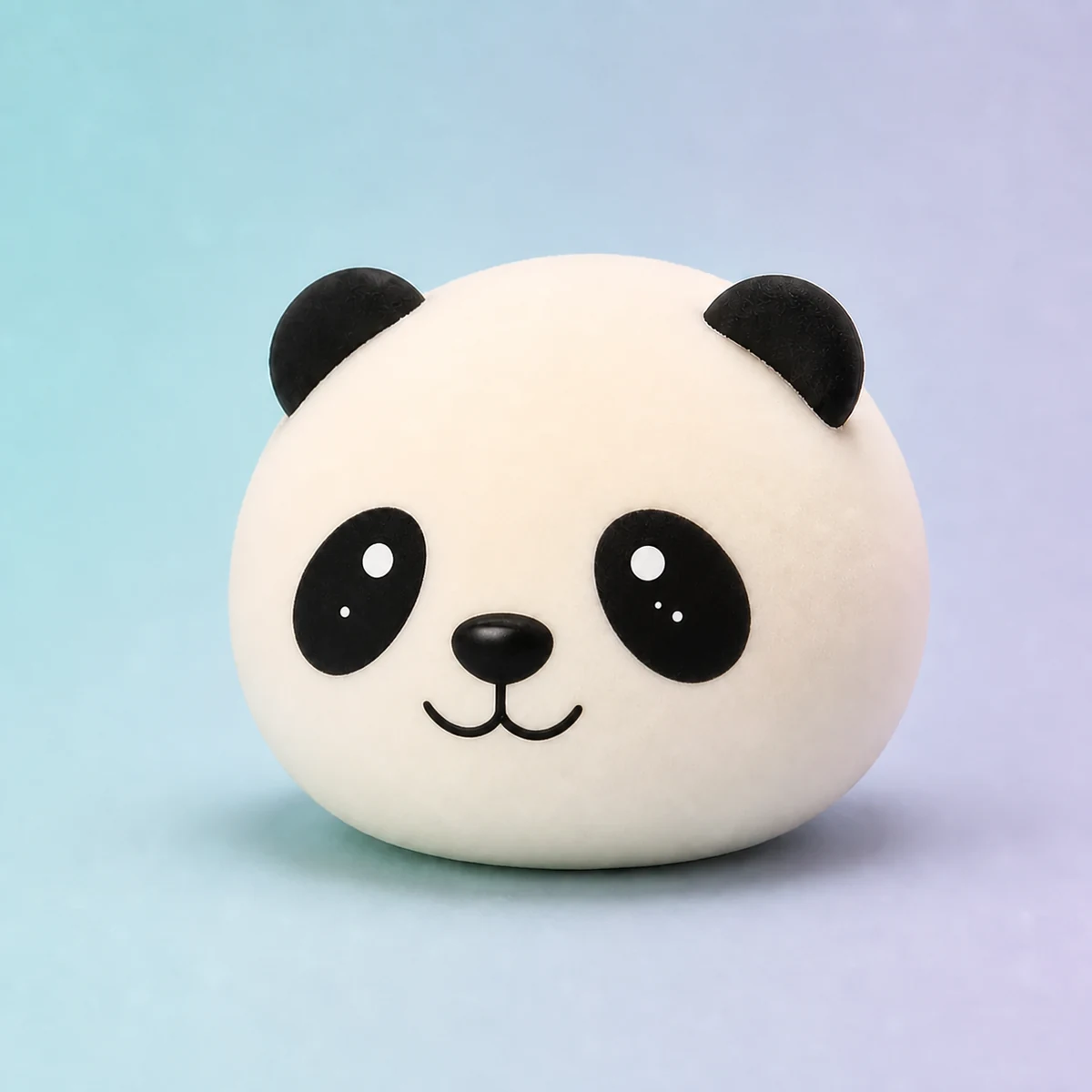
Bedtime wind-downs and dough-soft, low-stimulation calm
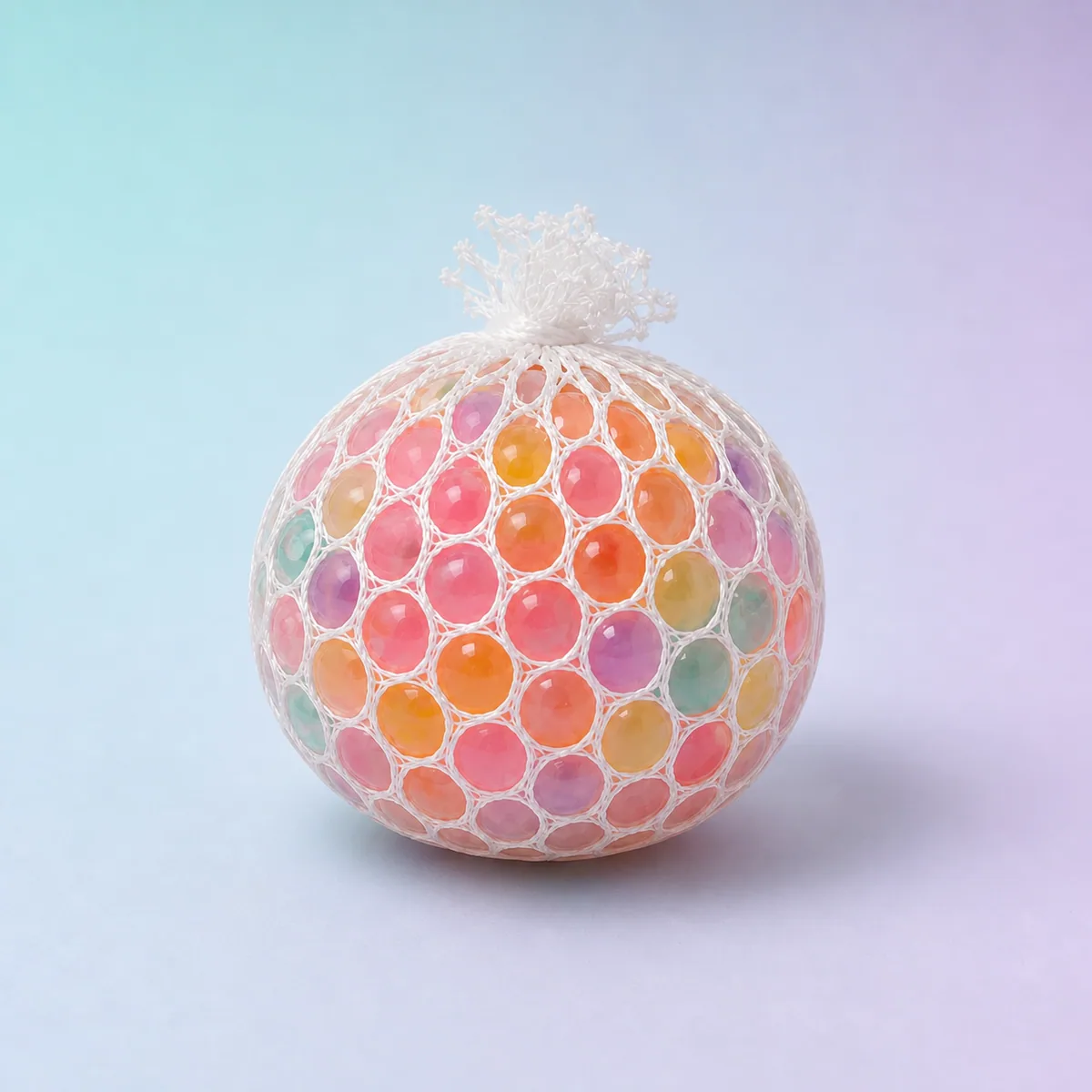
Full-hand squeeze release and redirecting restless habits
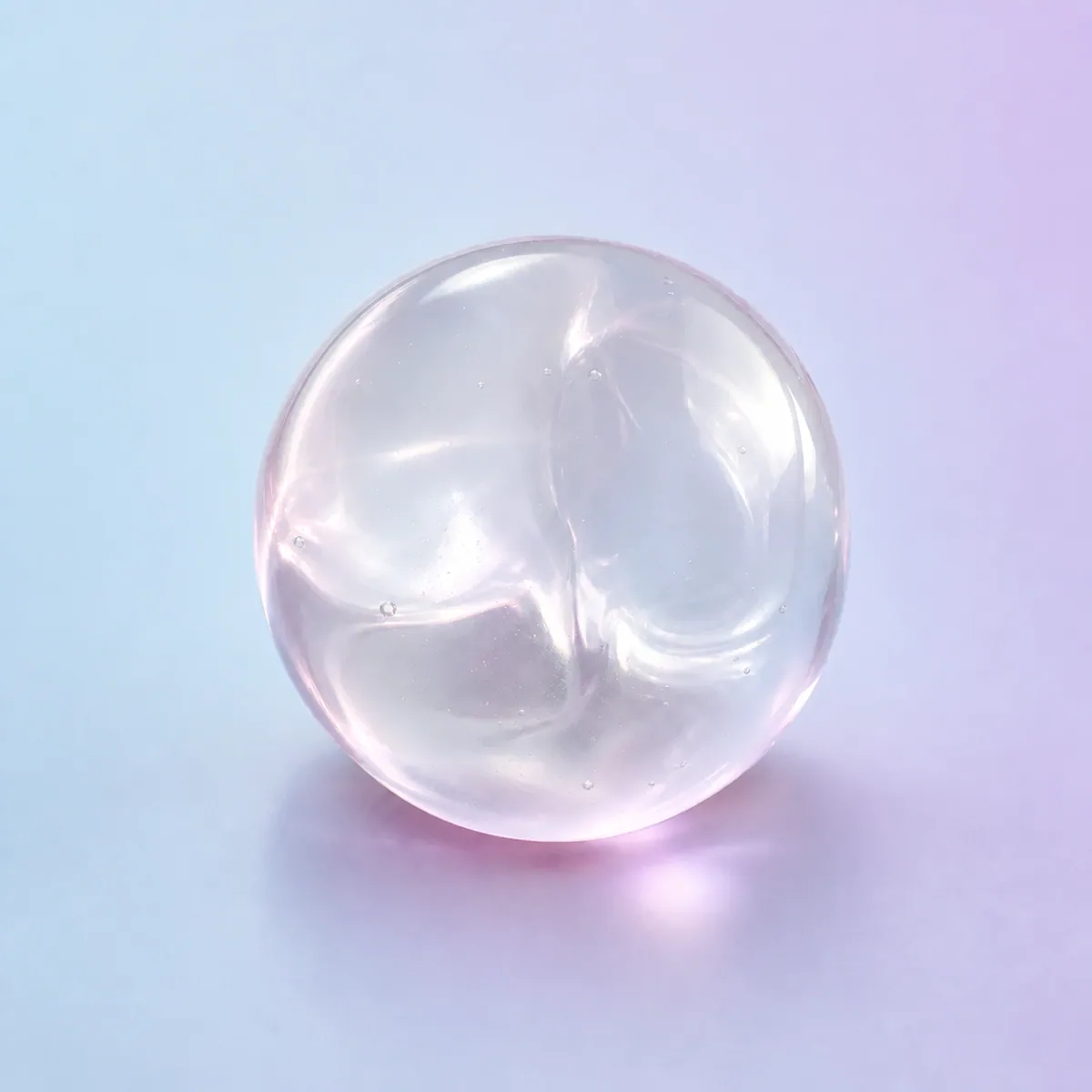
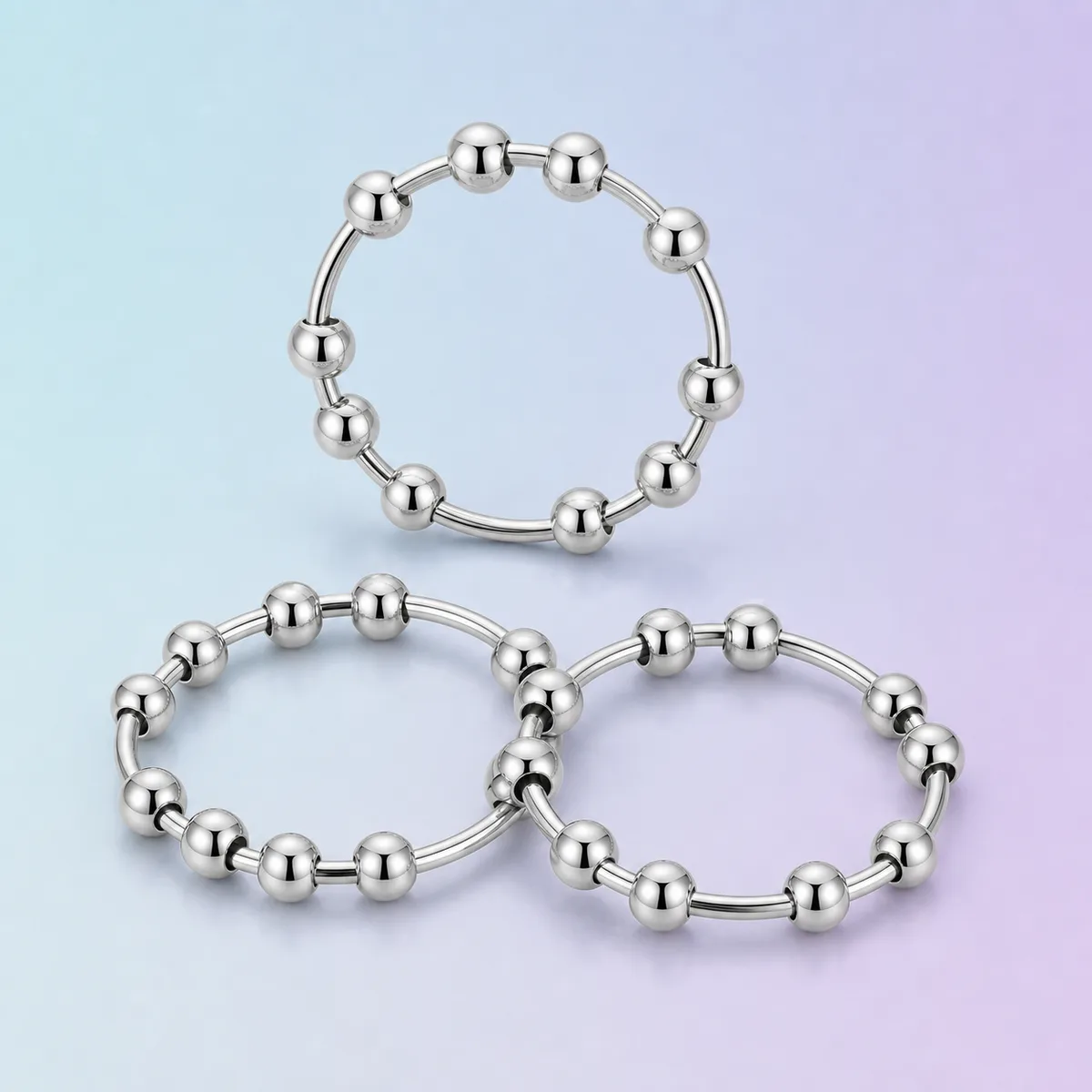
Discreet, wearable fidgeting through meetings and commutes
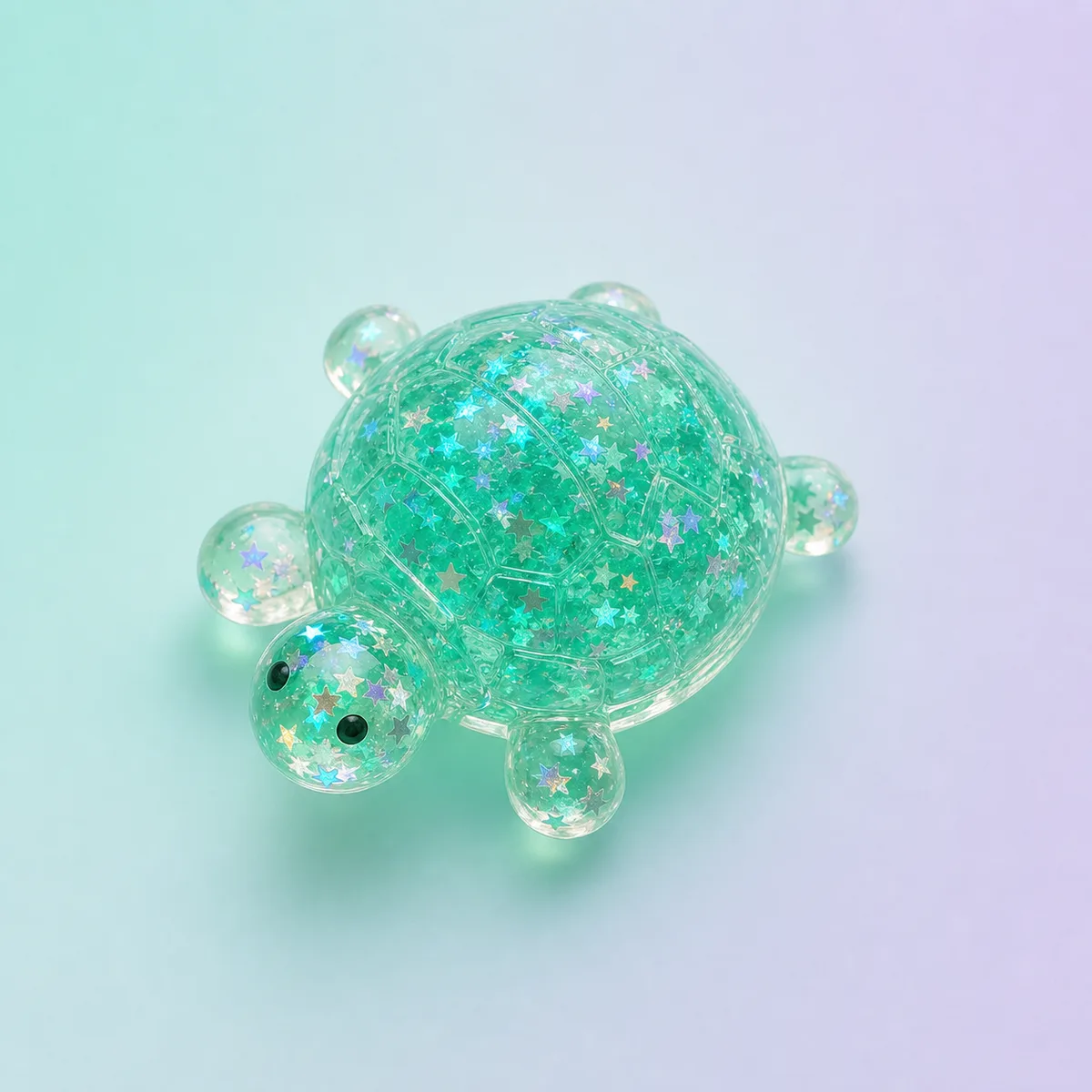
Springy full-hand gel squeezing and visual texture
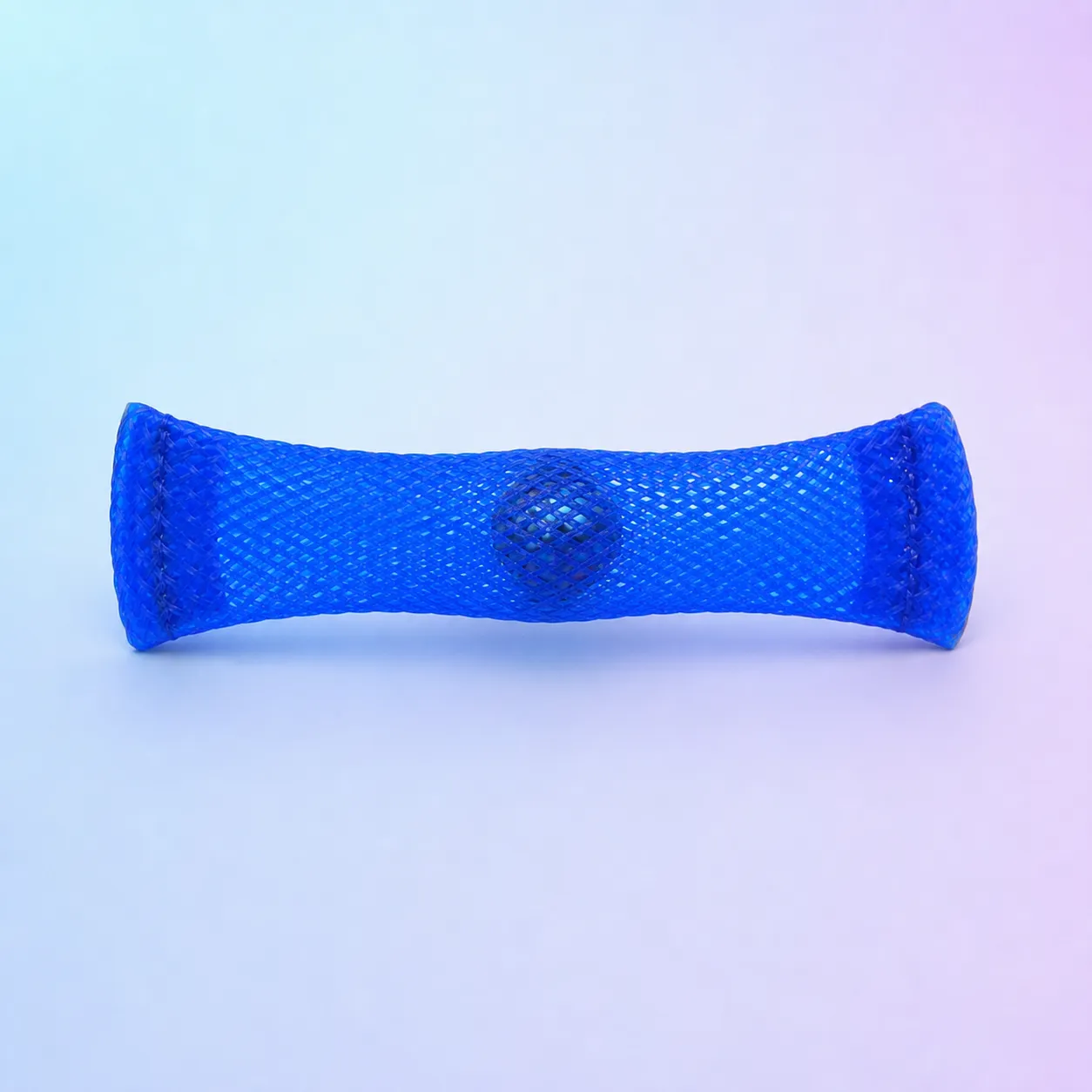
Silent, slim focus for meetings, lectures, and reading
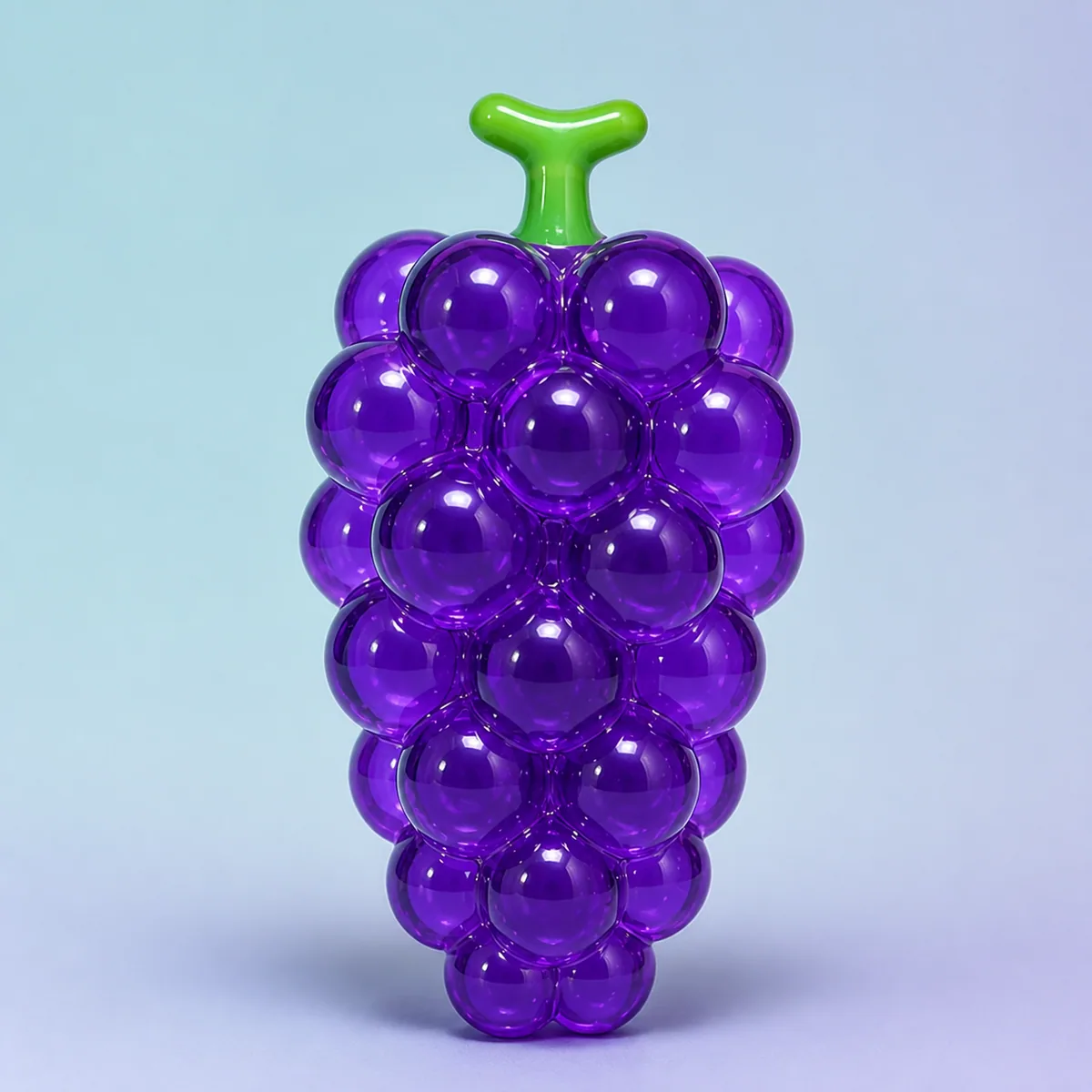
Satisfying bubble-pop squeeze for desk-side regulation
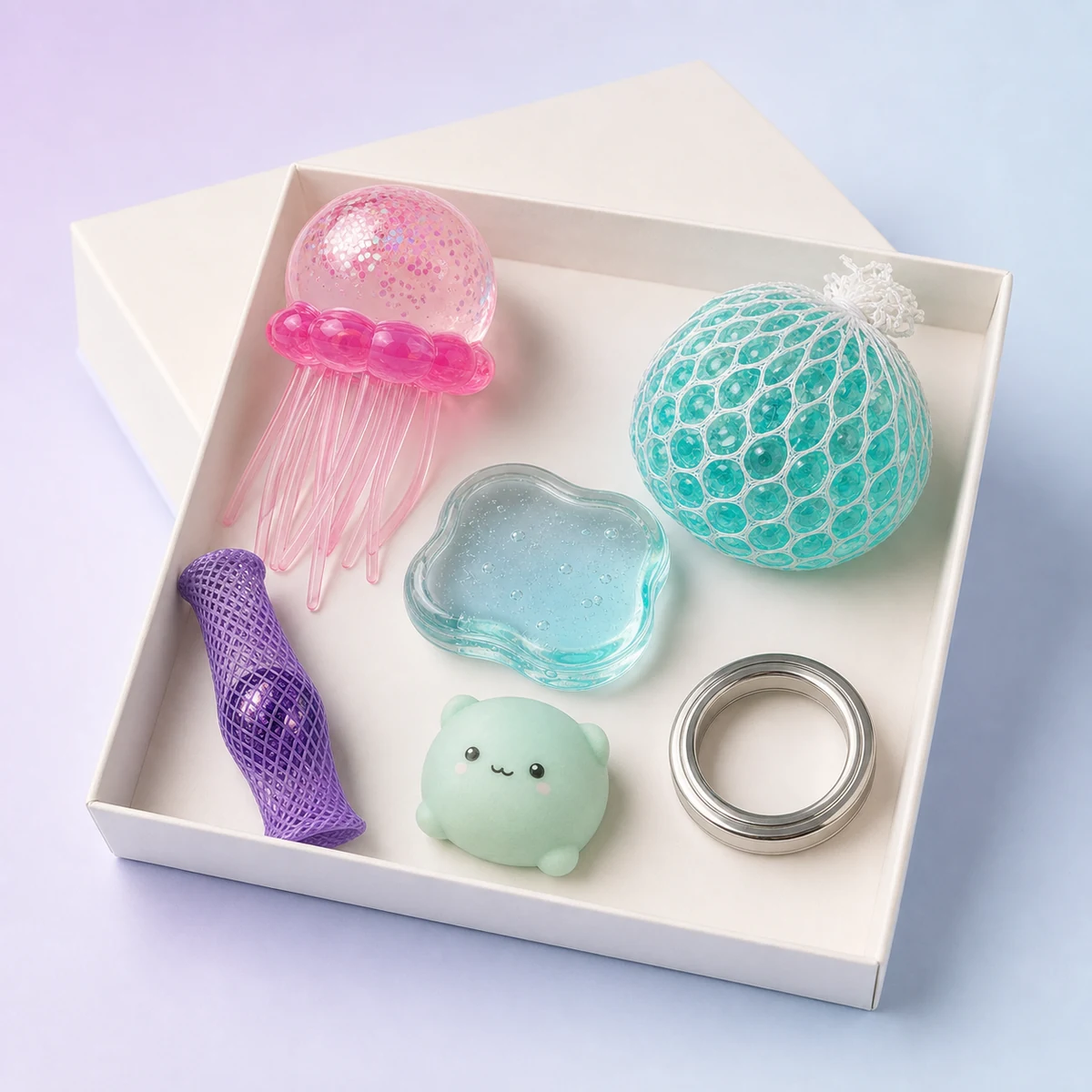
The perfect gift and the easiest way to find your fidget
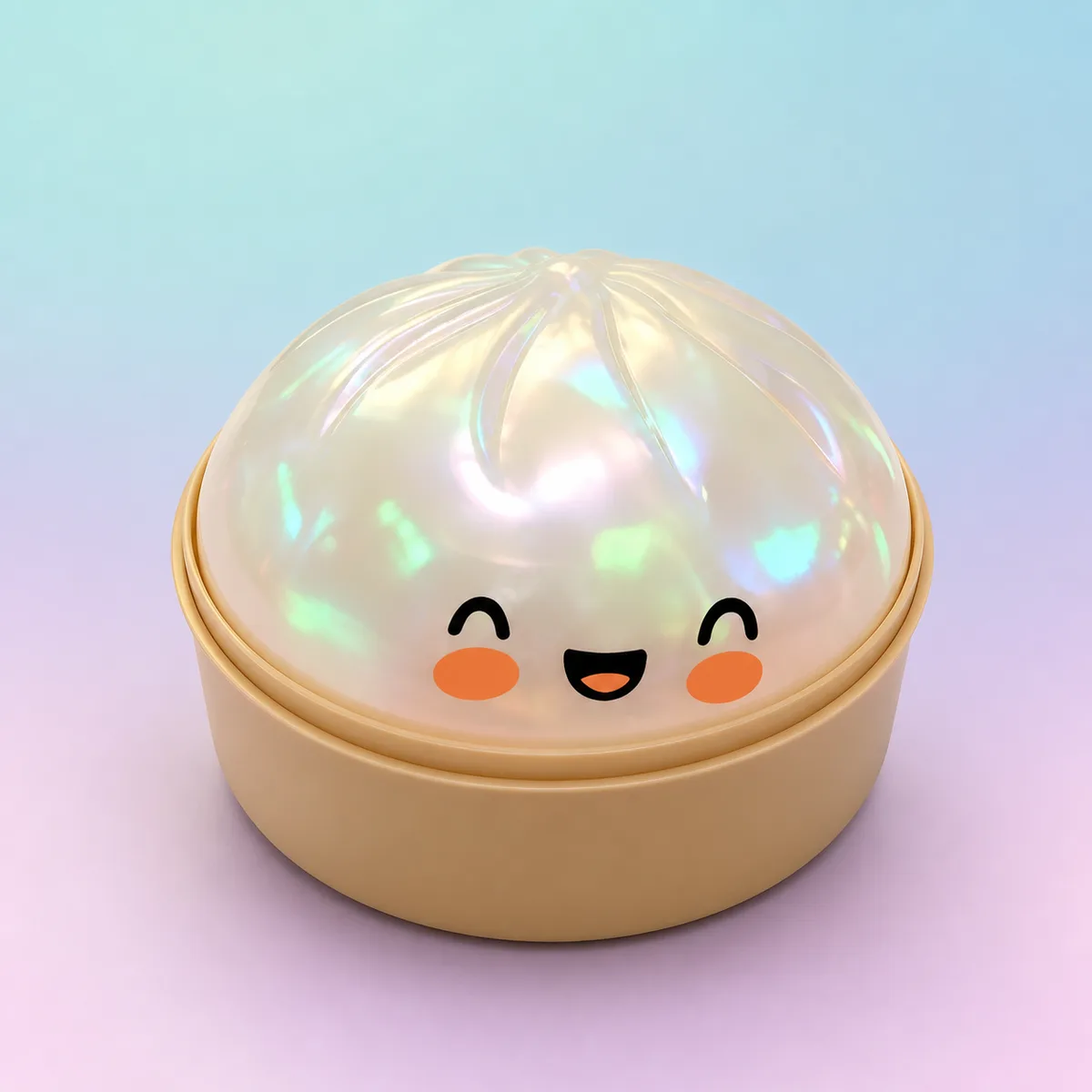
Cozy, dough-soft slow-rise comfort for restless desk moments
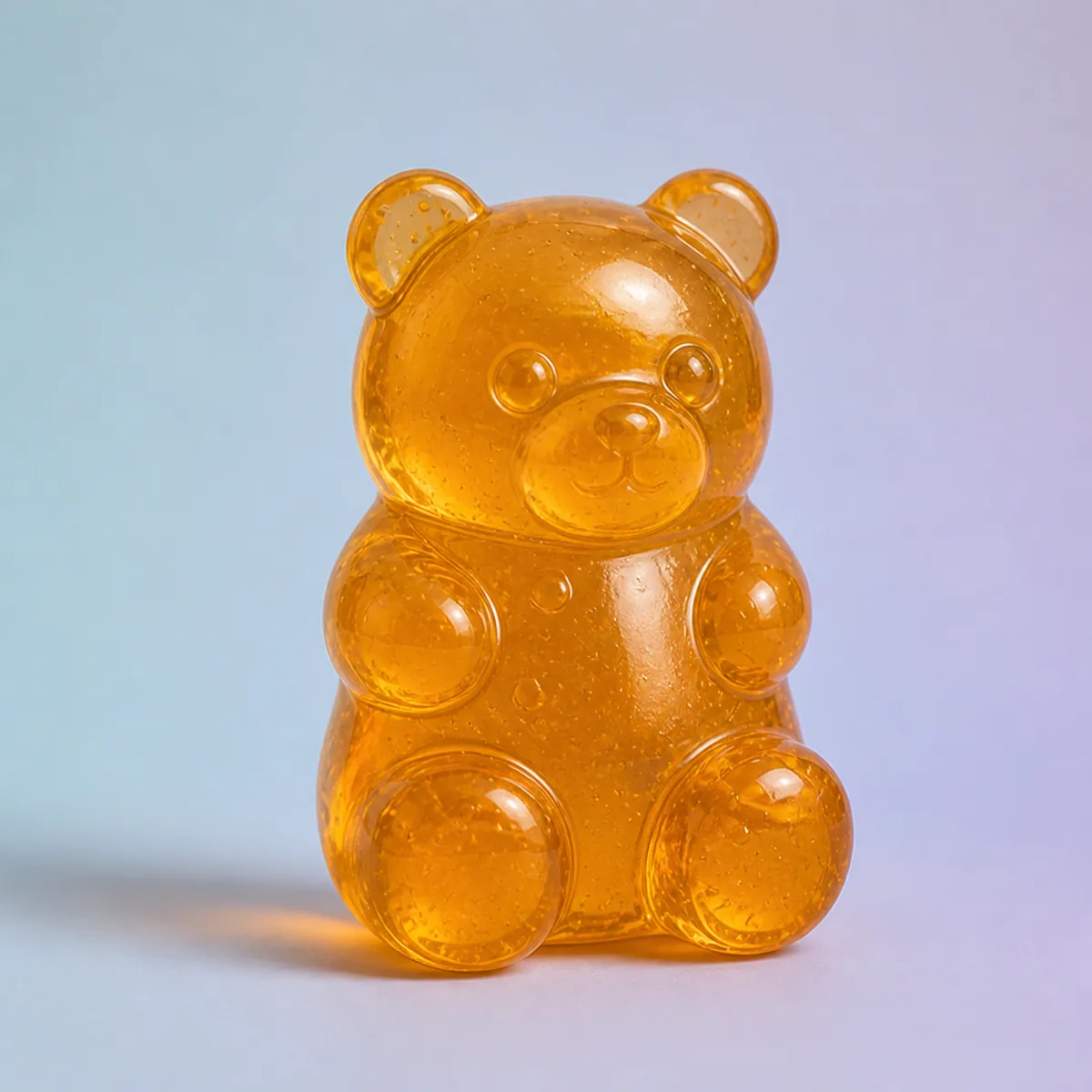
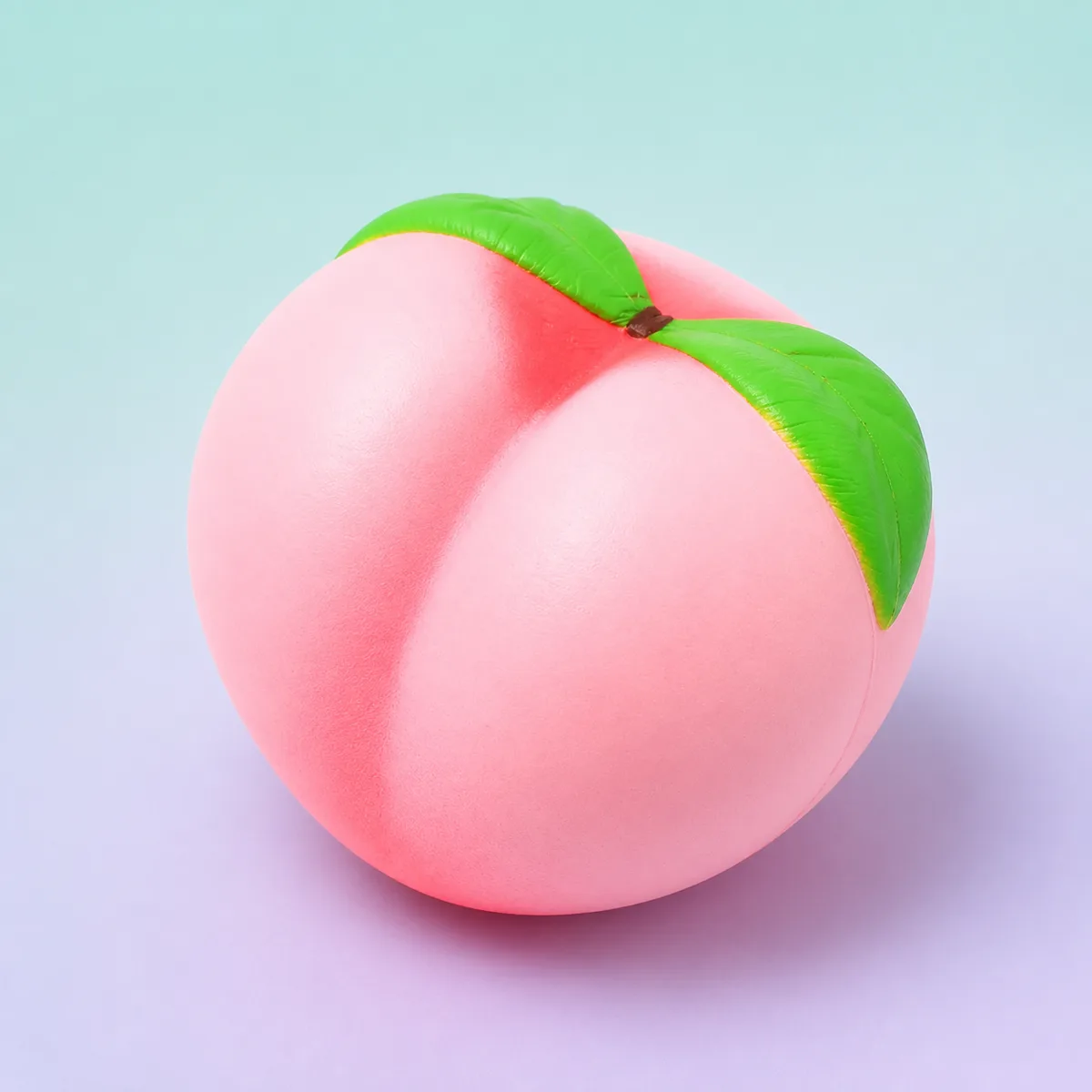
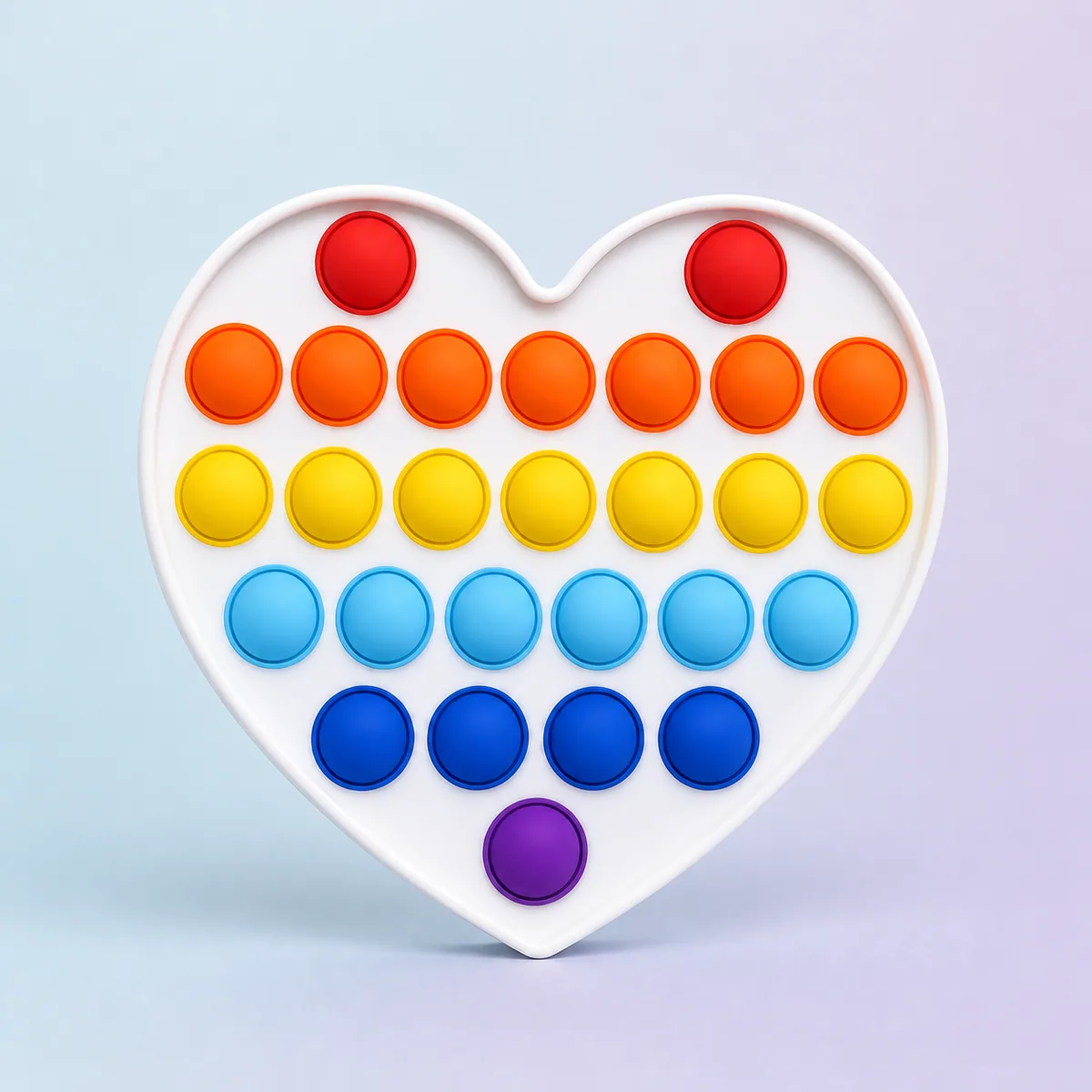
Endless press-and-flip calm for anxious or restless hands
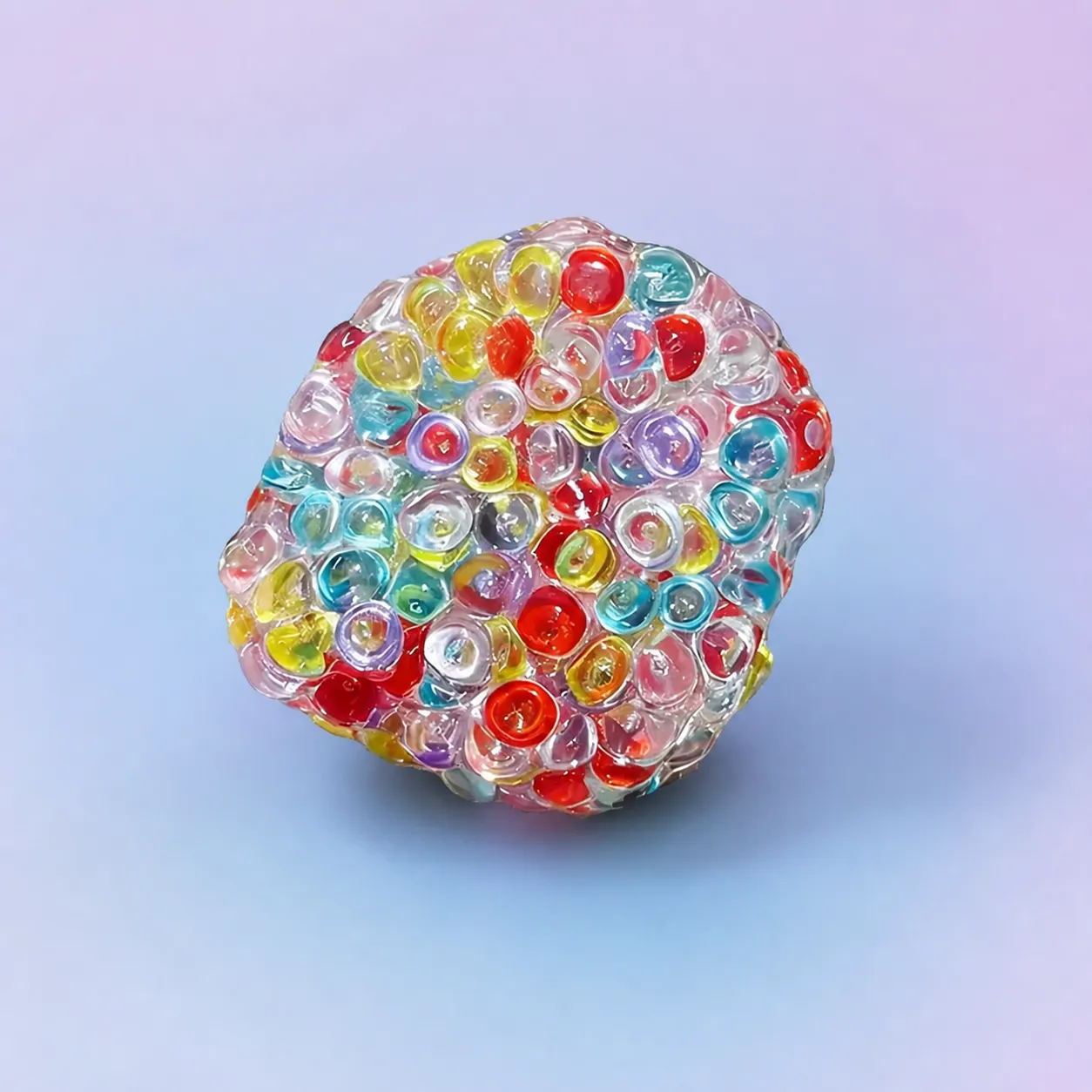
Full-hand squeeze release for tension, focus and restless habits
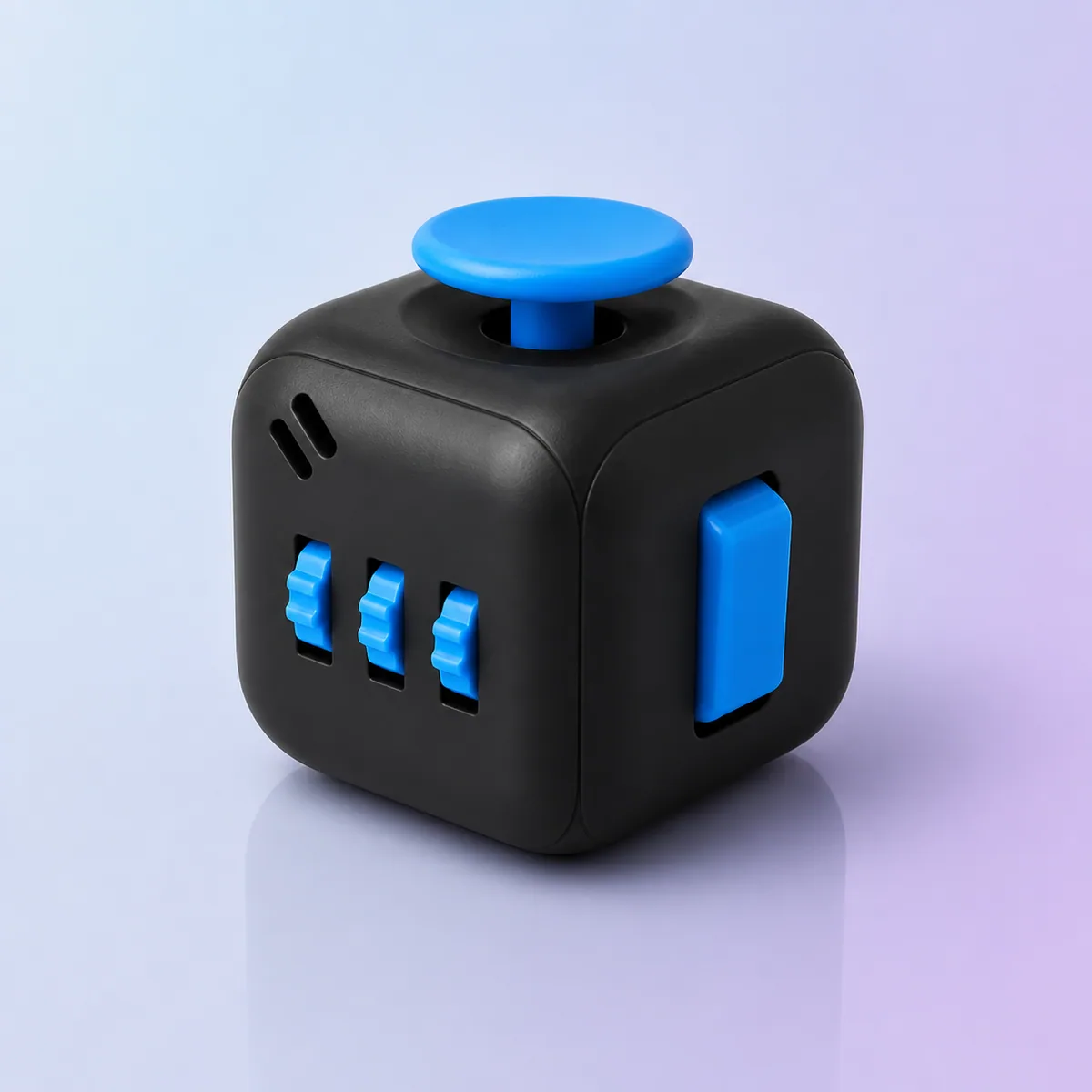
Quiet-handed focus for restless meetings and long work sessions
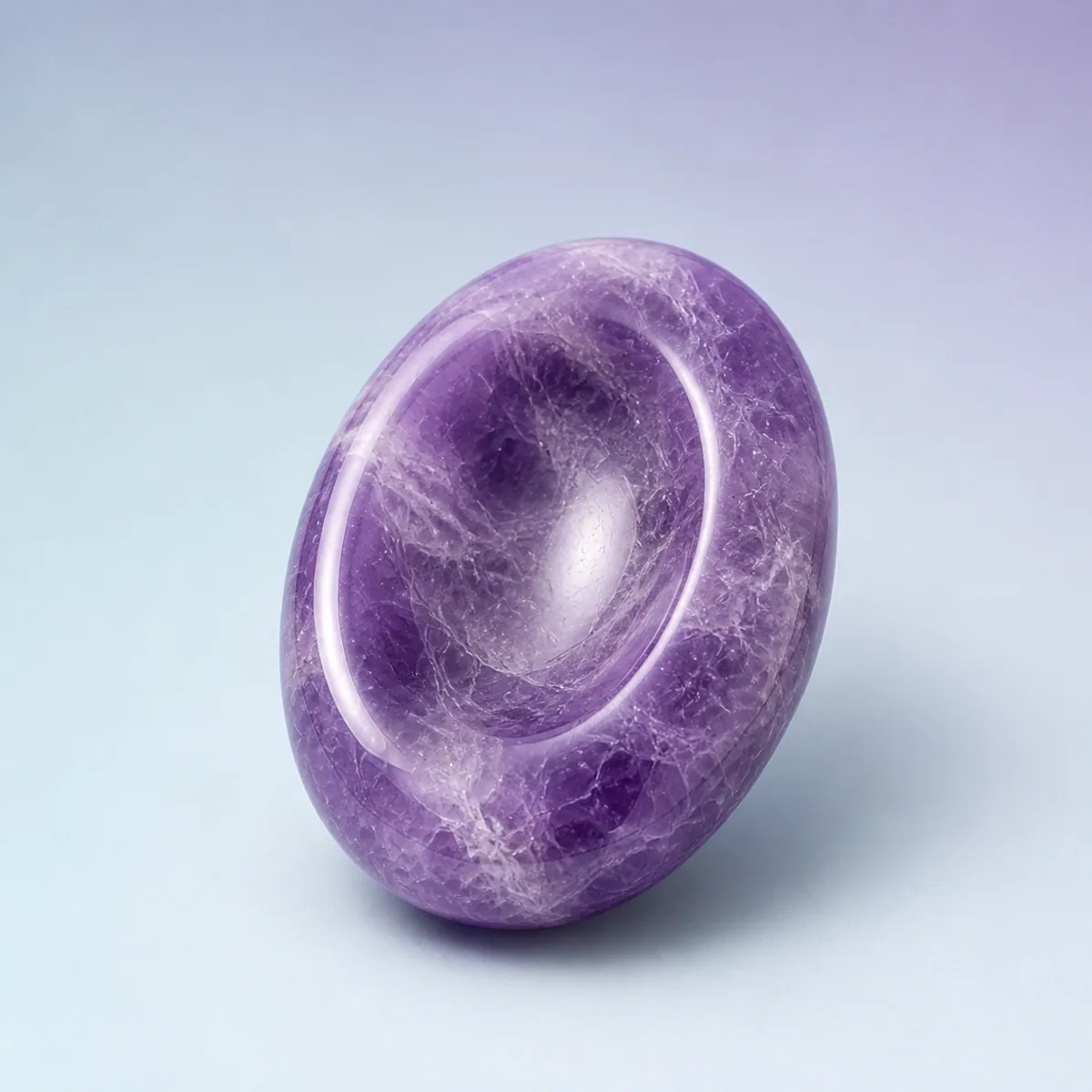
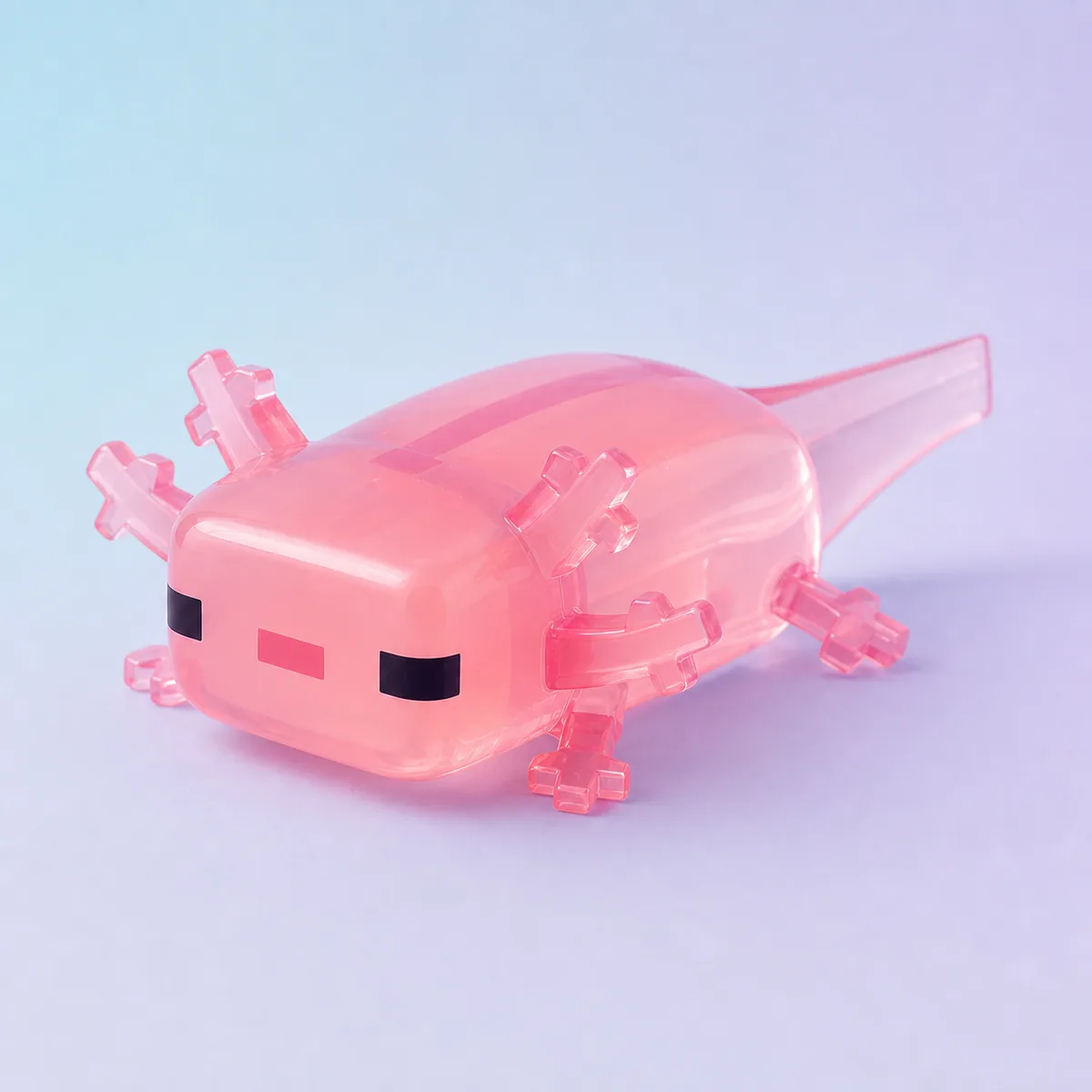
Quiet squeezing and stretchy sensory play at a desk or on the go
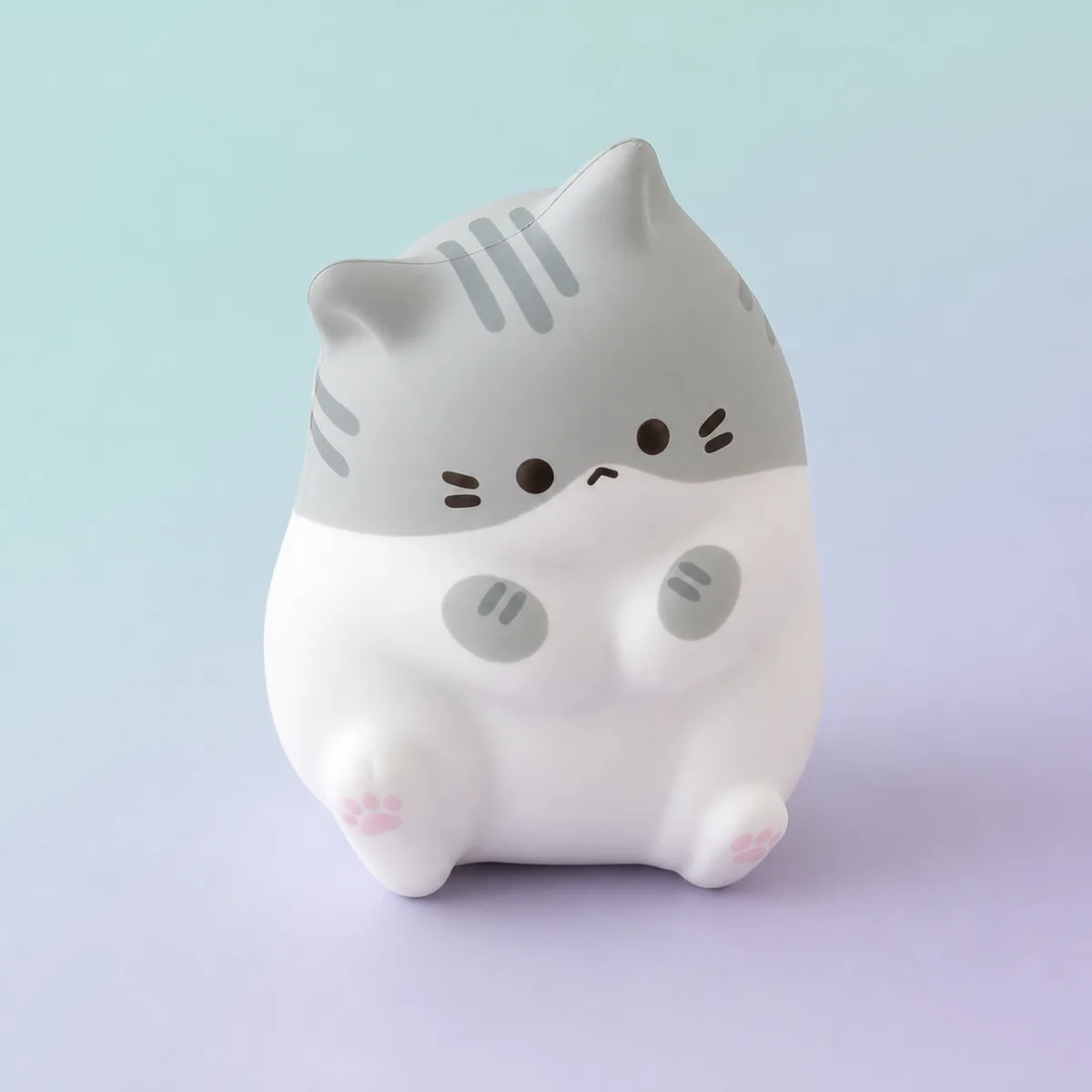
Quiet slow-rise squeezing with a compact seated shape


Sweet slow-melt calm for the desk and easy gifting
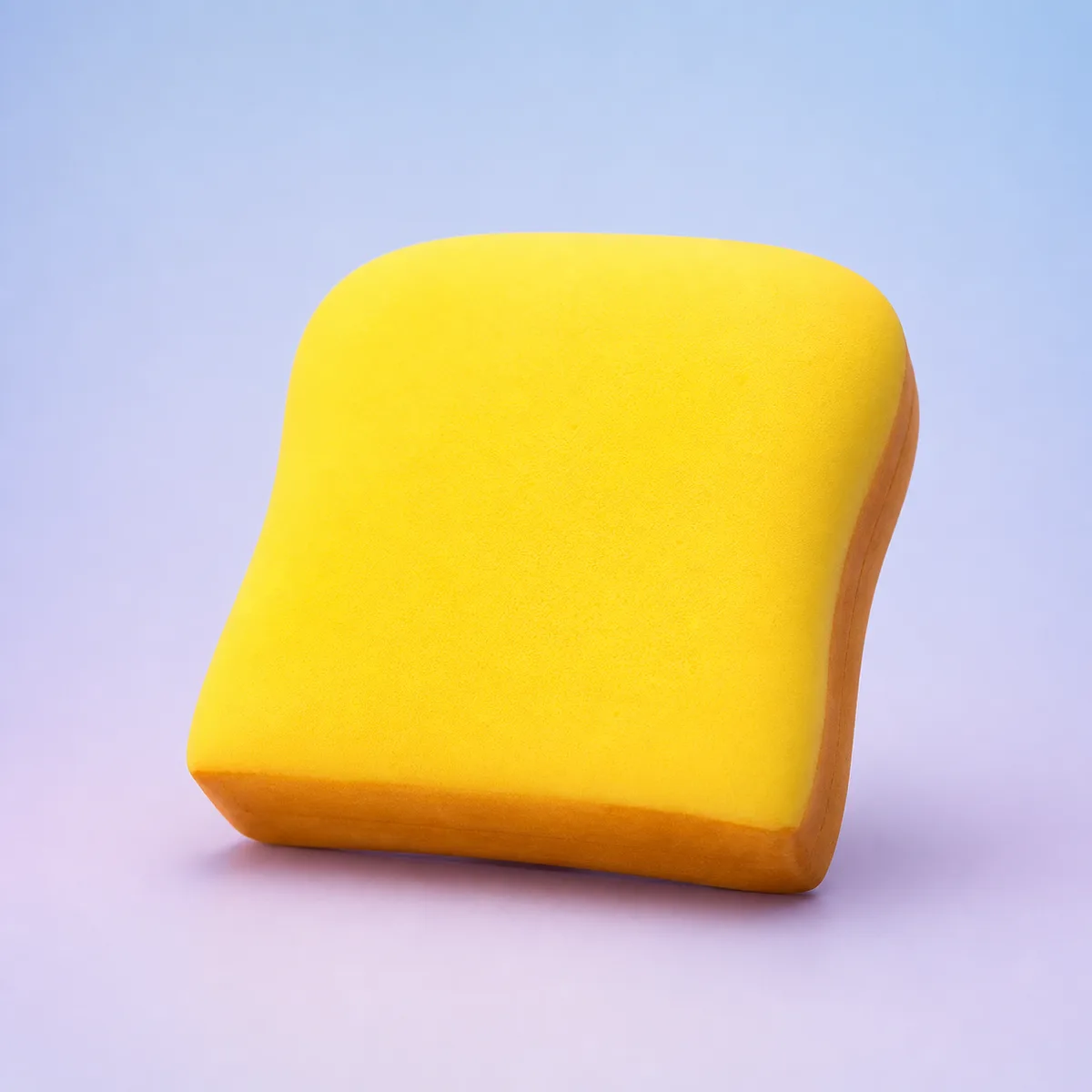
Dough-soft slow-rise comfort for screen breaks and wind-down
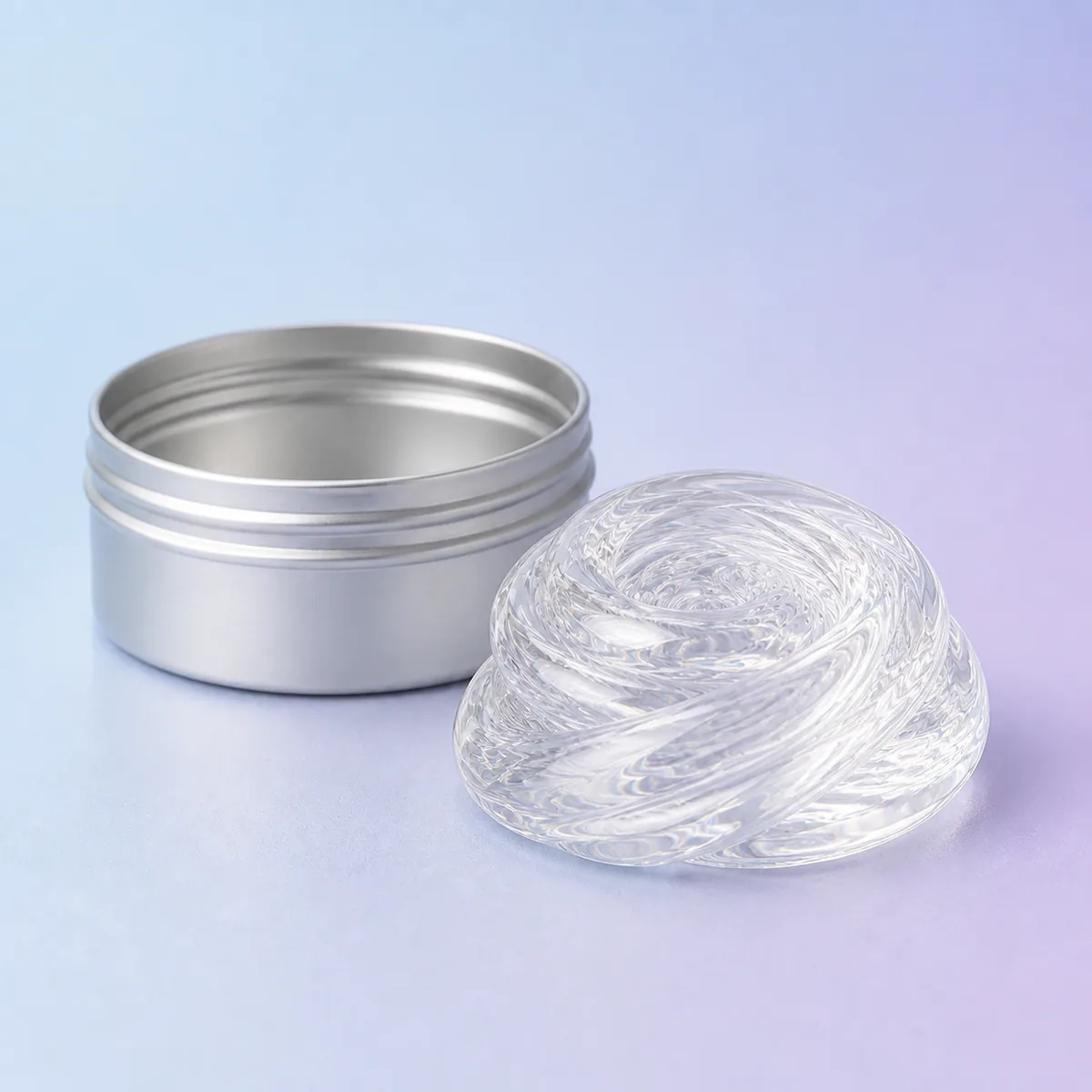
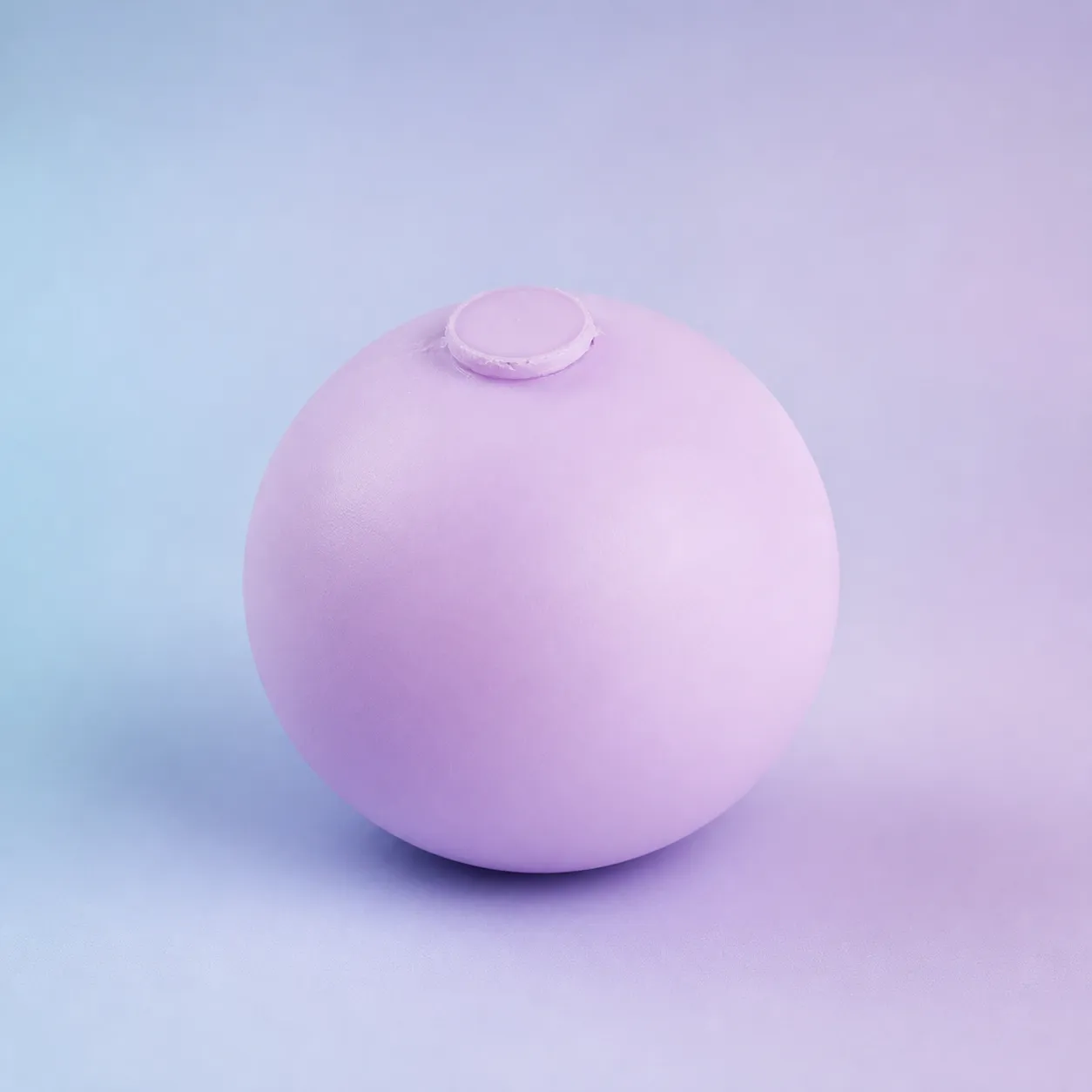
Slow, moldable squeezing for tense hands and racing thoughts
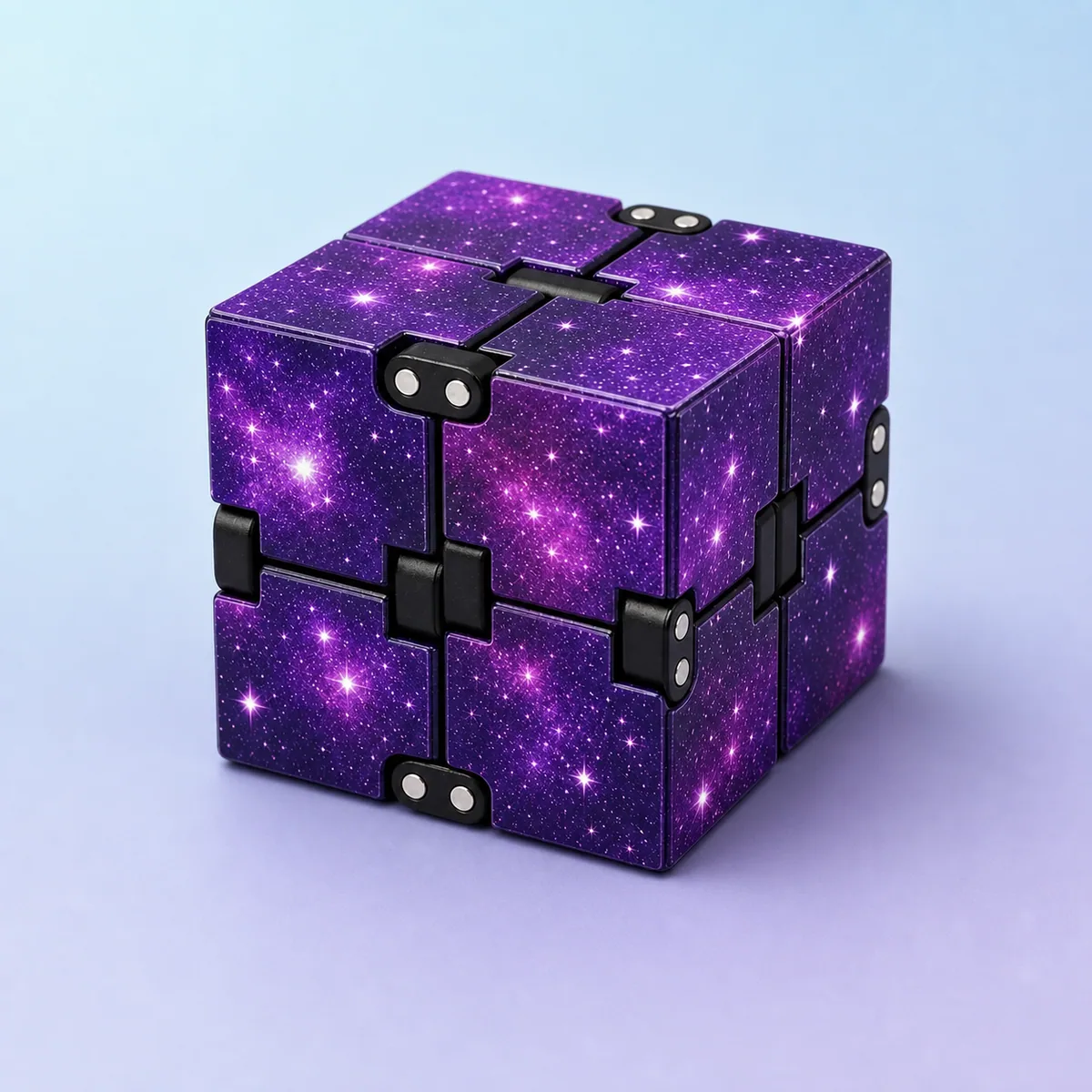
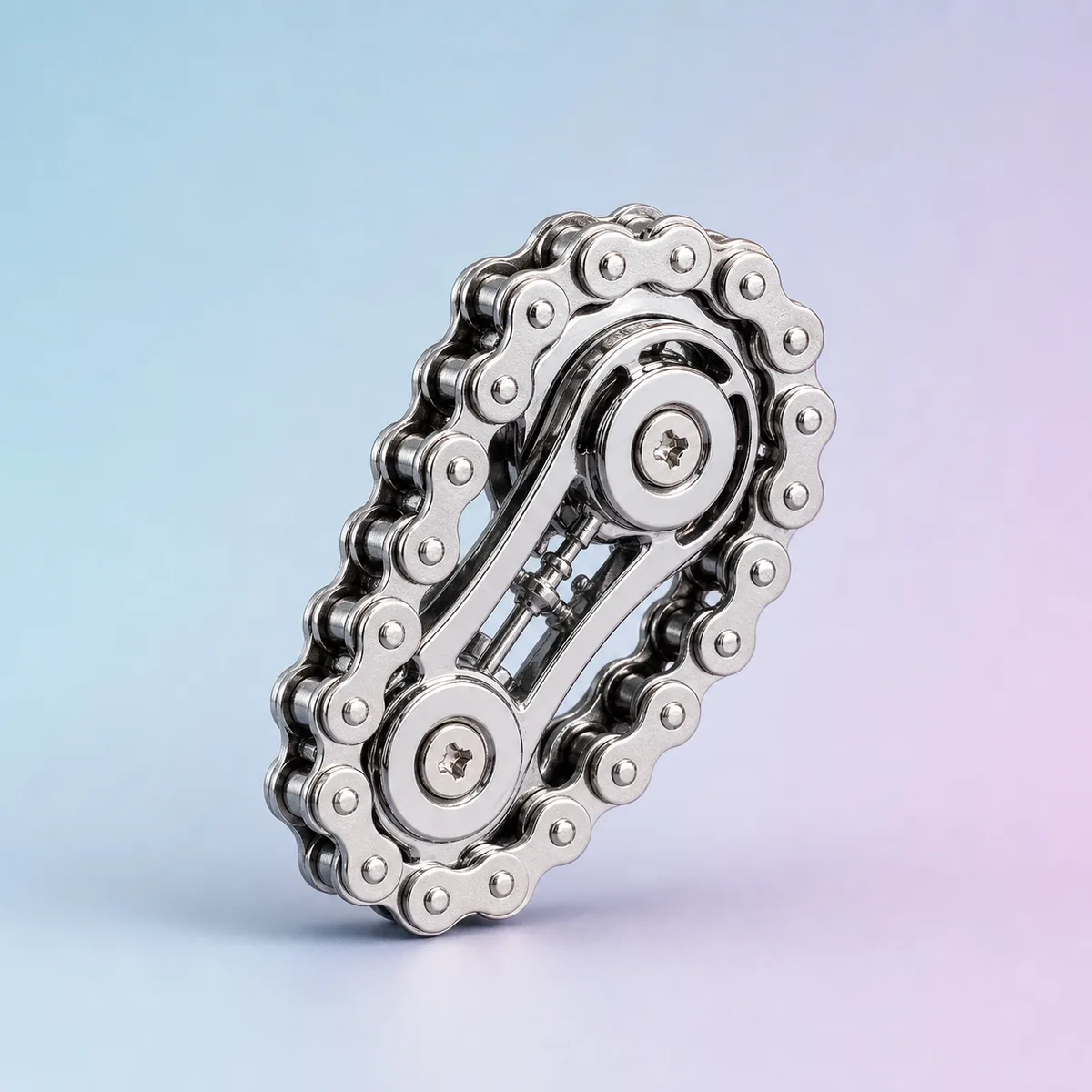
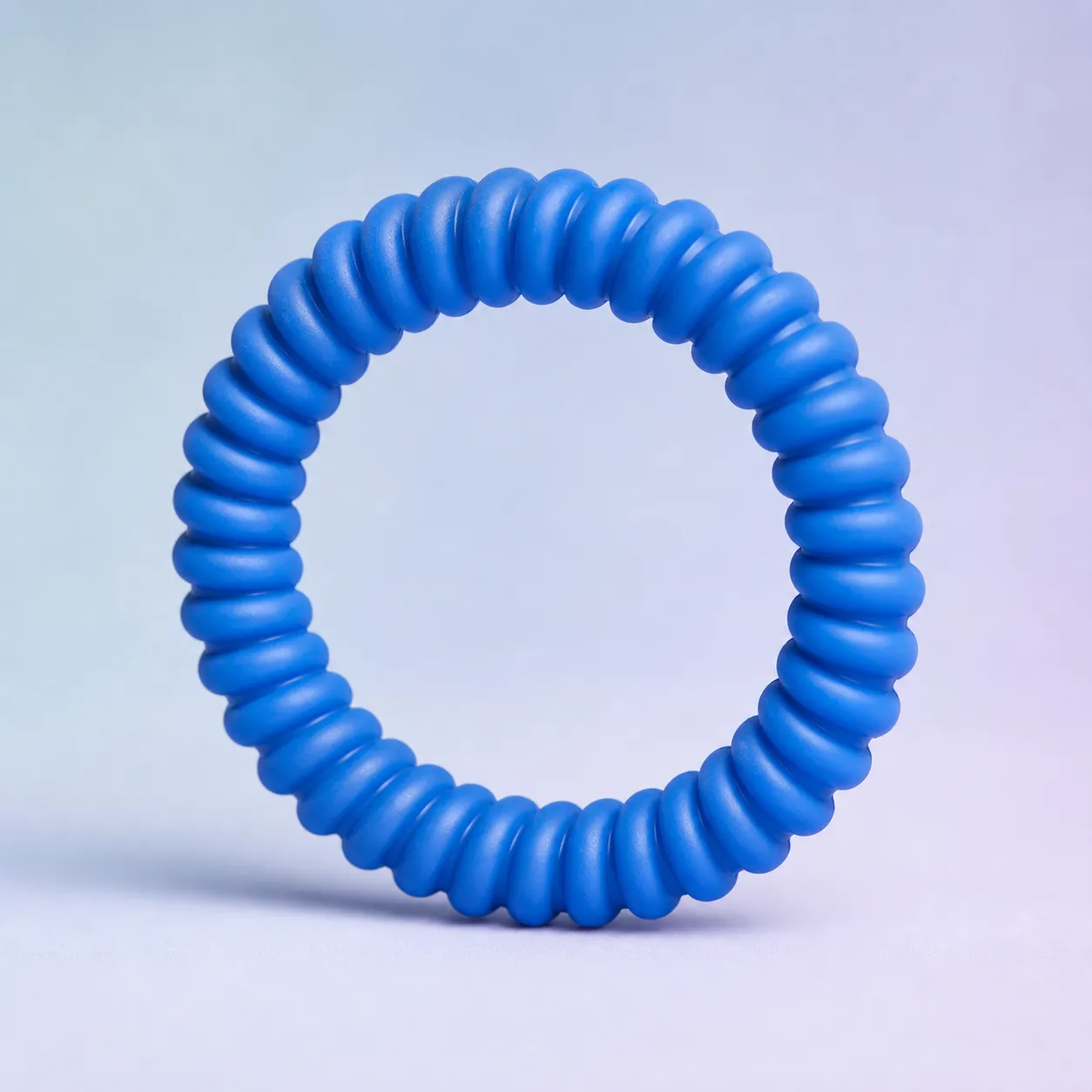
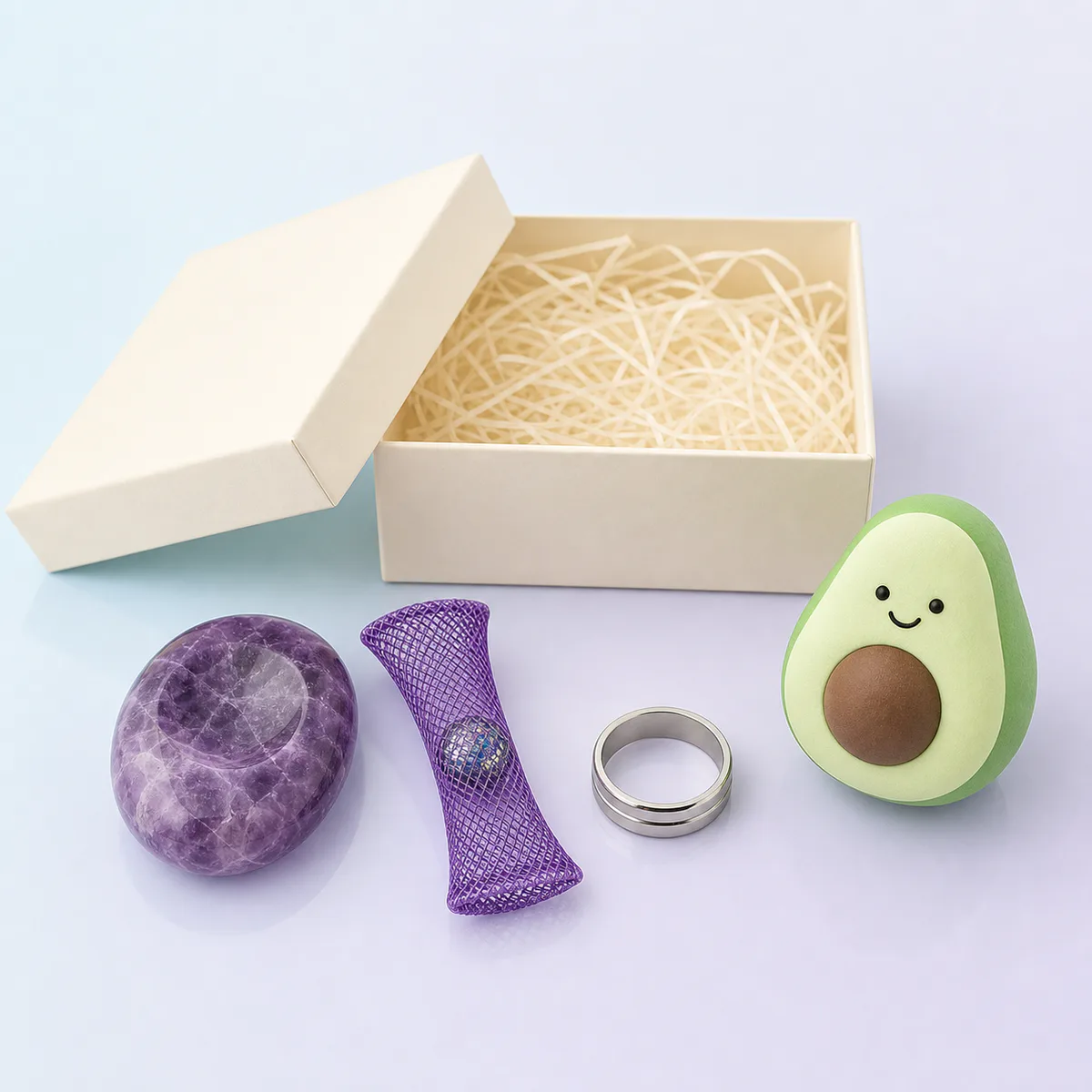
Silent, exam-room-friendly calm for students under pressure
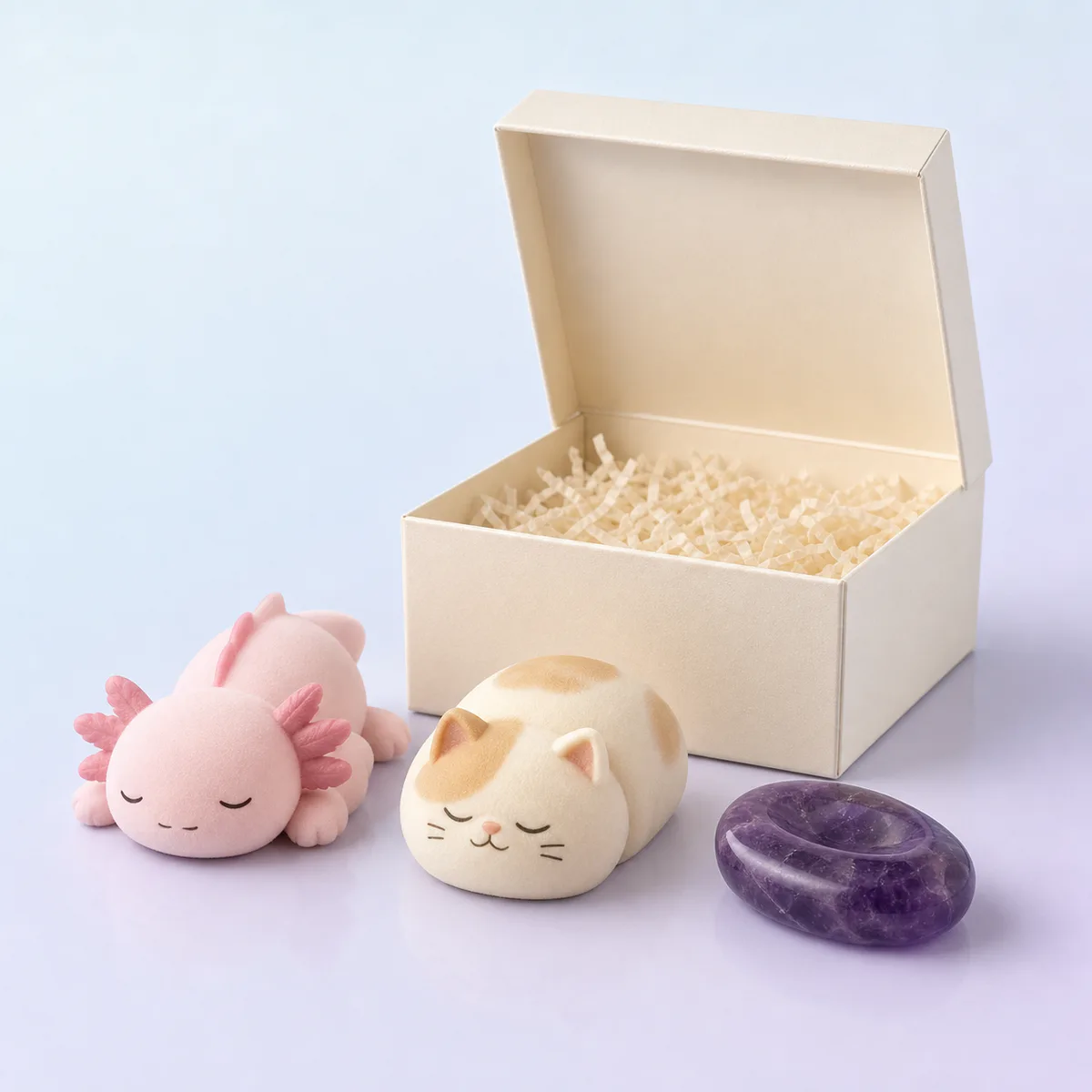
A gentle, screen-free wind-down ritual for the nightstand
Learn more
Good to know
For many people, yes, though the evidence is mixed and they are a supportive tool, not a treatment. Fidget toys help by redirecting restless energy and grounding your attention through touch. If anxiety is persistent or interfering with daily life, please talk to a doctor or therapist too.
It depends on how your anxiety shows up. Squeeze balls suit clenching and tension, slow-rising squishies suit racing thoughts and overthinking, and gel or roll fidgets suit people who need a visual or repetitive anchor. The Calm Starter Bundle lets you try several and find yours.
Yes. Every product in this collection is silent or near-silent, so you can use one in a meeting, a classroom, a waiting room, or on a commute without drawing attention or disturbing anyone nearby.
Slow, soft, and predictable beats fast, loud, and flashy. A calming toy offers one gentle motion you can repeat without thinking: a slow rise, a steady squeeze, a smooth roll. Anything that clicks, lights up, or asks to be watched is stimulation, and stimulation is the opposite of what an anxious moment needs.
Notice what your hands do already. Clenching and jaw-tightening go with a squeeze ball or a dough ball, which give the grip somewhere to land. Nail-picking and ring-twisting go with a spinner ring or a textured band. Tapping goes with a push-pop or a flip cube. Rolling and rubbing go with a worry stone or a mesh marble. Buying against your habit is the usual reason a fidget stops getting used after a week.
Mostly soft TPR and food-grade silicone for the squishy and squeeze items, slow-rising PU foam for the squishies, polished resin for the worry stone, and stainless steel or skin-safe silicone for anything worn. Items across the range are free of BPA and phthalates, and the moulded ones are EN71 tested, the European toy safety standard. Full materials are listed on every product page and on our materials and safety page.
Two things: silent, and one-handed. The silent options here are the mesh marble roller, the worry stone and the wearable bracelet; the spinner ring set is very quiet. All of them work under a desk or in a pocket with one hand, which matters more than size. Skip anything described as a click if the room is shared and quiet.
is saved to your cart · at checkout.