(90)
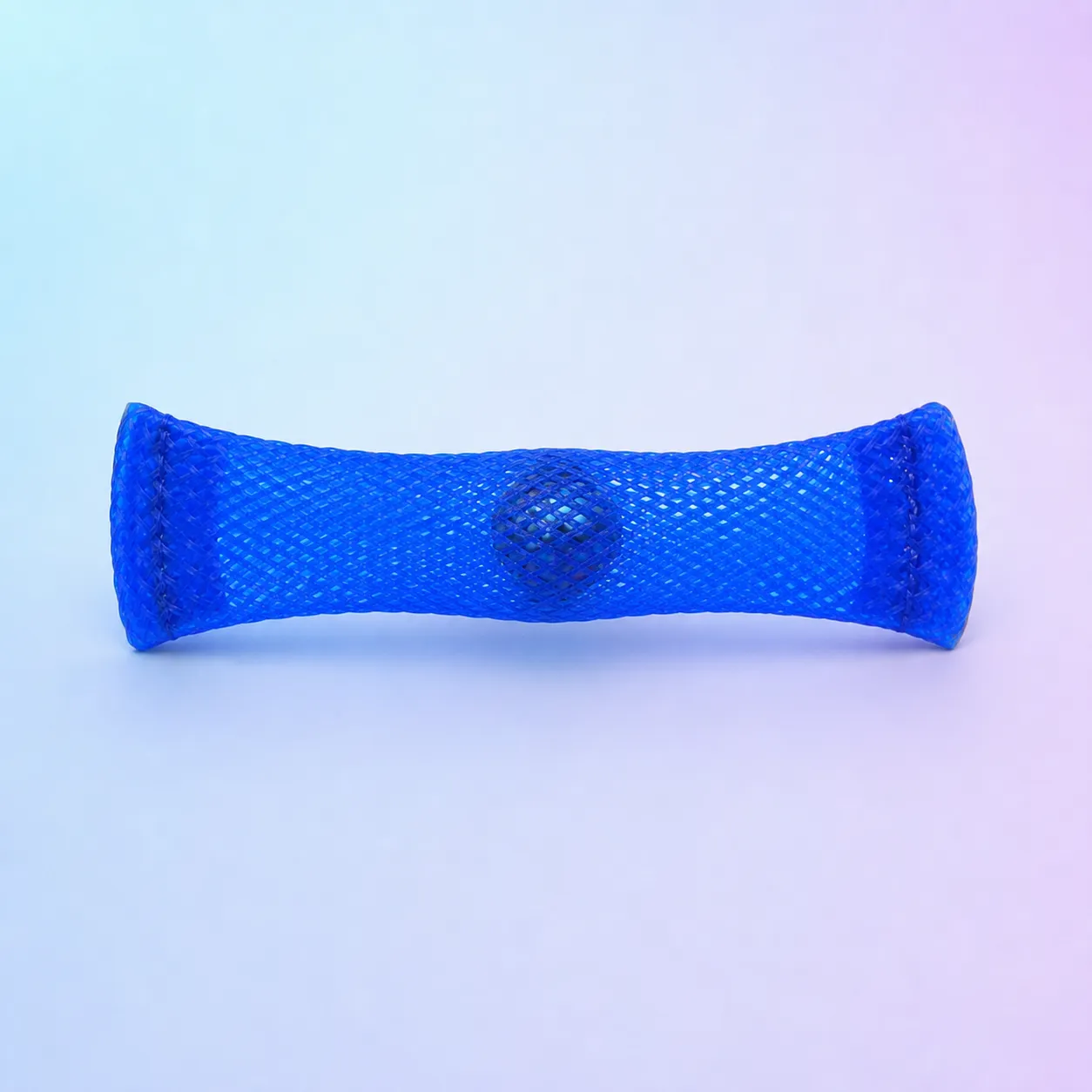
Roll & Squeeze Mesh Marble Fidget
Silent, slim focus for meetings, lectures, and reading
$9.99 $13.00
Shop by type
Pocket fidgets are slim, everyday-carry tools that disappear into a pocket and settle busy hands the moment you need them. Small enough to forget you’re carrying, satisfying enough that you won’t want to. The one decision worth making before you buy is how much noise you can afford where you plan to use it, because this category runs from completely silent to a deliberate click.
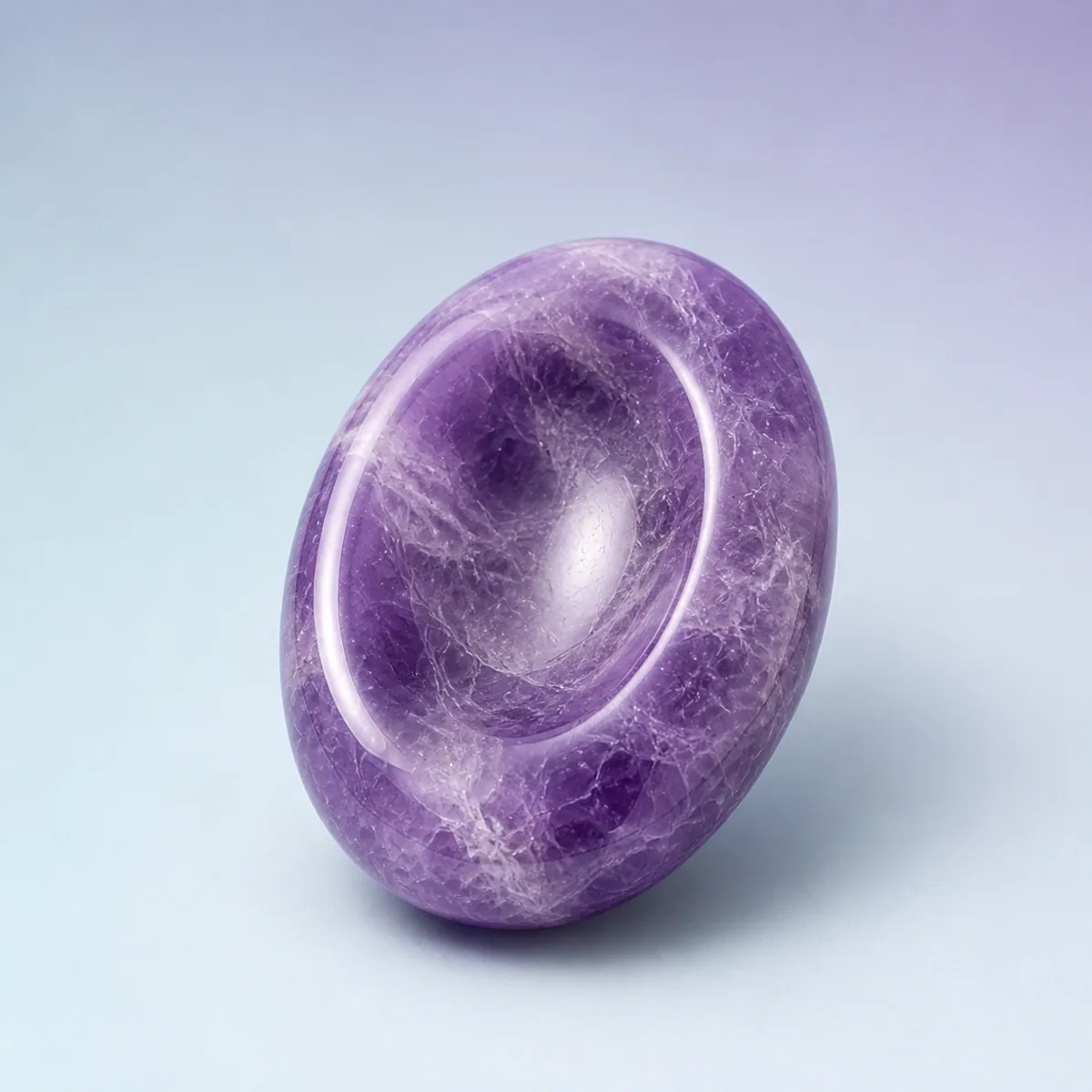
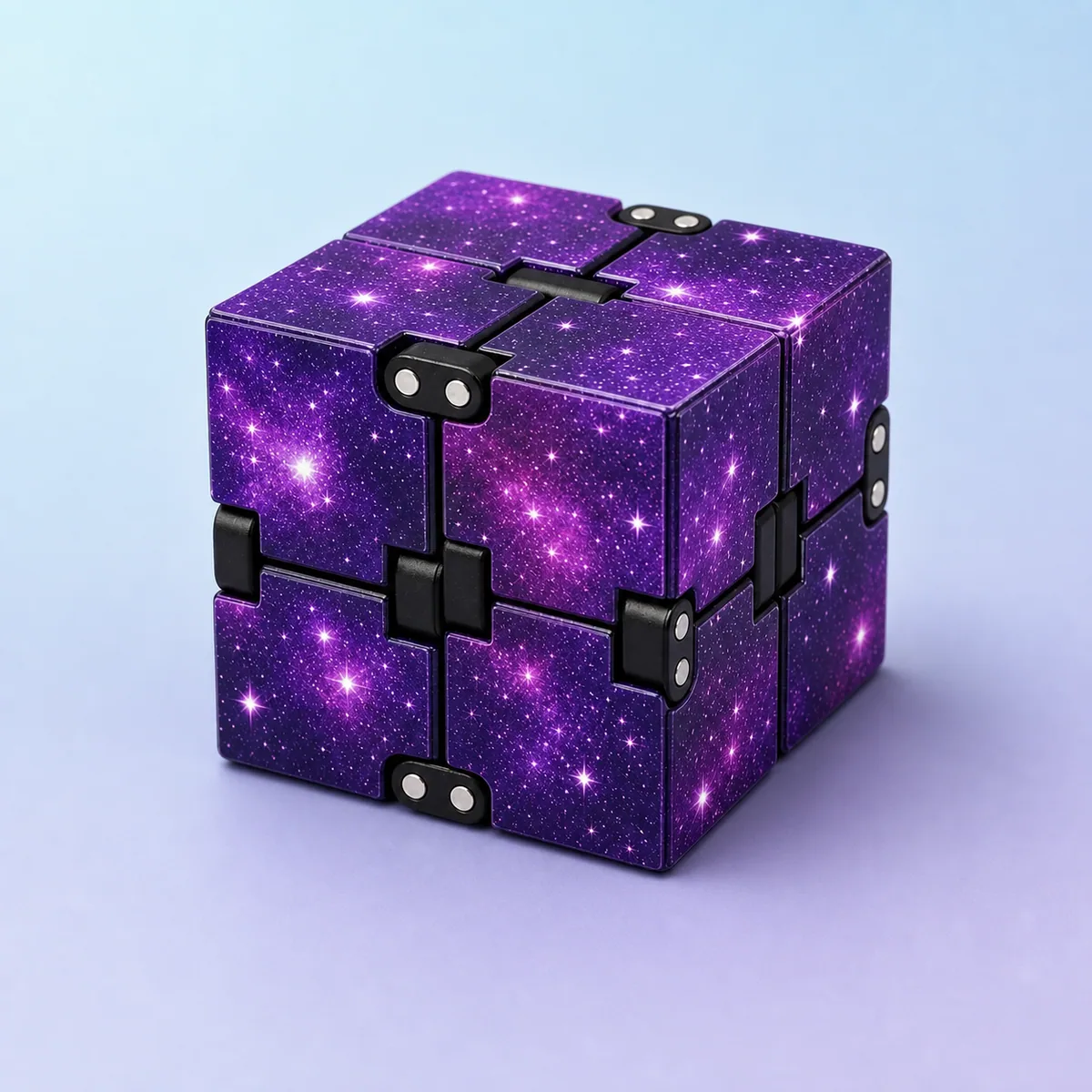
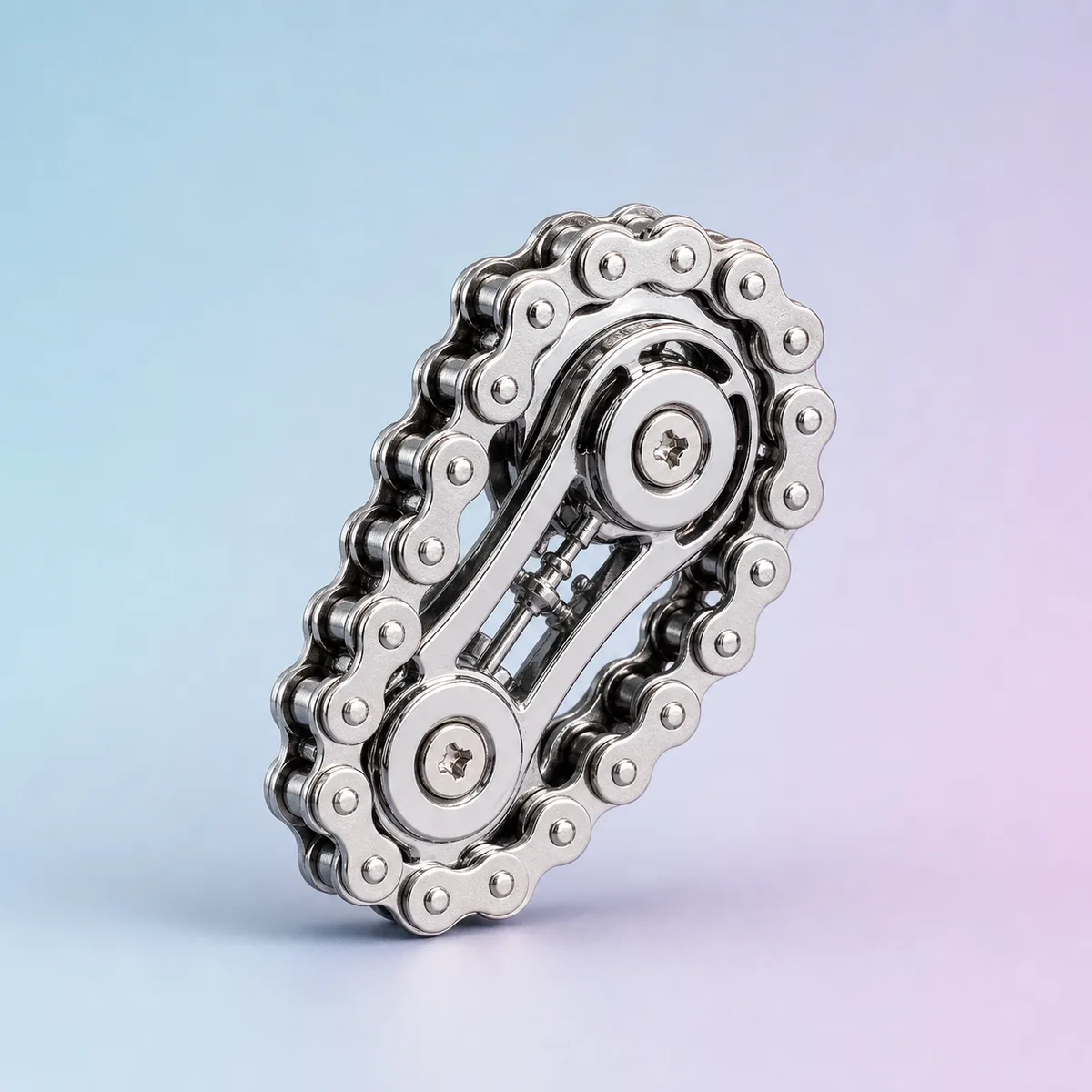
Our mesh marble roller is the standout: push the marble through the woven tube, squeeze it back, repeat. It’s a simple, repetitive motion that’s perfect for meetings, lectures, and reading. No sound, no scene. From there the range steps up in volume. The Calm Worry Stone is silent too, a polished resin thumb hollow you can work inside a coat pocket. The Hush Pop and the Infinity Flip Cube give a soft pop or a low click, fine at your own desk and fine in most classrooms. The Roll & Flip Chain has a low mechanical sound to it, and the Clicky Keys Keyboard Fidget is a crisp click on real mechanical switches, which is the point of it and also the reason it belongs at home rather than in a quiet shared office.
7 calming toys
Silent, slim focus for meetings, lectures, and reading
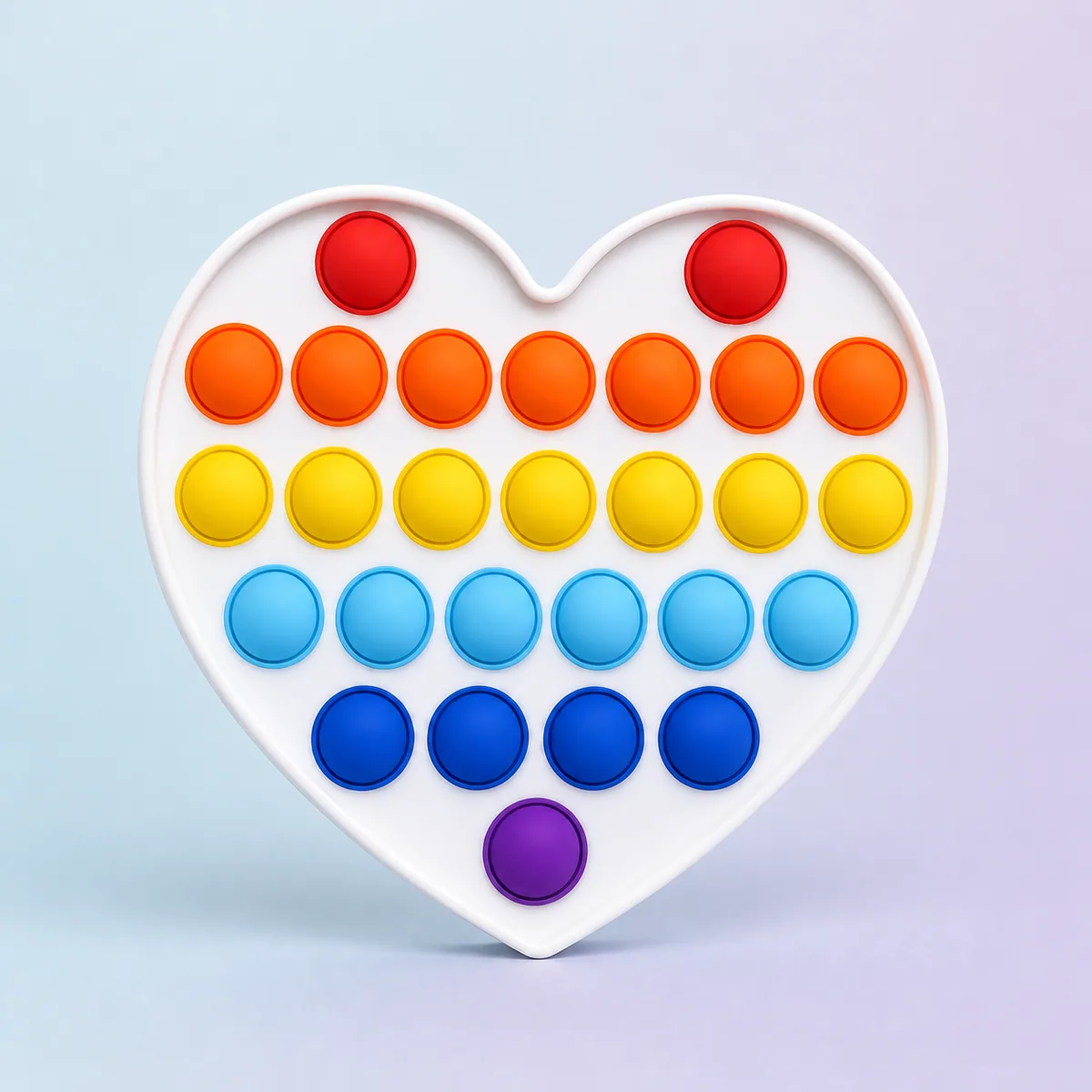
Endless press-and-flip calm for anxious or restless hands
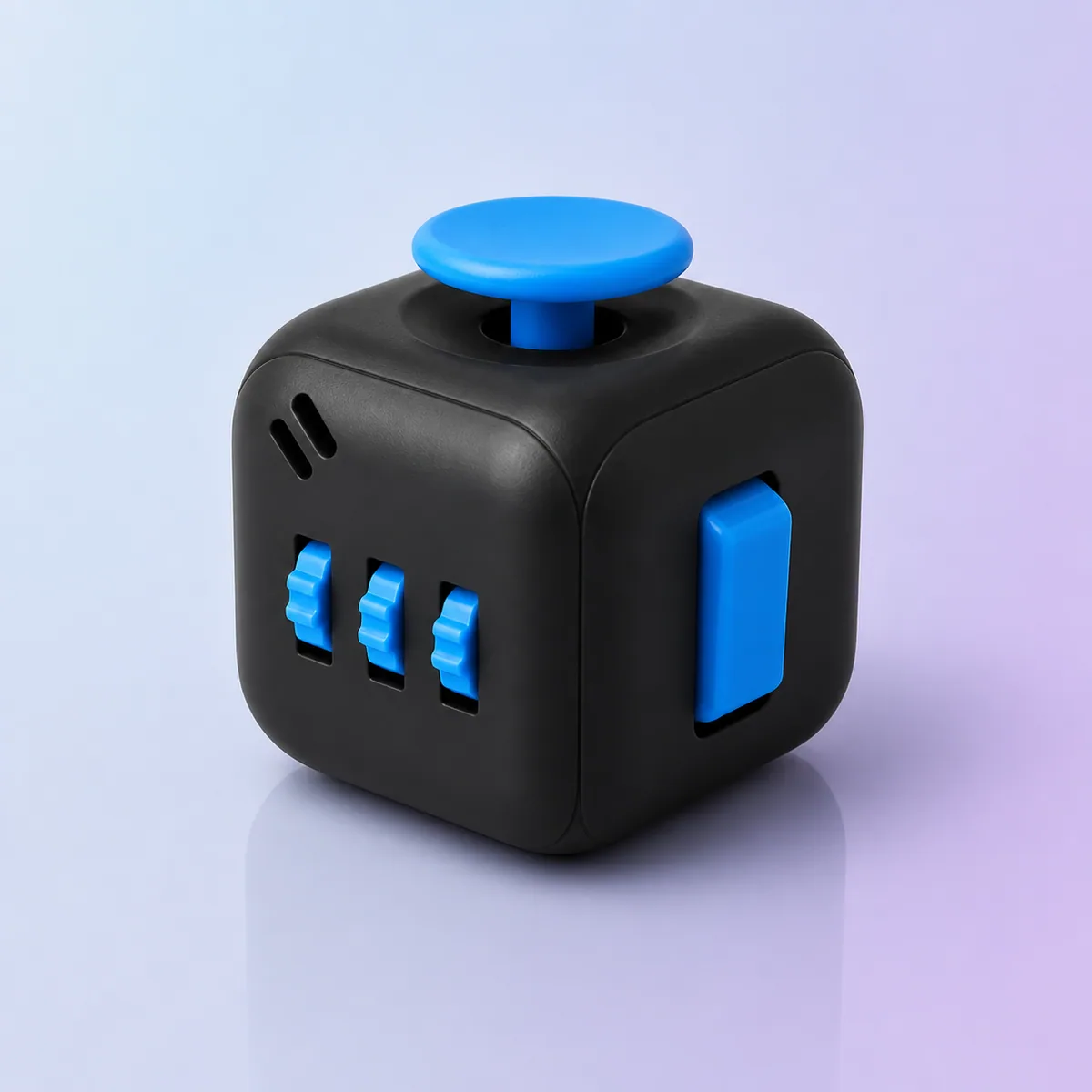
Quiet-handed focus for restless meetings and long work sessions
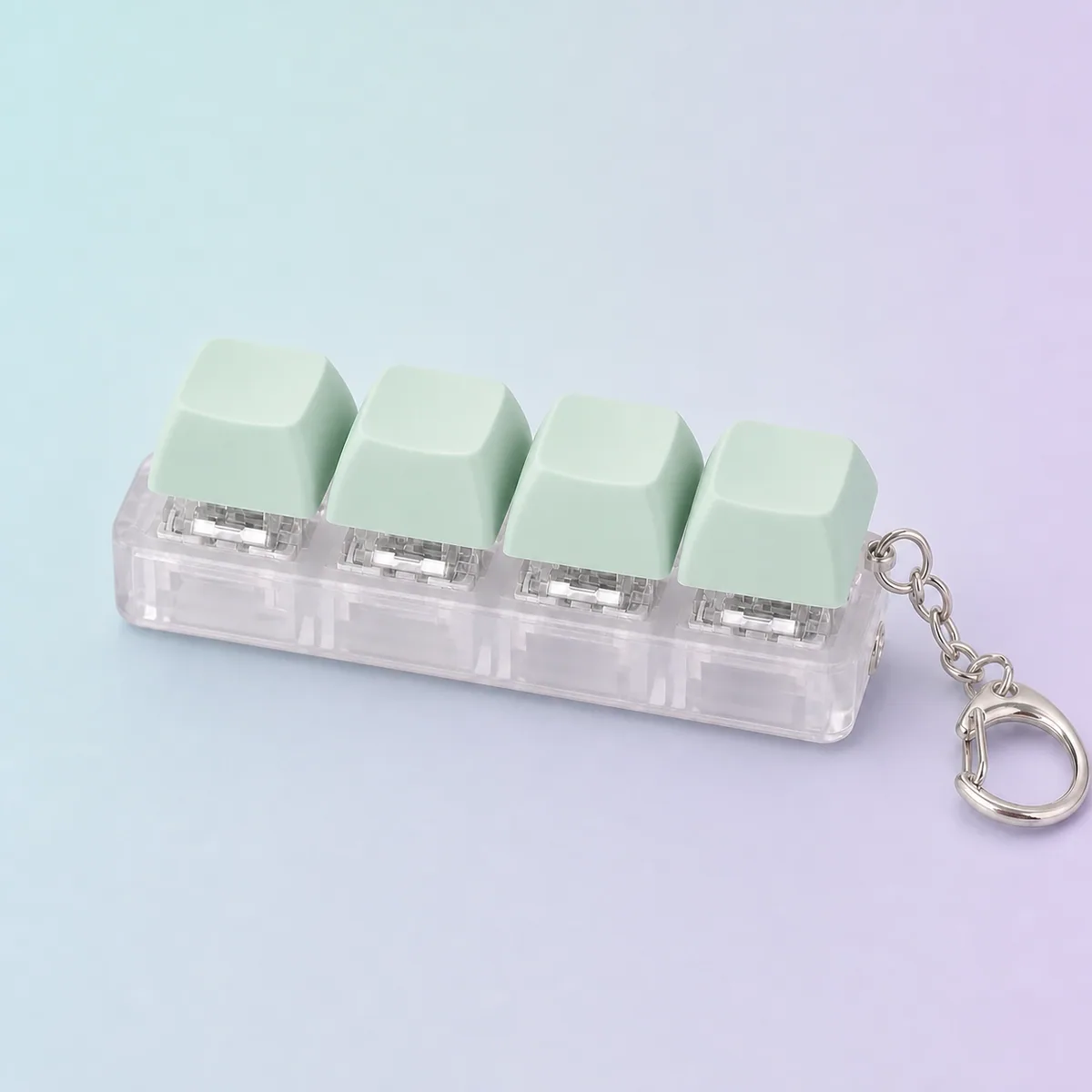
Satisfying tactile clicking for focus and restless thumbs
Learn more
Good to know
A mesh marble roller is one of the quietest pocket fidgets: completely silent, slim, and endlessly repeatable. It’s ideal for situations where you need to fidget without making any noise, like meetings, lectures, or a quiet office.
Take them in order of volume. Silent: the Roll & Squeeze Mesh Marble Fidget and the Calm Worry Stone, both of which make no sound at all. Soft: the Hush Pop Push-Pop and the Infinity Flip Cube, quiet enough for most classrooms and your own desk. Audible: the Roll & Flip Chain has a low mechanical sound, and the Clicky Keys Keyboard Fidget is a crisp click. If the room is silent and shared, stay in the first group.
Work backwards from what your hands do when nobody is watching. If you roll things between your fingers, the mesh marble matches that exactly. If you press a thumb into your palm, the worry stone has a hollow worn for it. If you tap, the push-pop or the flip cube gives the tap somewhere to land. If you click pens, the keyboard fidget is the honest upgrade, and everyone around you will be glad you bought it.
Across this collection: food-grade silicone for the push-pop, ABS plastic with silicone buttons for the click cube, polished resin for the worry stone, a glass or acrylic marble sealed inside woven nylon mesh for the marble roller, and metal chain and bearings for the flip chain. The silicone, ABS and mesh items are free of BPA and phthalates, and the moulded ones are EN71 tested, the European toy safety standard.
Age guidance varies by shape, and it is on each product page. The Hush Pop is rated 3+, the Click-Cube and Infinity Flip Cube 6+, and the worry stone, mesh marble and flip chain 8+, since those carry small or hard parts. For a young child, start at the push-pop end.
Plenty of people say a repetitive motion in one hand makes it easier to keep attention on a lecture or a long call, and occupational therapists often describe fidget tools as one part of a regulation toolkit. The research is mixed and these are supportive tools, not a treatment for anything. If focus is a persistent problem, it is worth talking to a professional as well.
is saved to your cart · at checkout.