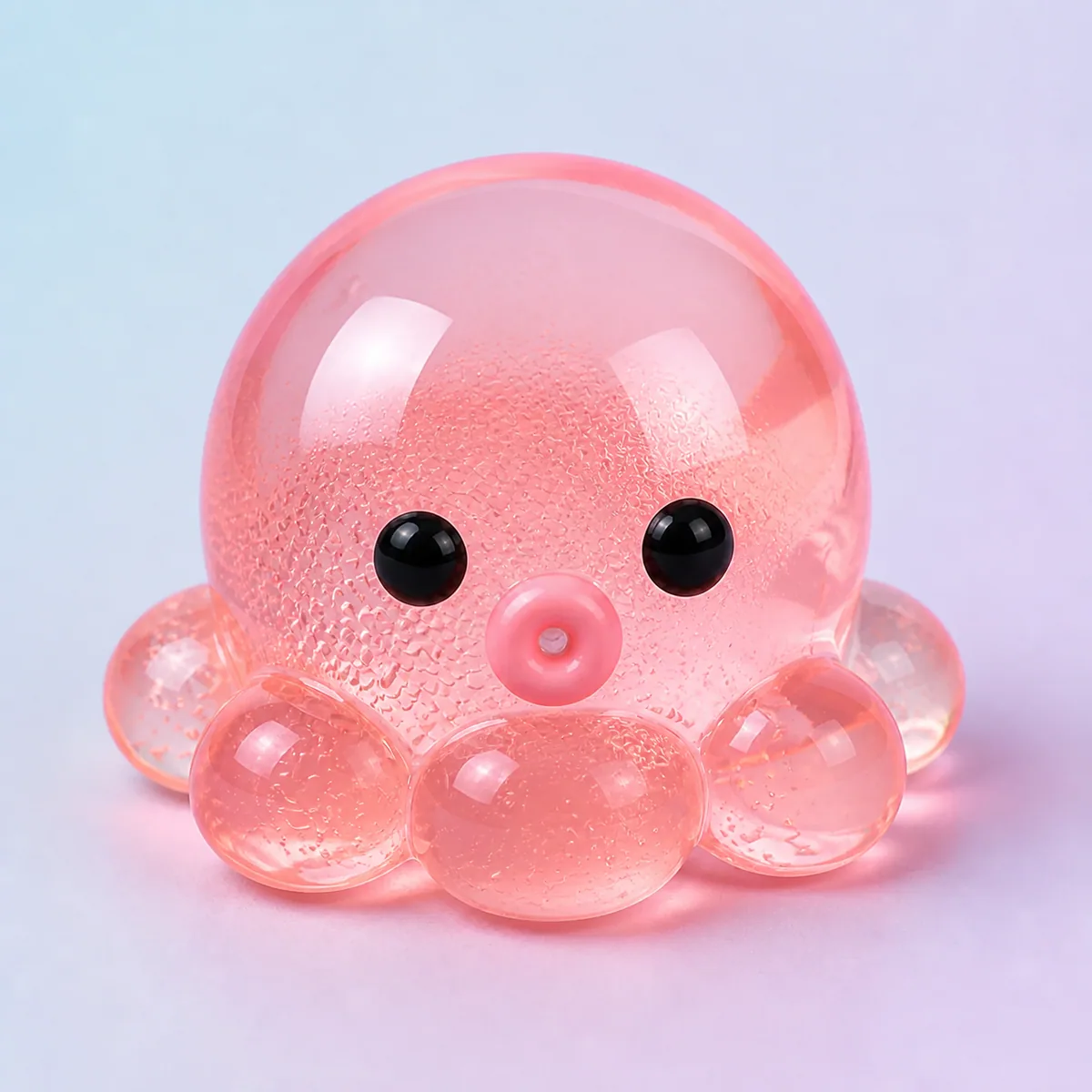
(610)
Mochi Octopus Gel Squishy
Quiet full-palm squeezing and smooth visual sensory play
$13.99 $19.00
Shop by need
Calming toys for kids give a child something soft and repetitive to do with their hands when feelings get big: a squishy to press, putty to stretch, a quiet fidget to turn over. They are supportive tools rather than treatment, and they work best alongside a familiar routine and a calm adult nearby.
Everything in this collection is labeled for ages 3 and up or 6 and up, and we list each toy's age on its own page so you can check before you buy. Nothing here is rated for children under three, because small parts are a choking risk at that age. For a younger child, or for a child who still mouths toys, choose one large supervised item instead. Quiet matters too: none of these light up, buzz, or click loudly, so they can travel to a classroom or a waiting room without becoming the thing everyone looks at.
14 calming toys
Quiet full-palm squeezing and smooth visual sensory play
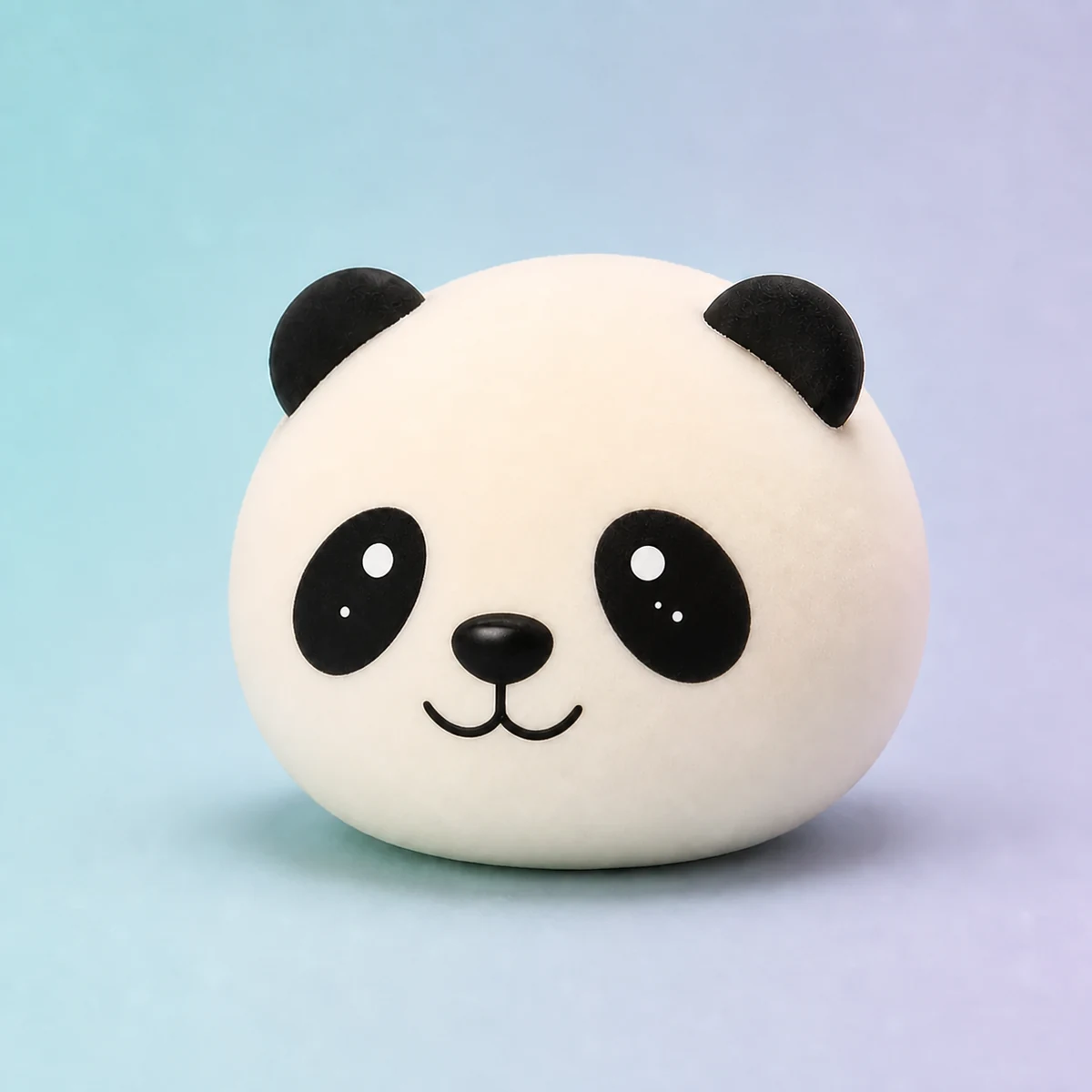
Bedtime wind-downs and dough-soft, low-stimulation calm
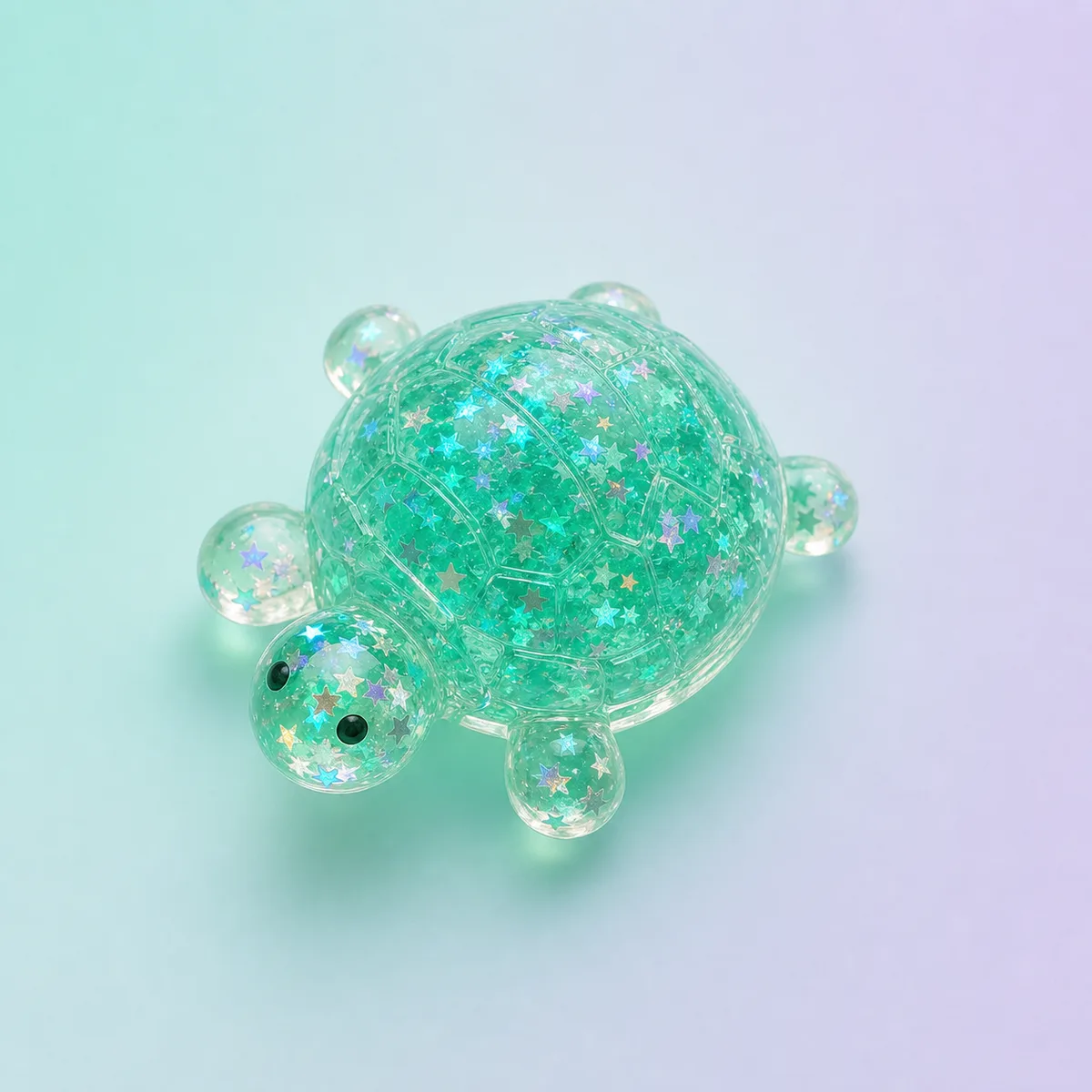
Springy full-hand gel squeezing and visual texture
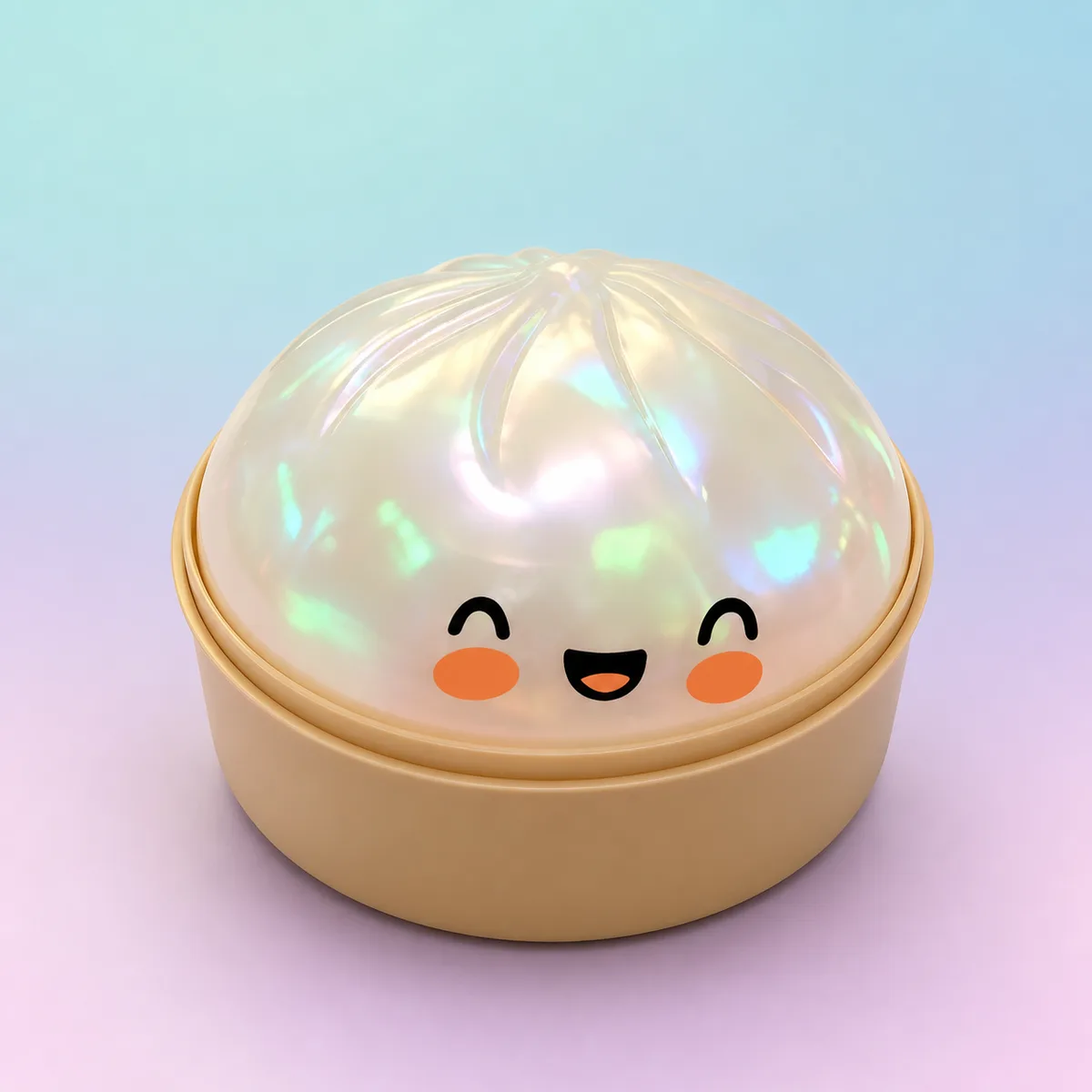
Cozy, dough-soft slow-rise comfort for restless desk moments
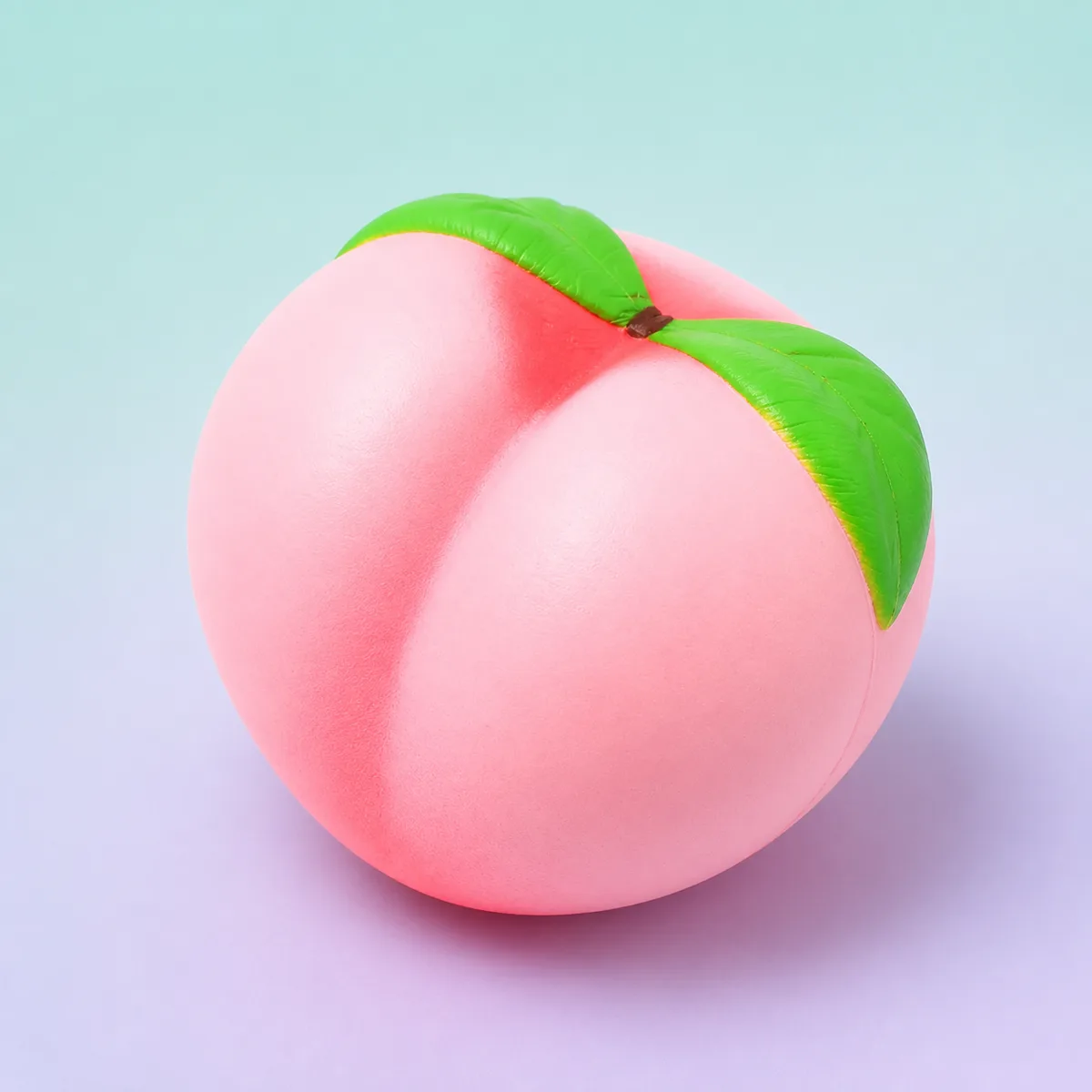
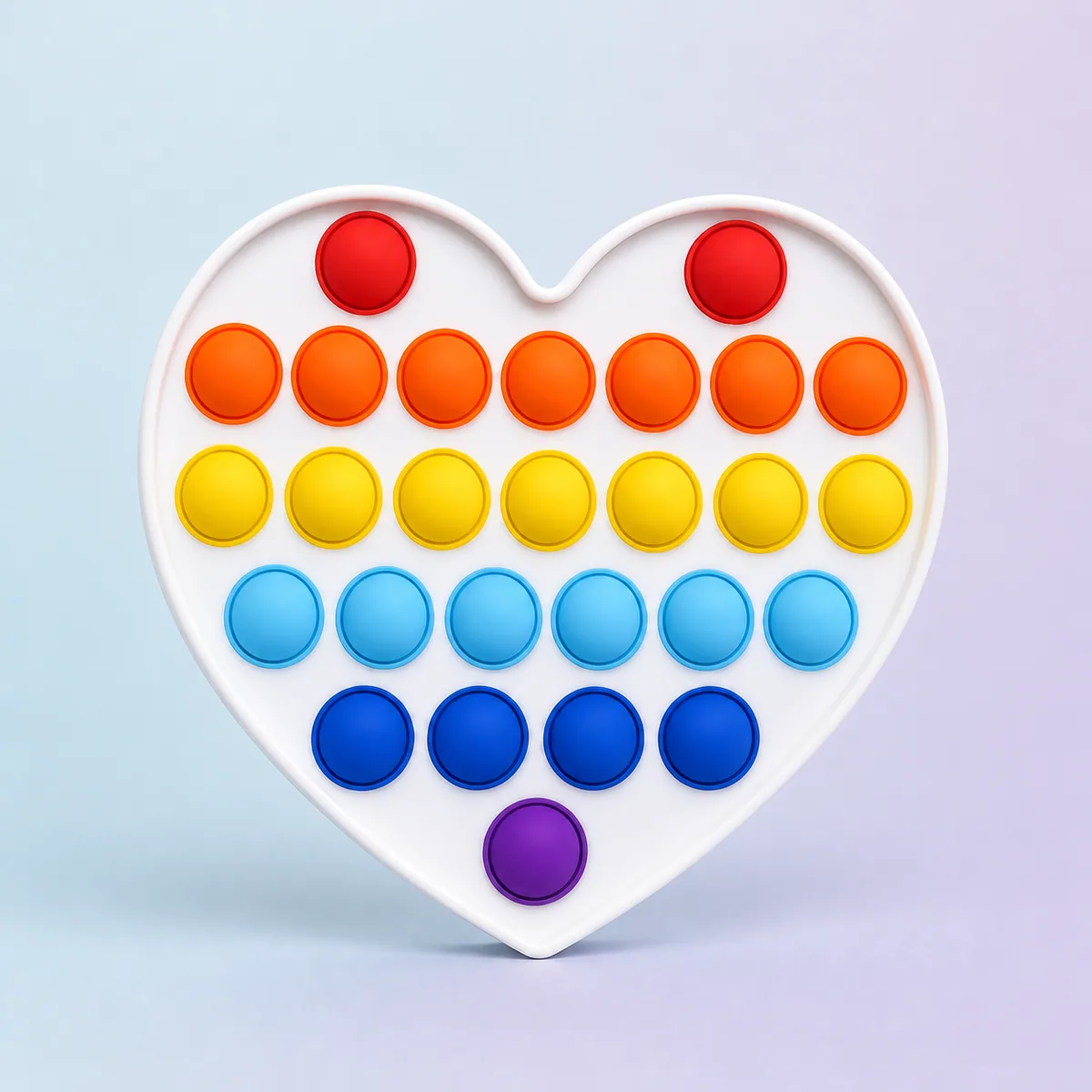
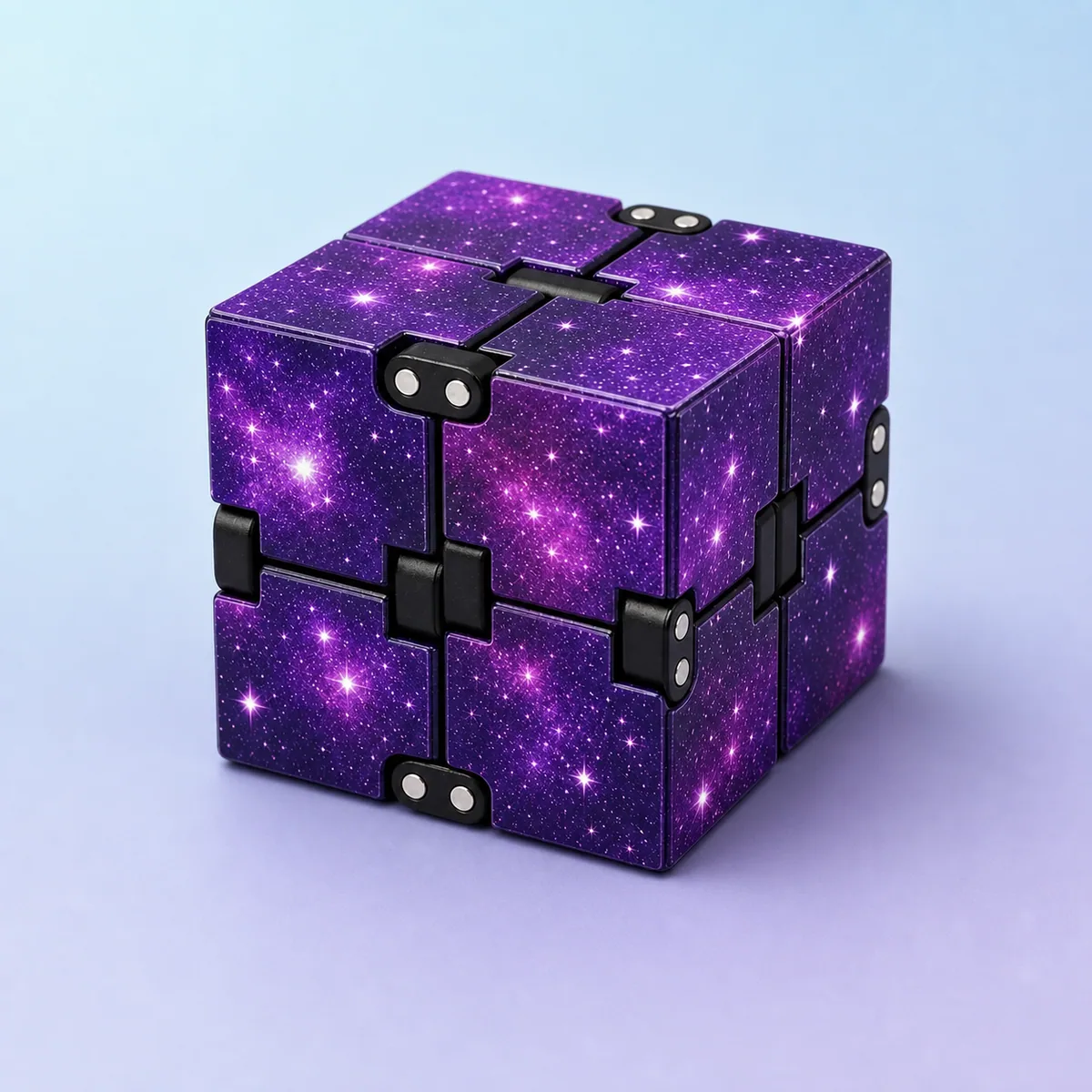
Endless press-and-flip calm for anxious or restless hands
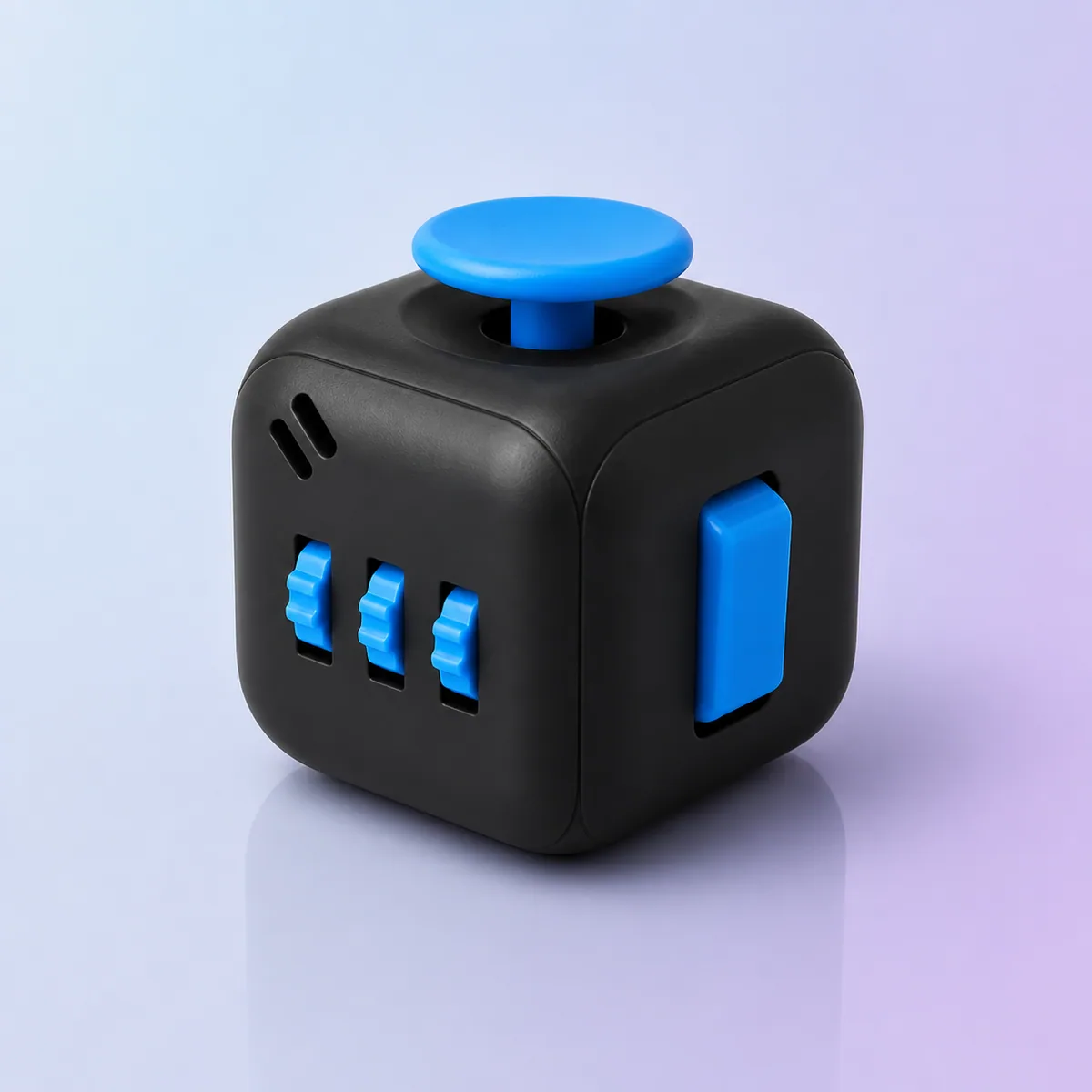
Quiet-handed focus for restless meetings and long work sessions
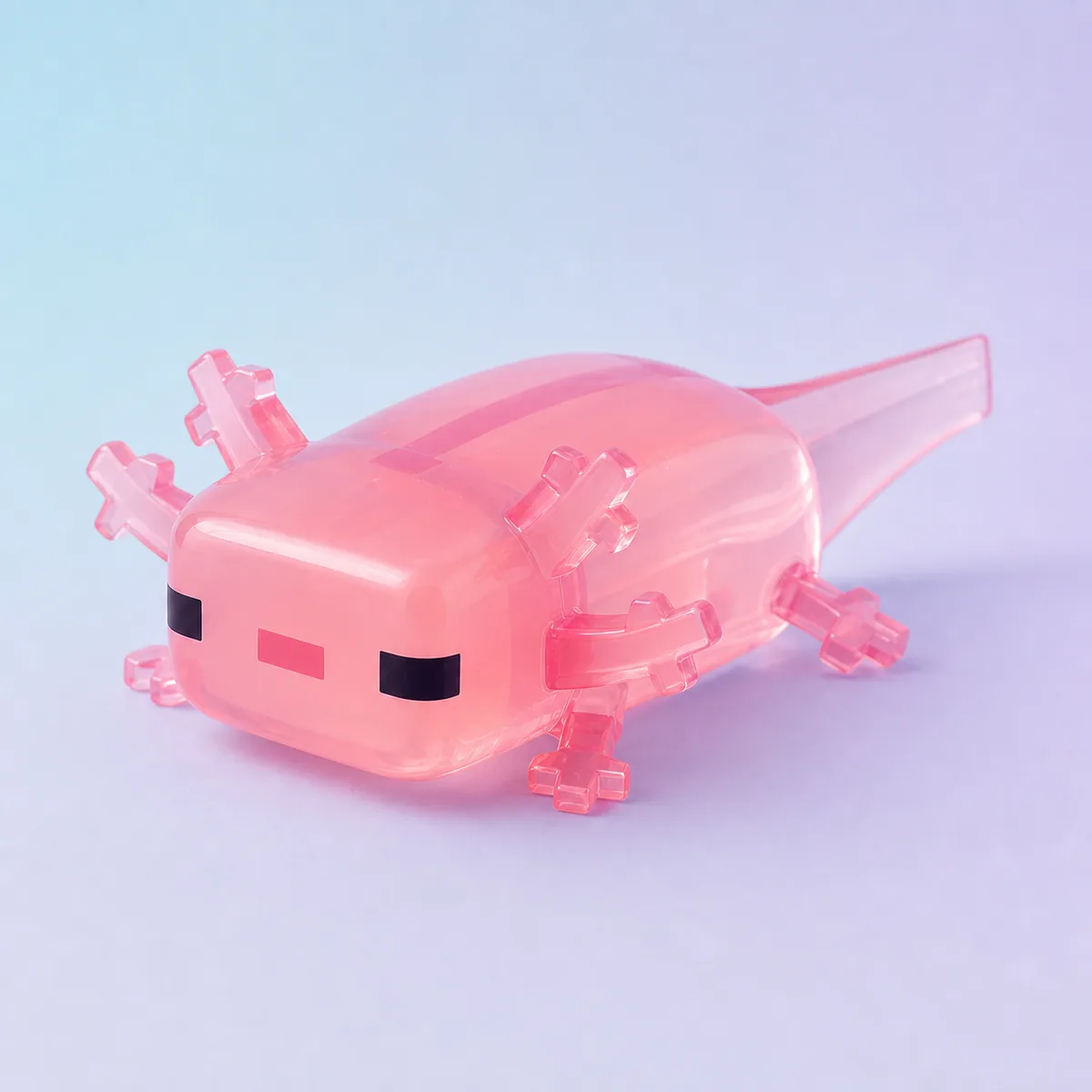
Quiet squeezing and stretchy sensory play at a desk or on the go
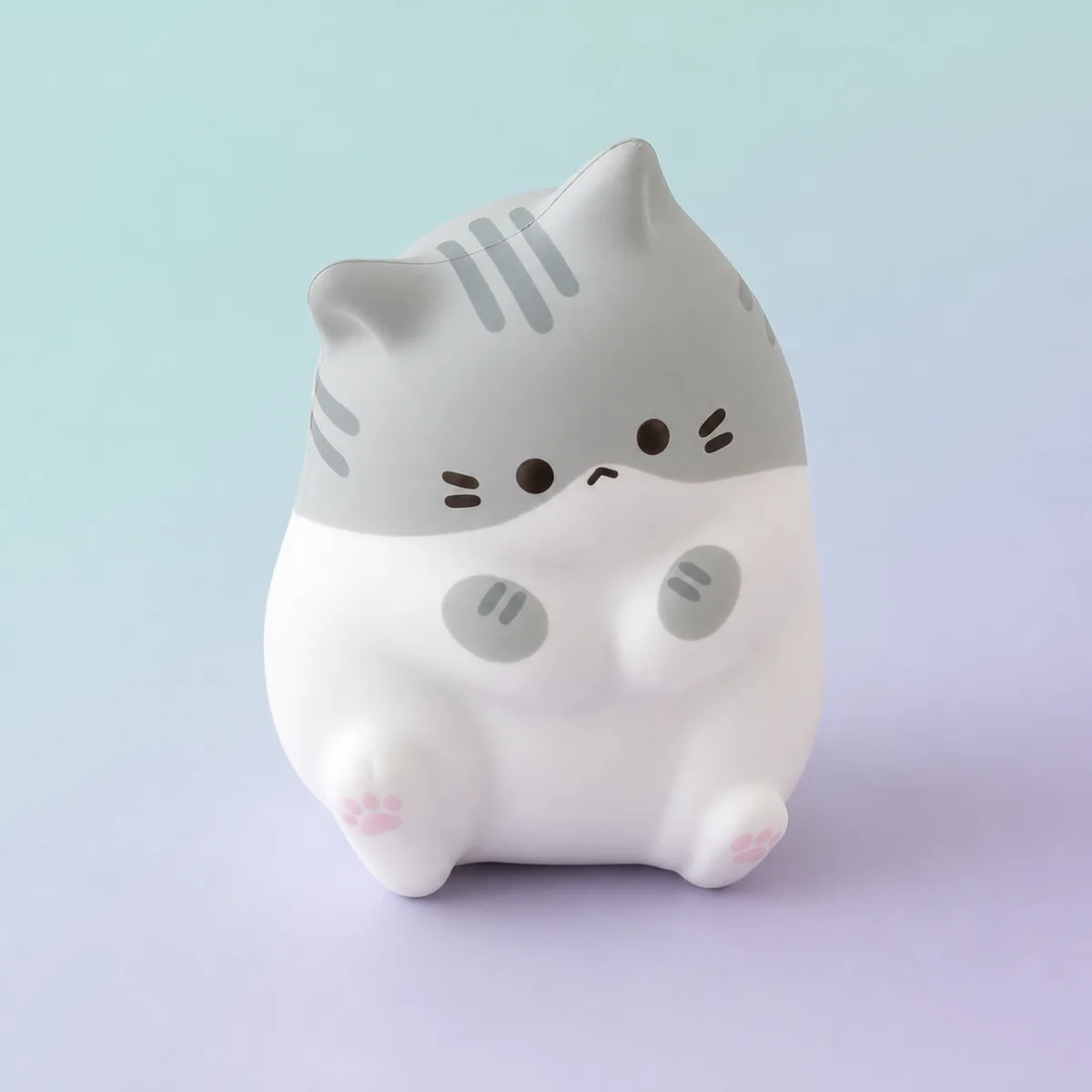
Quiet slow-rise squeezing with a compact seated shape
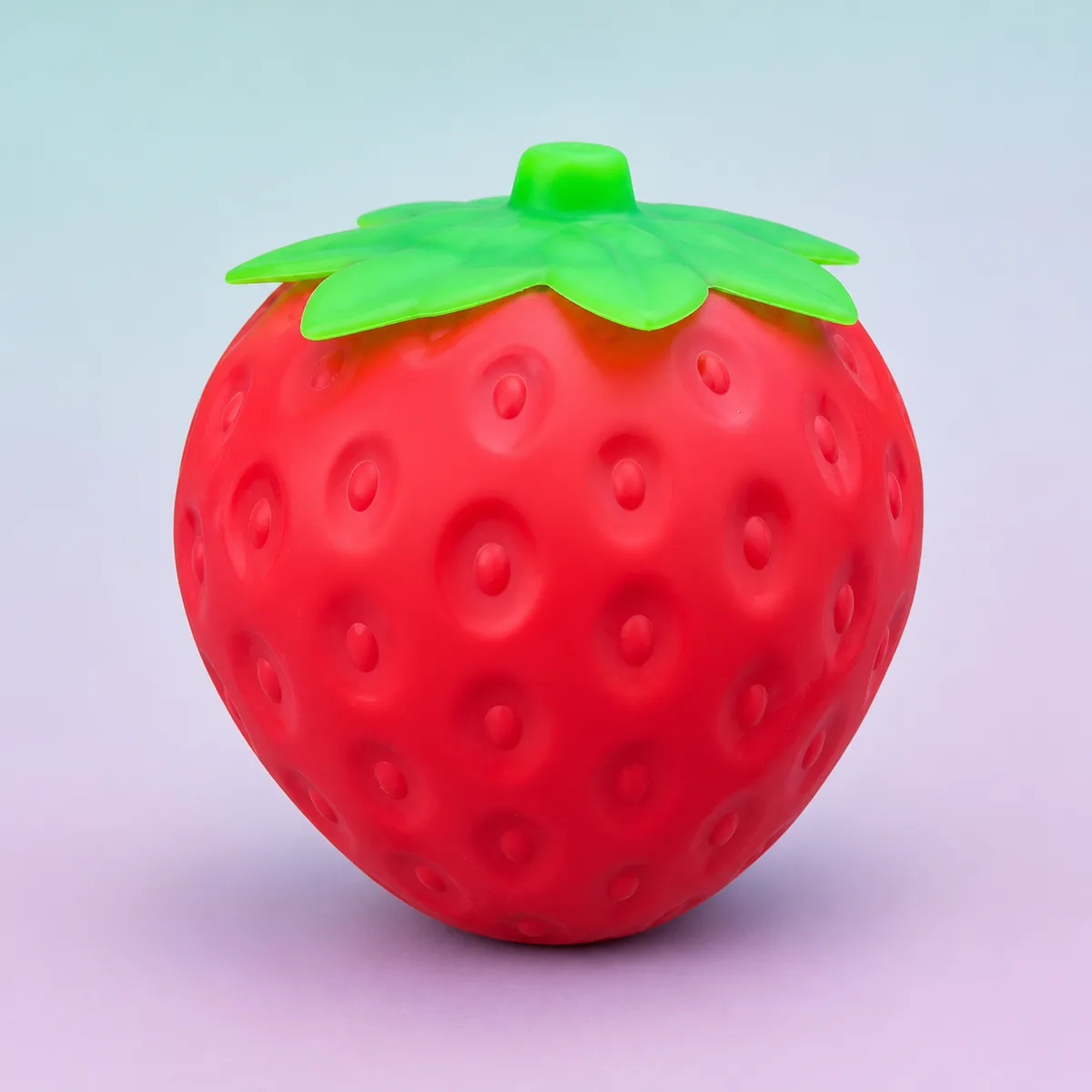

Sweet slow-melt calm for the desk and easy gifting
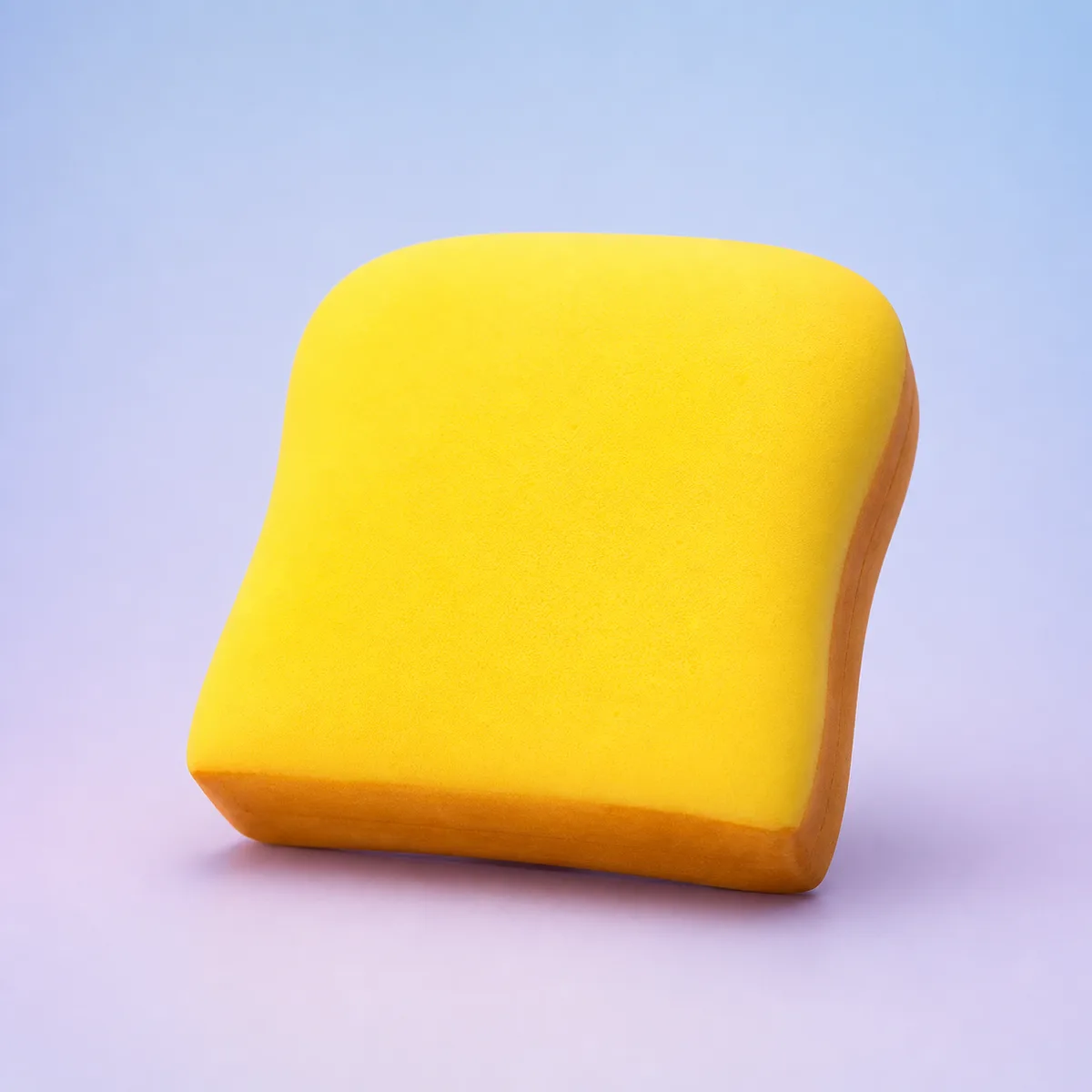
Dough-soft slow-rise comfort for screen breaks and wind-down
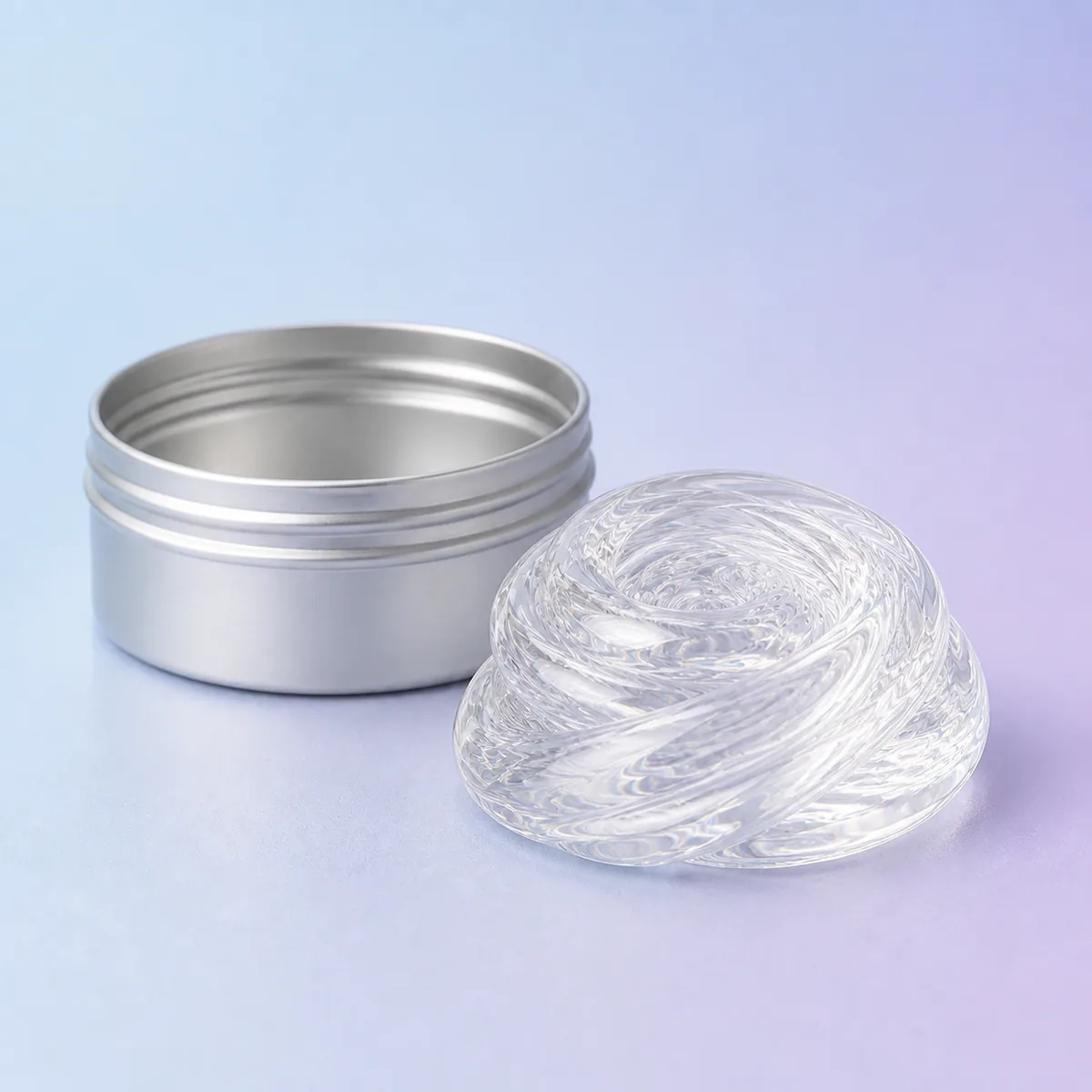
Learn more
Good to know
It depends on how your child settles. A firm squeezer suits a child who clenches, putty suits a child who needs slow stretching, and a slow-rising squishy suits a child whose thoughts race. A small variety works better than one perfect pick, because children reach for different textures on different days.
No. Every toy in this collection is labeled for ages 3 and up or older, and none is rated for children under three, because small parts are a choking hazard. If your child still puts toys in their mouth, choose a single large item and stay with them while they use it.
It can help as one small tool. Holding and squeezing something gives restless energy a physical outlet and gives a child a familiar object to reach for in a hard moment. It is not a treatment for anxiety, and if worry is frequent or getting in the way of school, sleep, or friendships, a pediatrician is the right next step.
Often, if they stay quiet and out of sight. Every toy here is silent or near-silent for that reason. School policies differ, so it is worth asking the teacher first, and a pocket-sized fidget usually goes over better than something that sits on the desk.
Give it to them at a calm moment rather than mid-meltdown, so it is familiar before it is needed. Let them choose which one, put it somewhere they can reach it themselves, and let it be theirs to use without being asked to explain why.
is saved to your cart · at checkout.