Are fidget toys allowed in school?
It depends on the school and the teacher, and the honest answer is that plenty will say yes, especially to a quiet, low-key fidget backed by a simple plan. Many teachers welcome a silent, non-distracting tool for a student who focuses better with something in their hands. What tends to get banned is the loud, flashy, toy-like kind: the spinner that whirs, the popper that snaps, the gadget the whole table wants to try.
So there is no single rule, and that is the first thing to tell your child. Some schools have a blanket policy in the handbook. Many leave it to each teacher, which means the same fidget can be fine in one room and a no in the next. A quick, respectful conversation almost always beats guessing, and it beats sneaking one in.
We will be straight with you, because this is really a question about trust between a student, a parent, and a teacher. A fidget earns its place in a classroom when it helps one child settle without pulling on anyone else. Choose well and ask first, and a yes is far more likely than most parents expect.
Why do some teachers ban fidget toys?
Usually because a fidget stopped being a tool and turned into a toy. A teacher’s job is to protect the focus of a whole room, and a fidget that clicks, lights up, flies across the floor, or gets traded at recess works directly against that. The ban is rarely about the child. It is about the distraction.
It helps to see it from the front of the room. Here is what teachers are actually worried about, and each worry is fair:
- Noise. A repeating click or pop travels, and it lands hardest on the sound-sensitive kids trying to concentrate.
- Visual pull. A bright, spinning, fast-moving toy grabs every eye near it, not just the hands holding it.
- Trading and showing off. The moment a fidget becomes a status object, it is a social event, not a focus tool.
- Throwing and dropping. Anything that rolls, bounces, or comes apart becomes a small interruption waiting to happen.
- It replaces attention instead of supporting it. If a child disappears into the toy, it is no longer helping them listen.
None of that means fidgets are bad. It means the wrong fidget, used the wrong way, causes exactly the problem the teacher is paid to prevent. Once you name the real concern, the fix gets obvious: pick a fidget that makes none of those things happen.
What kinds of fidgets are actually classroom-friendly?
The classroom-friendly ones are silent, small, and boring to look at: tools you can use in one hand, under a desk or in a pocket, without a sound and without a show. The goal is a fidget the teacher forgets is even there. Soft, rolling, squeezing, and sliding motions fit that bill. Clicking and popping ones do not.
A few of ours that are built for exactly this:
| If your child… | A classroom-friendly pick | Why it works in class |
|---|---|---|
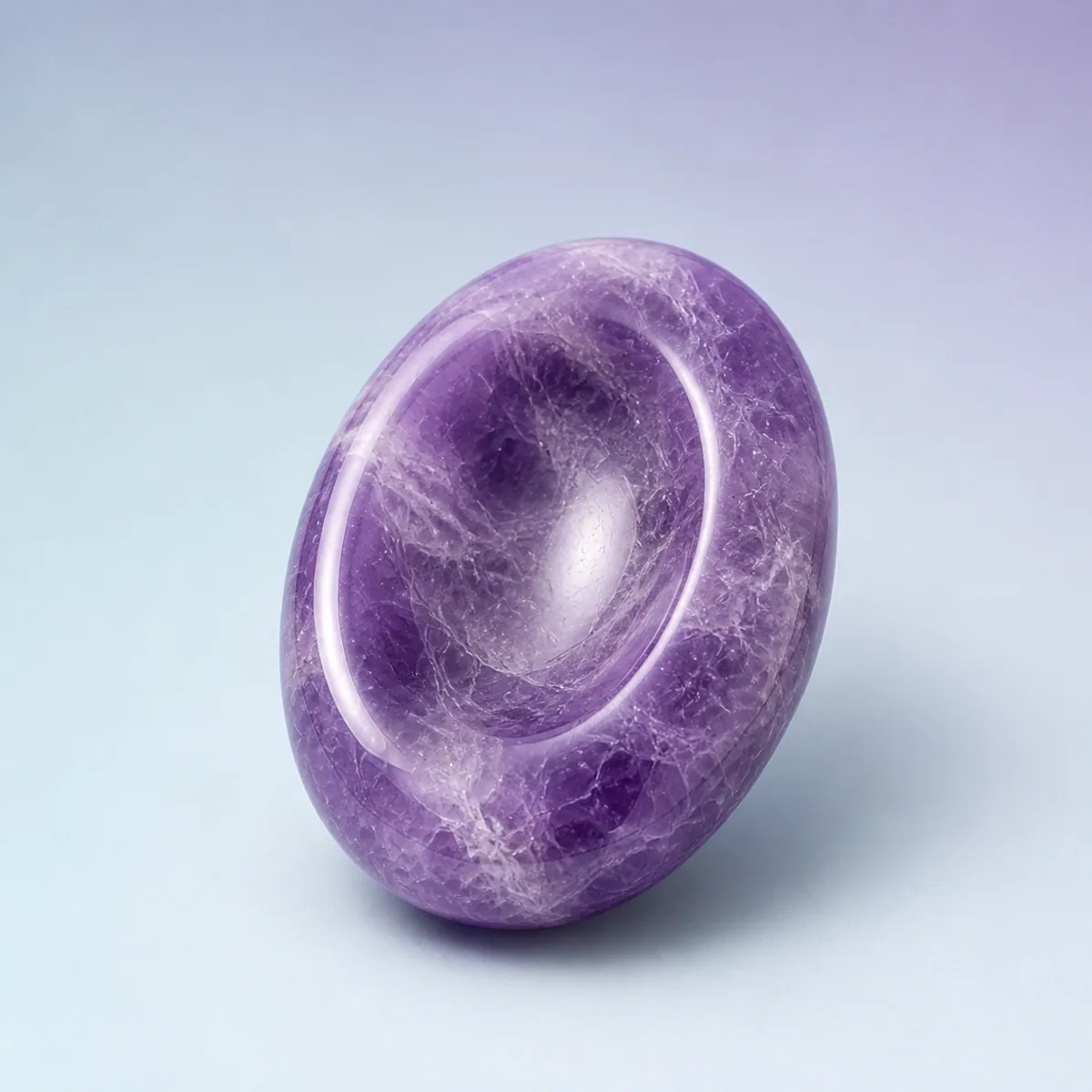
| Wants something totally invisible | Calm Worry Stone | The quietest thing we make, pocket-sized, looks like nothing at all |
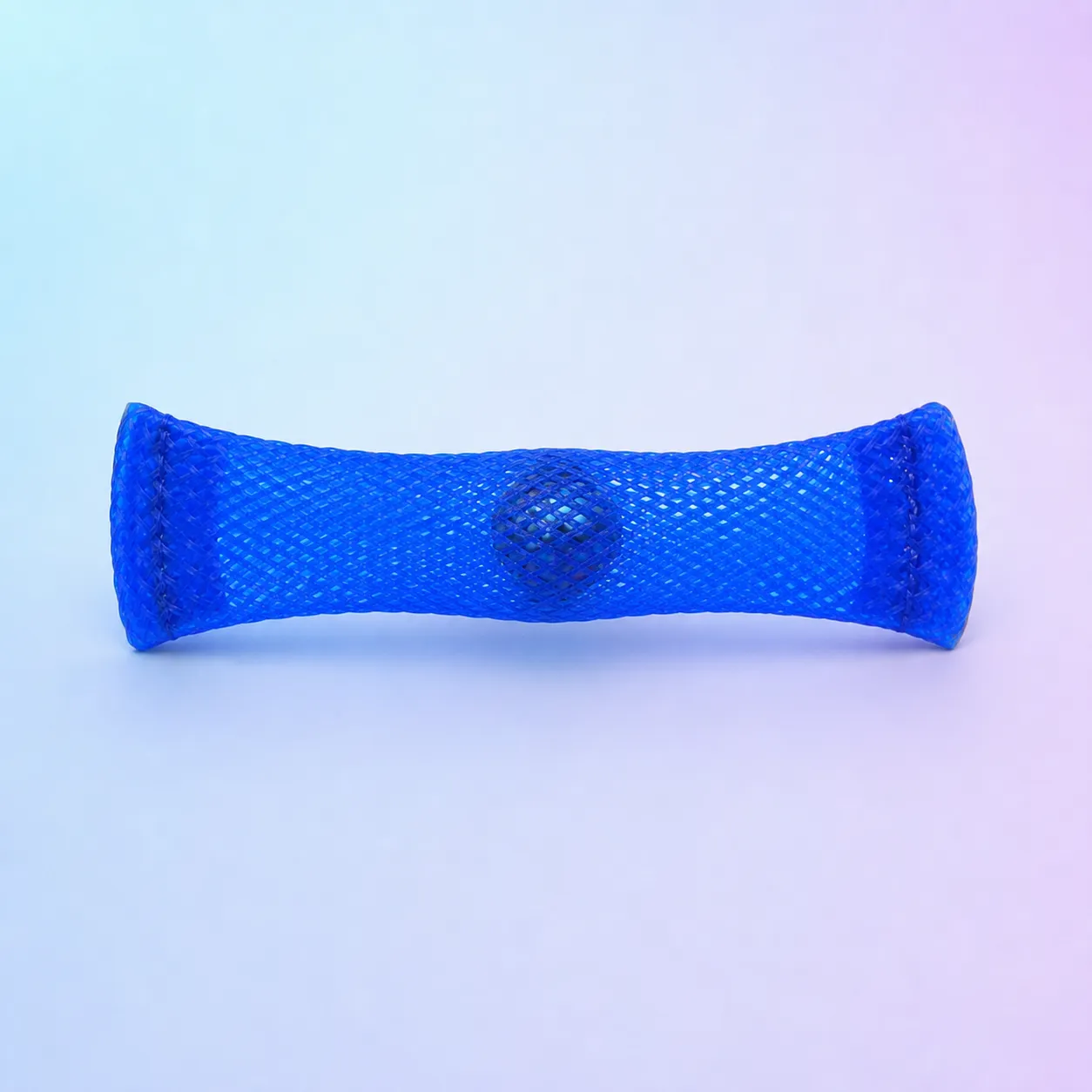
| Needs busy hands while reading | Roll & Squeeze Mesh Marble Fidget | Completely silent, slim, rolls in one hand without looking down |
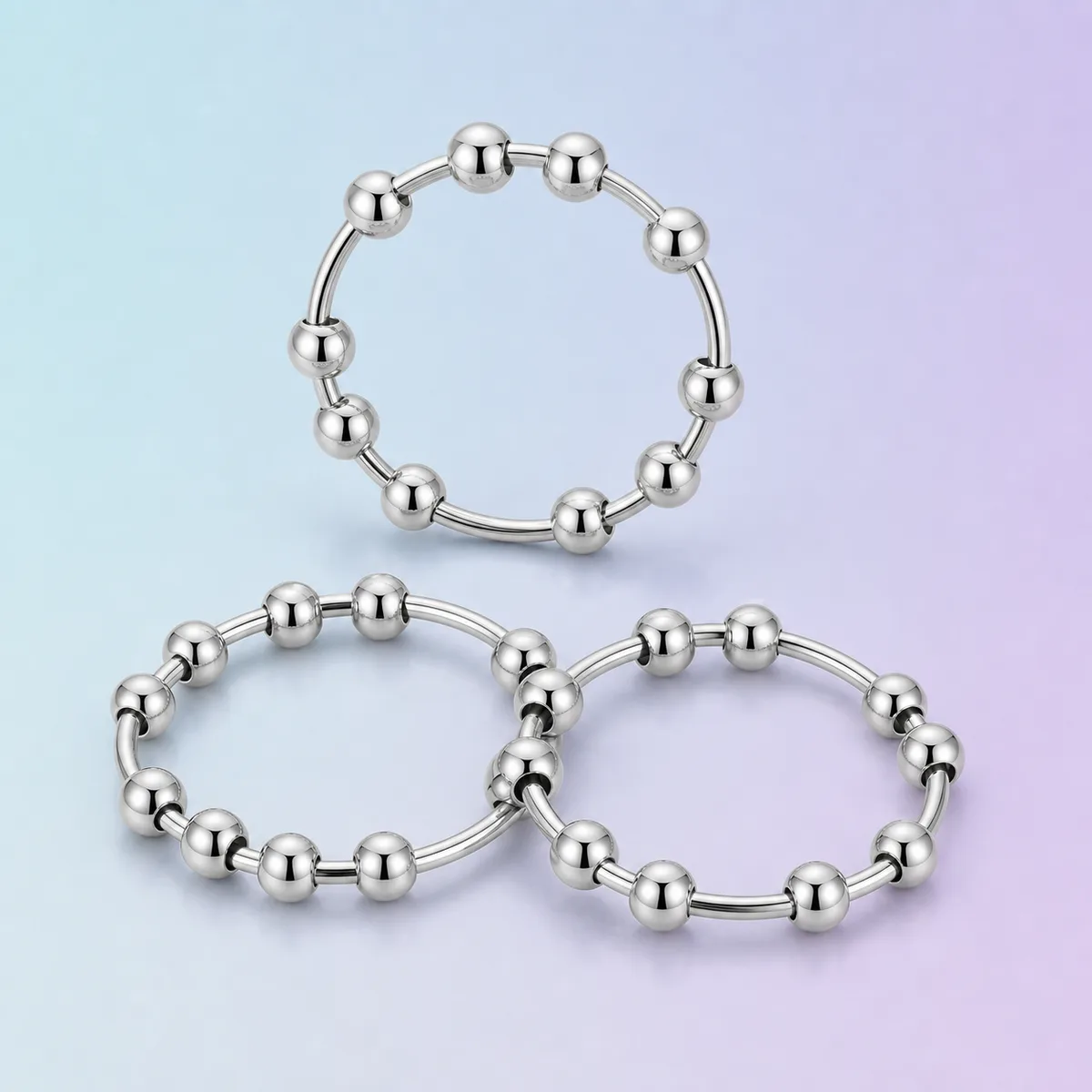
| Is older and likes to wear it | Quiet Spinner Sensory Ring Set (3-Pack) | Wears like simple jewelry, very quiet, turns on a finger under the desk |
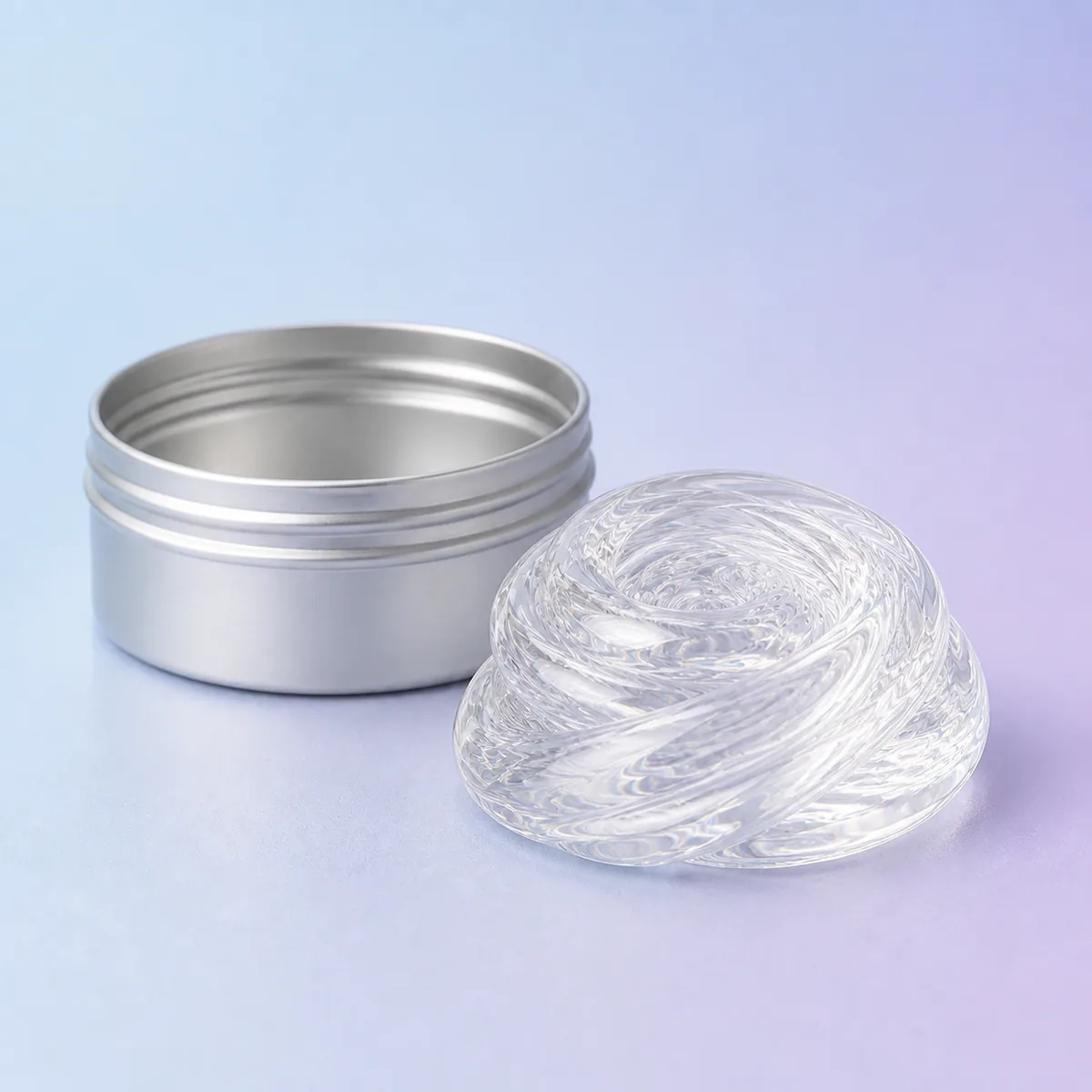
| Focuses better with open-ended hands | Calm Putty | Silent and endlessly re-shapeable, best kept at a hard desk |
A little more on each, honestly.
The Roll & Squeeze Mesh Marble Fidget is the one we would hand most students first. It is a glitter marble sealed in a woven mesh sleeve, completely silent, slim enough for a pocket, and easy to roll while your eyes stay on the page. At $9.99 it is an easy first try, and it is rated for ages 8 and up.
The Calm Worry Stone is for the child who wants nobody to notice at all. A smooth stone with a thumb-shaped hollow worn into the middle, it makes no click and no pop, and a thumb finds the groove without looking. At $9.49 it is the quietest, most invisible option on the list, and it slips into a pocket for the walk to a hard test.
The Quiet Spinner Sensory Ring Set (3-Pack) suits older students, since the set is labeled for ages 12 and up. Polished beads slide and turn around a slim band that wears like a plain ring. One honest note: metal beads can make a faint tick when they touch, so it is very quiet rather than truly silent. Kept moving slowly on a finger, it stays discreet.
Calm Putty is silent and open-ended, which is why restless hands stay with it so long. The one honest caveat matters in a classroom: keep it off fabric and hair. That makes it a great desk tool and a poor carpet one, so it is worth clearing with the teacher and keeping it on a hard surface.
Notice what is missing from this list: anything that clicks, snaps, whirs, or begs to be shown off. That is the point.
How do I ask my child’s teacher about a fidget toy?
Ask early, ask directly, and frame it as a tool, not a treat. A short, warm message or a word at pickup does more than any amount of hoping it goes unnoticed. Teachers say yes far more often when they are asked first and brought in as a partner.
A simple way to open it:
- Lead with the goal, not the gadget. Something like, “She focuses better with something quiet in her hands. Could we try a silent fidget in class?” tells the teacher you are on the same side.
- Name the specific toy and its sound level. “It is completely silent and stays in one hand” answers the first worry before it is raised.
- Offer a trial and a plan. Suggest a week, agree on ground rules, and ask the teacher to tell you if it becomes a distraction. A plan you can adjust is easy to say yes to.
- If there is a diagnosis, loop in the right people. For a child with an IEP or 504 plan, a fidget can be written in as a self-regulation support. The teacher, school counselor, and occupational therapist can help decide if it fits. Nonprofits like Understood and CHADD have plain-language guides on asking for that kind of classroom accommodation.
If the answer is no, it is worth gently asking why. Sometimes it is a school-wide policy. Sometimes it is a past bad experience with a spinner, and a genuinely silent, pocket-sized tool changes the conversation.
What ground rules keep a fidget from becoming a distraction?
The rules that work are the ones that keep a fidget a tool: one hand, one child, out of sight, and away the moment it pulls focus. This is the whole deal you are offering the teacher, and it is what turns a maybe into a yes. Talk them through with your child before day one.
The short version we would tape inside a pencil case:
- It stays in your own hands and your own space. Not on the desk edge, not in a neighbor’s eyeline.
- It is not for sharing, trading, or showing. The second it becomes a social object, it goes in the bag.
- It stays quiet. If it makes a sound, it is the wrong tool for class.
- It helps you listen, it does not replace listening. If you have stopped following, set it down.
- The teacher’s call wins. If they ask for it away, it goes away without a fuss.
Framing this as a tool, not a toy, is the whole agreement that lets a child keep their fidget. Kids tend to rise to it when the deal is clear and they helped make it.
Do fidget toys actually help kids focus in class?
They may help some kids, and the honest answer is that it depends on the child. For many students, especially those who are wired to move, having a small, quiet outlet for restless energy makes sitting and listening a little easier. The evidence is mixed and still emerging, so a fidget is a supportive tool, not a magic fix for focus.
Here is the fair picture. Occupational therapists often use fidget and sensory tools as one part of a self-regulation toolkit, and groups like CHADD, ADDitude, and the American Occupational Therapy Association discuss movement and fidgeting as legitimate strategies for attention. At the same time, researchers are clear that the findings are not settled, and that a fidget helps some children more than others.
So hold both truths. A quiet fidget is worth trying, and it is not a treatment for ADHD, anxiety, or a sensory difference. If your child is genuinely struggling to focus, a fidget can sit alongside real support, never in place of it. The teacher, the school counselor, and an occupational therapist are the people who can help build a plan that actually fits your child. A good fidget is a small, steady helper in their hand while the bigger support comes from the adults around them. Calm in the palm of your hand, quiet enough for a room full of thirty.
Sources & further reading
We reference trusted organizations by name. This article is informational and not a substitute for professional medical advice.
- CHADD: National nonprofit on ADHD; publishes plain-language guidance on school accommodations and self-regulation strategies, including movement and fidget tools.
- ADDitude: Resource on ADHD and learning differences that covers fidgeting and sensory tools as practical focus and attention strategies.
- American Occupational Therapy Association: Professional body for occupational therapists; recognizes sensory and fidget tools within broader self-regulation and school-based support.
- Understood: Nonprofit resource for learning and thinking differences, with guides on classroom accommodations and working with a child's teacher.
- Child Mind Institute: Nonprofit focused on children's mental health and learning; offers guidance on supporting focus and behavior at school.
Frequently asked questions
Are fidget toys allowed in school?
It depends on the school and the teacher, so it is always worth asking first. Many teachers welcome quiet, non-distracting fidgets, especially as part of an agreed plan for a student who needs movement to focus. Loud, flashy, or toy-like fidgets are the ones that tend to get banned. Choosing a silent, low-key tool and following the teacher's rules makes a yes far more likely.
Why did my child's teacher ban fidget spinners?
Usually because spinners became a distraction rather than a focus tool. Many spin with a visible whir, get traded and shown off, and pull the eyes of a whole table. A teacher's job is to protect the room's focus, so the flashy, social toys are the first to go. A genuinely silent, pocket-sized fidget is a very different conversation.
What is the best fidget toy for a classroom?
The best classroom fidget is silent, small, and boring to look at, so it helps one child without pulling on anyone else. A mesh marble fidget, a worry stone, or a discreet sensory ring all fit, used quietly in one hand. The best pick is the one your child will actually use calmly and keep to themselves.
How do I ask my child's teacher if they can bring a fidget?
Ask early and directly, and frame it as a tool, not a treat. Name the specific toy, say plainly that it is silent and stays in one hand, and offer a short trial with clear rules you can adjust. Teachers say yes far more often when they are asked first and brought in as a partner.
Can a fidget toy be part of a 504 plan or IEP?
Yes, it can. For a child with a documented need, a fidget can be written in as a self-regulation support, decided with the teacher, school counselor, and occupational therapist. Nonprofits like Understood and CHADD have plain-language guides on requesting that kind of accommodation. A fidget is one supportive tool within a plan, not a treatment on its own.
Do fidget toys really help kids concentrate?
They may help some children, especially those who focus better while moving, but the evidence is mixed and still emerging. A fidget is a supportive tool, not a magic fix, and it works better for some kids than others. If your child is genuinely struggling, a fidget can sit alongside support from a teacher or occupational therapist, not replace it.