Can a toy really calm a child with big feelings?
A calming toy can genuinely help, and the honest answer is that it works as one small tool, not a magic switch. A soft thing to squeeze, stretch, or hold gives a child a physical outlet when a feeling gets bigger than they can hold, and it gives their hands somewhere to go while their body settles. It sits inside a bigger kit of routine, comfort, and a calm adult nearby. It does not replace any of those.
Think about what a big feeling looks like from the inside for a child. A flood of energy with nowhere to put it. A body that wants to move, clench, or come apart. A calming toy meets that energy where it lives, in the hands, and offers it something soft and repetitive to do instead.
We want to be straight with you, because this is a tender topic. A squishy will not talk your child down from a meltdown, and it is not a treatment for anxiety or emotional struggles. What it can do is give a child a familiar, grounding object to reach for, one small step that helps a hard moment feel a little more manageable. That counts, and it is worth choosing well.
How do calming toys help when emotions run high?
They help in three gentle ways: they give restless energy a physical outlet, they pull attention into the hands through touch, and they offer a small, steady thing to focus on. Together those can help a stirred-up body begin to settle, and they buy a few seconds for the bigger work of calming down to happen.
That bigger work has a name that child development experts use: co-regulation. Before children can settle themselves, they borrow calm from a grown-up who is already steady. Your slow voice, your unhurried breathing, your presence on the floor beside them. That is the engine. A calming toy is a helper riding alongside it.
Here is the simple version of what a toy adds:
- Somewhere for the feeling to go. Squeezing, stretching, or rolling channels a surge of energy into a repeating motion instead of a thrown cup or a bitten nail.
- A hand-hold on the present. The cool weight of a stone or the give of a squishy pulls attention out of the spiral and back into the body.
- A gentle anchor. A small, predictable, low-stakes thing to do occupies just enough of a busy mind to interrupt the loop.
None of that is magic, and we would never pretend it is. But it is a real, plausible way that a physical object can support a child, and it lines up with how sensory tools are used every day. The toy helps. You are still the one who helps most.
Which calming toys are best for big feelings?
The ones that tend to help most are soft, squishy, and tactile: something to squeeze, something to stretch, something smooth to hold. Different kids reach for different textures, so a small variety beats one perfect pick. Here is how ours tend to match a moment.
| If your child tends to… | A calming pick | The feel |
|---|---|---|
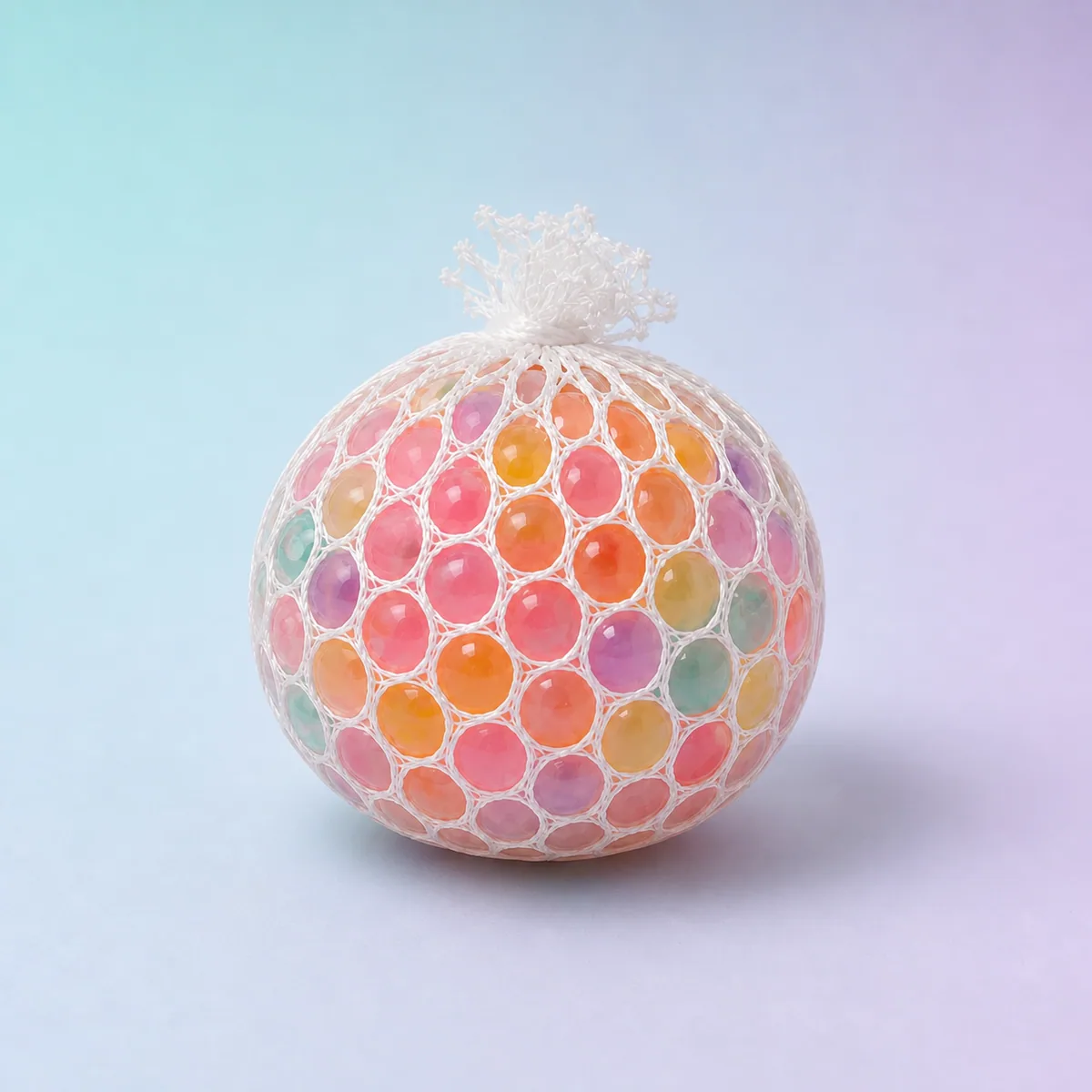
| Squeeze and clench when upset | Calm Orb Water-Bead Squeeze Ball | Beads bulge between the fingers, then settle back |
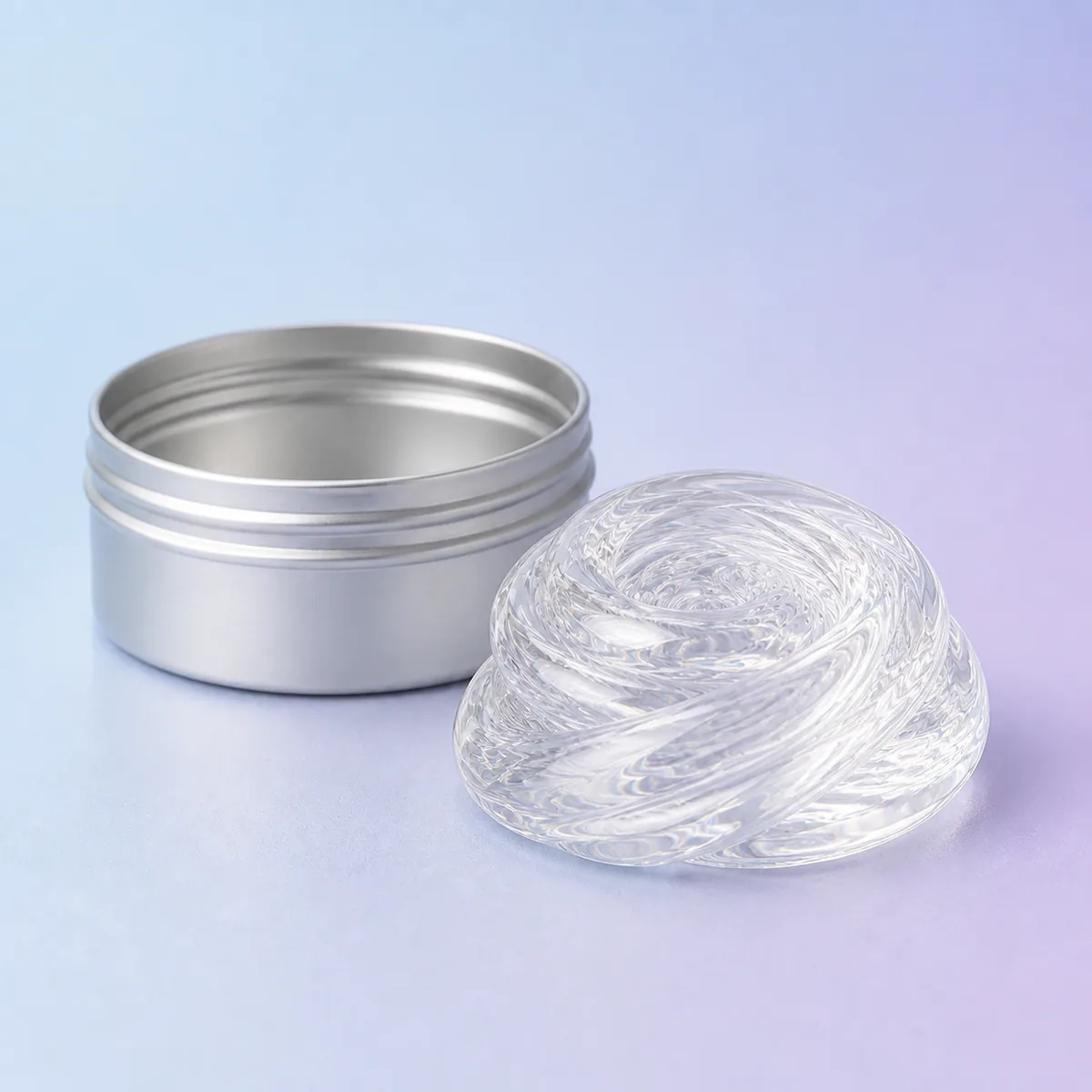
| Need both hands busy | Calm Putty | Stretch it slow, snap it fast, ball it up, start again |
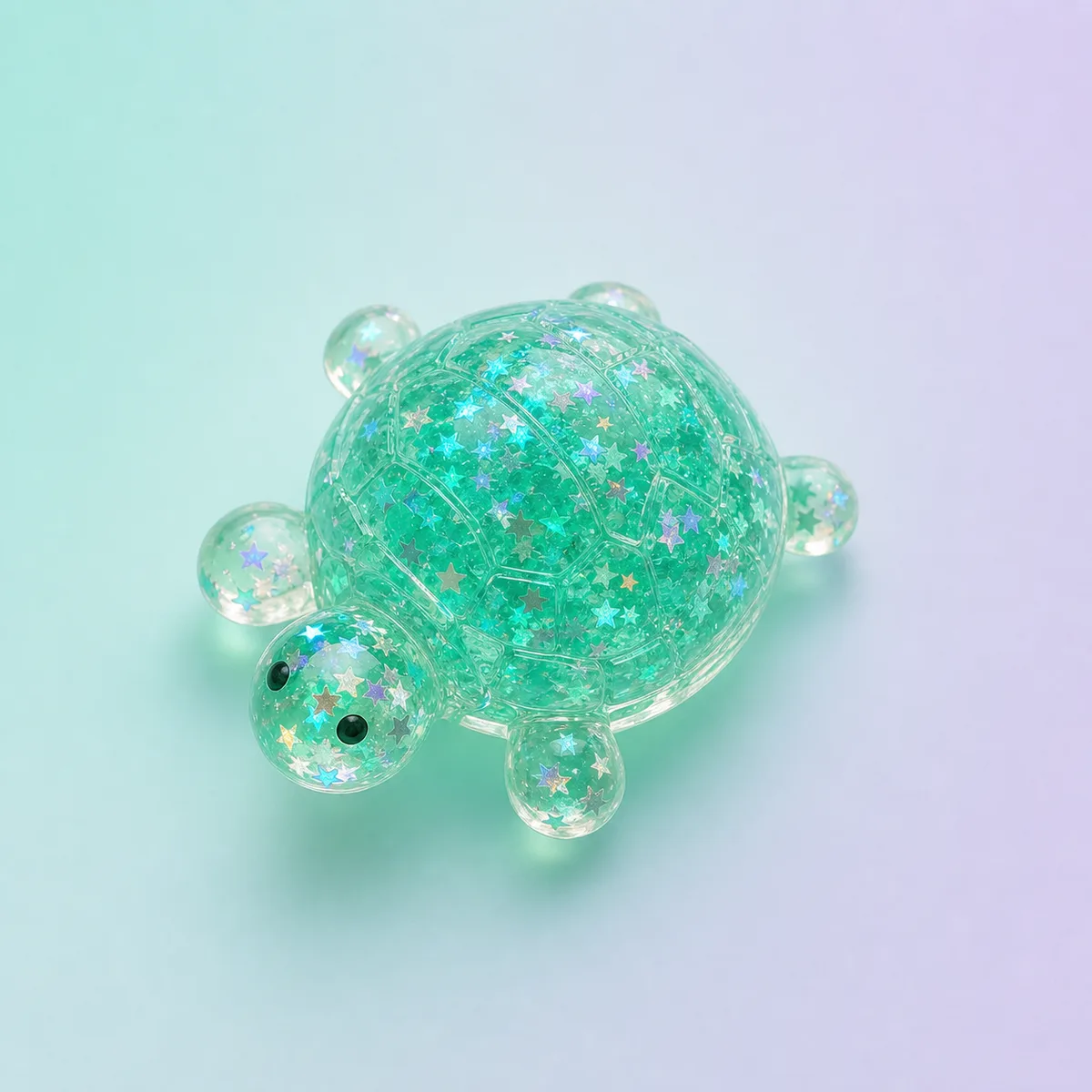
| Hold one comforting thing | Shelly Sea Turtle Gel Squishy | A springy gel turtle that compresses and slowly springs back |
| Want something quiet and grounding | Calm Worry Stone | A smooth stone with a thumb hollow for a slow back-and-forth |
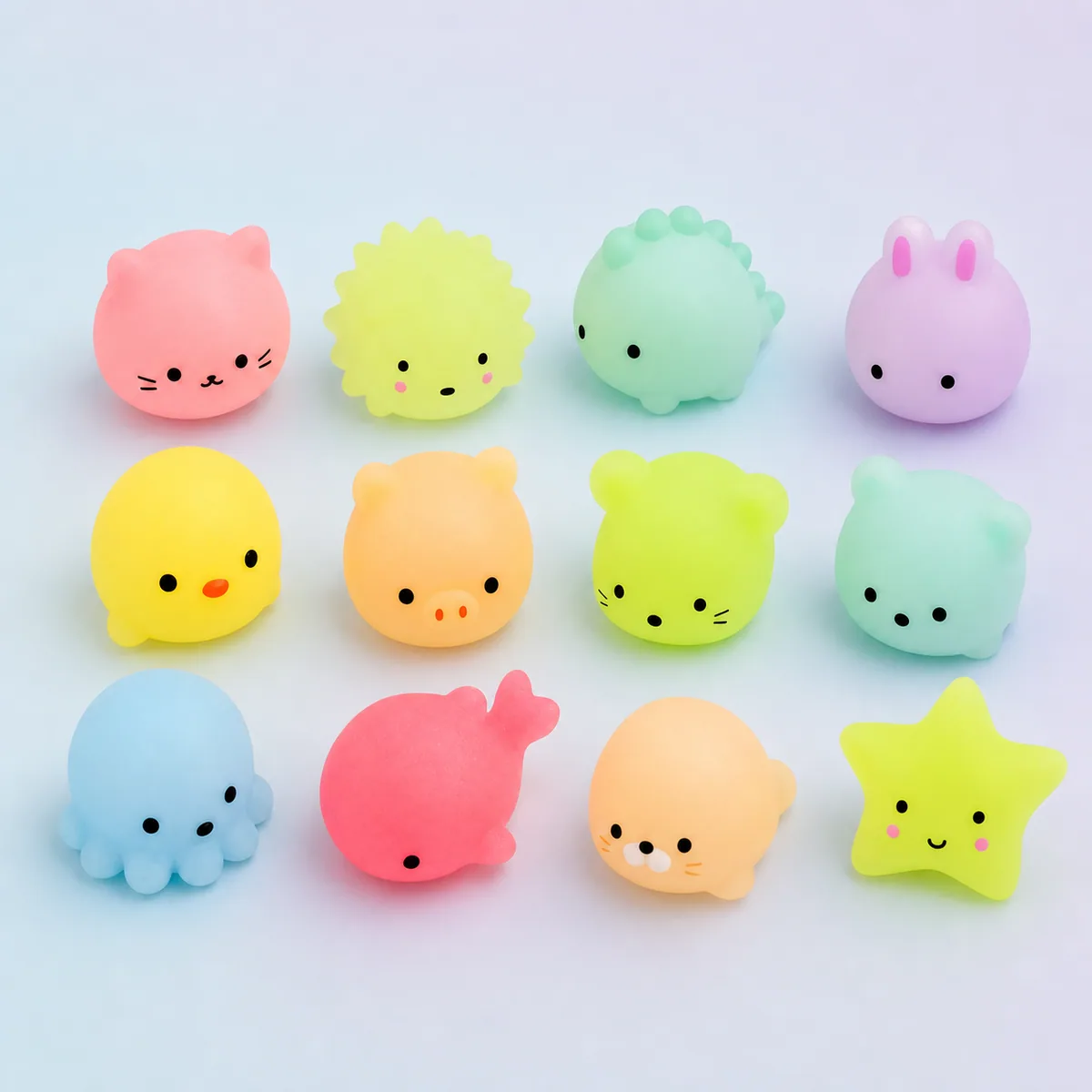
| Share, or stash calm everywhere | Mini Mochi Animals Squishy Set (12-Pack) | Twelve tiny, jelly-soft animals that squish and spring |
A little more, honestly.
The Calm Orb Water-Bead Squeeze Ball is a satisfying full-hand squeeze: soft water-gel beads bulge through a mesh net and settle back when released. It is silent, and it is a good redirect for a child who bites nails or picks at skin when overwhelmed. Calm Putty is the open-ended one, with no right way to use it, which is exactly why restless hands stay with it; keep it off fabric and hair, like any putty.
For a child who wants one comforting object to hold, Shelly Sea Turtle Gel Squishy is soft, springy, and easy to keep in a closed palm, with a glitter shell that catches the light. It is also a gentle wind-down favorite at bedtime. The Calm Worry Stone is the quietest of all, a smooth stone worn with a thumb groove, easy to slip in a pocket for the walk into a hard morning. And the Mini Mochi Animals Squishy Set (12-Pack) is the natural choice for a calm-down kit or a classroom corner, since twelve small, silent critters mean one for the kit, one for the bag, and plenty to share.
How do I make a calm-down corner or calm-down kit?
Build it as a cozy, low-key reset spot, not a punishment: a soft place to land, a few calming tools your child chose, and a simple, kind set of rules. The point is a place a child goes to feel better, not a place they are sent to feel bad. A shoebox kit works just as well as a corner if space is tight.
A practical starting setup:
- A soft, defined spot. A cushion, a rug, or a beanbag, tucked slightly away from the busiest part of the room.
- A few tactile tools, not a pile. Two or three is plenty. A squeeze ball, a squishy, and a stone or some putty give different textures to reach for. The Mini Mochi Animals Squishy Set (12-Pack) is an easy way to stock a kit with several soft options at once.
- Something that cues calm. A simple picture of slow breathing, a favorite book, a photo, a soft light.
- Kind, clear rules. Made with your child, not for them: this is a spot to settle, toys stay here, you can come back when you are ready.
- Your company, when they want it. For younger children especially, the corner works best when you are nearby to co-regulate, not to lecture.
Introduce it during a calm moment, not mid-storm. Let your child help build it and name it. A corner a child helped make is a corner they will actually use.
Are these calming toys safe for young children?
Read the age label first, and take it seriously, because these picks are not all for the youngest children. Small parts and sealed water beads are a real choking and swallowing risk for babies and toddlers, so none of the toys here are meant for children under three, and several are labeled for older kids.
Here is the honest breakdown:
- Calm Putty is labeled for ages 3 and up. It is EN71 tested and non-toxic, but it is still not for mouths, and it needs to stay off fabric and hair.
- Shelly Sea Turtle Gel Squishy is for ages 6 and up and is EN71 and ASTM tested. Stop using any gel squishy if the outer skin splits.
- The Calm Worry Stone and the Mini Mochi Animals Squishy Set are labeled 8 and up, the mochi set because the little animals are small enough to be a choking hazard for younger children.
- The Calm Orb Water-Bead Squeeze Ball is labeled 8 and up. The water beads are sealed inside a mesh-wrapped skin and are not edible. Keep it intact, keep it away from little siblings and pets, and stop using it if the membrane is punctured.
That last one deserves a plain word. Loose water beads are dangerous if swallowed, because they swell, which is why safety agencies like the U.S. Consumer Product Safety Commission have warned about them and why ours stay sealed inside a mesh net. Toy-safety standards like EN71 and ASTM exist for exactly this reason. When a toy is meant to soothe a child, safe has to come first.
If your child still mouths toys, skip the small and sealed-bead options entirely and stick with a single large, age-appropriate item you can supervise. When in doubt, choose up in age, not down.
What if my child’s big feelings feel too big?
Trust that instinct, and treat a toy as a companion, never the answer on its own. Big feelings are a normal part of growing up, and most of the time a steady routine, a calm adult, and a little time are what a child needs. But when the feelings are frequent, intense, or getting in the way of everyday life, that is the moment to reach out for real support.
A calming toy belongs in the small, everyday toolkit: the wobble before school, the frustration over homework, the overwhelm at the end of a long day. It is not built for the bigger things, and it cannot do a caregiver’s job or a professional’s.
Consider talking to your pediatrician or a child therapist if you notice:
- Meltdowns or worry that are frequent, long, or intense for your child’s age.
- Feelings that are disrupting sleep, school, friendships, or family life.
- A child who often seems sad, anxious, or angry, or who is hurting themselves or others.
- A sense, as their parent, that this is bigger than you can hold alone.
Trusted organizations like the American Academy of Pediatrics, the Child Mind Institute, and Zero to Three offer warm, practical guidance on children’s emotions and when to seek help. Reaching out is not a failure. It is one more way of showing up for your child. A soft toy can ride along in a pocket for the everyday moments, calm in the palm of a small hand, while the real comfort comes from you, and from the people trained to help when you need them.
Sources & further reading
We reference trusted organizations by name. This article is informational and not a substitute for professional medical advice.
- Child Mind Institute: Nonprofit focused on children's mental health; offers guidance on emotional regulation, calm-down strategies, and when to seek help.
- Zero to Three: Nonprofit specializing in early childhood development; explains co-regulation and supporting the emotions of babies and toddlers.
- American Academy of Pediatrics: Professional body for pediatricians; publishes guidance on children's emotional development and on toy and water-bead safety.
- U.S. Consumer Product Safety Commission: Federal safety agency that issues warnings and recalls on choking and water-bead hazards in children's products.
- ASTM International: Develops the toy-safety standards, alongside EN71, used to test for small-parts and choking risks.
Frequently asked questions
Can calming toys help a child with big emotions?
They can help as one small tool, though not as a magic switch. A soft thing to squeeze or hold gives a child a physical outlet and a grounding object to reach for when a feeling gets big. It works best alongside a calm adult and a familiar routine, and it is a supportive tool rather than a treatment for anxiety or emotional struggles.
What is the best calming toy for a child who gets overwhelmed?
The best pick is soft and tactile, and it depends on the child: some settle with a firm squeeze, others with slow stretching or a smooth stone to hold. A water-bead squeeze ball, some putty, a gel squishy, or a worry stone each give restless hands somewhere to go. A small variety lets your child find the texture they reach for most.
What should I put in a calm-down kit for my child?
Keep it simple: two or three tactile tools, something that cues calm, and a soft place to land. A squeeze ball, a squishy, and a stone or some putty cover different textures, and a picture of slow breathing or a favorite book helps signal what the space is for. Let your child help choose what goes in, so they will actually use it.
Are squishy and water-bead toys safe for toddlers?
Read the age label first, because many are not for the youngest children. The picks here are labeled for ages 3, 6, or 8 and up, none for under three, since small parts and sealed water beads are a choking and swallowing risk. Loose water beads are especially dangerous if swallowed, so keep sealed ones intact and away from little mouths and pets. If your child still mouths toys, choose a single large, supervised, age-appropriate item instead.
Do calming toys work for tantrums or meltdowns?
They are not a switch that stops a meltdown, and a distressed child needs you first. Once the peak passes, a familiar toy can help a child reset and bring their body back down, especially with a calm adult nearby. Think of it as a support for co-regulation, offered gently, not a tool to end big feelings on demand.
When should I talk to a professional about my child's big feelings?
Reach out when meltdowns or worry are frequent, intense, or getting in the way of sleep, school, friendships, or family life, or when it simply feels bigger than you can hold. A pediatrician or child therapist is the right person to help. Organizations like the American Academy of Pediatrics and the Child Mind Institute offer guidance on when to seek support. A calming toy can sit alongside that care, never in place of it.