Why do squishies get sticky over time?
Squishies get sticky because the soft plastic slowly releases its own oils to the surface, and that faint film then grabs dust, skin oil, and lint until the whole toy feels tacky. It is ordinary aging, not a sign the toy was cheap or that you did something wrong. Heat and sunlight just make it happen faster.
We want to be straight with you, because almost every squishy does this eventually, and most owners think their toy is ruined when it is only filmed over. Here is the plain version of what is going on:
- Surface bloom. The stretch and squish in a TPR or foam squishy come from oils and plasticizers blended into the rubber to keep it soft. Over months, a small amount works its way to the surface. That slow migration is often called blooming, and it leaves a thin, slightly oily layer you feel more than you see.
- Dust and lint. That film is tacky, so it catches airborne dust, carpet fluff, and pet hair. A squishy that lives loose at the bottom of a bag gets grubby fast.
- Skin oils and lotion. Every squeeze leaves behind a little sebum, sweat, and hand cream. It builds up on the surface and adds to the grip.
- Heat. Warmth softens TPR and pushes those oils outward faster. A squishy left in a hot car, near a radiator, or on a sunny sill turns tacky much sooner.
- Sunlight. Over time UV light slowly degrades the surface, which can make it sticky and, on pale colors, a touch yellow.
None of this is a defect. It is the trade-off for a material soft enough to bloom back into your palm, and the good news is that most of it wipes away.
Is a sticky squishy dangerous, or is it ruined?
Usually neither. A light surface tack is normal aging, and it almost always washes off. Our squishies are BPA- and phthalate-free and EN71 or ASTM tested, so a bit of bloom is a cosmetic nuisance, not a safety alarm.
Think of it the way you would a stress ball left in the sun or an old phone case that has gone slightly gummy. The surface has changed, but the object underneath is fine. A quick clean resets it.
It only crosses into replace-it territory when the material itself is breaking down rather than just filmed over: cracking, crumbling, a greasy surface that returns within a day of cleaning, or a torn skin on a gel squishy. We cover those signs at the end, honestly, because a squishy that is disintegrating cannot be saved by any amount of washing.
How do I fix a sticky squishy?
Wash it gently, dry it completely, and dust it lightly with cornstarch. That order matters, and the whole thing takes about five minutes plus drying time. Here is the step-by-step.
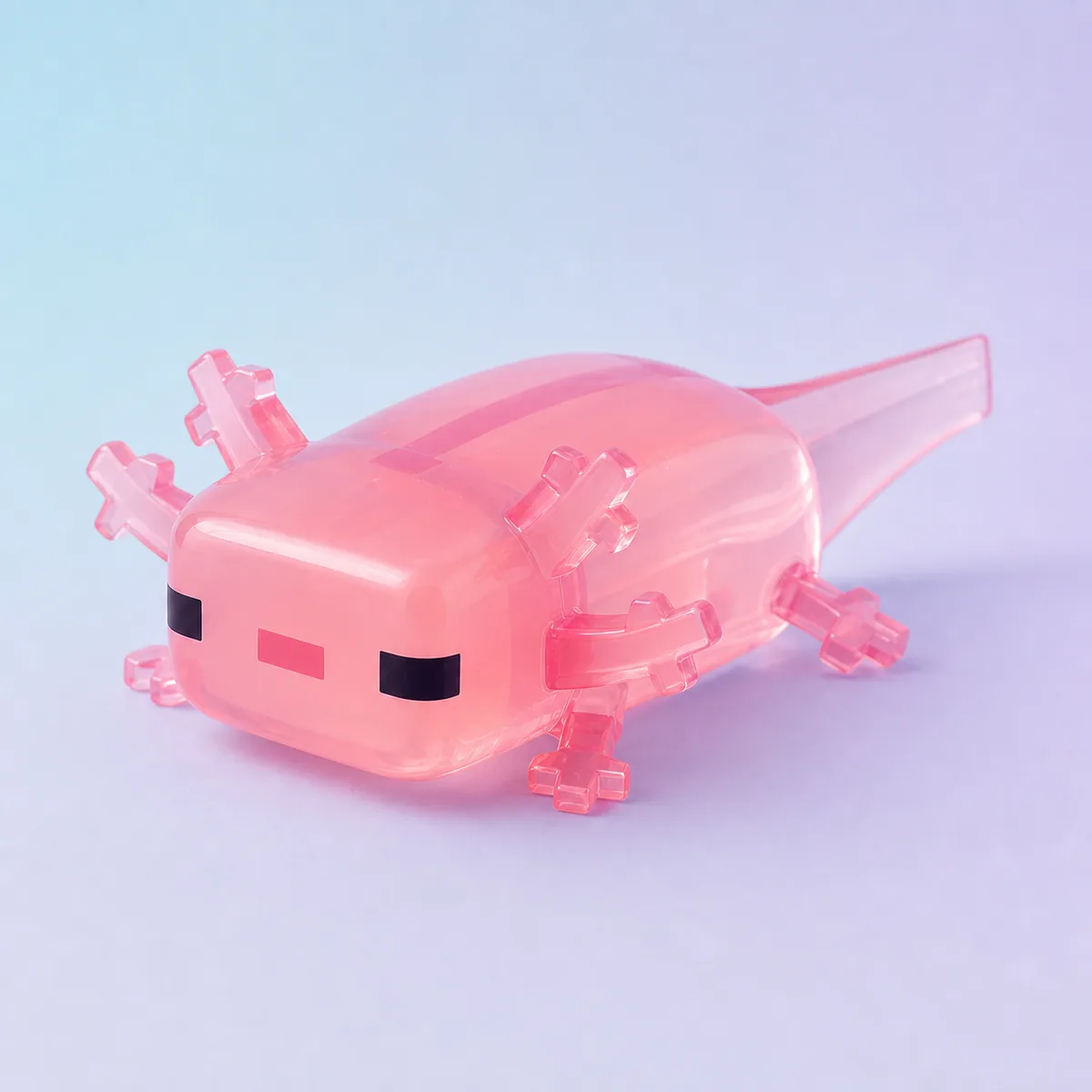
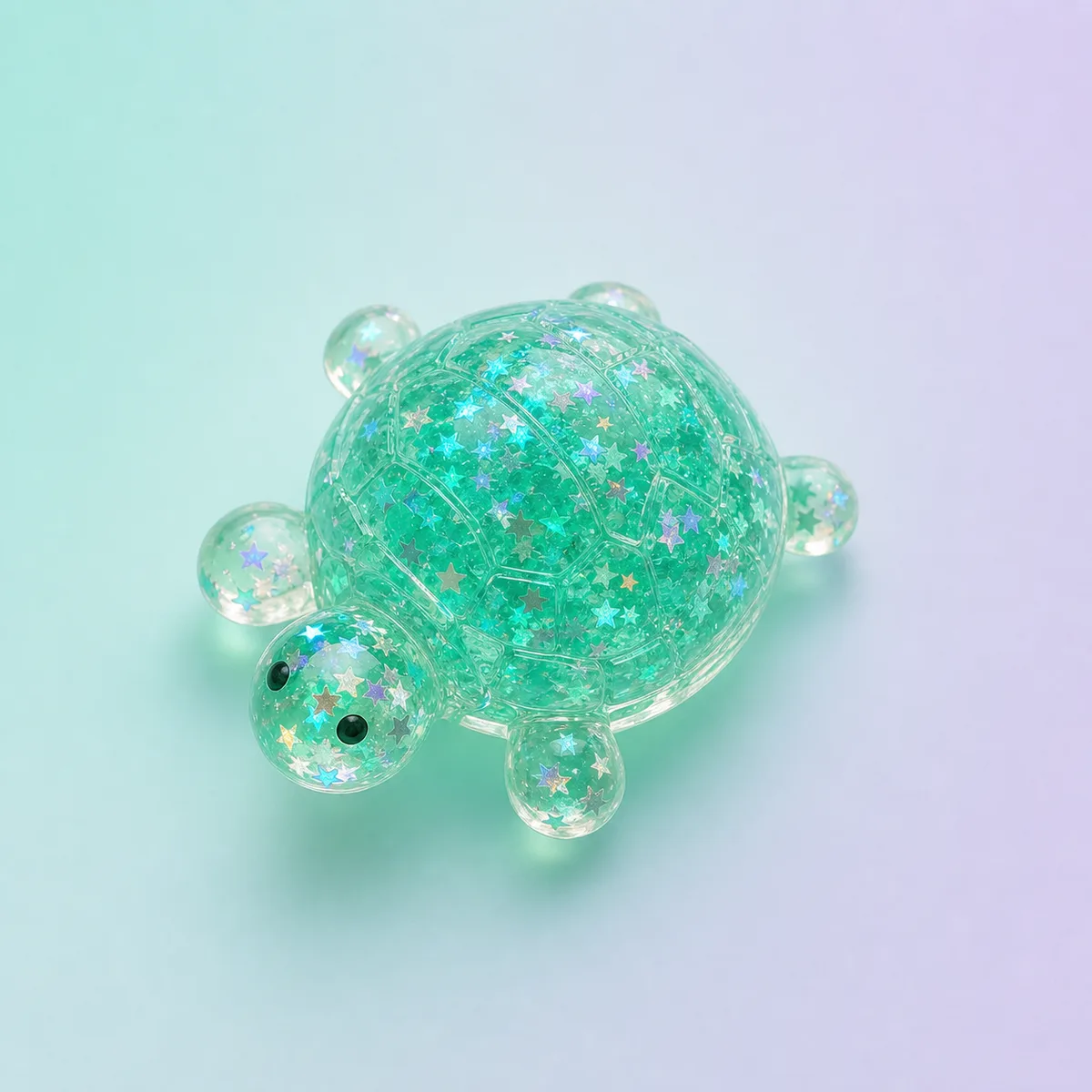
- Wash gently. Put a single drop of mild dish soap or hand soap on your fingertips and lather the squishy under lukewarm (never hot) water. Work over the whole surface, then rinse the soap away. For solid gel and TPR squishies like the Axo Gel Squishy or the Shelly Sea Turtle Gel Squishy, a quick rinse is perfectly fine.
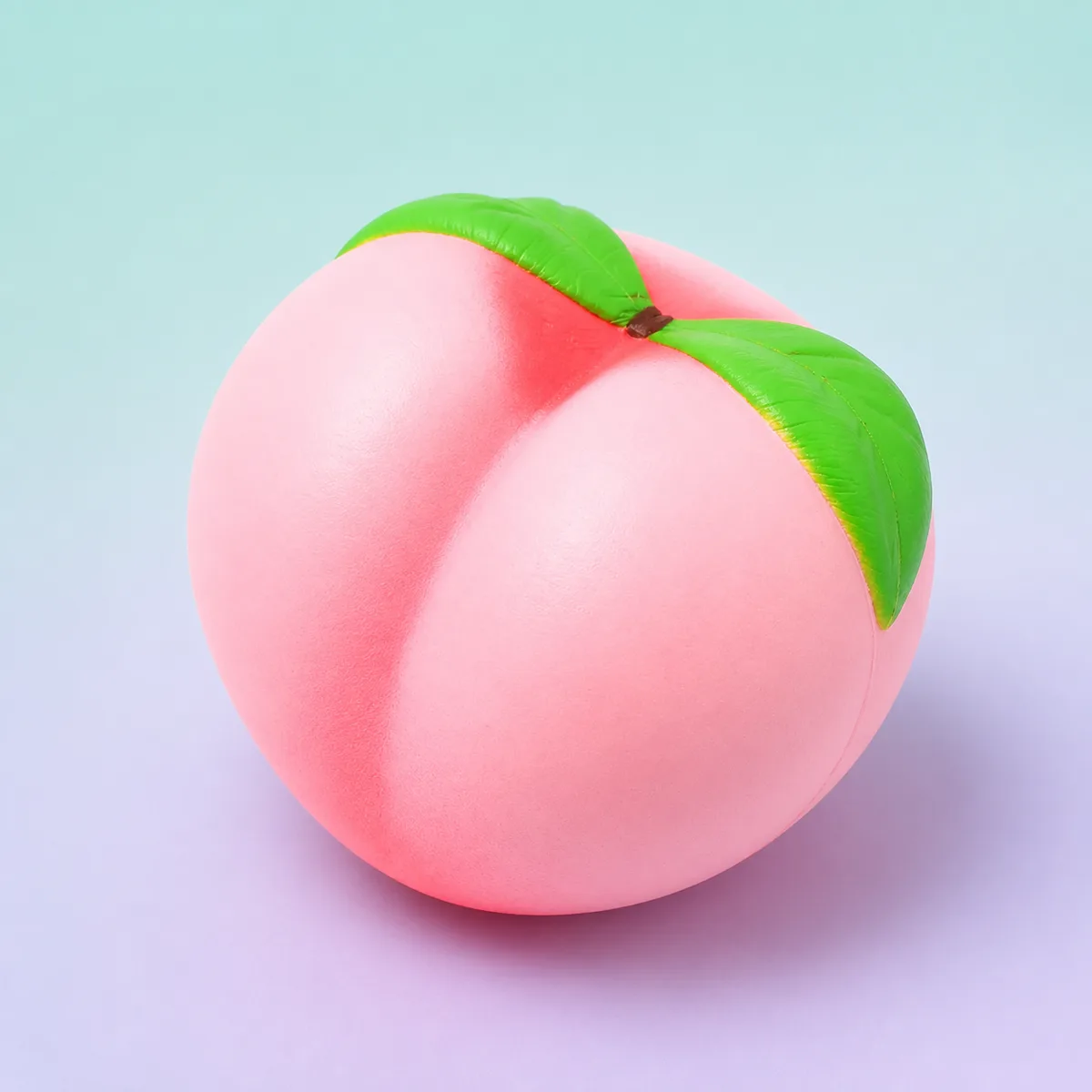
- Mind the foam exception. Slow-rise polyurethane foam squishies, like the Peachy Slow-Rise Squishy, should never be soaked or held under running water. Foam drinks up water, takes ages to dry, and can start to break down inside. Spot-clean those with a barely-damp soapy cloth, then wipe with a clean damp cloth and let them air dry.
- Dry fully. Pat the squishy with a lint-free towel, then let it air dry all the way at room temperature. Skip the hair dryer on hot and the tumble dryer completely; heat warps and re-softens the surface, and trapped moisture invites a musty smell.
- Dust very lightly with cornstarch. Once it is bone dry, if it still feels a little tacky, dab on a small amount of cornstarch (a cornstarch-based baby powder works too) and buff off the excess with a soft cloth. This absorbs the last of the oily film and brings back a smooth, non-grippy feel.
- Store it clean and cool. Pop it into a clean zip bag, pouch, or its original tin, out of direct sun. A squishy that starts clean and cool stays smooth far longer.
If one gentle round does not fully do it, you can repeat the wash and cornstarch step once. What you should not reach for is alcohol, vinegar, nail polish remover, or any solvent. They strip and crack soft TPR and tend to leave it stickier than before.
How do I keep squishies from getting sticky again?
Keep them clean-handed, cool, and out of the sun. Prevention is mostly about the three things that cause bloom in the first place: skin oils, heat, and UV light. A few small habits go a long way.
- Start with clean, dry hands. Lotion and food oils are a big part of the buildup. A quick hand-wash before a long fidget session keeps the surface cleaner.
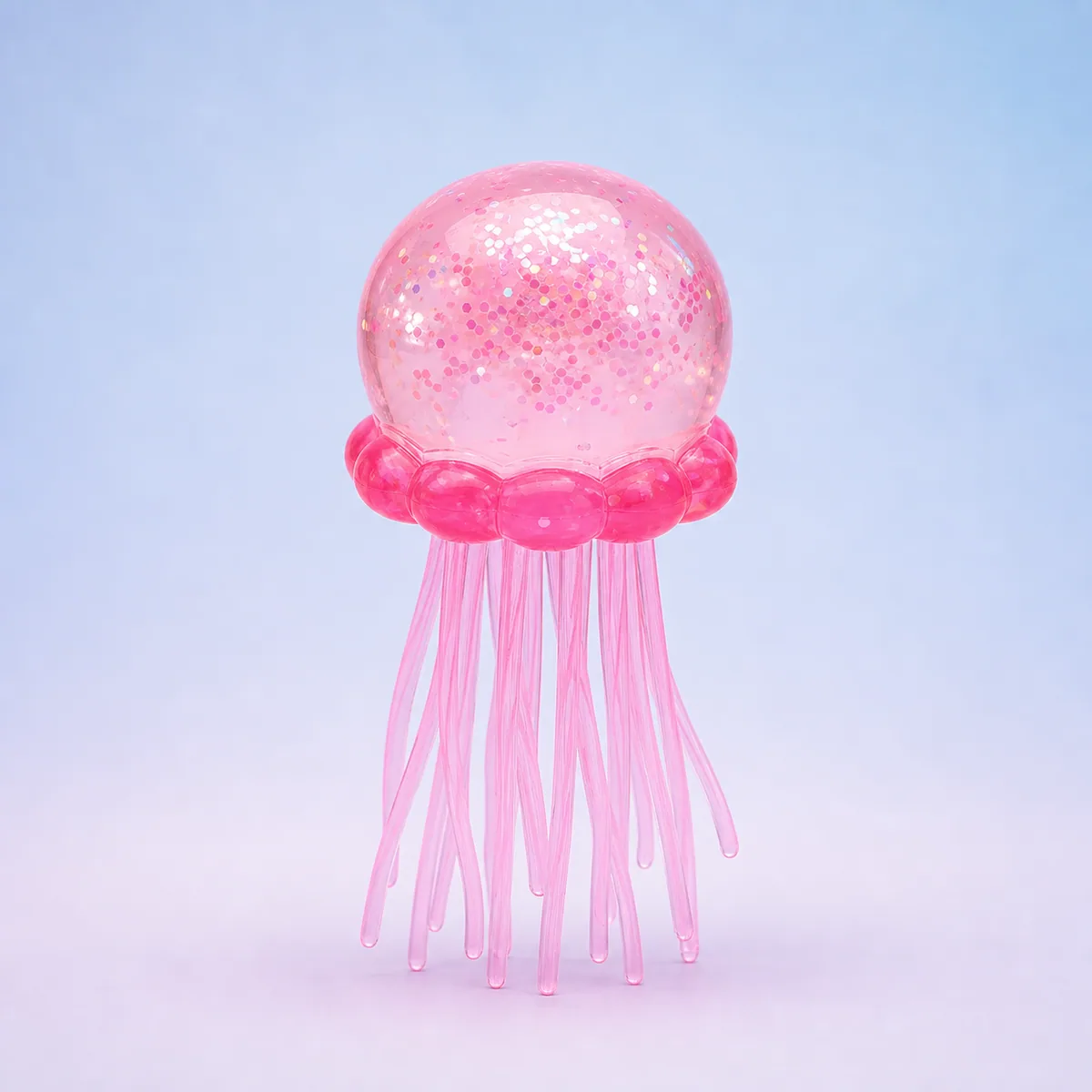
- Keep them out of heat and sun. A sunny windowsill, a hot car, and a radiator shelf are the three classic squishy-killers. The Drift Jellyfish Glitter Squishy, for example, is happiest away from direct sun, which can soften the TPR and dull that maltose-smooth finish.
- Give them a home. Store squishies in a clean pouch, zip bag, or tin rather than loose among crumbs, pen ink, and receipts.
- Rinse the well-loved ones now and then. High-touch, often-shared squishies like the Mini Mochi Animals Squishy Set (12-Pack) pick up grime simply from being handled by lots of hands. A quick cool rinse and pat-dry every so often keeps the whole set fresh.
- Wash before it gets bad. A light clean at the first hint of tack is easier than rescuing a squishy that has been sticky for a month.
Which squishies stay smooth the longest?
Smooth, dense TPR gel tends to stay non-tacky longer than soft foam, and a surface finished to be non-sticky on purpose lasts best of all. Material is the biggest factor, so it helps to know what you are holding.
| Squishy | Material | Stickiness over time | How to clean it |
|---|---|---|---|
| Drift Jellyfish Glitter Squishy | Slow-rise TPR, non-sticky finish | Low, made maltose-smooth on purpose | Wipe or quick rinse, air dry, keep out of sun and heat |
| Axo Gel Squishy | Translucent TPR gel | Low to moderate, cleans easily | Gentle wash and quick rinse, air dry, light cornstarch if needed |
| Shelly Sea Turtle Gel Squishy | Glitter-filled TPR gel | Low to moderate | Wipe or briefly rinse with mild soap, air dry |
| Peachy Slow-Rise Squishy | Slow-rise PU foam | Moderate, foam ages | Spot-clean only, never soak, keep dry |
| Mini Mochi Animals Squishy Set (12-Pack) | Small soft TPR | Grubby from handling more than true bloom | Rinse under cool water, pat dry |
The pattern is simple. Sealed, solid gel bodies clean up easily and rarely bloom badly. Foam is softer to the touch but ages sooner and hates water, so it asks for gentler care. Neither is better or worse, they just want different handling.
When is a squishy just past its life?
Retire a squishy when cleaning and drying stop working. Soft toys are wonderful and finite, and there is a point where tackiness is a symptom of the material itself giving out, not dirt sitting on top. Be honest with yourself when you see it.
It is time to let go when you notice:
- A greasy or sticky surface that comes right back within a day of a proper clean.
- Cracking, splitting, or crumbling, or foam that leaves residue on your hand.
- A strong chemical or sour smell that will not wash out.
- A punctured or split skin on a gel or glitter squishy. A torn Shelly Sea Turtle Gel Squishy that leaks gel is done, and loose gel is a genuine mouth and choking hazard for small children and pets, so bin it rather than patch it.
A squishy in this state is not dirty, it has aged out, and no wash will bring it back. That is a normal end for a soft, well-squeezed object, not a failure on your part. When a favorite reaches it, thank it for the calm it gave your hands, replace it, and enjoy the fresh one. A clean, smooth squishy is a nicer thing to reach for when restless energy needs somewhere to go, calm in the palm of your hand.
Sources & further reading
We reference trusted organizations by name. This article is informational and not a substitute for professional medical advice.
- ASTM International: Publishes ASTM F963, the US toy safety standard that governs the soft plastics and rubbers used in squishies and similar toys.
- U.S. Consumer Product Safety Commission: The federal agency overseeing toy safety, including limits on phthalate plasticizers in children's soft plastic and rubber toys.
- European Committee for Standardization: Maintains the EN71 European toy safety standard that soft squishies and fidget toys are commonly tested against.
- American Chemical Society: A scientific society whose public-education resources explain how plasticizers and oils behave in everyday plastics and rubbers.
- Cleveland Clinic: Consumer health resources describing skin oils (sebum) and everyday hygiene, relevant to why frequently handled toys pick up residue.
Frequently asked questions
Why is my squishy sticky even though it looks clean?
That tacky feel usually comes from surface bloom, a thin film of oil that migrates out of the soft plastic as it ages. You often cannot see it, only feel it. Wash the squishy with mild soap and lukewarm water, dry it completely, and finish with a light dusting of cornstarch to bring back a smooth, non-grippy surface.
Can I use rubbing alcohol or vinegar to fix a sticky squishy?
No, keep both away from soft squishies. Alcohol, vinegar, and other harsh solvents dry out and crack TPR and can cloud or dissolve the surface, which makes the stickiness worse in the long run. Mild soap, lukewarm water, and a little cornstarch are all a squishy needs.
Does cornstarch or baby powder really work on sticky squishies?
Yes. A light dusting absorbs the thin oily film that causes the tack and restores a smooth, dry feel. Use it sparingly on a fully dry squishy and buff off the excess with a soft cloth. Plain cornstarch or a cornstarch-based baby powder both work.
Why is my foam squishy crumbling or greasy instead of just sticky?
That is usually the polyurethane foam itself breaking down with age, not surface dirt sitting on top. Cleaning will not reverse it, and a foam squishy that leaves residue on your hand or crumbles at the edges has reached the end of its life. It is normal, and the honest move is to replace it.
How do I stop squishies from getting sticky in the first place?
Handle them with clean hands, keep them out of heat and direct sunlight, and store them in a clean bag or pouch instead of loose at the bottom of a backpack. An occasional gentle wash before buildup gets bad keeps most squishies smooth for a long time.