What are slow-rising squishies made of?
Most slow-rising squishies are made of soft polyurethane foam, usually shortened to PU foam. A few are made from a stretchy TPR or gel skin instead. Both are body-safe plastics chosen for one job: to squish under your fingers and come back to shape.
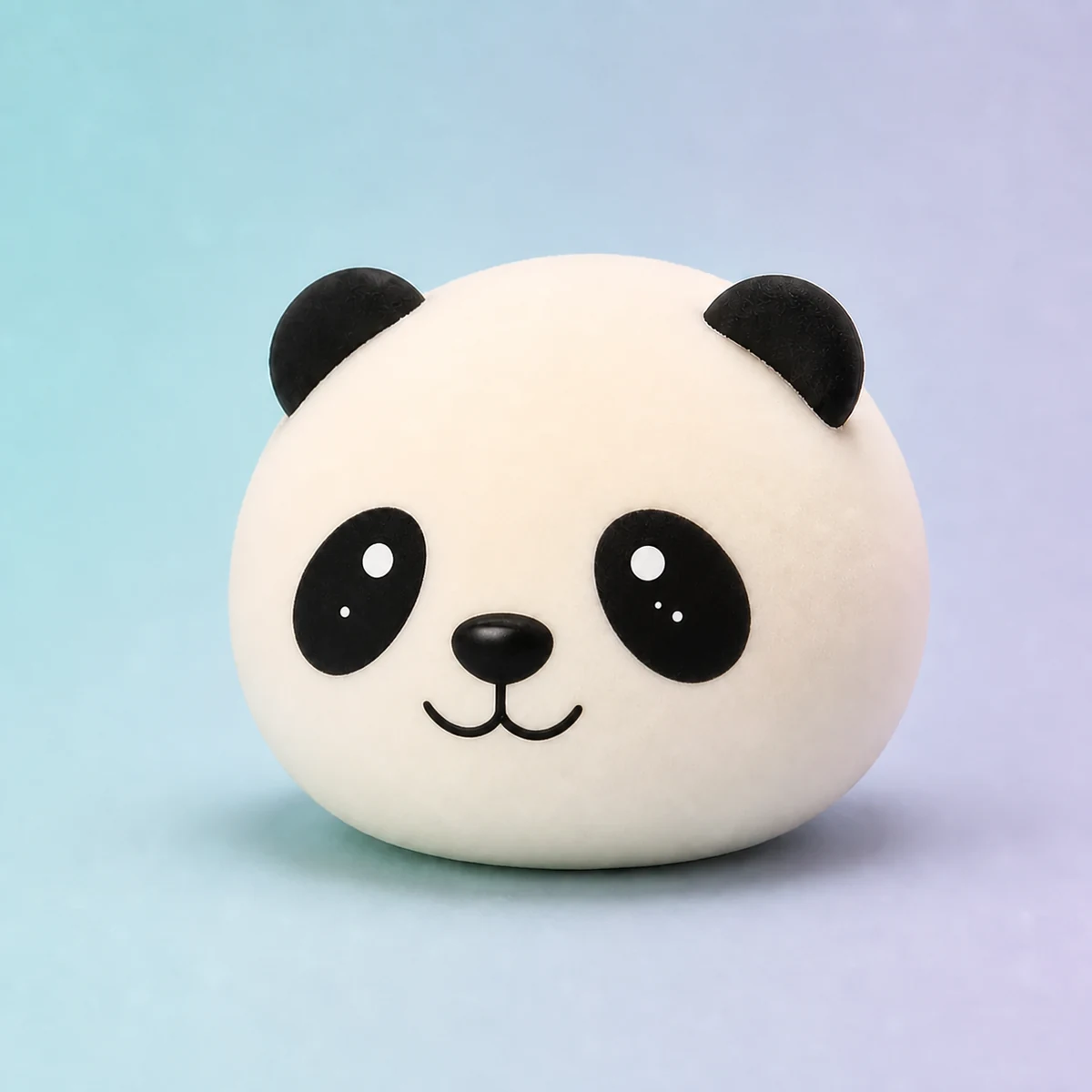
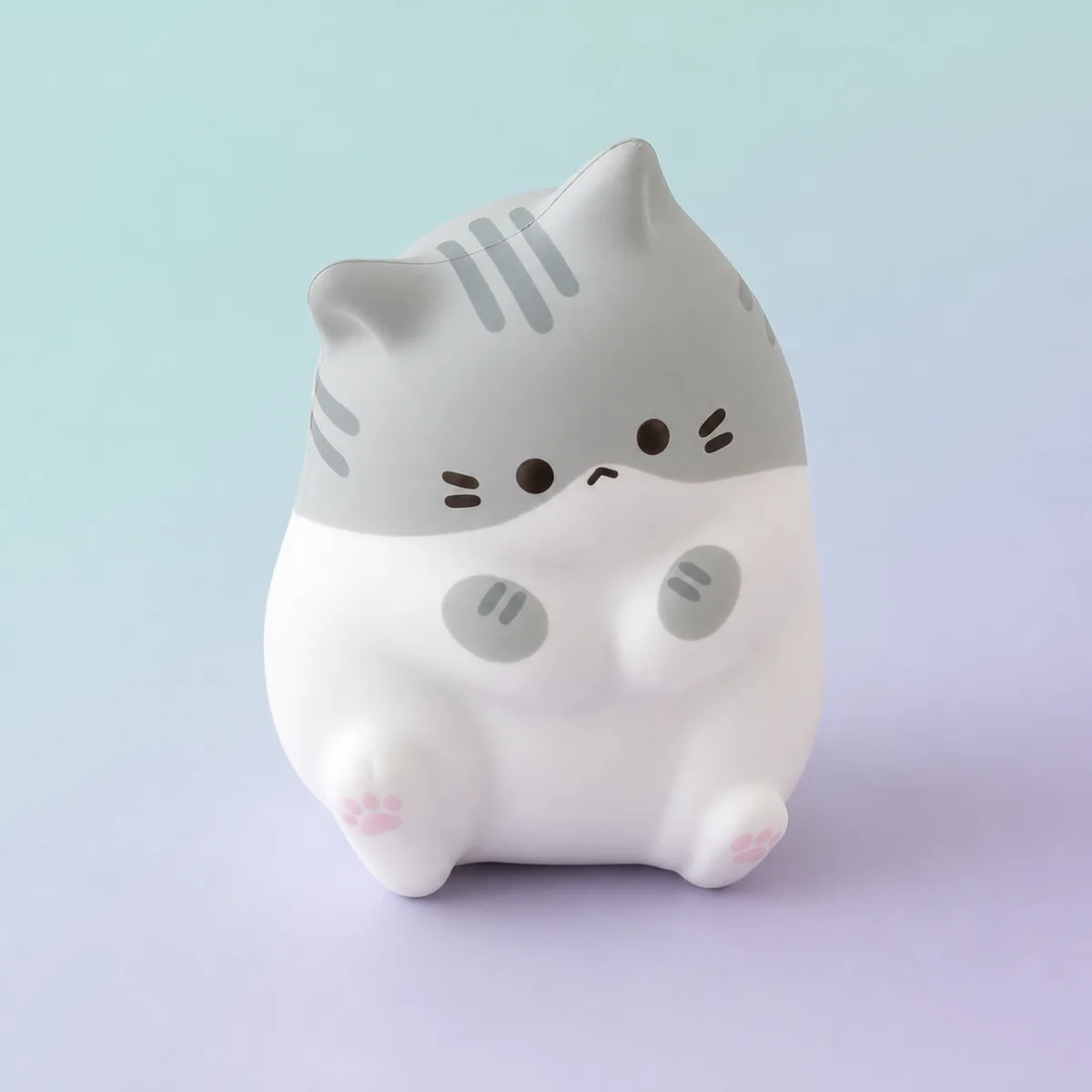
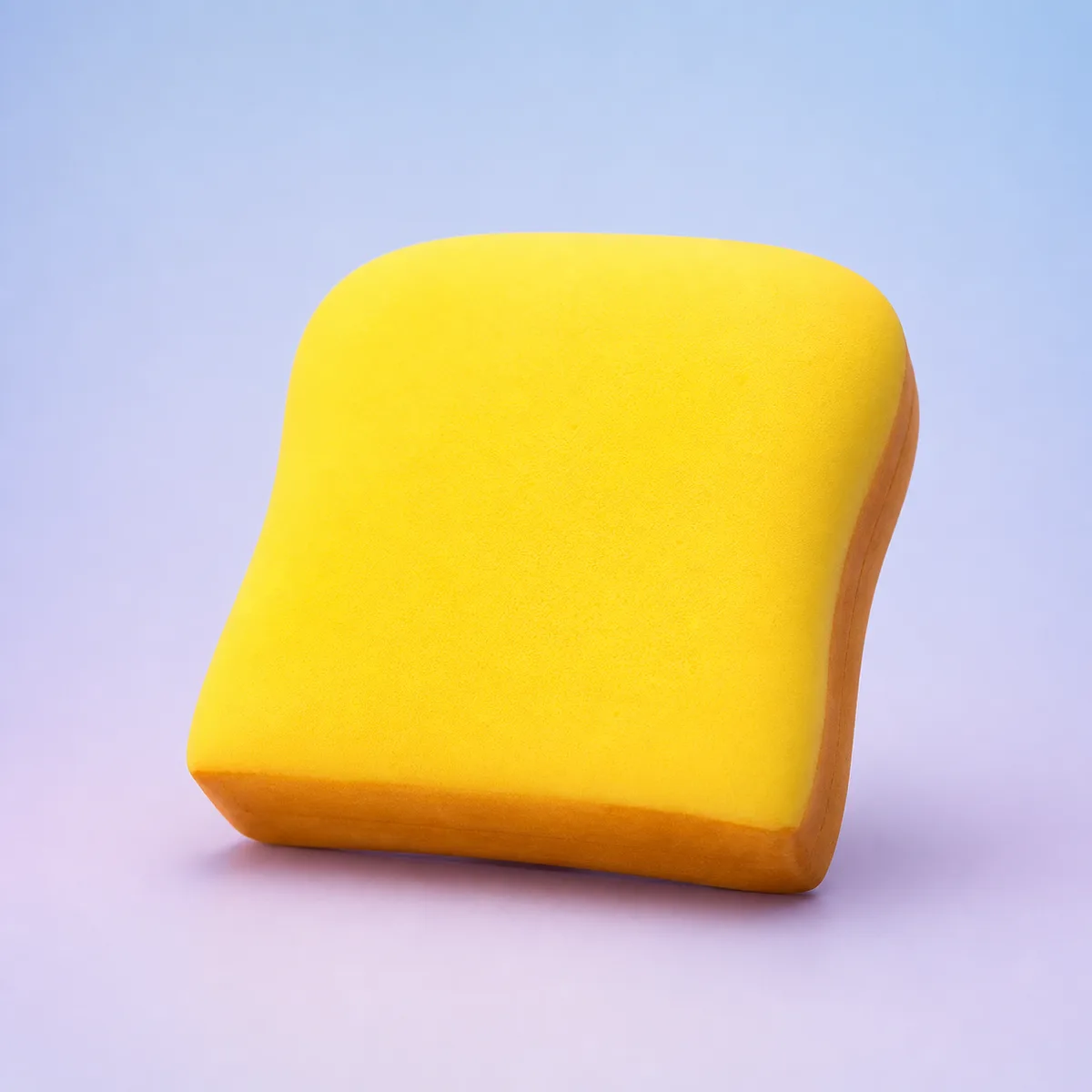
Here is the plain version. When you press a squishy and watch it take its time filling back out, you are almost always holding open-cell PU foam. It is a light, spongy material full of tiny air pockets, and those air pockets are the reason it moves the way it does. Our Bun Buddy Panda Slow-Rise Squishy, Sitting Cat Slow-Rise Squishy, and Bread Buddy Toast Slow-Rise Squishy are all this kind of foam, finished with a soft matte skin.
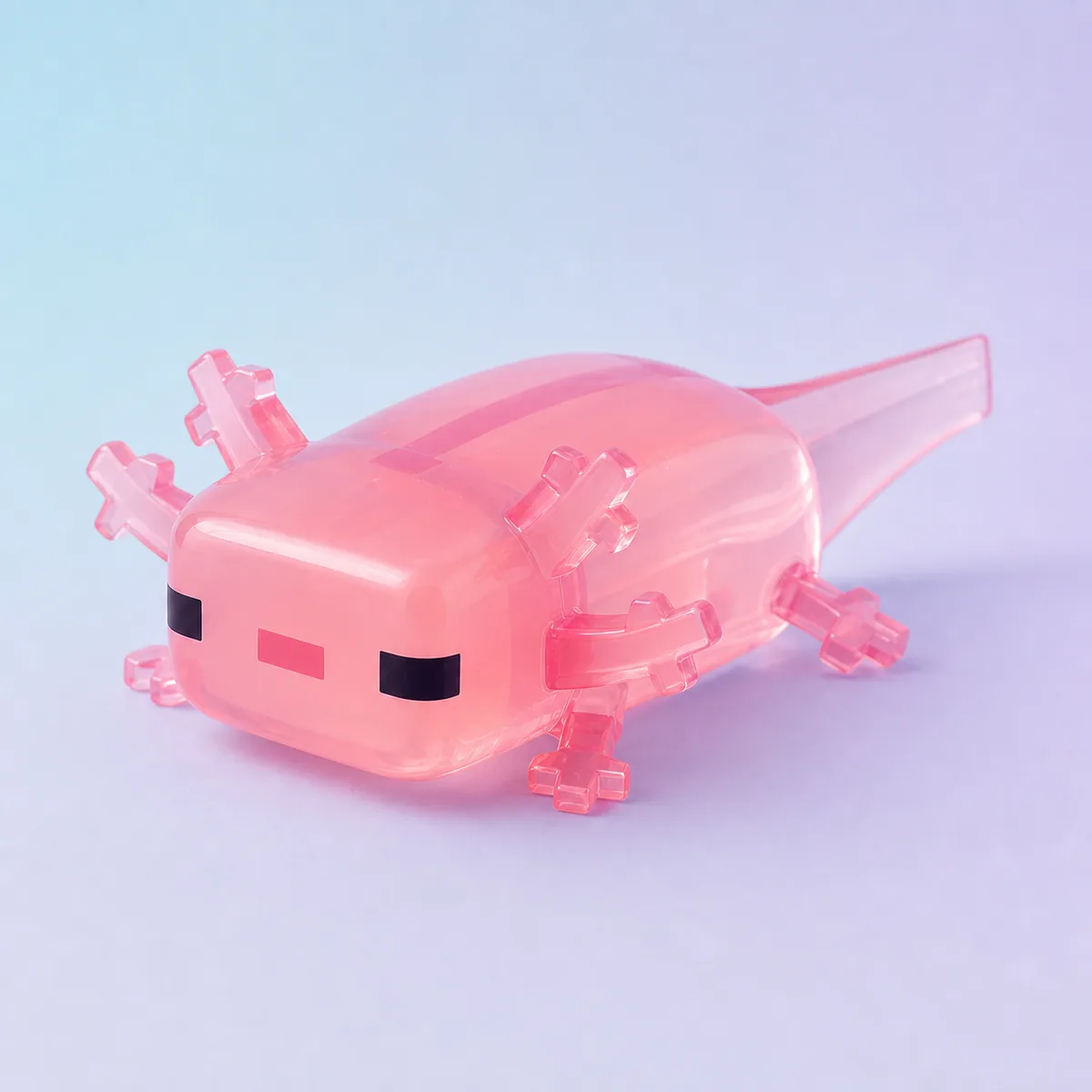
TPR is the other material you will meet. It stands for thermoplastic rubber, and it feels different in the hand: stretchier, springier, cooler, often see-through. Our Axo Gel Squishy is TPR, not foam. That is worth knowing, because a TPR gel toy springs back fast rather than slowly. So if the slow, unhurried rise is the part you love, foam is the material to look for. We would rather tell you that up front than let the word squishy do all the talking.
There is a third material in the wider fidget world, and in our range too: food-grade silicone, used for some textured and chewable-style tools. It is not what slow-rising squishies are made of, but it is worth naming so the picture is complete. The exact material for any toy is listed on its own product page, so if you have an allergy or a sensitivity, you can check before you buy, or just ask us.
What is PU foam, and why does it rise back slowly?
PU foam is polyurethane foam, from the same broad family as memory-foam mattresses and pillows. It rises back slowly because it is full of tiny connected air cells. Press it, and the air is squeezed out through those cells a little at a time. Let go, and the air is drawn back in just as gradually, so the foam re-inflates in slow motion.
That is the short version, and there is nothing exotic in it. Soft foam, microscopic air pockets, a slow and satisfying recovery. The foam itself is also naturally slow to spring back, a property engineers call viscoelastic, which is a longer word for a material that remembers its shape and returns to it without rushing. The full science of that slow return is genuinely interesting, enough for its own guide. For a materials answer, this is the heart of it: the slowness is built into the foam.
What is the difference between PU foam and TPR gel squishies?
PU foam gives you a slow, marshmallowy rise, while TPR gel gives you a fast, stretchy, springy snap-back. They are two different feels for two different moods, and it helps to know which one you are actually buying.
| PU foam squishy | TPR / gel squishy | |
|---|---|---|
| Feel | Soft, matte, marshmallow-like | Stretchy, springy, often cool and see-through |
| Rebound | Slow, several seconds | Fast, almost instant |
| Good for | Slow wind-down, watching it recover | Quick squeeze-and-stretch, restless fidgeting |
| In our range | Bun Buddy Panda, Sitting Cat, Bread Buddy Toast | Axo Gel Squishy |
Neither is better than the other. A PU foam squishy suits the nights when you want to slow your hands right down and watch something take its time. A TPR gel toy suits the moments when your fingers want to pull, stretch, and squeeze something springy that bounces straight back. Plenty of people keep one of each, for different kinds of restlessness.
Are slow-rising squishies toxic, or are they body-safe?
Our slow-rising squishies are made to be body-safe: they are BPA-free and phthalate-free, and they are tested to the EN71 European toy-safety standard, which covers material safety and mechanical properties. The foam squishies in our range list ASTM testing on their spec sheets too. That said, body-safe is not the same as edible, and no squishy is meant to go anywhere near the mouth.
We want to be straight about what those words do and do not mean. BPA-free and phthalate-free means we leave out two families of chemicals that people most often worry about in soft plastics. EN71 testing means the material and the build have been checked against a recognized toy-safety standard, not simply waved through. We choose materials and finishes with everyday, hands-on use in mind, which is exactly how you will use them.
What we will not tell you is that a squishy is food, or that it is safe to chew. It is neither. The printed faces and colors are non-toxic, but the toy is designed to be held, not eaten. If a product is ever intended for oral or chewable use, its product page says so plainly. When in doubt, the product page is the honest source, and you can always email us to confirm.
Why does my new squishy smell, and should I air it out?
A faint new-toy smell is normal, especially with foam and rubber, and it usually fades on its own. That smell is the material off-gassing, releasing a little of what is left over from manufacturing. Airing the toy out is the fix, and it is an easy one.
Here is the honest picture. Lots of new soft-plastic and foam products carry a mild new scent when you first open them, the same way new trainers or a new car seat do. For most people it is harmless, and it drifts away within a few days. If yours arrives with a noticeable smell, take it out of the packaging and leave it in a well-ventilated spot for a day or two, away from direct heat and sunlight, and let it breathe.
A couple of things not to do. Do not try to speed it up by parking the squishy on a radiator or leaving it in a hot car, because heat is hard on the soft foam skin. And do not soak it. If a smell ever stays strong or genuinely bothers you, give it longer to air out, and if something still seems off, get in touch. We would always rather you asked than sat with a toy you were unsure about.
Are slow-rising squishies safe for young children and pets?
This is the important part, so we will say it clearly. Slow-rising squishies are a choking risk for young children and for pets, so keep them away from both. The squishies named here are rated for ages 6 and up, and like any small toy, they are not suitable for children under 3.
For little ones, the concern is simple and real. A squishy is a small, soft, bite-sized object, and a curious toddler can bite a piece off. That is why age guidance is printed on the packaging and listed on each product page, and why supervised play is always safest. Please read the age note before buying for a young child, and choose accordingly.
Pets deserve the same caution, and it is the one people forget. A squishy is not a chew toy. A dog or cat that tears off and swallows a chunk of foam can choke, or end up with an intestinal blockage that needs a vet. If you share your home with an enthusiastic chewer, keep squishies on a high shelf or in a drawer, not on the floor or the arm of the sofa.
None of this is meant to scare you. It is the same common sense you would bring to any small toy. Held in the hands they are made for, slow-rising squishies are a quiet, gentle thing to fidget with.
How do I keep a squishy clean and lasting?
Spot-clean it with a barely damp cloth and a little mild soap, then let it air-dry fully. Never soak a foam squishy. Foam and TPR both prefer a gentle wipe over a soak, and both last longest when you keep them away from heat, oils, and sharp edges.
A few small habits go a long way. Squeeze with the pads of your fingers rather than your nails, so the soft skin does not nick or tear. Keep the toy out of prolonged direct sunlight and away from radiators, since heat and UV are what age foam fastest. If the surface picks up desk grime, that damp-cloth wipe and a full air-dry is usually all it needs. Skip the dishwasher and harsh cleaners entirely.
Treated kindly, a slow-rising squishy will keep giving you that same slow, soft rise for a long time.
There is a lot of quiet reassurance packed into a small foam toy: body-safe materials, a recognized safety standard, and a shape built to be squeezed a thousand times over. Know what it is made of, keep it away from small mouths and curious pets, and let a new one air out if it needs to. Then it is exactly what it looks like, calm in the palm of your hand.
Sources & further reading
We reference trusted organizations by name. This article is informational and not a substitute for professional medical advice.
- ASTM International: Publishes ASTM F963, the U.S. toy-safety standard covering the mechanical, physical, and chemical requirements for toys.
- European Committee for Standardization (CEN): Maintains the EN71 series of European toy-safety standards, which cover material safety and mechanical properties.
- U.S. Consumer Product Safety Commission (CPSC): Sets and enforces the small-parts choking-hazard rules and the under-3 warning requirements for toys sold in the United States.
- American Academy of Pediatrics: Provides guidance on choking hazards and on choosing age-appropriate, safe toys for babies and young children.
- U.S. Environmental Protection Agency (EPA): Explains volatile organic compounds (VOCs) that can off-gas from new products and recommends ventilation to reduce them.
- U.S. Food and Drug Administration (FDA): Provides public information on BPA and phthalates in consumer products and food-contact materials.
- ASPCA: Offers guidance on choosing pet-safe toys and on the choking and blockage risks that unsuitable objects pose to pets.
Frequently asked questions
What are slow-rising squishies made of?
Most are soft polyurethane (PU) foam, an open-cell foam full of tiny air pockets that create the slow squish and gradual rise. Some squishies, like a stretchy gel axolotl, are made from TPR (thermoplastic rubber) instead, which springs back much faster. Both are body-safe plastics, and the exact material is listed on each product page.
Are slow-rising squishies toxic, or safe to touch?
They are made to be body-safe: BPA-free, phthalate-free, and tested to the EN71 toy-safety standard, with our foam styles listing ASTM testing as well. They are safe to hold and fidget with. They are not food, though, so they should never be chewed or put in the mouth.
Why does my new squishy smell?
A faint new-toy smell is normal for foam and rubber and comes from the material off-gassing after manufacturing, much like a new pair of trainers. It is usually harmless and fades within a few days. Leave the toy out in a well-ventilated spot, away from heat and sunlight, and let it air out.
Are squishies safe for toddlers and babies?
No, not for children under 3. A slow-rising squishy is small and soft enough to bite, which makes it a choking hazard for very young children. The squishies here are rated for ages 6 and up. Keep them away from under-3s and always supervise young children.
Can my dog or cat play with a squishy?
Please keep squishies away from pets. They are not chew toys, and a pet that bites off and swallows a piece of foam can choke or develop a blockage that needs a vet. Store them out of reach of enthusiastic chewers.
How do I clean a slow-rising squishy?
Spot-clean with a barely damp cloth and mild soap, then let it air-dry fully. Never soak foam squishies, skip the dishwasher and harsh chemicals, and keep them away from heat and oils so the soft skin lasts.