Does fidgeting actually burn calories?
Yes, fidgeting burns calories, just not many. Every time you tap a foot, bounce a knee, or roll something between your fingers, your muscles do a small amount of work, and that work uses energy. The effect is real, measurable, and much smaller than most people hope.
Here is the honest version. Movement costs energy, always, so a body that fidgets spends slightly more than a body that sits perfectly still. Over a long day of small movements, that can add up to something. It is also easy to oversell, and plenty of people online do. A fidget habit is not a shortcut, and a fidget toy is not a piece of exercise equipment. It is worth being clear-eyed about the size of the effect before you get excited about it.
What is NEAT (non-exercise activity thermogenesis)?
NEAT stands for non-exercise activity thermogenesis. In plain words, it is the energy your body spends on all the movement in a day that is not sleeping, not eating, and not deliberate exercise. Standing up, walking to the kitchen, carrying groceries, cleaning, taking the stairs, shifting in your chair, and yes, fidgeting, all of it falls under NEAT.
Your daily energy use has a few parts. A large chunk keeps you alive at rest, your resting metabolism. A small part goes to digesting food. The rest goes to movement, and that movement bucket splits in two: the exercise you plan, like a run or a gym session, and everything else you do while simply living your life. NEAT is that everything else, and for many people it is the bigger of the two, because most of us exercise for an hour at most but move in small ways all day long.
The idea was brought into wider view by Dr. James Levine and his colleagues at the Mayo Clinic. Their research looked at why some people gain more fat than others when they eat the same extra calories. One striking finding was that the people who unconsciously moved more, shifting posture, standing, pacing, fidgeting, tended to gain less. That spontaneous, unplanned movement, not the gym, explained a lot of the difference.
One more honest point about NEAT: it is not something you can consciously flip on like a switch. A lot of it is simply how active a given person naturally is, which varies from body to body and even from day to day. You can nudge it, and we will get to how, but you cannot will your metabolism into a different gear by fidgeting harder.
How many calories does fidgeting actually burn?
There is no single honest number, because it depends heavily on the person and how much they move. What the research does show is that spontaneous daily movement can vary a lot from one person to the next, from very little to a few hundred calories a day, when it is measured carefully in a lab.
The important caveat is where those calories come from. Most of that range is driven by the bigger stuff: standing instead of sitting, walking instead of staying put, pacing during a phone call. Those movements use the large muscles in your legs and core, so they cost the most. Squeezing a small object in your hand, or rolling a marble through a mesh sleeve, uses tiny muscles and a tiny range of motion, so on its own it burns only a small number of extra calories, even over a long session.
It helps to picture movement on a rough scale rather than a precise calorie chart:
| Movement | Muscles used | Rough energy cost |
|---|---|---|
| Sitting perfectly still | Almost none | Baseline |
| Fidgeting with a small toy in one hand | Small hand and finger muscles | Very low |
| Bouncing a leg or tapping a foot | Small to medium leg muscles | Low |
| Standing instead of sitting | Postural muscles and legs | Low but steady |
| Walking or pacing | Large leg and core muscles | Moderate |
So both of these are true at once. Fidgeting genuinely burns calories, and the amount from a handheld fidget is small enough that it will not show up on a scale. The leg-bouncer who is also up and about all day is getting real NEAT benefit. The person quietly turning a fidget over during a meeting is getting a sensory and focus benefit, with the calorie burn as a rounding error.
Can a fidget toy help you lose weight?
No. We will be straight with you, because it is the honest answer and because it is the brand we want to be. A fidget toy is not a weight-loss device, and anyone selling one as a way to burn fat is stretching the truth. The calories involved are simply too small to matter for weight.
What a fidget toy is actually good for is different, and we think more useful day to day: giving restless hands somewhere to go, taking the edge off a fidgety moment, and offering a small point of focus. Those are real benefits. Weight loss is not one of them. If managing your weight is your goal, the things that move the needle are your overall activity, what and how you eat, your sleep, your stress, and the guidance of a doctor or dietitian who knows your situation. A small object you hold in your palm is not going to change that math, and we would rather tell you so than sell you a fantasy.
If it barely burns calories, why do people fidget?
Because fidgeting does other things that have nothing to do with calories. For most people, it is a way to release restless energy, stay alert through something dull, and hold a little focus. The body seems to reach for small, repetitive movement when the mind needs somewhere to put its extra energy.
For many neurodivergent people, fidgeting is not a quirk to apologize for. It is a genuine way to regulate attention and energy, to stay present in a long meeting, or to keep an overwhelmed moment from tipping over. Seen that way, a fidget object has nothing to do with calories at all. It is about giving the nervous system a small, steady input it can lean on.
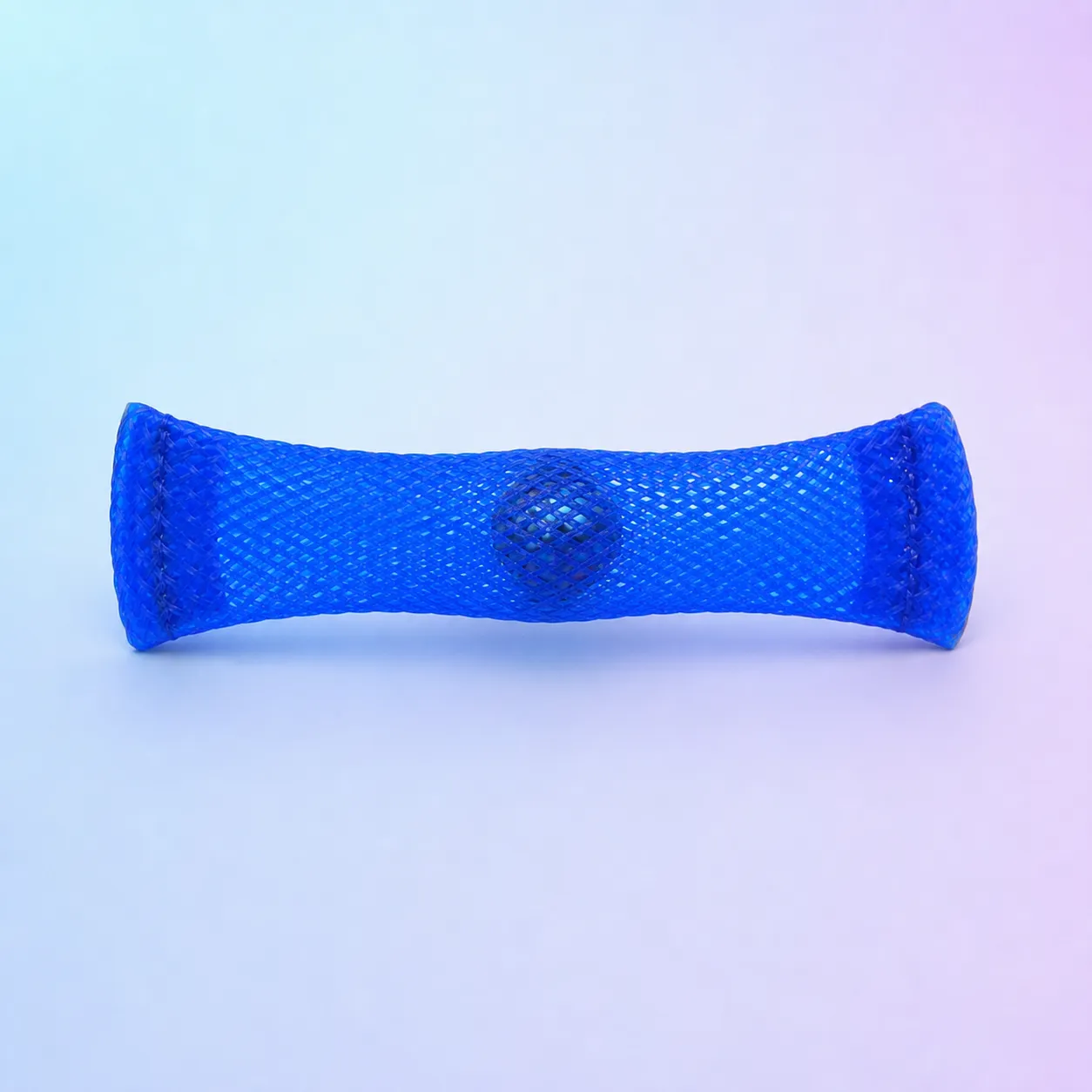
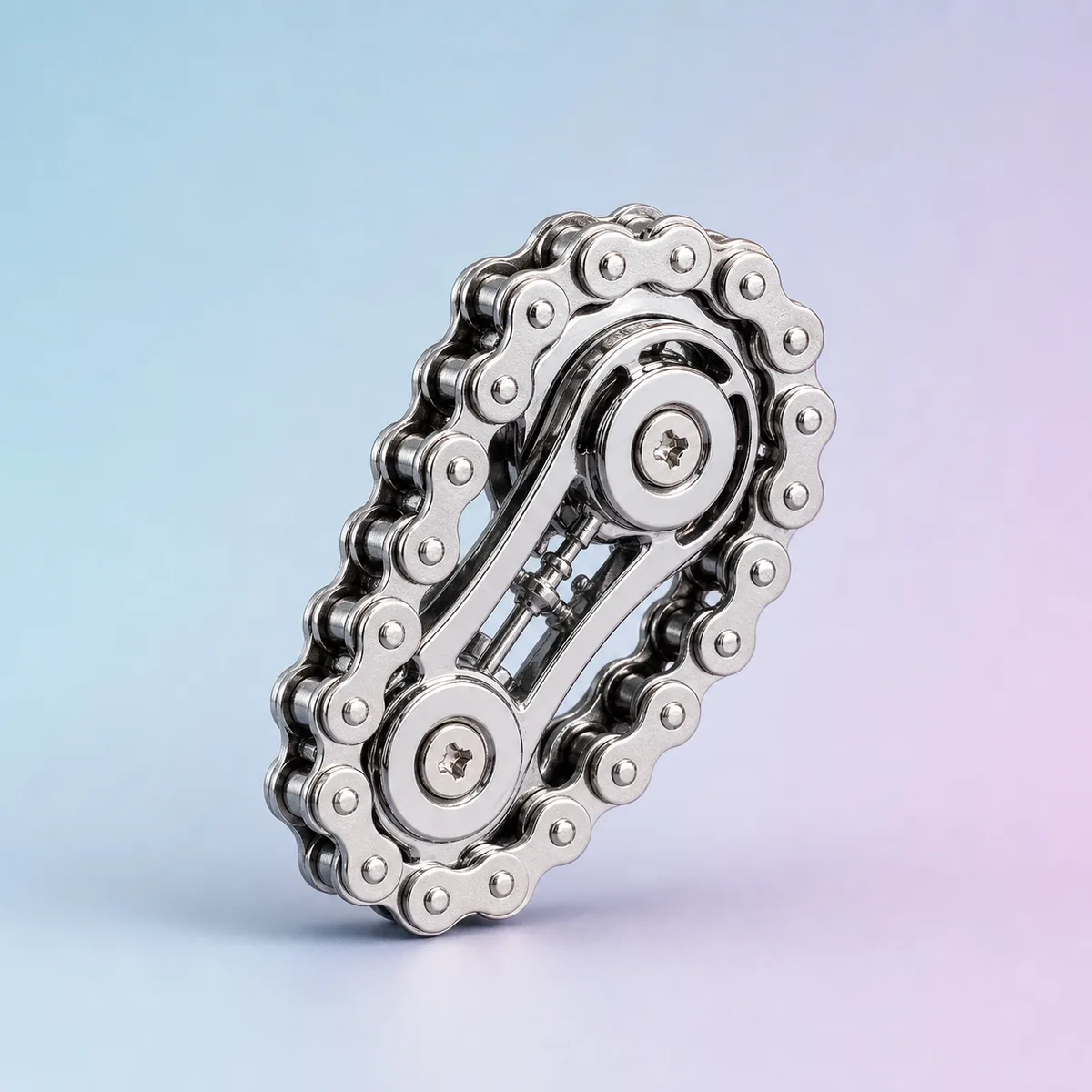
There is a good deal of everyday evidence, and support from occupational therapists, that having something to do with your hands can help some people concentrate and feel steadier, especially those who are neurodivergent or simply restless by nature. That is the actual reason fidget tools exist, and it is a far more honest pitch than calorie burn. A quiet, slim option like the Roll & Squeeze Mesh Marble Fidget gives your fingers a rolling, textured motion during a meeting, and something like the Roll & Flip Chain Fidget gives a hand a small mechanical cycle to repeat. Neither will change your metabolism in any meaningful way. Both can make a restless stretch of the day a little easier to sit through, which is the point.
How can you add more NEAT to your day, honestly?
If you actually want the calorie side of movement, skip the fidget toy and go for the bigger, cheaper wins. NEAT responds most to whole-body movement you can repeat often: standing more, walking more, and breaking up long stretches of sitting.
A few realistic habits do far more than any gadget:
- Stand up and move for a minute or two every half hour, rather than sitting for hours at a stretch.
- Take the stairs, park a little further away, or walk part of a journey you would normally ride.
- Pace while you are on the phone, or take a call as a short walk.
- Do the small active chores yourself, since carrying, tidying, and cleaning all count.
- Add a short walk after meals when you can, which is an easy way to bank movement daily.
None of this is dramatic, and that is the point. NEAT works because it is small and constant. A fidget toy can ride along for the sensory and focus benefits, but the movement that matters for energy is the kind that gets you out of the chair.
So, should you get a fidget toy for the calorie burn?
Honestly, no, and we would rather you knew that before buying. If your reason for wanting a fidget toy is burning calories or losing weight, it is the wrong tool, and we will not pretend otherwise. The calorie effect of a handheld fidget is tiny.
If, on the other hand, you want something for busy hands, for focus during a long call, or for a small, steady point of calm in a restless moment, that is exactly what a fidget toy is for. Fidgeting burns a few calories as a side effect of being a body in motion. The real value is in your hand, not on the scale. Calm in the palm of your hand, and an honest account of what it can and cannot do.
Sources & further reading
We reference trusted organizations by name. This article is informational and not a substitute for professional medical advice.
- Mayo Clinic: Home of Dr. James Levine's research on NEAT, non-exercise activity thermogenesis, and its role in daily energy expenditure.
- Harvard Health Publishing: Publishes accessible explainers on metabolism, calorie burn, and how everyday movement contributes to the energy you use in a day.
- Cleveland Clinic: Offers general public guidance on metabolism, calories, and the limits of small movements for managing weight.
- Centers for Disease Control and Prevention (CDC): Provides public-health guidance on physical activity, energy balance, and reaching a healthy weight.
- NHS: Offers plain guidance on healthy weight and the roles of activity, diet, and daily movement.
Frequently asked questions
Does fidgeting really burn calories?
Yes, but only a small amount. Any movement uses energy, so tapping your foot, bouncing your leg, or rolling a fidget in your hand does burn a few extra calories. The effect is real but modest, and it is easy to overstate.
What is NEAT in simple terms?
NEAT stands for non-exercise activity thermogenesis. In plain words, it is the energy you spend on all the movement in a day that is not sleeping, eating, or deliberate exercise, including standing, walking around, doing chores, and fidgeting. Researchers at the Mayo Clinic, led by Dr. James Levine, helped bring the idea into wider view.
How many calories does fidgeting burn in a day?
There is no single honest number, because it depends on the person and how much they move. Lab studies suggest spontaneous movement can vary from very little to a few hundred calories a day between individuals, but most of that comes from bigger movements like standing and pacing. The calories from a handheld fidget toy alone are small.
Can a fidget toy help me lose weight?
No, and we would not want to pretend otherwise. A fidget toy is made for busy hands, focus, and a moment of calm, not for burning fat. The calorie cost of squeezing or rolling one is tiny. If weight is your goal, everyday activity, food, sleep, and advice from a qualified professional matter far more.
Is it healthy to fidget?
For most people, fidgeting is a harmless and often helpful way to release restless energy and stay focused. It is a natural thing bodies do. If fidgeting ever feels compulsive or distressing, or if you are worried about restlessness, a doctor or therapist is the right person to ask.
Why do I fidget so much?
People fidget for lots of reasons: to burn off restless energy, to stay alert during something boring, to focus, or simply out of habit. Many neurodivergent people fidget to help regulate attention and feel settled. It is common, it is normal, and for most people it is nothing to worry about.