Are water bead toys safe?
Loose water beads are a documented hazard to young children, and the federal government now treats them that way. On August 21, 2025 the Consumer Product Safety Commission approved a new safety standard for water bead toys, after tracking an estimated 6,300 emergency department injuries between 2017 and 2022 and at least one child’s death in 2023. A squeeze ball with beads sealed inside a membrane is a different product from a bag of loose beads, and we sell two of them. That does not make it a toy you can stop thinking about.
We want to be straight with you about that, because a shop that will not tell you when to throw away its own product is not one you should trust with your kids’ safety. So here is the plain version: what the beads are, what the new rule actually requires, and the one instruction the Commission wants every parent to follow.
What makes loose water beads dangerous?
The danger is that a water bead does not stop at being swallowed, it keeps working. The beads are a liquid-absorbing polymer, made from materials such as polyacrylamide and polyacrylate, and they expand as they soak up fluid. Once one is inside a child’s body, it can keep absorbing and growing, which is how a swallowed bead turns into a blockage that needs medical attention rather than passing on its own. The beads are also small, colorful, and can look enough like candy or a decoration that a toddler picks one up without prompting.
Ingestion is not the only route. Children as old as 5 to 7, not just toddlers, have had water beads lodged in an ear that went undiagnosed during a routine exam, because a clear, wet bead is hard for a doctor to spot and can be difficult to see on an X-ray. Pediatric guidance on this is blunt: if you have young children in the house, the safest approach is not to have loose water beads there at all.
Poison Control draws a useful line here. A gel or foam-filled stress ball, the kind with no beads inside, is usually not toxic if swallowed whole or bitten into, and is described as less of a concern unless a large amount is eaten. A water bead ball is a different case, because it is the beads themselves, not the outer shell, that cause the trouble once they are loose in the body.
How is a sealed squeeze ball different?
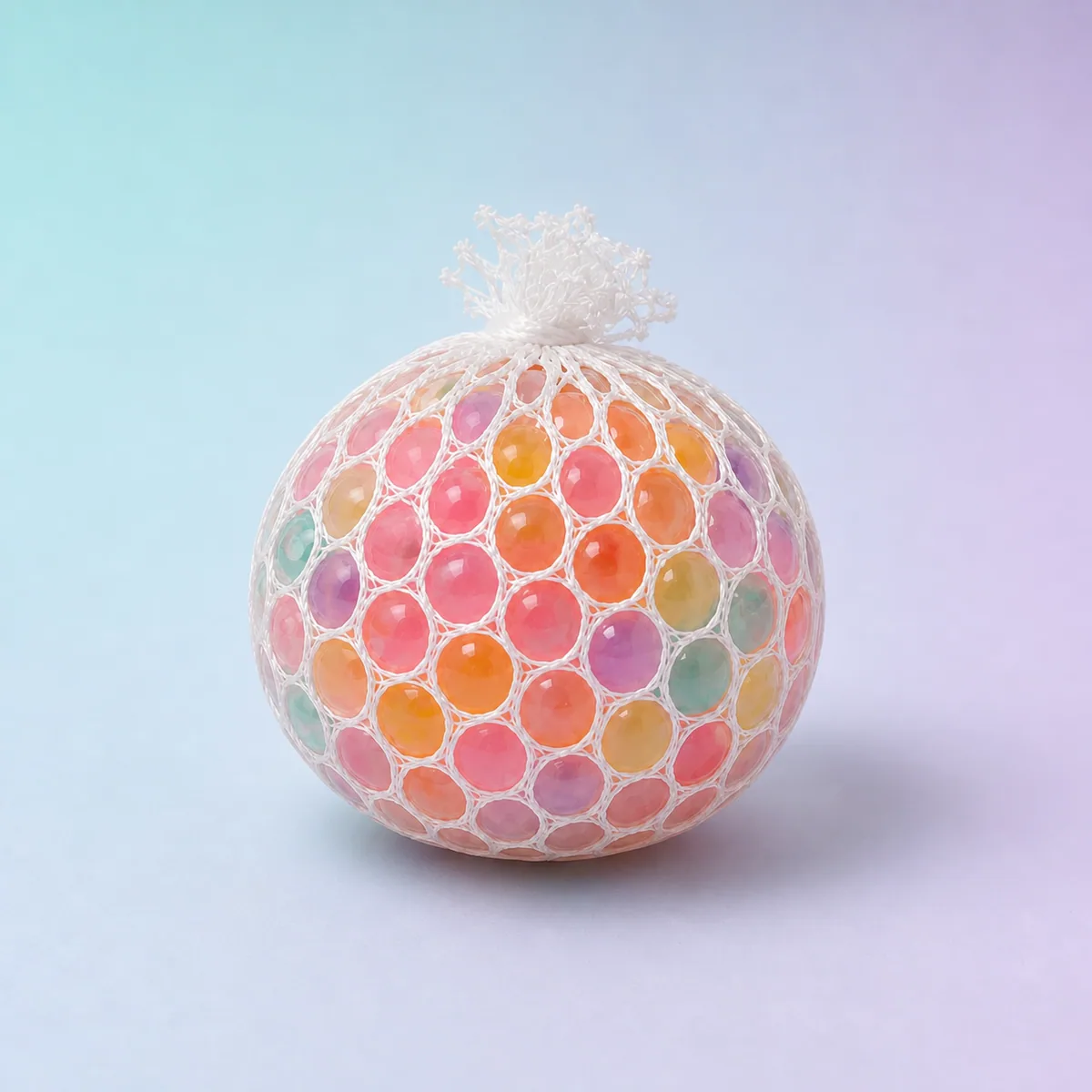
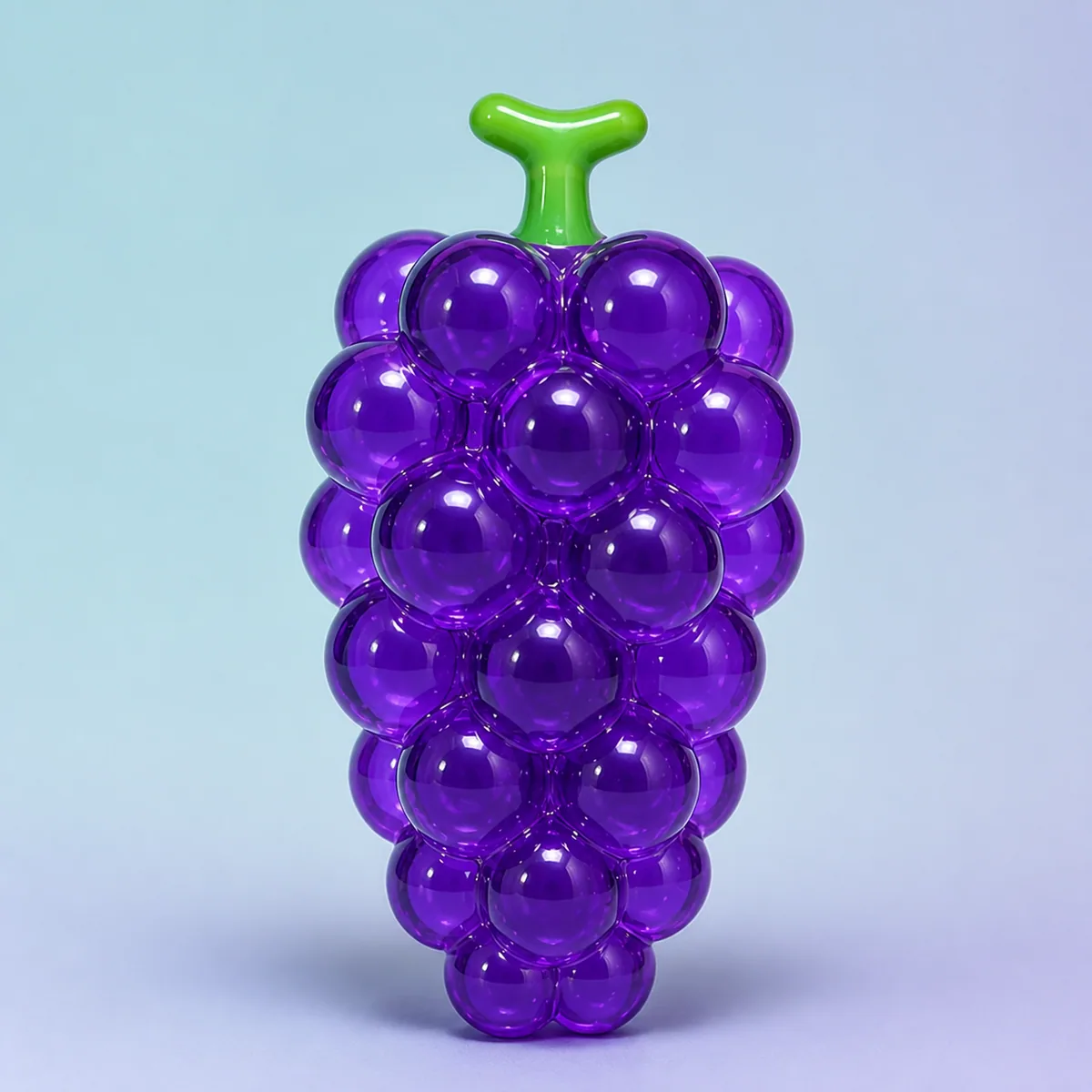
A sealed squeeze ball, like our Calm Orb Water-Bead Squeeze Ball or Bubble Grapes Squeeze Ball, keeps its beads inside a TPR membrane wrapped in mesh, so a child would have to bite through or tear the covering to reach them. That is a real, meaningful difference from a bag of loose beads sold for sensory play. It does not exempt the product from the underlying concern, and no source we found treats a sealed bead ball as automatically safe for a toddler.
The documented risk with a sealed ball is the covering failing, not spontaneous ingestion. Poison Control’s guidance for stress balls is to watch closely during play, check the ball regularly for damage, and discard it the moment the covering looks compromised. The Commission’s own instruction is just as plain: if a toy contains water beads, such as a ball filled with them, discard the product once beads start to come out. Treat a torn or leaking ball as done, not repairable.
What does the new federal standard actually require?
The rule the Commission approved sets a maximum size a bead can reach once it has fully expanded in water, so a swollen bead is less able to cause a blockage even if swallowed. It also caps how much acrylamide the beads can contain and requires a strongly worded, easy to see warning label on the packaging. The rule takes effect roughly 90 days after publication, with a manufacturing compliance date around March 12, 2026. The Commission also notes that some water bead products are not marketed as children’s toys at all and sit outside the rule’s scope, one more reason to check labels rather than assume.
The Commission’s own technical definition is worth knowing, because it tells you what you are actually buying: a water bead is a liquid absorbent polymer, made from materials such as polyacrylamide and polyacrylate, that expands when soaked in liquid. That is true whether the beads are sold loose in a tub for sensory bins or sealed inside a squeeze ball. The material does not change; only the packaging around it does.
Which of our squeeze balls use water beads?
Two do, and two do not, and it is worth knowing the difference before you buy.
| Product | Contains water beads | Best for |
|---|---|---|
| Calm Orb Water-Bead Squeeze Ball | Yes, sealed inside a TPR membrane and mesh wrap | A bulging, resetting squeeze for adults and older kids |
| Bubble Grapes Squeeze Ball | Yes, a cluster of sealed water-bead bubbles | The same motion in a smaller, grape-shaped cluster |
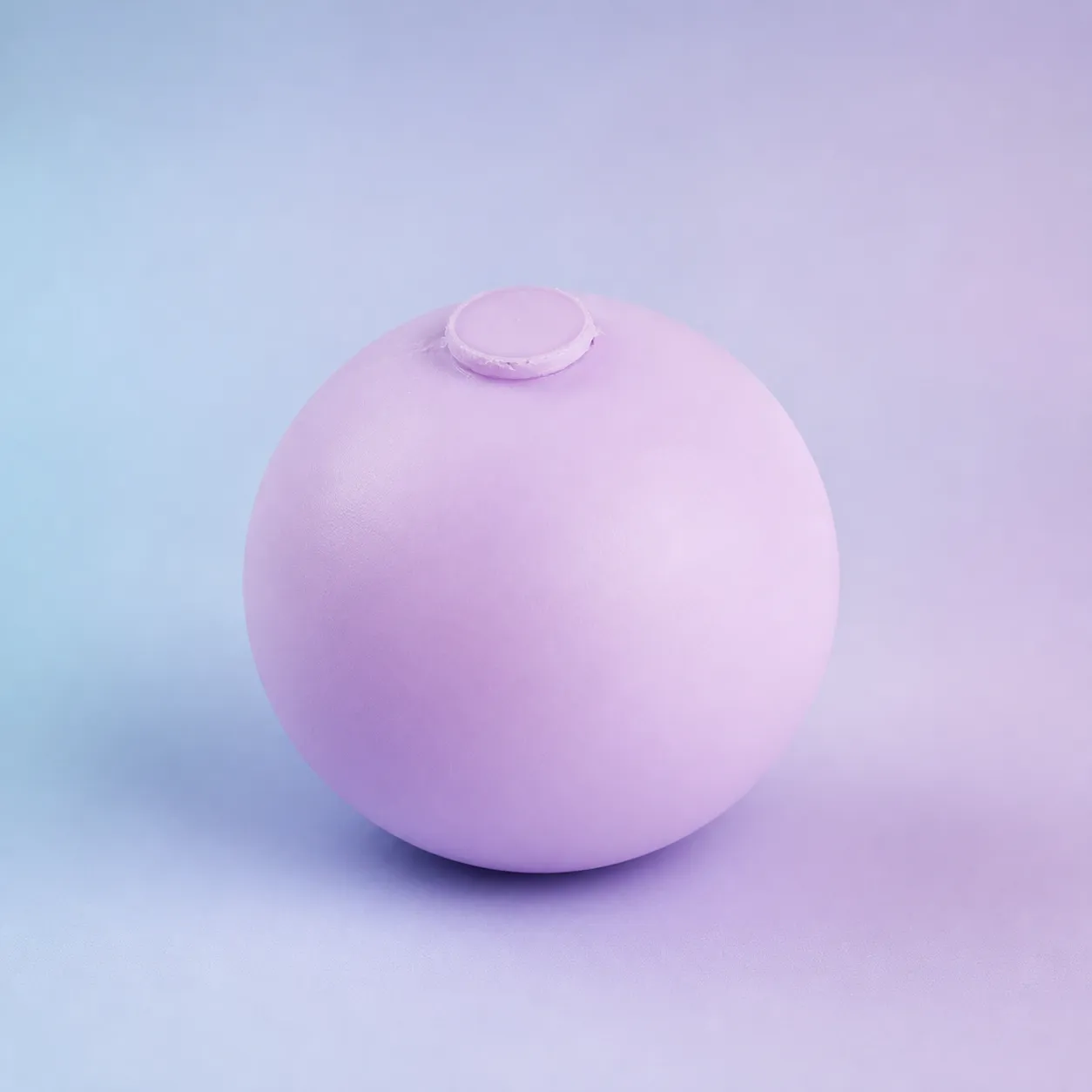
| Steady Hand Squeeze Stress Ball | No, a translucent gel fill | A household with younger children, or skipping beads on purpose |
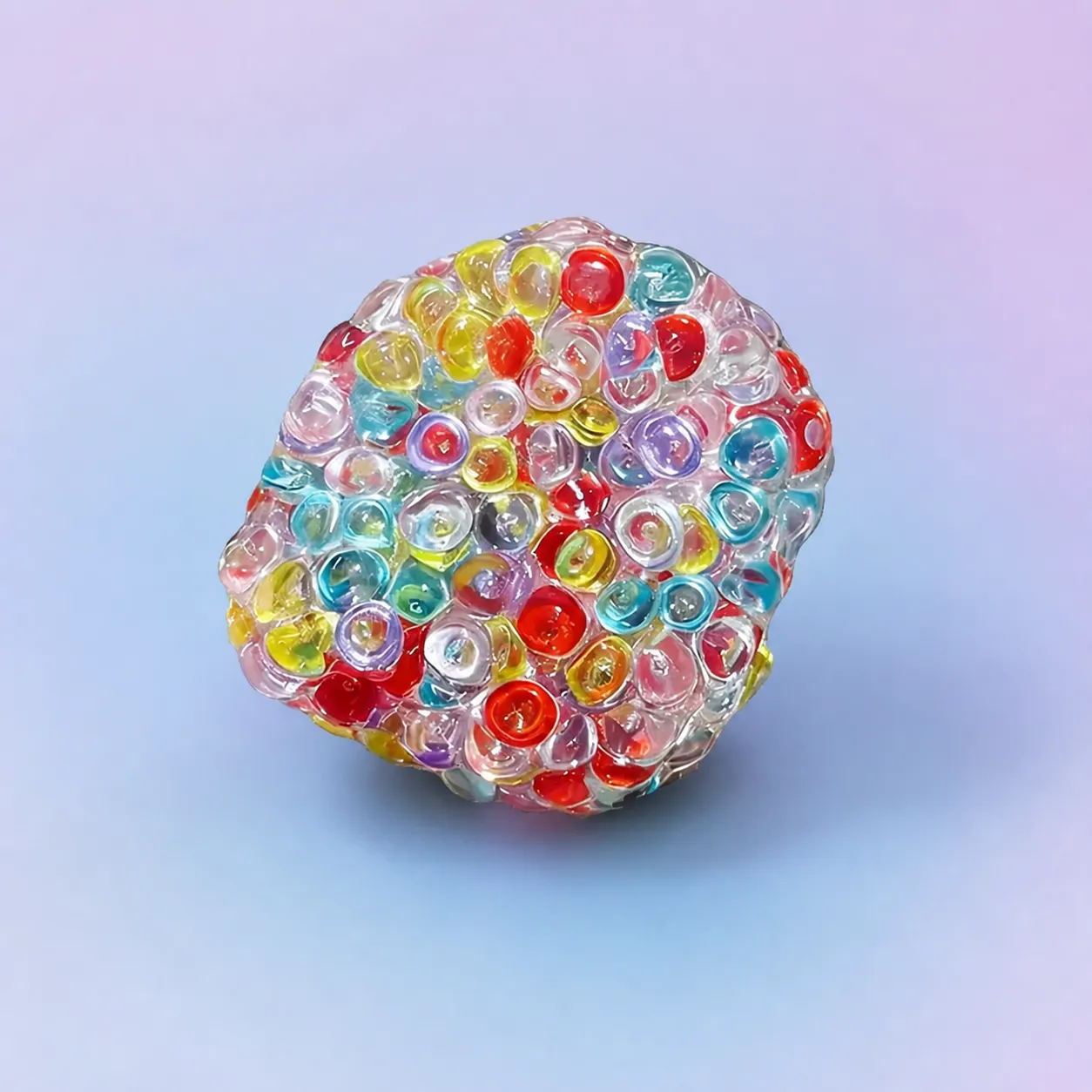
| Mold & Hold Dough Stress Ball | No, a flour-style fill | A slower, moldable squeeze with nothing inside that expands |
If a water bead ball is already in your home, treat it like anything else you would not want a toddler mouthing. Keep it up and out of reach when you are not watching, and check it before every use.
Who should skip water beads entirely?
Anyone with a child under 3 in the house, full stop. None of our bead-filled products are rated for that age, and neither the sealed format nor a smaller, properly regulated bead changes that. For an older child or an adult who wants the specific bulge-and-release feel, the sealed products are the supervised way to get it, and inspecting one before use takes a few seconds. For anyone who would rather not think about beads at all, the gel and dough-fill balls give a comparable squeeze with nothing inside that expands.
Calm in the palm of your hand, and honest about what is in it.
Sources & further reading
We reference trusted organizations by name. This article is informational and not a substitute for professional medical advice.
- U.S. Consumer Product Safety Commission: Approved a new federal safety standard for water bead toys in 2025 limiting expansion size and acrylamide and requiring warning labels, and its consumer guidance states plainly to discard a bead-filled toy once beads start to come out.
- American Academy of Pediatrics: States that water beads can absorb body fluid and keep growing once swallowed, documents cases of beads lodged in a child's ear, and advises households with young children against keeping water beads at home.
- Poison Control (America's Poison Centers): Distinguishes a sealed water-bead stress ball from loose beads and recommends supervising play, checking the ball regularly for damage, and discarding it once the covering is compromised.
Frequently asked questions
Are water bead toys safe?
Loose water beads are a documented hazard, linked to an estimated 6,300 emergency department injuries between 2017 and 2022 and at least one child's death in 2023. That is why the Consumer Product Safety Commission approved a new federal safety standard in August 2025, limiting bead expansion size, capping acrylamide, and requiring warning labels. A sealed squeeze ball is a different product from loose beads, but not an automatically safe one, and it should never be given to a child under 3.
What does the new CPSC water bead standard require?
It sets a maximum size a bead can reach after it expands in water, so a fully swollen bead is less likely to cause a blockage. It also caps how much acrylamide the beads can contain and requires strongly worded, easy to see warning labels. The rule was approved on August 21, 2025, with a manufacturing compliance date around March 12, 2026.
Is a water bead squeeze ball safe if the beads are sealed inside?
It is a different product from loose beads, since a child would have to bite through or tear the outer membrane to reach them. Poison Control's guidance for these products is to supervise play, inspect the ball regularly for damage, and discard it if the covering is compromised. The Commission's own advice is the same: discard the toy the moment beads start to come out.
What happens if a child swallows a water bead?
A water bead keeps absorbing fluid and expanding once it is inside the body, which can cause a blockage, and the beads can be hard to spot on an X-ray. Children have also had beads lodged in an ear that went undiagnosed during a routine exam. Any suspected ingestion is a reason to call Poison Control or seek medical care, not to wait and see.
Are water bead toys safe for toddlers?
No. Water bead products, loose or sealed, are not appropriate for children under 3, and pediatric guidance describes the safest approach for a household with young children as not keeping water beads there at all. If older children in the home use a sealed squeeze ball, keep it away from younger siblings and inspect it often.
How do I know when to throw away a water bead toy?
Discard it the moment the outer covering shows a tear, a soft spot, or any beads starting to escape, which is the Commission's own stated guidance. Do not try to reseal or keep using a squeeze ball once its membrane is compromised. A quick check before each use takes a few seconds and is the simplest way to catch damage early.