Are magnetic fidgets safe?
High-powered loose magnets are a well-documented, serious hazard for children when more than one gets swallowed, and federal law has treated them that way since October 2022. None of that changes the answer for our own shelves, though, because we do not sell a magnetic fidget: no magnetic building cubes, no magnetic putty, no small magnetic balls anywhere in the catalog. The honest, useful answer here is narrower than “are magnets dangerous,” and it starts with what actually makes loose magnets different from every other small part.
Why are loose magnets dangerous to swallow?
The danger is specific to more than one magnet, or one magnet plus another swallowed metal object. Once two magnetic pieces are on either side of intestinal tissue, they attract through it, pinching or trapping the tissue between them, which can require surgery and cause lifelong health consequences or death. This is a different, sharper mechanism than an ordinary small part, which is why federal regulators treat magnets as their own category rather than folding them into the general small-parts rule.
The numbers back up the seriousness: nearly 3,000 children and teenagers were treated in emergency rooms for magnet ingestion between 2009 and 2013, including one death, a 19-month-old. More than 26,000 magnet ingestions were treated in hospital emergency rooms between 2010 and 2021, with injuries rising every year since 2018, and the CPSC is aware of at least seven deaths tied to magnet ingestion. A single swallowed magnet, with nothing else magnetic for it to pair with inside the body, is a different and lesser risk, closer to an ordinary small part than to this specific pinching mechanism, which is worth knowing before every mention of “magnet” gets treated the same way.
What happened when the federal rule lapsed?
CPSC issued a mandatory magnet safety standard in 2014, and the US Court of Appeals for the Tenth Circuit overturned it in 2016, ruling the agency lacked sufficient evidence of danger. A new rule was not approved again until September 2022. In the gap between those two dates, magnet-ingestion injuries increased more than 400 percent, with most of that surge landing in 2018 and 2019. That is about as close to a controlled experiment as regulation gets: remove the rule, watch injuries climb; put a rule back, and the climb stops being the story.
What does the current federal magnet rule actually require?
Since October 21, 2022, any loose or separable magnet small enough to fit the CPSC’s small-parts cylinder has to have a flux index under 50 kG squared mm squared, a strength threshold meant to make an ingested pair too weak to pinch through intestinal tissue even if swallowed together. The rule’s scope explicitly covers products “designed, marketed, or intended to be used for entertainment, jewelry, mental stimulation, stress relief, or a combination of these purposes,” language written broadly enough to capture a magnetic fidget or stress-relief toy directly. It is a strength rule, not a ban: a magnetic product that meets the flux-index threshold can still be sold.
Does The Calm Toy sell any magnetic fidget toys?
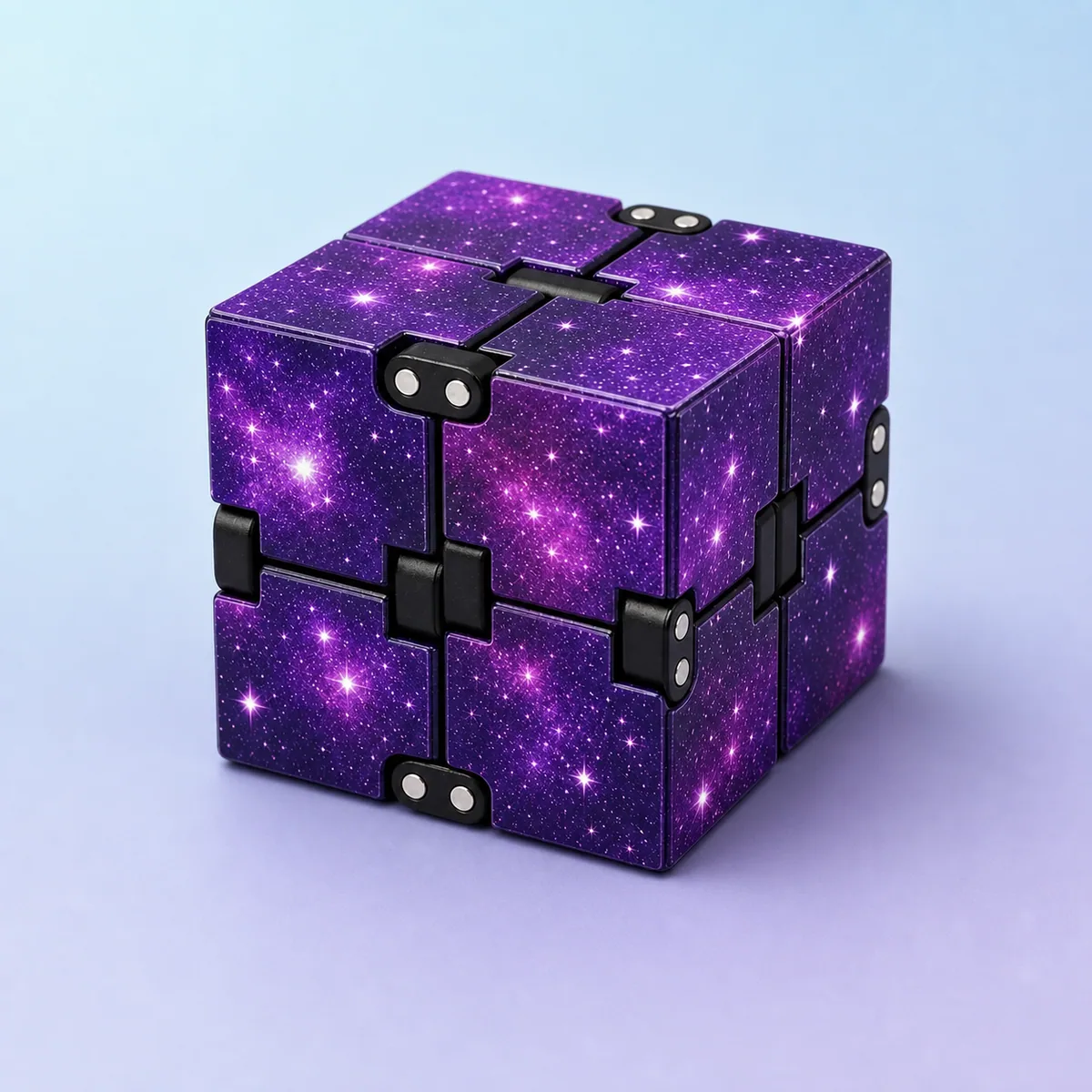
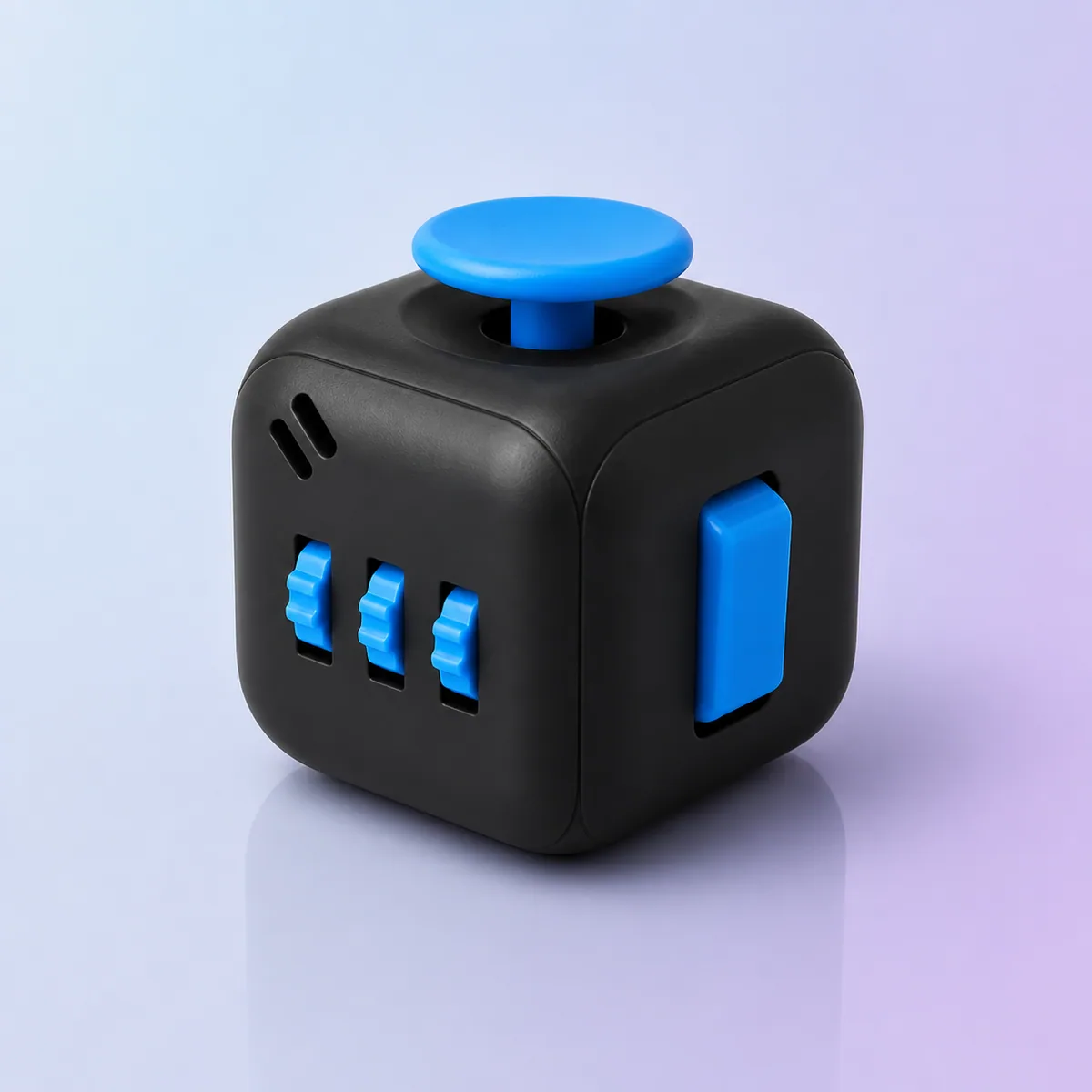
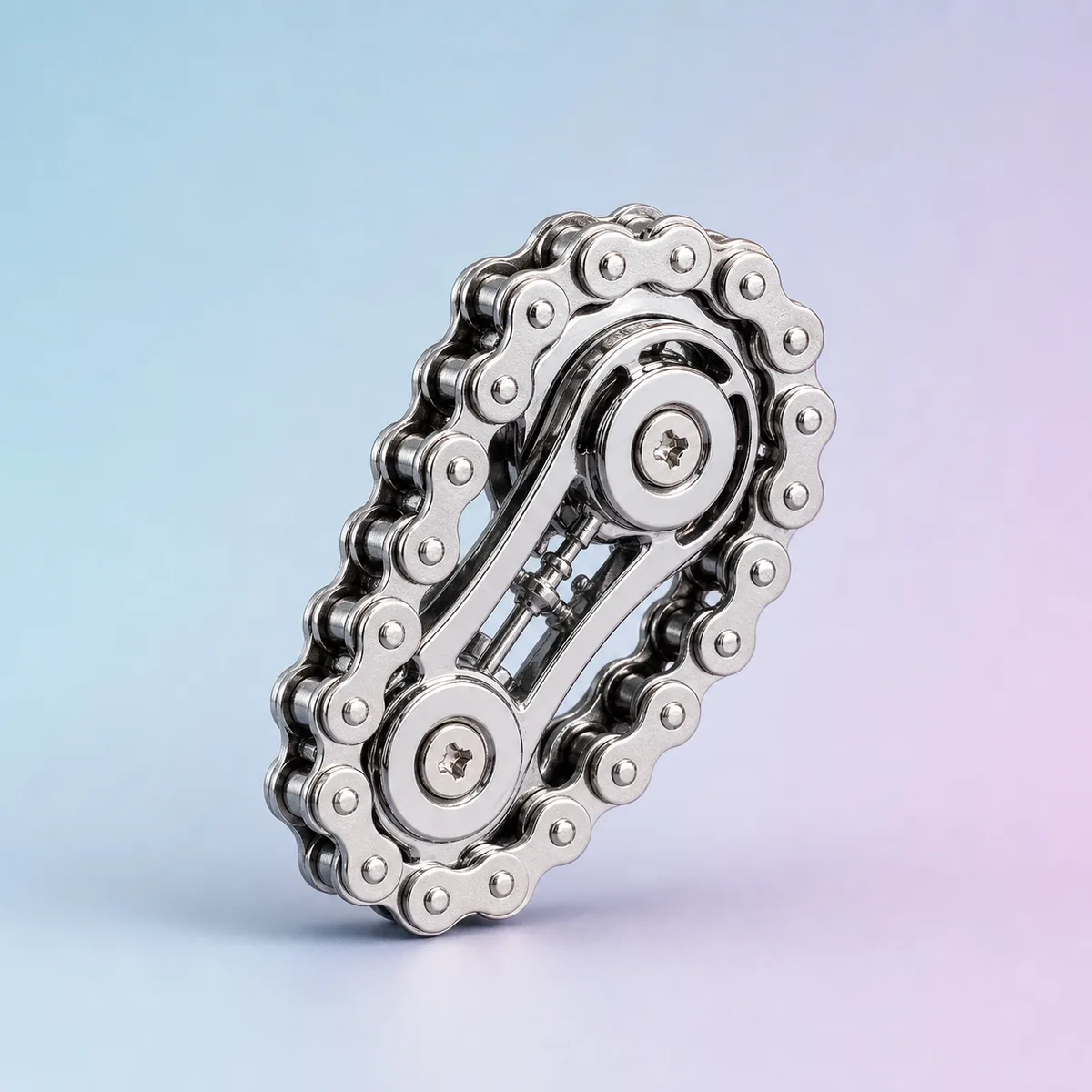
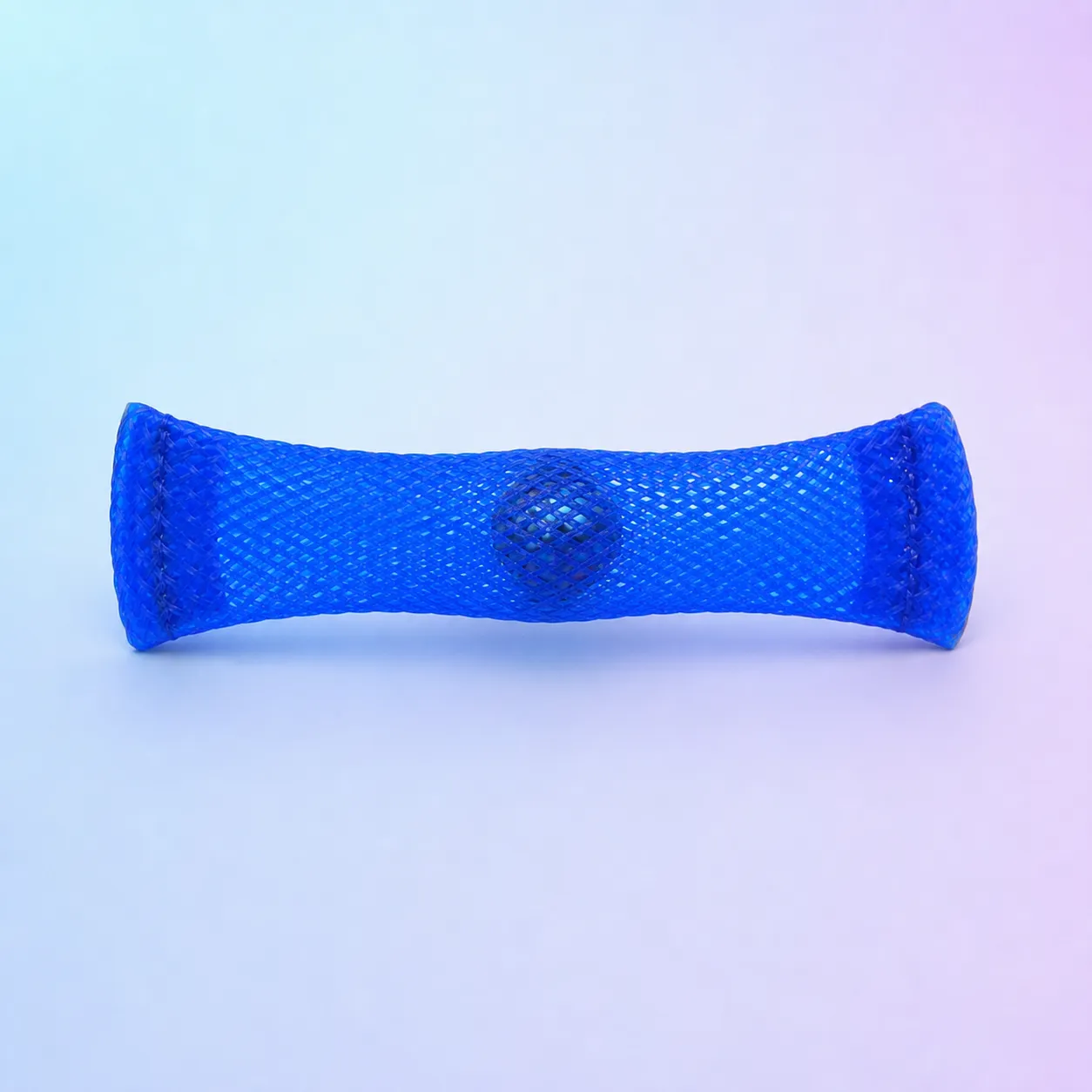
No, and we would rather tell you that plainly than let a category page imply otherwise. The Infinity Flip Cube folds on fabric-tape hinges between ABS blocks; the Click-Cube Focus Fidget works through physical buttons, a dial, and a glide switch; the Roll & Flip Chain Fidget rolls and flips around a metal chain-and-bearing mechanism; the Roll & Squeeze Mesh Marble Fidget is a glass or acrylic marble rolling inside nylon mesh. Every one of those gives you a continuous, repeatable motion, folding, clicking, rolling, without a single magnet anywhere in the mechanism.
That is a deliberate choice, not an oversight. The same continuous, snap-together pull that makes a magnetic fidget satisfying to work with is exactly what makes a loose piece dangerous if a young child finds one on the floor and it ends up in their mouth alongside another. Building the same continuous, hands-busy feel into a hinge, a chain and bearing, or a marble in mesh gets you the motion without a single piece that can come free and be swallowed on its own.
| Product | How it moves | Magnetic? |
|---|---|---|
| Infinity Flip Cube | Folds end over end on fabric-tape hinges | No |
| Click-Cube Focus Fidget | Buttons, a dial, and a glide switch | No |
| Roll & Flip Chain Fidget | Rolls and flips around a chain-and-bearing center | No |
| Roll & Squeeze Mesh Marble Fidget | A marble rolls and pushes inside mesh | No |
If you do buy a magnetic fidget elsewhere, what should you check?
Look for a compliance date after October 2022, and understand what “magnetic” is actually describing before you assume the risk is uniform. The federal rule is specifically about small, separable, or loose magnets, magnetic building balls and cubes being the original case that prompted it, not every product that happens to contain a magnet somewhere. A single fixed magnet in a closure or clasp, one that cannot be pulled out and swallowed on its own, is a different hazard profile than a set of small loose magnetic pieces, and no source we found treats every magnet-containing product as an identical risk.
If a younger sibling or a classroom is anywhere near where the toy will live, treat any set of small, separable magnets with the same supervision and storage habits you would use for anything on the small-parts list, out of reach between uses, checked for missing pieces, and never left within a toddler’s grabbing distance. That habit costs nothing and covers the gap between what a rule requires on the day of manufacture and what actually happens in a house over the following months.
Calm in the palm of your hand, magnet-free by design, not by accident.
Sources & further reading
We reference trusted organizations by name. This article is informational and not a substitute for professional medical advice.
- U.S. Consumer Product Safety Commission: Set the current federal magnet safety rule in 2022 requiring small, separable magnets to meet a strength threshold, and has cited tens of thousands of emergency-room-treated magnet ingestions and at least seven known deaths as the basis for it.
- Intertek: A global testing and certification firm explains that the 2022 magnet rule covers products designed, marketed, or intended for entertainment, jewelry, mental stimulation, or stress relief that contain loose or separable magnets, with toys already governed by the toy safety standard exempted from the separate rule.
- JJR Testing Laboratory: A toy-testing laboratory describes the CPSC's small-parts cylinder, 2.25 by 1.25 inches, the same physical test that determines which small magnets fall under the separable-magnet category the federal magnet rule addresses.
Frequently asked questions
Are magnetic fidgets safe?
Loose, high-powered magnets are a well-documented hazard when more than one is swallowed, since the pieces attract through intestinal tissue and can require surgery to remove. Since October 2022, federal rules require small, separable magnets to meet a strength threshold rather than being sold without limit. The Calm Toy does not sell a magnetic fidget at all, so the more specific question for our own catalog does not apply.
Why are swallowed magnets more dangerous than other small parts?
Because the danger depends on more than one magnetic piece being inside the body at once, or one magnet plus another swallowed metal object. The pieces attract each other through intestinal walls, pinching or trapping tissue between them, a sharper and more urgent mechanism than a single small part passing through on its own. That is why federal regulators created a separate rule for magnets instead of relying on the general small-parts standard.
What happened to the original federal magnet rule?
CPSC issued a mandatory magnet safety standard in 2014, and a federal court overturned it in 2016, ruling there was not enough evidence of danger. In the years before a new rule took effect in September 2022, magnet-ingestion injuries increased more than 400 percent, with most of that increase in 2018 and 2019. The new rule has applied again since October 2022.
Does the current magnet rule ban magnetic fidget toys?
No, it sets a strength requirement rather than a prohibition. Since October 21, 2022, any loose or separable magnet small enough to fit the CPSC's small-parts cylinder has to meet a flux index below a set threshold, weak enough that an ingested pair could not pinch through intestinal tissue. A magnetic product that meets that threshold can still legally be sold.
Does The Calm Toy sell any fidgets with magnets?
No. The Infinity Flip Cube folds on fabric-tape hinges, the Click-Cube Focus Fidget uses buttons and a dial, the Roll & Flip Chain Fidget moves around a metal chain-and-bearing mechanism, and the Roll & Squeeze Mesh Marble Fidget rolls a marble inside mesh. None of them contain a magnet, so the federal magnet rule simply does not apply to our current catalog.
Is any product with a magnet in it automatically risky?
No. The federal rule targets small, loose, or separable magnets specifically, the kind that can come free and be swallowed alone or in a set. A single fixed magnet in a closure or clasp that cannot be pulled out is a different, much lower risk profile, so it is worth checking a product's actual construction rather than reacting to the word magnetic by itself.