Why do squishies turn yellow?
Squishies turn yellow because ultraviolet light slowly breaks down the polyurethane foam inside them. It is a real chemical change, not a stain or a defect, and it plays out over weeks and months of light exposure rather than happening all at once. Once it has happened, it does not undo itself.
This is worth knowing before you assume something went wrong with your squishy. Foam yellows the same quiet way a foam pillow yellows in a sunny bedroom, or a white garden hose left outside all summer goes a shade darker. Nobody did anything to those objects either. Light did.
Chemists call the underlying process oxidation. Light energy breaks some of the chemical bonds that hold the foam’s structure together, and the leftover byproducts of that reaction are what tint the foam yellow or brown. It is a byproduct of the same basic chemistry that gives flexible polyurethane foam its softness in the first place, playing out slowly in reverse.
Is it just the sun, or does heat matter too?
Sunlight does the most of the damage, and heat speeds the same process along. Ultraviolet light is the trigger that breaks down the foam’s structure, but warmth accelerates almost every chemical reaction, yellowing included. That is why a squishy left on a car dashboard, which gets both direct sun and a hot, closed space, yellows faster than a squishy that only sits near a window.
A squishy kept indoors in a room with filtered light and normal temperatures will yellow far more slowly, if at all, in the timeframe most people own one. The two conditions to avoid together are direct light and heat. Either one alone does some damage. Both together do it fastest.
Which squishies are most at risk?
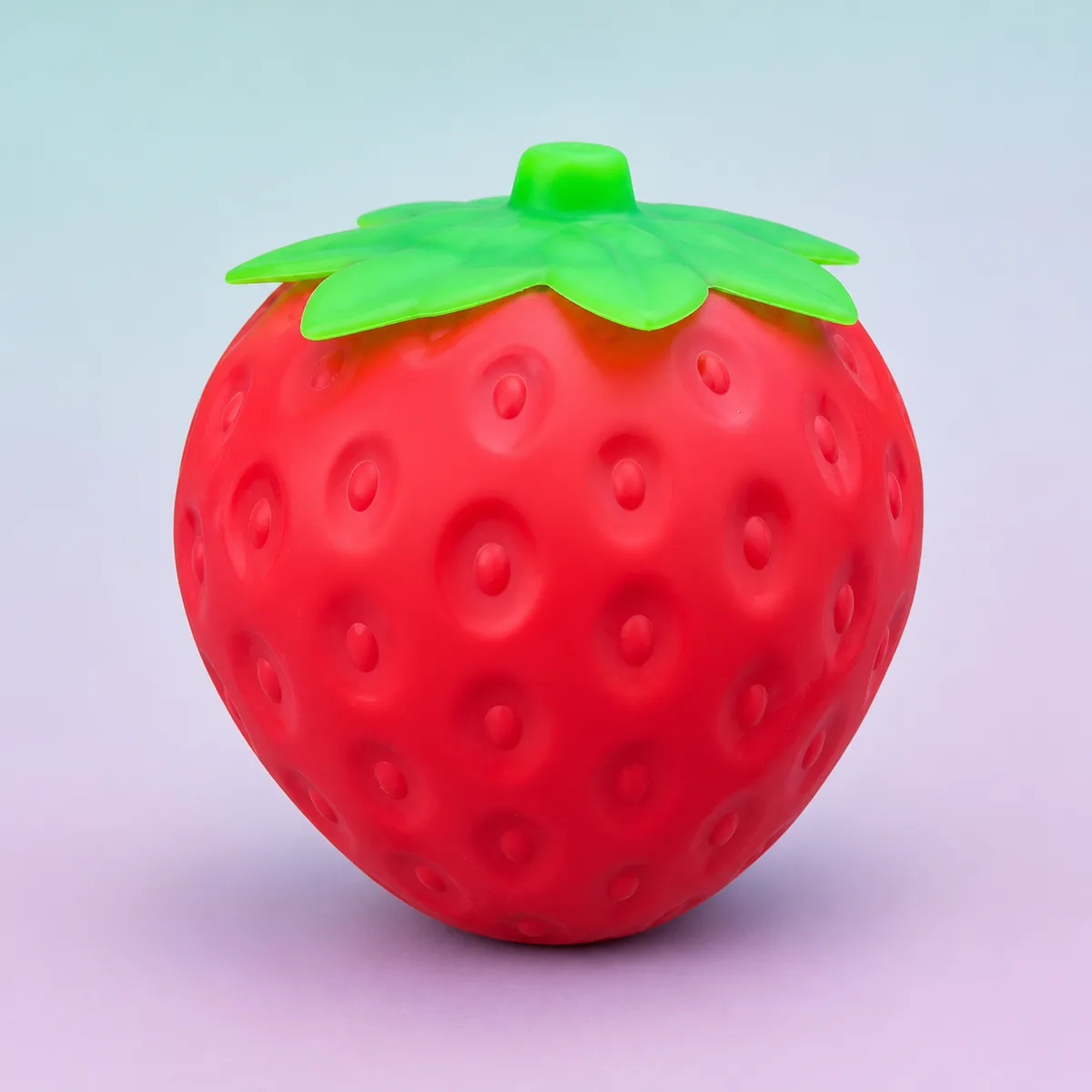
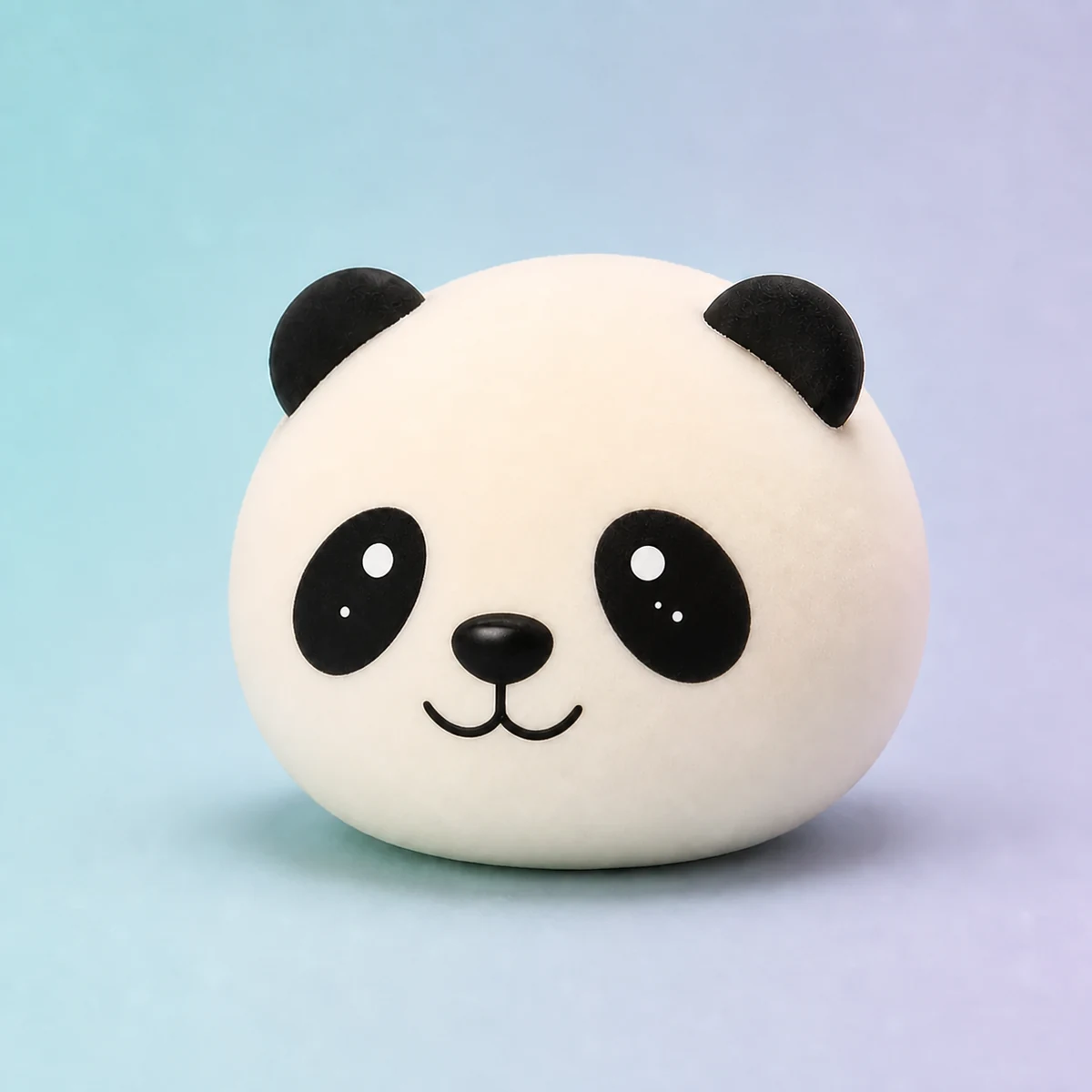
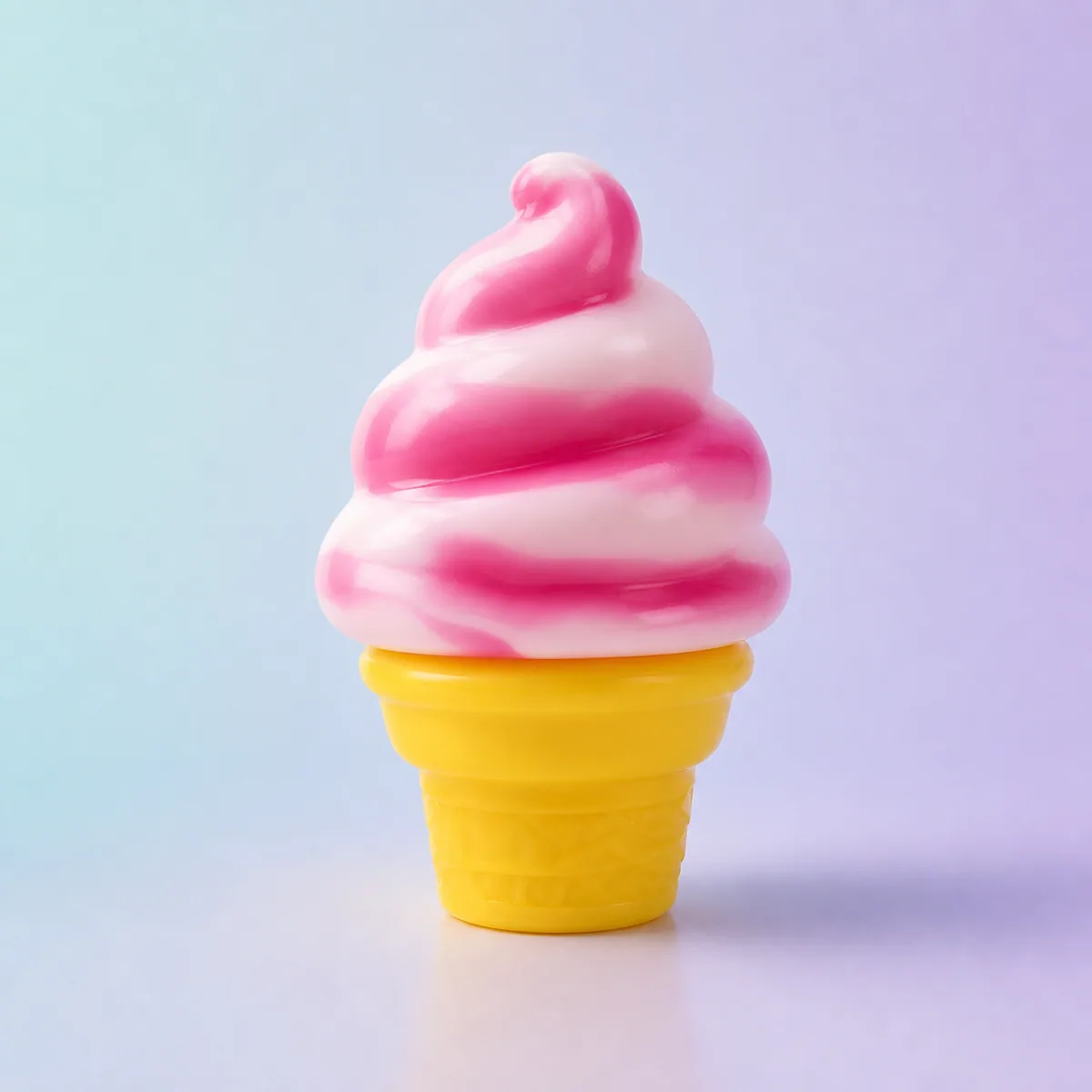
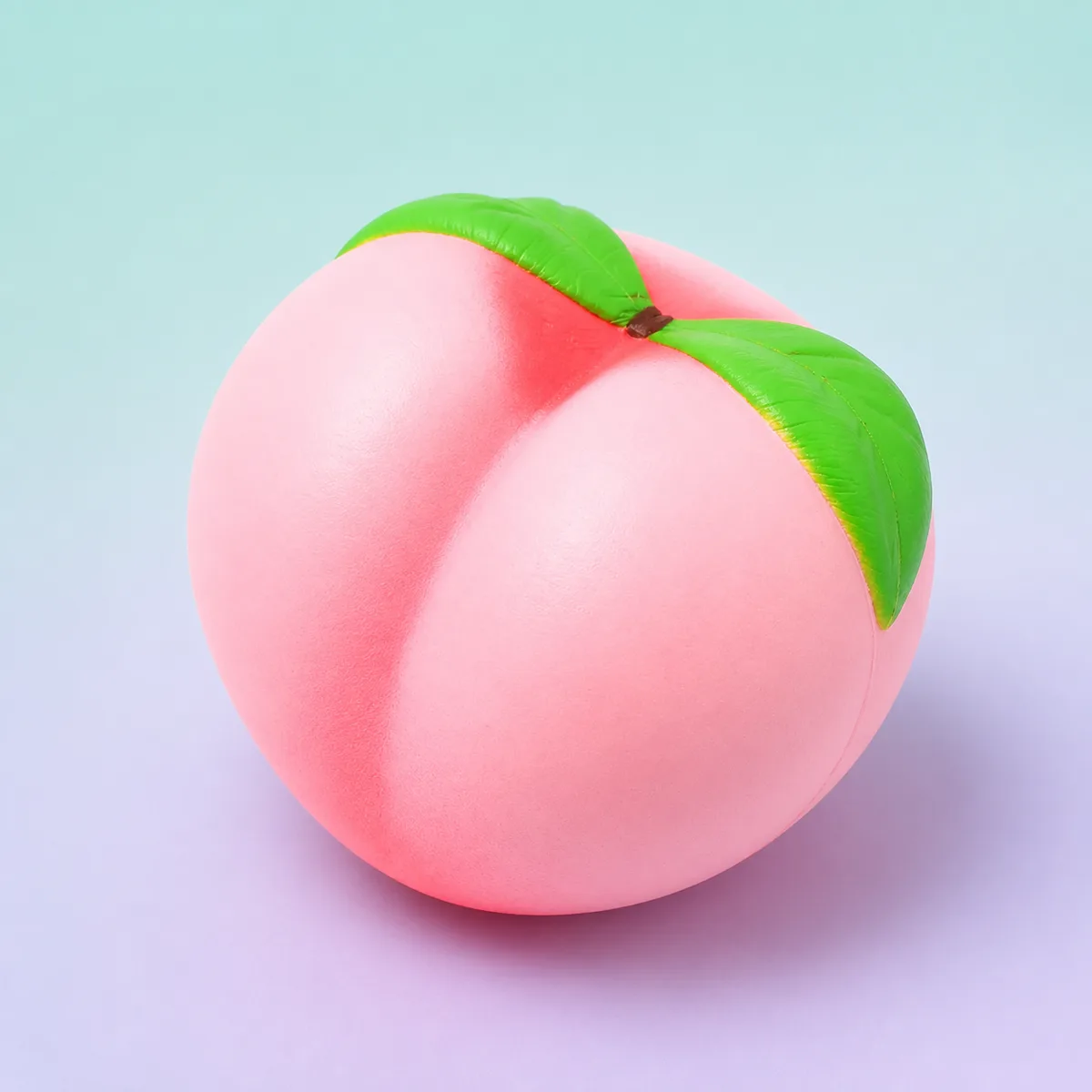
Any open-cell polyurethane foam squishy can yellow, and pale, light-colored ones show it earliest simply because the change is easiest to see against a light base. Bun Buddy Panda Slow-Rise Squishy has the classic black-and-white panda coloring, so its white patches will show a yellow cast well before the black ones show any visible change. Soft-Serve Ice Cream Slow-Rise Squishy sits in a cup that starts out yellow, so watch the pale swirl on top rather than the cup for an early sign. Peachy Slow-Rise Squishy and Berry Slow-Rise Squishy are already warm-toned, blush pink and red, so the same underlying change reads more as a duller, slightly browner cast than a dramatic color shift.
The chemistry underneath is the same for all of them. Starting color just decides how obvious it looks. This is also why a squishy that looked fine a month ago can suddenly seem off, since a small shift on a white surface reads differently than the same shift on a red one.
Translucent, jelly-like squishies are a different story, because materials like TPR and silicone gel are not open-cell foam and do not go through this same light-driven change. That is a separate material with its own aging pattern, not a faster or slower version of what happens to foam.
Does yellowing affect how a squishy performs?
Yes. The same ultraviolet exposure that changes a squishy’s color also stiffens the foam, so a yellowed squishy usually rises faster and a little less evenly than it did new. The slow rise depends on air moving through thousands of tiny cells at an easy pace, and UV damage changes the structure of those cells along with the surface color.
So color and feel tend to change together. A squishy that has gone visibly yellow almost always feels a bit different in the hand too, even before it looks obviously worn out.
Can you prevent it or reverse it?
You can prevent it. You cannot reverse it. Keep squishies out of direct sunlight: a drawer, a closed bag, or a shelf away from a window all work. A squishy left out on a sunny desk can age years in a single summer, while the same squishy tucked in a drawer between uses can hold its color for a long time.
Sunlight through a window still counts, even indoors, since glass blocks some ultraviolet wavelengths but not all of them. A squishy that lives on a sunny sill is not actually protected just because there is glass between it and the sky.
If yours has already yellowed, there is no cleaning routine, cooling-off period, or product that restores the original shade. The honest move is to accept the color change on that one and give the next squishy better light habits from day one.
What should you do with a yellowed squishy?
Keep using it if the foam is still soft, springy, and in one piece. Retire it if it has also gone hard, tacky, or started to flake or crumble.
| What you see | What it means | What to do |
|---|---|---|
| Mild yellow tinge, foam still soft | Normal early UV aging | Keep using it, move it out of direct light |
| Strong yellow or brown, foam still intact | Significant UV aging | Still safe to squeeze, expect a faster rise |
| Yellow plus hard or tacky surface | Foam structure has broken down further | Retire, especially near young children or pets |
| Yellow plus flaking or crumbling | End of useful life | Retire and replace |
A yellowed squishy has not failed you. It has simply spent time in the light the way every foam object eventually does, whether it is a squishy, a pillow, or a car seat cushion. Keep the next one shaded, and it will keep its color, and its rhythm, for a good while longer. Calm in the palm of your hand.
Sources & further reading
We reference trusted organizations by name. This article is informational and not a substitute for professional medical advice.
- NASA: Viscoelastic memory foam, the material family inside slow-rising squishies, was originally developed under NASA-funded research to cushion aircraft seating.
- American Chemistry Council, Center for the Polyurethanes Industry: Publishes background on flexible polyurethane foam, the open-cell material used in slow-rising squishies, and on how foam products should be stored and handled.
- ASTM International: Publishes toy safety standards covering the plastics, silicone, and metals used in squishies and fidget toys.
Frequently asked questions
Why did my squishy turn yellow?
Ultraviolet light broke down the polyurethane foam inside it, a slow chemical change that happens to open-cell foam left in sunlight over weeks and months. It is the same process that yellows a foam pillow or a garden hose left outdoors. It is not a sign of a defect or anything you did wrong.
Can you reverse a yellowed squishy back to its original color?
No. Once ultraviolet light has changed the foam, the color shift is permanent, and no amount of cleaning, cooling, or shade afterward brings it back. The only real fix is prevention: keep the next squishy out of direct light from the start.
Why do white and pale squishies yellow faster than others?
They do not necessarily degrade faster chemically, but the color change shows up sooner and more clearly against light foam. A white panda squishy or a cream-colored ice cream squishy will look yellowed well before a already-warm-toned peach or strawberry squishy shows the same underlying change.
Does a yellowed squishy still work the same way?
Not quite. The same ultraviolet exposure that changes the color also stiffens the foam, so a yellowed squishy usually rises faster and less evenly than it used to. It is still a working squishy, just with a different rhythm than the day it arrived.
Is a yellowed squishy safe to keep using?
If the foam is still soft and intact, yes, a yellowed squishy is fine to keep squeezing. If it has also gone hard, tacky, or started to flake or crumble, that is the end of its useful life, and it should be retired, especially if young children or pets are around.
How do you stop a squishy from turning yellow?
Keep it out of direct sunlight. A drawer, a bag, or a shelf away from a window is enough. A squishy left on a sunny windowsill or a car dashboard can visibly yellow within a single summer, while one kept in the shade can hold its color for years.