When does a fidget toy become the distraction?
The moment it needs your eyes, makes a sound that travels past your own hands, or gets more interesting to look at than whatever you are supposed to be doing. That is the honest line, and it is worth drawing clearly, because the fidget industry, including us, sells these things on the promise of helping focus, and the evidence does not support that promise unconditionally. Some fidgets help. Some fidgets are the distraction wearing a helpful label. The difference is not the category of object. It is how much of your attention the object asks for.
The evidence that fidgets can hurt attention, not help it
The clearest studies on this are not flattering to the fidget industry, and we would rather tell you about them than pretend they do not exist, or sell you the product they are about: we do not carry fidget spinners, and this is a large part of why. Graziano, Garcia and Landis (2020) gave fidget spinners, a spinning, visually busy fidget, to 60 young children in ADHD intervention programs and tracked their attention throughout the study. Spinner use was tied to worse attention, not better, and the researchers concluded that fidget spinners negatively influenced the children’s attentional functioning even inside the evidence-based classroom interventions built to help them.
That result is not limited to children with ADHD, either. Soares and Storm (2020) had 98 undergraduates watch a 15-minute educational video, some using a fidget spinner and some not. Spinner use was linked to more self-reported attentional lapses, lower judgments of how much they had learned, and worse scores on a later memory test, an effect that held whether spinner use was assigned or chosen. And a 2023 review in Intervention in School and Clinic, by Kriescher, Hulac, Ryan and King, weighed the wider literature against sensory-processing and cognitive-load theory and concluded there is not yet sufficient evidence to support fidget toys as a classroom intervention at all.
The mechanism is not mysterious once you see it, at least for spinners. A spinner spins. Spinning catches the eye the way anything spinning does, a ceiling fan, a coin on a table, and an object built to be watched works against the exact thing you wanted it to help with. A fidget that visually demands attention is competing with the task for the same resource, not supporting it quietly from the side. It is possible, though not itself tested, that this effect is specific to spinning, highly visual fidgets rather than to fidgeting as a category.
Why some fidgets pull focus and others don’t
Fidgeting itself is not the villain here, and the wider research bears that out. CHADD, the national ADHD nonprofit, draws a useful line between a fidget tool, discreet and repetitive, and a fidget toy, entertaining and built to be noticed, and says only the first suits a focus-heavy setting. Farley, Risko and Kingstone’s 2013 study in Frontiers in Psychology found fidgeting rising alongside falling attention during a 40-minute lecture, which is not proof that fidgeting causes the decline but is a real reason not to assume any fidgeting helps. On the other side, Son and colleagues’ 2024 study in Frontiers in Psychiatry found fidgeting linked to better sustained focus in some adults with ADHD during a seated task, described as a possible compensatory habit rather than a distraction, evidence that fidgeting is not one story but several, depending on who is doing it, on what, and why.
Hold both of those at once, because they are both true. The object that helps one person’s attention in one setting can be the object pulling another person’s attention apart in a different one. What separates the two outcomes, across every study here, is whether the fidget stays quiet, repetitive, and out of the eyes, or turns into something that has to be watched, heard, or shown to someone else.
Which of our fidgets stay tools, and which one to watch
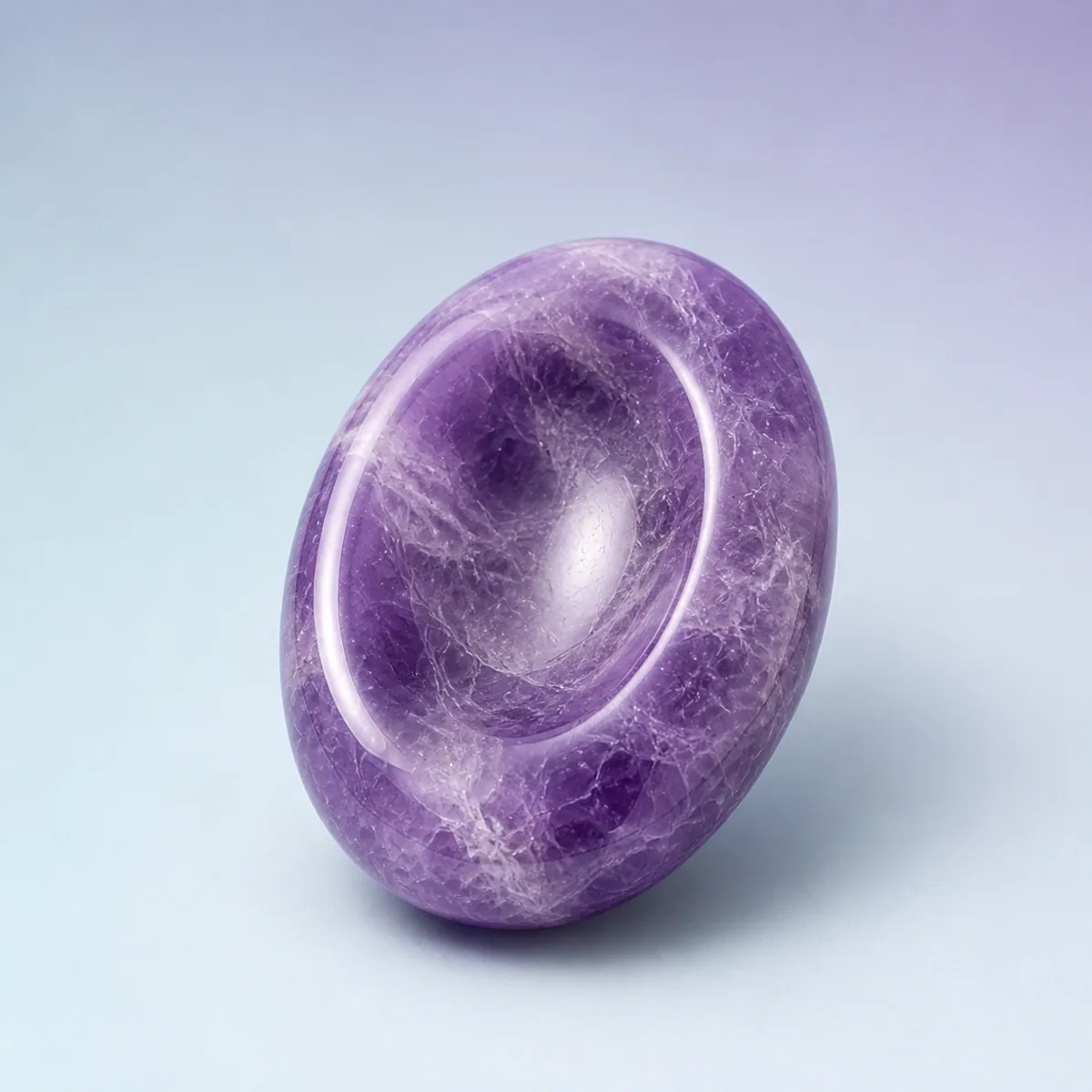
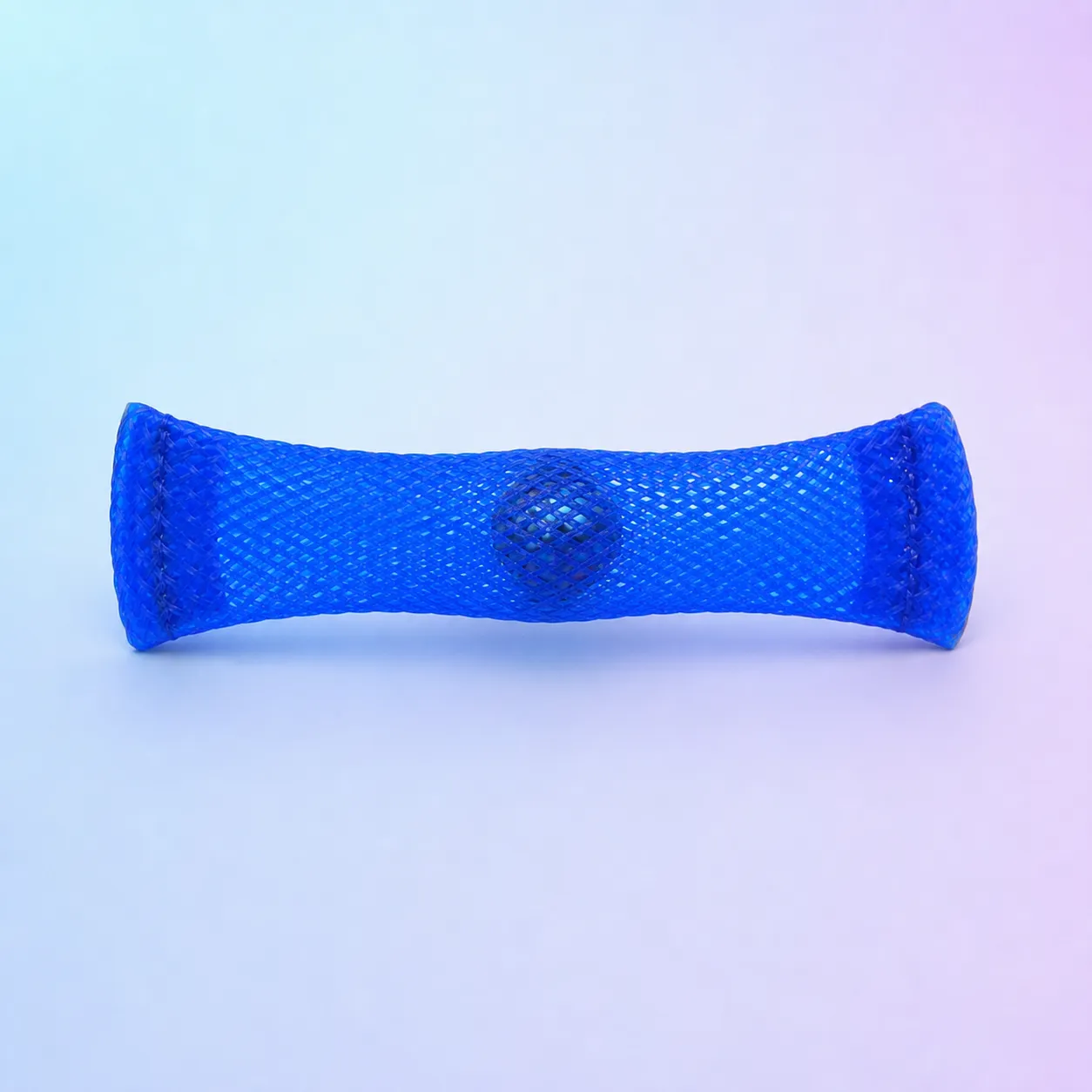
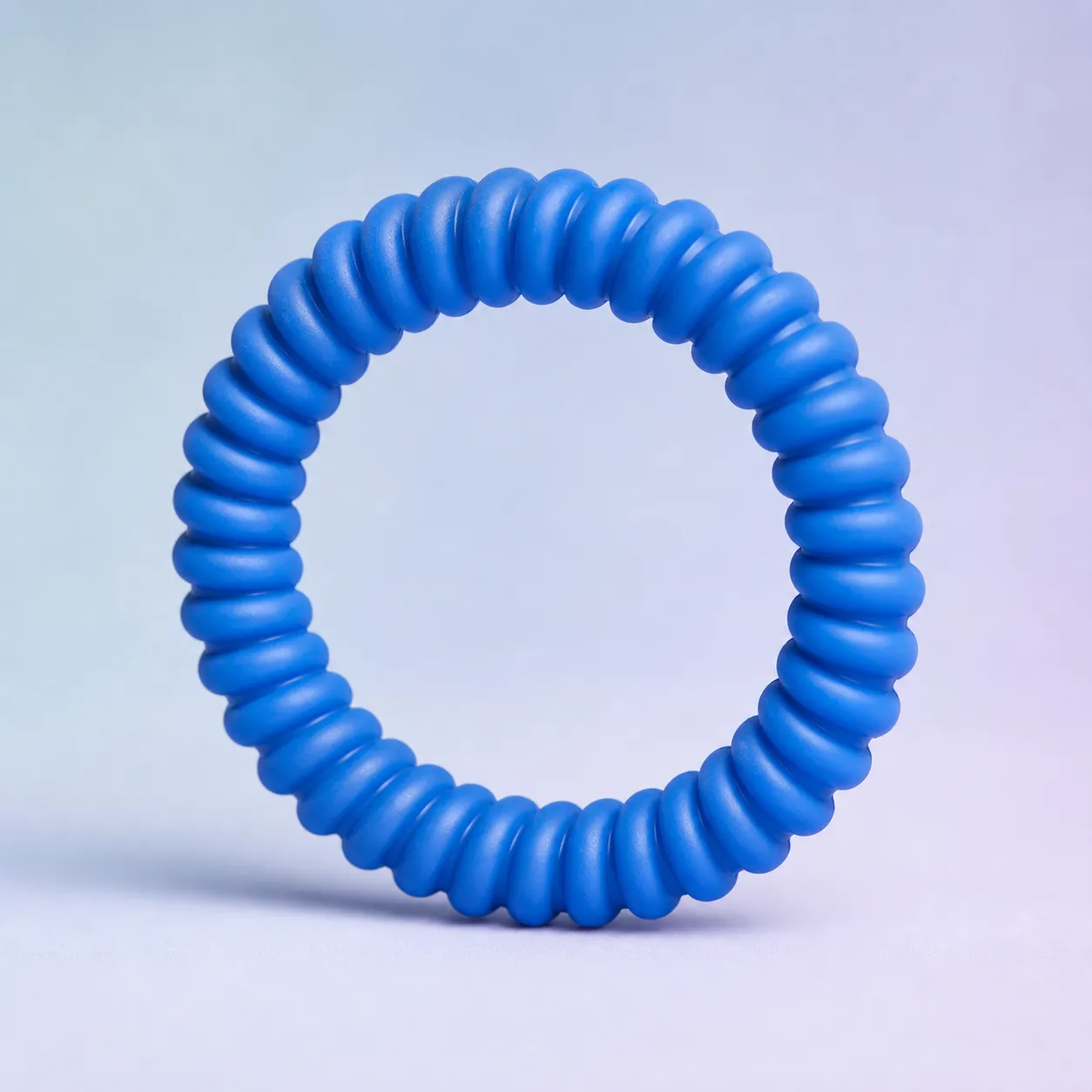
The Calm Worry Stone is about as close to distraction-proof as a fidget gets: one motion, a thumb over a smooth dip, nothing to look at and nothing that makes a sound. The Roll & Squeeze Mesh Marble Fidget is nearly as quiet, a rolling, squeezing motion under a mesh pouch that does not ask for your eyes even once you have learned it. The Always-On Fidget Bracelet sits on the wrist and stays a tool almost by default, since there is nothing to actively work unless you go looking for the texture.
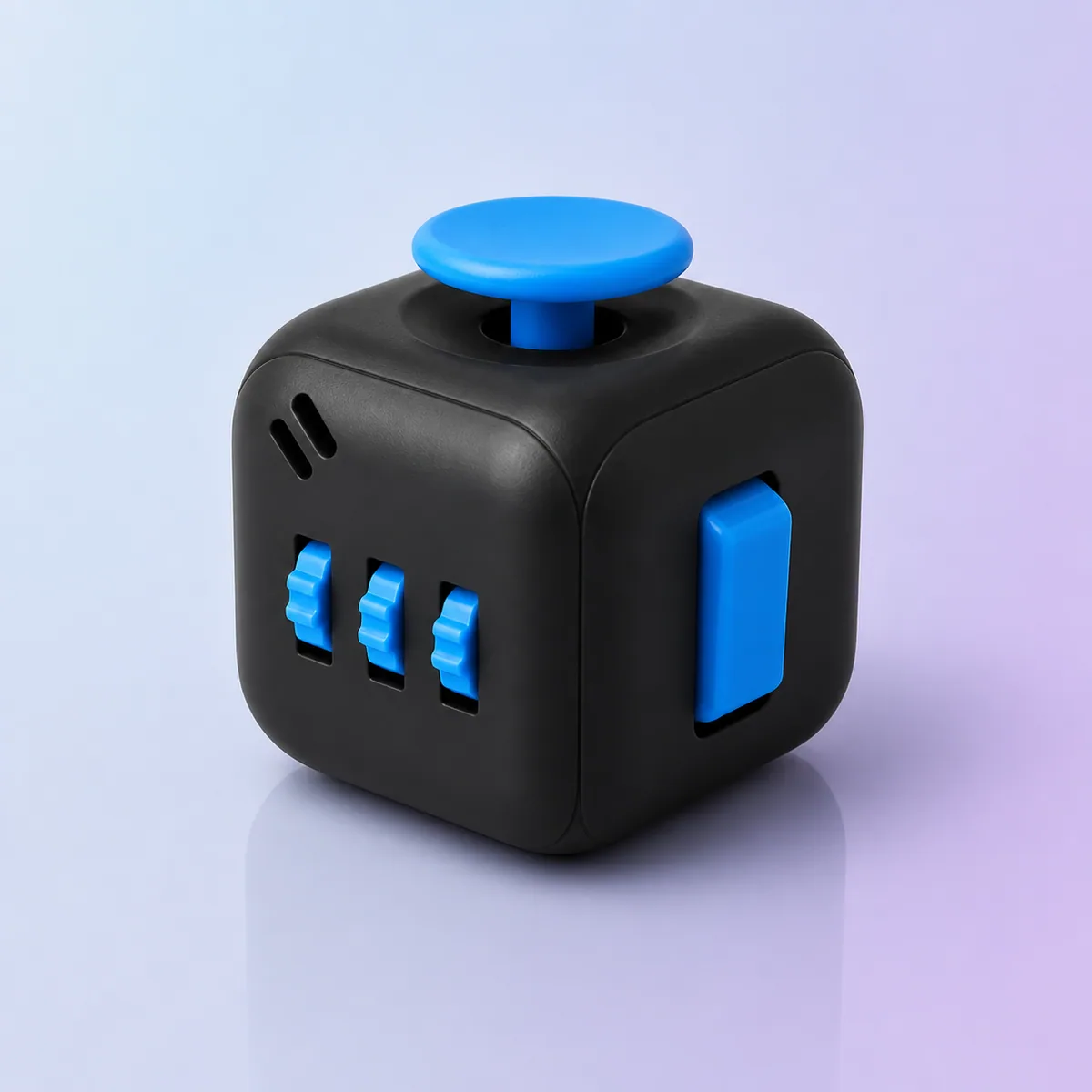
The honest exception on this list is the Click-Cube Focus Fidget. It earns its name for a lot of people, six small inputs, a dial, a switch, that give restless fingers somewhere to go without needing to be seen. But six different things to press are also six small reasons to keep exploring it instead of settling into one repeated motion, and a cube that turns into what does this button do instead of a background habit has crossed from tool into toy for that moment. We would rather say that plainly than let the name do the selling for us.
Tool or toy? A quick check
| Signal | Tool | Toy |
|---|---|---|
| Sound | Silent or barely audible | Clicks, pops, or spins loud enough to notice |
| Eyes | Works without looking at it | Needs to be watched to use |
| Motion | One repeated motion | Multiple things to explore or press |
| Attention from others | None | Draws a glance or a question |
| Ease of setting down | Easy | Hard to put down |
What to do when a fidget stops helping
Swap it for something plainer before you give up on the whole idea. If a click cube or a spinner has become the main event, the Calm Worry Stone or the mesh marble fidget is the downgrade that keeps the benefit and drops the spectacle. Save the more elaborate fidgets for lower-stakes moments, a couch, a commute, a phone call, where a wandering eye costs nothing, and reserve the quiet ones for anything that actually needs your attention.
None of this means a fidget failed, and none of it is a diagnosis. It means the object and the moment were mismatched, and the fix is usually smaller and quieter, not more elaborate. If attention is a struggle well beyond what any fidget touches, a qualified professional is worth talking to, not another object. A fidget works best when you forget you are holding it, a strange thing to want from an object but exactly the point. Calm in the palm of your hand, and nowhere near your eyes.
Sources & further reading
We reference trusted organizations by name. This article is informational and not a substitute for professional medical advice.
- Journal of Attention Disorders: Published Graziano, Garcia and Landis's 2020 study of 60 young children with ADHD in which fidget spinner use was associated with poorer attention throughout the study period, even within evidence-based classroom interventions.
- Applied Cognitive Psychology: Published Soares and Storm's 2020 study finding that using a fidget spinner while watching an educational video impaired undergraduates' later memory for the material, along with more self-reported attentional lapses.
- Intervention in School and Clinic: Published Kriescher, Hulac, Ryan and King's 2023 review concluding there is not yet sufficient evidence to support fidget toys as a classroom intervention.
- CHADD: Draws a practical distinction between a fidget tool (discreet, regulatory) and a fidget toy (entertaining, attention-grabbing), noting that attention-grabbing fidgeting can divert focus from the task at hand.
- Frontiers in Psychology: Published Farley, Risko and Kingstone's 2013 study finding that fidgeting increased as attention declined during a 40-minute lecture video, with more fidgeting predicting worse retention of the material.
- Frontiers in Psychiatry: Published Son and colleagues' 2024 study finding that fidgeting in adults with ADHD, measured during a seated attention task, was associated with better sustained focus for some participants, describing it as a possible compensatory habit.
Frequently asked questions
When does a fidget toy become a distraction?
When it needs your eyes, makes a sound other people notice, or becomes more interesting to explore than the task you were using it to sit through. A fidget that works without being watched or listened to is still doing its job; one that draws attention, including your own, has stopped.
Do fidget spinners actually help you focus?
The evidence says the opposite for at least one well-studied group. A study of young children with ADHD found that fidget spinner use was tied to worse attention across an entire course of intervention, not better, likely because a spinning object is inherently visual and competes with a task for the same attention.
What is the difference between a fidget tool and a fidget toy?
CHADD, a national ADHD nonprofit, describes a fidget tool as discreet and regulatory and a fidget toy as entertaining and attention-grabbing. The same object can be either depending on how it is used, but only the tool version genuinely suits a setting that needs real focus.
Is fidgeting always bad for attention?
No, and the research is genuinely mixed rather than one-sided. One study found fidgeting linked to worse attention and retention during a lecture, while another found fidgeting linked to better sustained focus in some adults with ADHD during a seated task, so context and the specific object both matter.
How do you know if your fidget toy has become a distraction?
Watch for whether you are looking at it instead of your task, whether it makes a sound that reaches other people, whether someone asks what it is, and whether you are exploring it instead of repeating one simple motion. Any of those is a sign to swap it for something plainer.
What should you switch to if a fidget stops helping?
Something quieter and less visual, like a worry stone or a mesh marble fidget, rather than giving up on fidgeting entirely. Save more elaborate, multi-input fidgets for lower-stakes moments where a wandering eye does not cost you anything.