What is thinking putty used for?
Thinking putty is used for quiet, open-ended fidgeting: something to stretch, snap, knead, and flatten while the rest of you listens, thinks, or waits. People keep a tin on the desk for calls and lectures, use it as gentle hand exercise, reach for it as a stim tool, and give it to kids as a silent classroom fidget. It is a supportive sensory object, not a treatment, and that distinction matters to us.
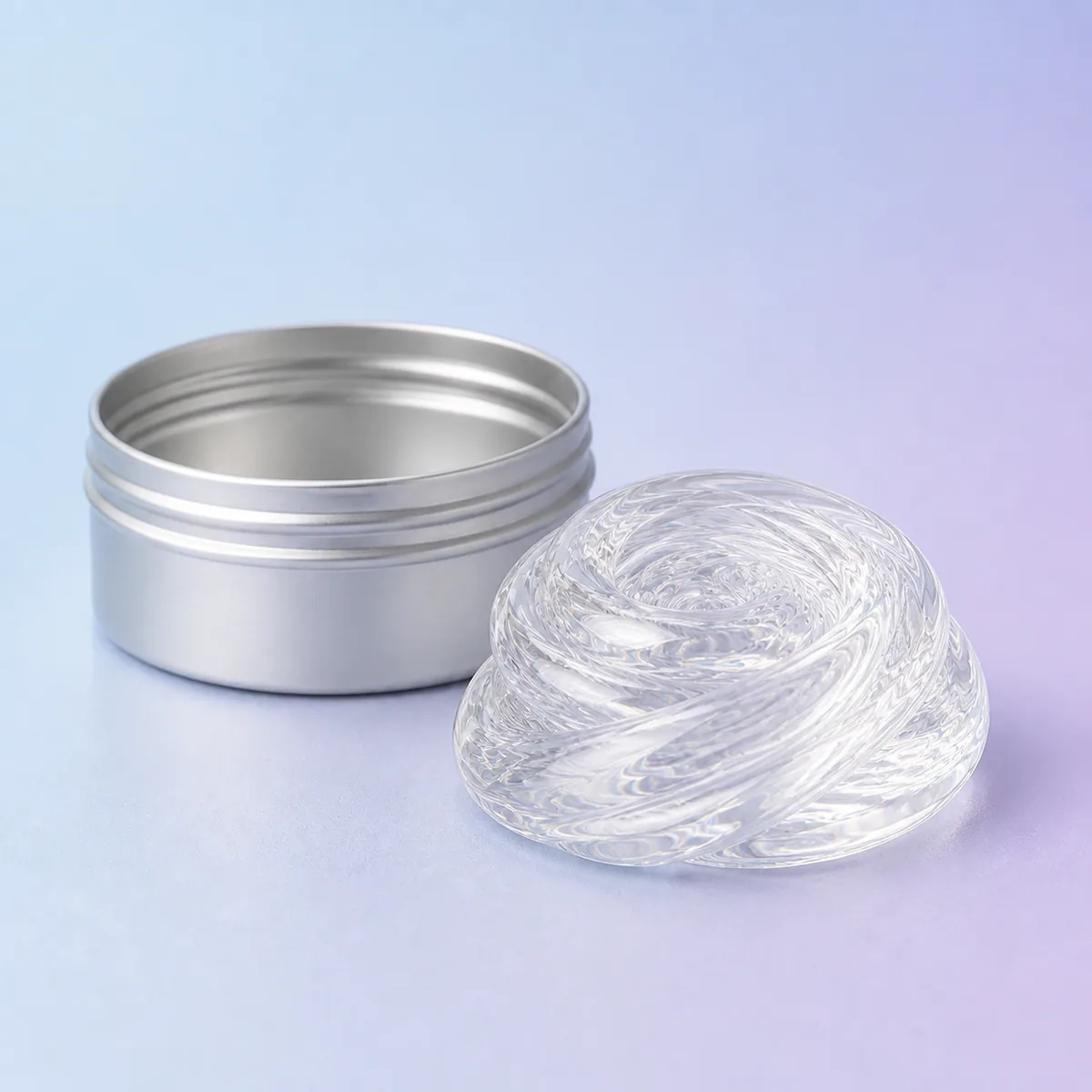
The putty itself is a soft silicone that behaves like a very slow liquid. Pull it gently and it stretches into a long strand; pull it fast and it snaps clean. Roll it into a ball and it bounces a little. Leave it on the table and it slumps into a puddle, which is the thing children find endlessly funny and adults find oddly relaxing. Unlike a stress ball, it has no single motion, and that is the reason it gets used so many different ways.
Why do people use putty on calls and in meetings?
Because it is silent and it keeps the hands busy without taking the mind with them. A lot of people think better when their hands are doing something small and repetitive, and putty is one of the few fidgets that makes no noise at all: no click, no pop, no rattle. You can knead it under the desk through a forty-minute call and nobody on the other end will know.
The key is that putty asks for almost no attention. Stretching and folding it is a background task, the kind your hands can run while your ears stay on the speaker. That is different from a puzzle cube or a game, which pull focus toward themselves. If you find that you fidget with pens, rings, or the edge of your sleeve during meetings, putty gives that same restlessness a softer, quieter job.
Does putty help with focus in lectures and study?
For many people, a small physical task in the hands makes it easier to sit with a long lecture or a dense chapter, and putty is a common choice because it is quiet and does not need looking at. Whether that counts as “helping focus” depends on the person, and the research on fidget tools is mixed. We want to be straight with you about that.
What we can say fairly is that occupational therapists often describe fidget and sensory tools as one part of a self-regulation toolkit, and that many people use a tin of putty for exactly this, a quiet task for the hands through a two-hour seminar. If you want to try it for study, keep the putty in one hand and the pen in the other, and notice over a week whether your attention lasts longer with it or without it. Your hands know what they need, and a week is enough to find out.
Is putty good hand exercise?
Yes, in a gentle, everyday sense: kneading, pinching, and stretching putty works the small muscles of the hand and fingers, which is why firmer putties have long been a staple of hand therapy. Our Calm Putty is a soft one, meant for fidgeting rather than rehab, so think of it as a light warm-up for stiff fingers rather than a workout.
If you type all day, a few minutes of slow stretching and rolling at the end of it feels like a stretch for the hands. Anyone recovering from an injury or managing a hand condition should follow the guidance of their therapist, who will specify the resistance they need; a fidget putty is not a substitute for a prescribed one.
Is putty a stim tool?
It is, for a lot of people. Stimming is repetitive sensory behavior that helps someone regulate, and putty offers a rich, quiet version of it: the pull, the snap, the fold, the cool-then-warm feel of silicone, the slump when you stop. Sensory seekers often like that every motion feels a little different, so the input stays interesting without getting loud.
It is also discreet. A tin fits in a pocket, the putty is silent, and nobody looks twice at someone rolling something in their hand. For autistic adults and kids who prefer a stim that does not draw attention, putty is one of the easier tools to carry into a classroom, an office, or a waiting room.
Why does putty soften, and does it dry out?
Putty softens because silicone loosens as it warms, and the warmth of your hands is enough to do it. After a long session the putty feels looser and more liquid; a night in its tin at room temperature firms it back up. Hot rooms and sunny sills soften it too, so keep the tin in the shade.
It does not dry out. That is the great advantage of silicone putty over clay or dough, which crack and crumble once the water leaves them. There is no water in putty to lose, so it lasts for years with normal care and never needs reviving. What it does do is pick up lint, fuzz, and hair, and it is stubborn about giving them back. Keep it on a smooth table, off blankets and carpet, and out of hair. If it collects fuzz, dab a fresh piece of putty on the spot and lift; the clean putty grabs the lint.
Can putty make you calm?
It can make the moment calmer, and many people tell us it does. The kneading gives nervous energy somewhere to go, the slow stretch pulls your pace down with it, and the small, repeating motion gives a busy mind one steady thing to rest on. That is what people report, and that counts.
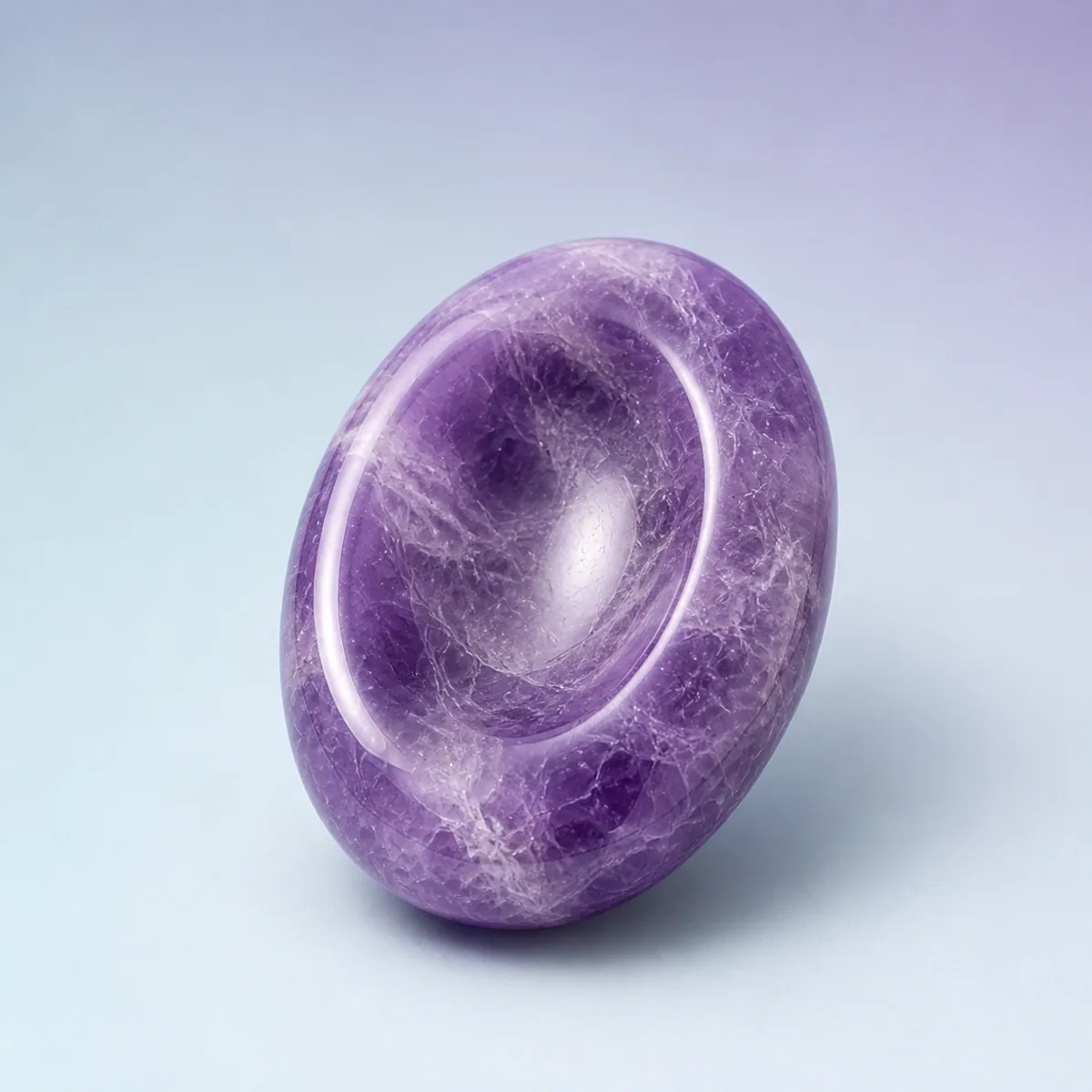
What it does not do is treat anxiety, ADHD, or anything else. Putty is a supportive tool, the evidence on fidget tools is mixed, and both of those things are true at once. If you are navigating something diagnosable, please talk to a qualified professional; the putty is just the quiet thing for your hands while you do.
How does putty compare with the other soft fidgets?
| Thinking putty | Moldable dough ball | Gel blob | |
|---|---|---|---|
| The motion | Stretch, snap, fold, flatten | Squeeze, dent, smooth back | Ooze, stretch, slump |
| Rebound | None, holds its shape | Slow, moldable | Slow slump |
| Noise | Silent | Silent | Silent |
| Mess | Lint and hair | None, skin stays sealed | Dust, rinses clean |
| Best moment | Calls, lectures, stimming | Tension in the hand | Visual, meditative reset |
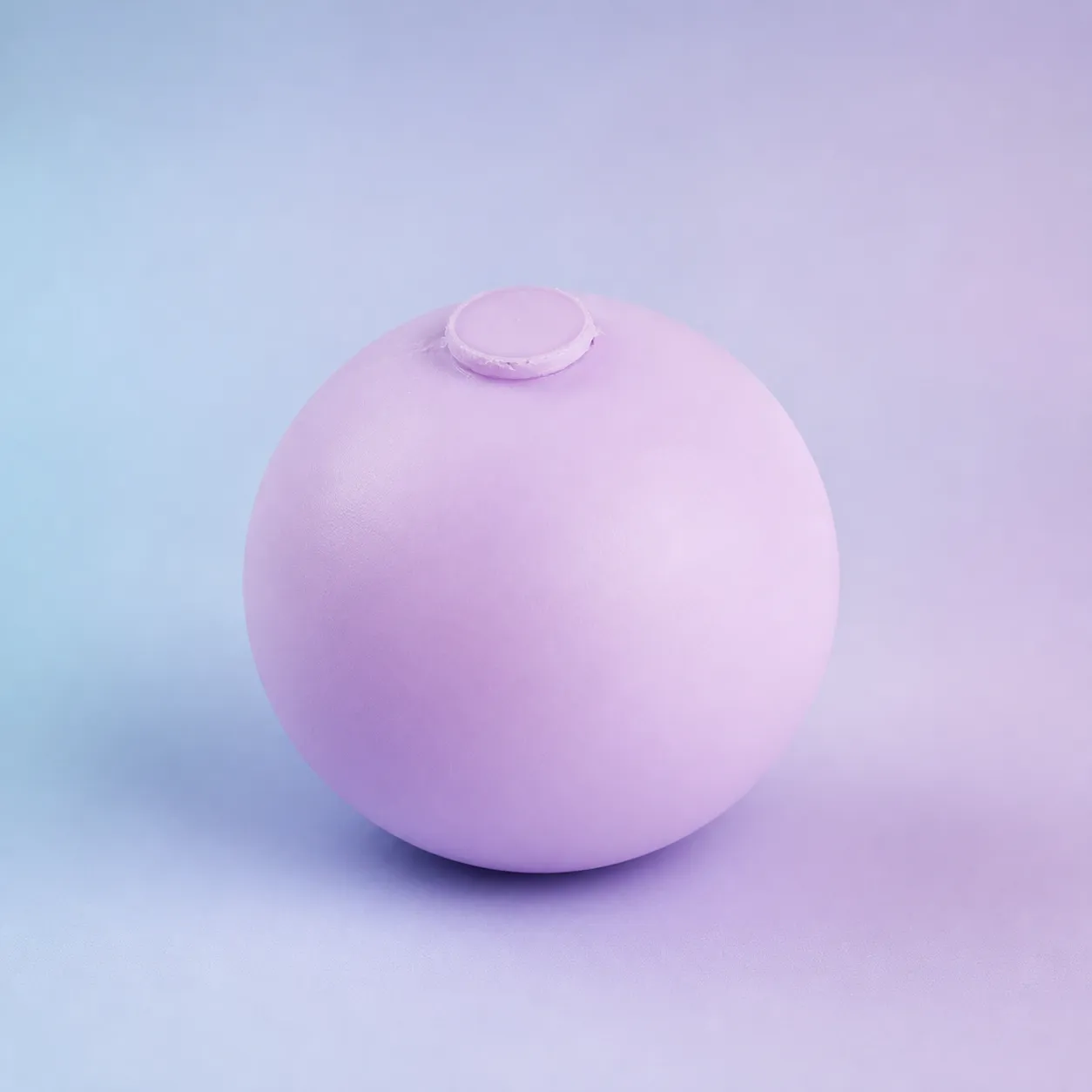
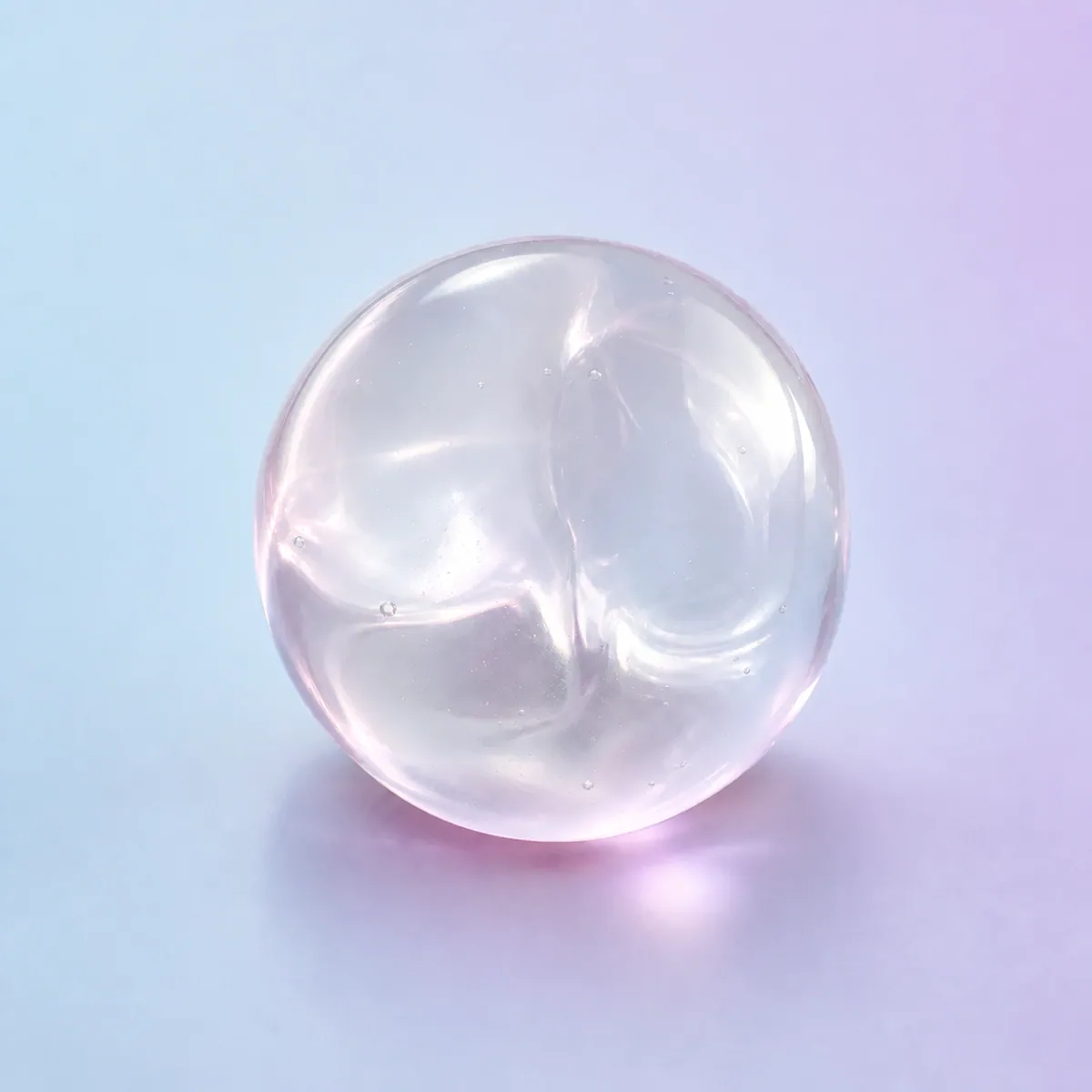
If you want one open-ended thing to keep your hands company through the working day, start with the putty. If what you need is a firm squeeze, the Mold & Hold dough ball gives that with no cleanup. And if you like to watch something move as much as feel it, the Jelly Blob is the putty’s gooier cousin. Whichever you choose, the job is the same: a small, quiet place to put restless energy. Calm in the palm of your hand.
Sources & further reading
We reference trusted organizations by name. This article is informational and not a substitute for professional medical advice.
- American Occupational Therapy Association: Occupational therapists describe sensory and fidget tools, putty among them, as possible supports for self-regulation and fine-motor work, with effects that vary from person to person.
- CHADD: Describes fidget tools as one possible part of a broader self-regulation toolkit rather than a standalone fix.
- Child Mind Institute: Frames sensory and fidget tools as supportive aids and points to professional support for anything diagnosable.
- Anxiety and Depression Association of America: Provides resources on stress, grounding techniques, and knowing when to seek professional help.
Frequently asked questions
What is thinking putty used for?
Quiet, open-ended fidgeting. People stretch, snap, knead, and flatten it while they are on a call, in a lecture, studying, or waiting, to give restless hands something to do without noise. It is also used as gentle hand and finger exercise, as a stim tool, and as a screen-free way to wind down. It is a supportive sensory tool, not a treatment for any condition.
Can putty make you calm?
It can make the moment calmer for many people, in the same way a worry stone or a slow-rise squishy can: the kneading gives nervous energy somewhere to go and gives your attention a small, steady task. That is an experience people report rather than a medical effect, and it varies from person to person. If you are dealing with something diagnosable, a qualified professional is the right support; the putty is for your hands while you do.
Does thinking putty soften over time?
It softens when it is warm and firms up when it is cool. Silicone putty loosens as it takes on the heat of your hands and a warm room, so a long session leaves it softer, and a night in its tin brings it back. It does not dry out the way clay or play dough does, so there is no need to add water, and it lasts for years with normal care.
How do I get lint or hair out of putty?
Dab the surface with a clean piece of the same putty and lift; the fresh putty grabs the lint and pulls it free. Keep it on a smooth table and away from carpet, blankets, and hair in the first place, because it picks up fibers easily and is hard to remove from fabric.
Is thinking putty safe for kids?
Ours is rated 3+ and EN71 tested, with a non-toxic silicone formula. Keep it away from children under 3, out of mouths, and out of hair; it is not edible. For a younger child, a supervised slow-rise squishy or a worry stone is the simpler choice.
What is the difference between thinking putty and a stress ball?
A stress ball is one motion, squeeze and release, with a fast rebound. Putty has no fixed motion: you can stretch it slowly, snap it, flatten it, roll it, or fold it, and it holds whatever shape you leave. People who get bored of a single-trick fidget tend to stay with putty longer, and people who want a quick squeeze tend to prefer the ball.