What is stimming?
Stimming is short for self-stimulatory behavior: a repeated movement, sound, or sensory action a person does on purpose, like rocking, hand-flapping, tapping a rhythm, humming, or rolling something smooth between two fingers. It comes up most in conversations about autism, and the Autistic Self Advocacy Network, an advocacy organization run by autistic people, describes it in its own plain terms: stimming helps regulate the senses and can calm or express emotion. ASAN is also direct about who does it: “it is a common misconception that ONLY disabled/neurodivergent people stim.” Neurodivergent people of many kinds stim, and so, in smaller and less patterned ways, does almost everyone: the pen click in a boring meeting, the hair twirl during a hard phone call, the foot bounce under a desk.
The difference is degree and function, not kind. For many autistic and neurodivergent people, stimming is a steady, reliable way to process a body and a world that can feel like too much information at once, and it deserves to be treated that way: as something that works, not something to explain away.
Why do people stim?
People stim to regulate. The UK’s National Autistic Society names the functions directly: sensory enjoyment, emotional regulation or self-soothing, and emotional expression. The motion itself does the work. A rocking body, a flapping hand, a repeated sound each gives the nervous system something predictable to hold onto when everything else is not.
It is not misbehavior, and it is not aimed at anyone in the room. Stimming is often involuntary or semi-voluntary, meaning it can happen before a person consciously decides to do it, the way a held breath lets go on its own. Kapp and colleagues interviewed and ran focus groups with 32 autistic adults in 2019 and found most described their stims as largely automatic but not disliked, mostly pleasant and calming, a self-regulatory response to sensory overload or overwhelming thoughts. The negative experience participants reported was not the stimming itself. It was being told to stop, or having to hide or modify a stim to avoid criticism.
Should stimming be stopped?
No, not as a default. The National Autistic Society states it plainly: “if stimming is harmless, there is no reason to prevent an autistic person from doing it.” The instinct in a lot of older therapy models was to suppress visible stimming so a person would look less autistic to the people around them, a practice the Society describes as a form of enforced masking linked to anxiety and distress. That instinct has fallen out of favor for a plain reason: stopping the movement does not stop the need underneath it, and forcing someone to sit still while overloaded tends to make the overload worse, not better. Kapp and colleagues’ interview participants echo the same point from their own experience, summed up in the study’s own title: “people should be allowed to do what they like.”
The National Autistic Society names the real exceptions worth naming honestly: support is warranted when a stim is self-injurious, stems from underlying unaddressed distress, or reflects an OCD-pattern behavior rather than autism-related regulation, not as a default response to stimming itself. The right response there is support, often alongside an occupational therapist, toward a safer version of the same motion, not shame and not silence.
Is stimming the same as fidgeting?
Not quite, though the two overlap. Fidgeting is the broad, everyday word for restless movement: almost anyone can fidget, for almost any reason, and it rarely means much on its own. Stimming is more specific, often patterned, and doing real regulatory work for the person doing it, frequently central to how an autistic or neurodivergent person gets through a day. A fidget toy sits in the overlap. Some people use one as part of an existing stim; plenty of people who stim never touch a toy at all, because rocking, humming, or flapping already does the job, and that is entirely fine.
Where does a fidget toy actually fit?
As an option, never a replacement. If your stim already works, whatever it looks like, it does not need a product attached to it. A fidget toy is useful for people who want a small, discreet, hand-based motion available in a room where a bigger stim would draw a look it does not deserve but would still draw. That is not about hiding who you are. It is about having a choice in hand for spaces that were not built for you yet.
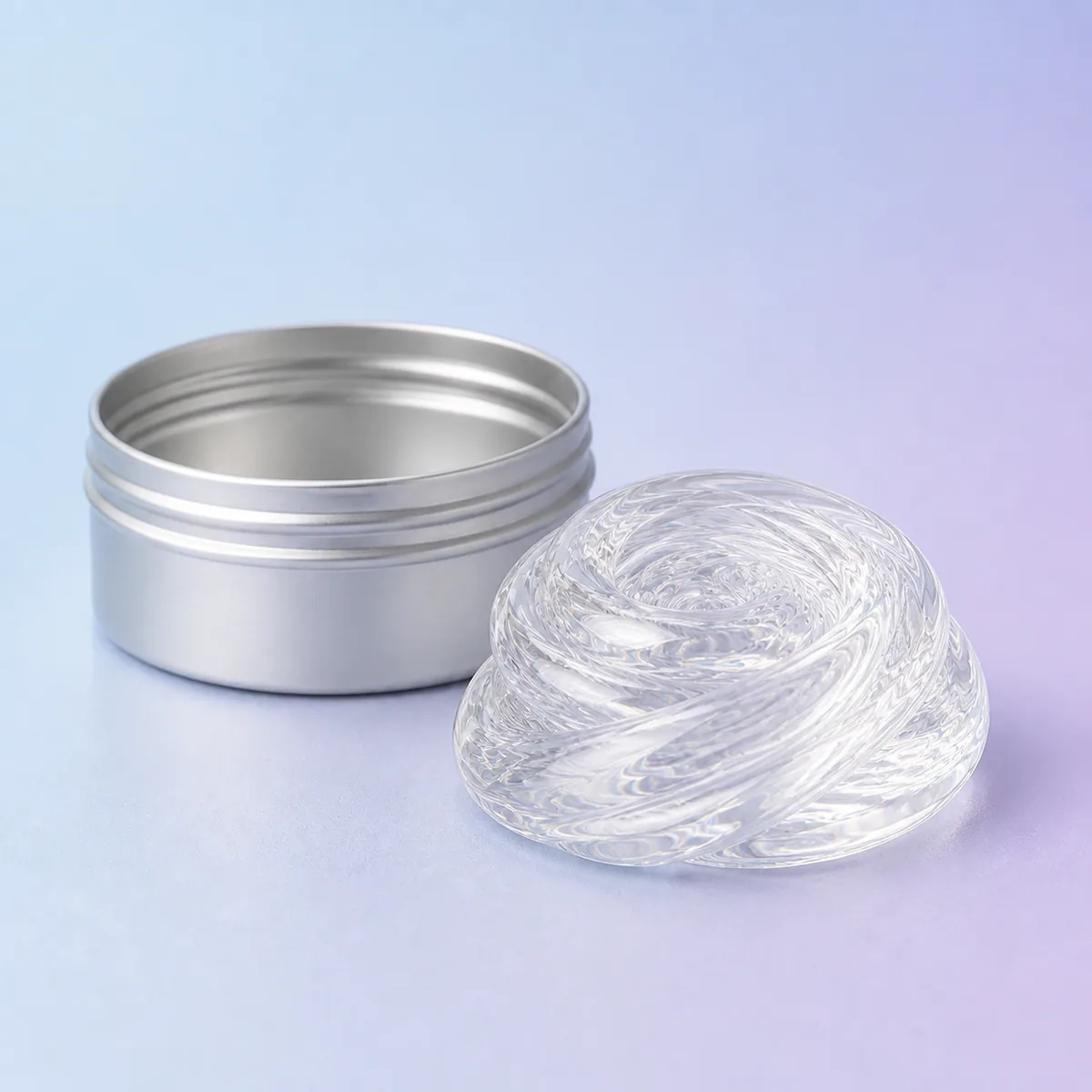
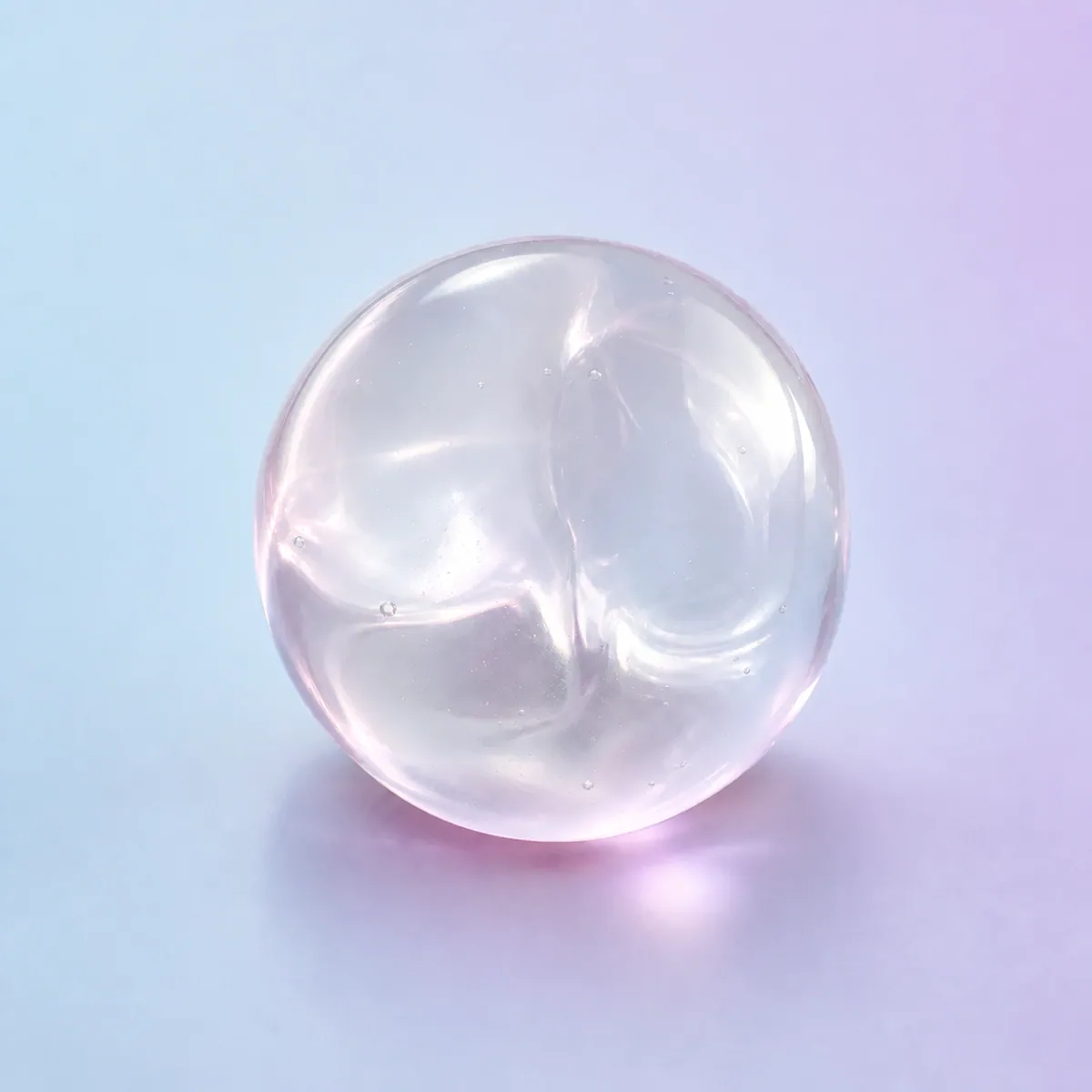
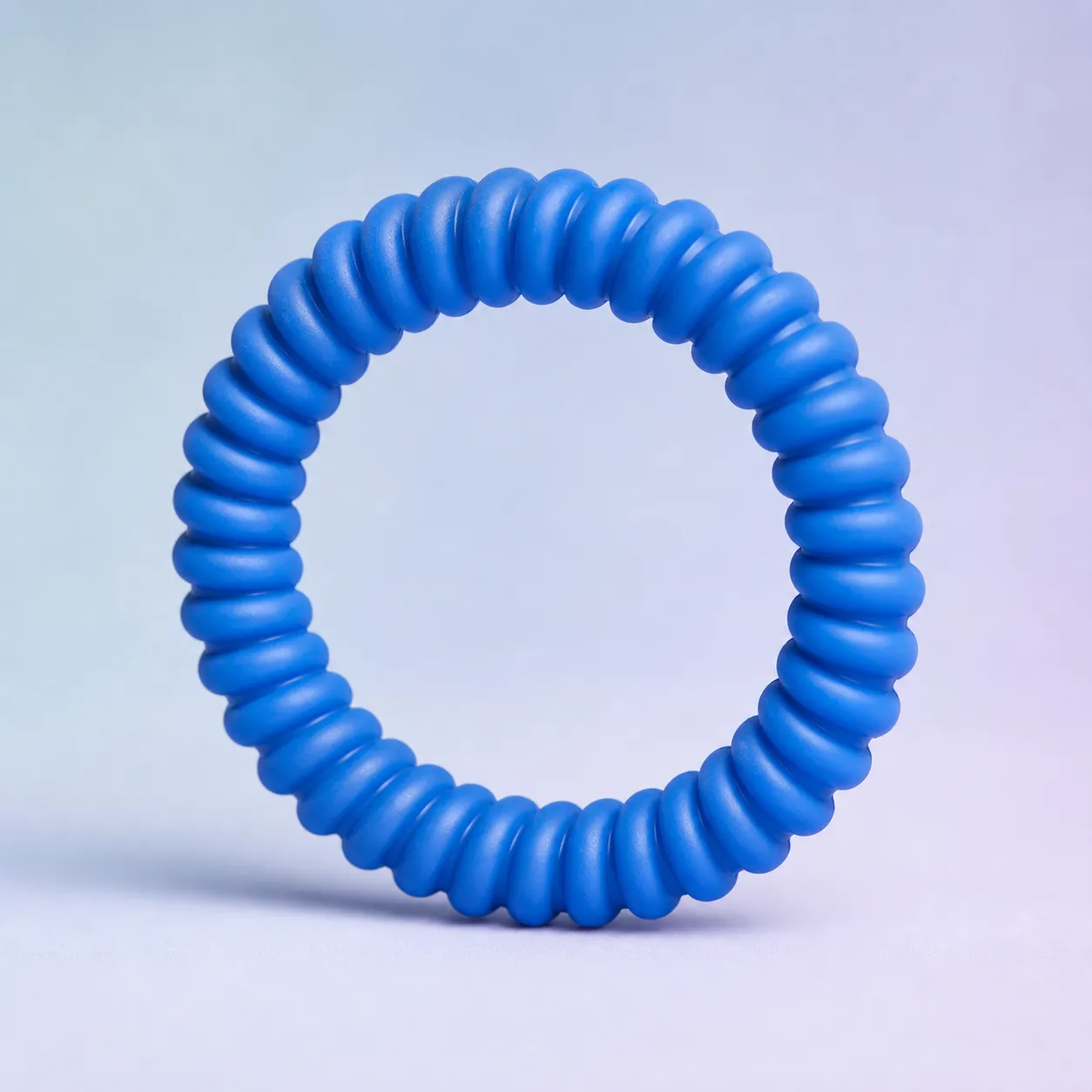
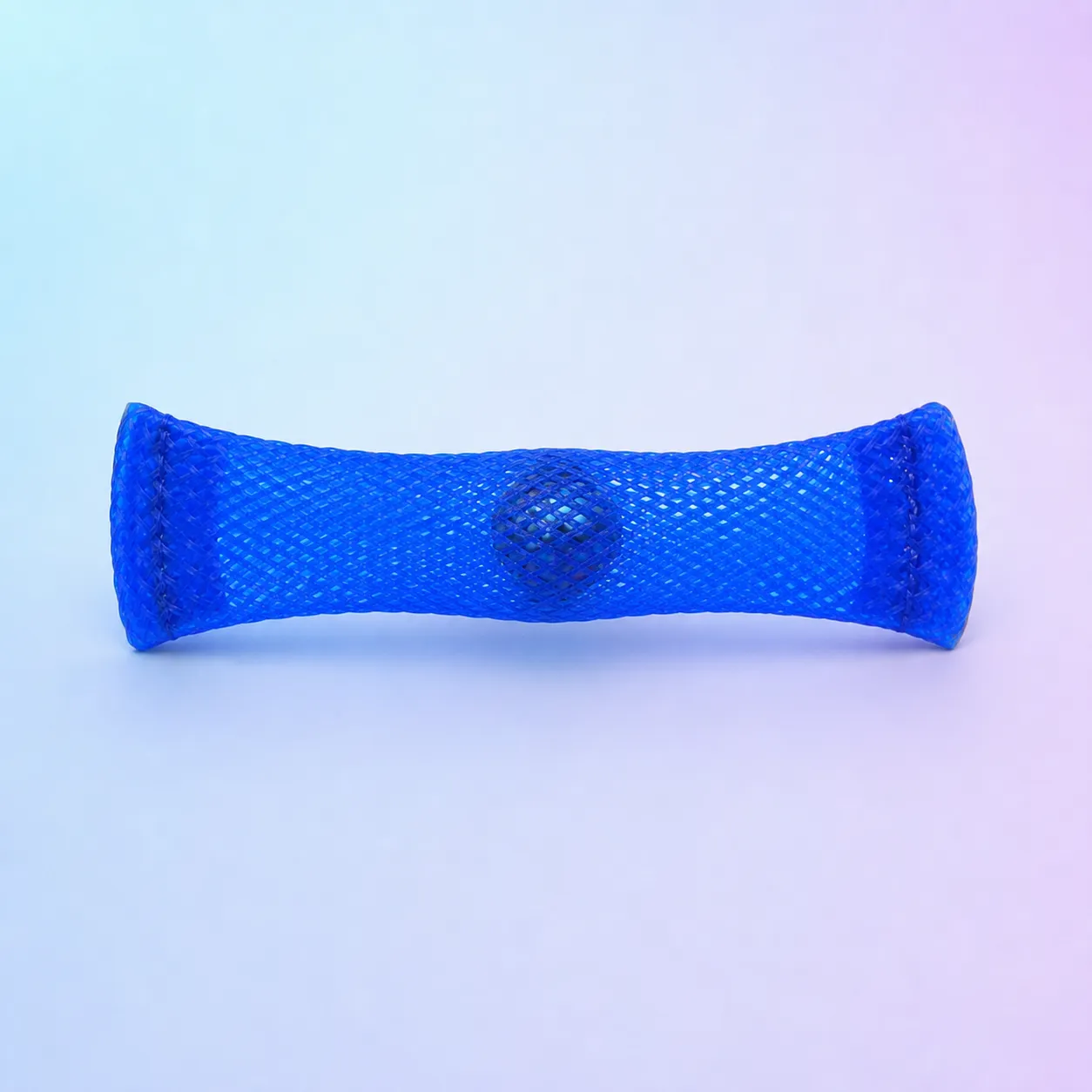
For that kind of quiet, hand-based regulation, the Calm Putty gives an open-ended stretch, snap, and knead with no single right way to hold it. The Jelly Blob oozes and slumps for a slower, more visual motion. The Always-On Fidget Bracelet is silicone worn on the wrist, so the motion is on your body before you have had to think about needing it. The Roll & Squeeze Mesh Marble Fidget adds a rolling, visual element to the same quiet squeeze.
Do you have to hide it at school or work?
No. At work, both the US and UK already treat a fidget device as a legitimate accommodation rather than a special favor. The Job Accommodation Network, a federal resource, lists fidget devices, including a worry stone, as an option for concentration needs and specifically for autism-spectrum accommodations. In the UK, ACAS names fidget toys directly as an example workplace adjustment for concentration, alongside things like ear defenders and quiet workspaces. Adjustments are handled individually, through a conversation with an employer, not automatically. School policies vary more from place to place, but the same idea holds regardless of any formal policy: needing a small, steady motion for your hands is not something to apologize for, in a classroom or anywhere else.
Which fidget matches which kind of stim?
| If your stim is | Try | Why |
|---|---|---|
| Rubbing or pressing repeatedly | Calm Worry Stone | A thumb-shaped hollow made for exactly that motion |
| Twisting, twirling, or picking at something | Always-On Fidget Bracelet | Worn, so the motion is always within reach |
| Squeezing, kneading, or needing variety | Calm Putty | Open-ended: stretch, snap, flatten, fold |
| Rocking, flapping, or humming | Nothing required | These already work, a toy is optional, never a fix |
Do you need a diagnosis to use one?
No. You do not need a diagnosis to stim, and you do not need one to reach for a fidget toy. Neurodivergent hands are a first-class audience here, not an afterthought, and so is anyone else whose hands want something quiet to do. Whatever already helps you feel steady is valid before a single product enters the picture. If a fidget adds something useful to that, good. If it does not, that is fine too.
Calm in the palm of your hand, on your own terms.
Sources & further reading
We reference trusted organizations by name. This article is informational and not a substitute for professional medical advice.
- Autistic Self Advocacy Network (ASAN): Autistic-led advocacy organization that describes stimming as sensory-seeking, regulating behavior and states plainly that stimming is not exclusive to autistic people.
- National Autistic Society: UK autism charity whose guidance defines stimming, names its functions, and states that if stimming is harmless there is no reason to prevent it.
- Autism (journal): Published Kapp and colleagues' 2019 study interviewing 32 autistic adults about their own views of stimming, finding most described their stims as calming and self-regulatory.
- Job Accommodation Network: A US federal accommodation resource that lists fidget devices, including a worry stone, as options for concentration needs and specifically for autism-spectrum workplace accommodations.
- ACAS: The UK's workplace relations body names fidget toys directly as an example reasonable adjustment for concentration and neurodiversity, alongside things like ear defenders and quiet workspaces, always tailored to the individual.
Frequently asked questions
What is stimming?
Stimming is short for self-stimulatory behavior, a repeated movement, sound, or sensory action a person does on purpose, like rocking, hand-flapping, tapping, or rolling something smooth between the fingers. It is most associated with autism, though many neurodivergent people, and in smaller ways most people, do it. The function is regulation, not misbehavior.
Why do people stim?
People stim to regulate an overloaded nervous system, release excitement, or process a feeling with nowhere else to go. The repeated motion gives the body something predictable to hold onto. It is frequently involuntary or semi-voluntary rather than a conscious choice.
Should you try to stop someone from stimming?
No, not as a default. Stimming that helps a person regulate is doing its job, and suppressing it does not remove the underlying need, it just removes the coping tool. The one exception is a stim that causes injury, which calls for support toward a safer version of the same motion, not shame.
Is a fidget toy the same thing as a stim?
Not exactly. A stim is the behavior itself, often patterned and regulatory, while a fidget toy is one optional object some people use for quiet, hand-based stimming. Plenty of people who stim, through rocking, humming, or flapping, never need a toy at all, and that is fine.
Do you need a diagnosis to use a fidget toy?
No. You do not need a diagnosis to stim, and you do not need one to reach for a fidget toy. Neurodivergent hands are a first-class audience for these tools, never an afterthought, and anyone whose hands want something quiet to do is welcome to one.
Are fidget toys allowed at school or work for stimming?
At work, yes: the US Job Accommodation Network lists fidget devices as an option for concentration and autism-spectrum needs, and the UK's ACAS names fidget toys directly as a workplace adjustment. Adjustments are handled individually through a conversation with an employer, not automatically, and school policy varies by place.