What do BPA-free and phthalate-free actually mean?
They are two separate, narrow claims about two specific chemical categories, not a general promise that a product contains nothing synthetic or nothing worth naming. BPA-free means a product does not contain bisphenol A, one specific compound. Phthalate-free means a product complies with a legal cap on eight specific plasticizer chemicals. Neither phrase is a stand-in for “chemical-free” or “completely safe,” and treating either one that way overstates what the label is actually saying.
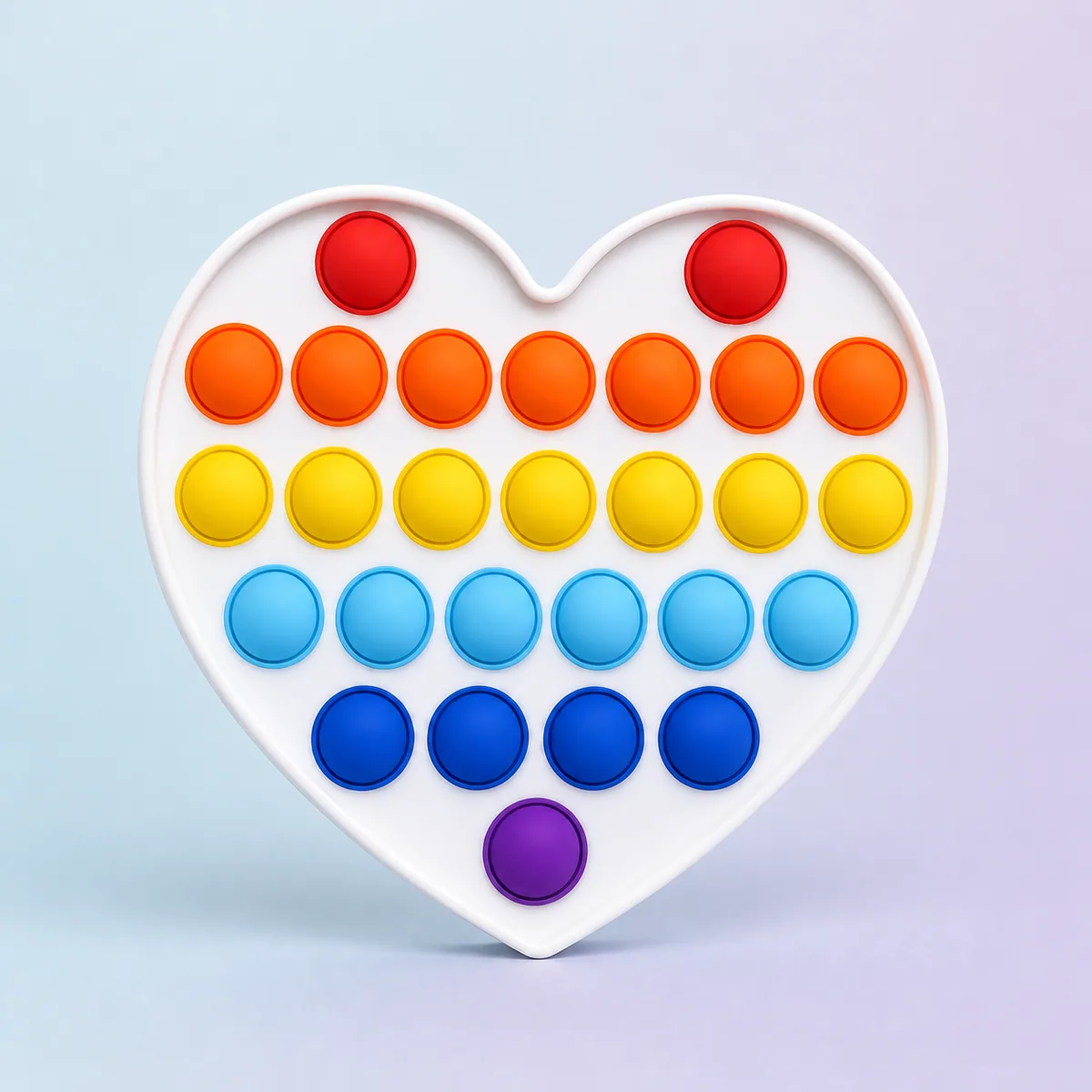
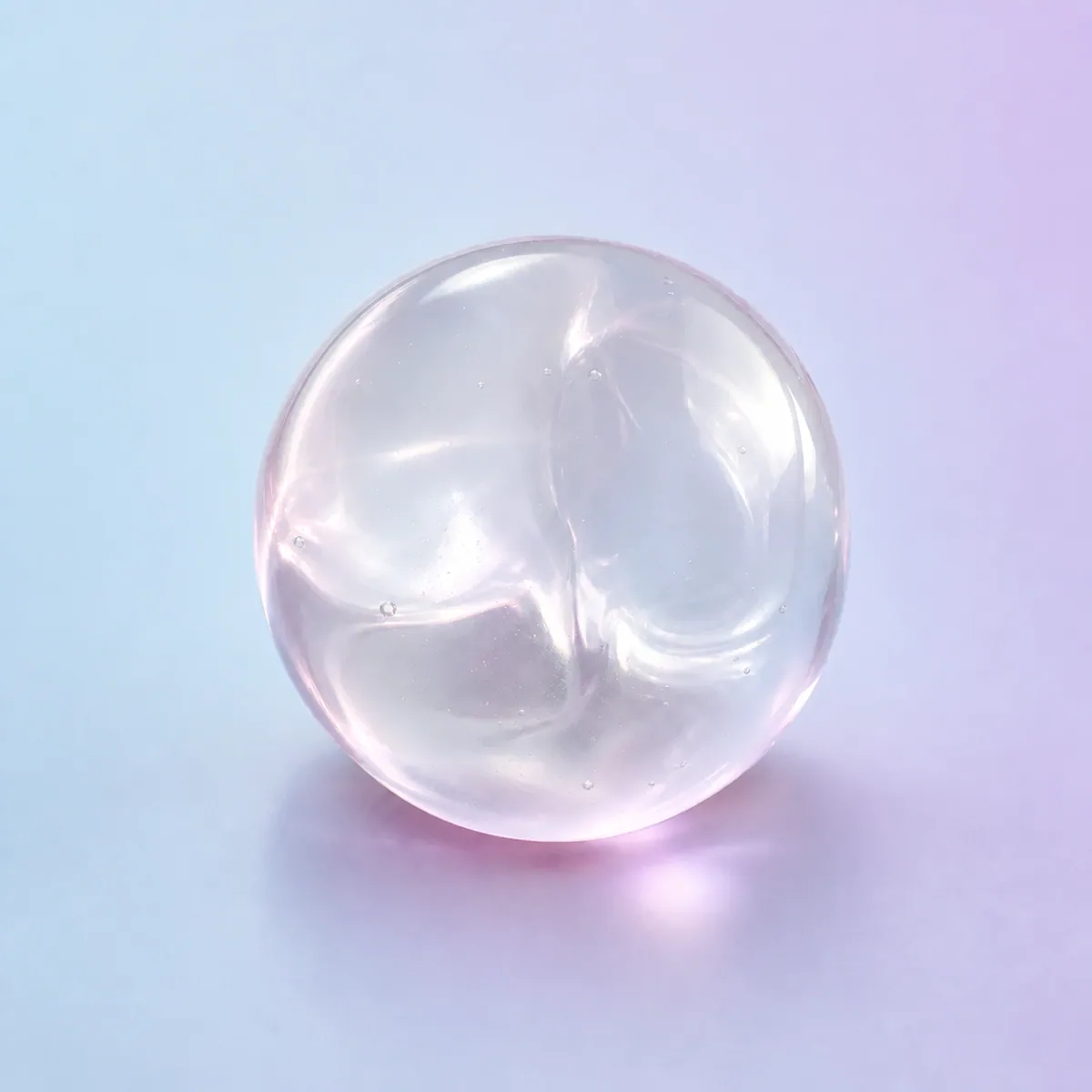
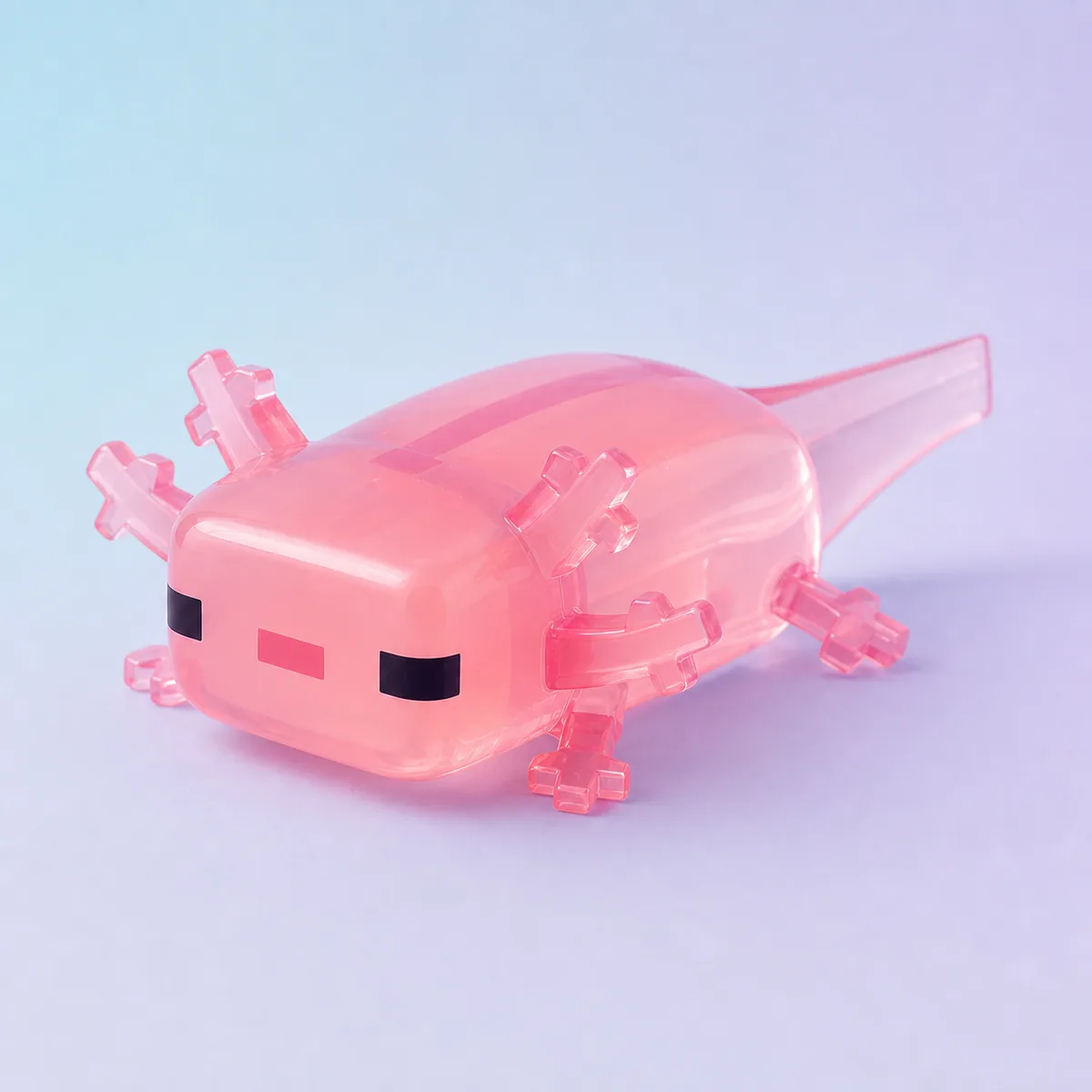
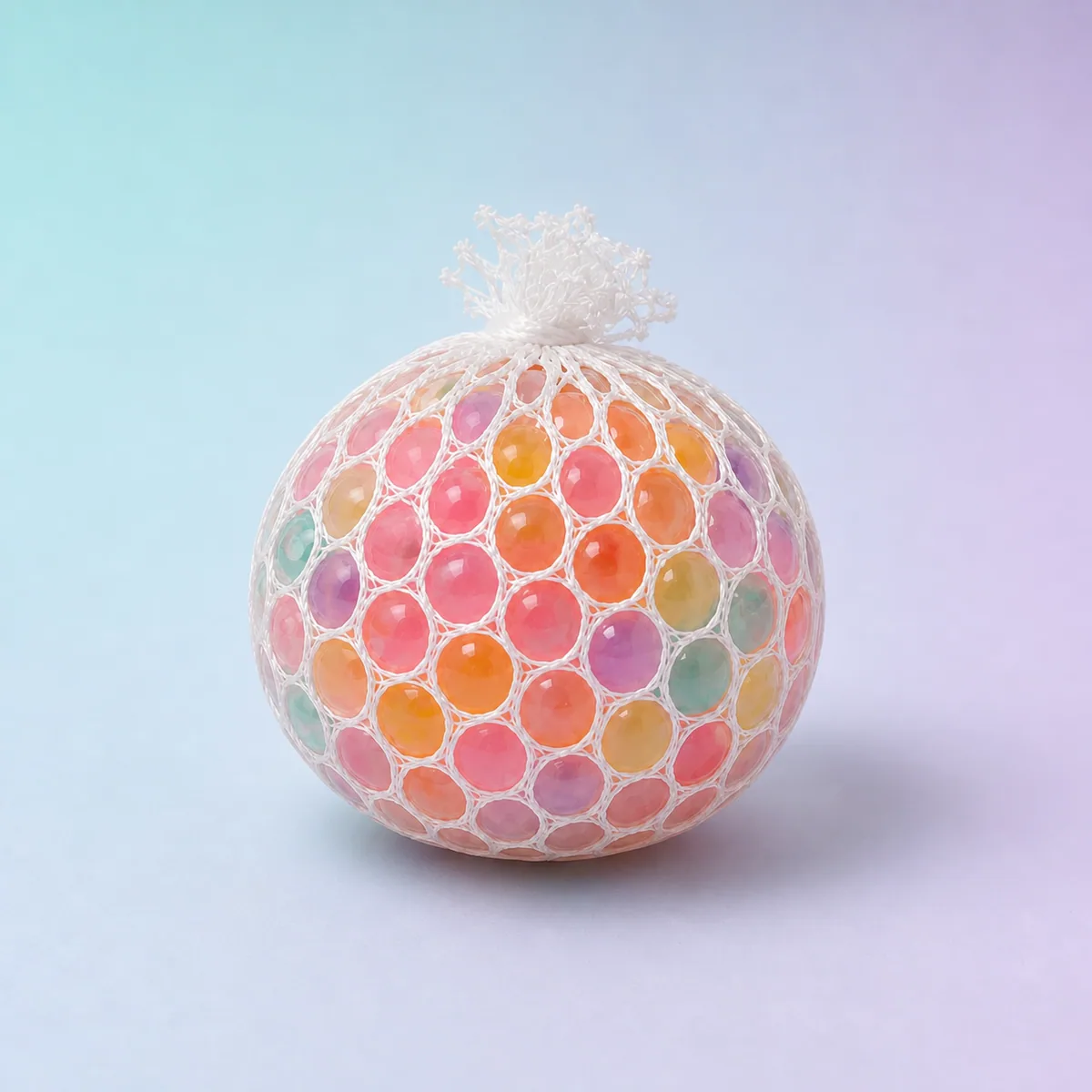
We would rather define both terms precisely than let them do vague reassurance work they were never built for. Here is what each one covers, what it does not, and how that plays out across a silicone push-pop board, a silicone gel blob, a TPR squishy, and a water-bead squeeze ball.
What is BPA, and why isn’t it really a squishy or fidget-toy issue?
BPA, short for bisphenol A, is used to harden plastics, keep bacteria from contaminating food, and prevent metal cans from rusting; it is the monomer behind polycarbonate plastic and the epoxy resin that lines some metal food and beverage cans. The American Academy of Pediatrics advises checking for the recycling code 7 with the letters “PC” on clear plastic containers, since that combination often signals polycarbonate and, with it, BPA.
Here is the part worth being direct about: plain foam, TPR, and silicone are not that chemistry. They are different polymer families entirely, built through different reactions, and BPA is not a relevant ingredient in any of them. Hush Pop Push-Pop Sensory Board, made of food-grade silicone, and Axo Gel Squishy, made of TPR despite the name, were never in the category BPA-free is actually describing. A BPA-free claim on either one would be true and also somewhat beside the point, since the hazard it addresses was not structurally present to begin with.
What does phthalate-free actually mean under US law?
Federal law, through the Consumer Product Safety Improvement Act, permanently caps eight named phthalate chemicals at 0.1 percent concentration in any children’s toy or child-care article, a rule that has been in effect since 2018. Phthalates are plasticizers most associated with PVC, added to keep an otherwise rigid plastic flexible. A phthalate-free claim describes compliance with that specific, named list, not the absence of every additive, softener, or plasticizer a product could theoretically contain.
Jelly Blob Transparent Gel Fidget, made of true silicone gel, and the other silicone and TPR products in our lineup do not rely on the PVC-style plasticizer chemistry the rule targets, but “does not rely on that chemistry” and “has been tested and confirmed compliant” are two different statements, and it is worth keeping them separate rather than assuming one proves the other.
Does a “free” claim mean a product was independently tested?
Not automatically. Both CPSIA and the parallel EU rule operate mainly on manufacturer self-certification, backed by testing that is either required directly or exempted for certain plastics that inherently do not use the chemistry in question. The federal exemption list names seven specific plastics, plus untreated wood, metal, natural fabrics, and latex, as materials that do not need individual phthalate testing because their chemistry does not call for plasticizers in the first place.
TPR is not on that exemption list. That does not mean a TPR product is non-compliant; it means compliance rests on the manufacturer’s own testing and documentation rather than an automatic pass by material type. Water-Bead Squeeze Ball, which uses a TPR outer membrane, falls into that same category: the chemistry argument for why TPR would not need added plasticizers is reasonable, but it is a chemistry argument, not a substitute for an actual test result.
Is the US rule the same as the EU rule?
No, and treating them as interchangeable is a common mistake. The EU’s REACH regulation restricts a different, overlapping list of seven phthalates split across two entries: one caps three phthalates at a combined 0.1 percent across all toys and childcare articles, and a second caps three more, also at a combined 0.1 percent, specifically in toys that can be placed in a child’s mouth. The US law names eight phthalates and caps each one individually at 0.1 percent, a different legal structure entirely.
A product that meets the US cap has not automatically met the EU cap, and vice versa, because the two lists do not name the exact same substances and do not measure the limit the same way. A retailer or brand claiming both should be able to point to what each specific claim is based on, which market it was tested against, and which exact chemicals that testing covered, rather than letting “phthalate-free” stand in as one universal, unqualified promise.
BPA-free vs phthalate-free, side by side
| BPA-free | Phthalate-free | |
|---|---|---|
| What it covers | One compound, bisphenol A | A named list of specific phthalate chemicals |
| Where it usually applies | Polycarbonate plastic, epoxy can linings | Flexible plastics like PVC that use plasticizers |
| US legal basis | FDA food-contact rules; no toy-specific mandate | CPSIA, 0.1 percent cap on 8 named phthalates |
| EU legal basis | Separate chemical rules, not the same list | REACH Annex XVII, 7 named phthalates, 2 entries |
| Relevant to foam, TPR, silicone fidgets? | Not the chemistry these materials use | Only insofar as testing confirms it, case by case |
The honest version of both claims is narrower than the marketing version. BPA-free and phthalate-free each name a real, specific rule, worth knowing and worth asking about, but neither one is a synonym for safe in general, and a product can be entirely accurate on both counts while still being a chemistry your hands have never needed to worry about in the first place. Calm in the palm of your hand, and a clear answer in it too.
Sources & further reading
We reference trusted organizations by name. This article is informational and not a substitute for professional medical advice.
- American Academy of Pediatrics: Publishes consumer guidance on bisphenol A, describing what it is used for, which plastics carry it, and precautionary steps for parents around baby bottles and containers.
- U.S. Food and Drug Administration: Regulates food-contact use of BPA and has stated it considers BPA safe at current levels found in foods, based on review of a large body of research.
- U.S. Consumer Product Safety Commission: Enforces the federal phthalate cap under CPSIA, including the eight named phthalates, the 0.1 percent limit, and the standing list of plastics exempt from component testing.
Frequently asked questions
What does BPA-free actually mean?
It means a product does not contain bisphenol A, a specific compound used mainly to make polycarbonate plastic and some epoxy resin can linings. It does not mean a product is free of every synthetic chemical. Plain foam, TPR, and silicone fidget toys are not the polycarbonate or epoxy chemistry BPA is associated with in the first place.
What does phthalate-free actually mean?
It means a product complies with the US cap on eight specific phthalate chemicals, limited to 0.1 percent concentration in children's products under federal law since 2018. It does not mean the product contains no plasticizers or additives of any kind, only that it meets the limit on that named list of eight.
Does a BPA-free or phthalate-free label mean a product was lab tested?
Not necessarily. Both claims mostly operate on manufacturer self-certification, backed by testing that is either required or, for certain plastics, exempted because the material inherently does not use the chemistry in question. A specific test report or certificate is what would confirm independent verification, not the label alone.
Is TPR automatically phthalate-free?
Not automatically. TPR gets its flexibility from its own two-phase structure rather than from added plasticizers the way PVC does, but TPR is not on the federal list of plastics exempt from phthalate testing. That means a TPR product's compliance with the phthalate cap rests on the manufacturer's own testing and documentation, not a built-in legal exemption.
Is the US phthalate rule the same as the EU rule?
No. The US law names eight specific phthalates, each capped at 0.1 percent individually. The EU's REACH rule restricts a different but overlapping list of seven phthalates split across two entries, one covering all toys and childcare articles and one applying specifically to toys that can be placed in a child's mouth. Meeting one does not automatically mean a product meets the other.
Why don't foam, TPR, and silicone fidget toys need to worry about BPA?
BPA is a monomer specific to polycarbonate plastic and certain epoxy resins, chemistries that flexible foam, TPR, and silicone are simply not made from. That makes a BPA-free claim on this kind of product true but also somewhat beside the point, since the hazard the claim addresses was never structurally present in these materials to start with.