Thinking putty vs. dough vs. slime: how are they different?
Thinking putty, moldable dough, and slime all get grouped together as “the squishy stuff you knead,” but each behaves in its own way: putty stretches thin and snaps back, dough holds a dent and packs back together, and what most people mean by “slime” is closer to a true gel, oozing and slumping rather than holding any shape at all. The names get used loosely enough that shoppers often expect one to behave like another, and the honest answer is that none of the three is really interchangeable with the others. A water-bead squeeze ball muddies the picture further, since it gets shelved next to putty and dough online even though its whole mechanism is different again.
How does thinking putty behave, and what is it made of?
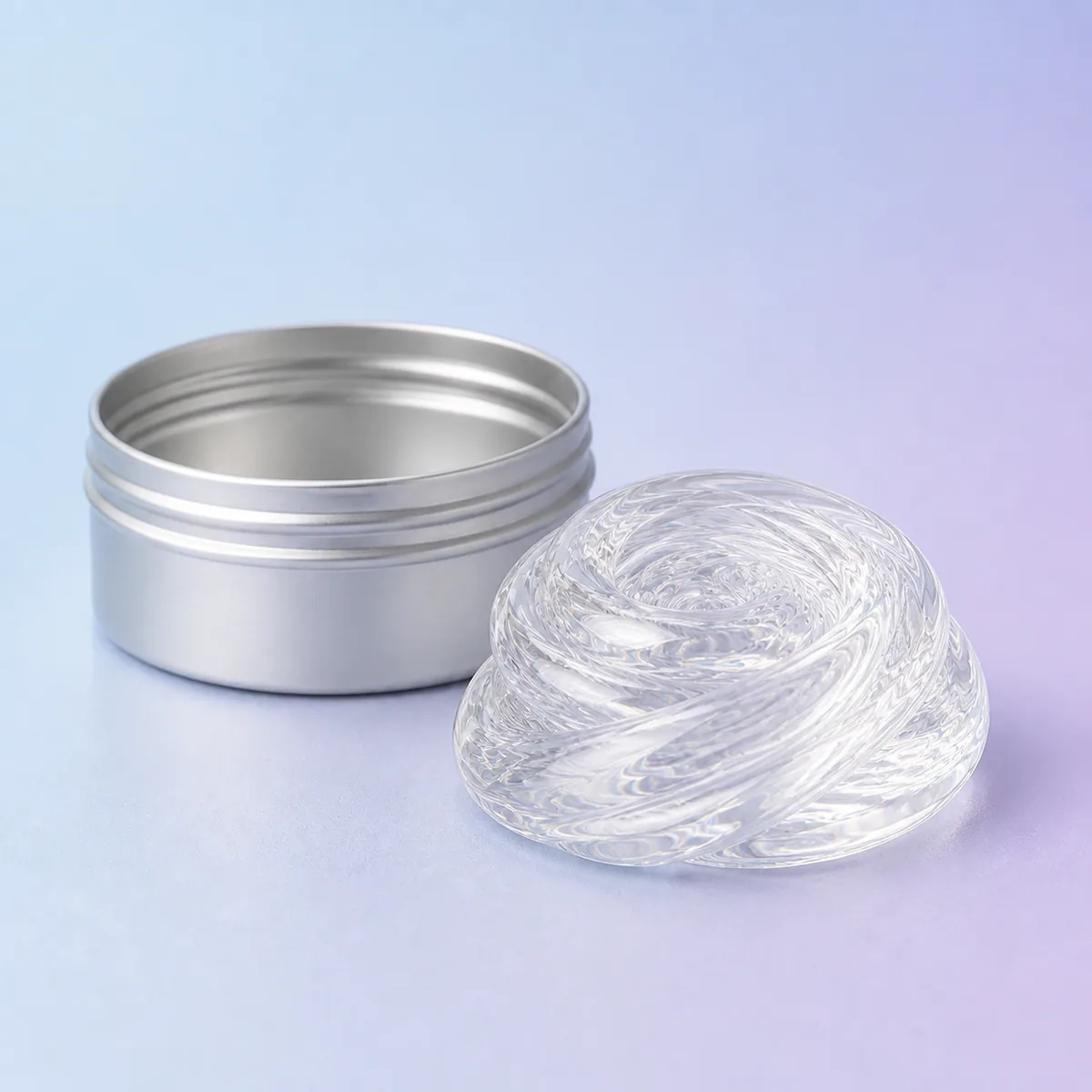
Calm Putty is a silicone-based putty, built to pull, snap, bounce, and smush into nothing before it gathers itself back into a ball. Pull it slowly and it stretches into a thin, translucent sheet. Pull it fast and it tears cleanly, almost like a solid. Roll it and it becomes a ball again, ready for the next round. That range is the whole appeal: there is no single correct way to fidget with it, which is why people who get bored of one-trick toys tend to end up here. It also means putty rewards a bit of attention. Leave it balled up and forgotten in a warm pocket and it softens further; work it regularly and it stays at a workable, medium resistance that gives your hand something to push against, not just something that gives way.
How is moldable dough different from putty?
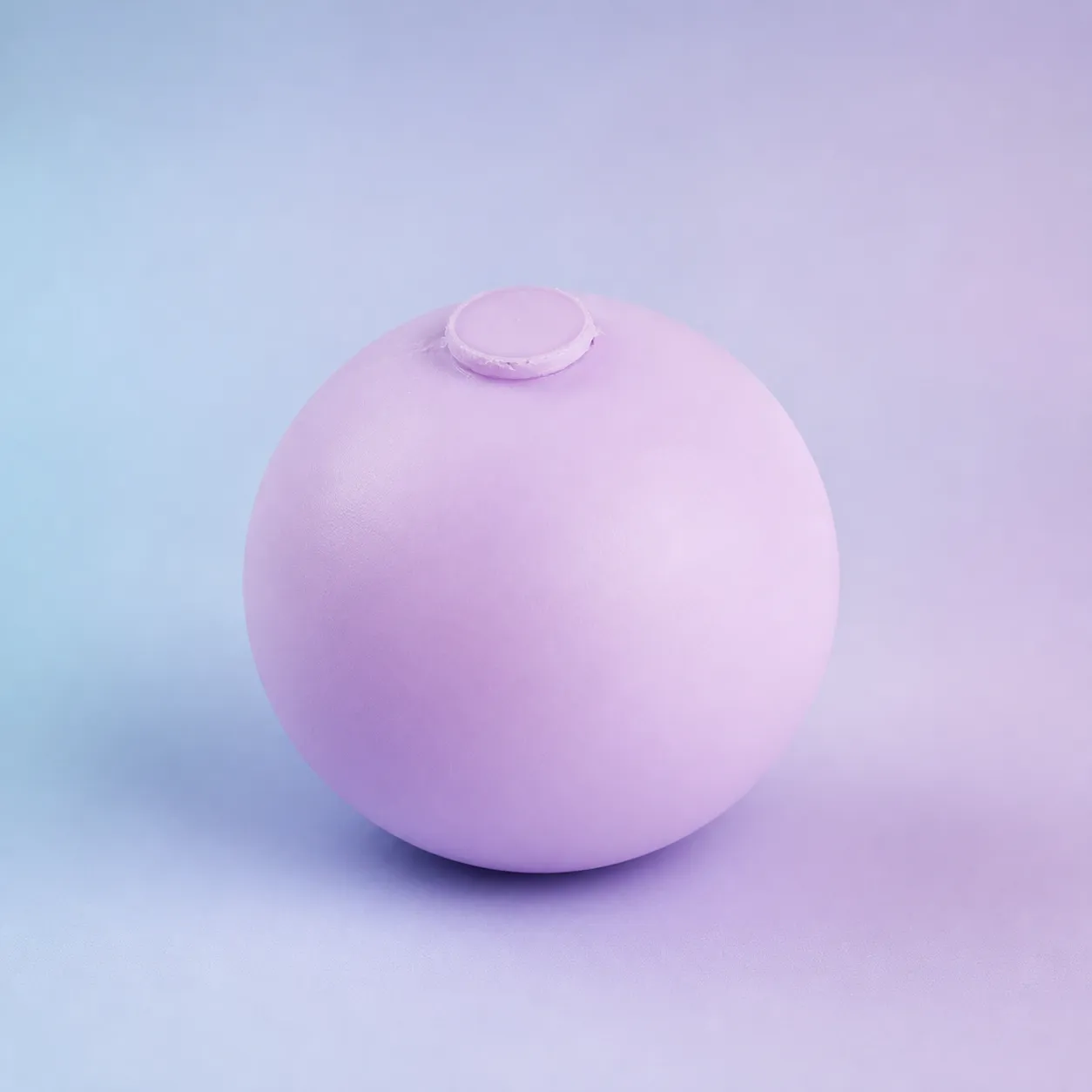
Mold & Hold Dough Stress Ball is TPR skin around a flour-style fill, and it behaves less like a stretchy solid and more like actual dough: press a thumb in and the dent holds its shape for a moment before you smooth it back out. It does not stretch into thin sheets or tear the way putty does, and it does not bounce. Where putty rewards pulling and snapping, dough rewards pressing, dimpling, and reshaping, a slower, quieter motion with less recoil. The flour-style fill inside gives it a dry, powdery weight rather than putty’s smoother pull, closer to handling a small ball of actual dough than a stretchy solid, which is exactly the point for a hand that wants a gentler, more forgiving squeeze.
Is the Jelly Blob the same thing as slime?
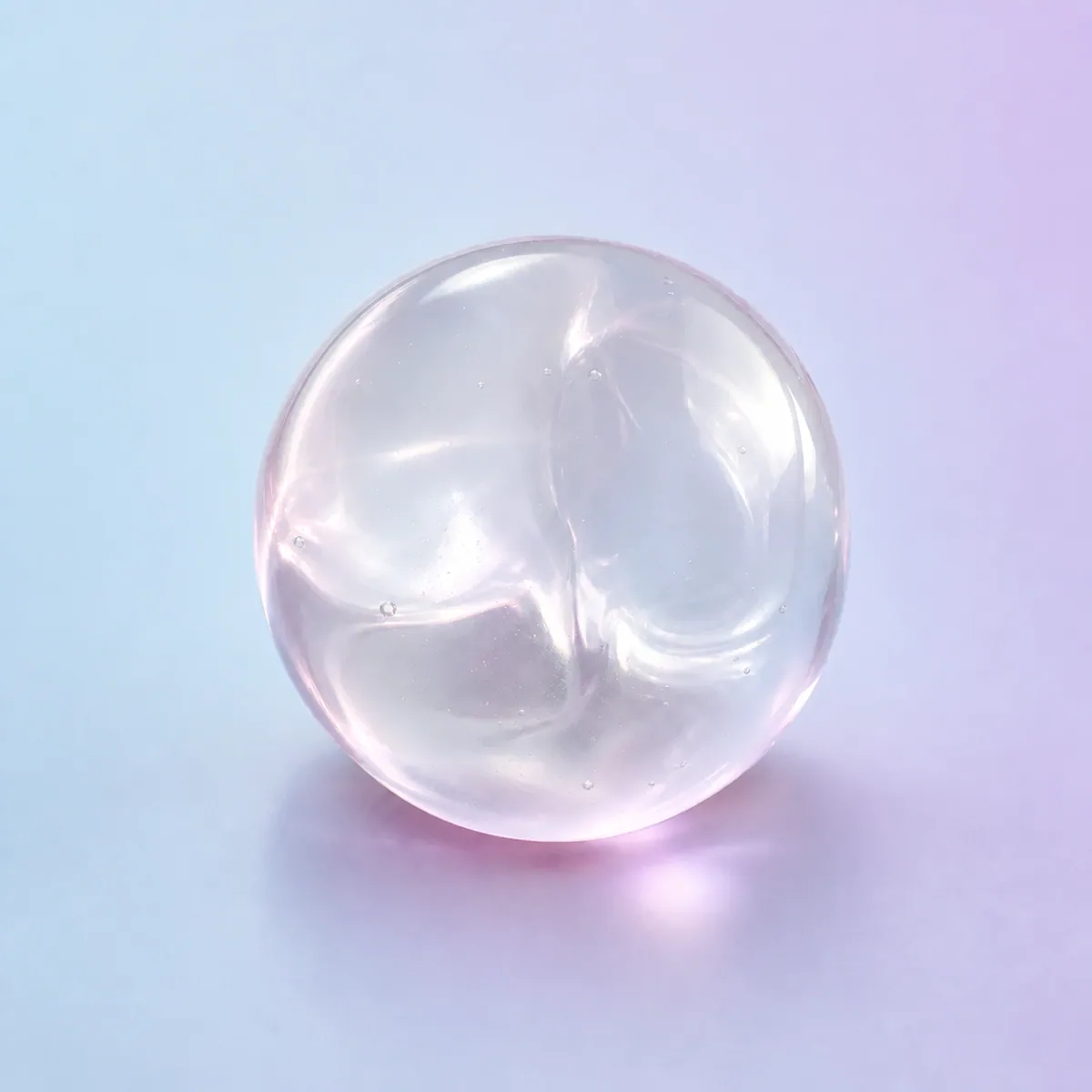
Not quite, though it fills the same shelf in most people’s minds. Jelly Blob Transparent Gel Fidget is a true silicone gel, the one genuinely gel-material product in this comparison, and it oozes, stretches, and slumps through your fingers rather than holding a shape the way dough does or snapping back the way putty does. What people usually mean by “slime” is a stickier, wetter homemade mixture. Jelly Blob is closer to a clean, see-through gel that behaves the same way without leaving residue on your hands or the desk it sits on. Hold it up and watch it slowly slump under its own weight and you get most of what a “slime” search is actually looking for, minus the cleanup.
Where does the water-bead ball fit into this comparison?
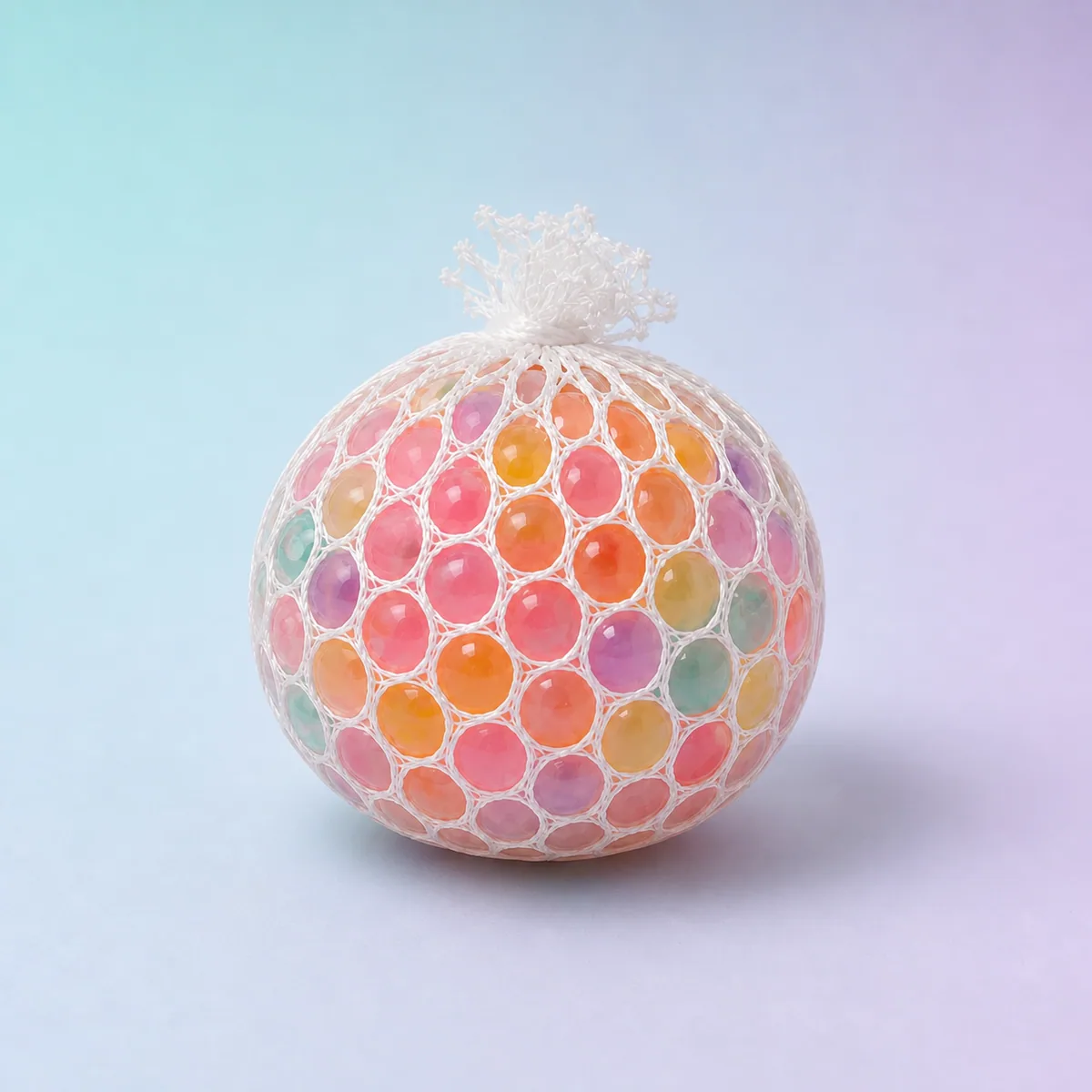
It does not really belong to the moldable family at all. Calm Orb Water-Bead Squeeze Ball is a mesh-wrapped TPR membrane packed with water-bead gel fill, and instead of being pulled, dented, or oozed, it bulges between your fingers under a full squeeze and settles back into shape when you let go. If putty, dough, and gel sit on a spectrum of “how does this hold a shape,” the water-bead ball is a different question entirely: a cluster of tiny beads doing the give, not one continuous material. That bead structure is also why the motion feels different in the hand, more of a full-hand bulge-and-release than a fingertip pull, closer to a stress ball than to anything you would try to mold into a new shape.
Putty, dough, gel, and water beads, compared
| Fidget | Material | Motion | Mess | Best for |
|---|---|---|---|---|
| Calm Putty | Silicone-based putty | Pulls, stretches, tears, snaps back into a ball | None on hands, some on fabric if left out | Open-ended fidgeting, no single motion |
| Mold & Hold Dough Stress Ball | TPR skin, flour-style fill | Presses, dents, and smooths back | None | A slower, quieter squeeze |
| Jelly Blob Transparent Gel Fidget | True silicone gel | Oozes, stretches, slumps | None, wipes clean | Watching and squeezing at a desk |
| Calm Orb Water-Bead Squeeze Ball | TPR membrane, water-bead gel fill, mesh | Bulges and settles under a full squeeze | None if the membrane stays sealed | A fast, full-hand squeeze |
Which one is right for a young child, and which should wait?
Water beads should wait until after age three regardless of which product they are in, because loose water beads are a known swallowing hazard for young children if a bead ever escapes its casing. Putty and dough are moldable rather than beaded, but they are still meant to be kneaded by hand rather than mouthed, and any small piece torn or pinched off a putty or dough ball is worth the same caution as any small toy part for the under-3 age group federal small-parts toy testing is built around. For an older child or an adult, all three moldable options are a reasonable pick, and the kneading, pulling, and pressing motion itself lines up with what advocacy groups describe as a common, ordinary way people regulate their senses: playing with the hands, much like rocking or humming, just with something built for exactly that job.
Choose by the motion your hands keep returning to, not by which word happens to be on the package. Calm in the palm of your hand, however you knead it.
Sources & further reading
We reference trusted organizations by name. This article is informational and not a substitute for professional medical advice.
- National Autistic Society: Describes sensory seeking as a pattern in which someone under-responsive to input may actively seek out intense sensory input from objects, as part of a broader range of sensory differences.
- Autistic Self Advocacy Network: An advocacy organization run by autistic people that describes stimming, including rocking, playing with the hands, or humming, as a way of regulating the senses.
- U.S. Government Publishing Office: Publishes the federal small-parts toy safety rule (16 CFR Part 1501), which applies to toys intended for children under 3 years (36 months) of age.
Frequently asked questions
What is the difference between thinking putty and dough?
Thinking putty like Calm Putty stretches into a thin sheet, tears if pulled fast, and gathers back into a ball, while dough like Mold & Hold Dough Stress Ball presses into a dent that you smooth back out. Putty rewards pulling and snapping; dough rewards pressing and reshaping, a slower and quieter motion.
Is thinking putty the same thing as slime?
Not exactly. Putty is a silicone-based material that stretches, tears, and snaps back into a ball, while what most people call slime is looser and wetter, closer to the true gel feel of a product like Jelly Blob Transparent Gel Fidget, which oozes and slumps rather than holding any shape.
What is Jelly Blob made of, and does it feel like homemade slime?
Jelly Blob Transparent Gel Fidget is a true silicone gel, the one genuinely gel-material product in this lineup. It oozes, stretches, and slumps through your fingers similarly to homemade slime, but it stays clean and wipeable rather than sticky or residue-prone.
Is a water-bead squeeze ball the same category as putty or dough?
No. Calm Orb Water-Bead Squeeze Ball is a mesh-wrapped membrane filled with tiny water beads, and it bulges and settles under a squeeze rather than being pulled, dented, or oozed by hand. It belongs in its own category, closer to a stress ball than to a moldable fidget.
Are thinking putty and dough safe for young children?
They are meant to be kneaded by hand rather than mouthed, and any small piece torn or pinched off should be treated with the same caution as any small toy part for a child under 3, the age group federal small-parts toy testing is built around. For an older child or an adult, both are a reasonable, ordinary fidget.
Can a young child use a water-bead squeeze ball?
Not under age 3. Water beads are a known swallowing hazard for young children if a bead ever escapes its casing, so a water-bead product like Calm Orb should wait until a child is well past that age regardless of how it is packaged or marketed.