Silicone vs TPR vs PU foam: what is actually different?
Silicone, TPR, and PU foam are three separate plastics with genuinely different chemistry, not three brand names for the same squishy feel. Silicone is built around a chain of silicon and oxygen atoms, which is why it shrugs off heat and sun better than most plastics. TPR is a thermoplastic rubber that melts and remolds like a regular plastic instead of setting permanently the way vulcanized rubber does. PU foam is a reacted network, formed once and never remelted, which is exactly why it can yellow and eventually weaken with age in a way the other two do not.
We sell products made from all three, so it would be easy to blur the lines between them. We would rather explain what each one actually is, since a name like “gel” on a product does not always mean what it sounds like.
What is silicone, and why does it handle heat and sun so well?
Silicone’s backbone is a repeating chain of silicon and oxygen atoms with organic side groups attached, an inorganic structure that is fundamentally different from the carbon-chain backbone of most plastics. That structure is why silicone is described as resistant to UV rays and ozone, and why food-grade and premium silicone can handle a working range from roughly minus 103 to as high as 500 degrees Fahrenheit without losing its structure or turning brittle in the cold.
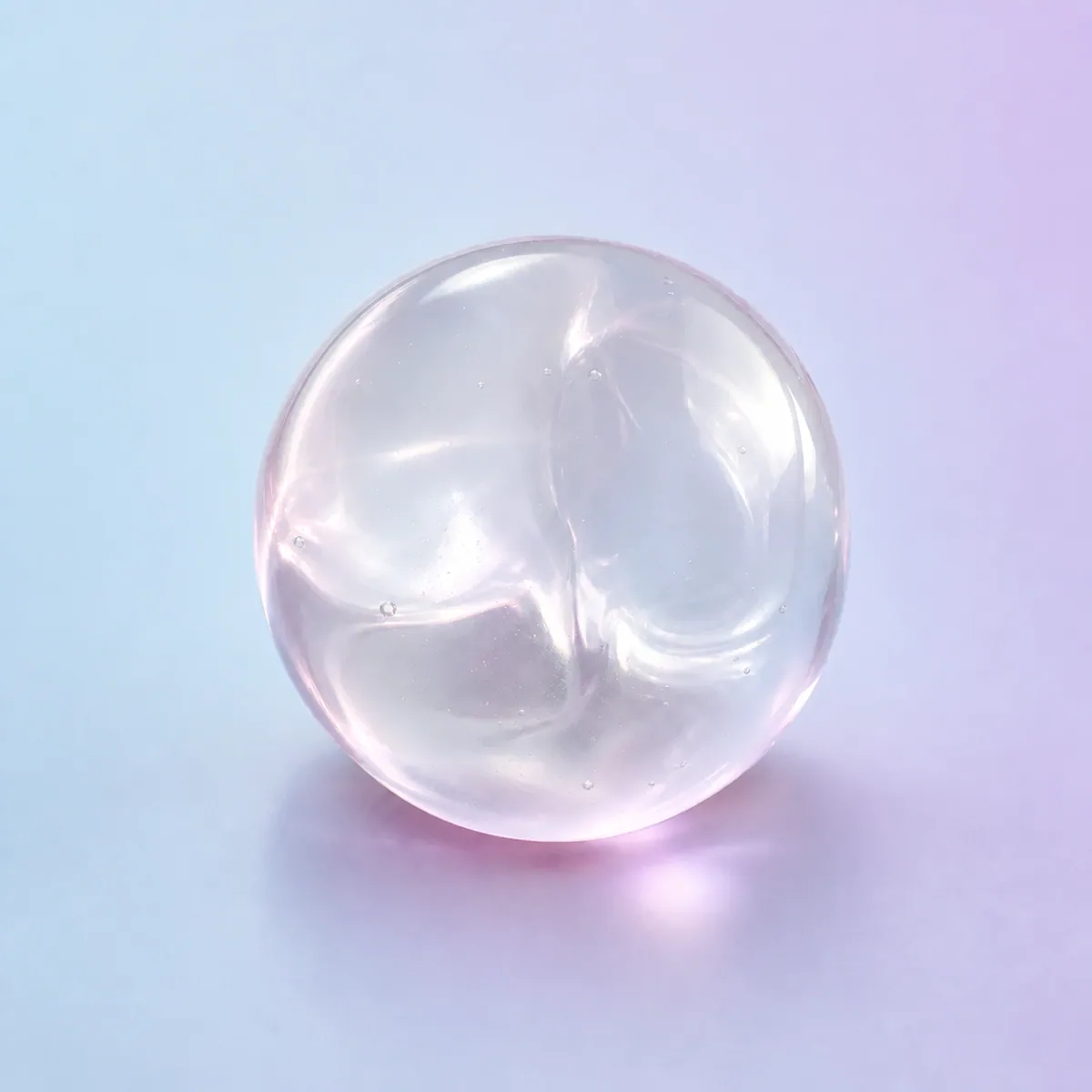
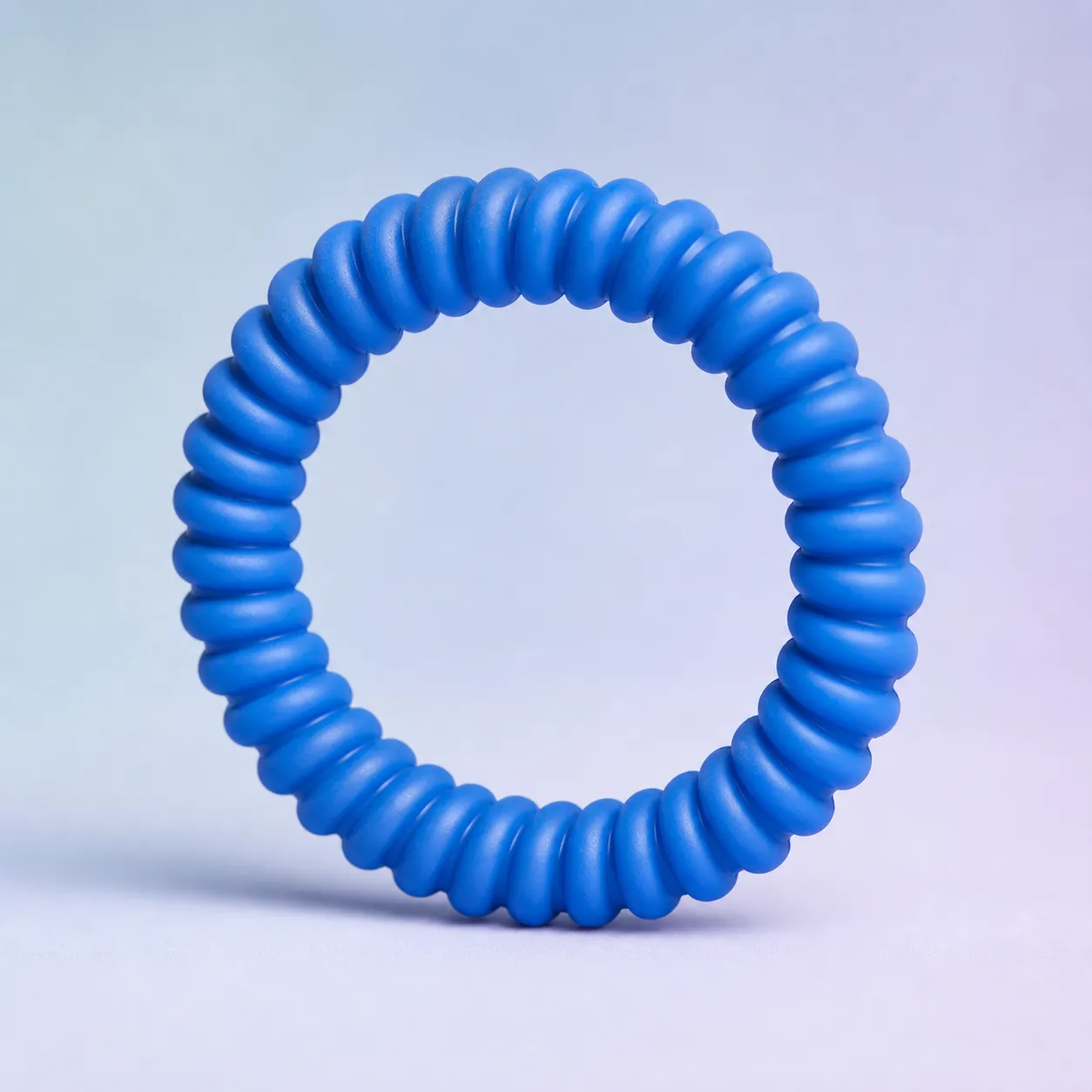
Always-On Fidget Bracelet and Jelly Blob Transparent Gel Fidget are both silicone products, and that heat and UV tolerance is part of why silicone holds its shape and color through ordinary daily handling, sun through a car window included, better than a plastic with a carbon backbone tends to. One honest caveat: food-contact silicone regulation, which sets migration limits for materials meant to touch food repeatedly, is a food-safety rule, not a medical-grade or toy-specific certification on its own; it describes what the regulation covers, not a blanket safety claim about any particular product.
What is TPR, and how is it different from real rubber?
TPR is a thermoplastic elastomer, a blend of a rigid plastic phase and a rubbery phase, most commonly built as a block copolymer. Unlike vulcanized rubber, which is chemically cross-linked and permanent once cured, TPR can be melted down and reprocessed, which is part of why it is a common, cost-effective choice for clear, springy squishies. Its working range runs roughly from minus 40 to 248 degrees Fahrenheit, narrower than premium silicone but wide enough for ordinary use and storage.
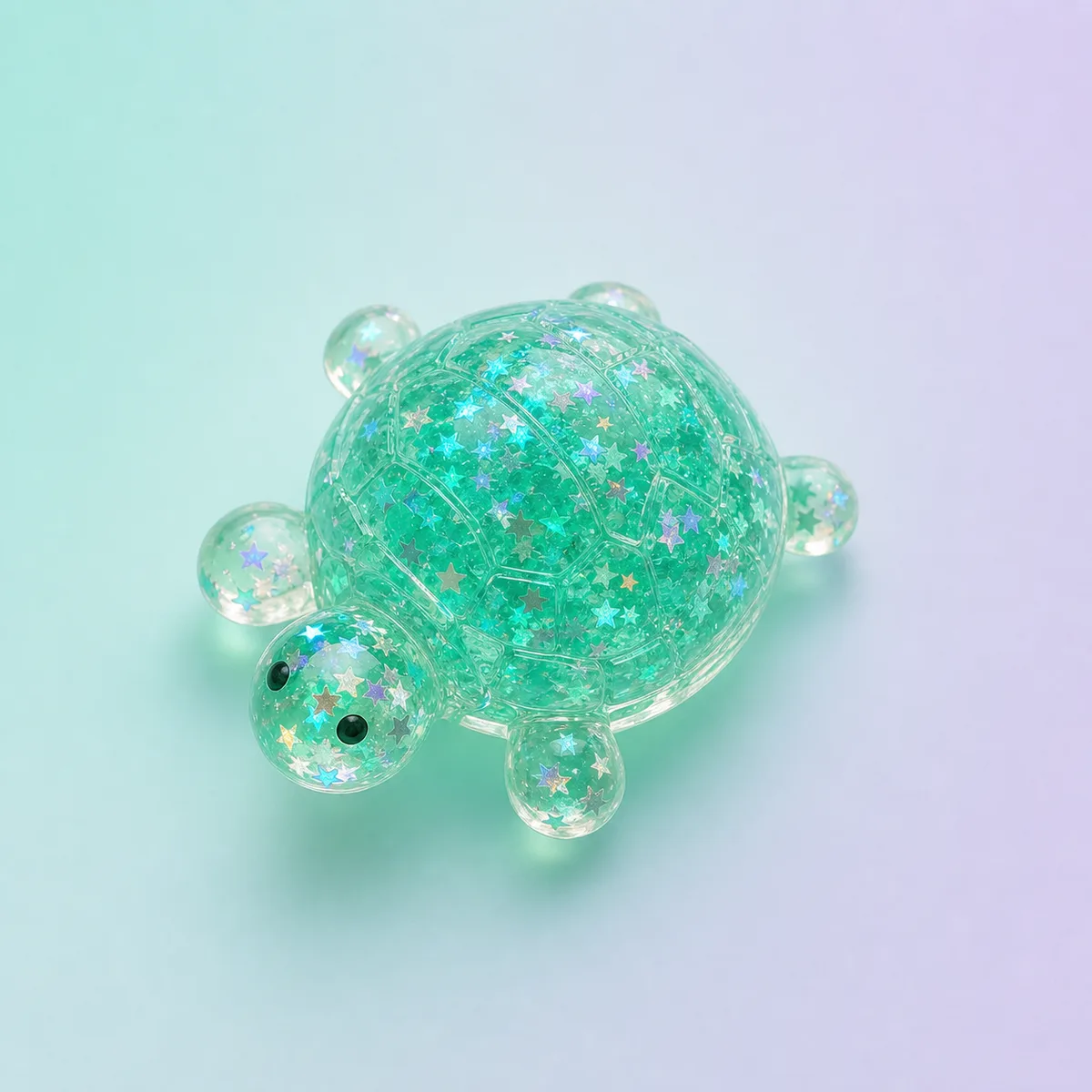
Shelly Sea Turtle Gel Squishy is a good example of why reading the actual material listing matters: it has “gel” in its name, but its real material is translucent TPR, not gel. One honest note on TPR and plasticizers: TPR’s flexibility comes from its two-phase structure rather than from added liquid plasticizers the way PVC’s does, but TPR is not on the federal list of plastics exempt from phthalate testing, so that chemistry difference is not the same thing as a guaranteed legal exemption.
What is PU foam, and why does it yellow?
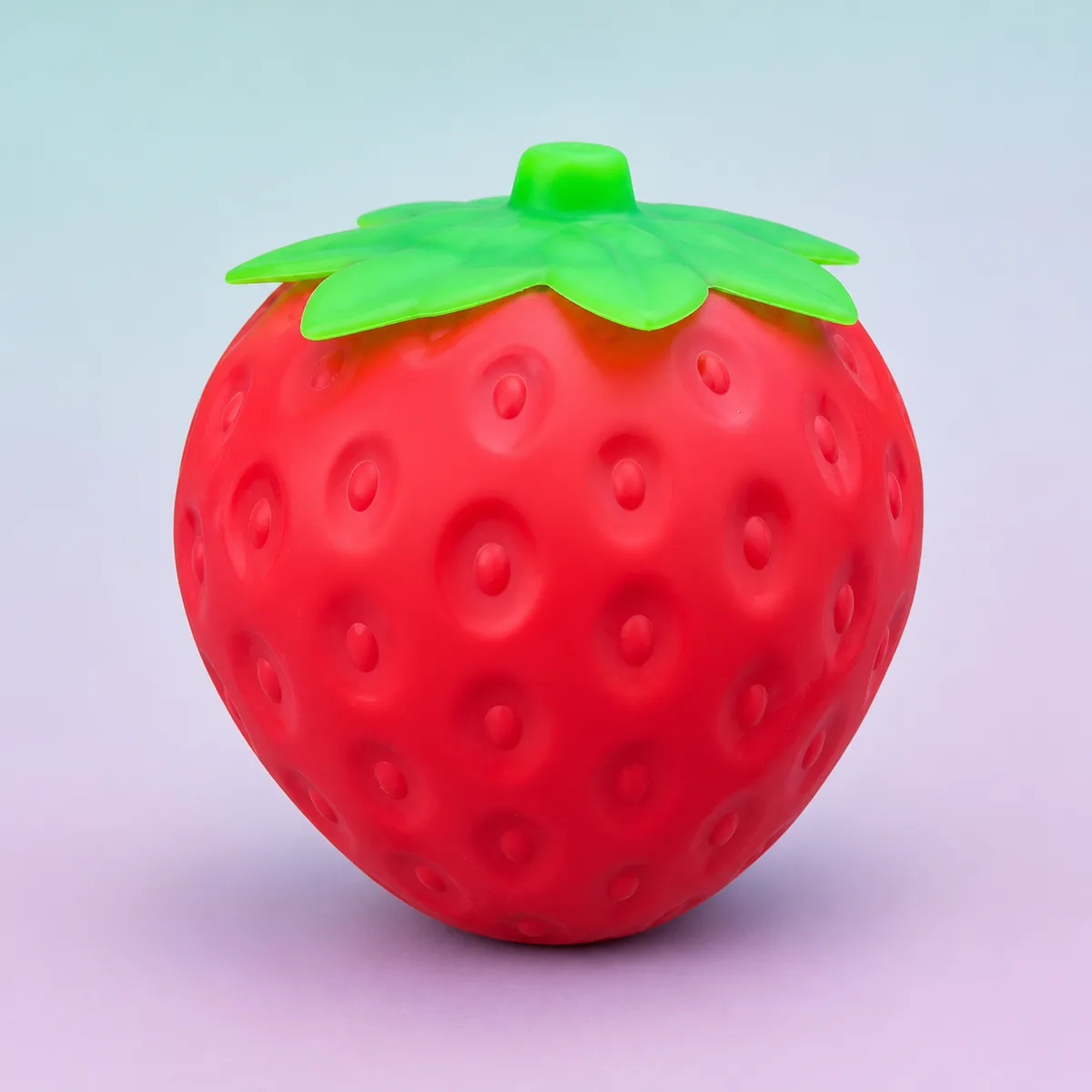
PU foam is formed by reacting polyols with isocyanates into an open-cell network, a chemistry dating to 1937, and once that reaction sets, the foam cannot be melted back down and remolded the way TPR can. Its comfortable working range runs roughly from minus 80 to 200 degrees Fahrenheit for standard formulations. Berry Slow-Rise Squishy is built from this foam, which is also the source of that slow, cushioned rise no other material on this list gives you in quite the same way.
Yellowing has three named drivers: high heat during manufacturing, ordinary nitrogen oxides in the air, and UV light acting on the foam’s chemistry to form yellow compounds. That environmental yellowing on its own does not necessarily mean the foam’s physical properties have meaningfully changed; it is largely a cosmetic shift. Real structural wear, crumbling or a loss of flexibility, comes from longer, combined exposure to heat, sun, and moisture over time, which is a separate and slower process from a squishy simply changing color on a sunny windowsill.
Does that difference change how you clean each one?
Yes, and this is the most practical difference of the three. PU foam is porous and can soak up a large amount of water, taking a long time to dry out and giving mold or mildew a real chance to take hold inside it, so it should never be fully submerged; a damp, mildly soapy cloth is the right tool instead. Silicone, being a solid, non-porous material, tolerates a fuller rinse in cold, mildly soapy water without that absorption risk.
TPR sits with silicone here in practical terms: as a solid, non-porous plastic, a squishy made from it does not have foam’s absorption problem, so a rinse and wipe-down is the reasonable approach, the same logic that makes silicone easy to clean in the first place.
The three materials, side by side
| Material | Backbone | Working range | Cleaning |
|---|---|---|---|
| Silicone | Silicon-oxygen | About -103F to 500F, grade dependent | Rinse and wash in cold, mildly soapy water |
| TPR | Carbon, two-phase copolymer | About -40F to 248F | Wipe or rinse; solid and non-porous |
| PU foam | Carbon, reacted network | About -80F to 200F | Damp cloth only; never fully submerge |
None of these three is automatically the “best” material. Each one trades heat range, feel, and care against the others, and the honest answer is that the right one depends on what your hands want and how you plan to treat it. A glove box in July, a windowsill all summer, or a bag that gets tossed around every day will treat silicone, TPR, and PU foam differently, so it is worth matching the material to the life the fidget will actually live, not just the feel you liked in the store. Calm in the palm of your hand, whichever polymer gets you there.
Sources & further reading
We reference trusted organizations by name. This article is informational and not a substitute for professional medical advice.
- Polyurethane Foam Association: Publishes technical background on flexible polyurethane foam chemistry, its standard working temperature range, and the causes of yellowing over time.
- U.S. Food and Drug Administration: Regulates silicone rubber intended for repeated food contact under 21 CFR 177.2600, setting allowable ingredients and extractable-substance limits so harmful substances do not migrate into food.
- U.S. Consumer Product Safety Commission: Maintains the CPSIA phthalate testing framework, including the standing list of plastics exempt from testing, which does not include TPR.
Frequently asked questions
What is the real difference between silicone, TPR, and PU foam?
They are three separate polymer families with different chemistry, not interchangeable names for the same squishy feel. Silicone has a silicon-oxygen backbone and the widest heat and UV tolerance of the three. TPR is a remeltable thermoplastic rubber, and PU foam is a reacted, non-remeltable foam that gives the classic slow rise and yellows over time.
Which handles heat and sun better, silicone or TPR?
Silicone generally has the wider tolerance for both, thanks to its inorganic silicon-oxygen backbone, which resists UV and ozone better than the carbon-based backbones in TPR and PU foam. TPR still has a reasonably wide working range of its own, but silicone is the one described as resistant to UV rays and ozone specifically.
Is TPR the same as silicone gel?
No, and product names can blur this. Shelly Sea Turtle Gel Squishy has gel in its name but is made of translucent TPR, a thermoplastic rubber, not true silicone gel. Jelly Blob Transparent Gel Fidget is the one product in this comparison that is genuinely silicone gel, a different polymer family with a different feel.
Why does PU foam turn yellow over time?
Three things drive it: high heat during processing, exposure to nitrogen oxides in the air, and UV light acting on the foam's chemistry, which forms yellow compounds. Environmental yellowing on its own does not necessarily mean the foam's physical properties have significantly changed; it is largely cosmetic, separate from the longer-term crumbling that prolonged heat, sun, and moisture together can eventually cause.
Can you clean silicone, TPR, and PU foam the same way?
Not quite. PU foam is porous and can absorb a large amount of water, so it should never be fully submerged; a damp, mildly soapy cloth is the safer approach. Silicone can tolerate a fuller rinse in cold, mildly soapy water, and TPR, being a solid non-porous plastic, generally tolerates that same kind of wipe-down without the foam's absorption risk.
Is food-contact silicone the same as toy-safe silicone?
Not automatically. US food-contact silicone regulation sets ingredient and extractable-substance limits for materials meant to touch food repeatedly, but that specific compliance does not by itself certify a product as medical-grade or as independently tested for toy use. A silicone fidget being food-grade silicone describes the material grade, not a separate toy certification.