Can putty help tired hands?
For an ordinary, ache-free kind of tired, many people find that kneading a soft putty for a few minutes is a genuinely satisfying stretch for hands that have been gripping a pen or a keyboard too long. That is different from hand-therapy putty exercises, and we want to be plain about the difference before anything else: our Calm Putty is a fidget putty, made for an open-ended, one-consistency squeeze and stretch, not a graded therapy tool, and this is not a program. If your hands hurt, or you are managing a diagnosed condition, the right next step is a hand therapist, not a blog post.
What is the difference between fidget putty and therapy putty?
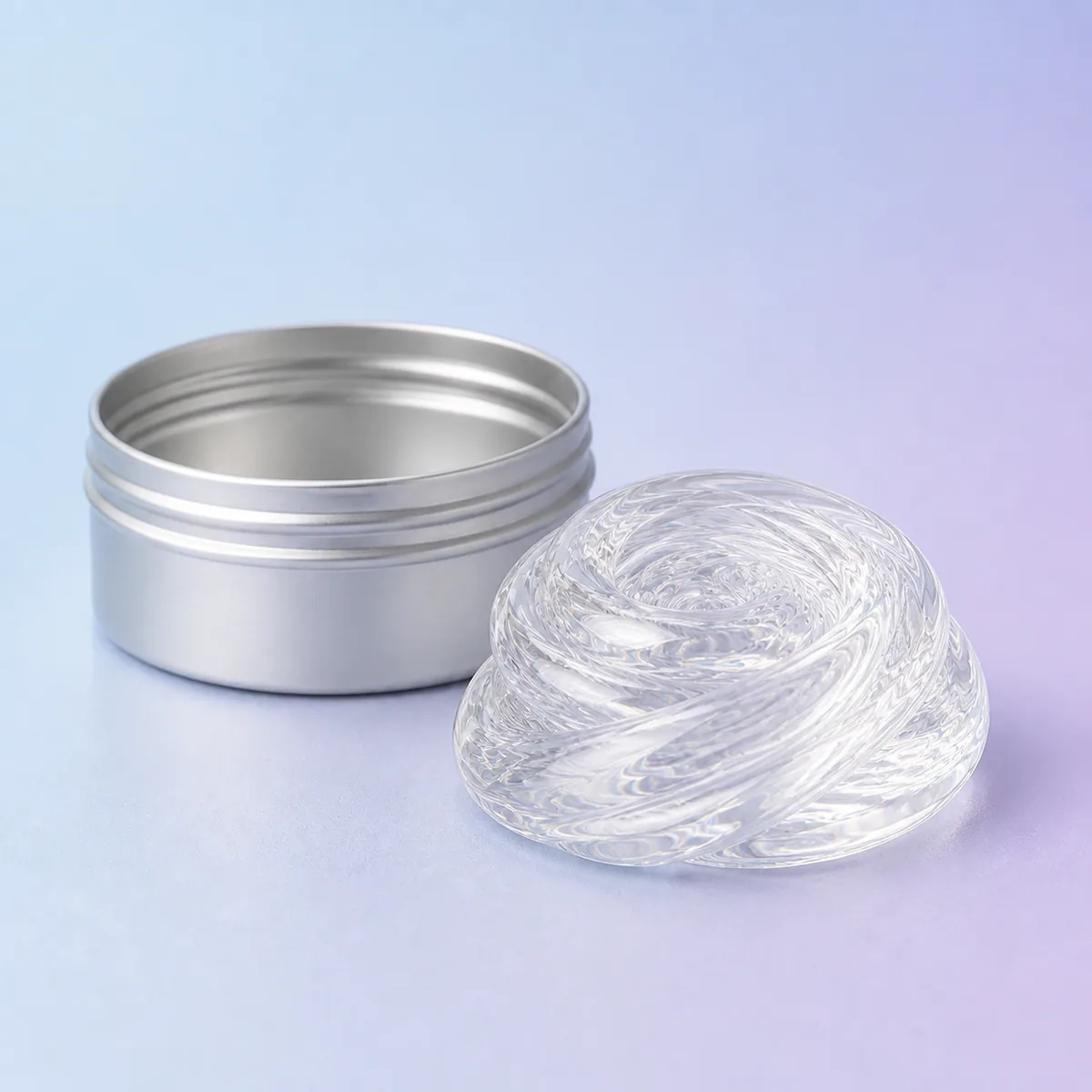
Fidget putty is built for play: one consistency, one texture, no resistance level printed on the container. Our Calm Putty is silicone-based, and its whole appeal is that it stretches, snaps, bounces, and smushes without asking anything specific of your hand.
Clinical hand-therapy putty is a different category of object entirely. NHS hand-therapy leaflets, such as the one published by St George’s University Hospitals, name specific graded exercises: gross grip, thumb flexion, key pinch, tip pinch, hook fist, finger spread, and finger extension among them, each performed at a resistance and repetition count a therapist has actually prescribed for that patient. The familiar six-color scale, tan through black, that people associate with therapy putty is not a clinical standard set by a hand-therapy body; it comes from rehab-products manufacturers like Performance Health, whose Rolyan and CanDo lines popularized it. A hand therapist uses that scale as a tool, not the other way around, and the exercises, the resistance level, and how often to do them are decided for one patient at a time. A fidget putty bought off a shelf is not a substitute for that, and we are not going to pretend it is.
What do hand therapists actually do with putty?
They build a program, not a routine you could copy from a store’s blog post. The American Society of Hand Therapists is the US professional association for hand and upper-extremity therapists, in practice since 1977, and its members are the ones trained to assess a specific hand and decide which movements and which resistance level make sense for a diagnosis and current strength. A separate body, the Hand Therapy Certification Commission, administers the Certified Hand Therapist credential those therapists can hold; it certifies practitioners rather than publishing exercise or product guidance itself. NHS leaflets are explicit on this point too, instructing patients to perform only the exercises their own therapist has ticked off for them, not a general list. That level of individual judgment is exactly what a general-audience article cannot responsibly replace, which is why we are not writing you one here. If tired or stiff hands are a recurring problem rather than an end-of-day feeling, that conversation belongs with a hand therapist, not with a product description.
What can you actually do with Calm Putty at your desk?
For the ordinary, ache-free kind of tired, here are a few simple things people do with a soft fidget putty. None of this is a program, and none of it is a substitute for professional guidance if something actually hurts.
- Warm it in your palm. Roll the putty into a ball and hold it for a few seconds before you start; a slightly warmer putty stretches more easily.
- Stretch it slowly. Pull it apart with both hands, a little at a time, and let it go slack again rather than snapping it in one motion.
- Pinch off small pieces. Use your thumb and each finger in turn to break off a small piece and press it back into the main piece.
- Roll it into a rope, then a ball. Roll it flat and thin between your palms, then gather it back into a ball. This uses a different motion than pulling or pinching.
- Stop when you are done, not when it hurts. A few minutes is plenty. There is no correct number of repetitions, and more is not automatically better.
When should you stop, or skip it entirely?
Stop right away if kneading causes pain, or if you notice swelling, numbness, or tingling anywhere in your hand or wrist. None of that is a normal response to a soft fidget putty, and pushing through it is more likely to make things worse than better. The same goes if you are recovering from a recent hand injury or surgery, or managing a diagnosed condition like arthritis or carpal tunnel syndrome: those situations need a program built for your specific hand by a hand therapist, not general kneading picked up from a product page.
An ordinary tired hand, the kind you get from a long day of typing, writing, or knitting, is a different situation, and a few minutes with a soft putty is a reasonable thing to try. The line between the two is pain. If it is present, see a qualified professional before you keep going.
Putty, dough, or a squeeze ball: how the resistance compares
| Product | Material | Resistance | Motion |
|---|---|---|---|
| Calm Putty | Silicone-based putty | One consistency, soft | Stretch, pinch, roll, snap |
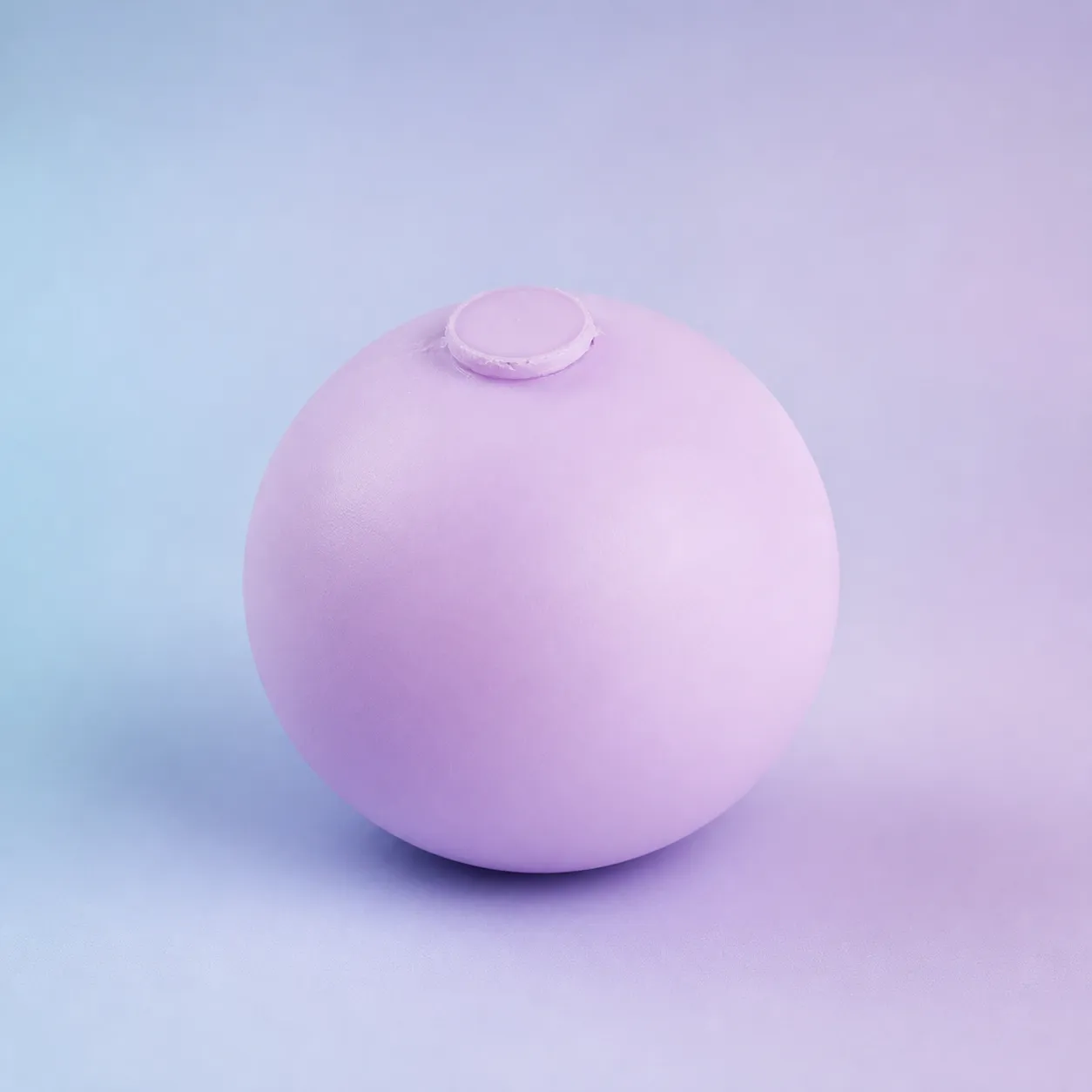
| Mold & Hold Dough Stress Ball | TPR skin, flour-style fill | Soft, holds a dent | Squeeze, dent, smooth back |
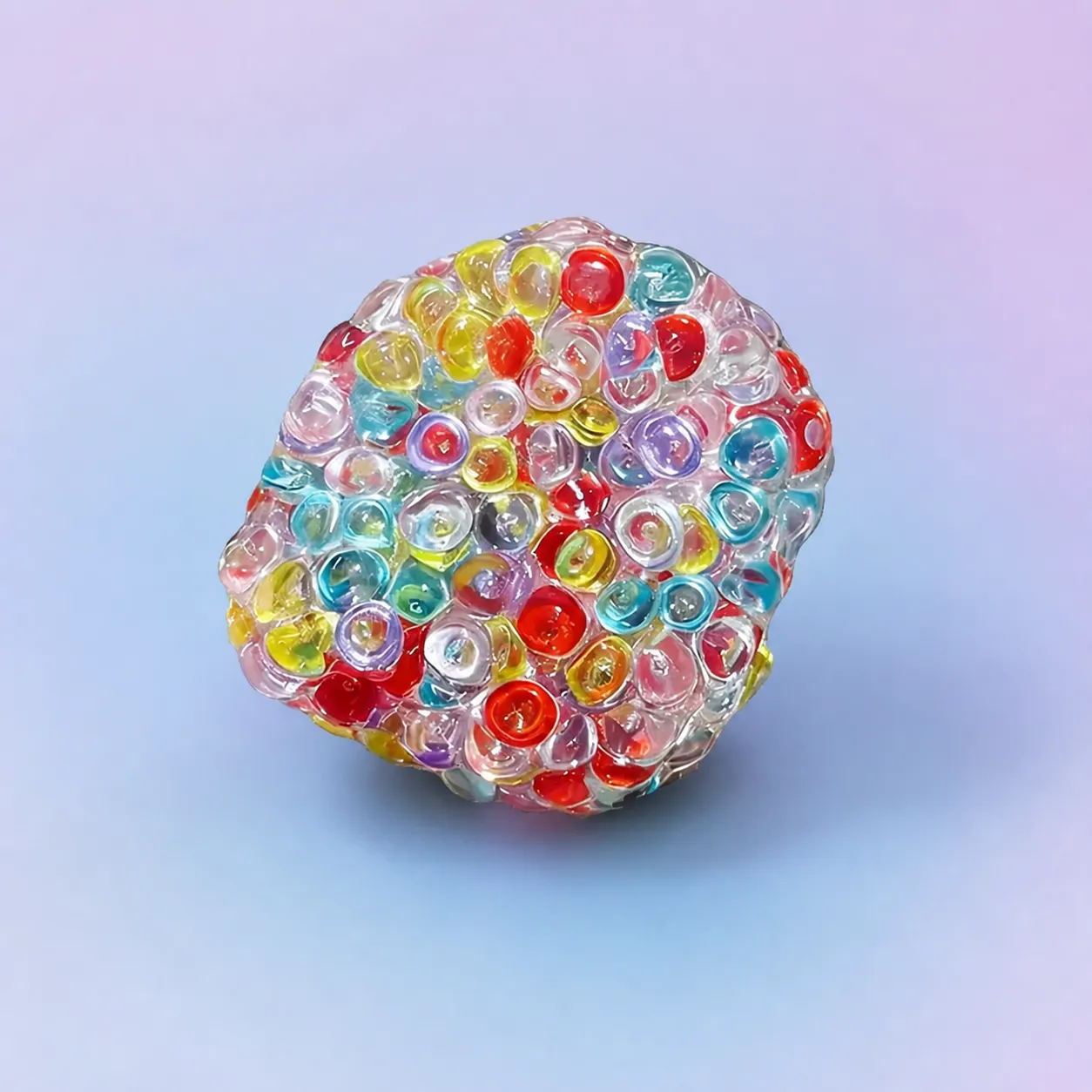
| Steady Hand Squeeze Stress Ball | Translucent TPR gel | Firmer, springs back fast | Full-hand squeeze and release |
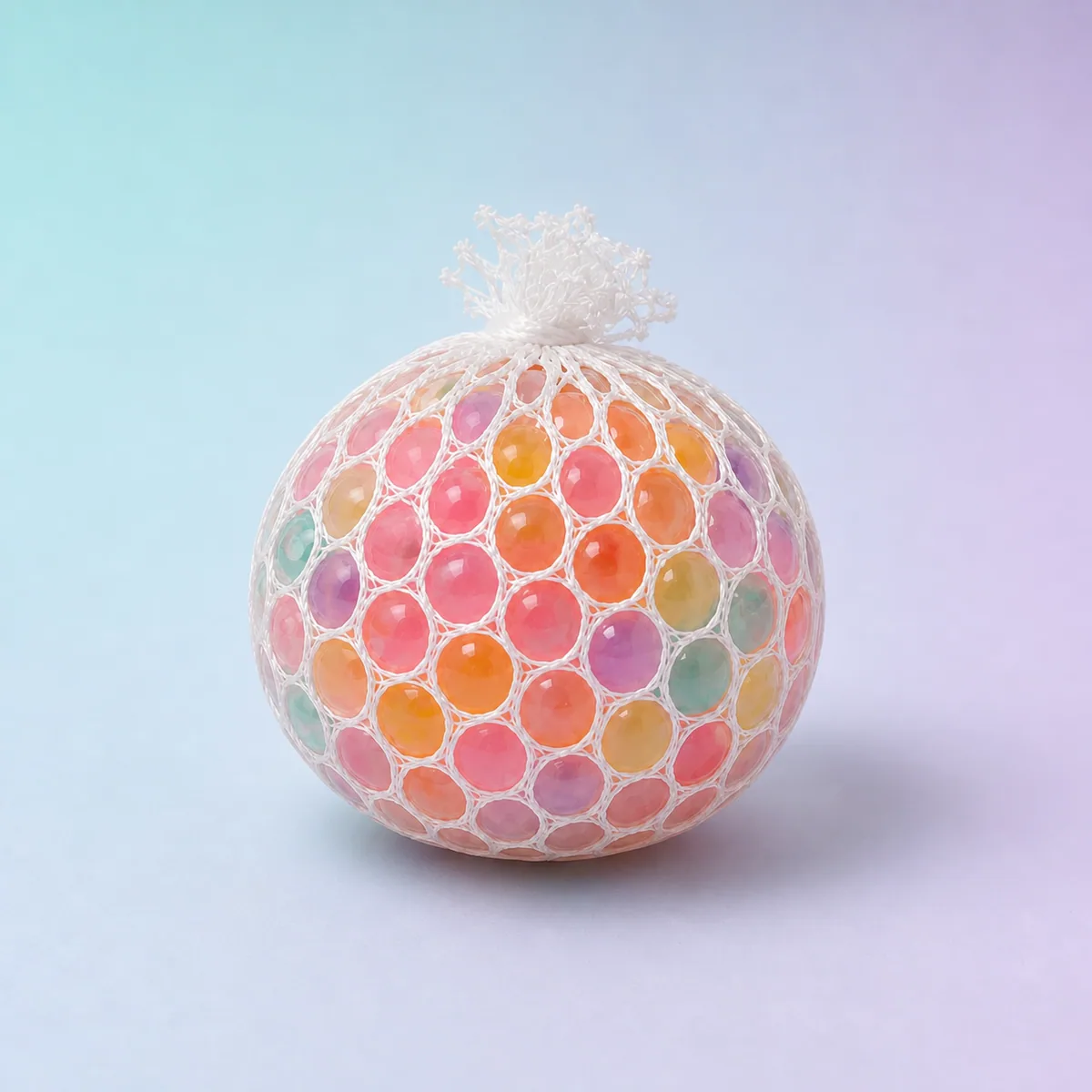
| Calm Orb Water-Bead Squeeze Ball | TPR membrane, water-bead fill | Soft, bulges under pressure | Squeeze and let it bulge between fingers |
None of these are graded therapy tools, and none are labeled with a clinical resistance level. If you want variety in how much effort a motion takes without turning it into a program, moving between a few different textures like these is a reasonable, low-stakes way to do it.
The honest version
A soft putty is a genuinely nice thing to knead at the end of a long day, and that is the whole, honest claim we are making. It is not a hand-therapy tool, it does not come in graded resistances, and it is not going to fix a real hand problem. For that, a hand therapist is the one qualified to build you something that actually fits your hand. For the ordinary tired kind of day, keep the putty on your desk. Calm in the palm of your hand, one knead at a time.
Sources & further reading
We reference trusted organizations by name. This article is informational and not a substitute for professional medical advice.
- American Society of Hand Therapists: The US professional association for hand and upper-extremity therapists, founded in 1977, whose scope centers on individualized assessment and treatment planning rather than a general routine a person could follow without one.
- Hand Therapy Certification Commission: The body that administers the Certified Hand Therapist credentialing exam; it certifies practitioners and does not publish product or exercise guidance itself.
- NHS Foundation Trusts: UK NHS hospital trusts, including St George's University Hospitals, publish therapeutic-putty exercise leaflets that name specific graded exercises and state plainly that patients should only perform what their own therapist has prescribed.
- Performance Health: A rehabilitation-products manufacturer whose Rolyan and CanDo product lines are the source of the familiar six-color therapy putty resistance scale, a manufacturer convention rather than a standard issued by a hand-therapy professional body.
Frequently asked questions
Can fidget putty help with hand fatigue?
For an ordinary, ache-free kind of tired, many people find that kneading a soft putty for a few minutes feels like a genuine stretch after a long day of typing or writing. It is not a hand-therapy exercise and it is not a treatment, so treat it as a small, pleasant habit rather than a fix. If your hands hurt rather than simply feel tired, that is a different situation and a hand therapist is the right person to see.
Is fidget putty the same as hand-therapy putty?
No. Our Calm Putty is a fidget putty built at one soft consistency for stretching, snapping, and kneading, with no resistance level printed on it. Clinical hand-therapy putty comes in a range of resistances that a hand therapist selects and changes over time as part of an individualized program for a specific diagnosis, a different category of object entirely.
What do hand therapists use graded putty for?
They use it as one part of an individualized rehabilitation program, choosing a resistance level and specific movements that match a patient's diagnosis, whether that is recovery after surgery, a tendon injury, or a condition like arthritis, and adjusting it as the patient improves. That decision is made for one hand at a time by someone trained to make it, which is why we are not going to describe a general routine here.
What can I do with putty for tired hands at my desk?
Simple, low-effort things: warm it in your palm, stretch it slowly with both hands, pinch off small pieces with your thumb and fingers, and roll it into a rope or a ball. There is no set number of repetitions and no program to follow; a few minutes is plenty, and stopping when you are done rather than when it hurts is the only real rule.
When should I stop using putty for my hands?
Stop right away if you notice pain, swelling, numbness, or tingling, since none of that is a normal response to a soft fidget putty. The same applies if you are recovering from a recent hand injury or surgery, or managing a diagnosed condition like arthritis or carpal tunnel syndrome: those need a program built by a hand therapist for your specific hand, not general kneading.
Is putty better than a stress ball for tired hands?
Neither is better; they ask different things of your hand. Putty stretches, pinches, and rolls, a moldable dough ball squeezes and holds a dent, and a firmer gel ball gives a fast full-hand squeeze and release. Trying a few different textures is a reasonable, low-stakes way to find what your hands like, and none of them are a substitute for a hand therapist if something actually hurts.