Is thinking putty worth it?
If you like a moldable, quiet, endlessly shapeable tactile experience, then yes, thinking putty is worth it. If what you really want is something firm to squeeze and push against, a stress ball will probably suit you better. Both are supportive fidget tools, and the right pick comes down to what your hands enjoy doing.
Here is the plain version, because this is a buying guide and you came for a straight answer. Putty is one of the best-value fidgets you can buy: our Calm Putty is $11.99 for an 80 g tin, it won’t dry out, and it lasts for years, so the cost per hour of fidgeting is tiny. What you are really deciding is not price. It is texture. Putty rewards hands that like to stretch, pull, and knead. It frustrates hands that just want to clench something solid and feel it push back.
So before you buy, ask yourself one question: when you are stressed or restless, do your hands want to mold something, or do they want to squeeze something? That answer tells you almost everything.
What does thinking putty actually feel like?
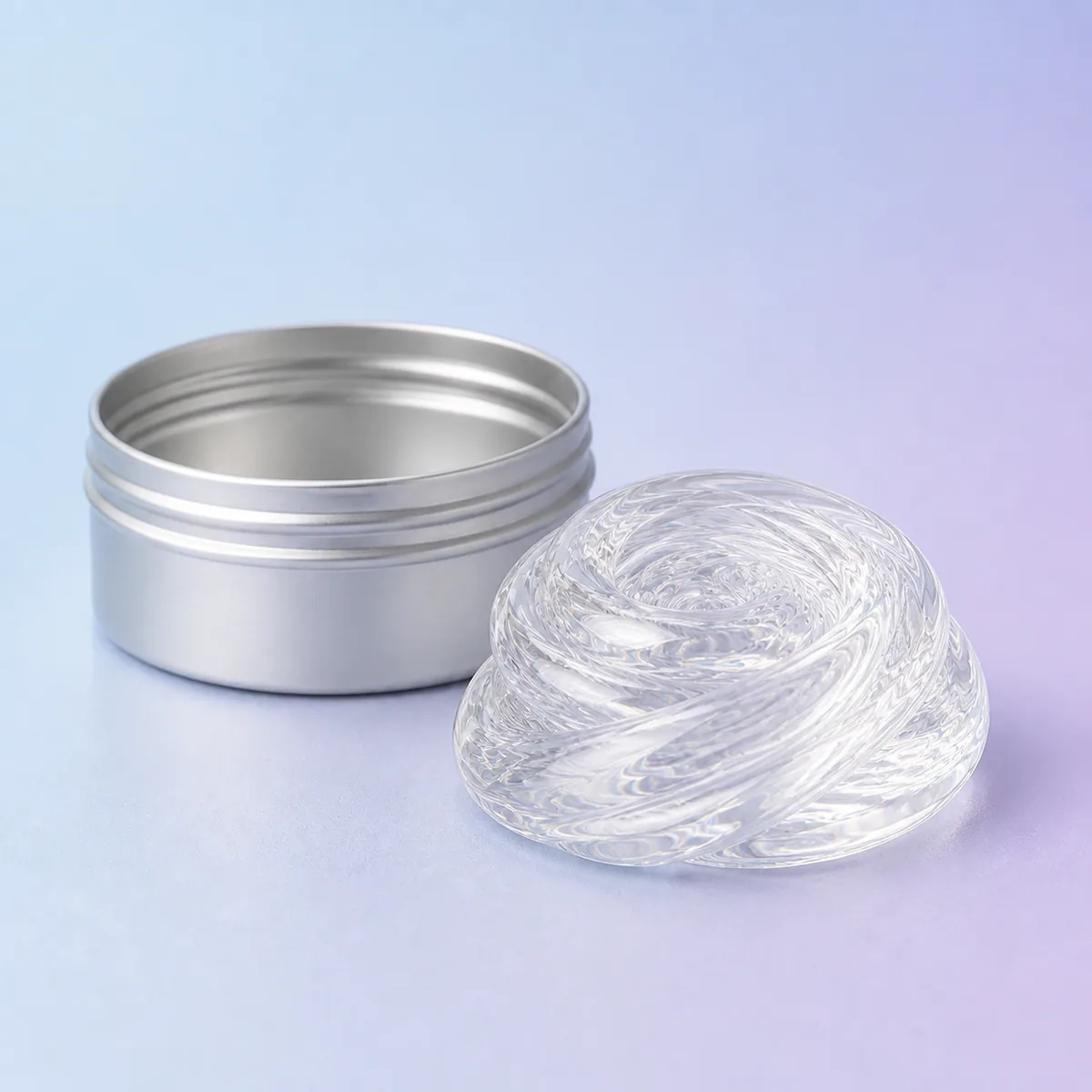
It feels soft, smooth, and stretchy, and the fun of it is that it behaves differently depending on how fast you move. Pull it slowly and it stretches like warm taffy. Pull it fast and it snaps clean in two. Press your thumb in and it slowly flattens, then you gather it up into a ball and start again.
That shape-shifting is the whole appeal. A stress ball does one thing, well. Putty does whatever your hands decide, which is why it holds restless attention for so long. There is no correct way to fidget with it, so your hands keep inventing small games: rolling a snake, pressing it flat as a coin, stretching it thin enough to see light through, balling it up, flattening it again. Meanwhile the rest of you is free to focus or unwind.
It is also quiet. Calm Putty is silent in use, with no click and no squelch to bother anyone at the next desk, which makes it one of the more meeting-friendly and classroom-friendly fidgets going. And because it is a genuine sensory object, not a novelty, it tends to absorb a fidgety hand rather than just entertain it for a minute.
What is thinking putty good for?
Putty is good for three things in particular: quiet desk fidgeting, keeping busy hands occupied, and open-ended sensory play. Each of those is a real, everyday job, and putty does all three without making a sound.
- Quiet desk fidgeting. Kept in its tin on a desk, putty is there for the long call, the tricky email, the stretch of work where your hands want something to do. The open-ended motion gives restless energy an outlet without pulling your eyes off the screen.
- Absorbing busy hands. If your fingers tend to pick, tap, or bite when idle, putty offers a more satisfying place to send that energy. It is a better thing for restless hands to do, and it does not run out of ways to keep them going.
- Sensory play and stimming. For sensory-seeking and neurodivergent people, the stretch-snap-flatten cycle is genuinely regulating for some. Occupational therapists also use resistive putty for hand-strengthening and fine-motor work, and groups like CHADD and ADDitude discuss hands-on fidget tools as recognized focus strategies. That is real-world support, and it is worth naming honestly.
We will be clear about the limits, though, because that matters here. Putty is a supportive fidget and sensory tool, not a treatment. The research on fidget tools is mixed but promising, and it can sit alongside real help without ever replacing it. If you are dealing with something diagnosable, the Child Mind Institute and other reputable organizations can point you toward professionals who are the right people to guide you.
What are the honest downsides of thinking putty?
Putty has three real downsides, and we would rather tell you now than let you find out on your living-room rug. It picks up lint, it is not for people who want a firm squeeze, and it must be kept away from carpet, hair, and pets.
- It picks up lint and fuzz. Anything soft and slightly tacky will collect small fibers over time, especially if it touches fabric. The fix is easy (more on that below), but it is a quirk worth knowing.
- It is not for firm-squeeze seekers. Putty gives way completely. There is no resistance to push against and nothing that springs back. If you tense up and want to clench something, putty will feel like it is not doing anything, and you will be happier with a ball.
- Keep it off carpet, hair, and pets. This is the big one. Putty and carpet are a bad match, and putty in hair or fur is genuinely annoying to remove. Treat it like any putty: a hard-desk toy that goes back in its tin, not a couch toy.
None of these is a dealbreaker for the right person. They are simply the trade-offs that come with a material that molds to anything. A stress ball avoids all three, and gives up the stretch-and-mold magic in return. That is the honest exchange.
Thinking putty vs a stress ball: which should you get?
Choose putty if your hands like to mold and stretch; choose a stress ball if your hands like to grip and squeeze. That single distinction settles most of it, but here is a side-by-side to make the pick easy.
| If you want… | Reach for… | The feel |
|---|---|---|
| To stretch, snap, and reshape with no rules | Calm Putty | Soft and open-ended; pull it slow it stretches, pull it fast it snaps |
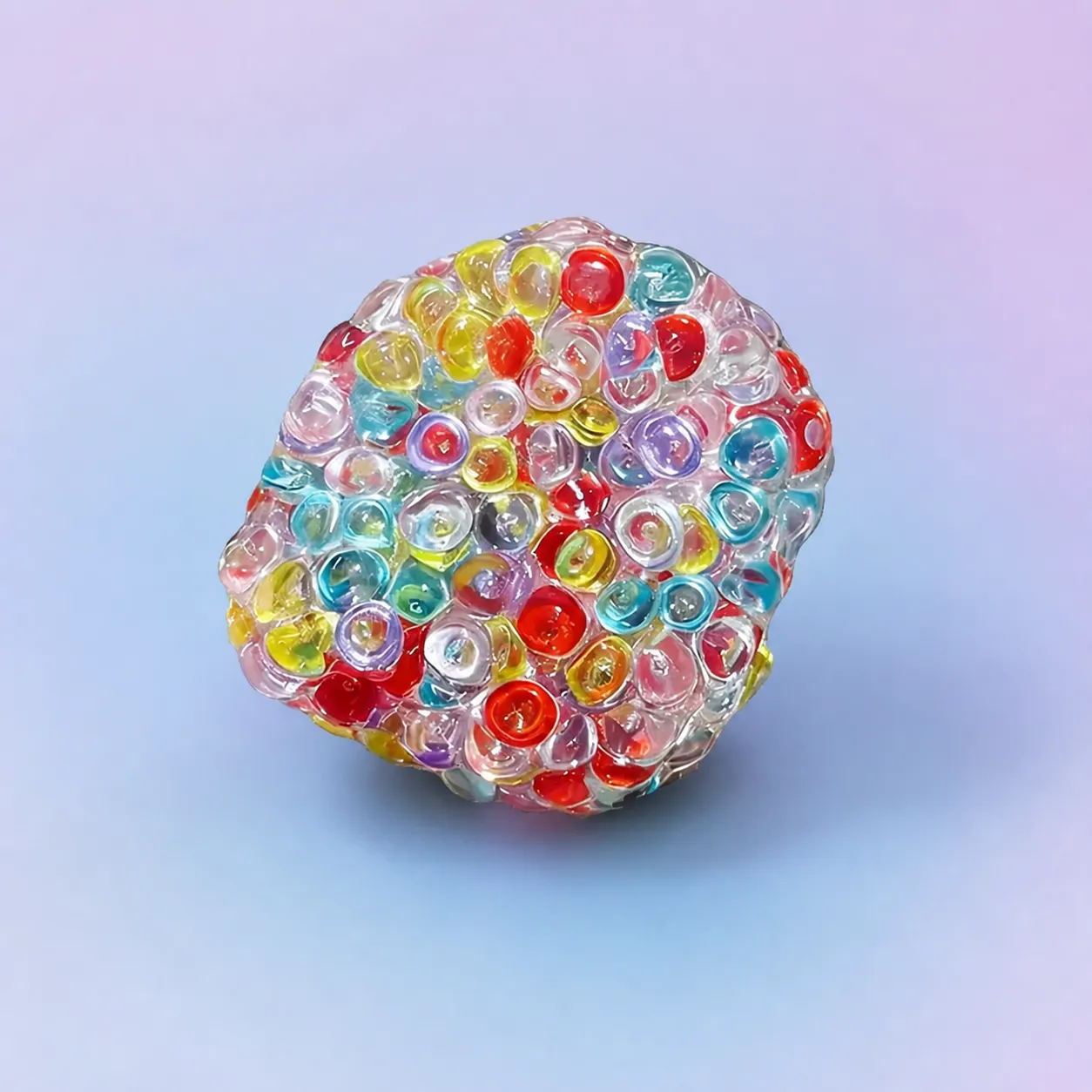
| A firm, springy squeeze that pushes back | Steady Hand Squeeze Stress Ball | Bubble-textured gel that compresses in the palm and springs straight back |
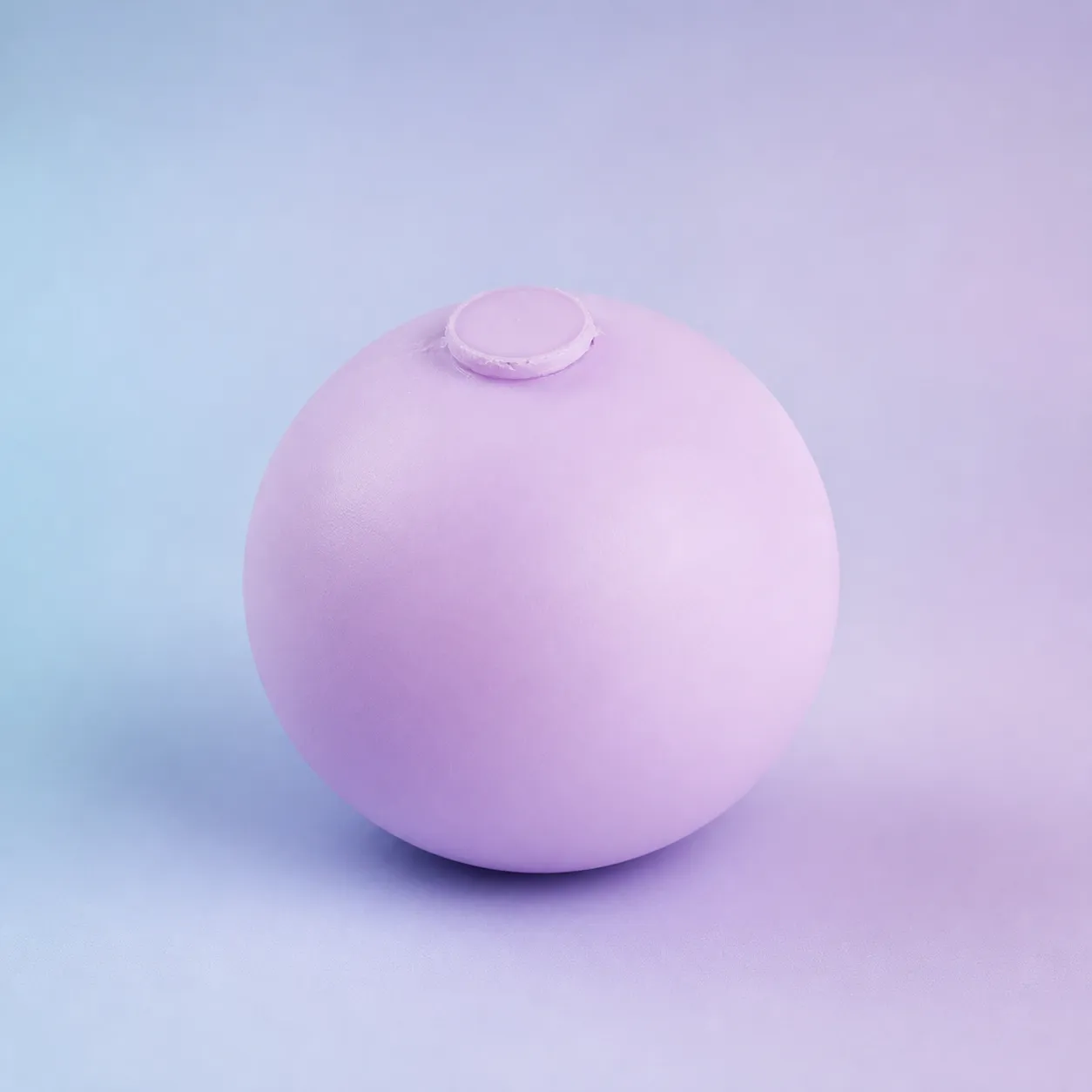
| A slow squeeze that holds its shape | Mold & Hold Dough Stress Ball | A flour-style fill that keeps a dent for a moment before you smooth it out |
| The quietest desk option | Any of the three | All silent in normal use |
| Something that survives carpet, hair, and pets | A stress ball | A sealed ball shrugs off what putty cannot |
A little more on the two balls, since “stress ball” is not one thing either.
The Steady Hand Squeeze Stress Ball ($8.99) is the classic firm-squeeze answer. Its translucent gel body is made of many rounded pockets, so it compresses under a full-hand squeeze and springs right back, and the pebbled surface gives fingertips more to read than a plain ball. This is the one for the clencher, the person whose stress lives in a tight grip.
The Mold & Hold Dough Stress Ball ($9.49) sits between putty and a springy ball. Its soft skin holds a flour-style fill that keeps the dent you press into it for a moment before you smooth it back, so you get some of putty’s slow, moldable satisfaction with none of the keep-it-off-the-carpet worry, because the fill stays sealed inside the skin. If the idea of loose putty makes you nervous but you like a slow squeeze, this is the middle path. One honest note it shares with the gel ball: do not pierce the skin, and keep it away from anything sharp.
So: putty for molding, the gel ball for a firm springy squeeze, the dough ball for a slow moldable squeeze that stays tidy. There is no single winner, only the one that matches your hands.
How do you care for thinking putty, and how long does it last?
Care is genuinely simple, and a good tin lasts for years. Store the putty in its tin between uses, keep it off fabric and hair, and lift off any lint with a fresh piece of putty. Because quality silicone putty won’t dry out, there is no water, no conditioning, and no fuss.
A few specifics worth having:
- Store it in the tin. The tin is not just packaging. It keeps the putty clean, contained, and off surfaces it should not touch. Back in the tin when you are done is the whole routine.
- Lift lint with more putty. If it collects fuzz, press a clean piece of the same putty against the bits to pull them off. It works better than picking at them by hand.
- Warm it if it stiffens. If it ever feels a touch firm, a minute of kneading in warm hands loosens it right back to that stretchy state.
- It won’t dry out. This is the quiet advantage over air-dry modeling clay. Leave the lid off by accident and it is fine; the putty simply does not cure.
For safety, our Calm Putty is non-toxic, BPA- and phthalate-free, and EN71 tested, and it is rated for ages 3 and up. As with any putty, keep it away from pets, and store it out of reach of very young children and anyone who might mouth it.
So, who is thinking putty actually for?
Thinking putty is for the person whose hands want to do something, and who likes to mold, stretch, and reshape rather than clench. If that is you, it is one of the best-value, longest-lasting, quietest fidgets you can keep on a desk, and it is easily worth it. If you would rather grip and squeeze, save your money for a stress ball and you will be happier.
Both live in the same little category, and both do the same underlying job: they give restless energy somewhere to go, calm you can keep in the palm of your hand. Buy the one that matches what your hands already reach for, keep the putty in its tin and off the carpet, and you will have made the right call.
Sources & further reading
We reference trusted organizations by name. This article is informational and not a substitute for professional medical advice.
- American Occupational Therapy Association: Occupational therapists use resistive putty and similar tactile materials for hand-strengthening and fine-motor work.
- CHADD: Discusses fidgeting and sensory tools as recognized strategies for focus and restlessness, particularly for ADHD.
- ADDitude: Covers fidget tools and hands-on materials as practical focus strategies for people who fidget to concentrate.
- Child Mind Institute: Provides guidance on sensory play and self-regulation tools for children and teens.
- ASTM International: Publishes the ASTM F963 toy-safety standard used, with EN71 in Europe, to test putty and other children's products.
Frequently asked questions
Is thinking putty worth the money?
For most people who like tactile fidgeting, yes. A tin costs about the same as a couple of coffees, lasts for years because it won't dry out, and gives hands an open-ended, quiet thing to do. It is worth it if you enjoy stretching and molding; it is not worth it if what you actually want is a firm ball to squeeze, in which case a stress ball is the better buy.
What does thinking putty feel like?
Soft, smooth, and stretchy. Pull it slowly and it stretches like taffy; pull it fast and it snaps clean; press it and it slowly flattens before you ball it up and start again. There is no right way to fidget with it, which is a big part of why it holds attention: your hands keep inventing small games with it.
Is thinking putty or a stress ball better?
Neither is better overall; they suit different hands. Putty is best if you like to mold, stretch, and reshape with no fixed form. A stress ball is best if you want to grip and squeeze something with real resistance that springs back. If you tense up and clench when stressed, a ball probably fits you better; if your hands like to knead and pull, choose putty.
Is thinking putty good for focus and anxiety?
Some people find that keeping their hands busy with putty helps them focus or take the edge off restless energy, and occupational therapists use resistive putty for hand work. That said, it is a supportive fidget and sensory tool, not a treatment or a cure, and the evidence on fidget tools is mixed but promising. If anxiety is persistent or getting in the way of daily life, please talk to a doctor or therapist.
Does thinking putty dry out or go bad?
Good silicone-based putty won't dry out, which is what separates it from air-dry modeling clay. Keep it in its tin between uses and it stays stretchy for years with no water or conditioning needed. If it ever feels a little stiff, warming it in your hands for a moment brings it back.
How do you get thinking putty out of carpet or hair?
The honest answer is that prevention beats any cleanup, so keep putty off fabric, carpet, hair, and pets from the start. If it does pick up small fibers or lint, press a fresh piece of putty against the mess to lift it off. For putty stuck in carpet or hair, the reliable fixes are a bit fiddly, which is exactly why we say to keep it on a hard desk and in its tin.