Is thinking putty safe if swallowed?
Thinking putty is not built to be eaten, and swallowing a real amount is not something to shrug off, though the honest middle answer is that a small, accidental mouthful is generally regarded as a choking and behavior concern rather than acute poisoning. It is a silicone polymer called PDMS, reacted with boric acid so it stretches, snaps, and bounces instead of sitting there like a liquid, made and sold as a toy rather than a food; no putty maker in this research runs a food-grade facility. If your child has actually swallowed some, keep reading. The next section tells you exactly what to check and who to call.
What is thinking putty actually made of?
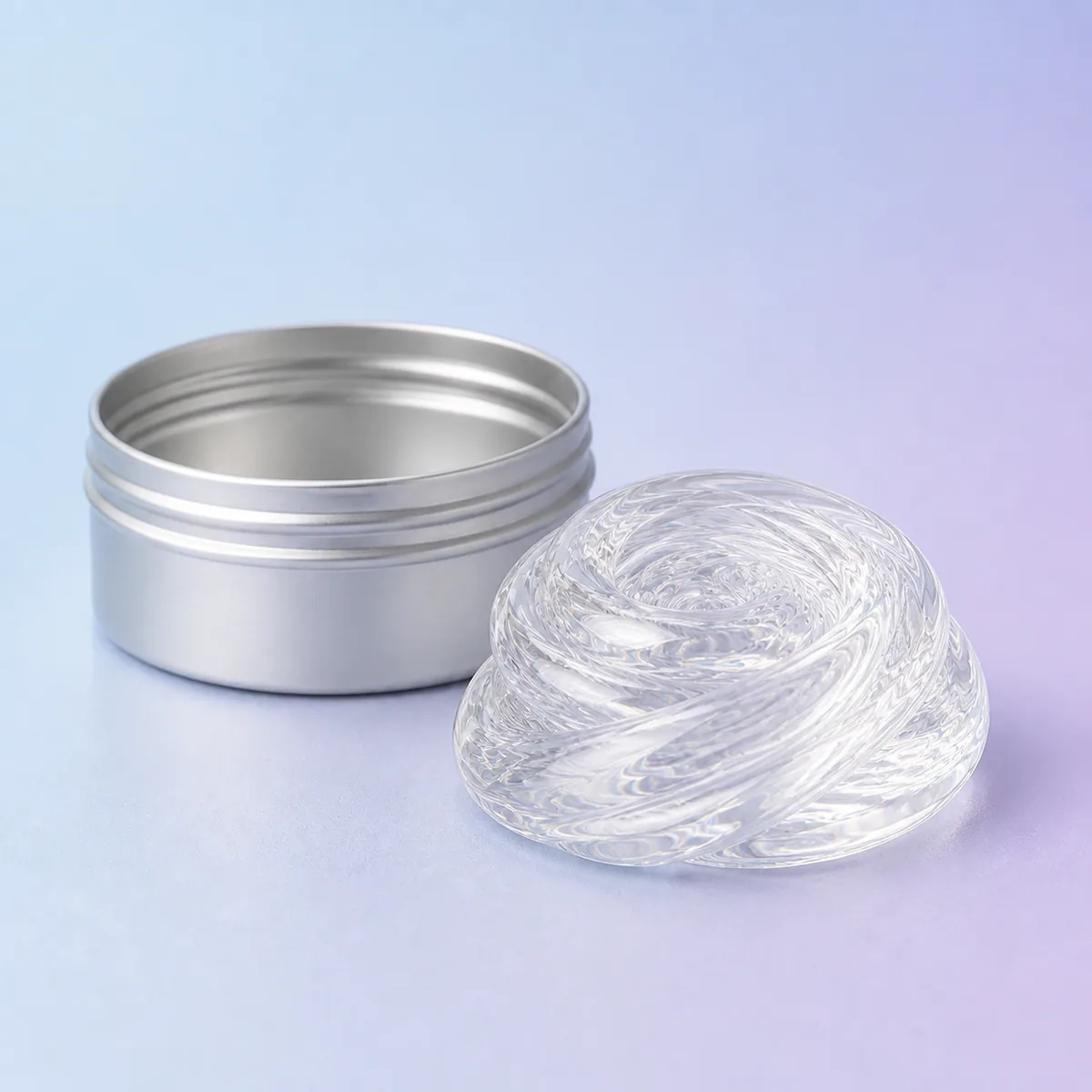
Silicone thinking putty is polydimethylsiloxane, a silicone polymer known as PDMS, reacted with boric acid, which crosslinks it into a stretchy, bouncy, non-Newtonian material. That reaction is why the putty flows like syrup under a slow pull and snaps like a solid under a sharp hit, and why the same lump bounces off a table and oozes through your fingers in the same afternoon. A representative historical formulation for this class of putty ran roughly two-thirds silicone polymer plus boric acid, with silica filler, a thickening agent, a touch of glycerine, and titanium dioxide for color; exact recipes vary by brand, but silicone and boric acid are the two ingredients that make putty behave like putty. Calm Putty is a silicone-based putty for that same underlying reason.
What should you do right now if your child swallowed putty?
Check breathing before anything else. Call 911 immediately if your child is coughing hard, gagging, unable to make a sound, or changing color, and do not wait to see if it passes on its own. If they mouthed or swallowed a small amount and seem otherwise normal, wipe the mouth, offer a sip of water, and keep watching closely rather than assuming the moment has passed.
| What happened | What it likely means | What to do |
|---|---|---|
| Putty touched the lips or tongue, nothing swallowed | Minor contact | Wipe the mouth, offer water, keep watching |
| A small piece was swallowed, child seems normal | Probably passes, not confirmed | Call Poison Control before assuming it is fine |
| Coughing, gagging, or no sound at all | Possible airway blockage | Call 911 immediately |
| Ongoing distress, vomiting, or refusing food and drink | Possible reaction or blockage | Call Poison Control and follow their guidance on emergency care |
Poison Control, at 1-800-222-1222 or through webPOISONCONTROL online, exists for exactly this call: a parent who does not know whether “probably fine” is actually fine. Use it. That is what the line is there for, and it costs a few minutes, not a trip anywhere.
Why does boric acid matter more than the silicone does?
Because boric acid is the ingredient doing the chemistry here, not the silicone. Silicone on its own is a fairly inert backbone; boric acid is the crosslinker that turns liquid silicone oil into solid, stretchy putty, and it is the ingredient toy-safety testing watches more closely. The EU and UK toy safety standard known as EN 71-3 specifically tests how much of a defined list of chemical elements, boron among them, migrates out of a toy material during normal handling. This research could not confirm the exact migration limit for boron in milligrams per kilogram, so we are not going to guess at a number here. What matters practically is simpler: boric acid is the reason putty is not food, and it is the reason a real, swallowed amount belongs in a phone call rather than a shrug.
Does “non-toxic” on the label mean it is safe to eat?
No, and the gap between those two claims is bigger than the label suggests. “Non-toxic” on a putty tin is a manufacturer’s own marketing description, not an independent safety certification or a toxicology finding, and putty makers say plainly that their tins are not produced in food-grade facilities. Kneading it, stretching it, bouncing it off the floor: all fine, all exactly what it is built for. Treating a tin like a snack, or assuming “non-toxic” means “edible,” is a different claim entirely, and not one any putty label is actually making.
How do you keep putty away from small mouths?
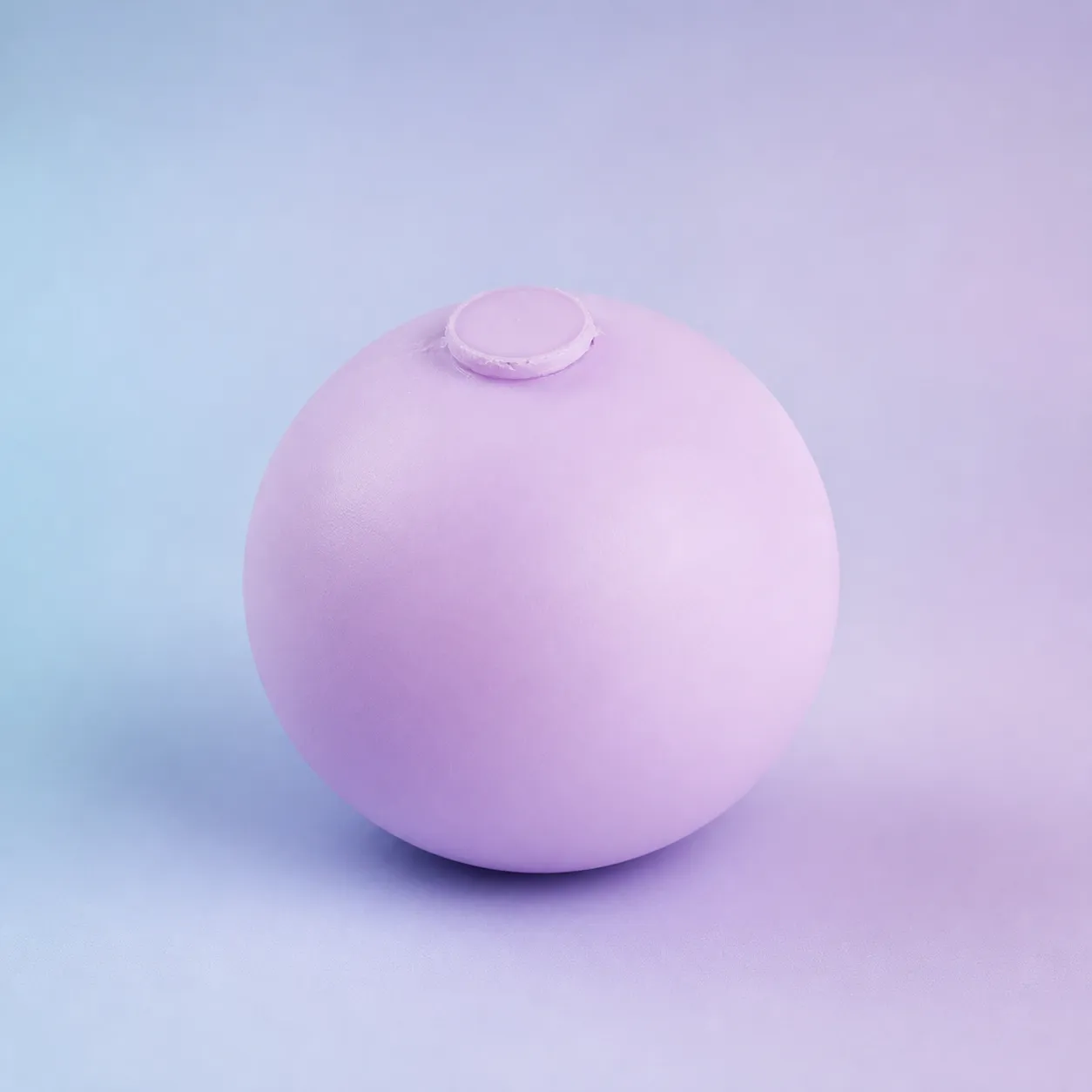
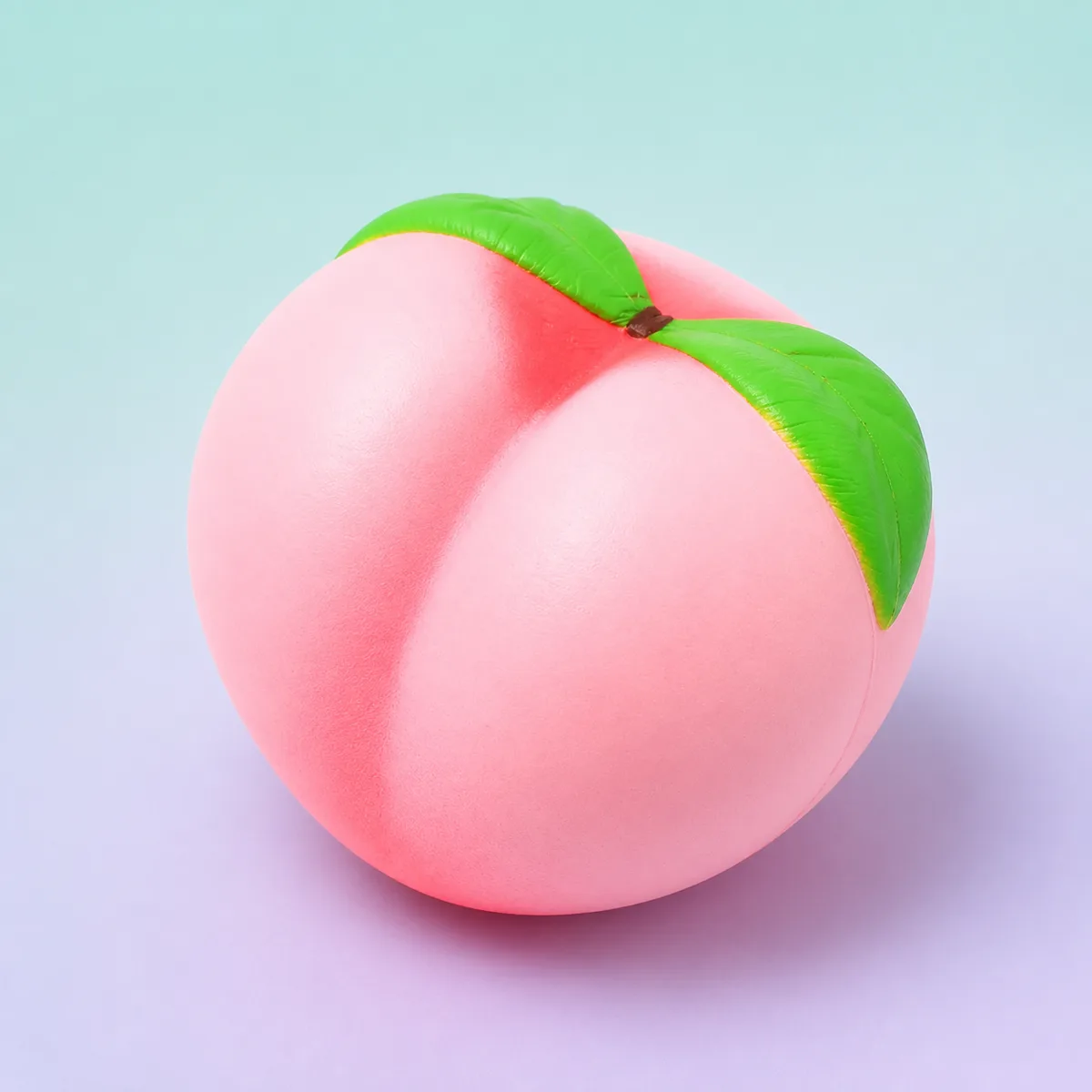
The plainest fix is matching the texture to the child in front of you. Young children explore new objects by mouth, which is exactly the behavior pediatric guidance points to when explaining why age labels and mouthing warnings exist on toys generally. A moldable, pinch-off putty invites that behavior more than most fidgets do, so it is worth treating the way you would treat anything else too small and interesting to leave on a low table. For a child who still mouths things, a slow-rise squishy like the Peachy Slow-Rise Squishy is a single soft piece with nothing to pinch off in small amounts, closer in feel but further from the risk. The Mold & Hold Dough Stress Ball is a different moldable texture worth the same caution, since dough-style fill is not built to be eaten either. None of these are food, whatever their texture suggests; what changes is how easily a piece comes away in a small hand, and putty comes away easily.
Where to start
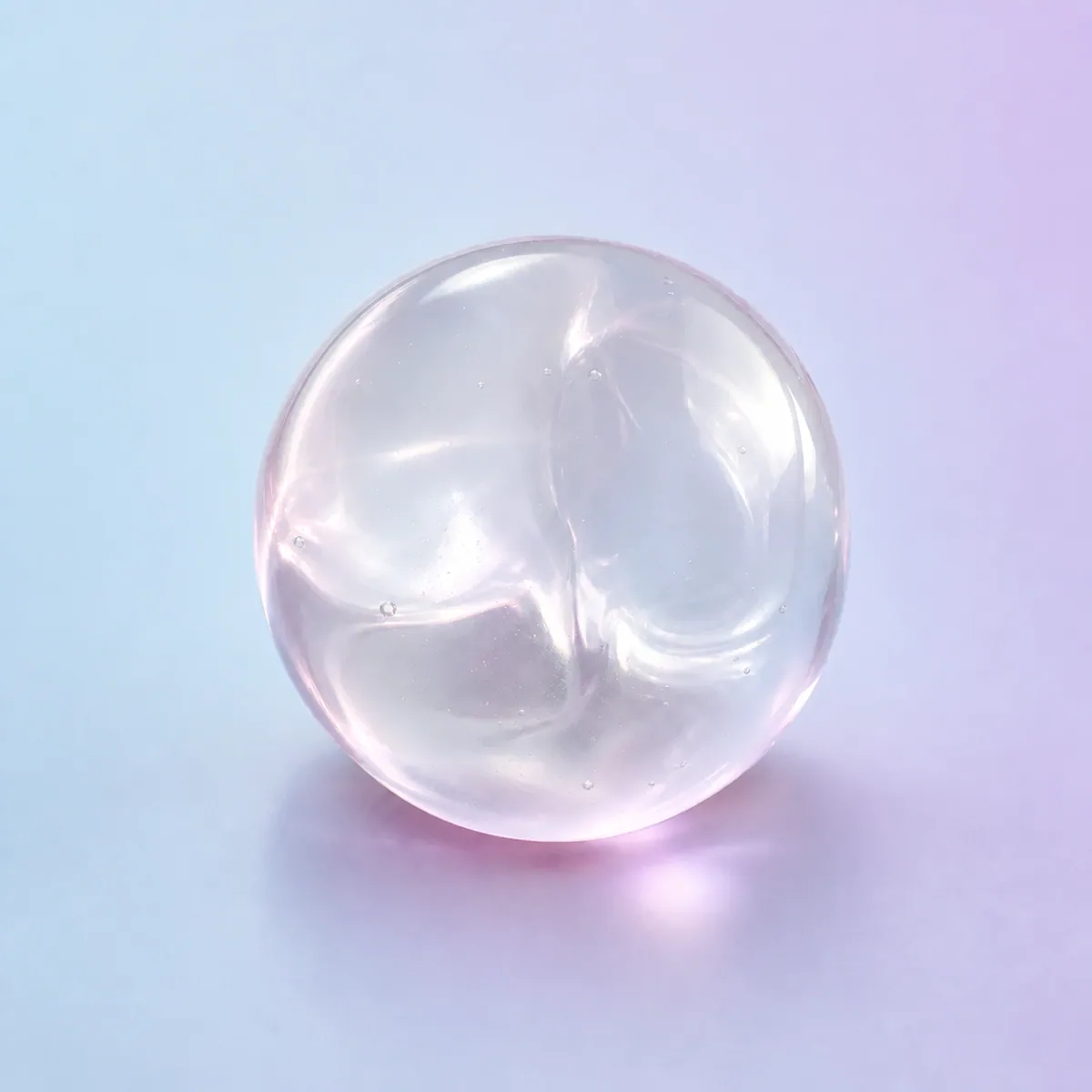
For a desk or an older kid’s hands, Calm Putty gives you the open-ended stretch and snap that makes putty worth having in the first place. For hands that want the stretch without loose, pull-apart pieces, the Jelly Blob Transparent Gel Fidget is true silicone gel in one solid mass. For a younger child, or for any hands you cannot watch every minute, put the putty away and reach for something built to be a single piece instead. Keep the Poison Help number, 1-800-222-1222, somewhere you would actually find it in a hurry, not just somewhere you meant to write it down. Calm in the palm of your hand, kept out of reach of the mouth that does not know better yet.
Sources & further reading
We reference trusted organizations by name. This article is informational and not a substitute for professional medical advice.
- Poison Control (National Capital Poison Center): Publishes guidance on what to do after a child swallows or mouths a non-food item, including when a call for help is warranted, through its website and the webPOISONCONTROL tool.
- America's Poison Centers: The national umbrella body for the accredited regional poison control centers; operates the 1-800-222-1222 Poison Help hotline that connects any caller to guidance on a suspected ingestion.
- American Academy of Pediatrics: Explains that young children explore new objects by mouth, the behavioral reason toy age labels and mouthing warnings exist in the first place.
Frequently asked questions
Is thinking putty poisonous if swallowed?
No source found treats it as an acute poison in small amounts, and putty makers describe accidental mouthing as a choking and behavior concern rather than a poisoning event. That said, putty is not produced in a food-grade facility, and nobody has published toxicity data clearing its boric acid crosslinker for swallowing. Call Poison Control at 1-800-222-1222 or use webPOISONCONTROL rather than assuming it is fine.
What is thinking putty made of?
Silicone thinking putty is polydimethylsiloxane, a silicone polymer, reacted with boric acid, which crosslinks it into a stretchy, bouncy, non-Newtonian material. It flows like syrup under slow pressure and snaps like a solid under a sharp hit. Calm Putty is silicone-based for that same underlying reason.
What should I do if my child swallowed thinking putty?
Check that they are breathing normally and are not coughing, gagging, or unable to make a sound, and call 911 immediately if any of that is happening. For a small amount swallowed with no distress, call Poison Control at 1-800-222-1222 or use webPOISONCONTROL and follow their guidance rather than waiting to see what happens. Keep the tin or a sample of the putty on hand in case they ask what was in it.
Does non-toxic mean thinking putty is safe to eat?
No. Non-toxic on a putty tin is a manufacturer's marketing description, not a food-safety certification, and putty makers say plainly their tins are not produced in food-grade facilities. It is fine to knead, stretch, and bounce; it is not fine to treat as edible.
Is the boric acid in putty dangerous?
Boric acid is the ingredient that crosslinks liquid silicone into putty, and it is the ingredient toy-safety testing watches more closely than the silicone itself. There is no published number here for a safe swallowed amount, which makes this a call-Poison-Control question rather than a guess-at-home one.
What is a safer choice for a child who mouths everything?
A single soft piece like a slow-rise squishy gives similar press-and-release feedback without the small, pinch-off pieces a moldable putty invites. Neither one is food, and both deserve the same supervision, but putty comes away in small pieces more easily than a solid squishy does. For very young hands, saving putty for later and choosing a single-piece toy now is the simpler fix.