How do you revive dried-out putty?
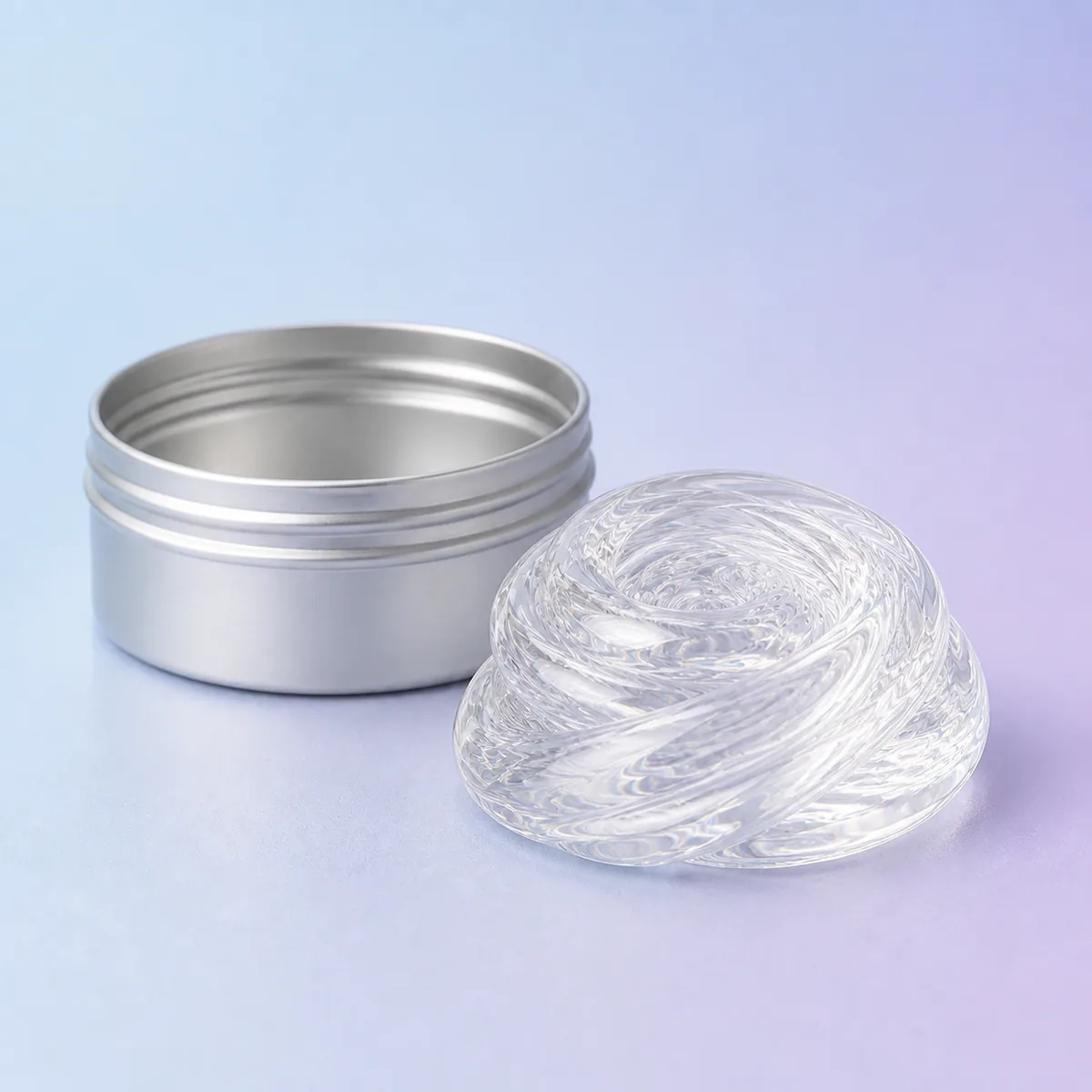
Before you go looking for a fix, it is worth asking whether your putty is actually dried out at all. Good silicone-based thinking putty rarely dries the way people expect, because it is not built on water content the way modeling clay or air-dry dough is, so there is no moisture inside it to slowly evaporate. A putty that feels stiff, gritty, or less stretchy than usual is almost always something else, and the fix depends on which something else it is.
We would rather walk you through the real cause than hand you a revival trick for a problem that, most of the time, is not the problem you think it is. Calm Putty is one of the toys people come back to for years precisely because it holds up this well.
Why doesn’t silicone putty dry out like clay or dough?
Because it does not depend on water to stay soft. Modeling clay and air-dry dough rely on water content for their texture, and that water genuinely evaporates over days and weeks, which is why an open lump of clay left on a desk really does harden. Silicone-based putty works on a different chemistry entirely, one that does not rely on evaporating water for its stretch, so simply sitting out does not cause the same slow hardening.
That is not a claim that putty is indestructible. It is a claim that the specific failure mode people call “dried out,” where a material loses water and stiffens, mostly does not apply here. Something else is almost always going on.
What is actually wrong when putty feels stiff or crumbly?
Usually one of two things: temperature or trapped debris. Cold putty is genuinely stiffer than warm putty, the same way many soft materials firm up in a cool room, so a tin of putty that has been sitting on a cold windowsill or in an unheated room will feel noticeably less stretchy than one kept at normal room temperature.
Trapped lint, hair, and crumbs are the other common culprit. Putty is sticky by design, which is exactly what makes it good at lifting debris off a desk or a sleeve, but that same stickiness means it holds onto whatever it picks up. A putty packed with fine lint can feel gritty, stiffer, and less smooth even though the putty itself has not changed at all.
What actually helps?
Warm it and knead it. Roll the putty between your palms or tuck it in a pocket for a few minutes to bring it up to room temperature, then knead it thoroughly. Most stiffness that people describe as “dried out” resolves with nothing more than warmth and a good, patient knead.
For debris, press a clean section of the same putty repeatedly against the lint or grit and pull it away, the way you would lift crumbs off a countertop with a piece of dough. Repeat a few times and most of what was making the putty feel rough comes out with it. What you should not do is wash it: water and soap ruin the texture of thinking putty, and since the putty was probably not actually dried out in the first place, water was never the fix.
Does the dough-filled stress ball or the gel blob dry out too?
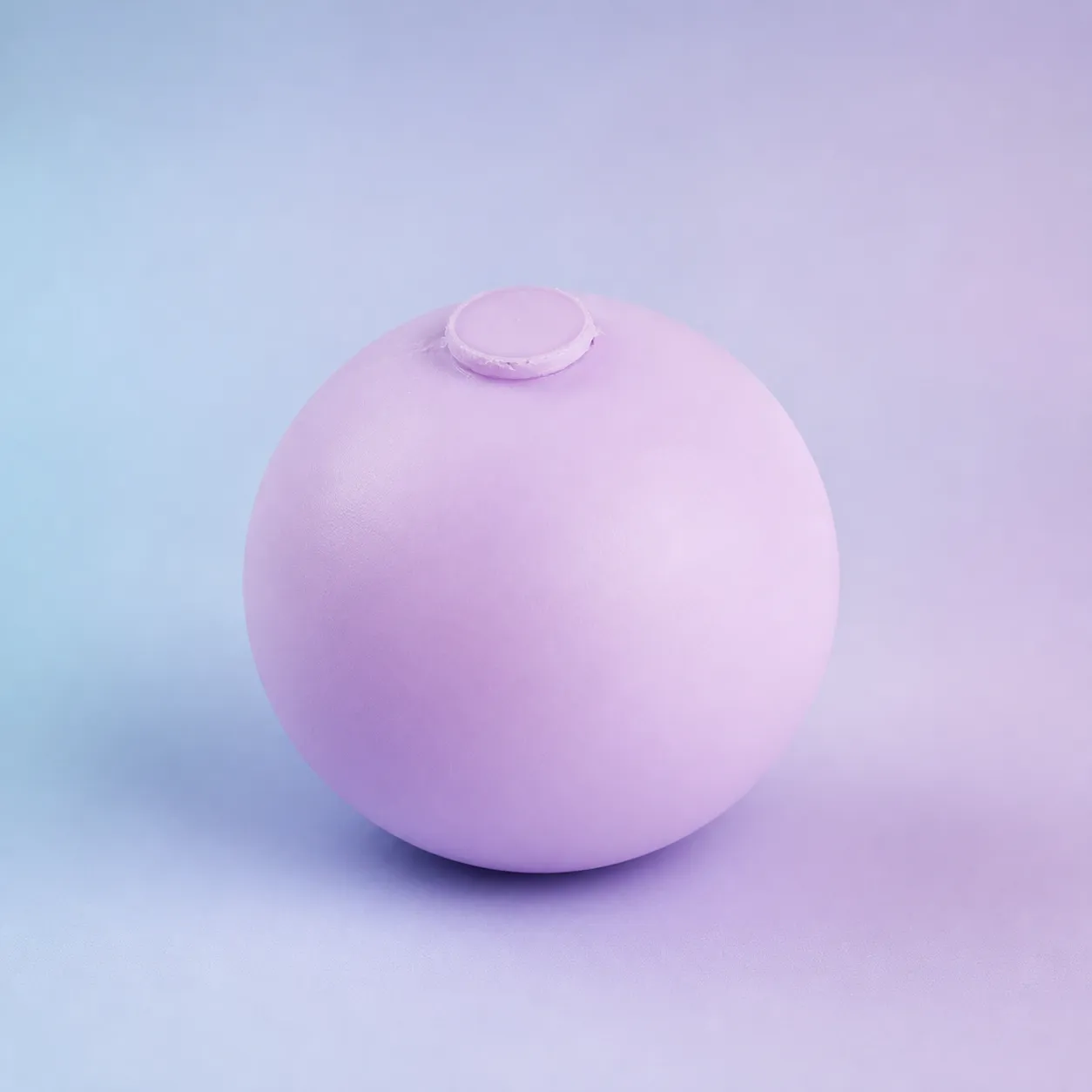
Not in the same way. Mold & Hold Dough Stress Ball has a flour-style fill sealed inside a TPR membrane, so unlike open clay sitting on a table, that fill is never exposed to the air that would dry it out. If a ball like this feels firmer than it used to, the more likely explanation is a cold room or the outer TPR skin, not the filling actually drying.
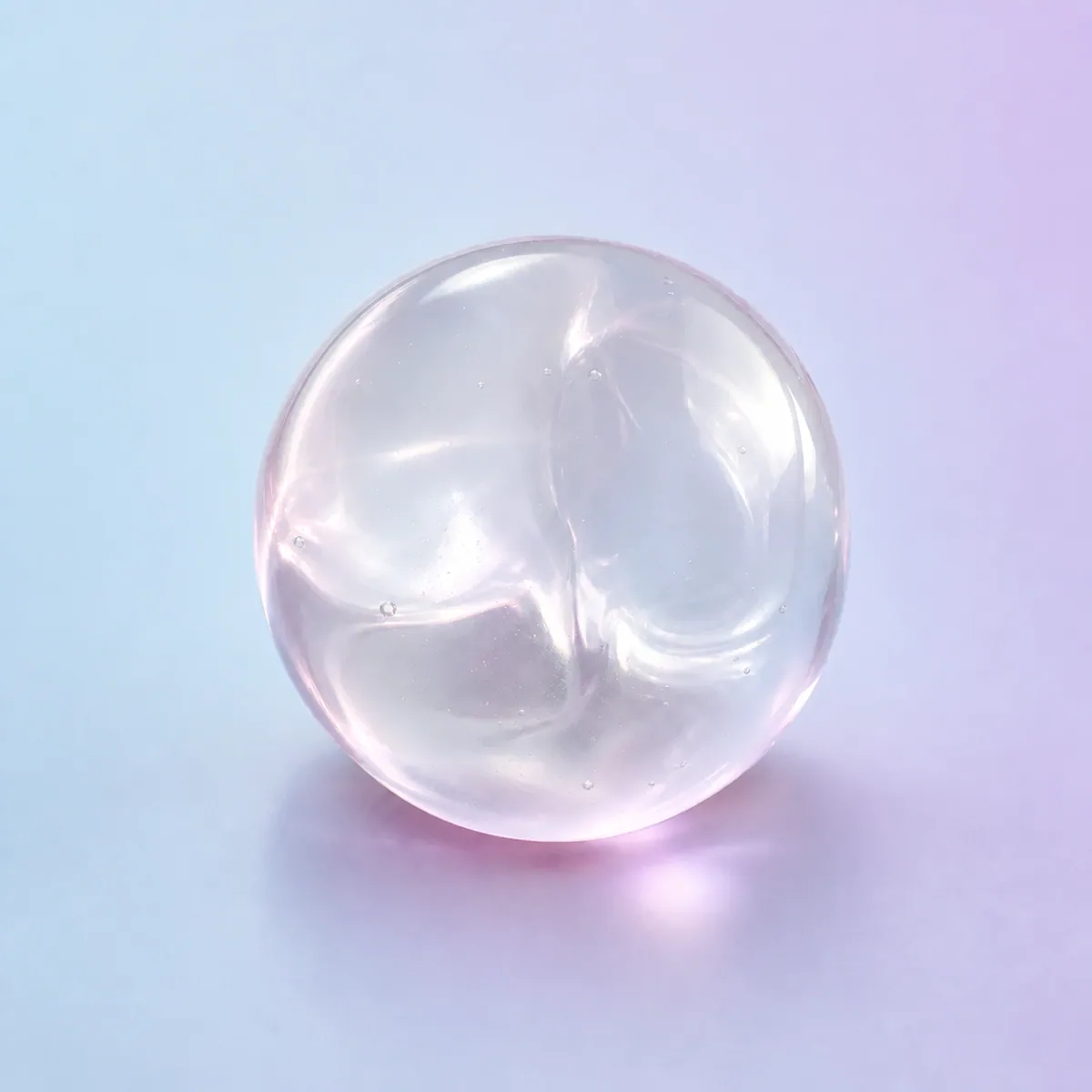
Jelly Blob Transparent Gel Fidget is a different material again, true silicone gel, and it does not dry out either. What it does do is pick up dust and lint against its completely clear surface, which can leave it looking dull or cloudy. That is a cleaning problem, not a drying problem, and a quick cool rinse resets it.
When is putty actually beyond saving?
Rarely, for the silicone-based kind, and it is worth being honest about that rather than overselling it. If a putty has genuinely hardened or cracked and stays that way no matter how long you warm it and knead it, that is real, permanent change, not the cold-and-lint story above. This shows up far more often in cheaper, non-silicone doughs that behave more like modeling clay and can dry out for real.
| What you notice | Likely cause | What helps |
|---|---|---|
| Stiff, less stretchy putty | Cold room or cold putty | Warm it in your hands for a few minutes, then knead |
| Gritty, rough texture | Trapped lint, hair, or crumbs | Press a clean section against the debris and pull it away |
| Firmer dough-filled stress ball | Cold room, or the outer TPR skin | Warm it; the sealed fill rarely dries out on its own |
| Cloudy or dull gel blob | Dust and lint on the clear surface | A quick cool rinse, not a revival trick |
| Genuinely cracked, will not soften | True hardening, more common in non-silicone dough | Usually not reversible; time to retire it |
Most putty problems are smaller than they feel in the moment: a cold tin, a few stray hairs, nothing that a warm palm and a patient knead cannot fix. Keep it in its tin, off fabric, and worked on a clean desk, and it should keep its stretch for years, not weeks. Calm in the palm of your hand.
Sources & further reading
We reference trusted organizations by name. This article is informational and not a substitute for professional medical advice.
- ASTM International: Publishes toy safety standards covering the plastics, silicone, and metals used in squishies and fidget toys.
- American Occupational Therapy Association: Occupational therapists describe sensory and fidget tools as possible supports for self-regulation, with effects that vary from person to person.
- Child Mind Institute: Frames sensory and fidget tools as supportive aids and points to professional support for anything diagnosable.
Frequently asked questions
Does thinking putty actually dry out?
Good silicone-based putty rarely does, because it is not water-based the way modeling clay or air-dry dough is, so there is no moisture to evaporate over time. If your putty feels stiff or crumbly, the more likely explanations are cold, trapped debris, or a non-silicone product that behaves differently from the start.
Why does my putty feel stiff in a cold room?
Temperature, not damage. Silicone putty firms up when it is cool and softens as it warms, the same general behavior many soft synthetic materials show. Warming it in your hands, a pocket, or a warm room for a minute or two usually brings the stretch right back.
How do you get lint and hair out of putty without washing it?
Knead a fresh piece of the same putty against the trapped debris and pull it away, repeating until the lint or hair lifts out. Water and soap ruin the texture of thinking putty, so this pressing-and-pulling method is the only cleaning it should get.
Does the flour-style filling in a dough stress ball dry out?
Not the way open clay does, because it is sealed inside a TPR membrane rather than exposed to air. If a ball like Mold & Hold Dough Stress Ball feels firmer than usual, that is more likely the temperature or the outer skin than the fill actually drying out.
Does a gel fidget dry out the way putty does?
No. A silicone gel blob like Jelly Blob Transparent Gel Fidget does not dry out, though it can pick up dust and lint and start to look cloudy since it is completely see-through. That is a cleaning problem, solved with a quick cool rinse, not a drying-out problem.
When is putty actually beyond saving?
When it has genuinely hardened or cracked and stays that way no matter how long you knead or warm it. This is uncommon in quality silicone putty and more common in cheaper, non-silicone doughs, which can dry out for real the way modeling clay does. At that point, no amount of handling brings the material back.