How do you clean a squishy or fidget toy?
Clean a fidget toy by matching the method to the material. Most squishies and gel toys take a wash in mild soap and lukewarm water followed by a full air-dry. A few, like thinking putty, foam, and anything with a fabric or mesh layer, need a gentler no-soak approach instead.
That one rule saves most toys from a well-meaning cleaning that ruins them. A gel squishy loves a quick rinse; the same rinse waterlogs a mesh-wrapped squeeze ball and destroys a tin of putty. So before you run the tap, look at what you are holding.
A few golden rules apply to almost everything:
- Lukewarm, never hot. Hot water and any kind of dryer soften, warp, and melt soft toys.
- Mild soap only. A drop of dish or hand soap is plenty. Skip bleach, vinegar, and solvents on soft materials.
- Dry it completely. Trapped moisture means mildew and a musty smell. Air-dry fully before you put a toy away.
- Gentle hands. Fingertips or a soft cloth, never an abrasive pad or a melamine sponge, which scratch glossy and soft surfaces.
Below is the by-material breakdown, from the toys that take a wash to the ones that never should.
How do I clean a squishy or gel fidget?
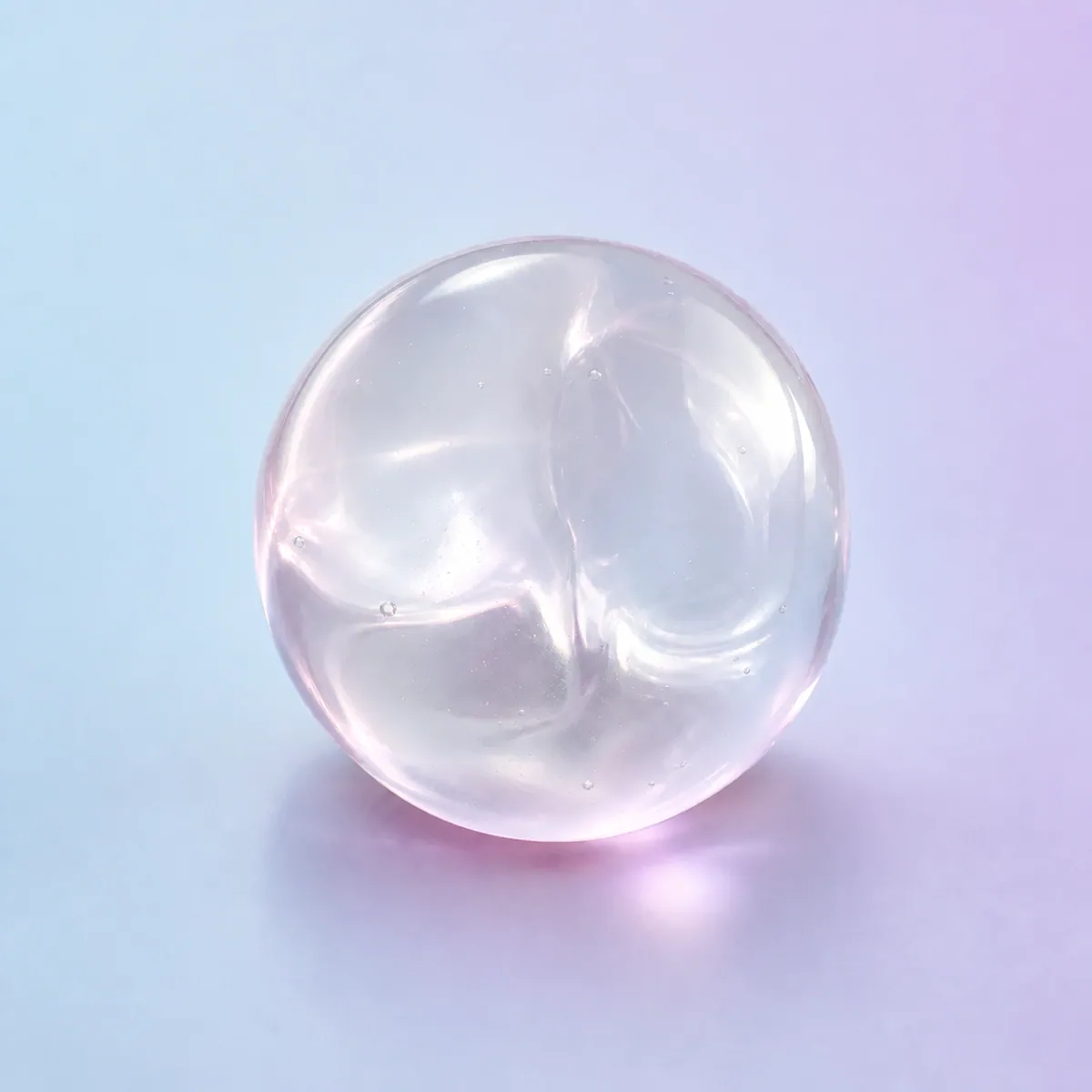
Wash it with a drop of mild soap and lukewarm water, rinse, pat dry, and let it air dry all the way. This covers most solid squishies and gel toys, including the Shelly Sea Turtle Gel Squishy and the Jelly Blob Transparent Gel Fidget.
Work the lather over the surface with your fingertips, then rinse the soap off under lukewarm (not hot) water. Pat with a lint-free towel and leave it to air dry at room temperature. Never finish a squishy in a tumble dryer or with a hair dryer on hot, because heat is the fastest way to ruin the surface.
Two honest notes by material:
- Clear gel picks up everything. A see-through fidget like the Jelly Blob Transparent Gel Fidget shows off every speck of dust and lint it collects, so it needs cleaning more often. Keep it on a clean surface, give it a quick cool rinse when it looks cloudy, and pat it dry.
- Foam is different. Slow-rise polyurethane foam squishies should be spot-cleaned with a barely-damp soapy cloth, never soaked. Foam absorbs water, takes forever to dry, and can break down inside if you drench it.
How do I clean a water-bead squeeze ball?
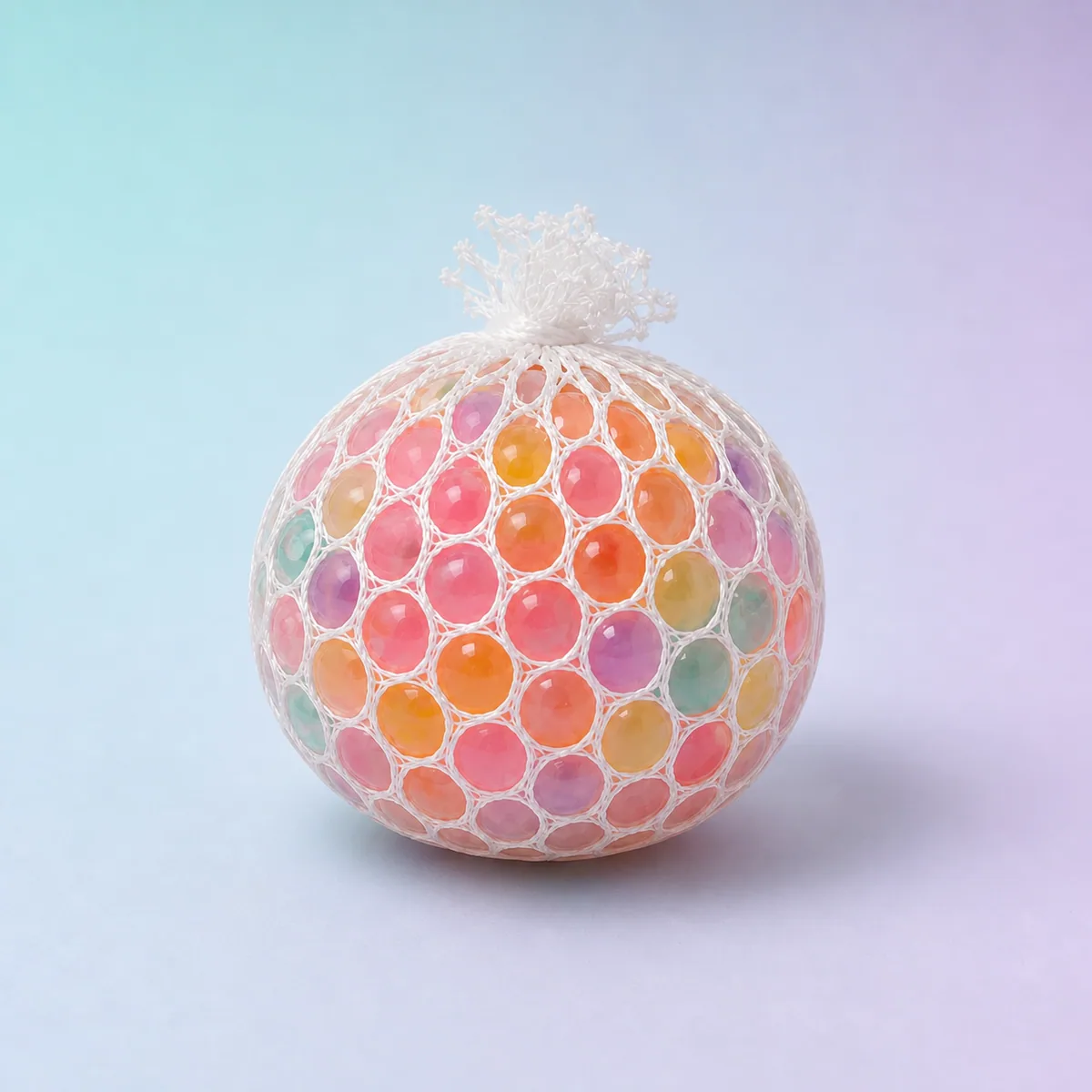
Wipe the outer skin with a damp cloth and a little mild soap, then dry it. Do not submerge a water-bead squeeze ball, and never puncture it. A ball like the Calm Orb Water-Bead Squeeze Ball has a stretchy nylon mesh net over a soft membrane, and that mesh traps water and stays damp for days if you dunk it.
So clean only the outside. Wipe the skin and net, wipe again with a clean damp cloth to lift the soap, and let it air dry fully before it goes back in a bag. If the surface feels tacky, a quick wipe usually resets it.
One safety point worth stating plainly: the beads inside are not meant to be released. Reputable pediatric and safety groups, including the American Academy of Pediatrics and the U.S. Consumer Product Safety Commission, warn that loose water beads are a serious swallowing and choking hazard for young children, and they can expand inside the body. That is a strong reason to keep the ball sealed, never cut it open to clean it, and keep it away from little kids and pets.
How do I clean thinking putty?
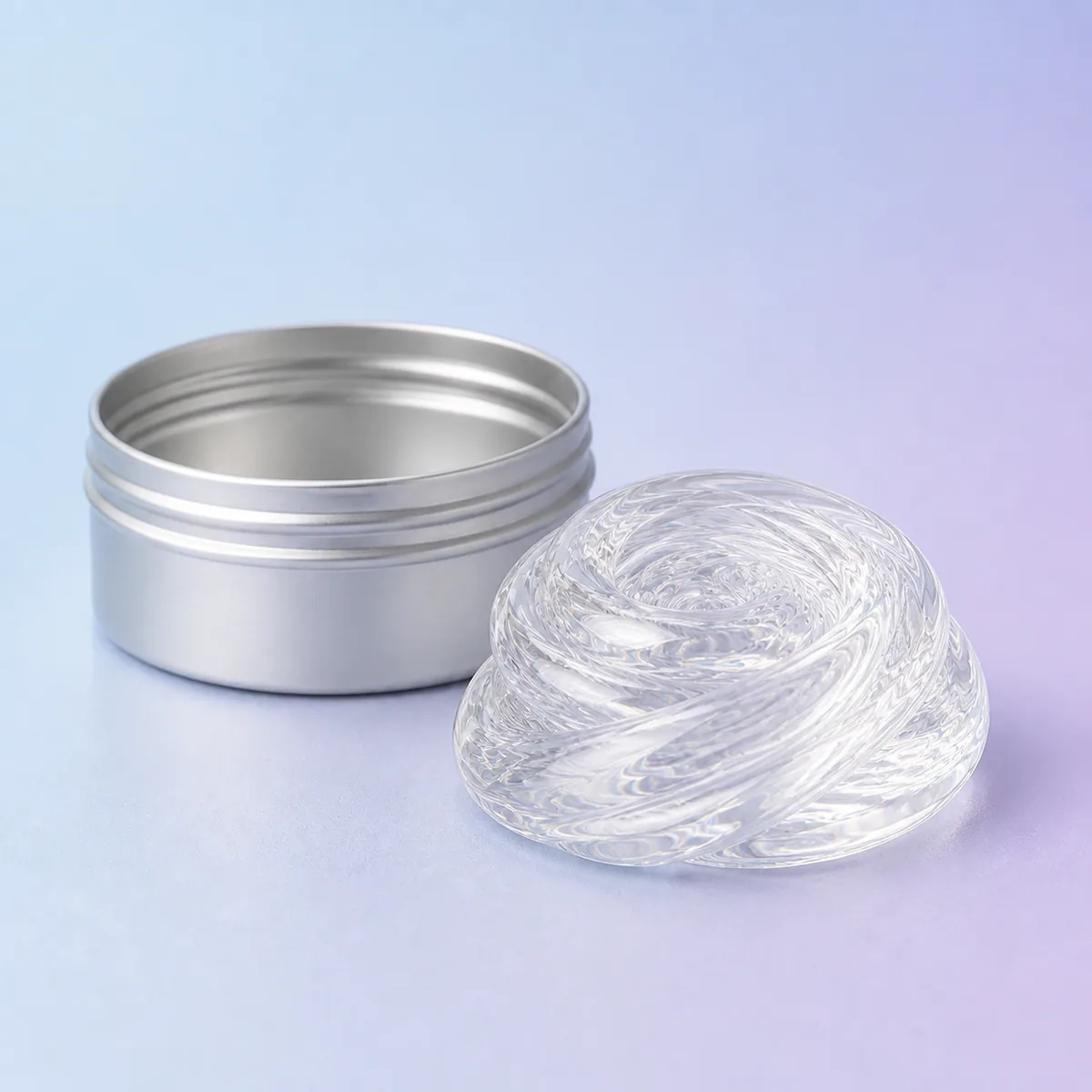
You do not wash thinking putty. Instead, press a fresh piece of the same putty onto any lint, hair, or crumbs caught in it, and the debris lifts right out. Repeat until it is clean, ball it up, and store it in its tin. Soap and water ruin the texture, and good putty never dries out, so it does not need them.
This is exactly how Calm Putty is meant to be maintained. The putty itself is the cleaning tool: dab it against the stray fluff, peel it away, and the hair or lint comes with it. If a bit of grit is stubborn, take a clean pinch of the putty and press repeatedly over the spot.
The real trick with putty is prevention. Keep it off fabric, carpet, upholstery, and hair from the start, because those are the messes it cannot fully shed. Worked on a hard desk and kept in its tin between sessions, a good putty stays clean and stretchy for years.
How do I clean fidget rings and hard fidgets?
Wipe them with a soft or slightly damp cloth, and for grit use a drop of mild soap and water, then dry fully. Hard, non-porous fidgets are the one category where a little rubbing alcohol is fine.
For the Quiet Spinner Sensory Ring Set (3-Pack), wipe the stainless steel to keep its shine, and when grime collects between the beads and wires, a drop of mild soap and water clears it out. Rinse, then dry the rings completely so they do not spot. Because these are worn on the hand all day, they earn a wipe more often than most toys.
Hard plastic and metal can also take a little rubbing alcohol on a cloth if you want to disinfect, for example a click cube or a push-pop after someone has been sick. Here is the caution that matters most: keep alcohol, sanitizer gel, and harsh wipes away from soft rubber, gel, foam, and slow-rise squishies. They dry those materials out, cloud them, and can crack the surface. Alcohol belongs on metal and hard plastic only.
What should you never do when cleaning a fidget or squishy?
Avoid heat, soaking the wrong materials, harsh chemicals, and anything abrasive. Most ruined fidget toys are not dirty, they were cleaned too aggressively. Keep this short do-not list handy.
| Do not | Why it harms the toy | Do this instead |
|---|---|---|
| Put a squishy in a hot tumble dryer or use a hot hair dryer | Heat warps, melts, and re-softens the surface | Pat dry and air dry fully at room temperature |
| Soak PU foam squishies or anything with a mesh or fabric layer | Foam and fabric hold water, stay damp, and can grow mildew or break down | Spot-clean or wipe the outer skin only |
| Wash thinking putty with soap and water | It ruins the texture, and the putty never needs water | Lift debris out with a fresh piece of the same putty |
| Use alcohol, vinegar, bleach, or solvents on soft TPR, gel, or foam | They dry out, crack, cloud, or dissolve soft surfaces | Mild soap and lukewarm water only; save alcohol for hard plastic and metal |
| Puncture a gel or water-bead toy to clean inside | The filling leaks, the toy is finished, and loose gel or beads are a mouth hazard | Clean the outside only, and retire it if the skin splits |
| Scrub with an abrasive pad or melamine sponge | They scratch and dull soft and glossy surfaces | Use fingertips or a soft cloth |
How often should you clean your fidget toys?
For a toy you use every day, a quick clean every week or two is plenty, with a fuller clean sooner if it has been shared, dropped somewhere grubby, or handled while you were unwell. Fidget toys live in pockets and palms, so they collect skin oils and germs like any often-touched object.
You do not need a routine or a schedule to feel anxious about. A wipe when a toy looks or feels grubby, a gentle wash before buildup gets bad, and a proper clean after it has been passed around a classroom or a sick day covers it. Public-health bodies like the Centers for Disease Control and Prevention and the Cleveland Clinic point to the same simple idea for anything you touch a lot: clean it regularly, and clean your hands too.
Cared for this way, a good fidget toy stays smooth, quiet, and ready for years. Keep it clean, keep it close, and let it do its small job: calm in the palm of your hand.
Sources & further reading
We reference trusted organizations by name. This article is informational and not a substitute for professional medical advice.
- U.S. Consumer Product Safety Commission: The US toy-safety regulator, which has issued public warnings about loose water bead products and guidance on children's toys.
- American Academy of Pediatrics: Pediatric health organization whose HealthyChildren.org resources warn about the ingestion and safety risks of water beads.
- Centers for Disease Control and Prevention: Provides public guidance on cleaning household items and hand hygiene to reduce germs on frequently handled surfaces.
- Cleveland Clinic: Consumer health resources on everyday cleaning, germs, and hand hygiene for shared and often-touched objects.
- ASTM International: Publishes toy safety standards covering the plastics, silicone, and metals used in squishies and fidget toys.
Frequently asked questions
Can you wash a squishy with soap and water?
Yes, most solid TPR and gel squishies take a gentle wash in mild soap and lukewarm water, then a full air-dry. Slow-rise polyurethane foam squishies are the exception: spot-clean those with a barely-damp cloth and never soak them, because foam holds water and can break down.
How do you dry a squishy after washing it?
Pat it with a lint-free towel, then let it air dry completely at room temperature. Never use a hot hair dryer or a tumble dryer, since heat warps and re-softens soft squishies. Make sure it is bone-dry before storing so it does not turn musty.
How do you clean thinking putty?
You do not wash it. Press a fresh piece of the putty onto any lint, hair, or crumbs stuck in it to lift them out, then ball it up and keep it in its tin. Water and soap ruin the texture, and quality putty never dries out, so it does not need them.
Can you use disinfectant wipes or alcohol on fidget toys?
Only on hard, non-porous ones like metal rings or hard-plastic clickers. Alcohol and harsh wipes dry out, cloud, and crack soft TPR, gel, and foam, so clean those with mild soap and lukewarm water instead. When in doubt, treat a soft toy gently and save the alcohol for metal and hard plastic.
Is it safe to get a water-bead squeeze ball wet?
Wipe the outer skin with a damp cloth, but do not submerge it if it has a mesh or fabric layer, since that traps water and stays damp. Never puncture the membrane. The water beads inside are a serious swallowing hazard for young children and pets, so keep the ball sealed and out of little hands.
How often should I clean my fidget toys?
For toys you use every day, a quick clean every week or two keeps skin oils and germs down. Clean one sooner if it has been shared, dropped somewhere dirty, or if you have been unwell. Frequently handled objects pick up more than they look like they do.