Gel blob vs. water bead ball: what’s the real difference?
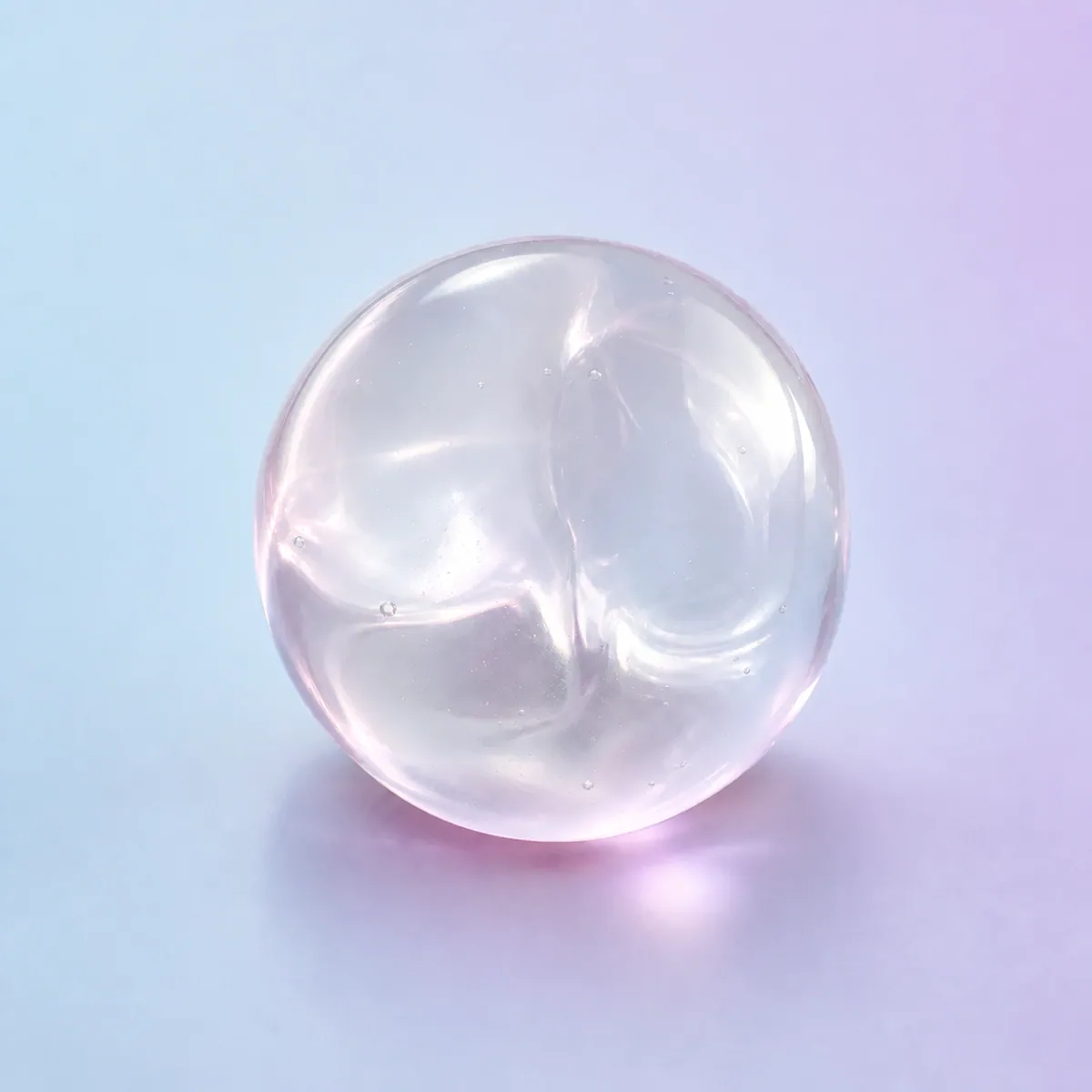
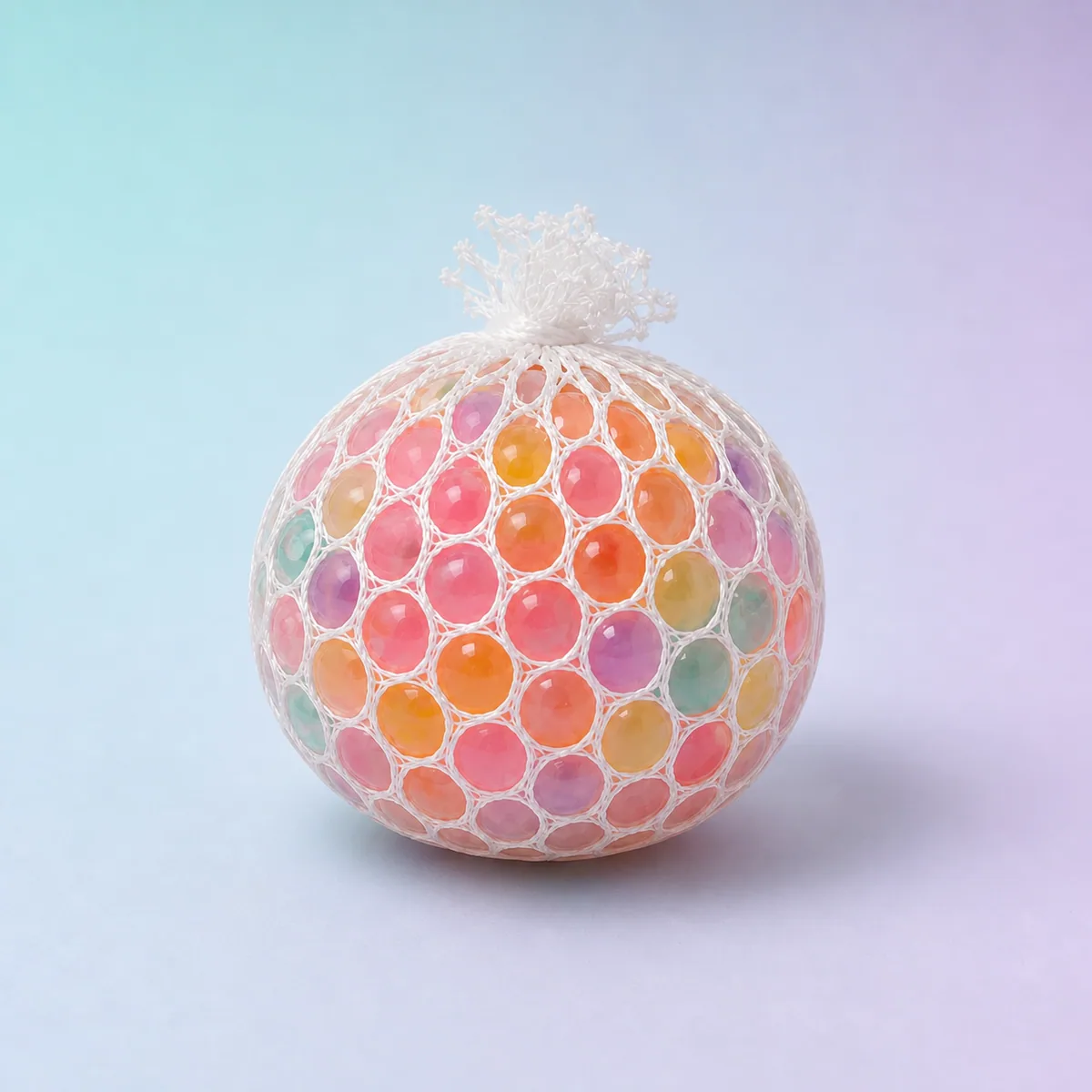
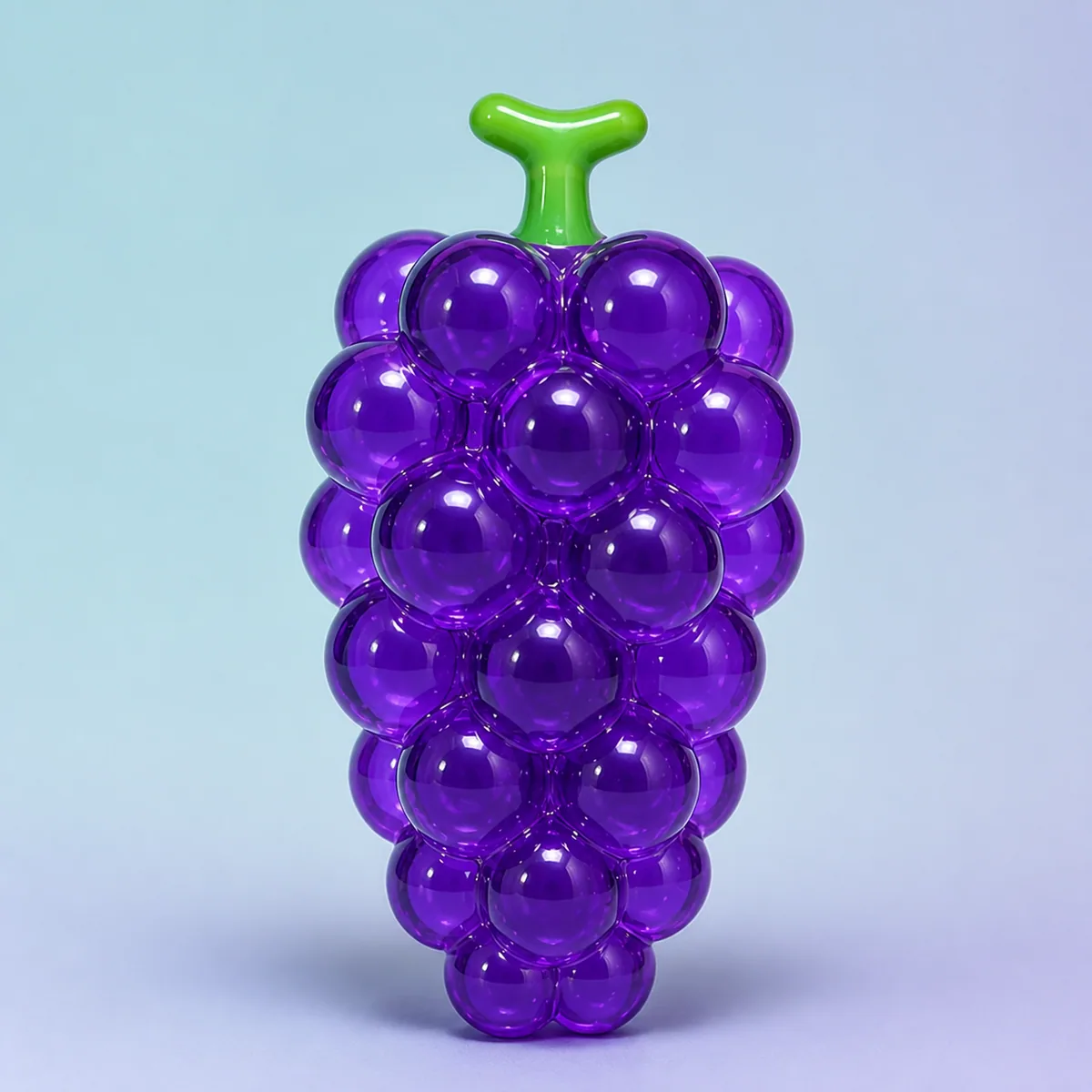
They can look alike on a shelf, both squishy, both a little see-through, but the material underneath is not the same at all. A gel blob like our Jelly Blob is a single, continuous piece of true silicone gel: one solid mass that oozes, stretches, and slumps through your fingers. A water bead ball like our Calm Orb or Bubble Grapes is a flexible outer shell packed with thousands of tiny, individually squishy beads. One toy is one material behaving like a liquid. The other is one material acting like a container for many small ones.
What is each one actually made of?
The Jelly Blob is true silicone gel, the genuine material. We are direct about that distinction on purpose: a few of our slow-rise squishies carry the word Gel in their product name for how they look, but their actual material is TPR, not gel. The Jelly Blob is the one product in the shop that is really made of silicone gel.
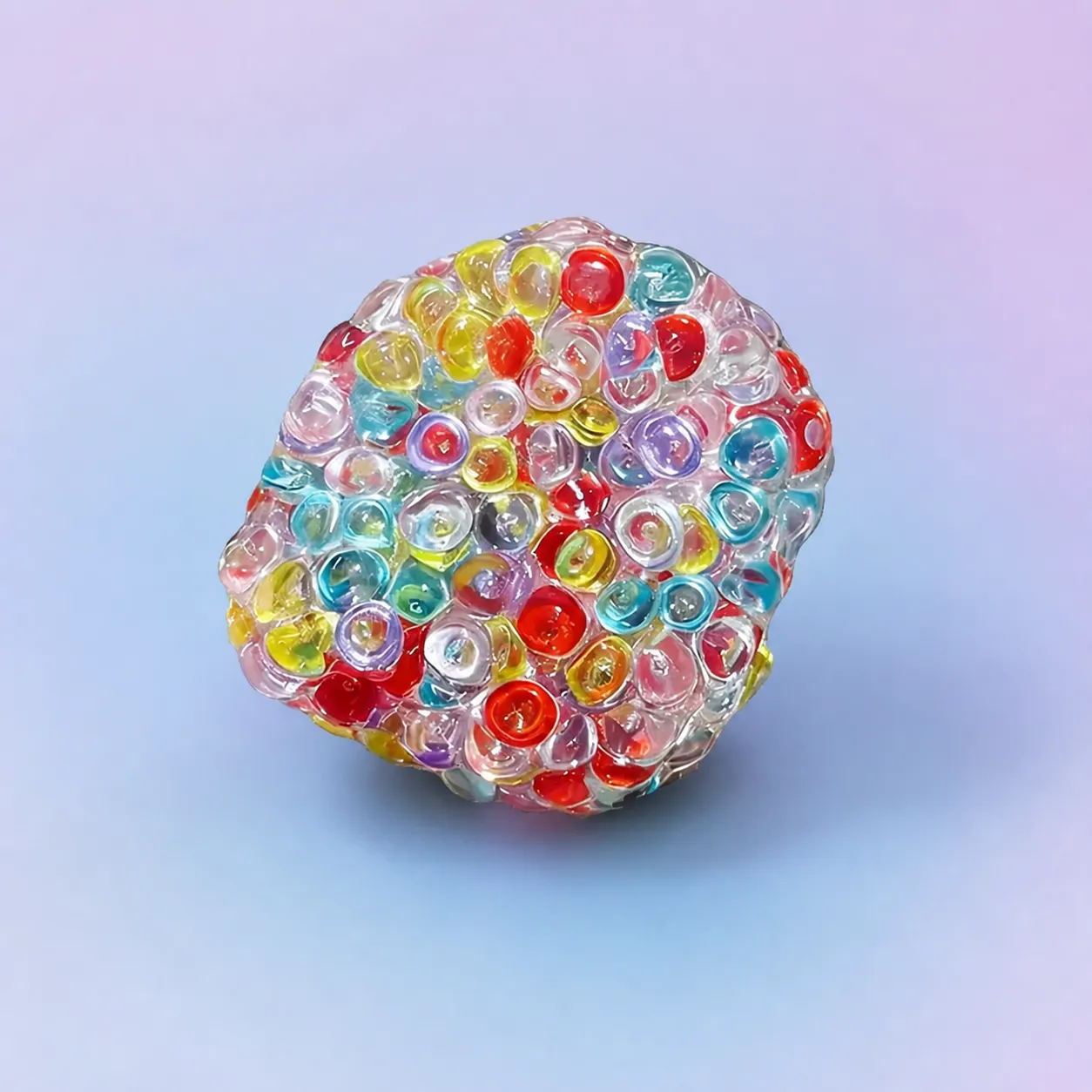
The Calm Orb and Bubble Grapes work differently. Their outer shell is TPR, a flexible rubber-like plastic, wrapped in a stretchy mesh sleeve. Inside, instead of one continuous gel, they are filled with hundreds of small water-bead pellets, tiny spheres of sodium polyacrylate, a superabsorbent polymer that holds water and swells into a soft, squishy bead. It is the same base chemistry used in some diapers and garden soil crystals, just shaped into small beads and sealed inside a toy. The Steady Hand Squeeze Stress Ball is a third, simpler option: a solid TPR ball with a translucent, gel-like look and a bumpy surface, but no beads and no internal fill at all, just one piece of material.
How does each one feel in the hand?
The Jelly Blob moves like a single slow liquid: press it and it slumps, stretch it and it thins out, let go and it slowly pools back into itself. There is no texture inside it, just one continuous ooze.
The Calm Orb and Bubble Grapes feel granular by comparison. Squeeze one and you feel individual beads shift and bulge against the mesh and each other, then settle back when you let go, a bumpier, more textured give than the Jelly Blob’s smooth ooze. The Steady Hand ball sits in between: one smooth compress with a bubbled surface, no ooze and no graininess, just a quiet, even squeeze.
What happens if a water bead ball bursts?
This is the honest tradeoff worth knowing before you buy one. The TPR shell on a water bead ball can tear if it is cut, bitten hard, or simply ages out after a long life of squeezing, and if it does, the beads inside spill out. Wet, they are slippery underfoot and on hard floors. Dry, once they lose their water content, they shrink back down to hard little pellets that can look like small candy, exactly the shape that tempts a young child to put one in their mouth.
That is the real risk with any water bead product, sealed or not: the beads themselves are the same substance sold loose as a sensory or garden material, and loose water beads are well documented as dangerous if swallowed, since they keep absorbing fluid and swelling internally. A Jelly Blob does not share this failure mode at all. If it ever tears, you are just looking at more of the same solid gel, nothing to spill and nothing small to lose track of.
How do you clean up a burst water bead ball?
Move quickly and keep it simple. Sweep or vacuum dry beads rather than leaving them on the floor, wipe any wet residue with a damp cloth, and check nearby carpet or upholstery for beads that rolled out of sight. Do not rinse a large number of beads down a sink or a drain; they keep absorbing water and can swell enough to catch in a trap or a pipe bend. Once a shell has torn, retire that toy. It is not worth trying to patch or keep using, and a new one costs less than the cleanup would if it burst again somewhere less convenient.
Are water bead products safe for children?
Treat them as a supervised, older-kid-and-up product, not a toddler toy. The beads inside our Calm Orb and Bubble Grapes are sealed behind a TPR shell, so under normal handling nothing loose ever reaches a child’s hands. But that seal is the entire safety plan: if it ever fails, what spills out is the same small, swallowable bead that loose water bead warnings are about, and loose water beads are never appropriate for children under three. For a young child’s room, the Jelly Blob or a slow-rise squishy is the safer texture-forward choice, since there is nothing inside them to come loose in the first place.
The quick comparison
| Jelly Blob (gel) | Water bead ball | Steady Hand (TPR) | |
|---|---|---|---|
| Material | True silicone gel | TPR shell, water-bead fill | Solid TPR, no fill |
| Feel | Smooth, continuous ooze | Granular, bulging beads | Even, quiet compress |
| If it tears | More of the same gel | Beads spill out | Nothing to spill |
| Best for | Slow, stretchy desk fidgeting | A bumpy, bulging squeeze | A simple full-hand squeeze |
So which should you choose?
Choose the Jelly Blob if you want the purest ooze-and-stretch feel and the least cleanup risk if something ever goes wrong. Choose the Calm Orb or Bubble Grapes if your hands specifically want that granular, bead-bulging texture, and you are comfortable supervising it the way you would any small-parts toy. Choose the Steady Hand ball if you want a gel-look squeeze with none of the bead question at all, just one solid piece that compresses and lets go. Whichever one earns a spot on your desk, the promise is the same: something quiet to press until your hands settle. Calm in the palm of your hand.
Sources & further reading
We reference trusted organizations by name. This article is informational and not a substitute for professional medical advice.
- U.S. Consumer Product Safety Commission: Has warned that water beads can cause serious injury if swallowed by young children; age ratings and small-parts warnings on sensory toys exist for this reason.
- U.S. Government Publishing Office: Publishes the federal small-parts safety rule (16 CFR Part 1501), which governs toy safety testing for items intended for children under three.
- MedlinePlus (National Library of Medicine, NIH): Advises parents of infants and young toddlers to choose toys without small parts, reflecting how common hand-to-mouth exploration is at that age.
Frequently asked questions
What is the difference between a gel blob and a water bead ball?
A gel blob is one continuous piece of true silicone gel that oozes and stretches. A water bead ball is a TPR shell filled with thousands of tiny water-absorbing beads that bulge and settle individually as you squeeze. The feel, the material, and what happens if either one tears are all different.
Is the Jelly Blob actually made of gel?
Yes. The Jelly Blob is true silicone gel, the genuine material. A few of our slow-rise squishies carry the word Gel in their product name for the look, but their actual material is TPR. The Jelly Blob is the one product in the shop genuinely made of silicone gel.
What are the beads inside a water bead ball made of?
Small spheres of sodium polyacrylate, a superabsorbent polymer that holds water and swells into a soft, squishy bead, the same base chemistry used in some diapers and garden soil crystals. Inside our Calm Orb and Bubble Grapes, those beads sit sealed behind a TPR shell and a mesh sleeve. Under normal squeezing, none of that comes loose.
What happens if a water bead ball bursts?
The small beads inside spill out, slippery when wet and hard, candy-like pellets once they dry. Sweep or vacuum them up, wipe any wet residue by hand, and avoid rinsing a large number down a drain, since they can swell and catch in the pipe. Retire the toy once its shell has torn rather than trying to keep using it.
Are water bead squeeze balls safe for children?
Treat them as a supervised, older-kid-and-up product. The beads are sealed inside a TPR shell, so nothing loose reaches a child's hands under normal use, but if that seal ever fails, what spills out is the same small bead that loose water bead warnings are about, and loose water beads are never appropriate for children under three. For a young child's room, a gel blob or a slow-rise squishy is the safer choice, since there is nothing inside them to come loose.
Which one should I buy, a gel blob or a water bead ball?
Choose the gel blob for the purest ooze-and-stretch feel and the least cleanup risk if something goes wrong. Choose a water bead ball if your hands specifically want that granular, bulging texture and you are comfortable supervising it like any small-parts toy. If you want a gel look with no bead question at all, the Steady Hand Squeeze Stress Ball is a solid TPR ball with nothing inside to spill.