What games can you play on a push-pop fidget?
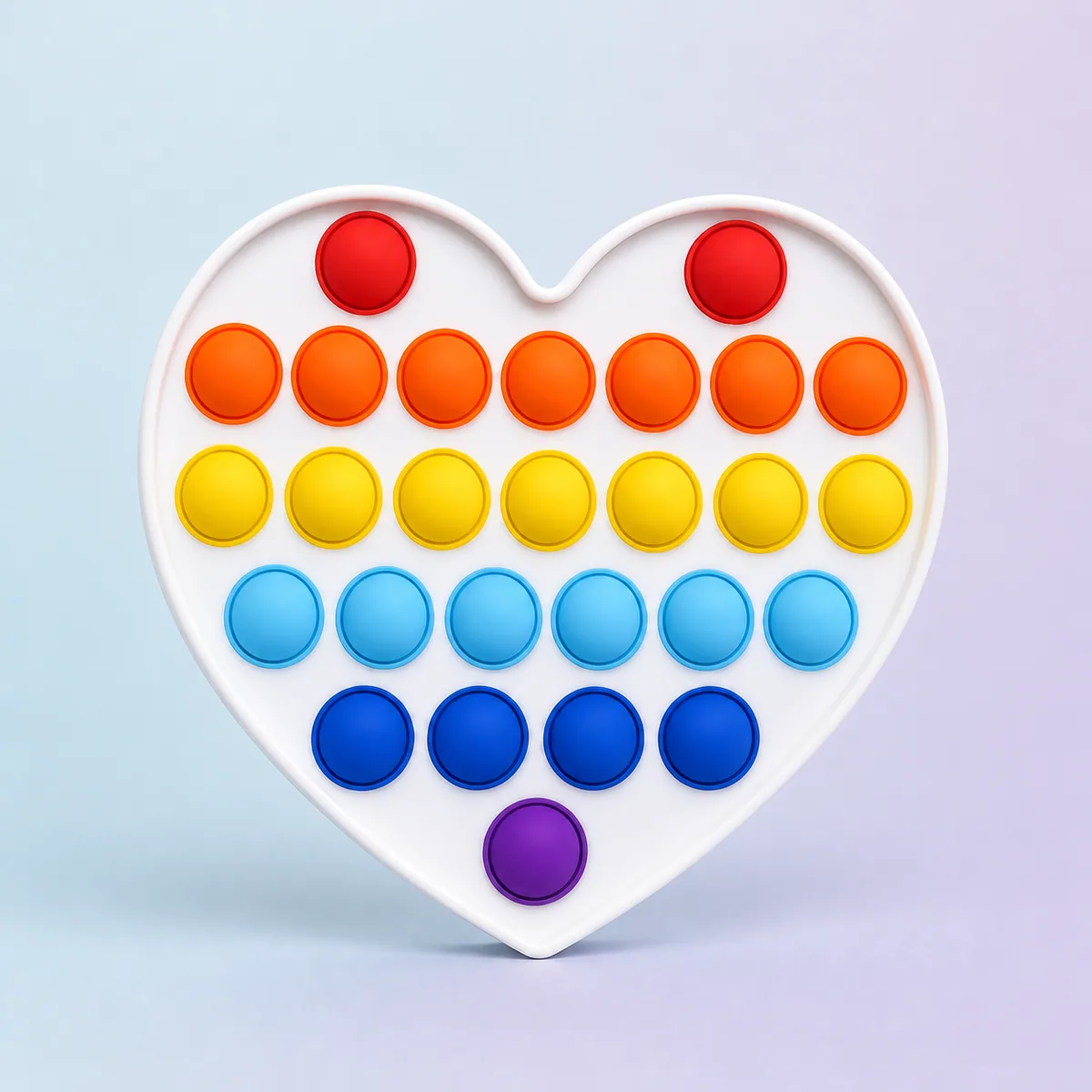
The most familiar one is a real math game: two players take turns popping bubbles from a shared board, and the whole thing is a version of Nim, a heap-and-turns game that has been fully solved by mathematicians. Push-pop boards are built in rows, and each row works as one heap: pop any number of bubbles from a single row on your turn, then hand the board over. Beyond that, quieter one-player games work too, tracing a pattern with your thumb or counting bubbles out loud, though those are just things people do with a push-pop, not a documented ruleset like Nim’s.
There is no single official rulebook shared by every push-pop brand on the market, so before you play, agree on one thing out loud: does the player who pops the last bubble win, or lose? Both versions exist, and Nim itself has always had both.
Where did the push-pop toy come from?
The mechanical idea, a silicone tray of bubbles you can flip and pop again, was invented in 1975 by the Israeli couple Theo and Ora Coster, working under the name Theora Design. Ora reportedly conceived it from a dream, and the concept sat mostly unused for decades because the original material, rubber, was too expensive to manufacture at scale.
Montreal-based FoxMind acquired the design in 2009 and switched the tray to silicone specifically to make mass production affordable. From 2014, FoxMind marketed it at toy fairs as a “logic game,” the company’s own promotional language rather than an independent educational finding, and in 2019 it partnered with Buffalo Games to sell a version through Target as “Speedy Pop It!” The toy’s now-familiar mainstream popularity traces to a single 2020 TikTok video, years after the original invention, though its early adoption before that also included toy specialty stores and special education specialists, according to the toy’s own recorded history.
Almost fifty years passed between the dream that started it and the viral clip that made it a household object, which is worth sitting with for a second. Most of that time, a push-pop was a shelf item for a small, specific audience rather than the toy everyone’s kid was carrying around. The game underneath, the row-by-row take-away pattern that makes it Nim, was there the whole time; nobody had to invent that part, it was just waiting for a silicone board wide enough to hold rows in.
How do you play the last-bubble Nim game?
- Agree on the board. Use a push-pop with clear rows, popped bubbles left down and unpopped bubbles left up, so both players can see the state at a glance.
- Set the win condition first. Decide out loud whether popping the last bubble wins or loses. Nim has both versions, normal play where the last to move wins and misere play where the last to move loses, and no rule is more official than the other.
- Take turns popping one row at a time. On your turn, choose a single row and pop any number of its remaining bubbles, from one bubble up to the whole row. You cannot pop from two rows in the same turn.
- Keep going until every bubble is down. There is no set number of rounds. The game ends the moment the last bubble on the whole board gets popped.
- Reset by flipping the board. A push-pop’s bubbles pop back up when you flip the tray over, so the next game starts clean without resetting each bubble by hand.
What is the actual winning strategy?
It is real math, not a guess. Mathematicians describe Nim’s winning move using the nim-sum: write each row’s bubble count in binary, then add the rows together without carrying, the way you would add columns of light switches instead of numbers. If that combined total comes out to zero on your turn, you are in the losing position against a player who plays correctly from there on. If it is not zero, there is always at least one move, popping some bubbles from one row, that brings it back to zero, and making that move on every turn is the whole strategy.
You do not need to do binary math at the table to enjoy the game. Most people play by feel and lose more often than they would like, which is part of what makes it fun to replay. If you want to actually win on purpose, the nim-sum rule above is the entire documented strategy, worked out by mathematicians long before anyone had a silicone board to test it on.
Quick reference: which push-pop game to play
| Game | How it works | Best for |
|---|---|---|
| Last-bubble Nim | Pop any number from one row per turn; last bubble wins or loses, your choice | Two players, a few minutes, real strategy |
| Pattern copy | One player pops a shape, the other repeats it from memory | A quiet, informal game with a young child |
| Counting rounds | Take turns popping a set number of bubbles, counting out loud as you go | Practicing numbers in a low-pressure way |
| Solo reset loop | Pop the whole board, flip, pop again | One player, no rules needed at all |
Which push-pop should you start with?
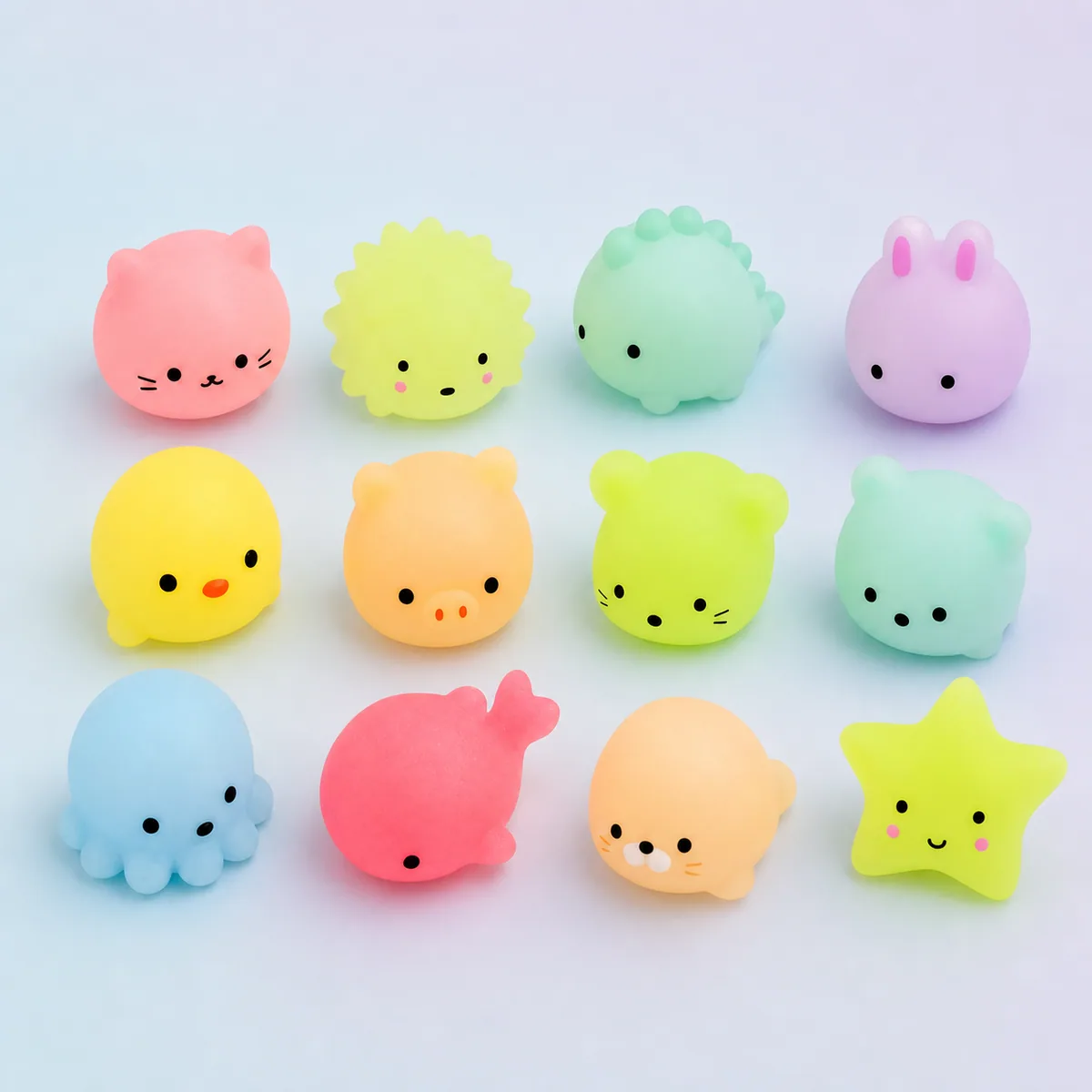
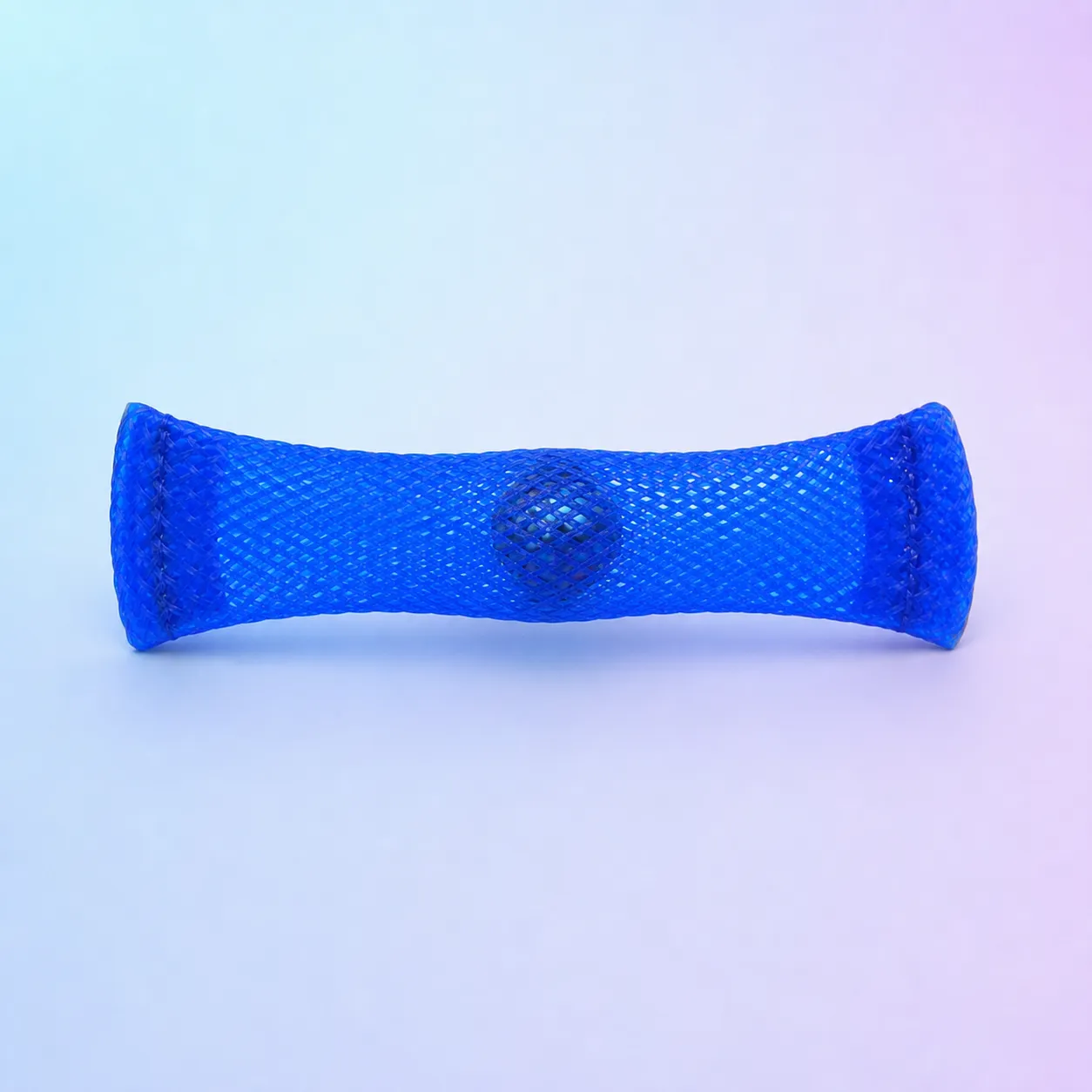
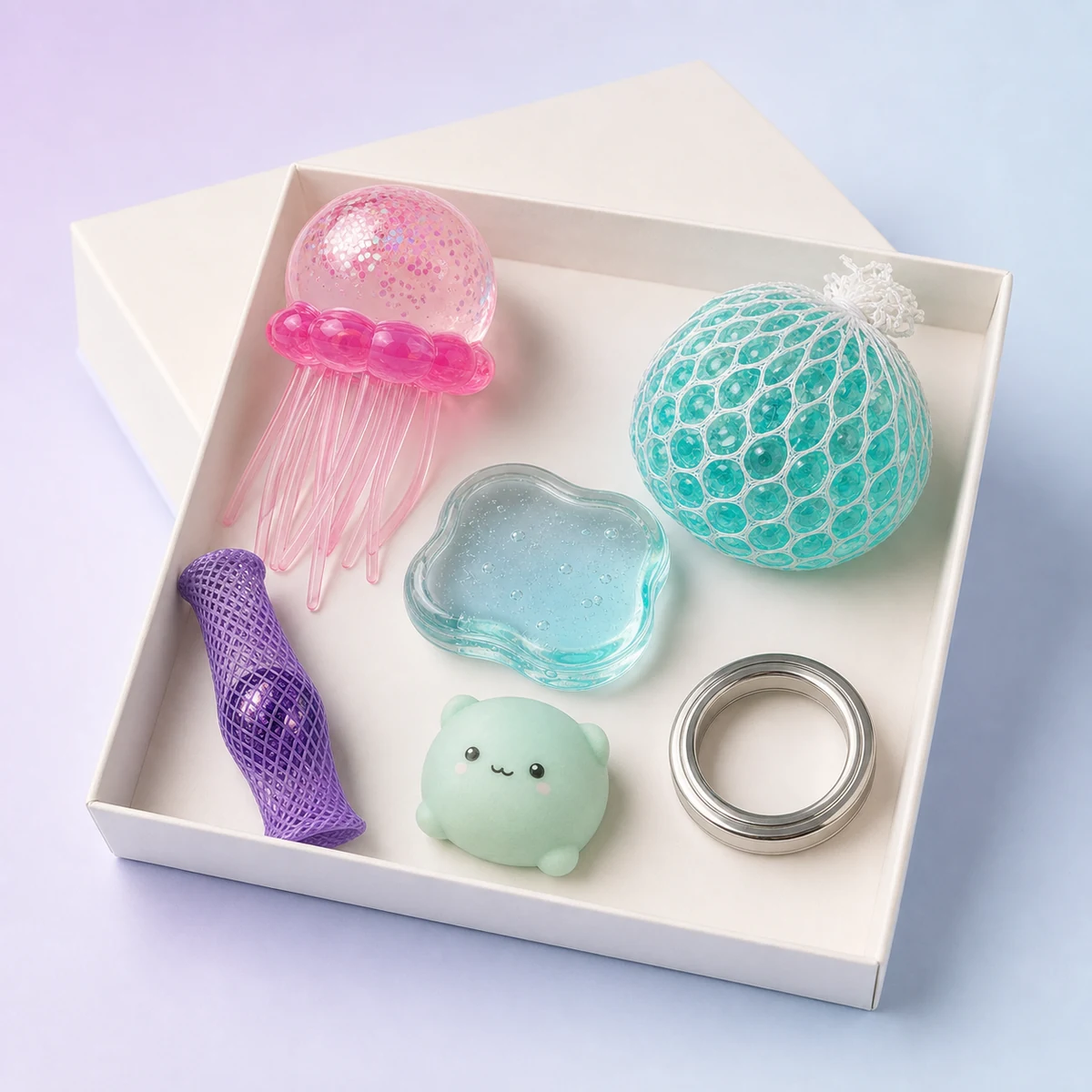
Our Hush Pop Push-Pop Sensory Board has clean rows of bubbles, which makes it the easiest one to actually play Nim on, since you can see each row’s count at a glance. For a group or a classroom set, the Mini Mochi Animals Squishy Set gives everyone something small to hold between rounds, and the Roll & Squeeze Mesh Marble Fidget is a good quiet option for whoever is waiting their turn. If you are building a stash for a whole house of restless hands, the Calm Starter Bundle covers a push-pop’s worth of variety in one box. Calm in the palm of your hand, one row at a time.
Sources & further reading
We reference trusted organizations by name. This article is informational and not a substitute for professional medical advice.
- Wikipedia: Documents Nim as a solved mathematical game played by removing objects from heaps, with a fully worked-out winning strategy based on the binary nim-sum of the heap sizes.
- Wikipedia: Traces the Pop It toy's silicone bubble-tray design to a 1975 concept by Theo and Ora Coster, later brought to market by the Canadian company FoxMind starting in 2009.
- Wikipedia: Explains the misere play convention in combinatorial game theory, where the player forced to take the last object loses, the opposite of Nim's normal-play rule.
- FoxMind: The company that acquired the Pop It design and began marketing it as a 'logic game' in 2014, its own promotional description rather than an independent educational finding.
Frequently asked questions
What is the last bubble game on a push-pop?
It is a two-player game where you take turns popping bubbles from a shared board, and it is structurally the same as Nim, a solved mathematical strategy game. Each row of bubbles works as one heap, and on your turn you pop any number of bubbles from a single row. Before you start, agree whether popping the last bubble wins or loses, since both versions of Nim exist and no single rule is official across every push-pop brand.
Is the push-pop bubble game actually math?
Yes, in a documented sense, not just a comparison. It follows the rules of Nim, a heap-and-turns game mathematicians solved completely using the nim-sum, the binary sum of the heap sizes without carrying. Whoever leaves a nim-sum of zero on the board after their move has put their opponent in the losing position, assuming correct play from there.
Who invented the push-pop toy?
The mechanical concept, a silicone tray of bubbles that pop and reset, was invented in 1975 by the Israeli couple Theo and Ora Coster. It did not reach wide manufacturing until Montreal-based FoxMind acquired the design in 2009 and switched the material to silicone specifically to make mass production affordable, decades after the original idea.
Why did push-pop toys suddenly get popular?
The current wave traces to a single viral TikTok video in 2020, long after the toy's 1975 invention and its 2009 relaunch in silicone. Before that spike, the toy had already found a smaller audience in toy specialty stores and among special education specialists, according to its own recorded history, but the mainstream boom is a 2020s phenomenon.
Are there push-pop games for one player?
Yes. Popping the whole board and flipping it to reset is a complete, repeatable loop on its own, with no rules or opponent needed. Some people also use it for informal pattern-copying or counting practice, which are things people commonly do with the toy rather than a documented, sourced game.
Does popping the last bubble always win?
Not by any universal rule. Nim, the mathematical game the push-pop version borrows from, has two standard forms: normal play, where taking the last object wins, and misere play, where it loses. No specific branded push-pop game has a confirmed, publisher-stated rule on this, so the honest approach is to agree with your opponent before you start.