What fidget toys work well for people who knit?
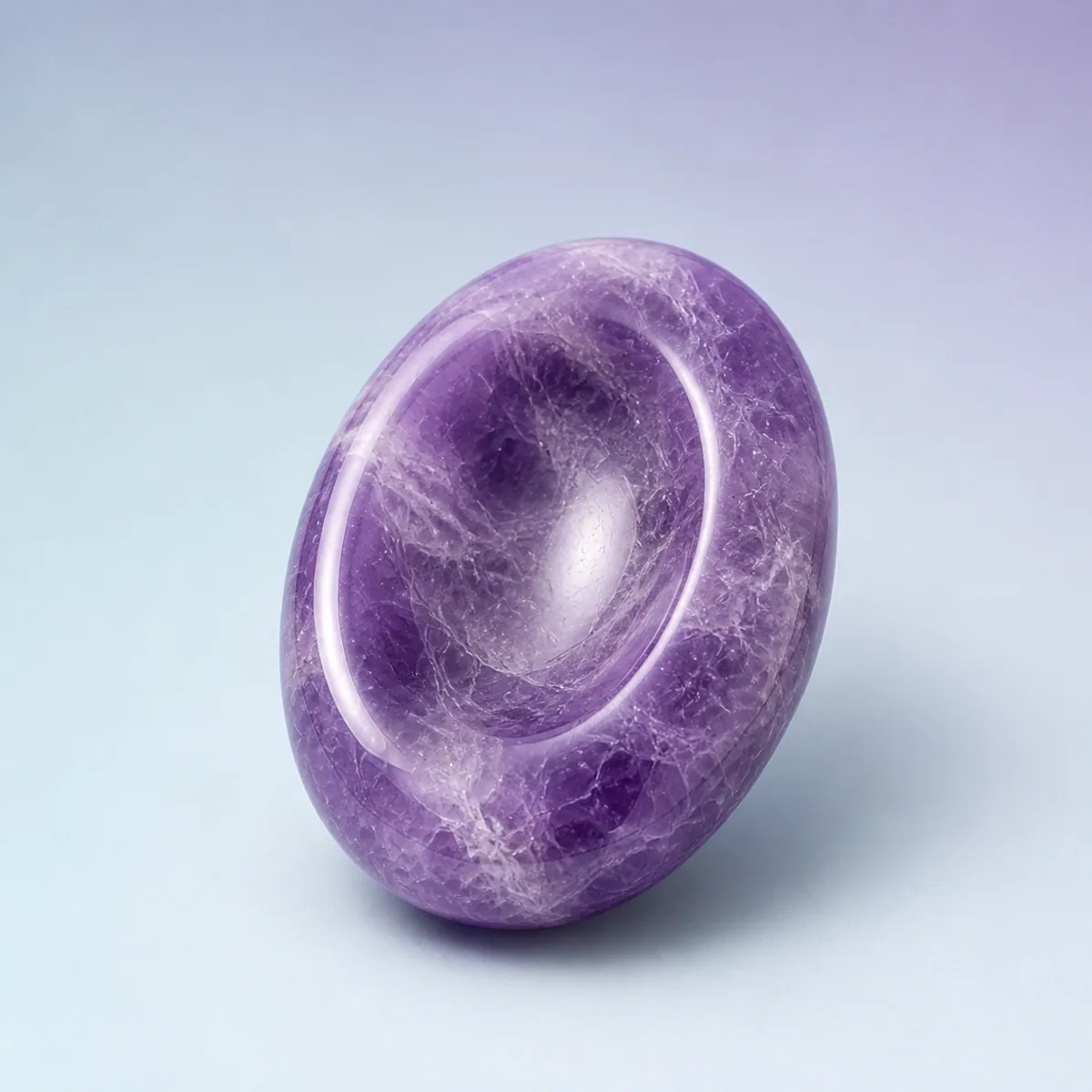
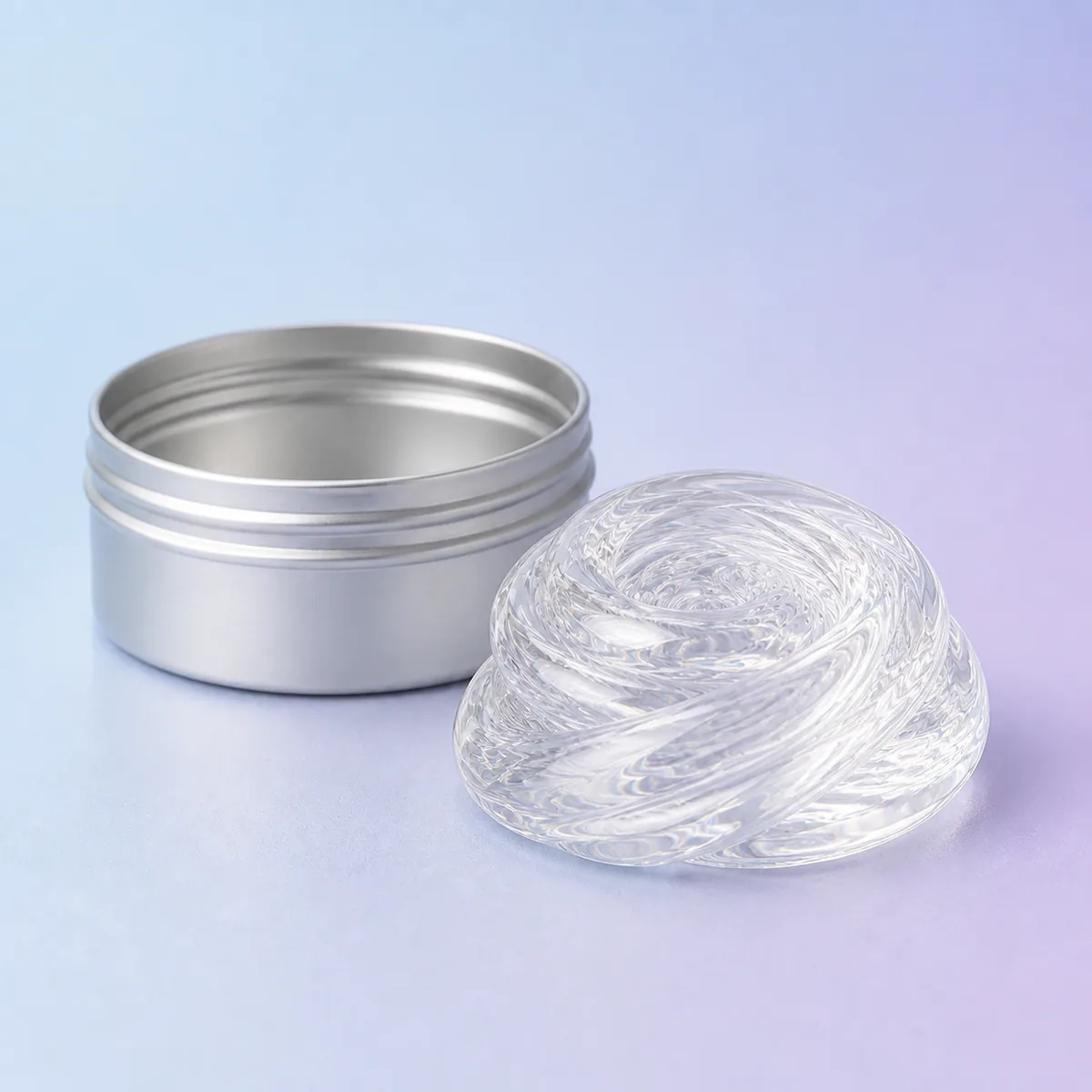
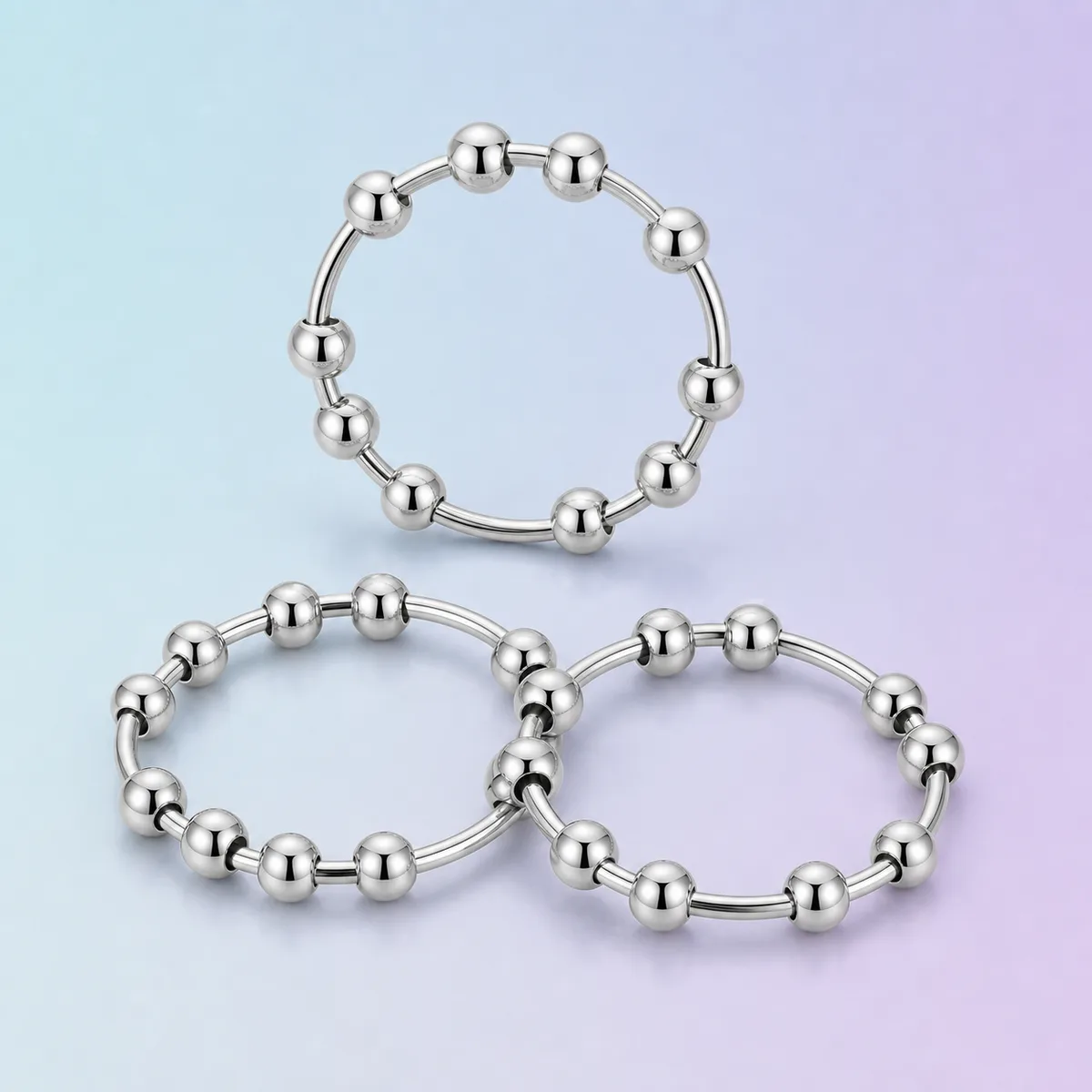
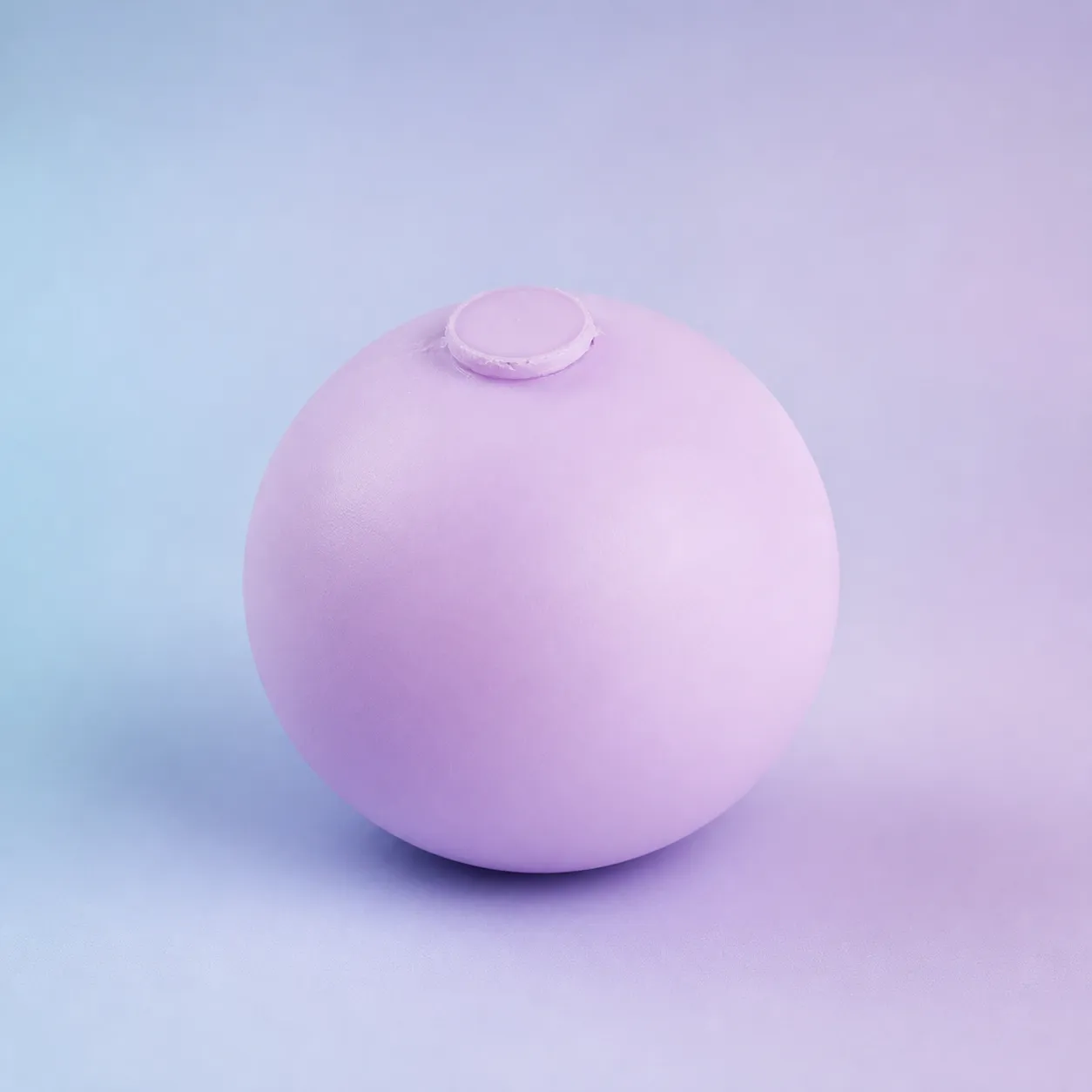
The ones that give your hands a different motion than knitting itself, are quiet enough for a room full of other people, and do not need the same fine pinch grip a stitch does. A worry stone for a slow thumb rub, a soft dough ball for a full-hand squeeze, a spinner ring worn on the hand, or a block of putty to stretch: all of them ask something different of your fingers than yarn does.
Knitting already gives your hands a steady, structured job: a small, repeated pinch, thousands of times a row, held at roughly the same tension and angle for as long as the project lasts. The largest survey of knitters and wellbeing on record, Riley, Corkhill and Morris’s 2013 study in the British Journal of Occupational Therapy, asked 3,545 knitters worldwide about exactly this repeated motion and found a significant relationship between how often people knitted and how calm and happy they felt, with more frequent knitters also reporting higher cognitive functioning; knitting in a group specifically was linked to greater happiness and stronger social contact. It is a self-report survey, not a controlled trial, so it cannot prove the rhythm itself causes the calm rather than correlating with it, and the authors describe knitting’s therapeutic potential as an area still needing more controlled research. What it does support is the idea already built into this guide: a repeated, rhythmic hand motion is doing real work for a lot of people, which is exactly why a fidget toy that repeats the same pinch grip adds little. The better pick moves differently, opening the hand instead of closing it, so your fingers get variety instead of a second helping of the same grip they have been holding all evening.
Why would a knitter need a fidget toy at all?
Because even committed knitters have hands-idle stretches that a project cannot fill: a phone call, a dark theater, being the passenger instead of the driver, a meeting where pulling out needles is not an option, a waiting room where working in public feels like too much to manage. The gap between finishing one project and casting on the next counts too, and so does the minute after you rip out six rows and need somewhere to put that feeling before you pick the needles back up.
A fidget in a coat pocket or a bag covers exactly those in-between moments: on, then off, then back to the yarn once your hands are free again. It is not a replacement for the craft, just a small stand-in for the minutes the craft cannot reach.
Does a fidget help during an actual knitting session, not just between them?
Less often, since both hands are usually busy with the needles, but the pauses inside a session are real: counting stitches on a busy row, reading a chart that is not making sense yet, waiting for a swatch to block and dry before you commit to a size. Those are moments your hands are technically free but your project is not quite ready for them. A worry stone rubbed once or twice while you recount a row, or a spinner ring turned without thinking while you stare at a pattern, fills that specific gap without competing for the same fingers your knitting needs a minute later.
What about hand fatigue from long sessions?
That is real for a lot of knitters, and we are not going to hand you an exercise routine for it, because we sell fidget toys, not physical therapy. General hand-health guidance for knitters points to a plain cause: thousands of repetitions of the same fine-motor movement without a break, or without ever varying grip or technique, is what tends to build toward repetitive-strain-type fatigue, and commonly cited advice suggests a break roughly every 40 minutes along with switching styles or grips to spread the load across different hand muscles and tendons. What we can say honestly is that a lot of people like giving their hands a different motion during that break, a full-hand squeeze instead of a pinch, a stretch instead of a hold, before picking the needles back up. It is a change of motion, not a fix, and it should feel like a rest, not a task. If your hands ache regularly, tingle, or the ache is getting worse across a project rather than easing off after a break, that is worth mentioning to a doctor or an occupational therapist, not something a squeeze ball is going to resolve on its own.
Is it quiet enough for a knitting circle?
Yes, for most of what we sell. A worry stone, a dough ball, and putty are all silent: no click, no pop, nothing that competes with conversation at a craft night or a yarn shop meetup. A spinner ring makes a faint metal tick between the wearer’s own fingers, inaudible across a table, closer to the sound of the needles themselves than anything that would draw a glance. None of them will out-click a pair of metal knitting needles, so a knitting circle is an easy room for any of these, easier than most offices, honestly.
Which fidget suits which knitting moment
| Moment | Reach for | Why |
|---|---|---|
| Waiting for a row or chart to make sense | Calm Worry Stone | A slow thumb rub that needs no attention of its own |
| Giving fingers a break from pinch grip | Mold & Hold Dough Stress Ball | A full-hand squeeze, a different motion entirely |
| Between projects, nothing on the needles | Calm Putty | Open-ended: stretch, snap, knead, repeat |
| A quiet night with the knitting group | Quiet Spinner Ring | Worn, silent, on your hand before you think to reach for it |
Do you need to justify carrying one, even with a project bag already packed?
No. If you fidget at a desk between calls or on a commute, you are in familiar company: the US Job Accommodation Network lists fidget devices by name as a concentration accommodation, and the UK’s ACAS names fidget toys directly as a workplace adjustment. Nobody asks a knitter to explain a project bag, and the same goes for a worry stone in a coat pocket or a ring worn to a meeting where the needles have to stay zipped up.
The honest tradeoff is this: if you genuinely always have a work in progress within reach, you may never need a separate fidget, and that is fine, your hands are already covered. The gap it fills is narrower than that, the minutes your hands are empty and your project is not: the theater, the passenger seat, the phone call where you cannot risk dropping a stitch. Calm in the palm of your hand, in between rows.
Sources & further reading
We reference trusted organizations by name. This article is informational and not a substitute for professional medical advice.
- British Journal of Occupational Therapy: Published Riley, Corkhill and Morris's 2013 international survey of 3,545 knitters finding knitting frequency linked to calm, happiness, and, in group settings, stronger social contact.
- Job Accommodation Network: A US federal accommodation resource that lists fidget devices by name as an option for concentration needs in workplace settings.
- ACAS: The UK's workplace relations body names fidget toys directly as an example reasonable adjustment for concentration, alongside things like quiet workspaces, always tailored to the individual.
Frequently asked questions
What is the best fidget toy for someone who knits?
Something that moves differently than knitting does: a worry stone for a slow thumb rub, a dough ball for a full-hand squeeze, a spinner ring worn on the hand, or putty for an open stretch. Knitting already gives your hands a repeated pinch grip, so a fidget that repeats that same motion adds little.
Why would a knitter need a fidget toy?
Because even avid knitters have moments a project cannot fill, a phone call, a dark theater, a meeting, being a passenger, or the gap between finishing one project and casting on the next. A small fidget covers those in-between minutes without needing needles and yarn.
Can a fidget toy help with hand fatigue from knitting?
Some people like giving their hands a different motion, a full-hand squeeze instead of a pinch, during a break from a long session. It is not a treatment and not a substitute for advice from a doctor or occupational therapist if the ache is regular or getting worse.
Are fidget toys quiet enough for a knitting circle?
Most of them, yes. A worry stone, a dough ball, and putty are silent, and a spinner ring makes only a faint metal tick that is inaudible across a table. None of them will out-click a pair of metal knitting needles.
Do you need a fidget toy if you always carry a project bag?
Not always, and that is an honest tradeoff to admit: if yarn and needles are always within reach, a separate fidget may see little use. It fills a narrower gap, the minutes your hands are empty and your project is not.
Is it strange to carry a fidget toy along with knitting supplies?
No. Fidget devices are already recognized as a legitimate workplace concentration accommodation in both the US and UK, so a worry stone in a coat pocket needs no more explaining than a project bag does.