Can a fidget toy actually help you sleep?
Sometimes, for some people, yes. A quiet, slow fidget can help you ease toward sleep by giving restless hands a calm task instead of the phone. It is a wind-down aid, not a treatment for insomnia, and it works best as one small part of a screen-free bedtime routine.
Here is the honest version, because this is the question that actually matters. No toy makes you sleepy. What a soft, slow fidget can do is occupy your hands and your attention gently, so the wired, restless feeling has somewhere to go while your body does the rest. For a lot of people, the hardest part of falling asleep is the last thing they do before it: lying in the dark, holding a bright phone, scrolling one more minute. A fidget toy is a small, calm swap for that habit. That is a modest promise, and it is a real one.
Why would fidgeting help you wind down at night?
A slow fidget helps at bedtime in three quiet ways. It replaces the phone with something screen-free, it gives your hands a repetitive motion to settle into, and it offers a small point of focus that keeps your mind from racing off into tomorrow. None of this sedates you. It just makes the runway to sleep a little smoother.
Picture the last hour before bed. Your body is tired, but your mind is still going, and your hands drift to the nearest bright rectangle out of pure habit. Here is what a soft fidget does with that same restless energy:
- It gets you off the screen. A phone delivers bright light and a feed designed to hold your attention, both of which nudge sleep further away. A silent squishy or a worry stone gives your hands the same busy comfort with none of the wake-up signals.
- It gives restless hands a job. The slow squeeze-and-release of a stress toy, or the unhurried rise of a slow-rise squishy, is a small repeating ritual. Repetitive, low-effort motion is calming in the way rocking or kneading dough is calming.
- It gives your mind a soft anchor. A tiny, low-stakes, predictable task occupies just enough attention to interrupt the 2 a.m. worry loop, so your thoughts have less room to spiral.
This is the same reason a warm shower, a few pages of a paper book, or a slow stretch help at night. Not magic. Just a gentler on-ramp to sleep than a glowing screen.
What kind of fidget toy is best for sleep?
For sleep, the calmest toys win. Slow, soft, silent options suit bedtime, while loud, fast, or brightly lit ones do not. The goal is to soothe your nervous system, not switch it back on.
When you are trying to wind down, reach for slow and quiet. Here is a simple way to match a toy to the moment:
| If you want… | Reach for… | Why it suits bedtime |
|---|---|---|
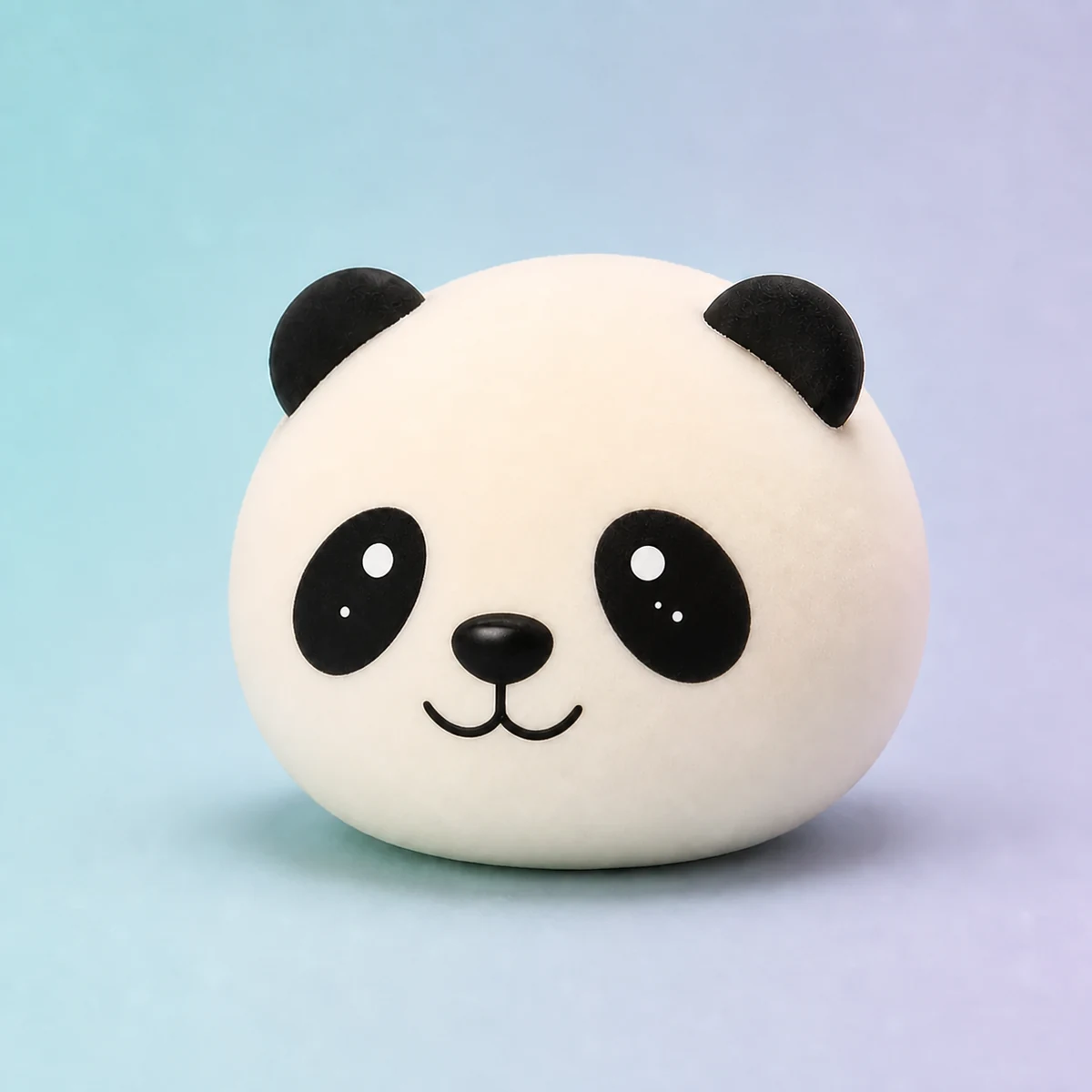
| Something soft to hold and slow-squeeze in the dark | Bun Buddy Panda Slow-Rise Squishy | Dough-soft, silent, and rises back over a few seconds |
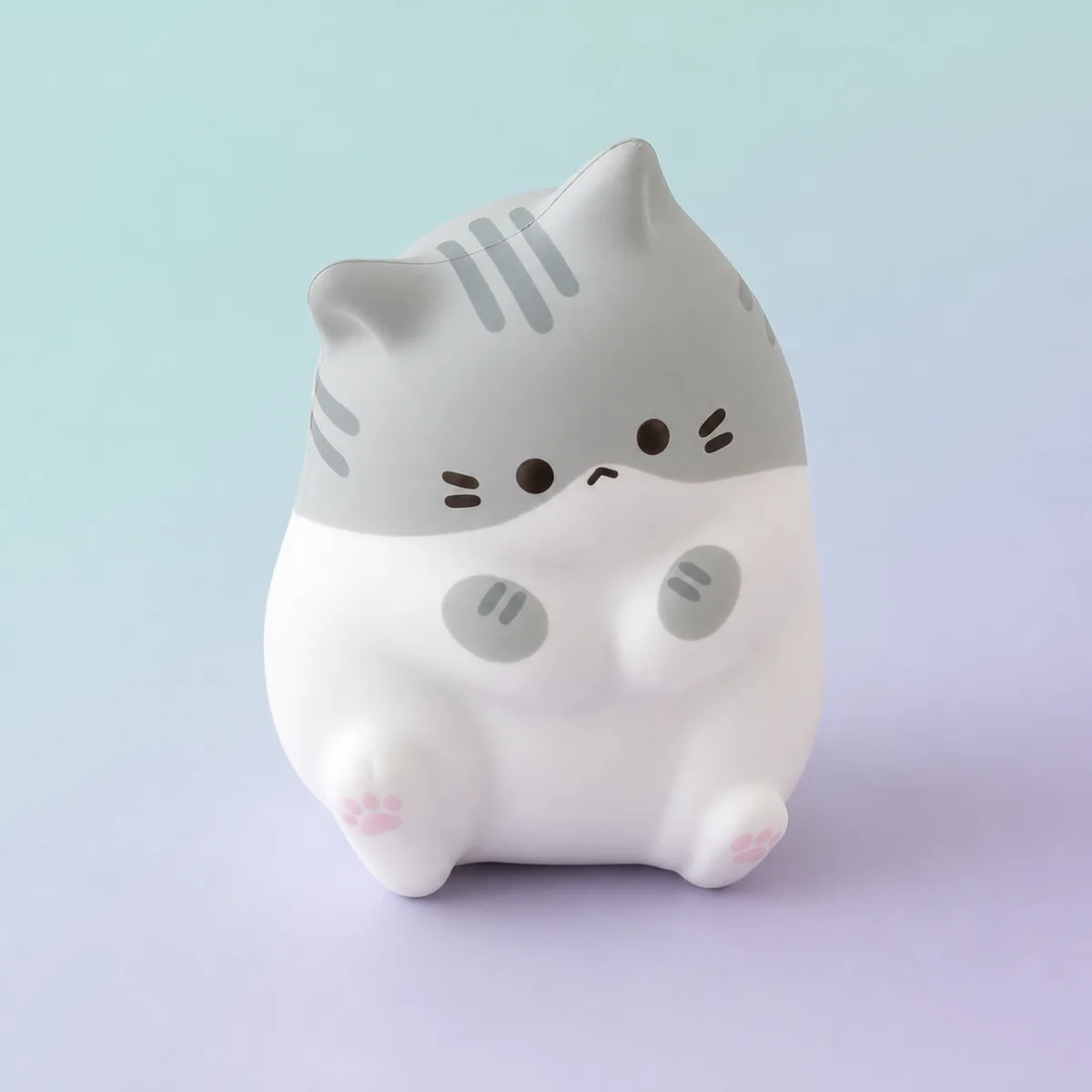
| A second slow shape to follow with tired eyes | Sitting Cat Slow-Rise Squishy | Matte and quiet, with a 4 to 6 second rebound |
| A silent thumb anchor with nothing to watch | Calm Worry Stone | Smooth, weighted, with a thumb-shaped hollow |
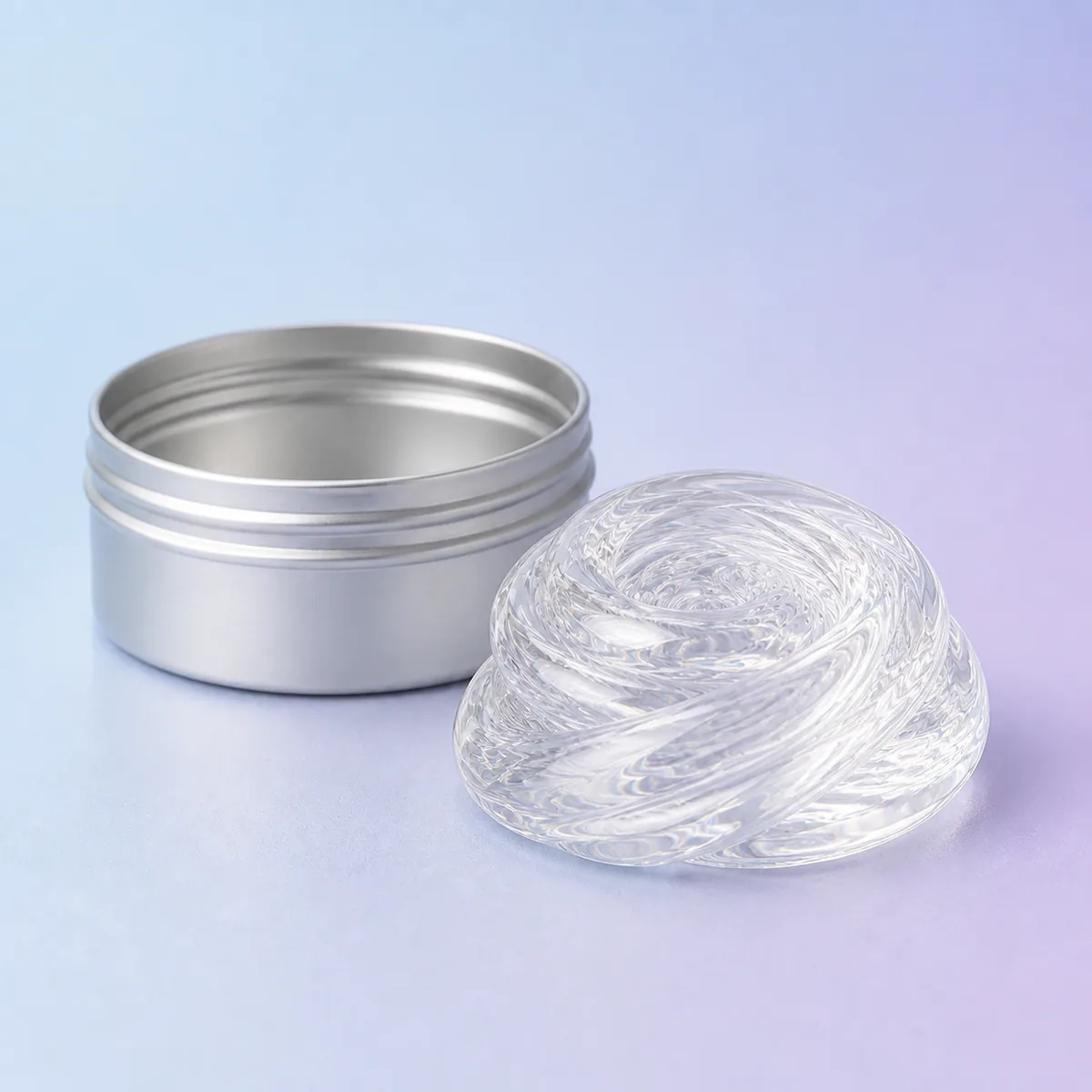
| Open-ended, quiet stretching to unknot the day | Calm Putty | Soft silicone you can stretch, flatten, and ball up, with no noise |
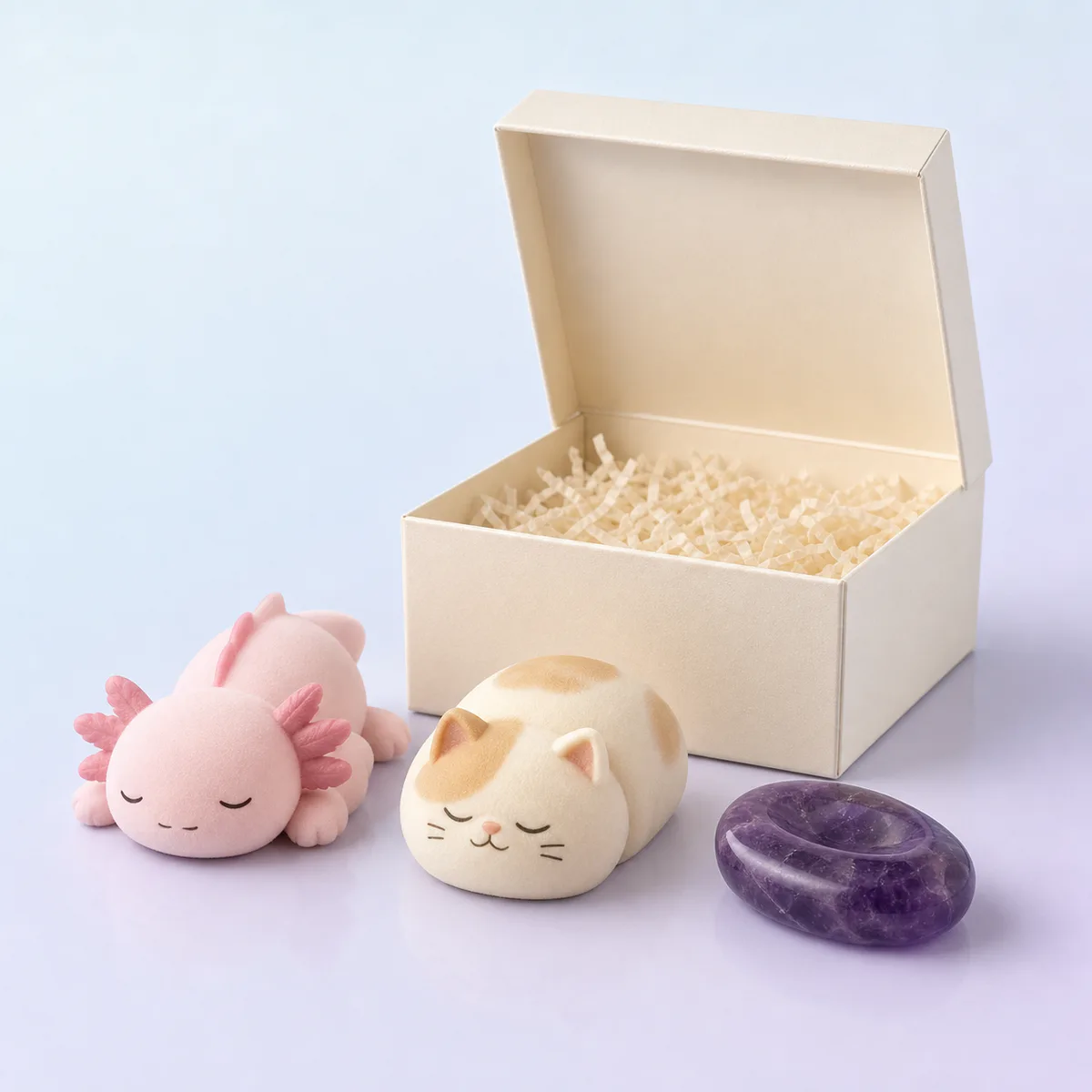
| A ready-made nightstand set, or a gift | The Sleep & Wind-Down Kit (3-Piece) | Our slowest tools plus a worry stone, packed to give or keep |
The two slow-rise squishies are the heart of a bedtime kit. The Bun Buddy Panda Slow-Rise Squishy feels like squeezing warm dough and puffs its cheeks back slowly, and the Sitting Cat Slow-Rise Squishy has the same quiet, matte give in a compact seated shape. Both are silent and sit at $12.99. If you would rather not choose, The Sleep & Wind-Down Kit (3-Piece) gathers two slow-rise squishies and a smooth worry stone in a gift-ready box for $32.99, made to live on the nightstand and be reached for in the dark.
Two honest notes. Soft putty like Calm Putty ($11.99) is wonderfully open-ended and silent, but keep it off the sheets, pillows, and hair, the way you would any putty. And if you want calm stashed in every room, the Mini Mochi Animals Squishy Set (12-Pack) is a lovely, affordable way to do it, though these little critters are springy and quick rather than slow, so they are more of a daytime or keep-one-in-your-bag pick than a true bedtime one. For the actual wind-down, slower is better.
Whatever you choose, skip anything that clicks, buzzes, lights up, or begs to be flipped fast. Those are great daytime fidgets and poor bedtime ones. At night you want boring, in the best possible way.
How do you use a fidget toy as part of a bedtime routine?
Keep it simple and keep it on the nightstand. Hold the toy, slow your hands, and let the motion pace your breathing. Then pair it with the same wind-down steps each night so your body learns the cue.
A fidget is one small piece of a routine, not the whole thing. Here is how to give it the best chance of helping:
- Match the motion to your breath. Squeeze on the inhale, release slowly on the exhale, and let the slow-rise or the slow glide set an unhurried rhythm. Your breathing tends to follow your hands.
- Do it at the same point every night. Consistency is the real sleep tool. A fidget used as part of the same ten-minute wind-down becomes a signal that the day is closing.
- Lower the light and lose the screen. Dim the room, put the phone across the room to charge, and let the toy be the thing your hands reach for instead.
- Keep it within arm’s reach. The easiest tool to use is the one on the nightstand, not the one in a drawer.
- Hold your expectations gently. Some nights it helps a lot, some nights only a little. Both are fine, and neither means you are doing it wrong.
The Sleep Foundation and the NHS both describe a calm, consistent, screen-free wind-down as one of the more reliable things you can do for sleep. A fidget toy simply gives your hands a part to play in that routine.
Is a fidget toy better than my phone at bedtime?
For winding down, a fidget usually beats the phone. A screen delivers bright light and a feed engineered to hold your attention, both of which push sleep further away. A soft, silent fidget keeps your hands busy without any of that pull.
This is the swap that does the heavy lifting. The problem with the bedtime scroll is not only the light. It is that social feeds, videos, and messages are built to keep you engaged, so “one more minute” quietly becomes an hour. A worry stone or a slow-rise squishy is the opposite kind of object. It is satisfying, but it goes nowhere and asks nothing of you. Boring on purpose. That is exactly what you want when the goal is to stop, not to keep going.
You do not have to be perfect about it. Even moving the phone out of reach and putting a quiet fidget in its place is a small, doable change, and small changes are the ones that stick.
When is trouble sleeping worth seeing a professional?
A fidget toy is a comfort, not a cure, so reach out for help when sleep problems are frequent, lasting, or wearing you down. If you regularly cannot fall or stay asleep, wake unrefreshed, or find that poor sleep is affecting your mood, focus, or safety, please talk to a doctor.
We say this with warmth, because we mean it. A soft squishy is genuinely lovely for restless hands and an easier wind-down. It is not designed to treat insomnia, sleep apnea, or the kind of exhaustion that follows you through the day. Consider reaching out for support if you notice:
- Trouble falling or staying asleep most nights for weeks or longer
- Waking up tired no matter how long you were in bed
- Daytime sleepiness that affects your work, your driving, or your mood
- A sense that you are using the toy, or anything else, to paper over a bigger problem
Trusted organizations like the Sleep Foundation, the American Academy of Sleep Medicine, the NHS, and the Mayo Clinic offer clear guidance on sleep and when to seek care. There is real strength in asking. A slow, quiet fidget can still sit on your nightstand as a small, steady comfort, calm in the palm of your hand, while the deeper support comes from people trained to help you sleep.
Sources & further reading
We reference trusted organizations by name. This article is informational and not a substitute for professional medical advice.
- Sleep Foundation: Offers accessible, evidence-informed guidance on sleep hygiene and building a wind-down routine.
- American Academy of Sleep Medicine: The professional body for sleep medicine and a source for understanding insomnia and when to see a sleep specialist.
- NHS: Provides public guidance on sleep problems, bedtime routines, and when to seek help from a healthcare professional.
- Mayo Clinic: Explains insomnia, its causes, and evidence-based treatment options in plain language.
- CDC: Publishes public-health information on sleep and healthy sleep habits for adults.
Frequently asked questions
Can a fidget toy really help me fall asleep?
It can help some people wind down, though it is a gentle aid rather than a guarantee. A slow, quiet fidget gives restless hands a calm task instead of the phone, which can make the drift toward sleep a little easier. It will not treat insomnia or override an overtired, wired body, and it works best as one part of a wider bedtime routine.
What is the best fidget toy for sleep?
The slowest, softest, quietest ones. Slow-rise squishies like the Bun Buddy Panda Slow-Rise Squishy, a smooth worry stone, or soft silent putty suit bedtime because they soothe rather than stimulate. Anything loud, fast, or brightly lit works against winding down, so keep those for the daytime.
Is using a fidget toy at bedtime better than scrolling my phone?
For winding down, usually yes. A phone screen pulls you into bright light and an endless feed built to keep you awake and engaged, while a soft fidget keeps your hands busy without any of that pull. Swapping the scroll for a slow squeeze is a small change that many people find genuinely helps them settle.
Will a fidget toy cure my insomnia?
No, and we want to be straight about that. A fidget toy is a supportive wind-down tool, not a medical treatment for insomnia or any sleep disorder. If you regularly struggle to fall or stay asleep, or you wake up exhausted, please talk to a doctor. Reputable groups like the Sleep Foundation and the American Academy of Sleep Medicine offer guidance on sleep and when to seek help.
Are fidget toys safe to use in bed?
The soft, silent ones generally are. Choose a quiet toy with no small parts to lose in the sheets, keep it on the nightstand rather than under the covers, and follow the age guidance on the box. Our bedtime picks are silent and EN71 tested, so they will not disturb a partner or a shared room.