Can you shower or swim with a squishy?
Only some of them, and the material decides. A foam slow-rise squishy should never be showered, bathed, or soaked, because open-cell foam drinks water and rarely recovers. A gel or TPR squishy has a sealed surface and can be rinsed under cool water without harm. Water-bead balls get a wipe, never a dip. Silicone bracelets and stainless-steel spinner rings are built to get wet.
People ask this more than you would think, usually for one of two reasons: a squishy has become a bath-time companion, or somebody wants to wash a grubby one properly. Both are reasonable. The honest answer just depends on what is inside the thing in your hand, so here it is material by material.
Why can’t a foam squishy get wet?
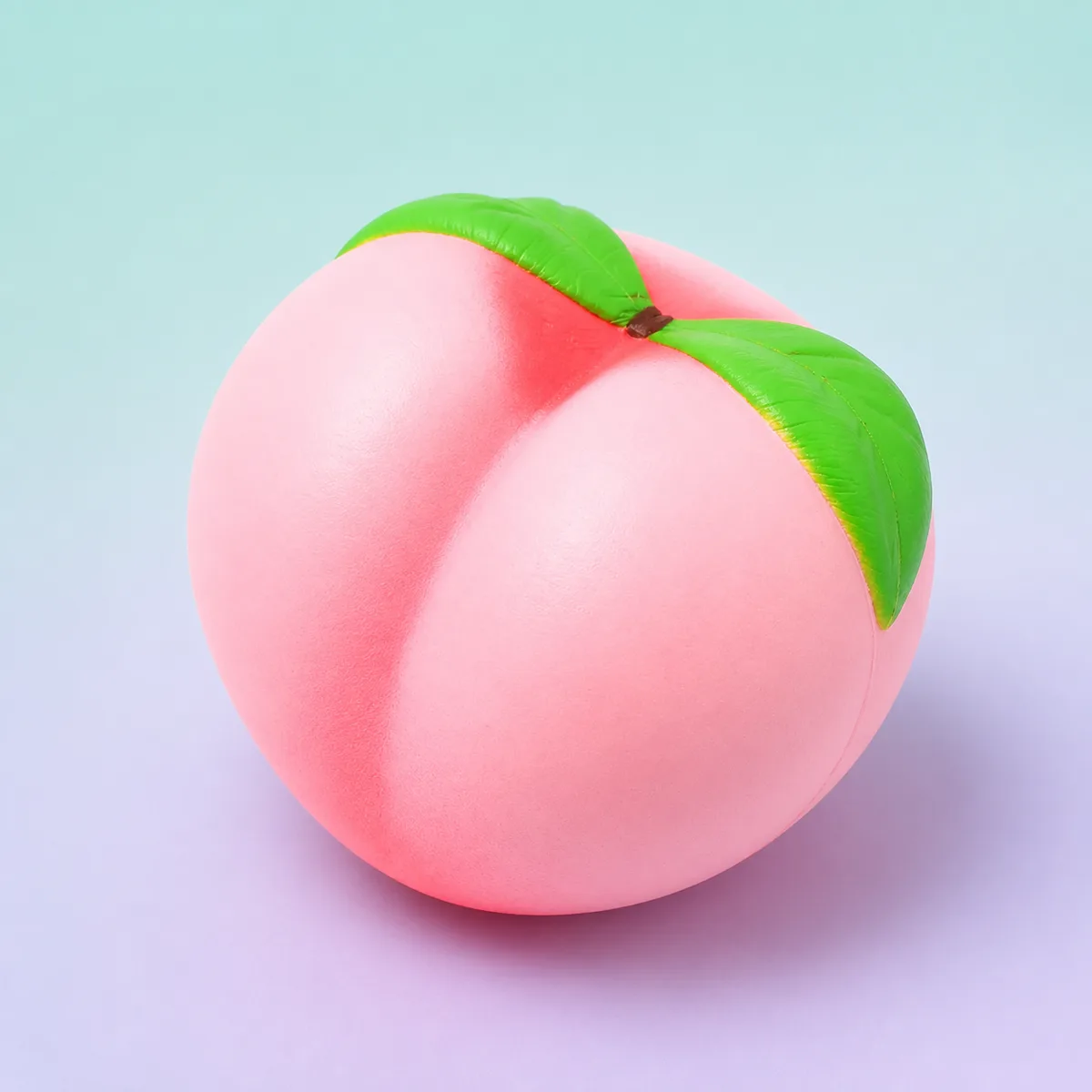
A foam squishy cannot get wet because it is a sponge: open-cell polyurethane foam full of tiny connected air pockets, and those pockets fill with water as readily as they fill with air. The slow rise you bought it for depends on air seeping in and out of the cells. Flood them and the squishy turns heavy and limp, dries over days rather than hours, and often comes back fast-rising, lumpy, or musty inside.
That is why every foam squishy we sell, the Peachy, the Berry, the Doughboy dumpling, carries the same care note: spot-clean with a barely-damp cloth, air dry fully, never soak. A barely-damp cloth lifts surface grime without pushing water into the cells. If you are dealing with a sticky one, our guide to why squishies get sticky has the gentle method.
If a foam squishy has already taken a bath, here is the recovery routine, with honest odds. Press it gently between two towels to draw out as much water as you can. Set it somewhere airy and shaded, away from radiators and hairdryers, because heat damages foam too. Give it several days. Some squishies come back most of the way. Many come back faster-rising than before, and any that still smell damp after a week should be retired, because foam that has stayed wet inside is not something to keep pressing.
Which squishies can be rinsed?
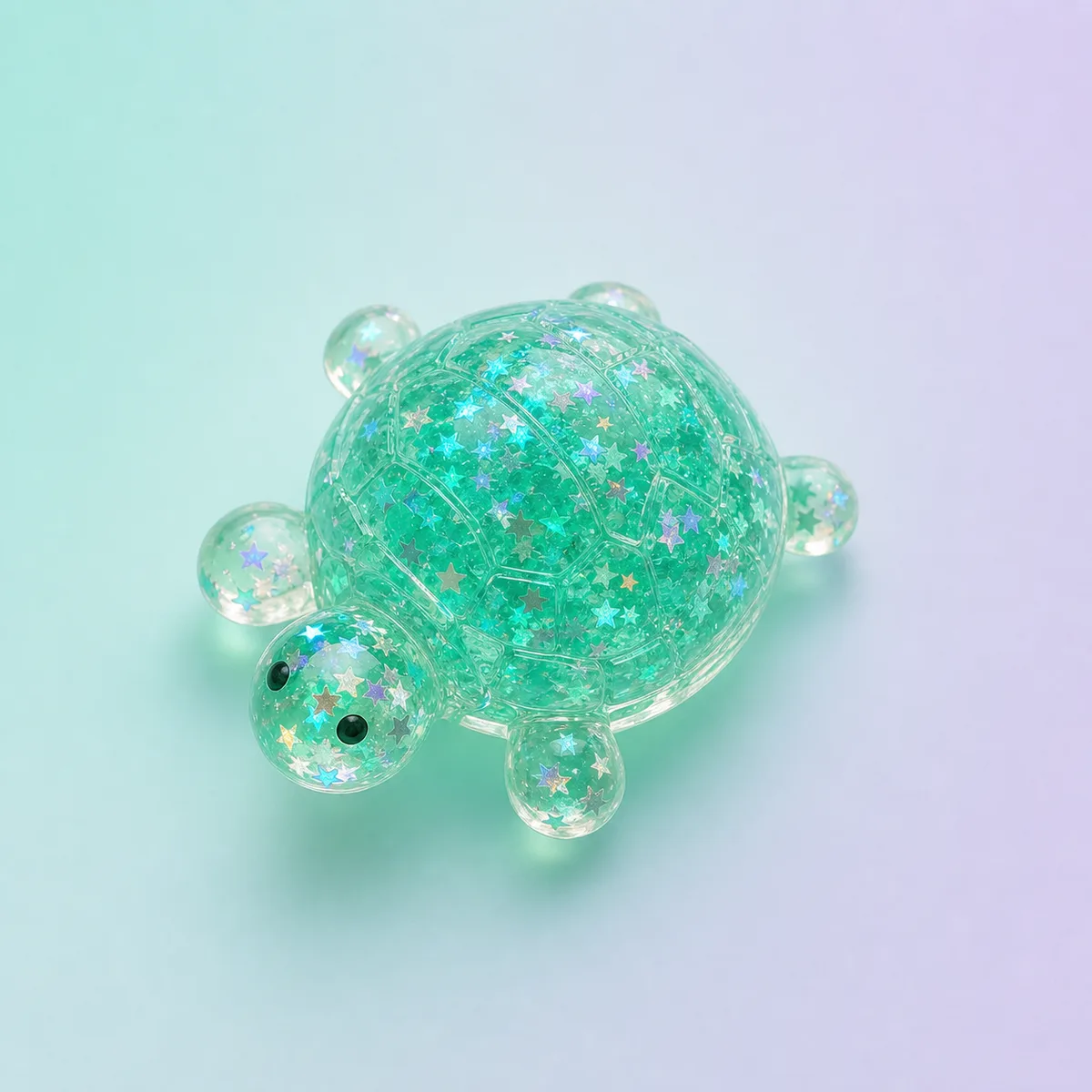
Gel and TPR squishies can be rinsed, because their surface is sealed and the material does not absorb water. Our Axo Gel Squishy, Shelly Sea Turtle, and Sweet Bear Jelly Squish are all this kind: translucent, cool, springy, and happy under a cool tap. A drop of mild soap, a rinse, a pat with a towel, and a full air dry before it goes back in a bag, and it is clean.
Two cautions. Keep the water cool, because heat softens TPR and gel, and a hot shower or a hot tub will leave them slack and tacky. And rinse off soap or pool chlorine with clean water afterward, since residue is what makes a clear squishy go cloudy or sticky. Gel squishies with an internal texture, like Shelly’s bead-filled shell, are fine to rinse as long as the outer skin is intact; if the skin ever splits, stop using it.
What about water-bead squeeze balls?
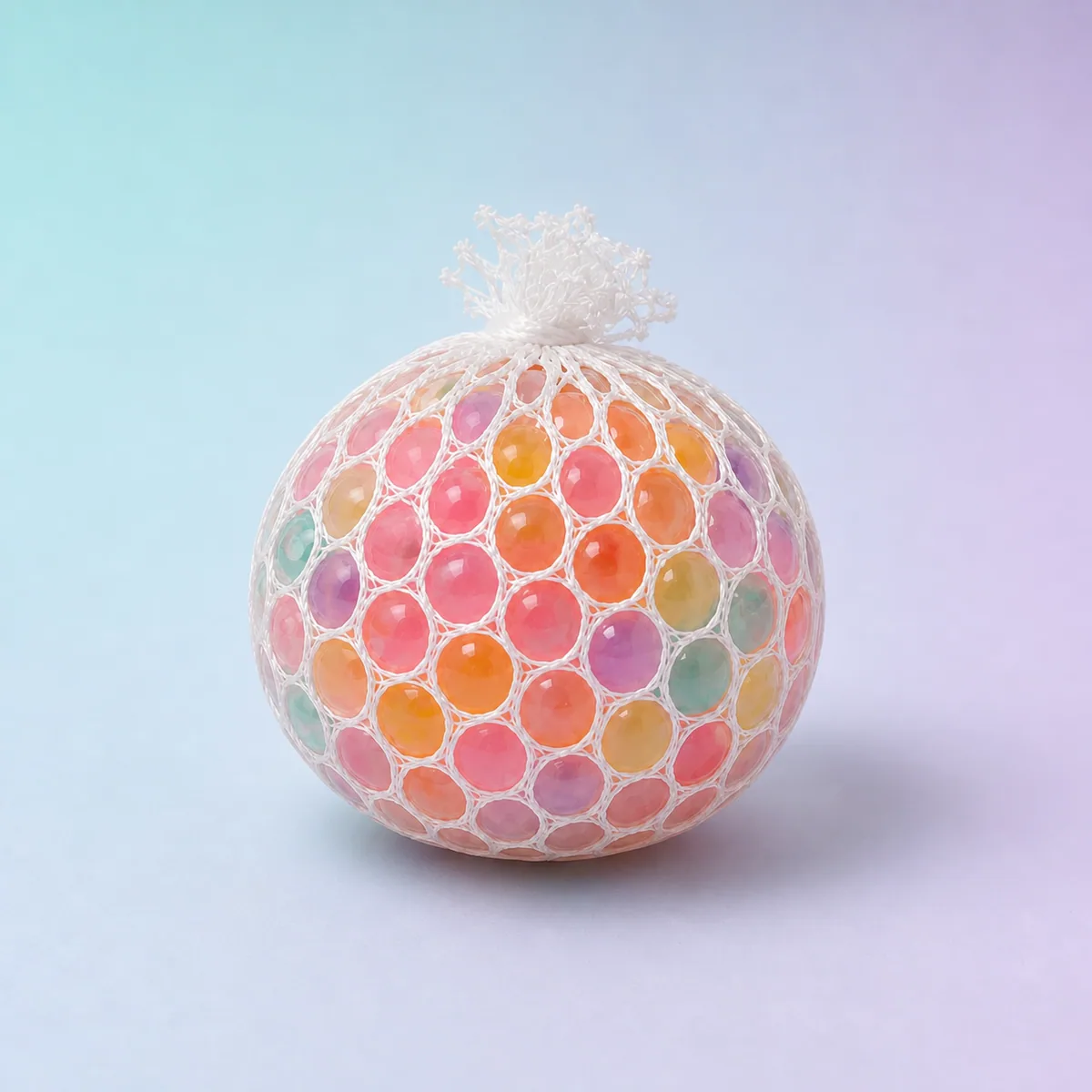
Water-bead balls get a damp wipe on the outside and nothing more. The Calm Orb and the Bubble Grapes are a thin TPR membrane packed with water-absorbent gel beads, wrapped in a mesh. Soaking them traps water in the mesh and membrane, and there is no way to dry the inside. If the surface gets sticky, a quick rinse under a cool tap and a thorough dry restores it; that is the limit.
Never puncture one. The beads inside are not edible, and water beads in general are a real hazard for small children, who can swallow them and be seriously injured as the beads swell. That is why the water-bead balls are rated 8+ and why a leaking one should be thrown away rather than patched.
Can fidget jewelry get wet?
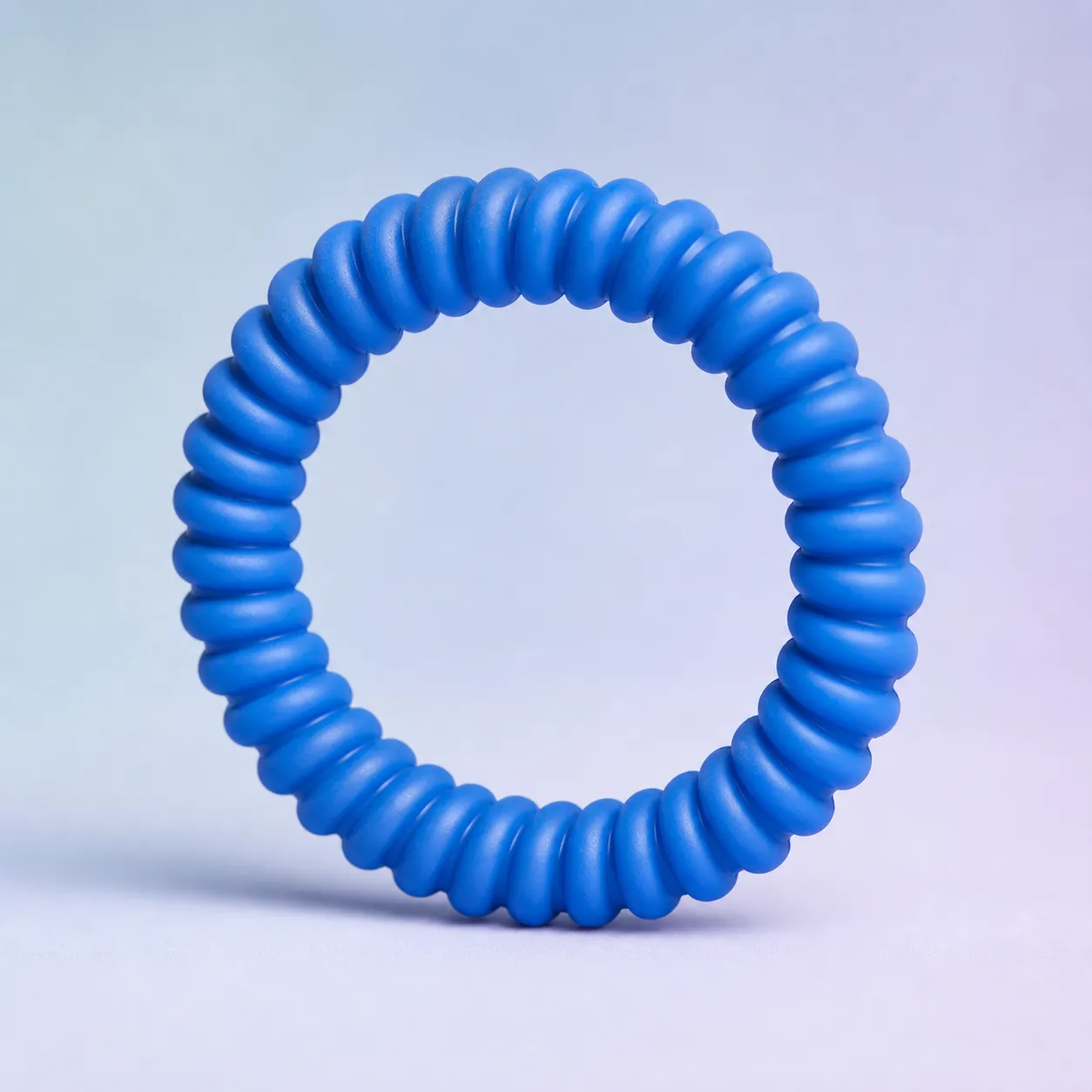
Yes. The Always-On Fidget Bracelet is soft silicone and safe to wear in water, which is the whole point of a fidget you never take off. The Quiet Spinner rings are polished stainless steel with a water-resistant finish; a shower or a dish sink will not hurt them. The only maintenance is a rinse and dry afterward, so soap, lotion, and grit do not build up between the beads and the wires and slow the roll.
Swimming in chlorinated pools or the sea is fine for the silicone band. For the steel rings, rinse in fresh water after a swim, since chlorine and salt are harder on metal than tap water is.
What should never get wet at all?
Putty, and anything with a filled skin. Thinking putty is silicone and does not need water, ever; it never dries out, and wetting it only helps it collect lint. The Mold & Hold dough stress ball has a TPR skin around a flour-style fill: wipe the outside with a damp cloth and keep it away from anything that could pierce the skin, because a pierced one cannot be saved. Foam-filled anything follows the foam rule above.
The quick version, by material
| Material | Examples | Water | How to clean |
|---|---|---|---|
| Slow-rise PU foam | Peachy, Berry, Doughboy dumpling | Never soak | Barely-damp cloth, air dry |
| TPR or silicone gel | Axo, Shelly Sea Turtle, Sweet Bear | Cool rinse is fine | Mild soap, rinse, air dry |
| Water-bead fill | Calm Orb, Bubble Grapes | Wipe only | Damp cloth; never puncture |
| Silicone wearable | Always-On bracelet | Safe in water | Rinse and dry |
| Stainless steel | Quiet Spinner rings | Water-resistant | Rinse, dry between beads |
| Silicone putty | Calm Putty | Keep dry | Dab lint off with fresh putty |
| Filled skin | Mold & Hold dough ball | Wipe only | Damp cloth; never pierce |
The short rule: if it is foam, keep it dry; if it is gel, keep the water cool; if it has beads inside, keep the water out; and if it is meant to be worn, wear it. Your squishy will last longer, and your hands will thank you.
Sources & further reading
We reference trusted organizations by name. This article is informational and not a substitute for professional medical advice.
- U.S. Consumer Product Safety Commission: Has warned that water beads can cause serious injury if swallowed or inhaled by young children, because they expand inside the body; water-bead products are not for children under 3 and should be kept sealed.
- American Chemistry Council, Center for the Polyurethanes Industry: Publishes background on flexible polyurethane foam, the open-cell material inside slow-rising squishies.
- American Occupational Therapy Association: Occupational therapists describe sensory and fidget tools as possible supports for self-regulation, with effects that vary from person to person.
Frequently asked questions
Is it OK to shower with a squishy?
Only if it is gel or TPR, and even then a cool rinse is better than a hot shower. A foam slow-rise squishy should never be showered or soaked: the open-cell foam absorbs water, dries over days, and usually loses its slow rise. Hot water softens every material on this list, so keep the temperature down.
Can I take a squishy in the pool or the bath?
Foam, no. Gel and TPR squishies can handle a dip in cool water, but chlorine and soap leave residue, so rinse them in clean water afterward and let them air dry fully. Water-bead balls should stay out of the water entirely, because the mesh and membrane trap water and the beads inside are not meant to get wet from the outside.
What happens if a foam squishy gets wet?
It soaks the water up like a sponge, turns heavy and limp, and takes days to dry. Press out what you can with a towel, leave it somewhere airy and shaded, and give it several days. No hairdryer or radiator. If it still smells damp after a week, or the rise never comes back, it is time to retire it.
How do I clean a squishy that has been in water?
Foam: you cannot rinse it further without making the problem worse; let it dry fully and then spot-clean with a barely-damp cloth. Gel and TPR: rinse with cool water and a drop of mild soap, then pat and air dry. Our full guide to cleaning squishies and fidget toys covers every material.
Can I wear a fidget ring or bracelet in the shower?
Yes. Our silicone fidget bracelet is safe to wear in water, and the stainless-steel spinner rings are water-resistant. Rinse and dry the rings afterward so soap and grit do not collect between the beads and the wires.
Are squishies safe around water for kids?
A wet foam squishy is ruined rather than dangerous, and a musty one should be thrown away. The bigger water-and-kids issue is water-bead products: the beads inside a water-bead ball swell with water and are a serious hazard if a small child swallows them, which is why those balls are rated 8+ and must never be punctured.