Can a torn squishy be repaired?
Sometimes, and only partly. A small tear can often be stabilized with a flexible glue so the squishy stops tearing further and stays safe to squeeze. What a repair almost never does is restore the original feel, especially on a foam squishy, where the whole point of the slow rise depends on an intact outer skin.
We would rather say that plainly than sell you on a fix that will disappoint you. A repaired squishy is a squishy with a scar. It can still be a perfectly good fidget. It is not going to be new again.
Why doesn’t gluing bring back the original feel?
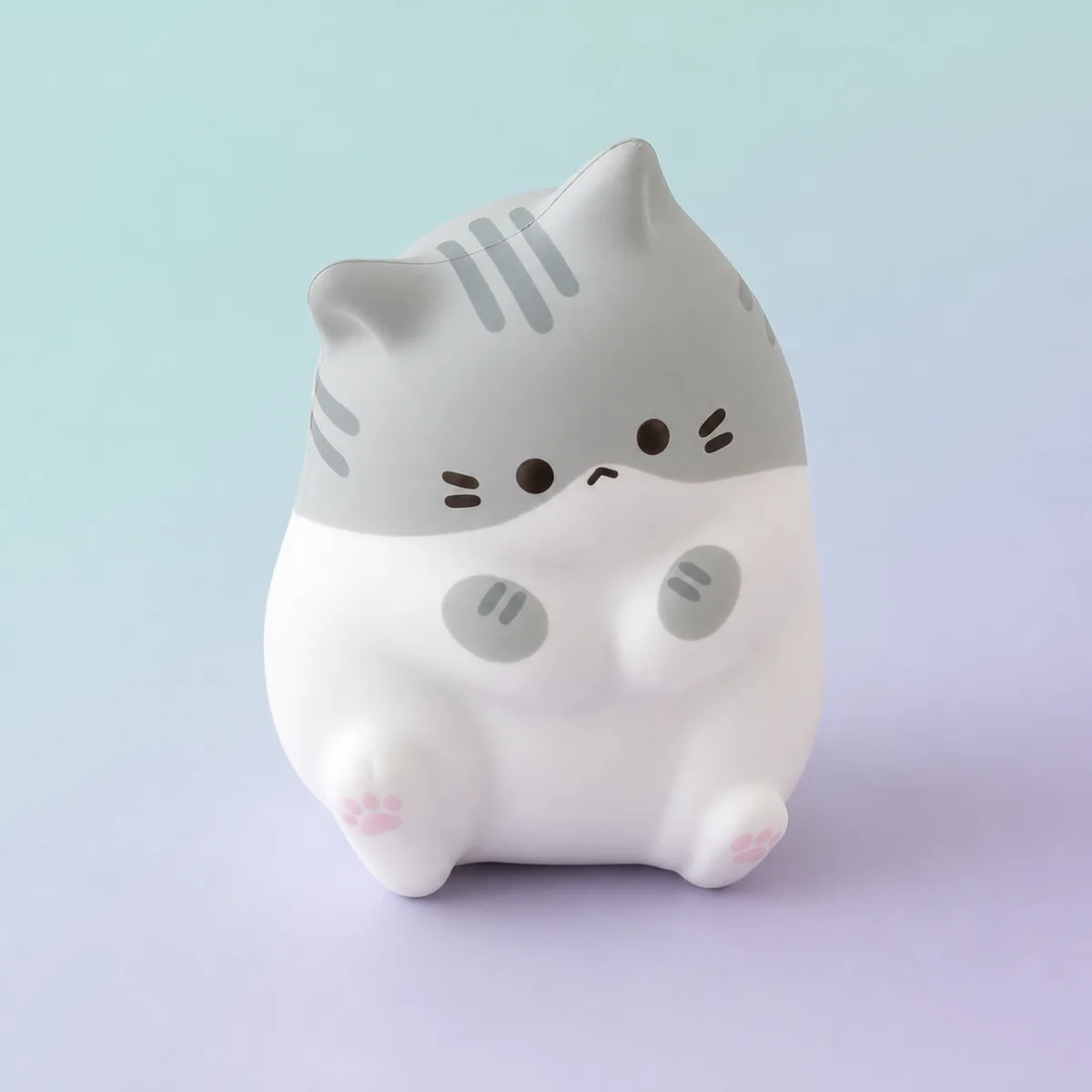
Because the tear itself changed how the squishy works, not just how it looks. On a foam squishy like Sitting Cat Slow-Rise Squishy or Doughboy Dumpling Slow-Rise Squishy, the outer skin is what limits how fast air moves in and out of the foam underneath. That is the entire mechanism behind the slow rise. Once the skin splits, air rushes through the gap, and the squishy rises faster and less evenly right at the damaged spot. Glue does not restore that controlled airflow. It either seals the gap unevenly, which shifts the problem, or it sits on top as a patch, which stiffens the area it covers.
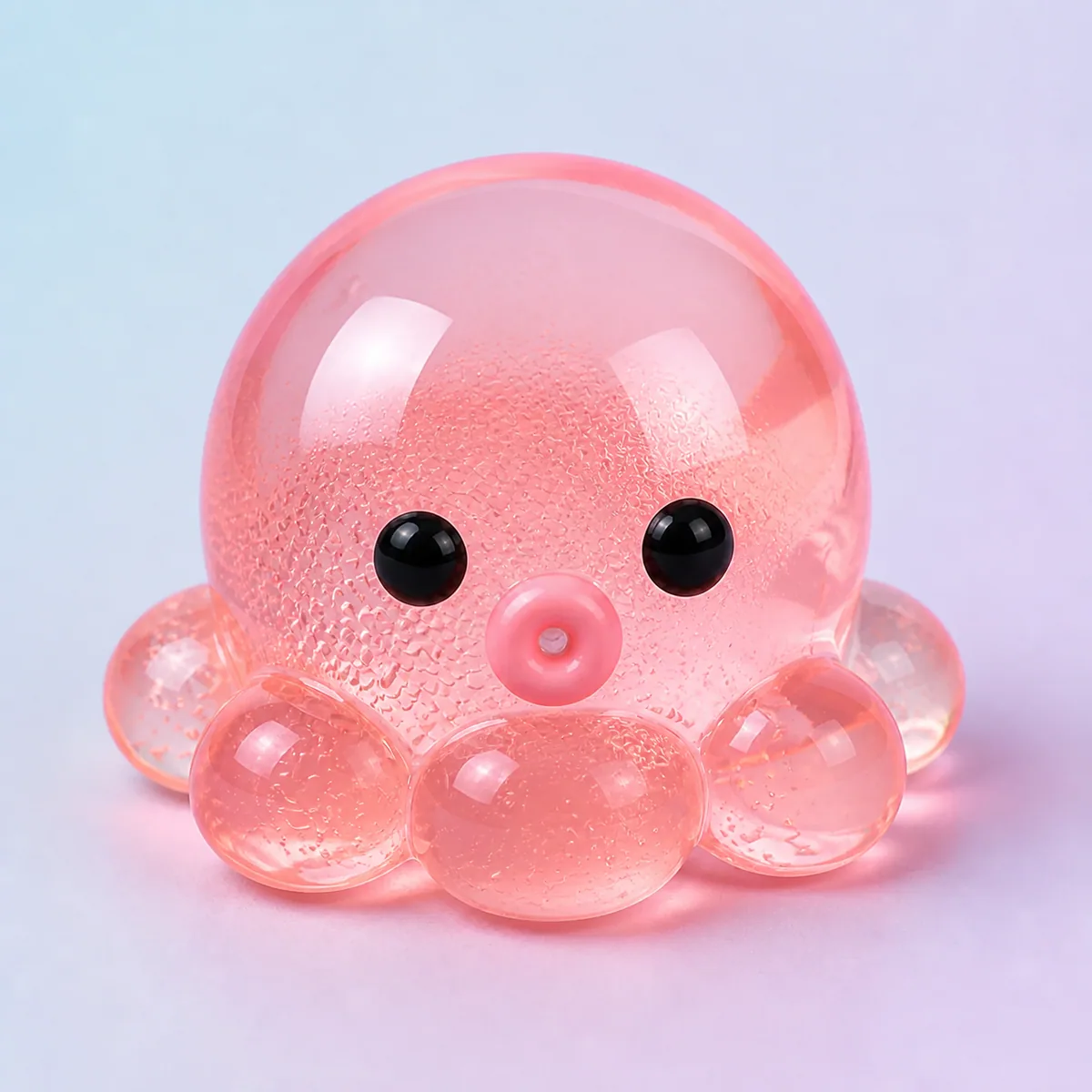
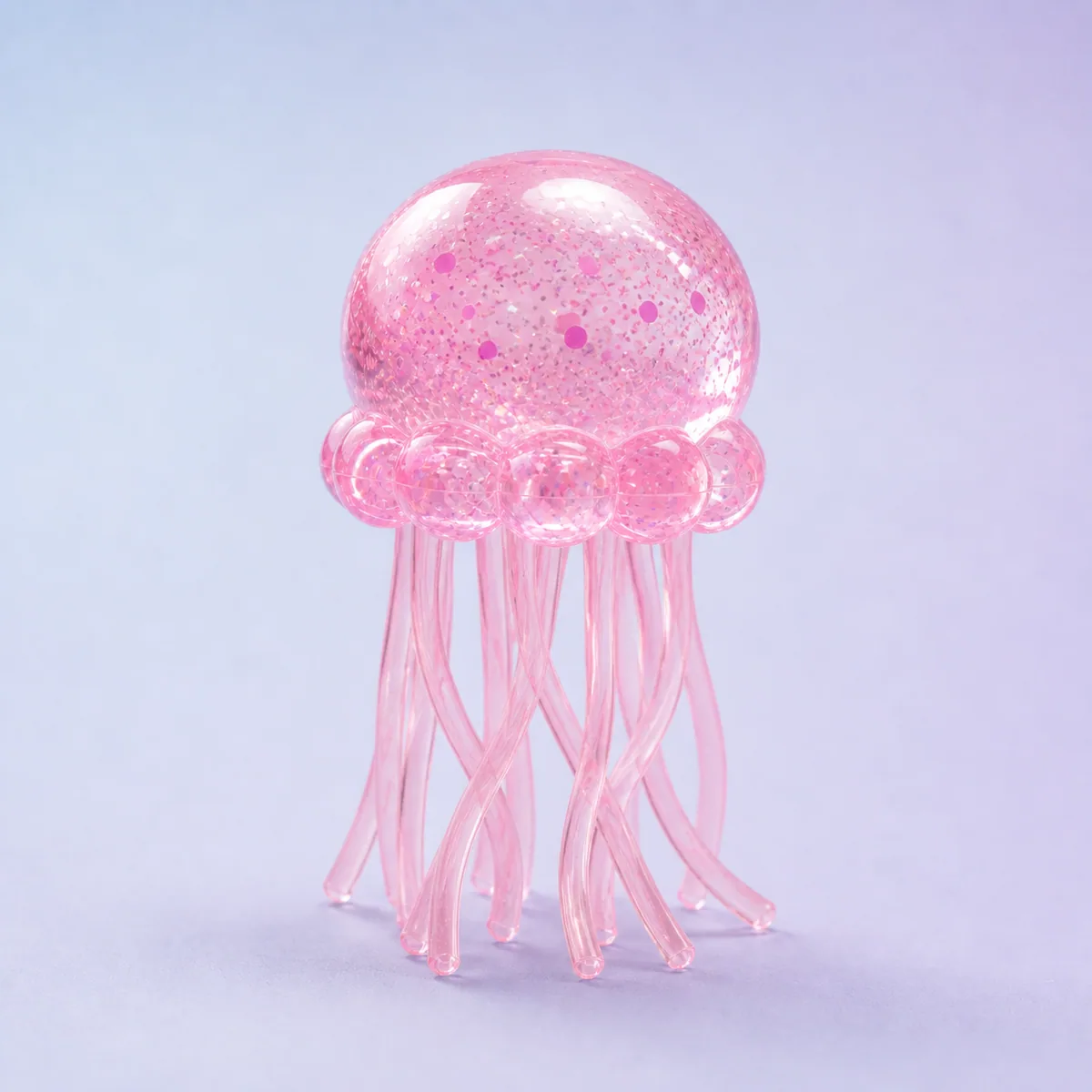
TPR and gel squishies work differently and tear differently. Mochi Octopus Gel Squishy and Lumi Jellyfish Crystal Squishy are solid, molded material all the way through, with no separate skin over a foam core. A tear in one of these goes straight through the material you squeeze, so there is no thin skin to patch. Whatever glue you use has to bond the actual working material, and most household glues bond TPR poorly, which is part of why a repair here often shows and often fails again under a real squeeze.
Is it ever worth trying to glue a small tear?
Yes, for the right kind of tear. A small snag or a short split at a spot you do not normally press, like along a seam or near the base, is worth the effort. Glue it, let it cure fully, and it will likely hold for ordinary handling.
A tear across the main press point, the exact place your thumb lands every time, is a worse bet. That spot flexes the most, and a repair under repeated flex is the kind most likely to reopen. If the tear runs through the press point, expect the fix to be temporary at best, and treat the squishy as a fast-rise squishy from here on rather than hoping the glue will hold the old rhythm in place.
How do you keep glue safe around kids?
Keep both the glue and the squishy out of reach while anything is wet. Most household glues can bond skin on contact and irritate eyes if they get rubbed in, so this is not a repair to do at the table while a toddler is nearby reaching for the tube. Work somewhere a young child cannot get to, and let the repair cure fully, following the glue’s own instructions, before the squishy goes anywhere near a child again.
One more thing worth checking before handing a repaired squishy back to a young child: run a thumb over the glued area once it is dry. A stiff edge, a hardened bead, or anything that could flake or peel off in small pieces is not something a young child should be chewing on. If the repair does not feel completely smooth and solid, it is safer to retire the squishy than to hand it to a small child anyway.
When should you retire a torn squishy instead?
Retire it once it starts flaking, shedding small pieces, or re-tearing at the same spot after you have already repaired it once. Those are signs the material itself is breaking down, not just the one spot that tore, and no amount of gluing keeps up with that. A squishy that is otherwise intact, with one old, stable, glued tear, is fine to keep in rotation. One that keeps coming apart has done its job and earned a retirement.
| Situation | Can it be fixed | What to expect |
|---|---|---|
| Small snag, foam squishy, off the press point | Often, with flexible glue | Holds, but that one spot loses its original slow rise |
| Tear across the main press point, foam squishy | Rarely holds long-term | Fast-rise at that spot, likely to reopen |
| Small tear, TPR or gel squishy, off the press point | Sometimes | Repair may show; TPR bonds poorly with many household glues |
| Tear across the press point, TPR or gel squishy | Rarely holds long-term | Likely to reopen under normal squeezing |
| Flaking, crumbling, or repeat re-tearing | No | Retire the squishy |
How do you stop tears before they happen?
Press with the pads of your fingers instead of your fingernails, and keep squishies away from keys, zippers, and sharp edges when they travel in a bag. Most tears trace back to a nail catching the skin or a squishy getting jostled against something sharp, not to normal, gentle squeezing. A squishy that only ever meets soft hands and a clean pocket tends to go a very long time without needing any glue at all.
A torn squishy is not a failed squishy. It is one with a story and, sometimes, a small stiff patch where the story happened. Keep it if it still squeezes and returns, retire it if it does not, and let the next one live a little further from your keys. Calm in the palm of your hand.
Sources & further reading
We reference trusted organizations by name. This article is informational and not a substitute for professional medical advice.
- American Chemistry Council, Center for the Polyurethanes Industry: Publishes background on flexible polyurethane foam, the open-cell material used in slow-rising squishies, and on how foam products should be stored and handled.
- ASTM International: Publishes toy safety standards covering the plastics, silicone, and metals used in squishies and fidget toys.
- U.S. Consumer Product Safety Commission: The US toy-safety regulator, which has issued public warnings about loose water bead products and guidance on children's toys.
Frequently asked questions
Can you fix a torn squishy with glue?
You can often stabilize a small tear with a flexible glue, especially one at a low-stress spot away from where you normally press the squishy. It will hold together and stay safe to squeeze, but it will not feel the way it did before the tear, and a tear across the main press point tends to reopen no matter what glue you use.
Will a glued squishy ever slow-rise the same way again?
Rarely, on a foam squishy. The slow rise depends on the outer skin controlling how quickly air moves through the foam, and any patch or bead of glue changes that in the repaired spot, usually making the squishy rise faster and less evenly right where the tear was.
Is it safe to glue a squishy if there are kids in the house?
Yes, if you keep the glue itself and the toy out of reach while it is wet and while it cures. Wet glue can bond skin and irritate eyes, and a freshly repaired squishy may have a stiff or slightly raised edge that is not something a young child should chew on. Let it cure fully somewhere they cannot reach before handing it back.
Why did my gel or TPR squishy tear instead of just splitting the skin?
TPR and gel squishies like Mochi Octopus Gel Squishy and Lumi Jellyfish Crystal Squishy are a solid molded material, not foam with a separate outer skin, so a tear goes through the material itself rather than just the surface. That makes them harder to glue invisibly, since the repair has to bond the actual squeezed material, not a thin skin over foam.
When should you stop trying to repair a torn squishy?
Retire it once it starts flaking, shedding small pieces, or re-tearing at the same spot after a repair. A squishy that is otherwise intact and just has an old, stable, glued tear is fine to keep using. One that keeps coming apart is past the point where gluing helps.
How do you stop squishies from tearing in the first place?
Press with the pads of your fingers instead of your fingernails, and keep squishies away from keys, zippers, and sharp edges in a bag. Most tears come from a nail catching the skin or a squishy getting jostled against something sharp, not from normal squeezing.