Can a fidget toy actually help you focus?
For some people, yes, a little. A fidget toy can support focus by giving restless hands a small, automatic job, which frees up more of your attention for the task in front of you. Here is the honest version: the effect is usually modest, the research is mixed, and a fidget toy is a supportive aid, not a productivity guarantee.
We would rather be straight with you than sell you a miracle. Plenty of people genuinely concentrate better with something quiet to do with their hands, and that is worth taking seriously. It is also true that a fidget toy will not rescue a task you are dreading, silence a noisy office, or replace a decent night of sleep, and anyone who promises otherwise is selling something. Both things are true at once: worth trying, and not a fix.
How would a fidget toy help you focus?
The leading idea is called optimal stimulation. A brain that is slightly understimulated goes looking for input, and when the task in front of you is boring or repetitive, it often finds that input by drifting off task. A small, steady fidget can absorb that need for a little extra stimulation in the background, so your foreground attention has less reason to wander.
Think about what actually happens when focus slips. Your hand starts hunting for your phone. Your leg bounces. Your mind slides to the group chat. A fidget toy meets that restless energy where it lives, in the hands, and gives it somewhere small and harmless to go.
Here is the simple version of what may be happening:
- A background motion occupies the restless part of you. The bit that wants to move gets to move, so the rest of you can stay on the page.
- Repetition is predictable and low-demand. A motion you can run without thinking does not need much attention of its own, which is exactly the point.
- Touch is a gentle anchor. A little tactile input pulls you back to the present, the way doodling can quiet a busy meeting brain.
None of this is magic, and we would not pretend it is. It is a plausible, well-worn mechanism, and it lines up with how sensory tools get used in occupational therapy and focus coaching every day.
What does the research actually say about fidgeting and focus?
The research is mixed. Some studies find small improvements in attention, on-task behavior, or restlessness when people are allowed to fidget or move, others find little effect, and a few find that the wrong kind of fidget object pulls attention away instead. Most experts treat fidget toys as a modest support, not a proven intervention.
Here is how to hold the evidence honestly:
- The findings are not uniform. “Fidgeting” covers everything from a silent squeeze to a clicking gadget, so studies measure very different things, which makes tidy conclusions hard.
- Where benefit shows up, it tends to be small and personal. Some people clearly focus better with something in their hands. Others notice nothing at all, and both are normal.
- The object matters as much as the act. Groups like CHADD and ADDitude discuss fidgeting as a legitimate strategy for focus and restlessness, and the American Occupational Therapy Association recognizes sensory tools within self-regulation approaches. General health sources like the Cleveland Clinic take a measured view too: fidgeting may help some people concentrate, and it is no cure-all.
A fair summary: real but modest, promising in places, and far from settled. That is enough to make a quiet fidget worth trying at your desk, and not enough to call it a productivity tool with a straight face.
Why do some fidget toys distract instead of help?
Because a fidget only helps while it stays in the background. The moment it makes noise, pulls your eyes, or becomes more interesting than your work, it stops supporting focus and starts competing with it. That is the whole reason quiet, low-look fidgets tend to win for concentration.
It comes down to how much of your attention the toy asks for. A silent marble you roll under one thumb barely registers, so you can run it on autopilot while you read. A gadget that clicks loudly, flashes, or begs to be watched is a small task of its own, and now you are doing two things instead of one.
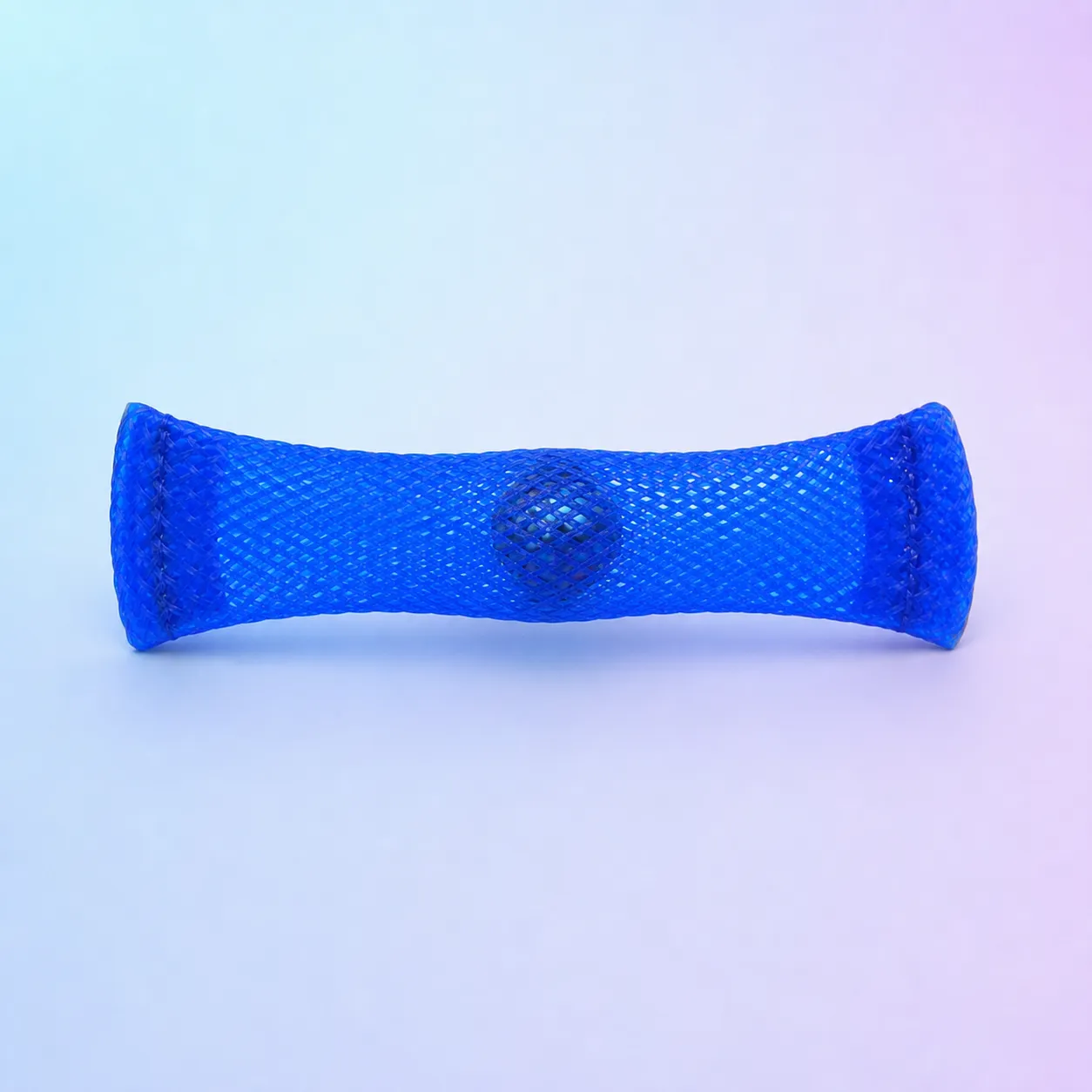
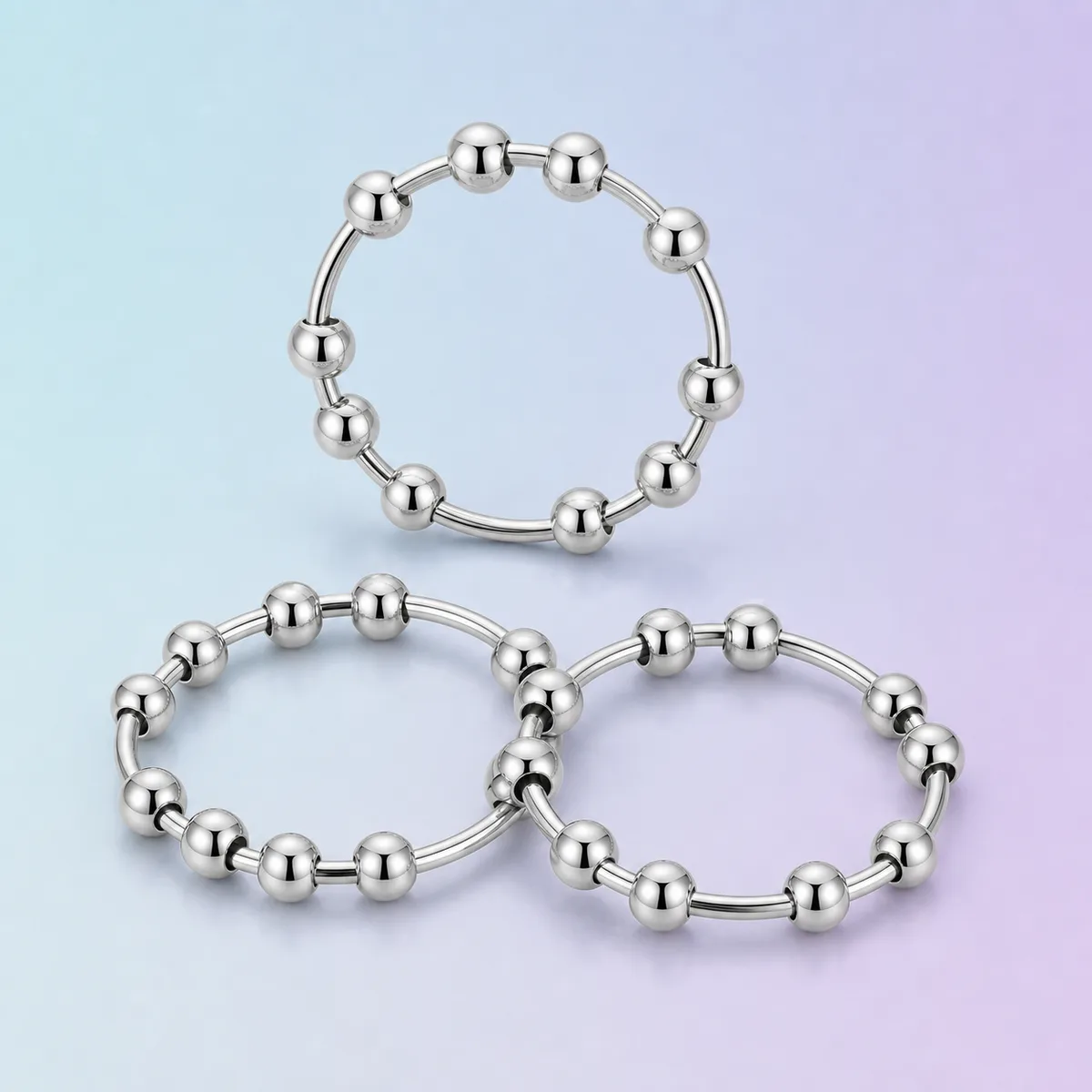
This is where we will be honest about our own shelf. The Roll & Squeeze Mesh Marble Fidget is genuinely silent, slim, and easy to forget you are holding, which is exactly what you want for focus in a shared room. The Quiet Spinner Sensory Ring Set (3-Pack) is nearly as discreet, with only a faint tick when the metal beads touch. The Clicky Keys Keyboard Fidget, by contrast, is a joy precisely because it clicks; that crisp, springy feedback is the point. It is a wonderful desk fidget for your own space, and the wrong choice for a quiet library or a room full of people trying to concentrate. Same brand, different jobs.
Which fidget toys are best for focus?
For focus, the calmest and least attention-grabbing options tend to work best. Reach for something quiet, low-look, and easy to run one-handed, so your hands stay busy while your eyes and mind stay on the task. Here is a simple way to match a fidget to the way your focus slips:
| If your focus tends to slip because… | Reach for… | A focus-friendly pick |
|---|---|---|
| Your hands get restless in long meetings or lectures | A silent, low-look fidget | Roll & Squeeze Mesh Marble Fidget |
| You fidget in plain sight and want it to look like nothing | A discreet wearable | Quiet Spinner Sensory Ring Set (3-Pack) |
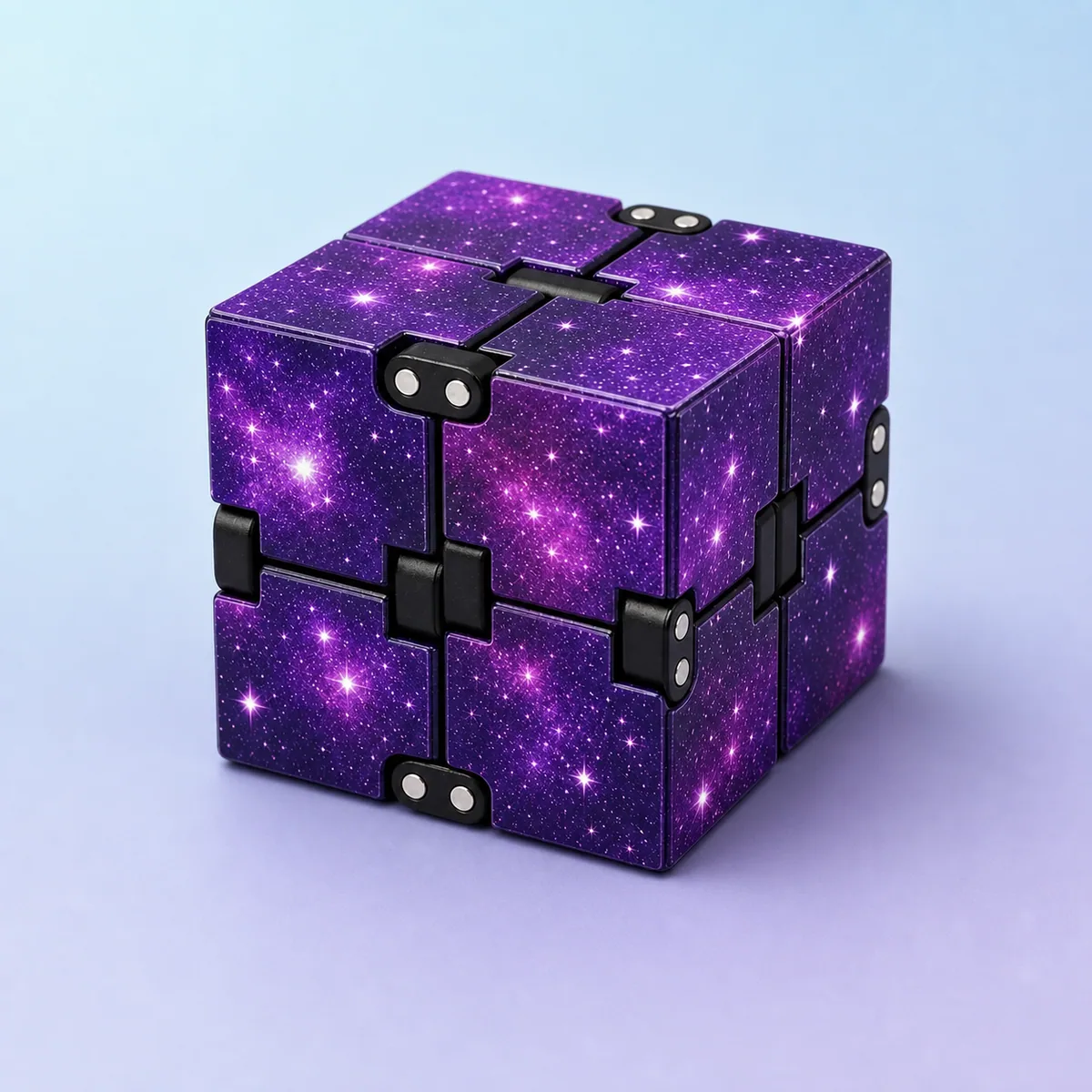
| You settle into a smooth, repeating loop | An endless one-handed motion | Infinity Flip Cube |
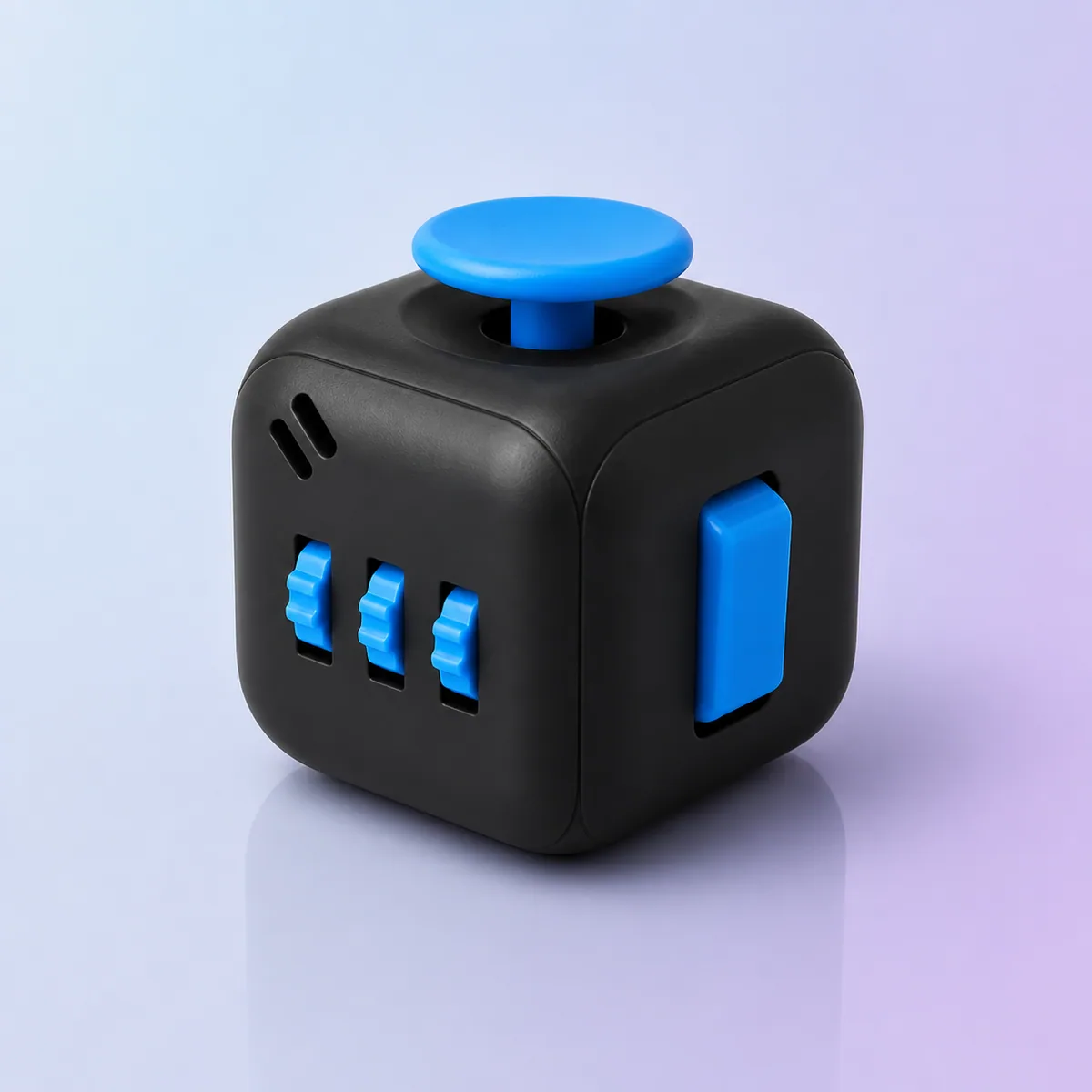
| Your hands want a few things to switch between | A multi-sided cube | Click-Cube Focus Fidget |
| You focus better with a crisp, satisfying click, in your own space | A tactile, audible tool | Clicky Keys Keyboard Fidget |
There is no single right answer, and the best focus fidget is the one your hand keeps reaching for without you noticing. If you fidget in plain sight, a discreet option like the Quiet Spinner Sensory Ring Set lets you self-regulate in a meeting without anyone clocking it. If you settle into repetition, the smooth end-over-end loop of the Infinity Flip Cube is easy to fall into, though it does give a soft, low click, so it suits your own space more than a silent room. And if variety keeps your hands happy, the Click-Cube Focus Fidget puts six small things to do on one cube, near-silent on most sides with a soft click on the buttons.
How do you use a fidget toy to focus without it becoming the distraction?
Keep it automatic and keep it in the background. The goal is a motion your hands can run without thinking, on the boring or restless stretches of work, so it drains off fidgety energy instead of adding a new task. A few things help:
- Match it to the right work. A quiet fidget helps most on under-stimulating tasks: long calls, dull reading, waiting, revising. For deep work that already keeps your hands busy, you may not need one.
- Keep it one-handed and out of sight. The less it asks of your eyes, the more it leaves for the task.
- Choose quiet for shared spaces. Silent or near-silent options keep the focus yours without costing your neighbors theirs.
- Notice if it is helping or hijacking. If you catch yourself watching the toy instead of working, put it down. That honesty is the whole skill.
- Keep one where focus goes to die. Your desk, your bag, the meeting room. The easiest tool to use is the one already within reach.
Give it a week or two before you decide. Some days a fidget helps a lot, some days barely, and that is normal.
When is a fidget toy not the answer?
When the focus problem is bigger than restless hands. A fidget toy can take the edge off a boring afternoon. It cannot fix chronic exhaustion, burnout, an impossible workload, or an attention difficulty that is getting in the way of your daily life. If concentration is a constant, frustrating struggle, that is worth talking through with a doctor or a qualified professional who can look at the whole picture.
Used with clear eyes, a fidget toy is a small, friendly lever. It gives anxious, restless hands somewhere to go, and for a lot of people that is just enough to keep their attention where they want it. Not a productivity guarantee. Just a little calm in the palm of your hand, on the days the work feels long.
Sources & further reading
We reference trusted organizations by name. This article is informational and not a substitute for professional medical advice.
- ADDitude: Covers fidget tools and movement as practical self-regulation strategies for focus and restlessness.
- CHADD: Discusses fidgeting and sensory strategies as recognized approaches for supporting focus and managing restlessness.
- American Occupational Therapy Association: Recognizes sensory and fidget tools within the broader self-regulation approaches used by occupational therapists.
- Cleveland Clinic: Offers measured general-audience guidance on attention and whether fidgeting can help some people concentrate.
- American Psychological Association: Publishes research and guidance on attention, distraction, and how the mind sustains focus.
Frequently asked questions
Do fidget toys really help you focus, or is it just a placebo?
For some people they offer real, if modest, help by giving restless hands a quiet job so more attention stays on the task. Some of the benefit may come from expectation, but a settled body is easier to focus in. The evidence is mixed, the effect is usually small, and a fidget toy is a supportive aid, not a productivity guarantee.
What kind of fidget toy is best for focus at work?
Quiet and low-look tends to win. A silent option like the Roll & Squeeze Mesh Marble Fidget or a discreet one like the Quiet Spinner Sensory Ring Set lets your hands stay busy while your eyes and mind stay on the task, without disturbing anyone nearby. Save clicky, satisfying tools for your own solo space.
Can a fidget toy actually make focus worse?
Yes, if you pick the wrong one. A fidget only helps while it stays in the background, so anything that clicks loudly, flashes, or is so fun you start watching it becomes a second task instead of a support. For concentration, choose quiet, repetitive, and easy to run one-handed.
How do I use a fidget toy without getting distracted by it?
Keep it automatic and out of sight. Run a simple, one-handed motion during boring or restless stretches of work, choose quiet in shared spaces, and put it down if you catch yourself watching the toy instead of working. Matching it to under-stimulating tasks, like long calls or dull reading, is where it helps most.
Are fidget toys only for kids or people with ADHD?
No. Plenty of adults use them at their desks, and restless or neurodivergent people often report the most benefit, but a quiet fidget is fair game for anyone whose hands wander when they concentrate. It is a supportive tool, not a treatment for any condition, and there is nothing childish about using something that helps you stay present.