What fidgets work well for autistic teens?
The right fidget for an autistic teen usually comes down to one distinction long before it comes down to brand or price: is this teen’s system reaching for more input, or trying to turn some down. The National Autistic Society describes autistic sensory processing as running hyper-sensitive, a stronger reaction to input, hypo-sensitive, a reduced reaction, or a mixed pattern that shifts across the senses and across days. A fidget that suits a seeking profile can be the wrong choice for an avoiding one, and the same teen can lean either way depending on how tired or stressed they are.
That is also why this is not a treatment guide. A fidget does not treat autism, and nothing here is sold as if it does. Autistic-led advocacy puts it plainly: the Autistic Self Advocacy Network describes stimming, repetitive, self-soothing movement, as something that “helps us regulate our senses,” with everyday examples like rocking, playing with the hands, or humming. That is the frame worth borrowing here: regulation, not correction.
ASAN also notes that some autistic people have reduced sensory awareness in certain ways, describing it plainly: “We might not notice if we are in pain or hungry.” That under-registration is part of why a strong-input fidget can matter for a seeking profile in particular. It is not that the teen wants a toy more than anyone else; it is that a mild texture or a light squeeze may simply not register, where a resistant putty or a firm gel squeeze does.
Sensory seeking versus sensory avoiding
Seeking and avoiding are two different needs, and they call for different tools. According to the National Autistic Society, a hypo-sensitive, sensory-seeking teen may look for more intense input on purpose, tapping or banging an object for the sound and feel of it. A hyper-sensitive, sensory-avoiding teen tends to do the opposite: covering the ears, stepping out of a loud room, or steering clear of certain textures altogether.
Neither pattern is fixed. The Society notes sensitivity can vary across different senses in the same person, and even change day to day with fatigue, stress, illness, or the effort of masking. A teen who wants a strong, resistant squeeze on a calm Tuesday might want almost nothing in their hands on a loud, overwhelming Friday. Packing more than one option, rather than betting on a single fidget, respects that.
It also helps to remember that seeking and avoiding are not opposite ends of one dial for the whole person. A teen can be a toucher who wants firm pressure in the hands and, at the same time, someone who cannot stand a certain background hum. Sensitivity is per sense, not per person, which is exactly why a single fidget rarely covers everything a teen’s senses are asking for at once.
What if a teen’s own pattern isn’t clear yet?
Watch, rather than guess. A teen who presses hard, taps repeatedly, or seems to seek out textures is likely leaning seeking; one who flinches at certain sounds, avoids certain fabrics, or seems overwhelmed in busy rooms is likely leaning avoiding, and plenty of teens show both depending on the sense involved. Offering one option from each category, a resistant fidget and a quiet worn one, and simply noticing which gets reached for on which kind of day is a reasonable, low-pressure way to learn a teen’s own pattern, without turning it into a test.
What suits a seeking profile?
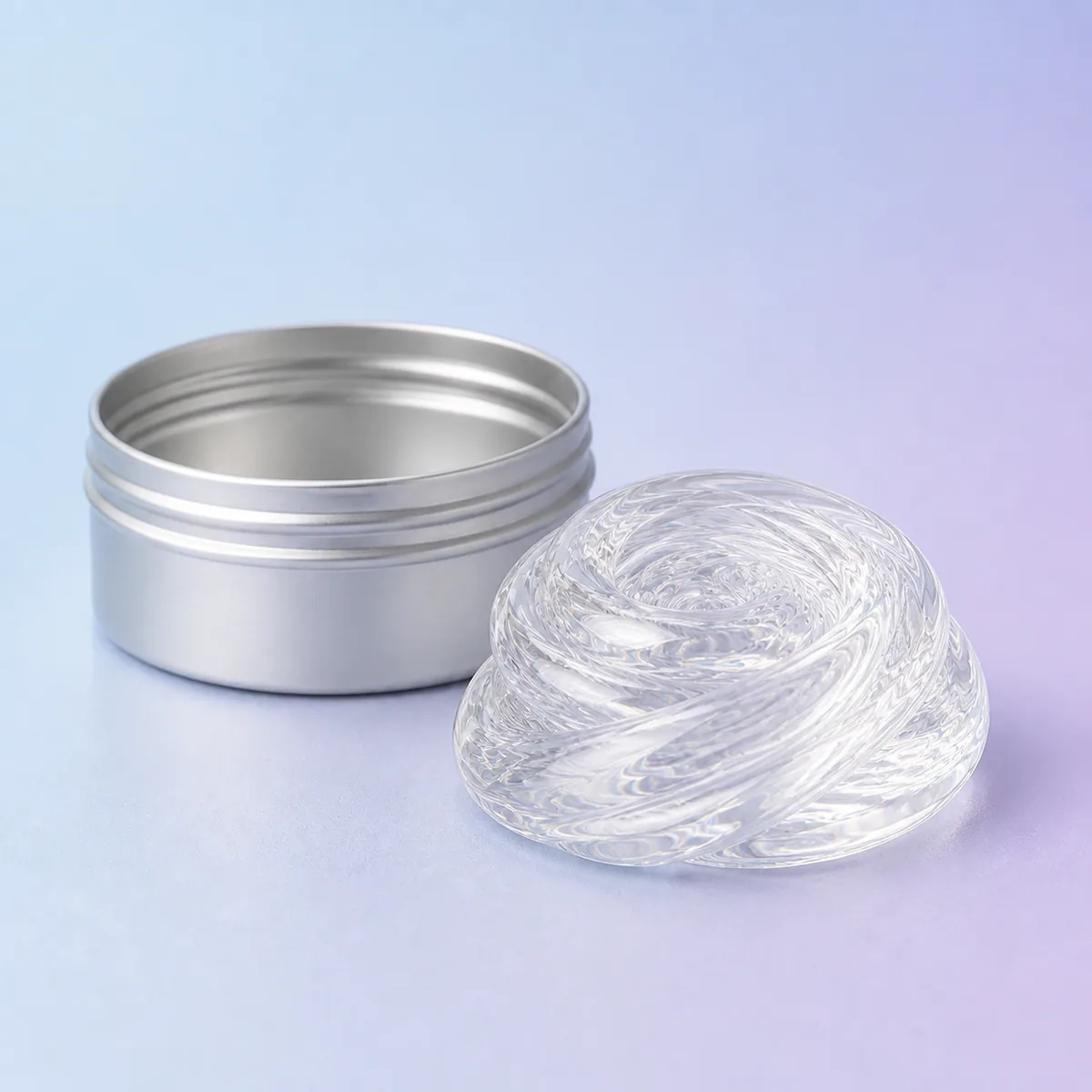
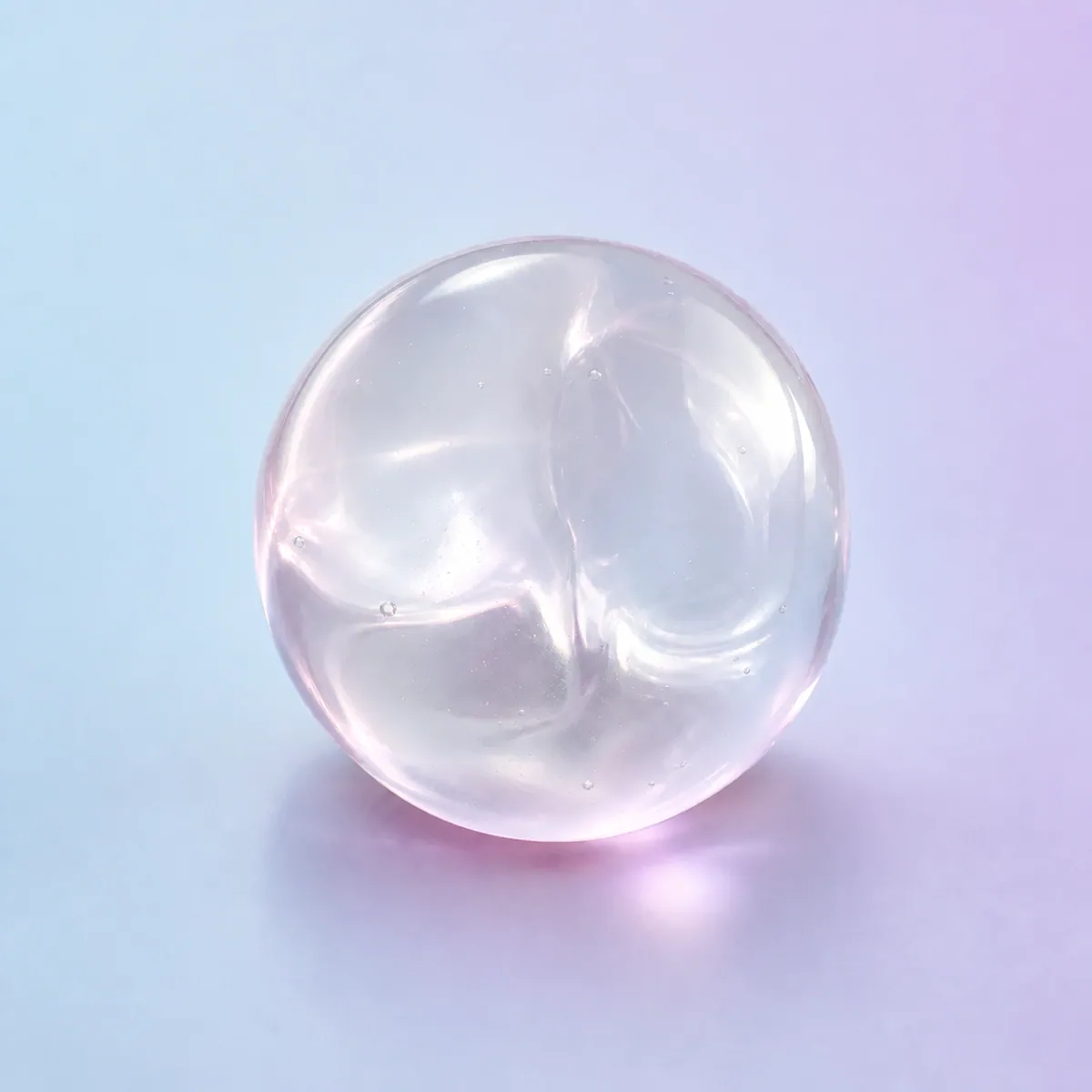
A teen who seeks input generally does better with something that pushes back. Calm Putty gives real resistance: pull it, stretch it, snap it, and it resists the whole way, which suits hands that want a strong, physical answer. The Jelly Blob Transparent Gel Fidget works through a different motion, an oozing, slumping squeeze that keeps giving feedback the longer you work it. Both are open-ended, so a seeking teen can invent their own pressure and pace instead of following one fixed motion.
What suits an avoiding profile, or discretion?
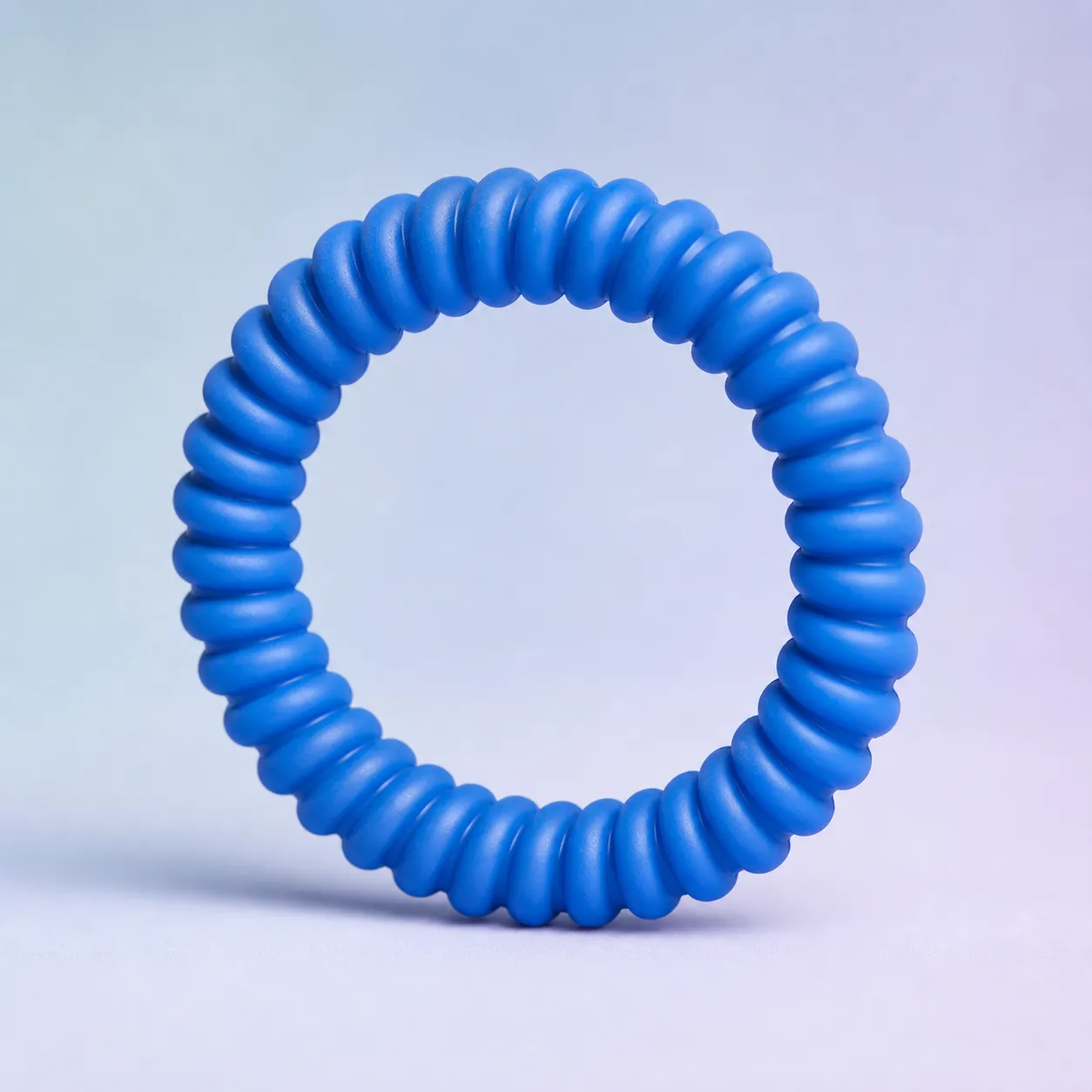
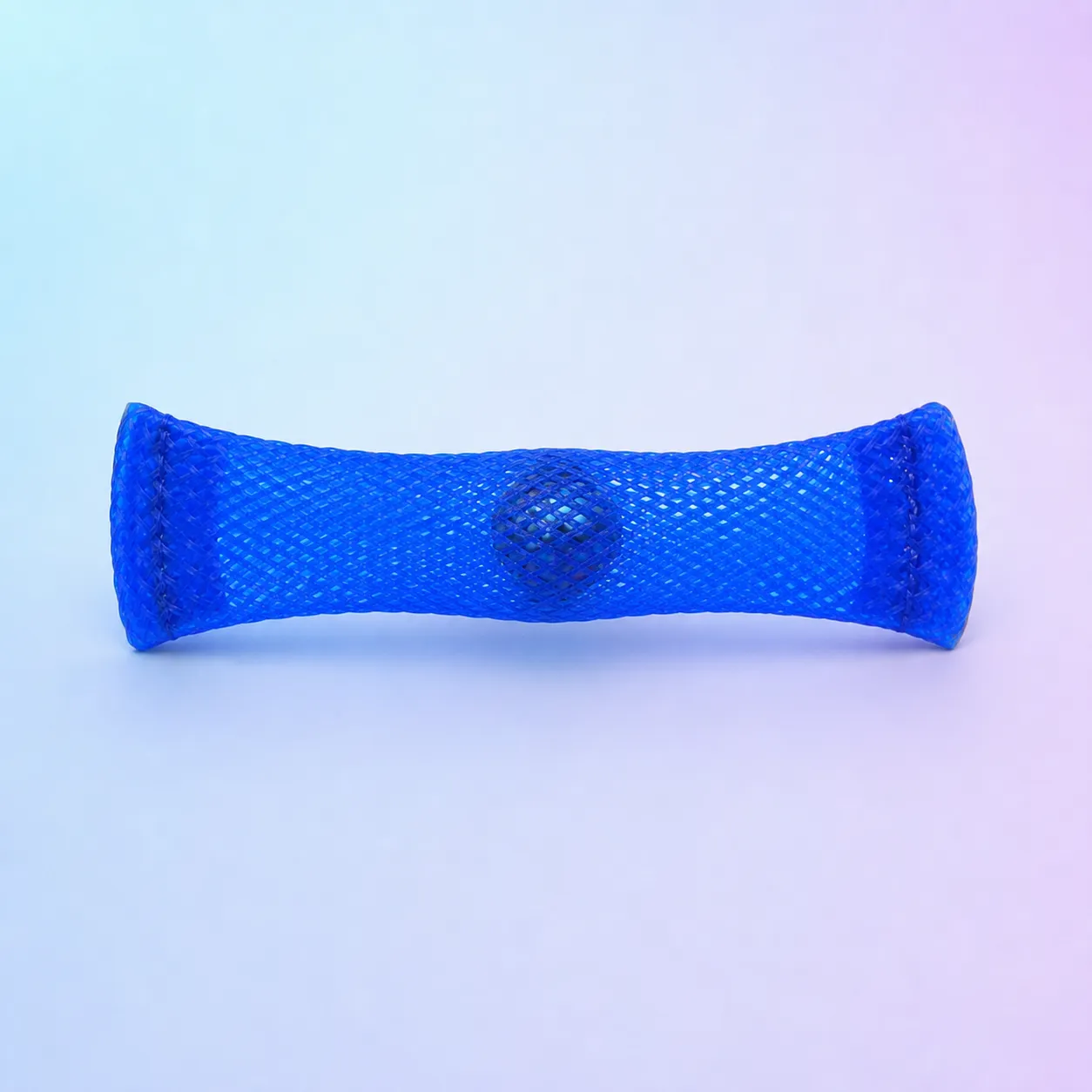
A teen who is managing sensory overload, or who just does not want a fidget to be noticed, needs something closer to nothing. The Always-On Fidget Bracelet is worn, not carried: soft silicone with a quiet textured band that sits on the wrist and asks nothing of the eyes or the ears. For a hand that wants a small motion without noise or texture, the Roll & Squeeze Mesh Marble Fidget rolls quietly inside its mesh pouch, easy to work under a desk without a sound.
How do the four options compare?
| If the teen | Tends to reach for | A fidget that fits |
|---|---|---|
| Seeks strong input, likes resistance | Pulling, stretching, pressing hard | Calm Putty |
| Seeks continuous, oozy feedback | Squeezing, working the hands | Jelly Blob Transparent Gel Fidget |
| Avoids texture or noise, wants low input | Nothing, or something barely there | Always-On Fidget Bracelet |
| Wants discretion at school | A fidget nobody notices or hears | Roll & Squeeze Mesh Marble Fidget |
Why isn’t one fidget the whole answer?
The National Autistic Society points out that many autistic people keep a sensory kit rather than a single tool: a small collection that might include ear defenders or noise-cancelling headphones, sunglasses or tinted glasses, a sensory or fidget toy, a wobble cushion, or something to chew, alongside items like a weighted blanket or vest that the Society says should involve an occupational therapist’s input first. A fidget toy is one piece of that kit, not the whole kit, and not a fix for the sensory need underneath it.
That is worth saying plainly to parents, teachers, and teens themselves: stimming with a fidget is not a behavior to phase out. The Society’s own guidance is to let a person stim to self-regulate unless it is causing them harm. That single line reframes a lot of well-meaning but misdirected advice: the goal was never a still, quiet teen, it was a teen whose senses have somewhere real to go.
If you are choosing a fidget for a teen, choose it as a genuine tool for a genuine sensory need, in whatever combination that teen’s own hands, ears, and skin actually ask for, and let the teen weigh in on which one earns a permanent spot in a bag or a pocket. Calm in the palm of your hand.
Sources & further reading
We reference trusted organizations by name. This article is informational and not a substitute for professional medical advice.
- National Autistic Society: Describes autistic sensory processing as hyper-sensitive, hypo-sensitive, or a mixed pattern that varies by sense and by day, lists sensory-management tool categories including fidget toys, and advises not stopping someone's self-regulating stimming unless it is causing them harm.
- Autistic Self Advocacy Network: An advocacy organization run by autistic people; describes stimming in its own words as something that helps autistic people regulate their senses, with everyday examples like rocking, playing with the hands, or humming.
- CHADD: A US nonprofit for children and adults with ADHD; says research supports that fidgeting generally can help attention and recall, while stating plainly that studies showing fidget toys themselves help are lacking.
Frequently asked questions
What fidget works best for an autistic teen?
It depends on whether the teen is sensory-seeking or sensory-avoiding, a pattern the National Autistic Society describes as varying by sense and by day. A teen who seeks strong input tends to do better with a resistant fidget like putty or a gel blob; a teen managing sensory overload often does better with something quiet and worn, like a soft bracelet.
Do fidget toys help autism?
A fidget does not treat autism, and it is not sold here as if it does. What autistic-led guidance actually describes is narrower: a fidget can support sensory self-regulation, the same regulation the Autistic Self Advocacy Network says stimming itself provides, and that is a real, worthwhile, and much smaller claim.
What is the difference between sensory seeking and sensory avoiding?
Sensory seeking means reaching for more input, like tapping, banging, or pressing hard on purpose; sensory avoiding means reducing input, like covering the ears or leaving a loud room. The National Autistic Society notes both patterns can shift across the senses and across days for the same person, so neither is a fixed label.
Should you stop a teen from stimming?
Generally, no. The National Autistic Society's guidance is not to stop someone from stimming to self-regulate unless it is hurting them, and the Autistic Self Advocacy Network frames stimming itself as a way autistic people regulate their senses. A fidget toy is one way to give that need a specific, chosen outlet.
What is a sensory kit?
A sensory kit is a small personal collection of tools rather than a single item, and the National Autistic Society notes many autistic people keep one. It might combine a fidget toy with noise-cancelling headphones, tinted glasses, a wobble cushion, or a chew item, chosen for whatever the day's sensory need actually is.
Are quiet fidgets better for school?
For a teen who wants discretion, yes, since a fidget that clicks or has to be pulled out draws more attention than one that is silent or already on the body. A worn bracelet or a small mesh marble fidget can be worked quietly under a desk without becoming the thing classmates notice.