What makes a good fidget desk set for a shared office?
A good fidget desk set for a shared office is silent, small enough to sit next to a keyboard without taking over the desk, and boring enough to look at that a deskmate barely registers it. A private office gives you room to be a little louder and a little more visual. A shared one, open-plan, hot-desked, or just close quarters, does not, so the calculus changes: what worked at home might be the thing your neighbor mentions in a meeting. That difference is easy to miss when you are choosing a fidget alone, on your own desk, with nobody else around to notice.
Why “shared” changes the calculus
Noise travels further than you think across an open floor, and the open-plan format itself already asks a lot of the people working in it. A 2018 study published in Philosophical Transactions of the Royal Society B tracked two Fortune 500 offices through their transition to open-plan layouts using sociometric badges and communication logs, and found face-to-face interaction dropped by roughly 70 percent afterward, with electronic messaging rising to fill the gap. Separate research in the Journal of Environmental Psychology has linked open-plan office noise specifically to reduced performance on memory-dependent tasks and less effective mental recovery after a stretch of focused work, compared with quieter conditions. Neither study looked at fidget toys or desk objects at all, they measured office architecture and ambient noise, but together they say something real about the room you are sitting in: it already works against sustained attention before anything on your desk enters the picture. A click that sounds quiet to you is not quiet three desks over, especially in the kind of hush that settles over an office mid-afternoon. Worry stones, putty, and gel are all silent, which is why they beat a clicky cube or a spinner with any kind of mechanism in a room full of other people trying to concentrate.
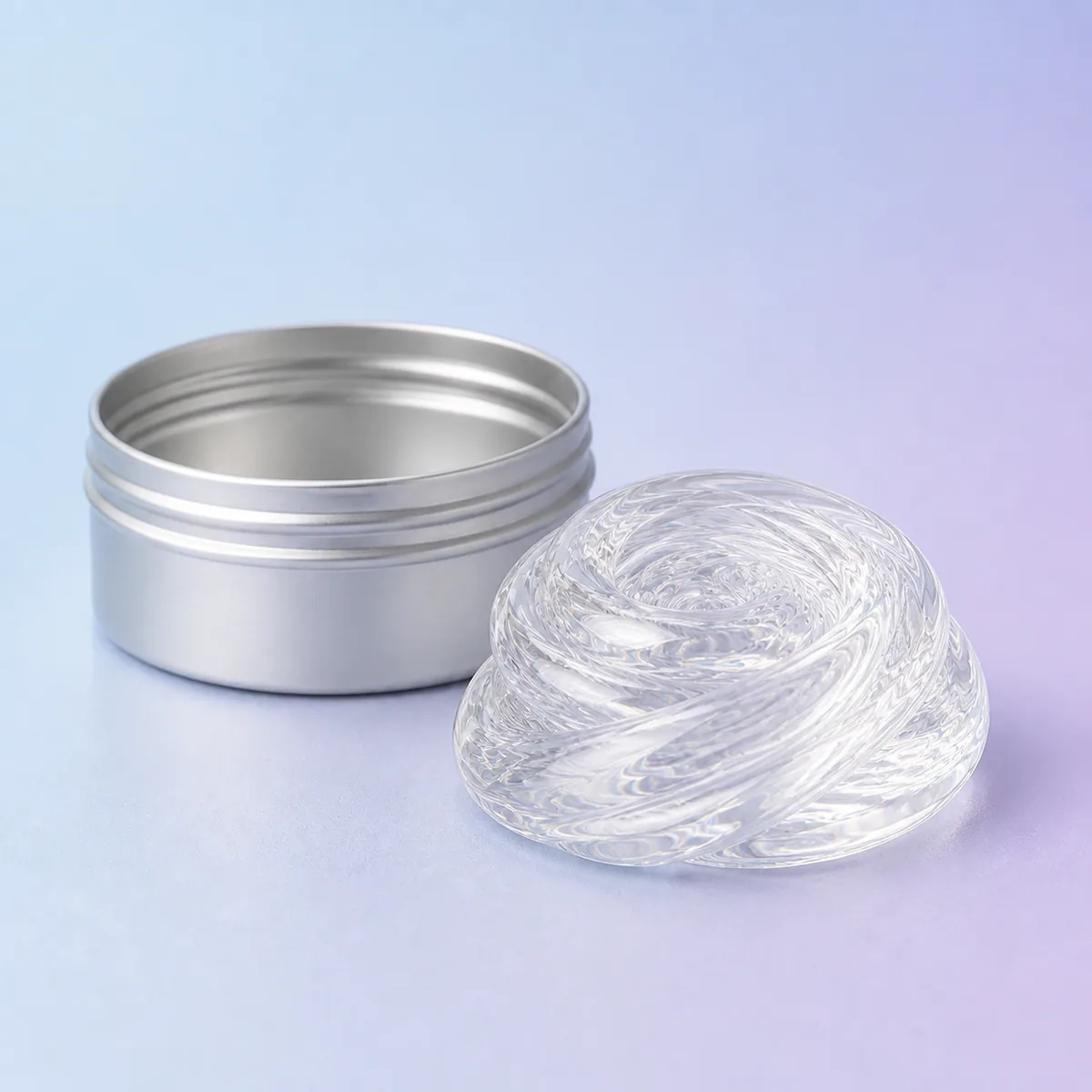
Visual pull matters just as much as sound in a shared space, and it is the one thing people forget to plan for. A gel blob that oozes and stretches is genuinely mesmerizing to watch, which is exactly why it can pull a coworker’s eye across a desk they are not even using. That is a real tradeoff worth naming: the same quality that makes the Jelly Blob satisfying for you can be a small distraction for the person next to you. Keep it low and out of a direct sightline if your desk faces someone else’s.
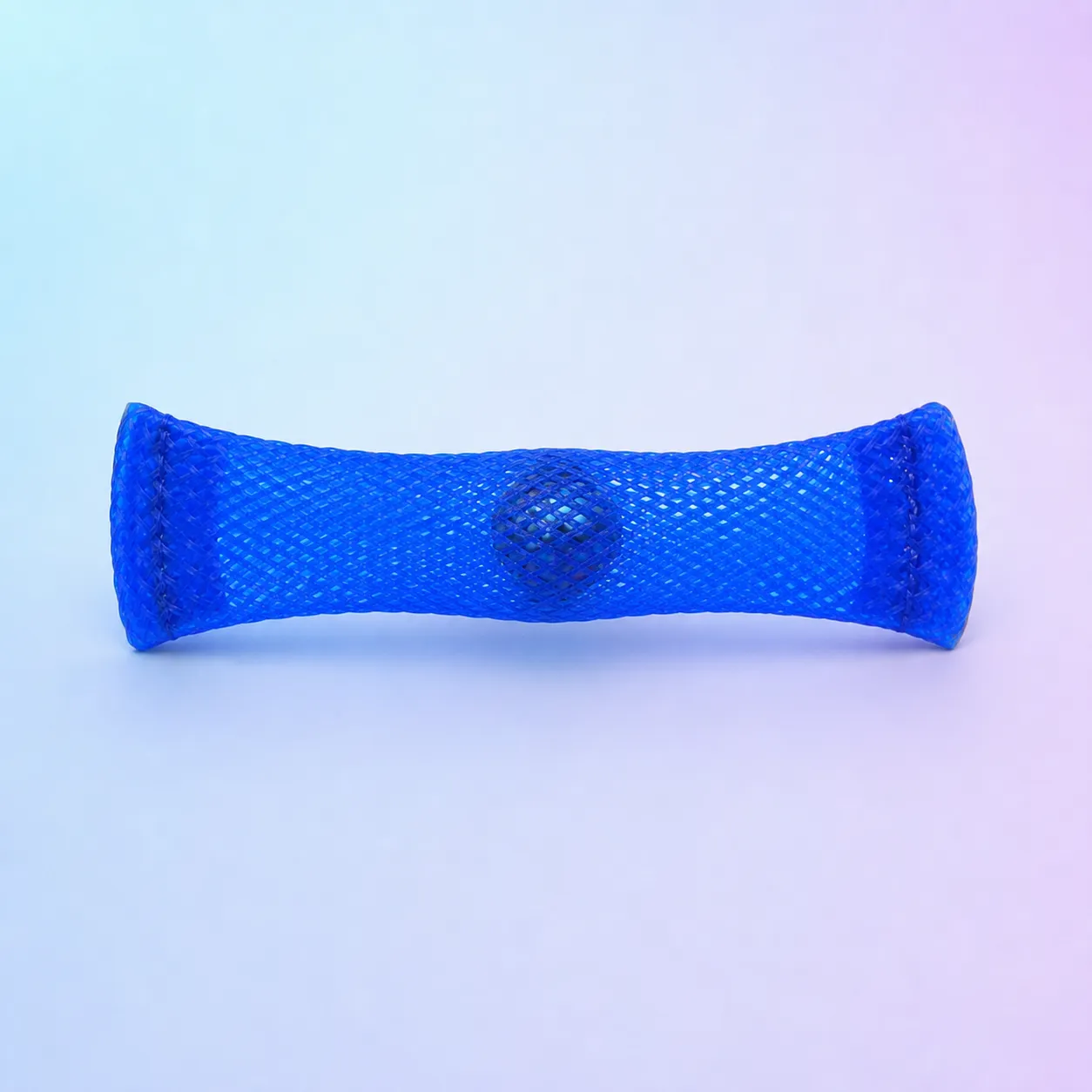
Hot-desking adds a third wrinkle. If you do not have a fixed desk, the fidget has to travel in a bag or a pocket rather than living on a shelf, which favors something pocket-sized like a worry stone or a mesh marble over anything that needs a permanent spot to sit.
Video calls add a fourth consideration in a hybrid office. A coworker three desks over cannot see your screen, but anyone on a call can see whatever sits in the camera’s frame. Keep desk items out of view during calls too, or default to something small enough, like a worry stone held below the desk, that it never ends up on camera in the first place.
Does your role change the pick?
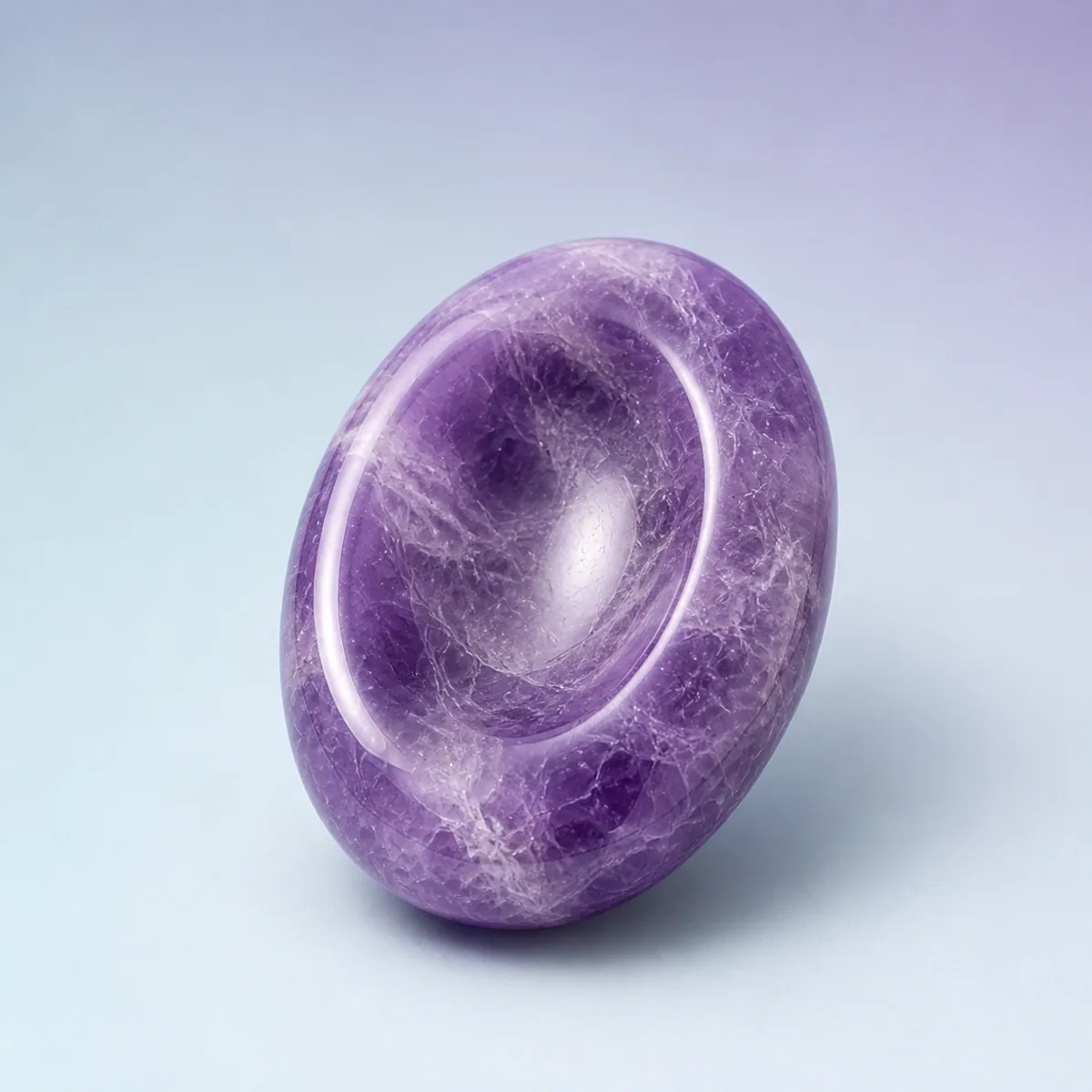
A little. A customer-facing desk, reception, a sales floor, a service counter, calls for something fully pocketable that can disappear the moment someone walks up, which rules out anything that needs to live visibly on the desk. A worry stone wins here for exactly that reason: it moves from hand to pocket in one motion and never has to be explained.
A back-office role with fewer walk-ups has more room to work with. Putty or a gel blob can sit at a fixed spot on the desk between tasks, since there is more predictable stretch of time to actually use it and less chance of being caught mid-fidget by someone who just needs a signature.
What makes a fidget shared-office-friendly
Three things: silent, small, and unremarkable to look at from across a desk.
The Calm Worry Stone and the Roll & Squeeze Mesh Marble Fidget both clear all three. Neither makes a sound, both fit in a pocket for hot-desking, and both read as a smooth stone or a marble rather than an obvious toy. The Calm Putty is nearly as quiet, works well kept below the sightline of a neighboring desk, and rewards a longer stretch of attention, like a call that is running long. None of these three ask anything of the people around you, which is really the whole test for a shared-office fidget.
The quick picks, by desk situation
| Situation | Pick | Why |
|---|---|---|
| A fixed desk, low visual distraction preferred | Calm Worry Stone | Silent, tiny, easy to keep out of sightlines |
| Long calls or focused work | Calm Putty | Rewards sustained attention without noise |
| Hot-desking or a shared bench | Roll & Squeeze Mesh Marble Fidget | Pocket-sized, travels easily |
| A private corner desk, less worried about being watched | Jelly Blob Transparent Gel Fidget | Visually satisfying, best kept out of a neighbor’s sightline |
If you share a desk with someone else on alternating days, the worry stone or the mesh marble are the safest picks. Both travel home with you and leave nothing behind on a desk that is not really yours.
What to skip in a shared space
Skip anything that clicks, pops, or makes a repeating sound, even a quiet one, since a shared office is exactly the environment where that sound gets noticed. Skip anything large enough to visually compete with a coworker’s monitor or claim more desk space than your share allows. And if your desk faces someone else’s directly, keep even the silent, visual options like the gel blob a little out of their eyeline. Skip anything that needs to be explained, too. A fidget that draws a question every time it comes out defeats its own purpose in a room full of people who do not know you well yet. None of this is written down anywhere, there is no HR policy or standard that governs fidget toys at a shared desk, so it is a small, self-imposed courtesy rather than a rule you could point to. It costs nothing and saves an odd conversation later.
Set it beside the keyboard, keep it quiet, and let it do its small job while the rest of the room stays focused on theirs. Calm in the palm of your hand, even at a desk that is only yours part of the week.
Sources & further reading
We reference trusted organizations by name. This article is informational and not a substitute for professional medical advice.
- Philosophical Transactions of the Royal Society B: Published a 2018 field study (Bernstein and Turban) tracking two Fortune 500 offices through a transition to open-plan layouts, finding a large drop in face-to-face interaction and a corresponding rise in electronic communication.
- Journal of Environmental Psychology: Published Jahncke et al.'s research linking open-plan office noise to reduced performance on memory-dependent tasks and impaired psychological restoration compared with quieter conditions.
- CHADD: A US nonprofit for children and adults with ADHD; endorses simple, quiet sensory tools such as putty, squeeze balls and worry stones as plausibly helpful based on general fidgeting research, while stating plainly that studies showing fidget toys themselves help are lacking.
Frequently asked questions
What is a good fidget for a shared or open-plan office?
A silent, small, visually unremarkable fidget works best, like a worry stone or a block of putty. Both avoid the two things that actually cause problems in a shared space: noise that carries and visual movement that pulls a coworker's eye.
Are clicky fidgets okay for an open office?
Generally not a good fit. A click that sounds quiet to you often is not quiet three desks over, especially during a focused stretch of the afternoon, so a silent option like putty or a worry stone is the safer choice for a shared floor.
What fidget is best for hot-desking?
A pocket-sized option like the Calm Worry Stone or the Roll & Squeeze Mesh Marble Fidget travels well, since it goes in a bag or a pocket rather than needing a fixed spot on a desk that changes daily.
Is a gel fidget distracting to coworkers?
It can be, and that is worth admitting honestly. A gel blob's slow, oozing motion is satisfying to watch, which means it can pull a coworker's eye as easily as your own. Keeping it out of a neighboring desk's direct sightline solves most of the issue.
What fidget works best for long calls at a desk?
Putty is a strong pick for a long call, since it rewards sustained attention and stays completely silent, which matters when your microphone might be on. It also works below a desk's sightline, out of view of anyone on the call or nearby.
How do you choose between a worry stone and putty for a desk?
A worry stone suits quick, one-handed moments and travels well if you do not have a fixed desk. Putty suits a longer, more focused stretch of work or a call, and is best kept at a desk you return to regularly rather than carried around all day.