What do you do with a broken fidget toy?
Honestly, most of the time, it goes in the household trash. That is not the answer anyone selling these toys loves giving, and we would rather say it plainly than dress it up with a recycling claim that does not hold up once you look closely. A torn squishy, a cracked worry stone, or a split push-pop board is, for almost everyone, general waste once it can no longer be safely used.
That is the real, if unglamorous, situation. What follows is the specific, honest picture for each material, because “just throw it away” still leaves real questions about how to do that safely.
Can broken squishies and fidget toys be recycled?
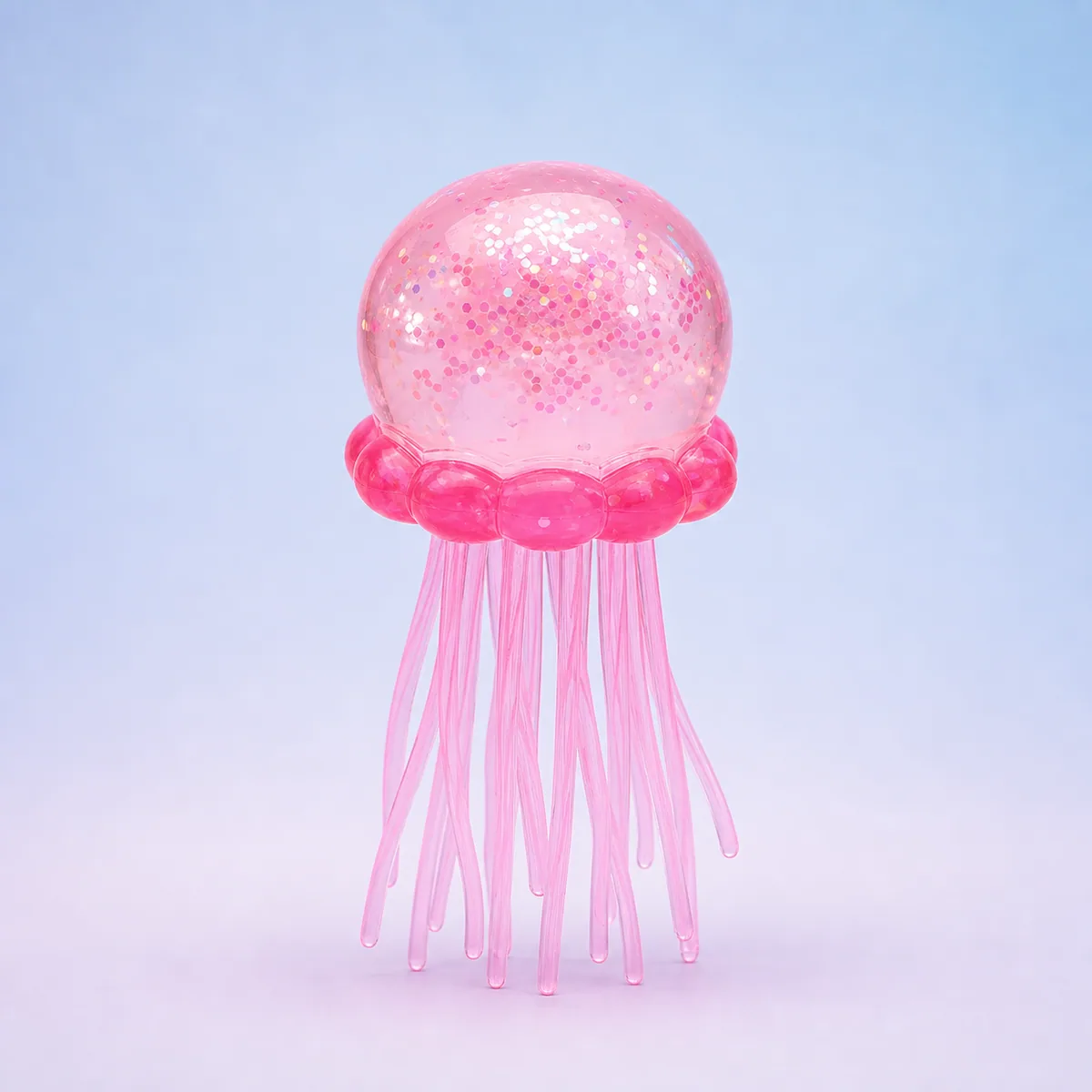
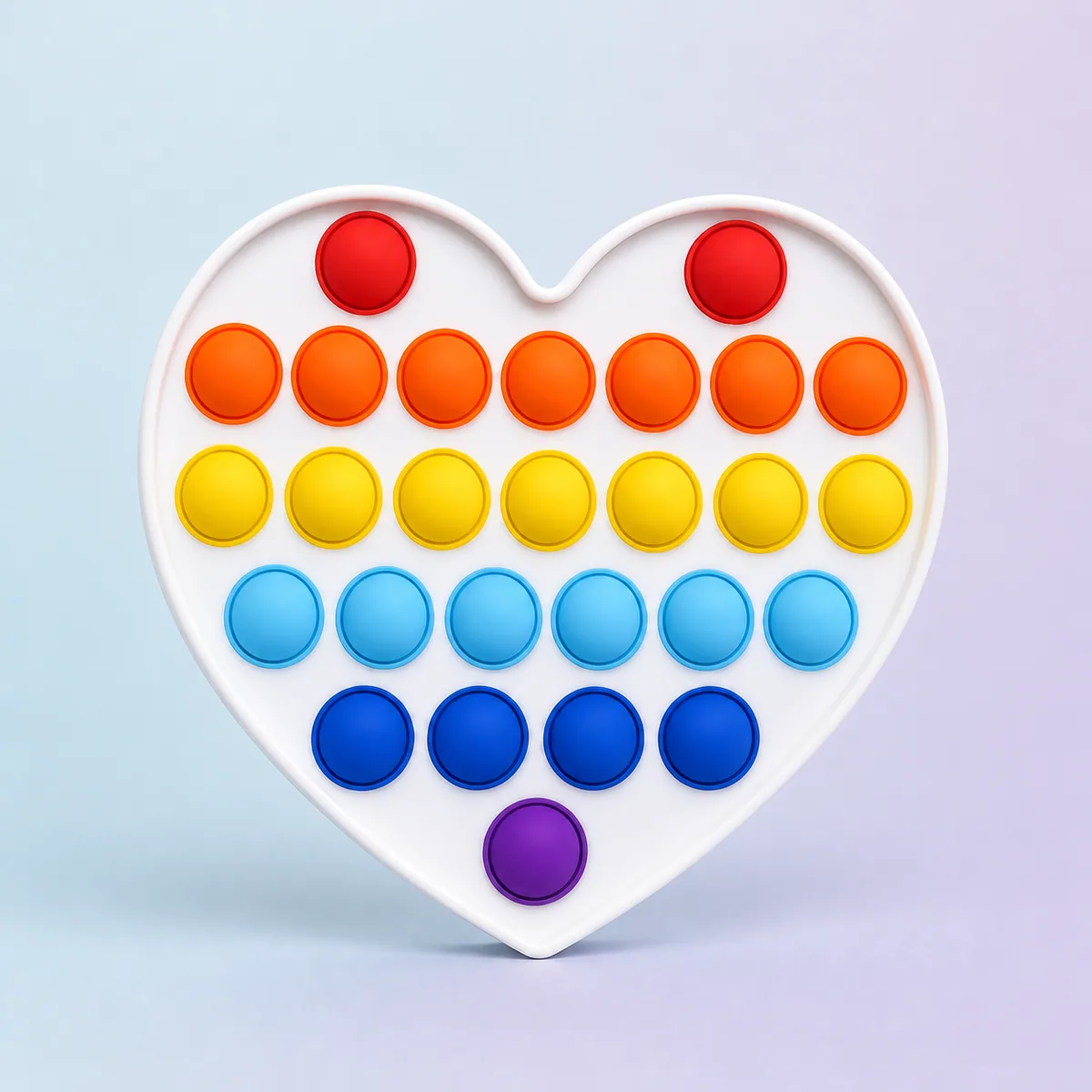
Mostly not through a standard curbside program. Squishies and soft fidgets are made mainly from polyurethane foam or TPR, and neither is a sorted category in most US or UK household recycling collections. Curbside facilities are built around a handful of standard plastics, mostly rigid bottles and containers, and they are not equipped to sort or process flexible foam or rubber-like TPR. Drift Jellyfish Glitter Squishy and Hush Pop Push-Pop Sensory Board, TPR and food-grade silicone, both fall outside what a typical program will take, right alongside foam squishies.
This is not a Calm Toy problem specifically. It is a general fact about how these materials are made and how recycling infrastructure is built, and it applies to nearly every squishy and soft fidget on the market, not just ours. We would rather tell you that than let you assume a green bin will handle it.
Will a charity take a broken fidget toy?
No, and it is worth knowing that before you make a special trip. Charities and thrift stores generally will not accept a toy that is torn, cracked, leaking, or otherwise damaged, because they cannot resell it or safely pass it on to someone else. That rule exists for good reason: a donation shelf is not the place for a toy with a sharp broken edge or a split seam.
Donation is still a genuinely good option, just for a different situation: a toy you or your child has simply outgrown, that still works fine and has no damage. Save that route for the fidgets sitting unused in good condition, and use the trash for the ones that are actually broken.
How do you safely throw away a broken water-bead toy?
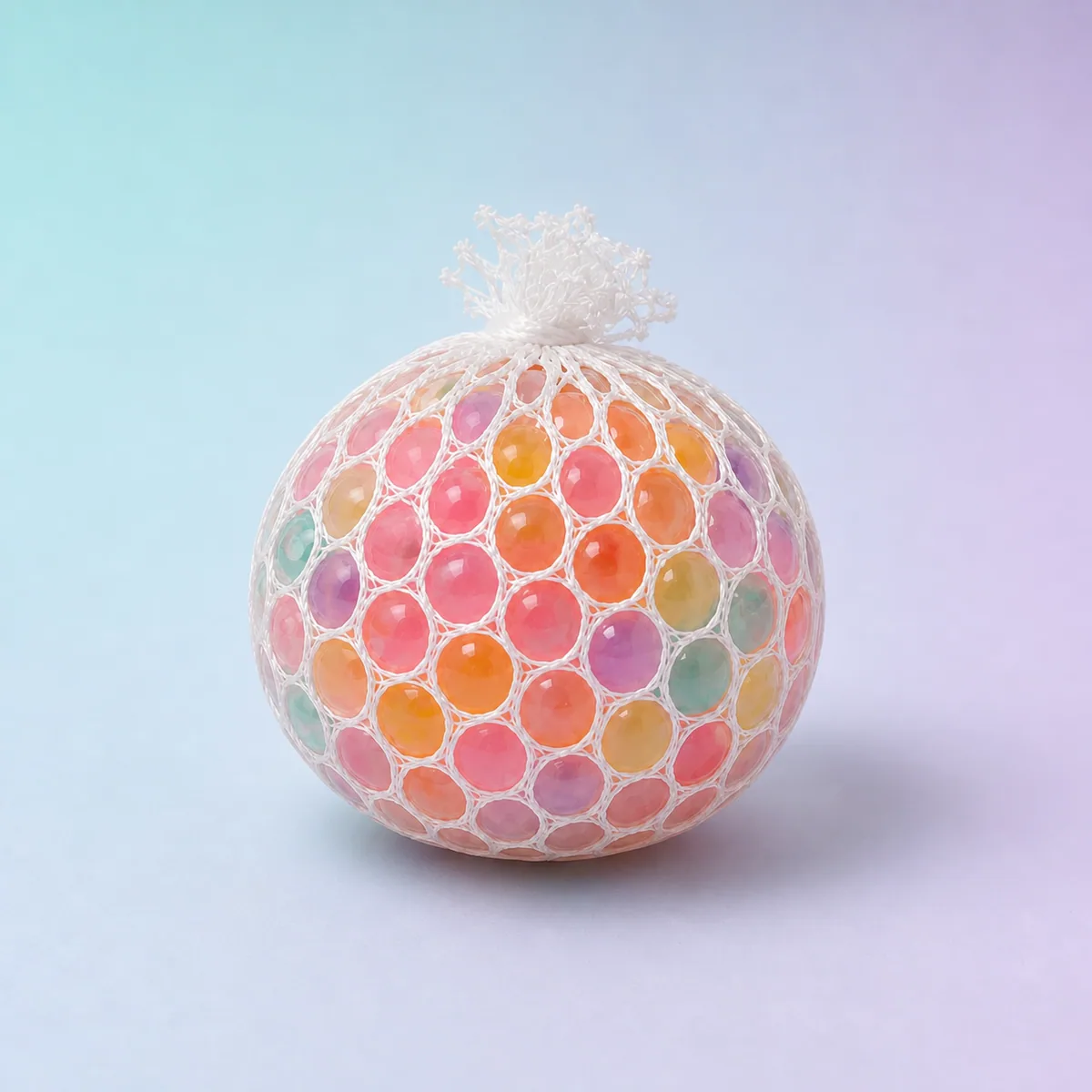
Sealed, exactly as it is, never punctured. Calm Orb Water-Bead Squeeze Ball and toys like it hold hundreds of small water beads inside a membrane and a mesh layer, and cutting or puncturing it to “empty it out” before disposal is exactly the wrong move. Loose beads are a swallowing and choking hazard for young children and pets, and that risk does not disappear just because the toy has moved from the floor to the bin.
The safer approach is to throw the ball away intact, ideally inside a closed bag, so nothing splits open later in transit or in an outdoor bin that a curious pet can get into. If the membrane has already split on its own, sweep up any loose beads carefully before they dry, seal them in a bag, and keep the area clear of small children and pets until it is done.
What about a cracked worry stone or resin piece?
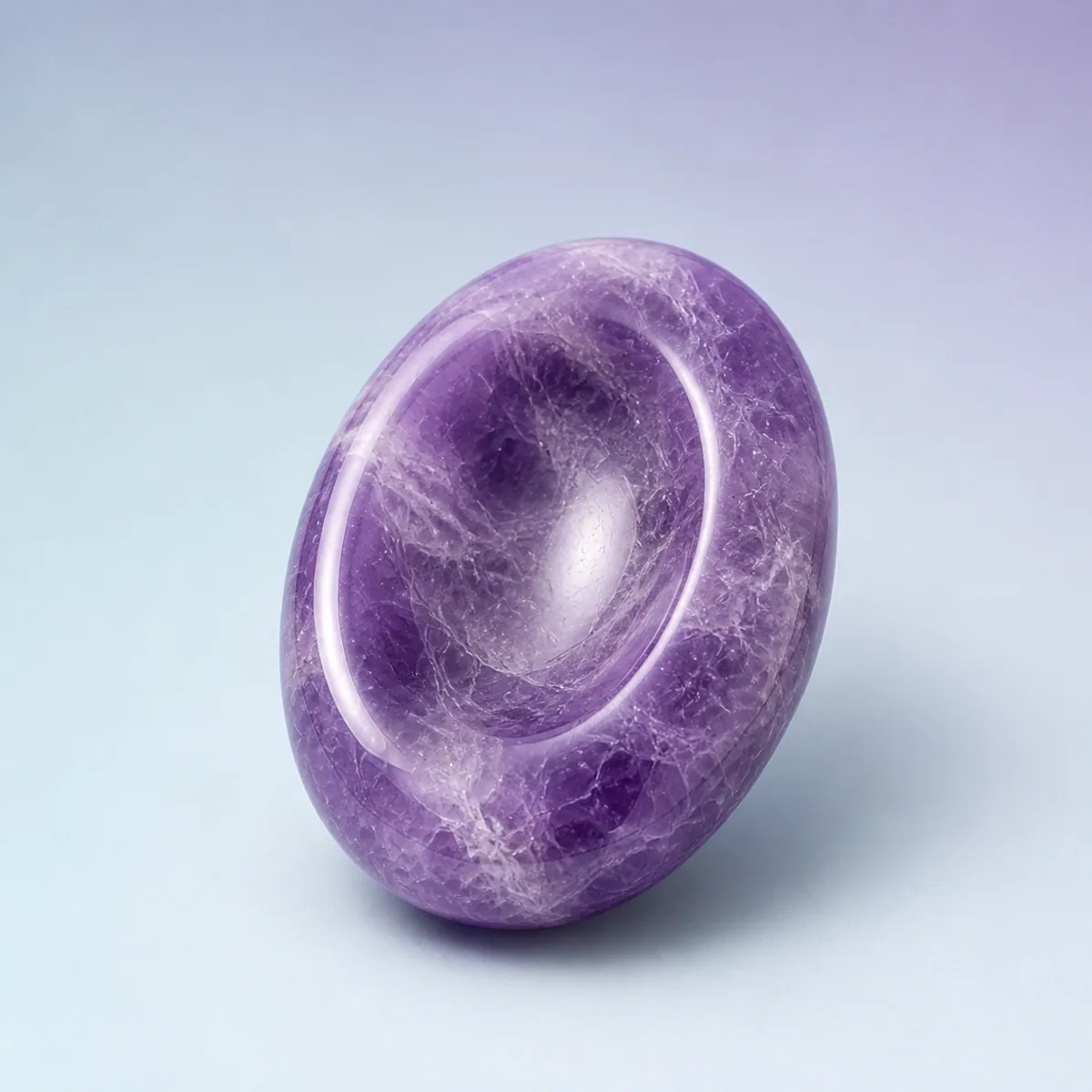
Check the material and check for sharp edges. A polished resin worry stone, like most of the Calm Worry Stone line, is a plastic-like material, and it is not accepted by curbside recycling any more than foam or TPR is. A genuine natural stone version is a different case: stone is inert, so a cracked or broken one sitting in landfill has very little real environmental impact, unlike a plastic or foam object breaking down over years.
Either way, run a thumb carefully around a broken edge before you toss it. A crack in resin or stone can leave a point sharp enough to cut through a trash bag or a hand, so wrapping it in paper or an old cloth first is a small, worthwhile step.
| Material | Curbside recyclable? | Honest disposal note |
|---|---|---|
| Polyurethane foam (most squishies) | No, in most US and UK programs | General household trash |
| TPR (Drift Jellyfish and similar) | No, in most US and UK programs | General household trash |
| Food-grade silicone (Hush Pop and similar) | No, in most US and UK programs | General household trash |
| Water beads and their membrane | No | Trash, sealed and unpunctured, never released loose |
| Resin worry stones | No | General household trash, check for sharp edges |
| Genuine natural stone | No formal program, but low impact | Trash is fine; stone is inert |
What can you actually do about it?
Not recycle your way out of it, honestly. The most real thing you can do is make the next fidget last longer: keep squishies out of the sun and away from soaking, keep putty and gel away from grit and fabric, and handle everything with the pads of your fingers instead of nails and keys. A toy that lasts years instead of months is the closest thing to a fix that actually exists here, and it is the one thing that is genuinely in your hands.
We sell these toys, so admitting that most of them end up in the trash eventually is not a comfortable thing to write. It is the true thing, and the least we can do is say it straight and help you get a little more use out of the one you already have. Calm in the palm of your hand, for as long as you can keep it there.
Sources & further reading
We reference trusted organizations by name. This article is informational and not a substitute for professional medical advice.
- U.S. Consumer Product Safety Commission: The US toy-safety regulator, which has issued public warnings about loose water bead products and guidance on children's toys.
- American Academy of Pediatrics: Pediatric health organization whose HealthyChildren.org resources warn about the ingestion and safety risks of water beads.
- ASTM International: Publishes toy safety standards covering the plastics, silicone, and metals used in squishies and fidget toys.
Frequently asked questions
Can you recycle a broken squishy or fidget toy?
Usually not through a standard curbside program. Polyurethane foam and TPR, the two materials most squishies are made from, are not accepted categories in most US and UK household recycling collections, since local facilities are not equipped to sort or process them. The honest disposal route for most broken squishies is general household trash.
Will a charity shop or thrift store take a broken fidget toy?
No, and it is worth not wasting a trip on it. Charities and thrift stores generally will not accept a toy that is torn, cracked, or otherwise damaged, since they cannot resell or safely pass it along. Donation is a good option for a toy you have simply outgrown and that still works, not for one that is actually broken.
How do you safely throw away a water-bead squeeze ball?
Throw it away sealed, exactly as it is. Never puncture or cut it open to empty the beads out first, because loose water beads are a swallowing hazard for young children and pets, and that risk does not go away just because the toy is in the trash rather than on the floor. An intact, sealed ball in a closed bag is the safer way to dispose of one.
Is a broken worry stone recyclable?
It depends on the material. A polished resin worry stone is a plastic-like material and is not accepted by most curbside recycling programs, so it goes in general trash. A genuine natural stone worry stone is a different story: stone is inert, so a cracked one sitting in landfill has very little environmental impact compared with foam or plastic.
Is it dangerous to throw away a cracked or broken fidget toy?
Mostly not, but check for sharp edges first. A cracked resin worry stone or a split hard-plastic fidget can leave a genuinely sharp point, which is worth wrapping in paper or an old cloth before it goes into a trash bag that a person will later carry and lift.
How can you reduce how often fidget toys get thrown away?
Good care, more than any disposal trick. A squishy or fidget kept out of direct sun and heat, away from water, and handled with clean, gentle hands simply lasts longer before it tears, yellows, or cracks. The toy that never needs replacing is the one with the smallest footprint of all.