What are the quietest fidget toys for a shared bedroom?
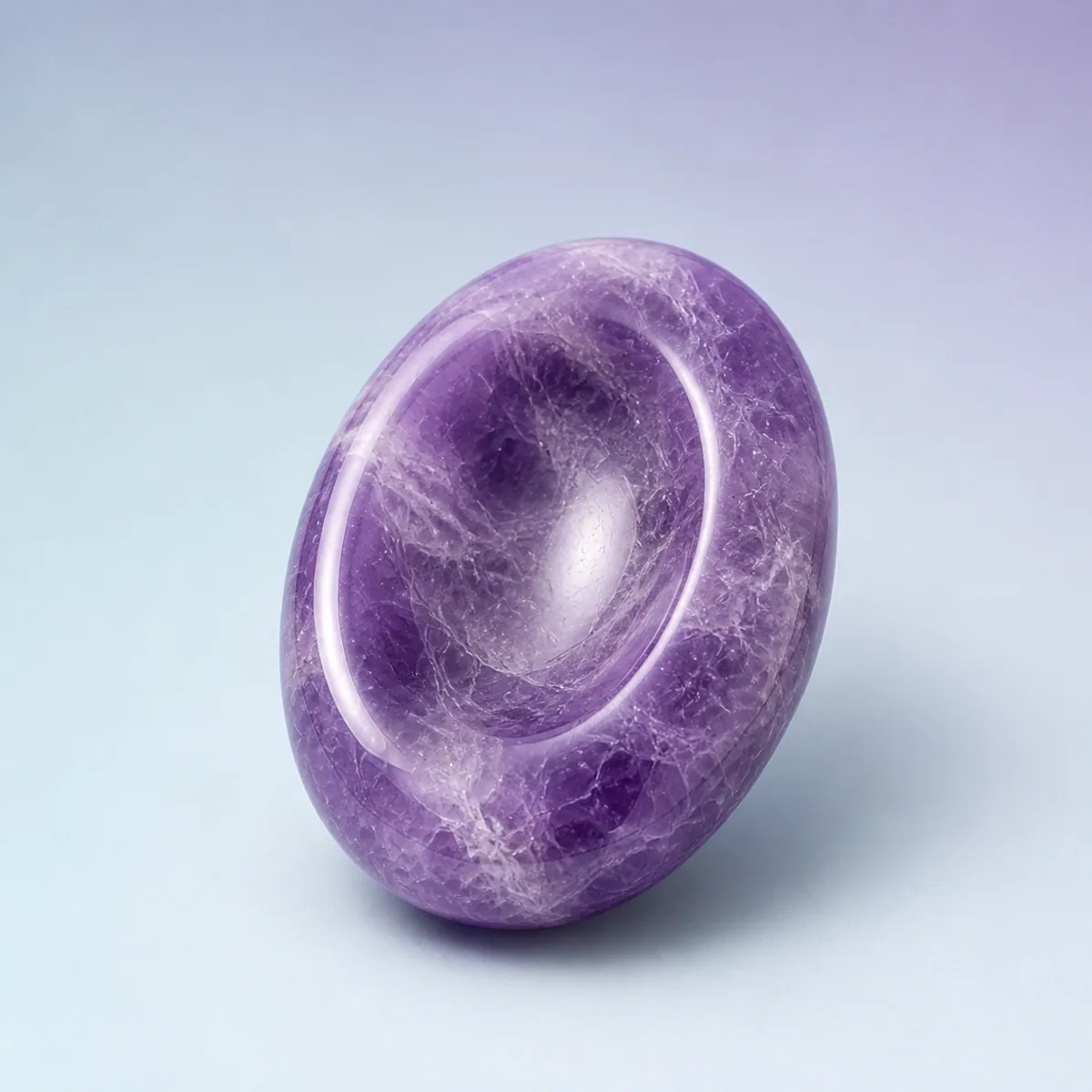
The ones with no click, no pop, and no light: a slow-rise foam squishy, a true silicone gel blob, and a worry stone are all silent by feel alone, which matters when someone else in the room is already trying to sleep. None of them need to be seen to be used, so the lights can stay off, and none of them have a hard shell that could tap against a nightstand if your hand slips.
A shared bedroom changes what counts as quiet. A soft click that nobody notices at a desk in the afternoon becomes the loudest thing in a dark, still room at eleven at night, right when the person next to you, or in the bunk below, or across the hall with the door cracked, is finally drifting off. The safest picks are the ones your hands can read without your eyes: press, wait, feel it rise; rub a thumb-shaped hollow; press a gel blob and let it slump back down between your fingers.
Why does noise matter more at bedtime than any other time of day?
Because a bedroom at night has almost nothing else competing with it. During the day, a click cube’s soft tick disappears into traffic, conversation, a running dishwasher, background noise of every kind. At eleven at night, next to someone who is finally drifting off, the same small sound reads as an interruption, sharp against a silence that has nothing else in it. The room did not get quieter. Your ears just stopped having anything else to filter it against, so a sound that was background noise an hour ago becomes the only thing either of you can hear.
Which fidgets are actually silent, and which only sound quiet?
| Fidget | Actual noise | Good for a shared bedroom? |
|---|---|---|
| Slow-rise foam squishy | Silent | Yes |
| Silicone gel blob | Silent | Yes |
| Worry stone | Silent | Yes |
| Putty | Silent | Yes |
| Spinner ring | Faint metal tick between fingers | Usually, if worn under a blanket |
| Infinity cube or click cube | Soft click or pop, repeating | Save it for daytime |
The gap between quiet and silent matters more here than almost anywhere else you would use a fidget. A click cube markets itself as satisfying and low-key, and in a living room or a classroom, it is. In a shared bed, the same soft click can be the difference between a partner who stays asleep and one who does not.
Does a bedtime fidget actually help you fall asleep?
Not as a treatment, and we are not going to tell you it does, because the honest answer is that it is not in the sleep-hygiene literature at all. The CDC’s sleep guidance recommends turning off electronic devices at least 30 minutes before bed, removing screens from the bedroom, keeping a roughly 90-minute wind-down window of reading or relaxation instead, and reserving a dark, cool, quiet room mainly for sleep. The NHS gives a close cousin of the same advice: a consistent sleep and wake schedule, devices off 30 to 60 minutes before bed since blue light “can make it harder to fall asleep,” and no caffeine for several hours beforehand, since its effects can last up to seven hours. Neither guidance mentions a fidget toy, a stress ball, or any handheld sensory item once. A separate, PubMed-indexed clinical review of fidget spinners went further and found that peer-reviewed evidence does not support the marketed benefit claims made for fidget products generally, including for ADHD, autism, anxiety, and sensory issues, despite how widely those claims get made. What a slow-rise squishy or a worry stone can honestly offer is a quiet, screen-free thing for restless hands to do instead of checking a phone during that same wind-down window, which for some people is an easier habit to sit through than staring at the ceiling. That is a reasonable inference from what CDC and NHS guidance already recommend, not a claim either body makes for a fidget specifically. If sleep is a real, ongoing problem, night after night rather than an occasional restless one, a doctor is the right person to talk to, not a squishy.
How do you use one without waking someone up?
Keep it within reach on the nightstand or under the edge of the pillow, not on a hard surface it can roll off of in the dark. A gel blob or worry stone works entirely by feel, so you never need to turn on a light or check what your hands are doing, which matters just as much for a kid in a bottom bunk as it does for an adult sharing a bed. Skip anything with a hard case that could clack against a nightstand if you set it down without looking, and skip anything that needs two hands, since one hand tucked under a pillow is usually the whole point.
A slow-rise squishy has a rhythm built in that helps here too: press, wait several seconds while it eases back into shape, press again. That built-in pause means your hand is not repeating a fast motion over and over, which is exactly the kind of restless, quick movement that tends to shift a mattress or tug at shared blankets. The slow feel and the considerate feel turn out to be the same thing.
What about a roommate or sibling with their own sensory needs?
That is common, especially with kids sharing a room, and the fix is usually the same one: pick the quietest option in the room, not the most feature-packed one. Fidget devices are already recognized as an ordinary sensory and concentration support elsewhere. The US’s Job Accommodation Network groups them with white-noise machines and noise-canceling headsets as sensory supports, the same pairing that works for a shared bedroom. The same logic holds at home: everyone’s sensory setup can be accommodated at once, without anyone needing to give up their own tool or apologize for needing one.
Where to start
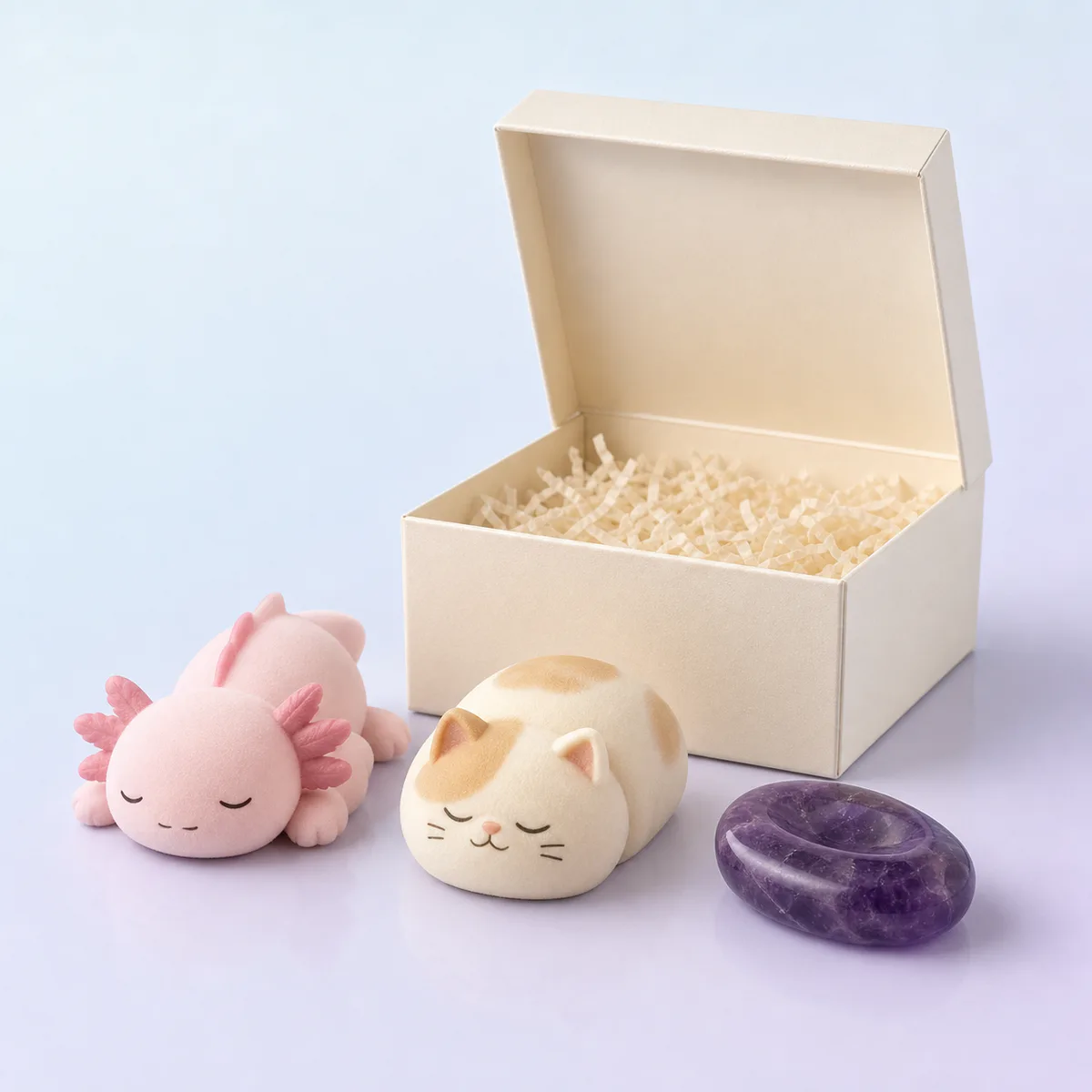
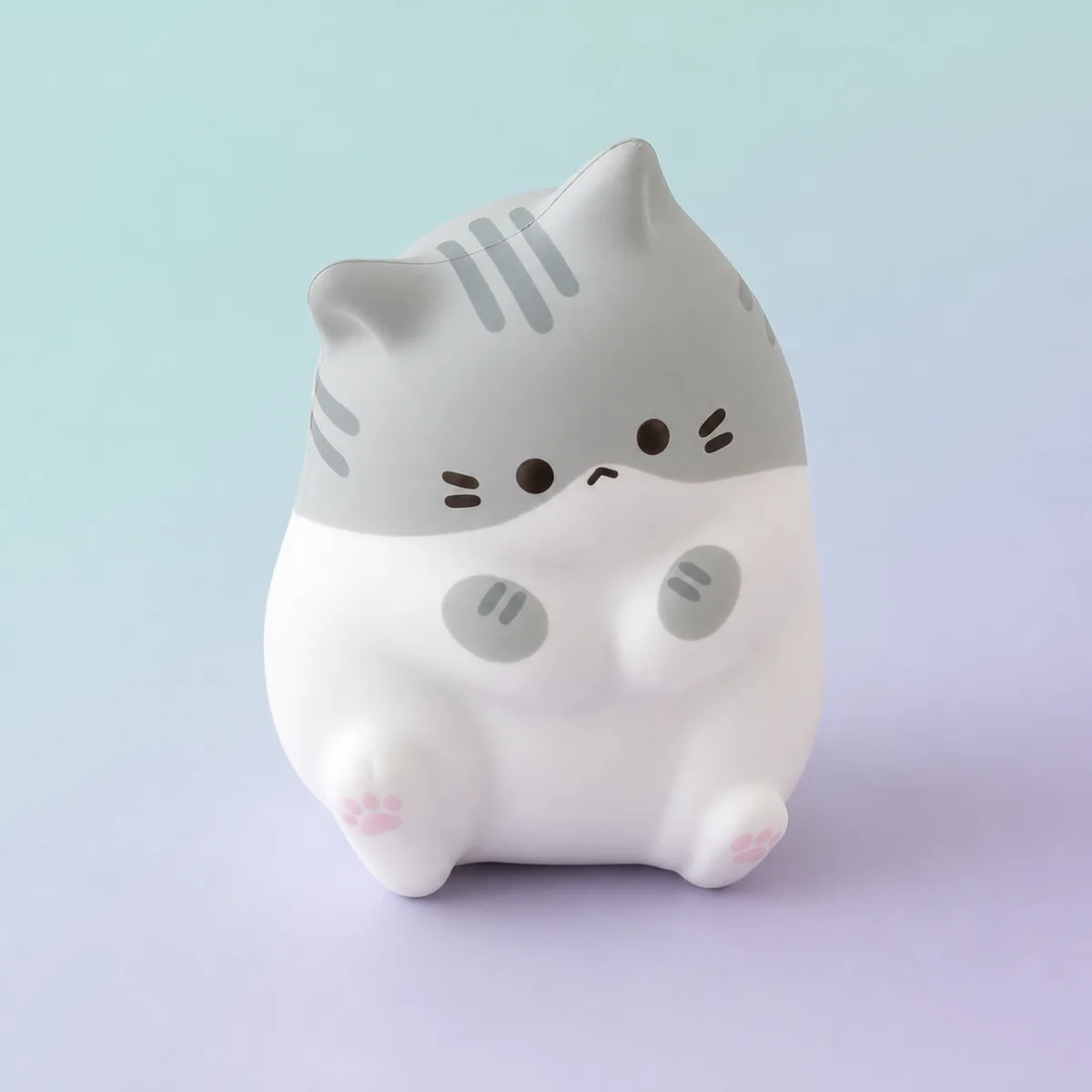
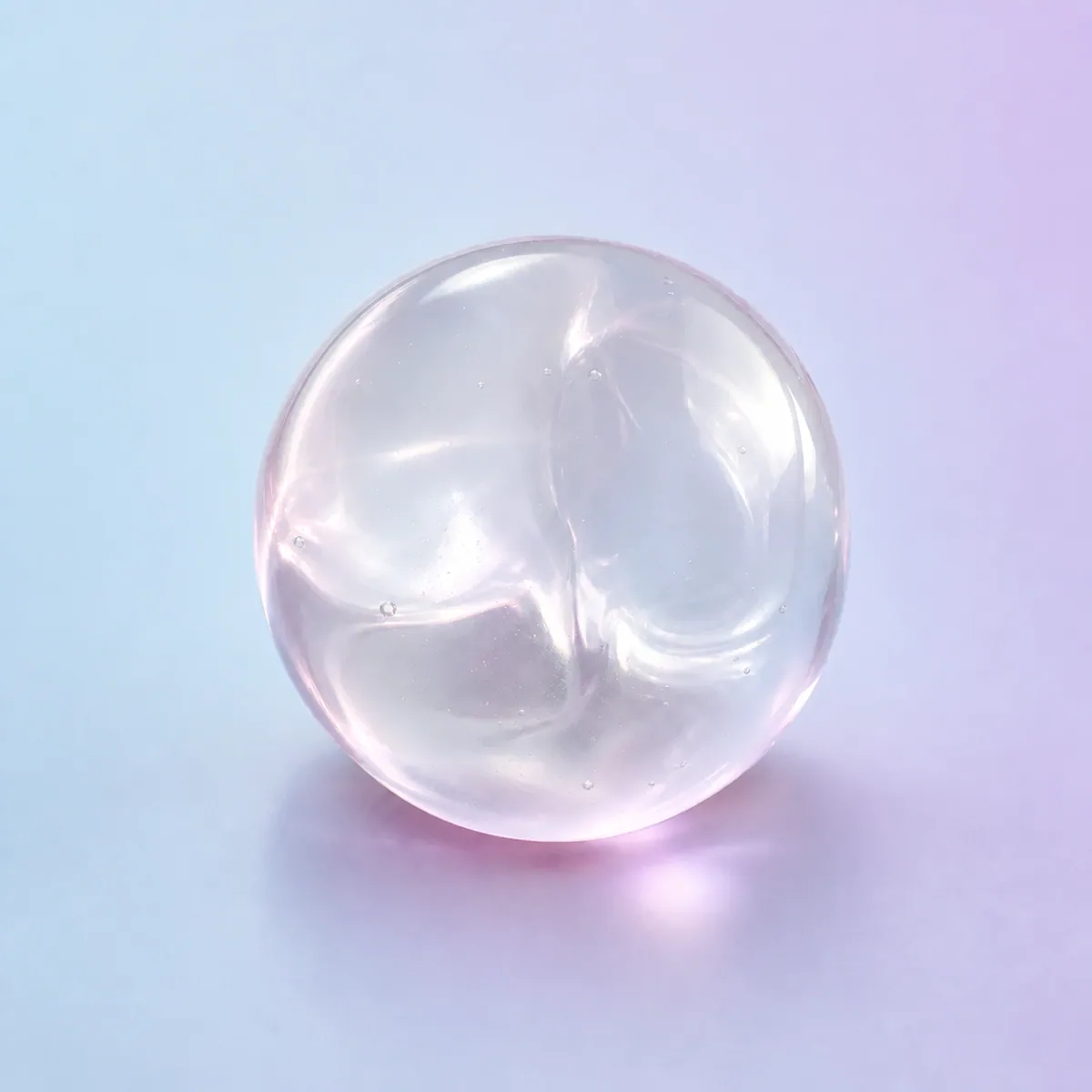
For a full bedtime routine, the Sleep & Wind-Down Kit pairs slow-rise squishies with a worry stone and nothing that lights up or clicks, built specifically for a room where someone else is trying to sleep. The Sitting Cat squishy is a plain, plump, silent press-and-wait on its own, small enough to keep tucked by a pillow. The Jelly Blob gives a slower, oozier motion for hands that want more to do before they settle, and it never makes a sound louder than your own breathing. Calm in the palm of your hand, quiet enough for the whole room.
Sources & further reading
We reference trusted organizations by name. This article is informational and not a substitute for professional medical advice.
- CDC (Centers for Disease Control and Prevention): Publishes sleep-hygiene guidance covering screen-off wind-down time and a dark, quiet, cool bedroom; no fidget or handheld sensory item appears in this guidance.
- NHS (National Health Service, UK): Publishes UK self-help sleep guidance on consistent sleep schedules, screen timing before bed, and caffeine timing; no fidget or handheld sensory item appears in this guidance either.
- Sleep Foundation: General sleep-hygiene source for shared-room noise management, like earplugs and white-noise machines; no fidget or handheld sensory item appears in this guidance either.
- PubMed / National Library of Medicine: Indexes a clinical review finding that peer-reviewed evidence does not support marketed fidget-spinner benefit claims, including for ADHD, autism, anxiety, or sensory issues.
- Job Accommodation Network: A US federal accommodation resource that groups fidget devices with white-noise machines and noise-canceling headsets as sensory and attentiveness supports.
Frequently asked questions
What is the quietest fidget toy for a shared bedroom?
A slow-rise foam squishy, a true silicone gel blob, and a worry stone are all completely silent and work entirely by feel, so no light is needed to use them. A spinner ring is nearly silent too, with only a faint tick between the wearer's own fingers. Infinity cubes and click cubes make a repeating soft sound and are better suited to daytime.
Why does a small click matter more at night than during the day?
During the day, a soft click disappears into traffic, conversation, and other background sound. At night, in a dark, still room, the same small sound has nothing to compete with and becomes noticeable. The room is not actually quieter, your ears just stop filtering the sound against anything else.
Can a fidget toy actually help you fall asleep?
Not as a treatment, and no CDC, NHS, or Sleep Foundation sleep-hygiene guidance mentions a fidget toy at all, so there is no research base to point to. A slow, repeatable motion like a squishy's rise or a worry stone's rub can be an easier habit to reach for than checking a phone while winding down, but that is our own reasoning, not a sourced claim, and a persistent sleep problem is a conversation for a doctor.
How do you use a fidget toy in bed without waking someone up?
Keep it somewhere it cannot roll off or clack against a hard surface, like a nightstand edge or tucked near the pillow. Pick something that works by feel alone, a gel blob or a worry stone, so you never need to turn on a light to check it.
What if you share a room with someone who has different sensory needs than you?
Pick the quietest option available rather than the most elaborate one, and treat everyone's sensory setup as something that can be accommodated at once. A federal accommodation resource groups fidget devices with white-noise machines and noise-canceling headsets for exactly this kind of sensory support.
Is a spinner ring OK to wear to bed?
It depends on the person. A bead-spinner ring makes a faint tick and can catch on bedding or hair for some sleepers, so many people take rings off before sleep and keep a squishy, gel blob, or worry stone on the nightstand instead.