What is a good first fidget after a new diagnosis?
There is no single right first fidget, and anyone who tells you there is one is selling you something. What actually helps is starting simple and cheap: one or two quiet, low-commitment tools that let you notice what your hands and senses are actually asking for, rather than guessing your way into an expensive one that might not fit at all. A worry stone, a bit of putty, or a small starter set gives you room to find that out without much cost or pressure either way.
If you are newly diagnosed, autistic, ADHD, or something else, you are probably still working out what your own sensory needs look like day to day, and that is a completely normal place to be. You are also in good company: CDC survey data puts the number of US adults with a current ADHD diagnosis at about 15.5 million, 6 percent of adults, and more than half of them, 55.9 percent, were diagnosed at 18 or older, not as children. Adult diagnosis generally, across conditions, is a large and fast-growing group, not a small or unusual one. This is a slow, exploratory thing, not a race to get it right on the first try, and nobody, least of all us, needs you to have an answer this week.
Fidgeting is not something to fix in yourself
If you grew up being told to sit still, stop tapping, or keep your hands quiet, it is worth hearing this plainly: the movement itself was never the problem. The Autistic Self Advocacy Network, an organization run by autistic people, describes it this way: “This is called ‘stimming,’ and it helps us regulate our senses,” naming rocking, playing with your hands, or humming as ordinary examples. The National Autistic Society puts it just as directly for anyone stimming to self-regulate: do not try to stop it unless it is causing harm.
That is a different message than a lot of people got growing up, and it is worth sitting with for a moment. A fidget is not a replacement for the stimming you already do. It can be a version of it that is easier to do in a meeting, a classroom, or a quiet house at 11 p.m.
Sensory-seeking, sensory-avoiding, and why you might be both
Some people are sensory-seeking, actively looking for more input: pressing, squeezing, tapping, a texture that pushes back. Others are sensory-avoiding, needing calm and quiet more than stimulation. The National Autistic Society describes this as varying not just from person to person, but within one person across different senses, and even day to day, shaped by things like fatigue and stress.
That is useful to know before you buy anything, because it means the fidget that feels right on a good day might feel like too much on a harder one, and that is not a sign you picked wrong. It is a sign your own needs genuinely shift, which is part of why a lot of autistic people keep a small kit of a few different tools on hand rather than relying on just one.
Where a fidget actually fits, and where it stops
A fidget is a supportive tool, not a treatment, and we will not tell you otherwise. What it can do is give your hands or your attention a small, steady, repeatable job in a moment that is loud, overwhelming, or just long. It is worth hearing this from an actual ADHD organization rather than a product page: CHADD, a US ADHD nonprofit, states that research on fidgeting generally is promising for attention, memory, and problem-solving, but says plainly that “we lack studies showing that fidget toys do help.” CHADD also draws a useful line between a quiet fidget tool, putty, a squeeze ball, a worry stone, a simple cube, that supports unobtrusive activity, and a fidget toy like a spinner that is built to capture your own attention and can pull focus rather than support it. That is a more honest starting point than most marketing offers: some people find real, consistent value in having a quiet tool nearby; others find the same object does nothing for them, and neither outcome has been settled by research either way.
Diagnosis and treatment-seeking in general are both climbing fast right now, which is worth knowing even though it is not directly about fidgets. A 2025 population study out of Ontario, Canada found stimulant prescriptions rose 157 percent between 2015 and 2023, with the sharpest increases after 2020, particularly among working-age women. That is Canadian data, not American, so treat it as a sign of a broader regional trend rather than a US figure, but it lines up with the same rising-diagnosis pattern the CDC numbers show closer to home.
If you are newly diagnosed and still figuring out what support actually looks like for you, a fidget is one small, low-stakes piece of that, not the whole picture. A qualified professional, whether that is the clinician who gave you the diagnosis or someone you find afterward, is the right place for anything bigger than what a small object in your hand can address. There is no rush to have all of this sorted out at once, and a fidget will not do that sorting for you. It just gives your hands something steady to hold while you take the rest of it at your own pace.
A simple way to start
You do not need to commit hard to anything on the first try. A small, low-cost set of a few different tools lets you find out what your hands actually want without much risk either way.
| If you want to try | Start with | Why |
|---|---|---|
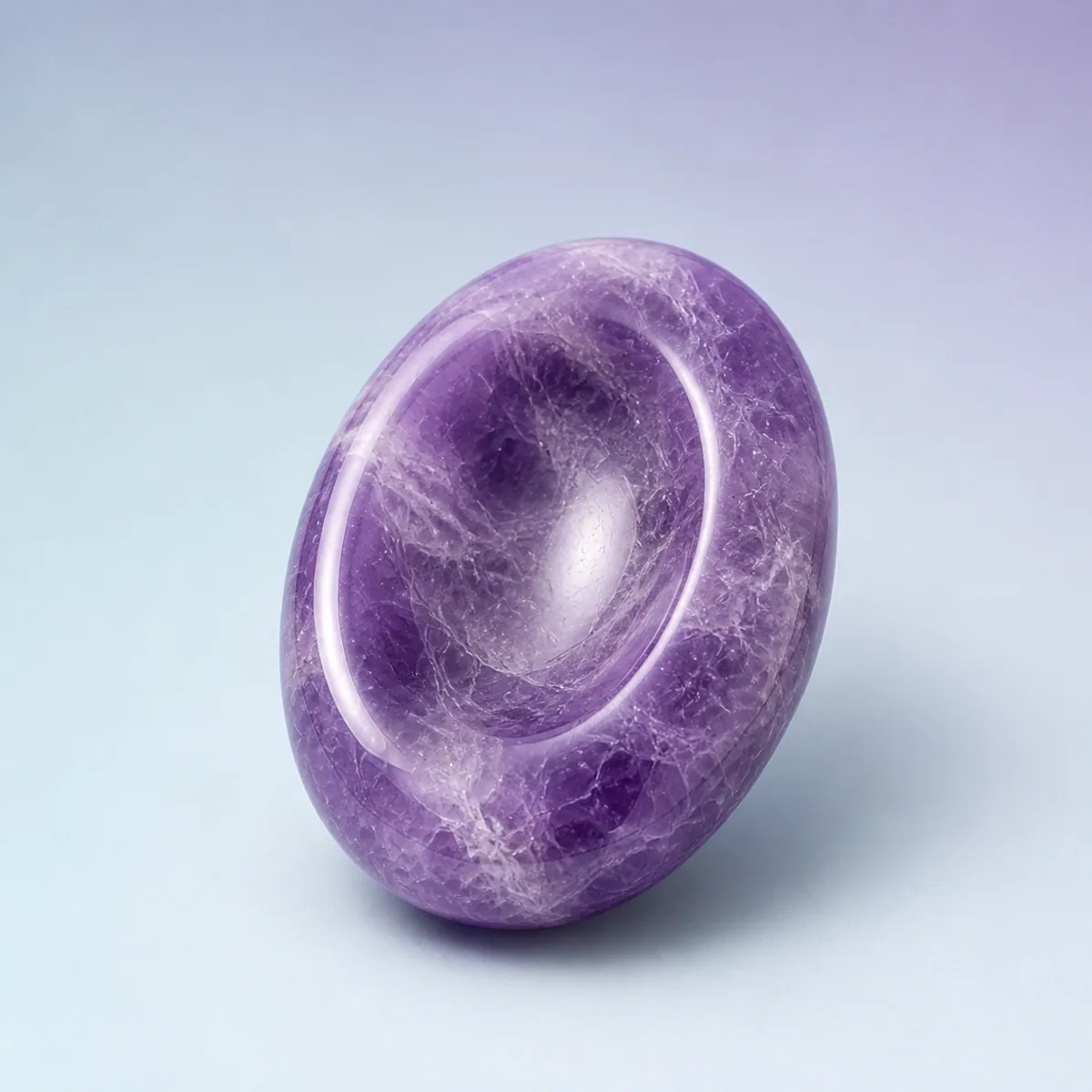
| The simplest possible first step | Calm Worry Stone | One motion, cheap, easy to set aside if it is not for you |
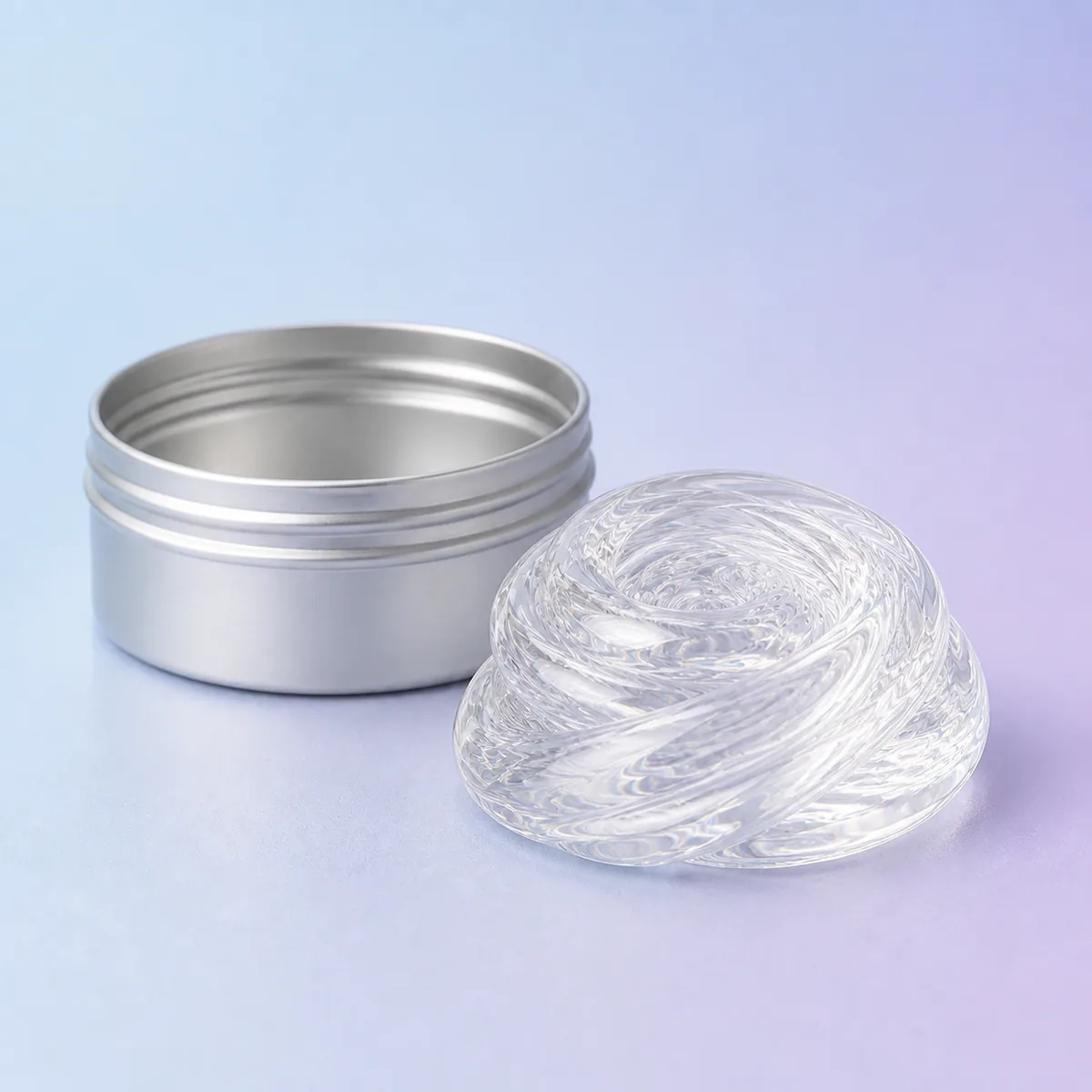
| An open-ended, exploratory feel | Calm Putty | No single “right” way to use it |
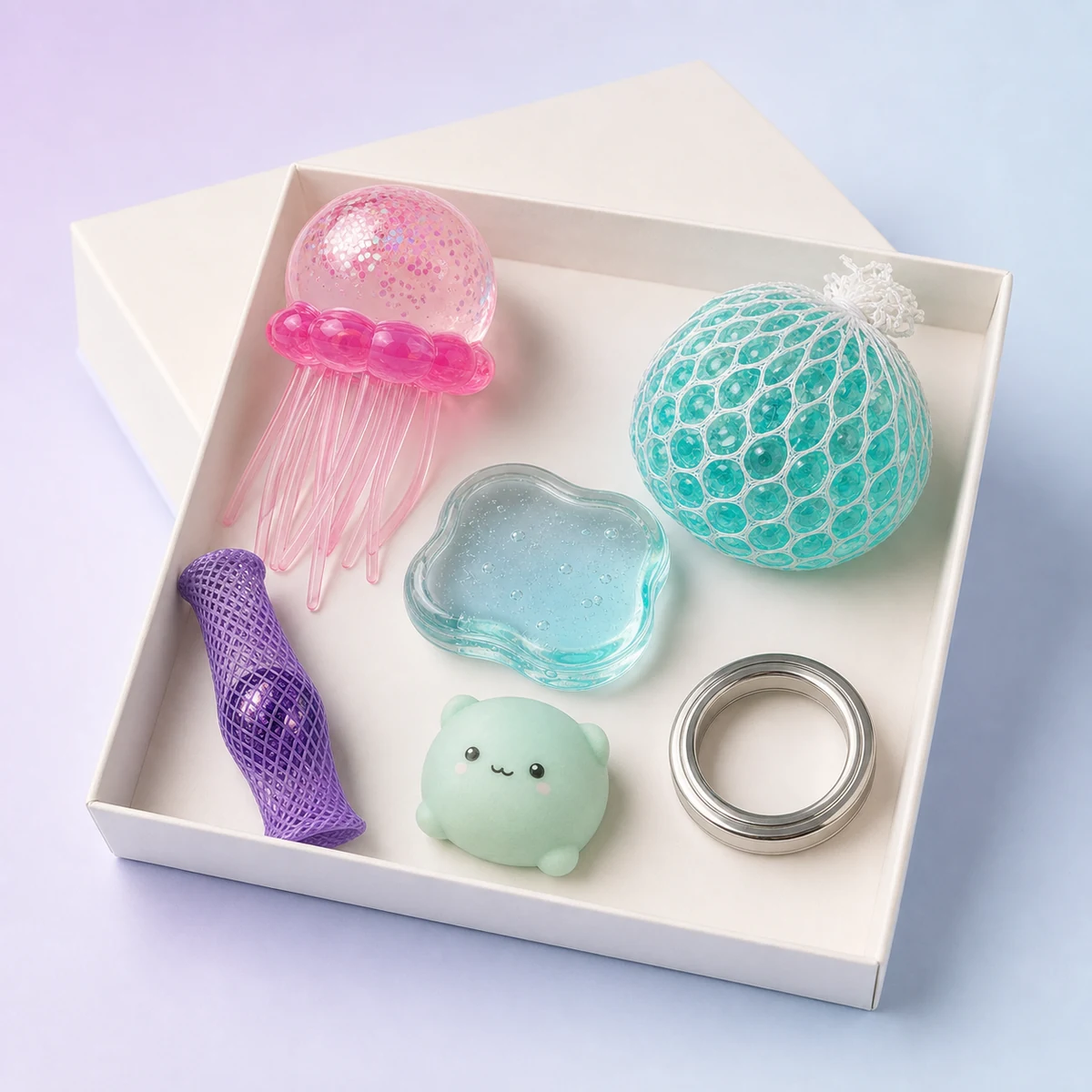
| Several textures in one go | Calm Starter Bundle | Six kinds, a fast way to learn your own preference |
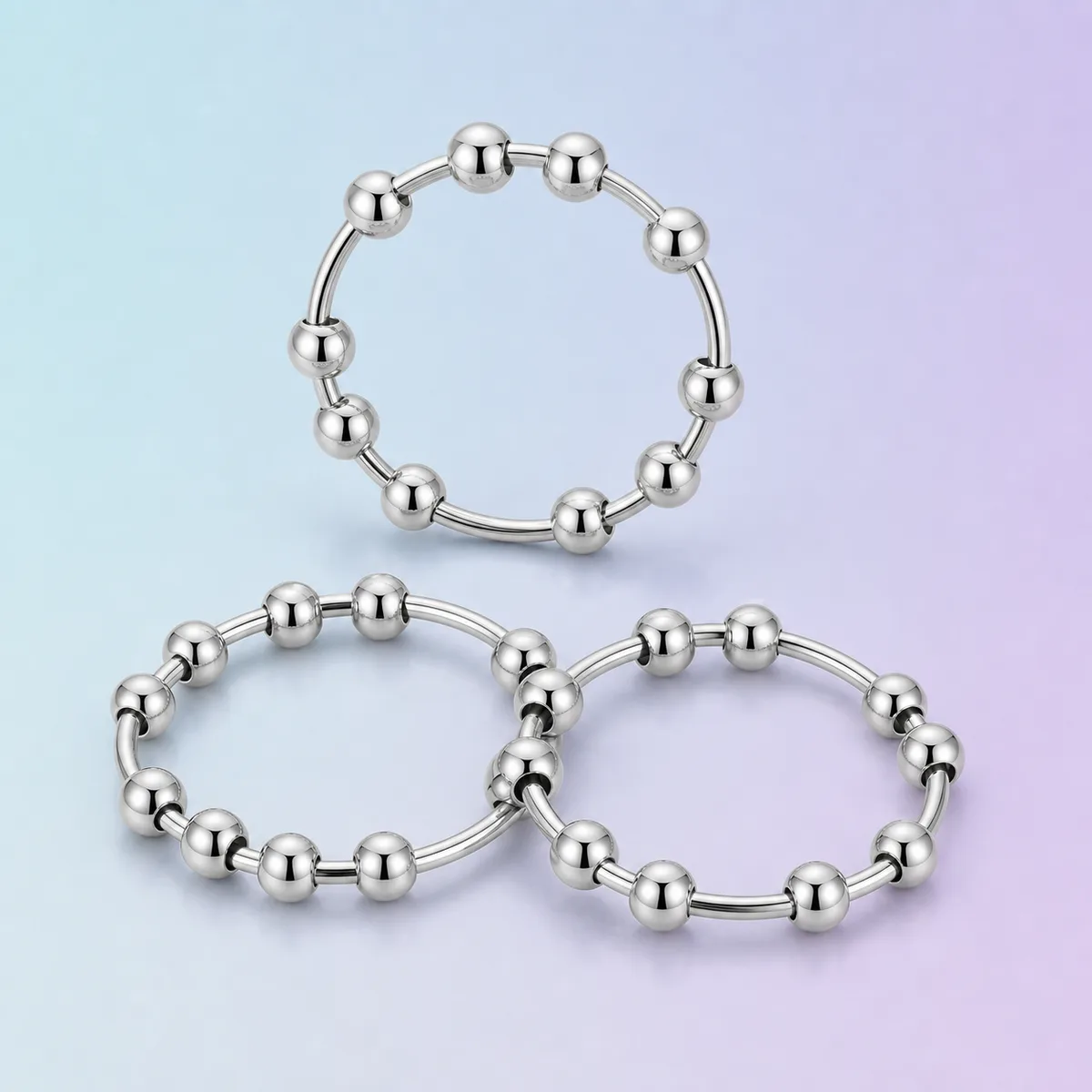
| Something worn rather than carried | Quiet Spinner Sensory Ring Set | Always on hand, nothing to remember to bring |
None of these are the answer. They are a way to start finding your own answer, which is a genuinely different thing, and it is allowed to take a while.
Take your time with this
There is no deadline on figuring out what helps. Try one thing, notice how it feels on an ordinary day and on a harder one, and set aside whatever does not fit without treating that as a failure. If the bigger picture, the diagnosis itself, what support you need, how to explain any of this to the people around you, feels like a lot right now, that is a conversation for a qualified professional, not a product page. The fidget is just the small, steady thing for your hands while you work the rest of it out, at whatever pace that takes. Calm in the palm of your hand, whenever you are ready for it.
Sources & further reading
We reference trusted organizations by name. This article is informational and not a substitute for professional medical advice.
- Autistic Self Advocacy Network: An advocacy organization run by autistic people; describes stimming in its own words as something that helps regulate the senses, with examples like rocking, playing with the hands, or humming.
- National Autistic Society: Frames stimming as a self-regulation response and advises against trying to stop someone's stimming unless it is causing harm; also describes sensory processing as varying across senses and over time, shaped by fatigue and stress.
- CHADD: A US ADHD nonprofit whose published position says general fidgeting research is promising but that we lack studies showing that fidget toys themselves help, and distinguishes quiet fidget tools from distracting fidget toys like spinners.
- CDC: Publishes national survey data on adult ADHD diagnosis and treatment through its MMWR series, including how many adults are diagnosed in adulthood rather than childhood.
- JAMA Network Open: Published a 2025 Ontario, Canada population study tracking a sharp rise in stimulant prescribing between 2015 and 2023; the data is Canadian, not American.
Frequently asked questions
What is a good first fidget to try after a new diagnosis?
Something simple and low-cost, like a worry stone or a small starter set, is a reasonable place to begin. There is no single right first fidget, so the goal is learning what your hands and senses actually respond to, not finding one perfect answer on the first try.
Is stimming something that needs to be corrected?
No. The Autistic Self Advocacy Network describes stimming as something that helps regulate the senses, and the National Autistic Society advises against trying to stop someone's stimming unless it is causing harm. A fidget can be an easier version of stimming to use in a meeting or a classroom, not a replacement for the need itself.
Do fidget toys actually help after an autism or ADHD diagnosis?
CHADD, a US ADHD nonprofit, states plainly that research on fidgeting generally is promising but that we lack studies showing that fidget toys themselves help. Some people find real, consistent value in having a quiet one nearby, and others do not, and both are normal outcomes, since a fidget is a supportive tool, not a treatment.
Why does the same fidget feel different on different days?
Sensory needs vary from person to person and even day to day for the same person, shaped by things like fatigue and stress. A fidget that feels right on a good day may feel like too much on a harder one, which is a normal shift rather than a sign you chose the wrong tool.
Should you talk to a professional instead of just buying a fidget?
A fidget is a small, low-stakes piece of support, not a substitute for professional care. If you are newly diagnosed and still working out what support looks like for you, a qualified professional, whether the one who diagnosed you or someone else, is the right place for anything bigger than what an object in your hand can address.
What is the easiest way to start trying fidgets without overspending?
A single low-cost item, like a worry stone, or a small set like the Calm Starter Bundle, lets you test a few textures and motions without much financial risk. Set aside whatever does not fit and keep what does; there is no deadline on figuring this out.