Can a fidget help you get through a long shift?
A little, for some people, in a specific and honest way: it gives restless hands a small, repeatable task during the hours when a shift stops feeling fresh. It will not fix fatigue. It will not replace sleep, and it is not a substitute for a real break when your body needs one. What a fidget can offer is company for your hands during the long, flat middle stretch of a shift, the part where the clock seems to slow down and attention starts to wander on its own.
That is a modest claim, and it is the honest size of it. A worry stone in your pocket at hour nine will not undo hour nine. It gives you something small and steady to do while you get through it.
Long shifts and overnight work share a specific kind of strain: the task rarely changes, the room is often quiet, and the clock feels slower than it is. That combination is exactly where a lot of restless hands start reaching for something anyway, a pen to click, a phone to check, a cuticle to pick at. A fidget is simply a better version of that same instinct, something built to be turned or squeezed for hours without wearing out or causing harm.
What does the research say about fidgeting during a long or monotonous task?
Two real studies, aimed at two different questions, land in genuinely different places. Son and colleagues published a 2024 study that measured fidgeting through wearable sensors in 70 adults with ADHD, mean age around 30, during a sustained cognitive task. The pattern found was consistent with fidgeting acting as a possible compensatory mechanism, something that helps sustain attention rather than pulling it away, though the researchers were careful to note that other explanations for the pattern are still on the table.
Farley, Risko and Kingstone’s 2013 study looked at a more familiar situation: people sitting through a 40-minute lecture, rating their own attention every five minutes while researchers tracked fidgeting. Fidgeting rose steadily as the session went on, in step with declining attention, and it predicted worse retention of the material afterward, even once attention itself was accounted for separately. That is a real caution, not a footnote: more fidgeting over a long stretch was tied to a worse outcome in that setting, not a better one. Put both studies side by side and the honest read is that fidgeting’s relationship to a long task depends on the person and the task, not a rule that runs one direction for everyone.
Are fidget toys allowed at work, including on a night shift?
Generally, yes, for a quiet personal item, since no US or UK law bans one, and this applies the same at 2 a.m. as it does at 2 p.m. Workplace accommodation bodies on both sides of the Atlantic already treat a quiet fidget as an ordinary, recognized option rather than something unusual to request. What neither NIOSH nor OSHA has done is weigh in on fidgets directly. NIOSH’s own published shift-work interventions for fatigue center on scheduling design, bright-light treatment, caffeine timing, and napping strategies, not handheld sensory tools, and no OSHA standard located names fidget toys, stress balls, or similar items by name in a safety-critical role. The closest federal example of a rule against handheld-item distraction is OSHA’s crane and derrick operating standard, which bars an operator from “any practice or activity that diverts his/her attention while actually engaged in operating the equipment, such as the use of cellular phones.” It was written around phones, not fidgets, but the principle, hands and attention on the task during safety-critical work, holds regardless of what is in your pocket.
What makes a good fidget for a long or overnight shift?
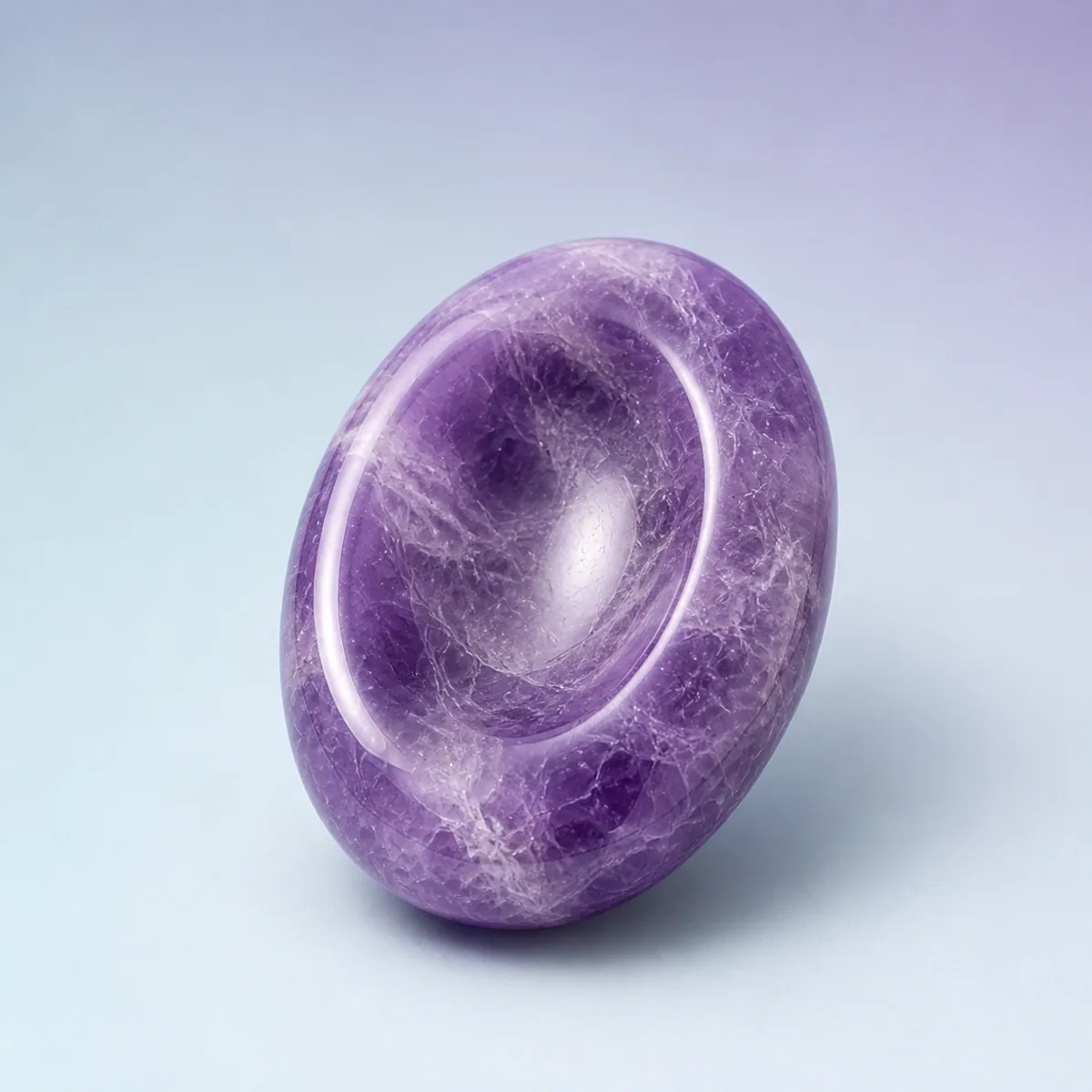
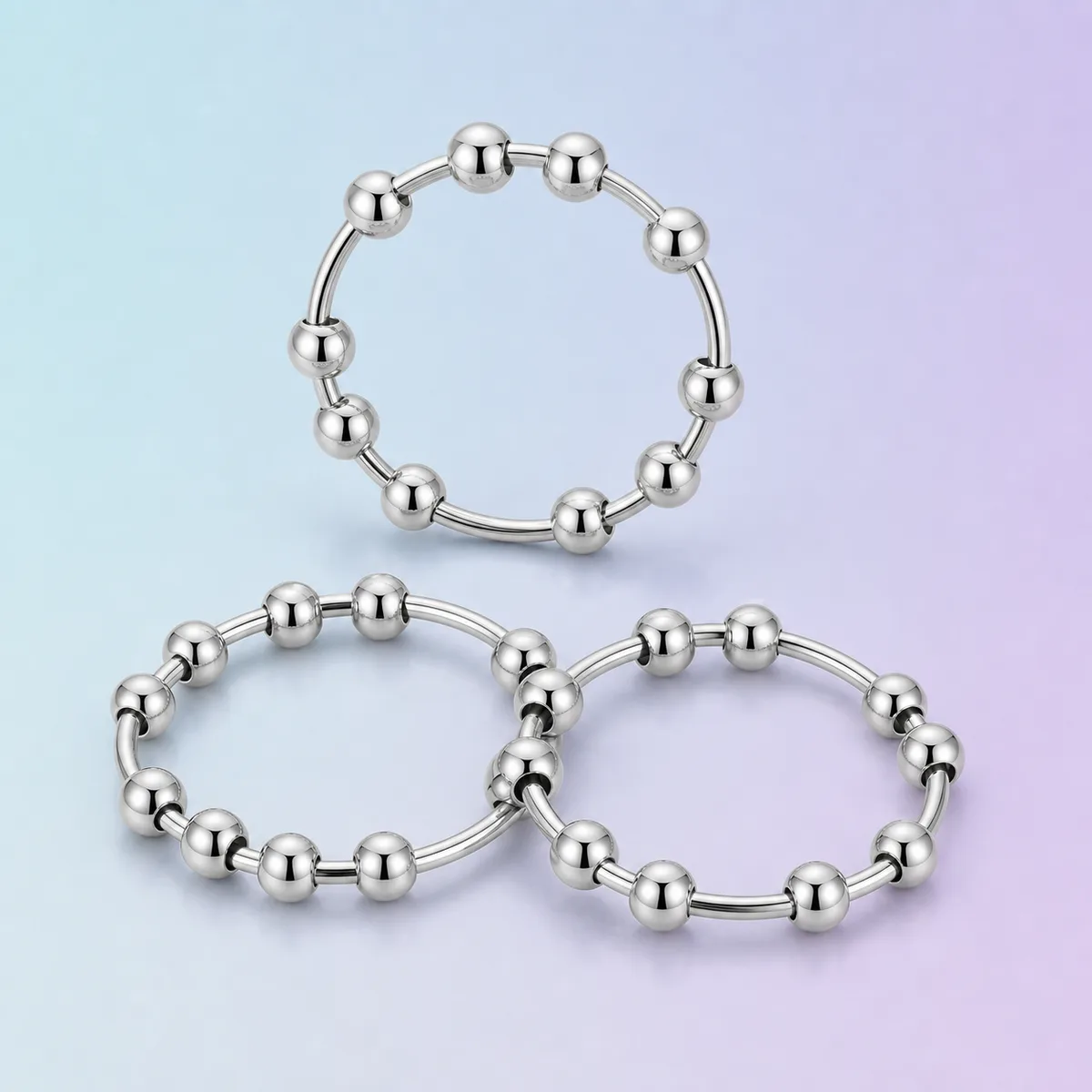
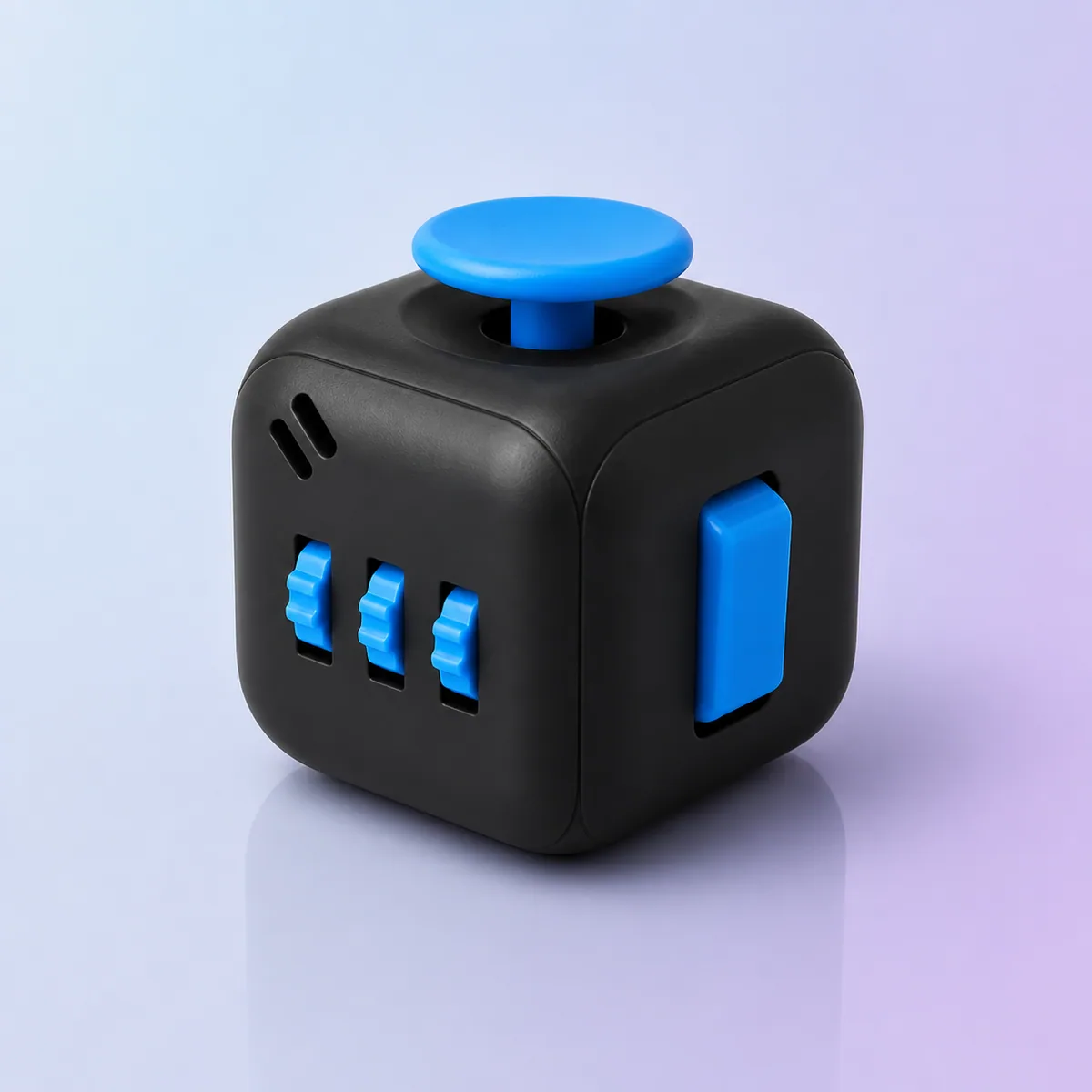
Something that needs nothing from you beyond your hand. CHADD, a national ADHD nonprofit, draws a useful distinction here between a discreet fidget tool and a more attention-grabbing fidget toy, and the discreet kind wins for a long shift near coworkers or the public. For anyone sharing a workstation, like a hospital nursing desk, there is a second reason to favor the plainer option: CDC infection-control guidance for healthcare settings steers shared equipment toward sealed, nonporous surfaces that can actually be disinfected between users, since germs move from shared surfaces to hands more than almost any other route. A Quiet Spinner ring is already on your hand and never needs charging, finding, or setting down between tasks. The Calm Worry Stone is solid resin, sits in a pocket, and comes out silently whenever there is a lull. The Steady Hand Squeeze Stress Ball gives tense hands somewhere fast to go during a stretch that feels physically tight. The Click-Cube Focus Fidget has a soft, satisfying click, genuinely useful for marking a slow hour, though it suits a role with a little more sound tolerance better than one that demands total quiet.
Which fidget suits which kind of shift?
| Shift type | Best pick | Why |
|---|---|---|
| Overnight, quiet environment | Calm Worry Stone or ring | Silent, no sound to carry in a quiet space |
| Long shift, on your feet | Quiet Spinner ring set | Worn, nothing to hold or set down |
| Desk or station-based shift | Steady Hand Squeeze Stress Ball | Fast squeeze for physical tension |
| Shift with some tolerance for sound | Click-Cube Focus Fidget | Soft click helps mark time, use sparingly |
What if fatigue is the real problem?
Then a fidget is the wrong tool, and we would rather say so than sell you one anyway. Genuine fatigue needs sleep, real breaks, and, if a role is safety-critical, an honest conversation with your employer about the schedule itself. A fidget gives restless hands something to do. It does nothing for the part of you that is simply tired, and no amount of squeezing or rolling changes that. If tiredness on shift is a regular, serious problem, that is worth raising with your employer or a qualified professional rather than managing quietly at your station.
For the ordinary long stretch, the honest and modest version still holds: a small, steady thing for your hands, so the slow part of the shift has somewhere to go. Calm in the palm of your hand, however many hours are left on the clock.
Sources & further reading
We reference trusted organizations by name. This article is informational and not a substitute for professional medical advice.
- NIOSH (National Institute for Occupational Safety and Health): The CDC's occupational research center that studies shift-work fatigue; its published interventions cover scheduling, light exposure, caffeine timing, and napping, with no handheld sensory tools listed among them.
- CDC (Centers for Disease Control and Prevention): Publishes healthcare infection-control guidance directing shared workstation equipment toward sealed, nonporous surfaces that can be disinfected between users.
- OSHA (Occupational Safety and Health Administration): Sets US workplace safety standards; its crane and derrick operator rule is the clearest federal example of a safety-critical-task rule against handheld-item distraction, though it is written around phones, not fidgets.
- Frontiers in Psychiatry: Published Son and colleagues' 2024 study of 70 adults with ADHD measuring fidgeting during a cognitive task, describing fidgeting as a possible compensatory mechanism for sustained attention while noting other explanations are possible.
- Frontiers in Psychology: Published Farley, Risko and Kingstone's 2013 study finding fidgeting increased as attention declined during a 40-minute lecture, and that fidgeting predicted poorer retention of the material independent of attention.
- CHADD: National ADHD nonprofit that distinguishes discreet, regulatory fidget tools from entertaining, attention-grabbing fidget toys, and recommends the less visible option for focus-critical settings.
Frequently asked questions
Do fidget toys actually help you stay focused on a long shift?
The research is mixed rather than settled. One 2024 study found a pattern consistent with fidgeting supporting sustained attention during a cognitive task in adults with ADHD, while a separate study found fidgeting rising alongside declining attention over a long stretch of sitting. A fidget is worth trying as a small support, not a guaranteed fix.
Are fidget toys allowed at work during a shift?
Generally yes for a quiet personal fidget, since no US or UK law bans one, and this holds the same at 2 a.m. as at 2 p.m. NIOSH's own shift-work fatigue guidance and OSHA's safety standards do not mention fidgets one way or the other, so there is no rule against a quiet one at your station.
What is the best fidget for night shift work?
Something silent and one-handed that needs no charging: a worry stone, a spinner ring you can wear the whole shift, or a stress ball kept at your station. Save anything with a soft click, like a click cube, for a role or a moment where a little sound will not bother anyone nearby.
Can a fidget toy help with tiredness or fatigue?
No, and we will not claim it does. A fidget gives your hands a small, steady task, which some people find helps them stay present during a monotonous stretch, but it does not substitute for sleep, breaks, or the real rest a long or overnight shift requires.
Is it safe to use a fidget toy during safety-critical night work?
A quiet personal fidget is not a safety risk on its own, but it is not a substitute for proper alertness either. If a role is safety-critical and fatigue is a real concern, that is a conversation for your employer and, if needed, a qualified professional, not something a fidget toy can resolve.
Which fidget lasts through a whole shift without needing attention?
A worn item needs the least upkeep, since a spinner ring is already on your hand and never needs to be found, charged, or put down. A worry stone in a pocket is a close second, silent and always within reach between tasks.