What fidgets work best in a waiting room?
The ones that ask nothing of your eyes and nothing of the room around you. A waiting room is close seating, low conversation, and strangers who did not choose to sit next to each other, so anything with a click, a pop, or a spin travels further than it would at home. Silent, one-handed, and easy to pause the moment your name gets called, that is the whole brief.
Why a waiting room calls for something quieter than usual
A waiting room is not like a desk or a couch. You are seated close to people you do not know, often for a reason that already has your attention half spent, and the anxiety in the room is frequently real and well documented, not just a mood. A 2025 nationally representative survey published in the Journal of the American Dental Association found 72.6% of US adults report some fear of going to the dentist, split between 45.8% with moderate fear and 26.8% with severe fear. Waiting for medical imaging carries its own real weight: one Australian study of 777 patients found 51% reported anxiety after imaging exams, and PET/CT-specific studies found anxiety prevalence exceeding 60%, while a separate meta-analysis of gastroenterology outpatients found a pooled anxiety rate of 31.2% among people waiting for those procedures. A fidget that would be unremarkable at your own kitchen table becomes the loudest thing in the room if it clicks or spins, simply because everything else has gone quiet around it, and quiet is exactly what a room full of people already carrying some of that anxiety tends to keep.
There is also the interruption to plan for. A waiting room fidget needs to stop the moment your name is called, get put away in one motion, and not need finishing. That rules out anything with a lot of moving parts to wind down, and rules in anything you can drop straight into a bag mid-motion.
The quiet lineup, one by one
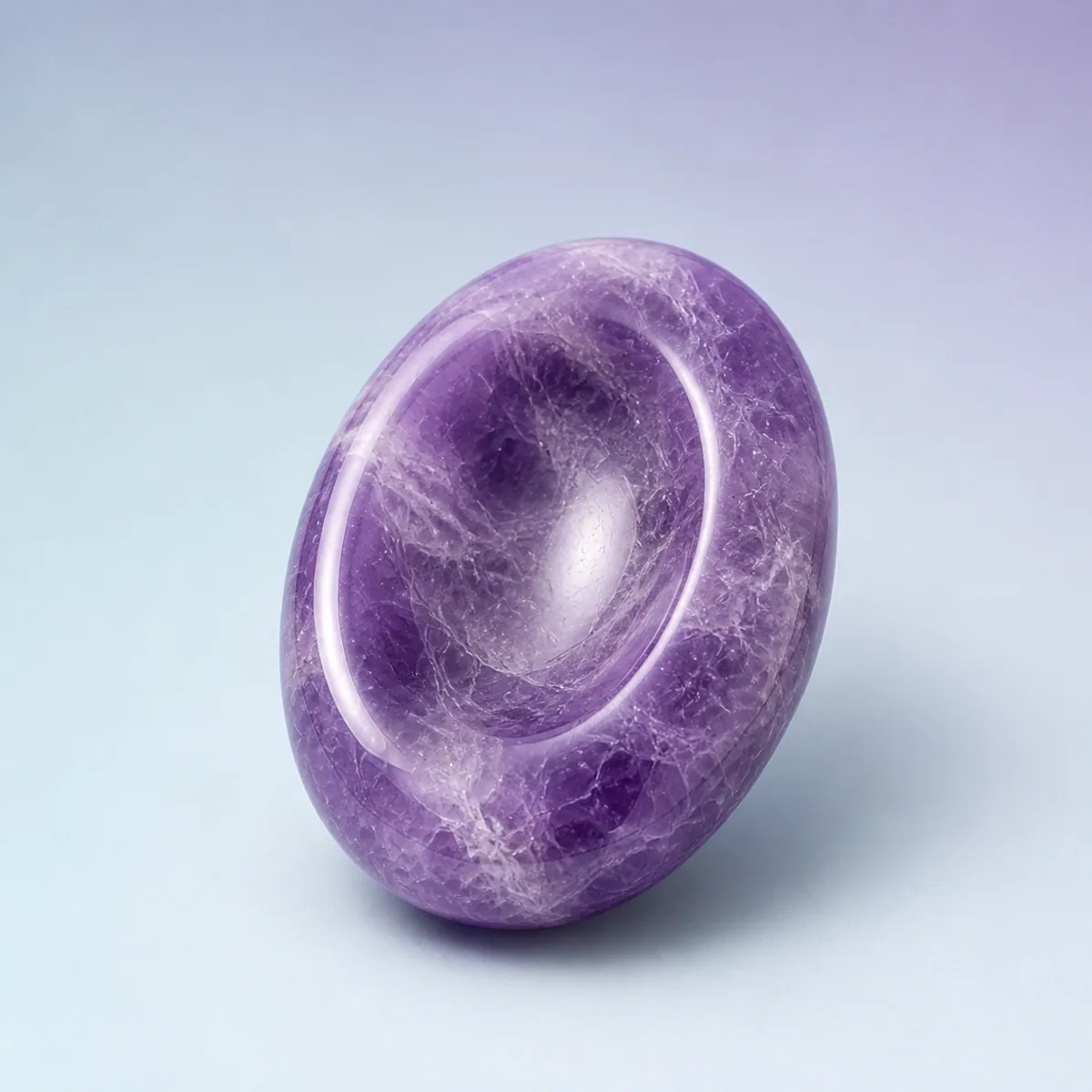
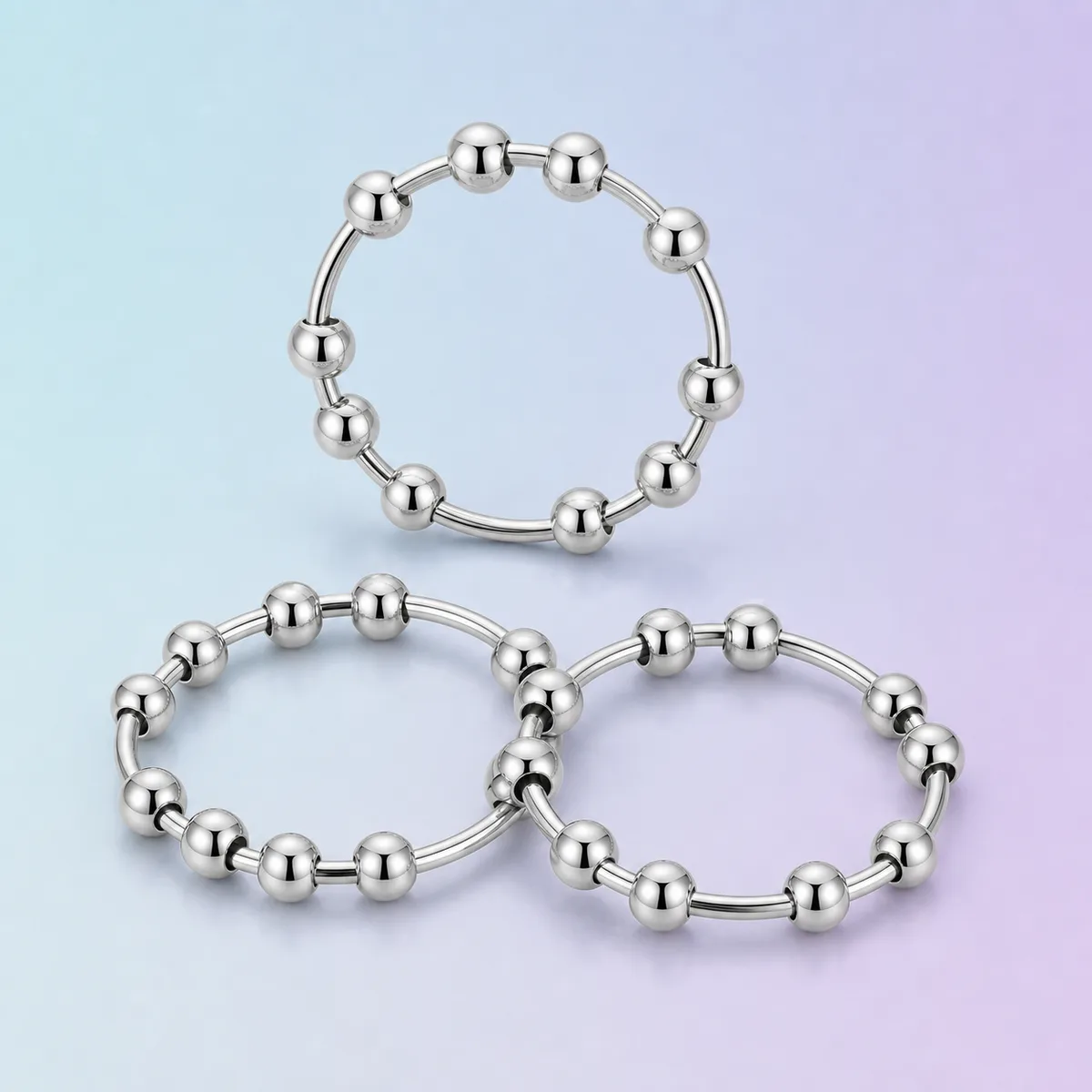
The Calm Worry Stone is the simplest option here, arguably the oldest idea on this whole list: a smooth resin stone with a thumb-shaped dip, rubbed quietly in a pocket or a lap, completely silent and easy to palm the second you stand up. The Quiet Spinner Sensory Ring Set puts the same idea on a finger, beads rolling around a hoop under your thumb, silent apart from a faint metal tick that only you can hear.
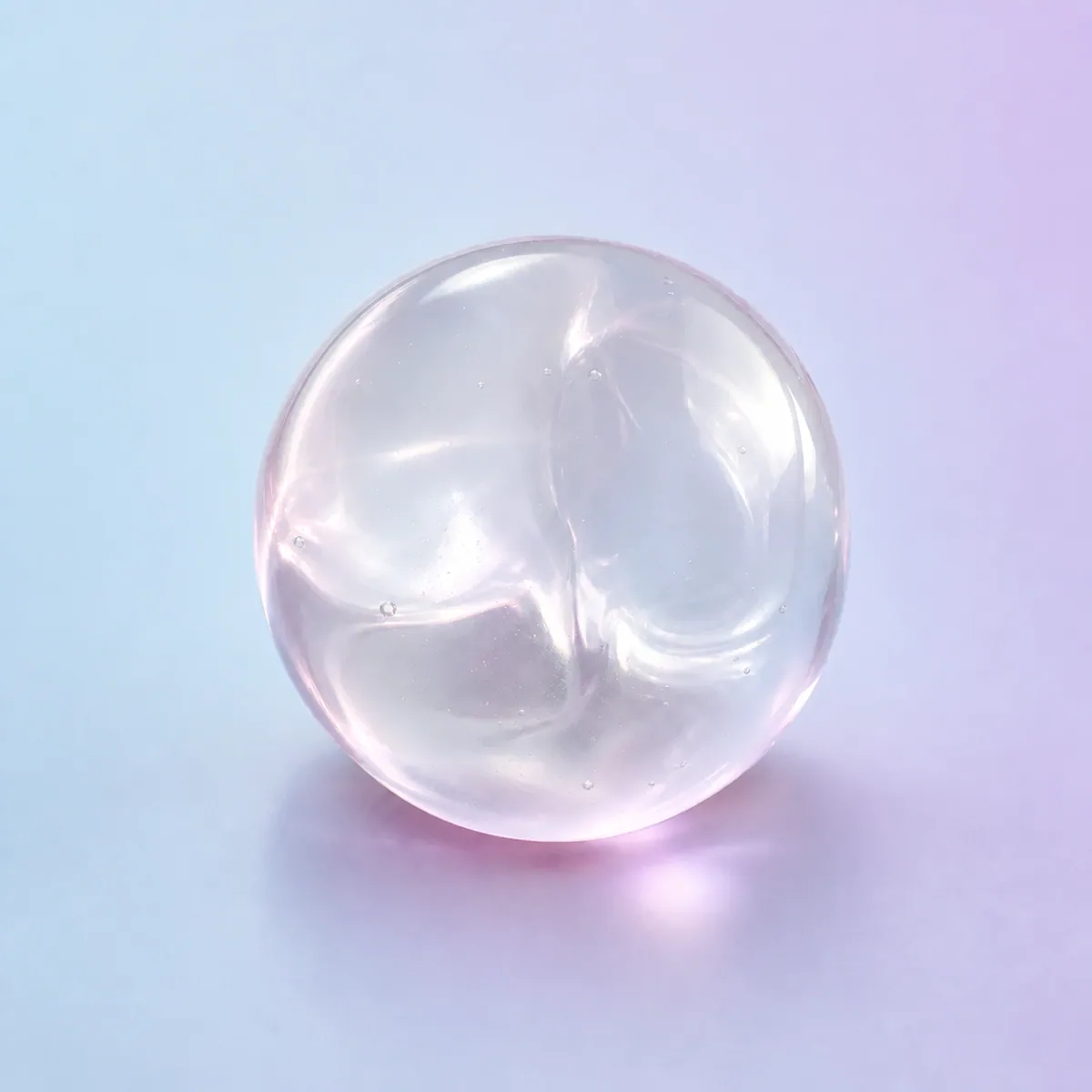
The Peachy Slow-Rise Squishy works differently: press it in your lap and watch the foam ease back over several seconds, silent, and slow enough to fill exactly the kind of stretch of time a waiting room specializes in. The Jelly Blob Transparent Gel Fidget is the most visually interesting of the four, a clear gel that oozes and stretches between your fingers, and it is worth naming honestly: it draws more curious glances than the others, from a bored kid two chairs over more than anyone else, which is a fine tradeoff in a waiting room and a worse one in a library or an exam hall.
What makes a fidget waiting-room appropriate?
Four things make a fidget closer to the discreet tool CHADD describes than the more entertaining toy version, in order of how much they matter here. Silence first, since the room is doing you the favor of being quiet and you should return it. One motion you already know, since a waiting room is not the place to learn a new fidget. No surface required, since a lap or a coat pocket is often all you have. And a clean stop, something you can drop into a bag or a pocket in one motion when your name is finally called.
There is a fifth factor worth naming for anywhere a fidget gets left in a shared bowl or basket rather than carried in a pocket: whether it can actually be cleaned. The American Academy of Pediatrics steers waiting-room items away from plush, hard-to-clean toys and small detachable parts and toward hard plastic, vinyl, metal, or sealed wood that can take repeated disinfection, and infection-control standards from APIC state shared items “should be nonporous and able to withstand a rigorous mechanical cleaning.” A resin worry stone or a steel spinner ring clears that bar easily. A soft foam squishy, fine to carry in your own pocket, is a worse fit for a shared waiting-room basket that many hands touch.
A quick way to choose
| If your wait is | Reach for | Why |
|---|---|---|
| A short check-in wait | Calm Worry Stone | Quick to start, quick to pocket |
| A long appointment delay | Peachy Slow-Rise Squishy | Slow rhythm fills a slow stretch of time |
| A wait where kids are also around | Jelly Blob Transparent Gel Fidget | Visually interesting is fine here, unlike a quiet exam hall |
| A wait with no free hand for a loose object | Quiet Spinner Sensory Ring Set | Already on your finger, nothing to hold |
Keep one where you cannot forget it
Waits rarely announce themselves ahead of time, so the fidget that helps most is the one already in your bag when the wait starts, not the one you meant to grab off your desk. A worry stone or a spinner ring earns its keep here more than almost anything else in this list, small enough to live permanently in a coat pocket, a glovebox, or the zip pocket of a bag you already carry everywhere. Toss the squishy or the gel blob into the same spot if you have room, since neither takes up much more space than a phone.
The habit matters more than the object. Once a fidget has a permanent home you do not have to think about, it stops being one more thing to remember and becomes something your hand can reach for without you deciding to.
A waiting room fidget is not a treatment for what brought you there
Say that plainly, because a waiting room is often where people are at their most anxious, and it would be easy to oversell a small object into more than it is. A worry stone does not treat whatever appointment you are sitting there for, and a squishy does not shorten the wait. What it does is give your hands something steady to hold onto while your mind is stuck on a clock you cannot control, and for a lot of people, in a lot of waiting rooms, that counts for something real.
If the anxiety in the room is bigger than the wait itself, a fidget is not the answer to that, and no listing should pretend it is. A qualified professional is the better place to bring anxiety that goes beyond a single hard afternoon. A fidget is the small, steady thing for your hands while you wait for the door to open. Calm in the palm of your hand, whatever the wait is for.
Sources & further reading
We reference trusted organizations by name. This article is informational and not a substitute for professional medical advice.
- Journal of the American Dental Association (JADA): Published a 2025 nationally representative survey of 1,003 US adults finding 72.6 percent report some fear of the dentist, the first study of its kind designed specifically to measure US dental fear.
- Association for Professionals in Infection Control and Epidemiology (APIC): Publishes infection-control practice standards stating shared items should be nonporous and able to withstand rigorous mechanical cleaning.
- American Academy of Pediatrics (AAP): Publishes pediatric practice guidance steering waiting rooms away from hard-to-clean plush and small-parts toys and toward hard plastic, vinyl, metal, or sealed wood items.
- CHADD: Draws a practical distinction between a fidget tool (discreet, regulatory) and a fidget toy (entertaining, attention-grabbing), advising that only the former suits a setting where excessive fidgeting could cause social disruption.
Frequently asked questions
What fidget toy works best for a waiting room?
Something silent that works by feel alone, so it does not draw attention in a quiet, shared space. The Calm Worry Stone and the Quiet Spinner Sensory Ring Set are both good choices because neither needs to be looked at or makes a sound.
Are fidget toys OK to use in a doctor's office?
Yes, and there is nothing unusual about it. A quiet fidget like a worry stone or a squishy is easy to use without disturbing anyone else in the room, and it can be put away in one motion the moment your name is called.
Is it rude to use a fidget toy around other people in a waiting room?
Not if it is silent and does not need to be watched. The line to avoid is anything that clicks, pops, or spins loudly enough for a stranger two chairs over to notice, since a hushed waiting room amplifies sound more than most rooms.
Do fidget toys help with anxiety in a waiting room?
Many people find that a small, steady motion makes an anxious wait easier to sit through, but a fidget does not treat anxiety and will not shorten the wait itself. It gives your hands a job while your mind sits with something it cannot control.
What fidget toy is best for a long wait at an appointment?
The Peachy Slow-Rise Squishy suits a long delay especially well, since its slow press-and-rise rhythm fills a slow stretch of time and stays completely silent throughout.
Can kids use fidget toys in a waiting room too?
Yes, and a visually interesting option like the Jelly Blob Transparent Gel Fidget, which draws more glances than the others, is actually a better fit around kids than in a setting that demands total quiet, since a little curiosity from a nearby child is not a problem here.