Can a fidget toy help during exams and tests?
A small, silent fidget can take the edge off test-day nerves and give restless hands somewhere to go, in the rooms where it is allowed. It will not do the studying for you, and it will not raise your score by itself, but it can help you feel a little steadier while you settle in.
Let me be straight, since that is the brand. A fidget is a comfort and a focus aid, not a magic grade booster. What it can do is give jittery hands a quiet, repetitive job so a bit of nervous energy has somewhere to drain, which for some people frees up just enough attention to read the question in front of them. Whether it is welcome in the room, though, is a separate question, and an important one.
Are fidget toys allowed in exams?
Sometimes, and it depends entirely on the room and the person running it, so always ask first. Many teachers and invigilators are fine with a small, silent fidget as long as it does not make noise, does not distract other students, and could not be mistaken for a way to cheat. Some are not, and their call stands.
A few honest pointers:
- Ask ahead, not at the door. Check with your teacher, invigilator, or exam office before the day, so there are no surprises when it counts.
- It may be a formal accommodation. For some students, especially those with ADHD, autism, or anxiety, a fidget or movement tool is written into a support plan (an IEP, a 504, or exam access arrangements). If that is you, get it documented properly.
- Anything with a screen, a light, or a sound is usually out. Standardized tests in particular tend to ban electronics and anything that could hide notes. A plain, silent object is your safest bet.
- When in doubt, leave the noisy one at home. If a fidget clicks, rattles, or spins loudly, assume it is not exam-appropriate.
Rules genuinely vary, so treat permission as something you confirm, never assume.
What makes a fidget toy exam-room appropriate?
The best exam fidgets are silent, small, still, and boring to everyone but you. It should sit in one hand, make no sound, need no batteries, and never pull a neighbor’s eyes away from their own paper. In a quiet room, silence is the whole game.
This is where honesty about sound really matters, because quiet and silent are not the same thing:
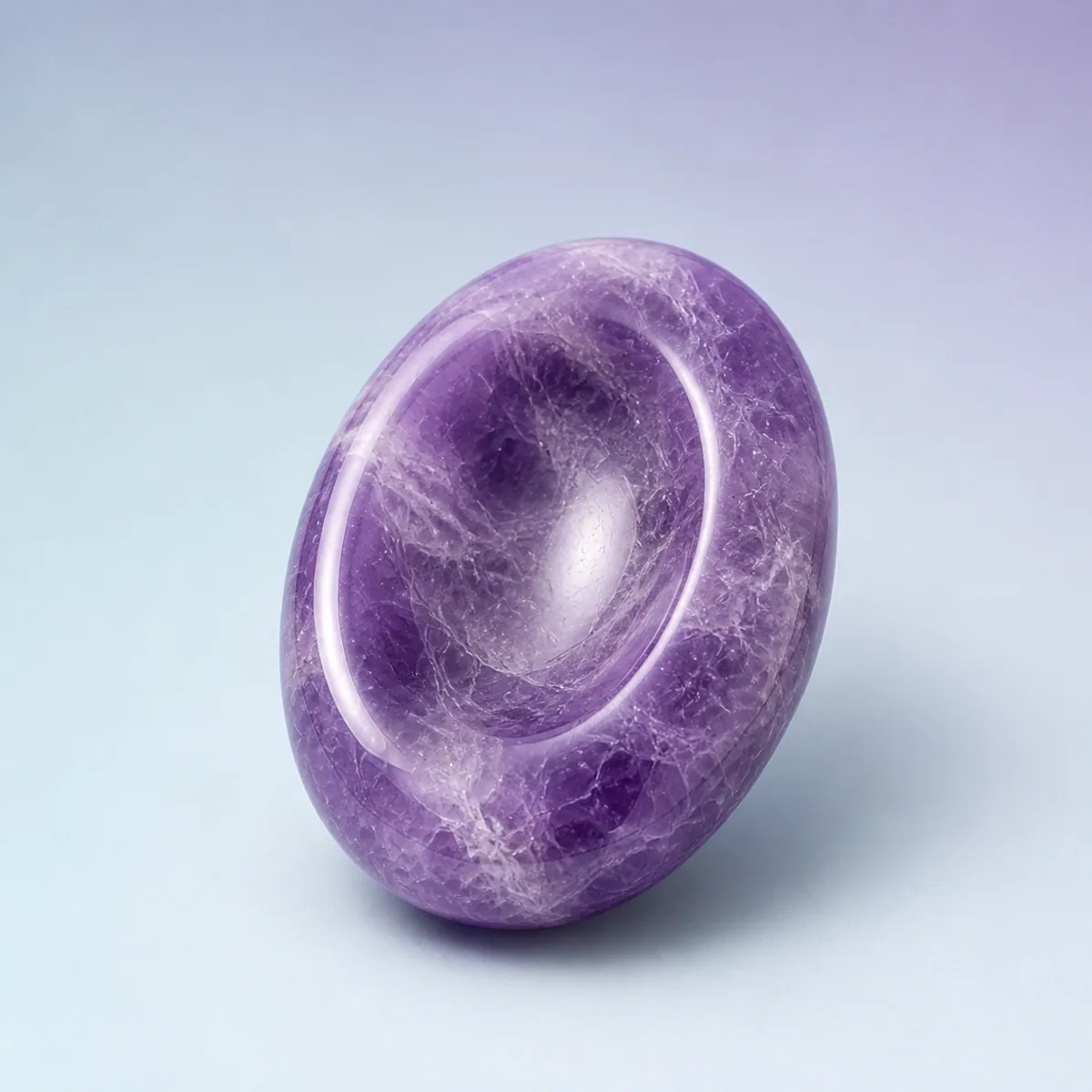
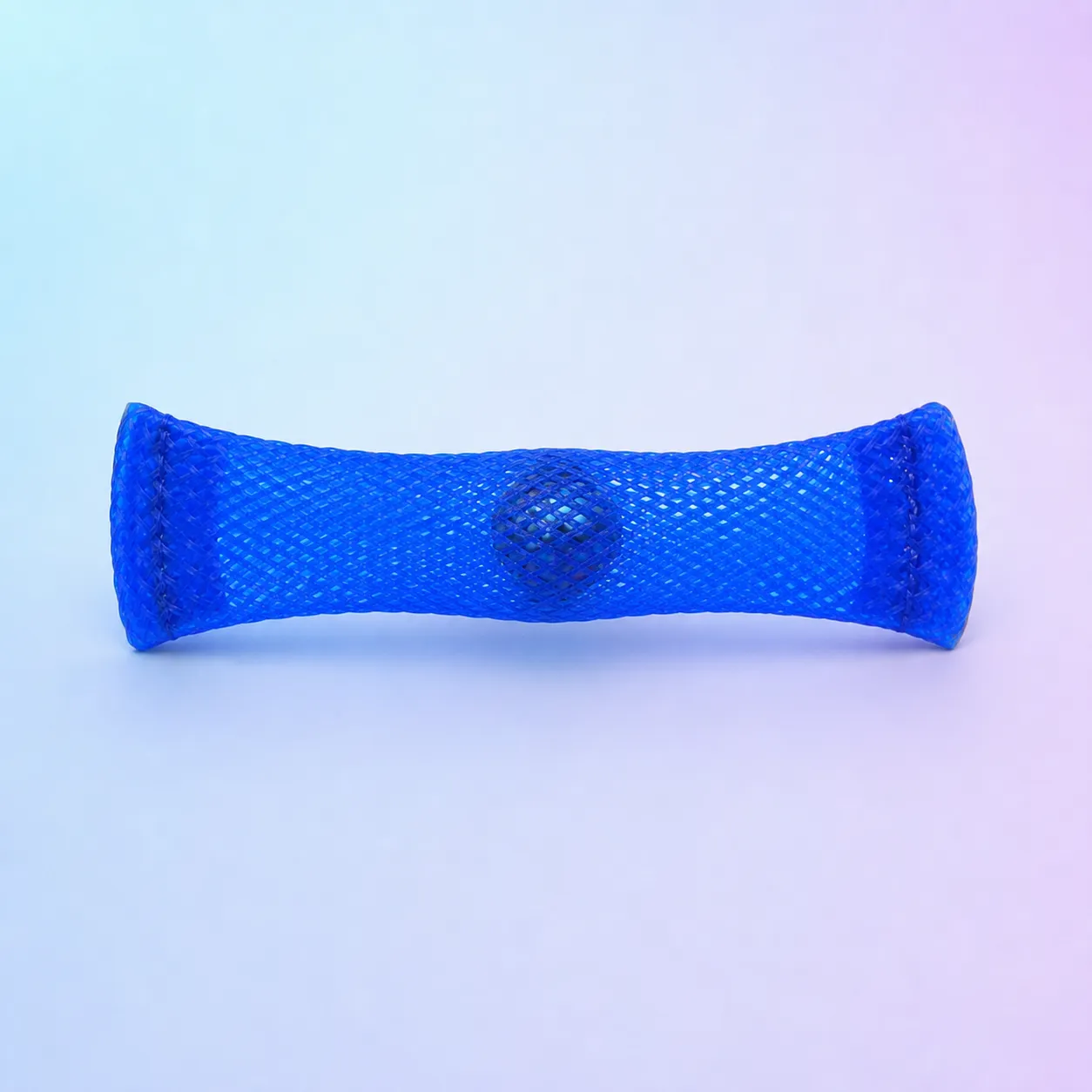
- Truly silent picks are the safest. The Calm Worry Stone makes no sound at all, just a smooth thumb-hollow to rub, and the Roll & Squeeze Mesh Marble Fidget rolls its marble through a mesh sleeve in silence.
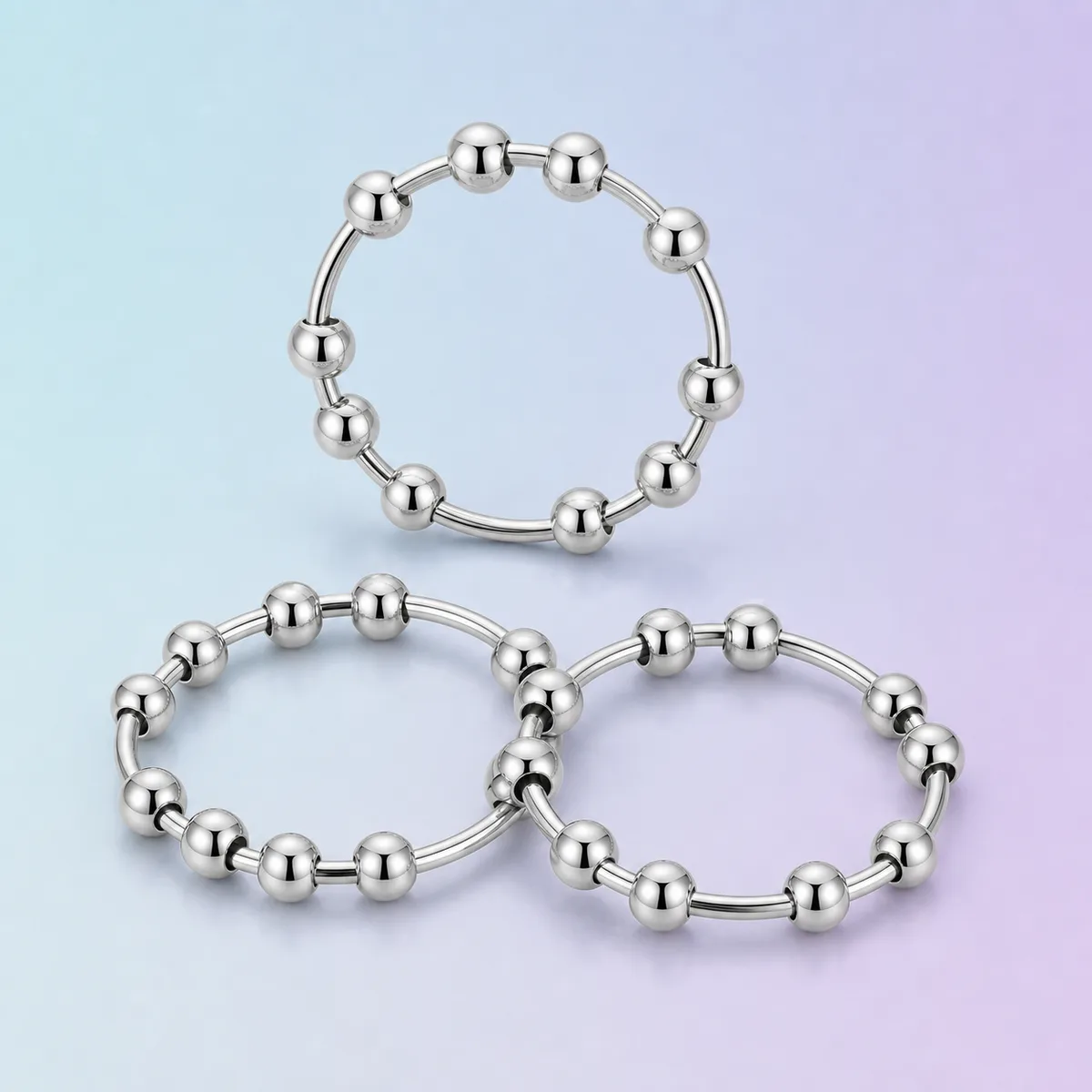
- Very quiet, but not perfectly silent. The Quiet Spinner Sensory Ring Set (3-Pack) is discreet and wearable, though the metal beads can make a faint sound when they touch. Lovely for a lecture or a waiting room, worth testing against your exam hall’s rules before you rely on it.
- Small and one-handed. You want to fidget without looking, so your eyes stay on the paper. Pocket-sized, single-hand toys win.
Match the toy to the strictest room you will sit in, not the most relaxed.
What are the best fidget toys for exams and tests?
For most students, a silent, pocket-sized fidget you can work one-handed is the sweet spot, and a small kit covers the whole season. Here is how the picks compare.
If you want the simplest, most exam-safe option, the Calm Worry Stone is hard to beat: smooth, weighted, silent, with a thumb-shaped hollow your thumb finds without looking. It slips in a pocket for the corridor wait before you go in, and rubs quietly through the test itself. It is $9.49.
For silent finger motion that keeps busy hands occupied, the Roll & Squeeze Mesh Marble Fidget gives you a glitter marble to push and roll through a woven mesh tube, slim enough to rest on the desk beside your paper. It is $9.99.
If you like the idea of a fidget you wear, so there is nothing to drop or fumble, the Quiet Spinner Sensory Ring Set (3-Pack) sits on your finger with beads to roll under your thumb. Keep one at your desk, one in your bag, one at home. Just remember it is very quiet rather than truly silent, so clear it with your invigilator first. It is $16.99 for three.
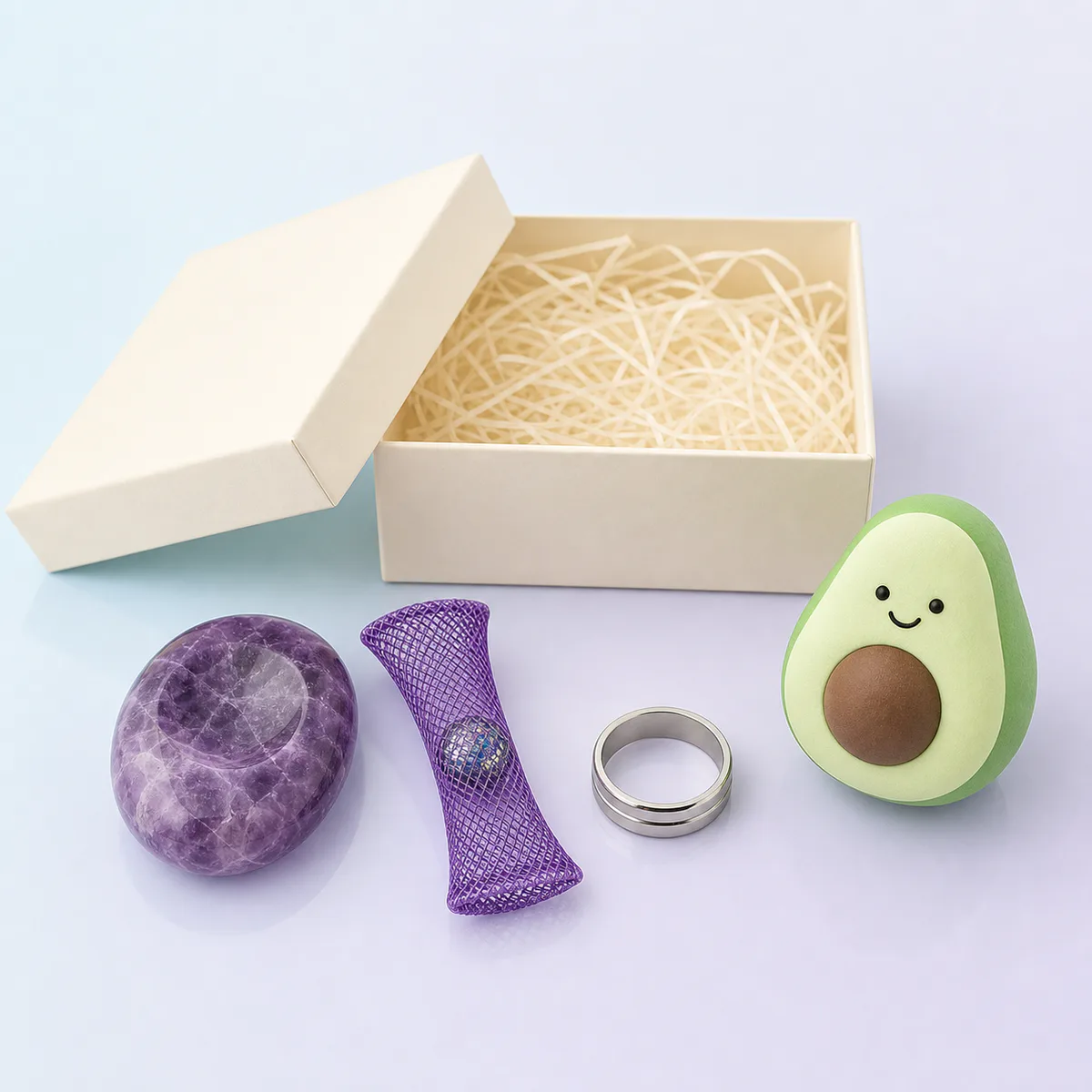
And if you would rather not choose, or you are buying for a student in deadline season, The Exam Calm Kit (4-Piece) gathers four silent or near-silent fidgets for the whole arc of exam time: a worry stone for the moment before you walk in, a mesh marble for the desk, a spinner ring for the test itself, and a slow-rise squishy for study breaks. It is $34.99, which the shop notes saves $13 versus buying the pieces separately, and it arrives gift-ready.
| What you want on test day | The pick | Sound |
|---|---|---|
| The safest, simplest exam fidget | Calm Worry Stone | Silent |
| Slim, silent finger motion at the desk | Roll & Squeeze Mesh Marble Fidget | Silent |
| A wearable fidget you cannot drop | Quiet Spinner Sensory Ring Set (3-Pack) | Very quiet |
| One kit for the whole exam season | The Exam Calm Kit (4-Piece) | Silent / near-silent |
The best exam fidget is the one that fades into the background so your mind can stay on the page.
How do I deal with test anxiety, beyond a fidget toy?
Test anxiety is common, real, and not a sign that you are unprepared or not clever enough. A fidget is one small tool for it, and it works best next to the bigger, duller basics: steady preparation, a decent night’s sleep, food and water, and arriving with time to spare. None of that is glamorous, and all of it helps.
Here is the honest framing. A racing heart, a blank mind, or a churning stomach before a test is your body’s alarm system firing, not proof that you will fail. A fidget can take a little of the edge off the physical jitters. It cannot replace knowing the material, and it cannot switch the alarm off completely. Both things are true at once.
If test anxiety regularly overwhelms you, makes you avoid exams, or follows you long after the paper is handed in, please talk to someone: a school counselor, a teacher you trust, or your doctor. Organizations like the Child Mind Institute, the Anxiety and Depression Association of America, and the NHS offer clear guidance on exam stress and when to seek more support. Asking for help is a strong move, not a weak one.
How can parents help a child use a fidget for exams?
Keep it low-key, practical, and permission-first. The most useful thing a parent can do is help a child pick a silent fidget, practice with it before the day, and check the rules with the school so it never becomes a problem in the room.
A few gentle ways to support without piling on pressure:
- Sort out permission together. A quick email to the teacher or exam office settles whether a fidget is allowed, and flags any accommodation your child is entitled to.
- Let them choose the toy. The one they reach for is the one that works. Push a fidget on a child and it becomes one more thing to resist.
- Practice during homework, not just on test day. A familiar fidget fades into the background; a brand-new one is a distraction.
- Keep the message honest. Frame it as a small comfort for the nerves, not a promise of a better grade. Overselling it sets a child up to feel let down.
- Watch for the bigger worries. If exam stress is spilling into sleep, appetite, or a dread that lingers, that is worth a conversation with the school or your doctor.
Your calm matters too. A steady, matter-of-fact parent is its own kind of reassurance.
How do I pair a fidget with breathing on test day?
Use the fidget to pace your breath, slowing both together. Slow breathing is one of the quickest ways to tell an anxious body it is safe, and a fidget gives that breathing a physical rhythm to follow, which makes it easier to actually do when your mind is spinning.
A simple routine you can run at your desk before you turn the paper over:
- Breathe in for four as you press or roll the fidget one way.
- Hold for a beat, keeping your hand still.
- Breathe out for six as you release or roll it back. The longer out-breath is the part that helps you settle.
- Repeat three or four times, letting your shoulders drop.
Do it once before you start, and again any time the panic creeps back mid-test. Pair it with a quick look around the room to remind yourself where you are. Then return to the question in front of you, one at a time, calm in the palm of your hand.
Sources & further reading
We reference trusted organizations by name. This article is informational and not a substitute for professional medical advice.
- Child Mind Institute: Provides guidance on test anxiety in children and teens and when to seek professional support.
- Anxiety and Depression Association of America: Offers resources on test anxiety and practical coping strategies for students.
- American Psychological Association: Shares research-based guidance on stress, anxiety, and performance under pressure.
- NHS: Public guidance on coping with exam stress and supporting young people through it.
- CHADD: Covers fidget and sensory strategies and school accommodations for students with ADHD.
Frequently asked questions
Are fidget toys allowed in exams?
Sometimes, and it depends on the room and the person running it, so always ask first. Many teachers and invigilators allow a small, silent fidget that makes no noise and does not distract others, while some do not. For students with ADHD, autism, or anxiety, a fidget can also be part of a formal support plan, so get it documented if that applies to you.
Do fidget toys help with test anxiety?
They can take a little of the edge off for some people by giving jittery hands a quiet, repetitive job. They are a small supportive tool, not a cure for test anxiety, and they work best paired with preparation, sleep, and slow breathing. If anxiety regularly overwhelms you, a school counselor or doctor can help.
What is the best silent fidget for a test?
A worry stone or a mesh marble fidget are strong choices because they make no sound at all. A spinner ring is very quiet and wearable, though the metal beads can make a faint sound when they touch, so clear it with your invigilator first. The safest pick is whichever silent, one-handed toy you can use without looking.
Will a fidget toy distract me during the exam?
It depends on the person. For some, a small background motion frees up attention and helps them focus; for others, a new toy is one more thing to notice. The fix is to practice with it during study sessions first, so by exam day it feels automatic rather than novel.
Can a fidget toy improve my test scores?
Not on its own, and we would not pretend otherwise. A fidget may help you feel steadier and less jittery, but studying, sleep, and preparation are what move the score. Think of it as a small comfort for the nerves, not a shortcut.