What is a good fidget gift for a teacher?
A good fidget gift for a teacher is small, one-handed, and quiet enough to use in front of thirty kids without becoming the thing everyone watches instead of the lesson. Teachers spend the day standing, talking, and holding a room’s attention, so the fidget that earns a spot in their pocket is the kind that works between explaining a fraction and answering a raised hand: a worry stone to rub, a block of putty to pull apart at a desk, a small cube to click quietly during a meeting. Pick with the actual job in mind and the gift reads as thoughtful rather than generic.
Teachers are, in fact, an easy audience to shop well for, because the job hands you the brief. Long stretches on their feet, hands that are usually full of a marker or a stack of quizzes, and a room of people watching everything they do. A fidget built around those three facts beats a mug every time.
Why teachers reach for a fidget in the first place
Most teachers are already fidgeting, just without a proper tool for it: a clicked pen, a twisted lanyard, a marker tapped against a palm during the pause before someone answers. A dedicated fidget gives that same restless energy somewhere better to go, and it holds up to a school day better than a pen does. The reason it is worth giving at all is that teaching is a genuinely stressful job: RAND’s 2024 State of the American Teacher survey found teachers roughly twice as likely to report frequent job-related stress or burnout as similar working adults, and about three times as likely to say they struggle to cope with that stress. A UK survey shows a similar pattern from the other side of the Atlantic: Education Support’s 2024 Teacher Wellbeing Index found 78 percent of education professionals reported feeling stressed. None of that means a fidget fixes burnout, and no study says it does. What the data actually supports is smaller and more honest: teachers carry real, measured stress, and a small, quiet thing for their hands is a reasonable, low-stakes gift into that reality, not a solution to it.
Grading is its own long, seated stretch where hands want something to do between essays. A staff meeting at the end of a teaching day, or the ten minutes before the first bell, is exactly the kind of low-stimulation, high-patience moment a small fidget was built for. None of this is a claim about focus or performance. It is simply what busy hands reach for anyway.
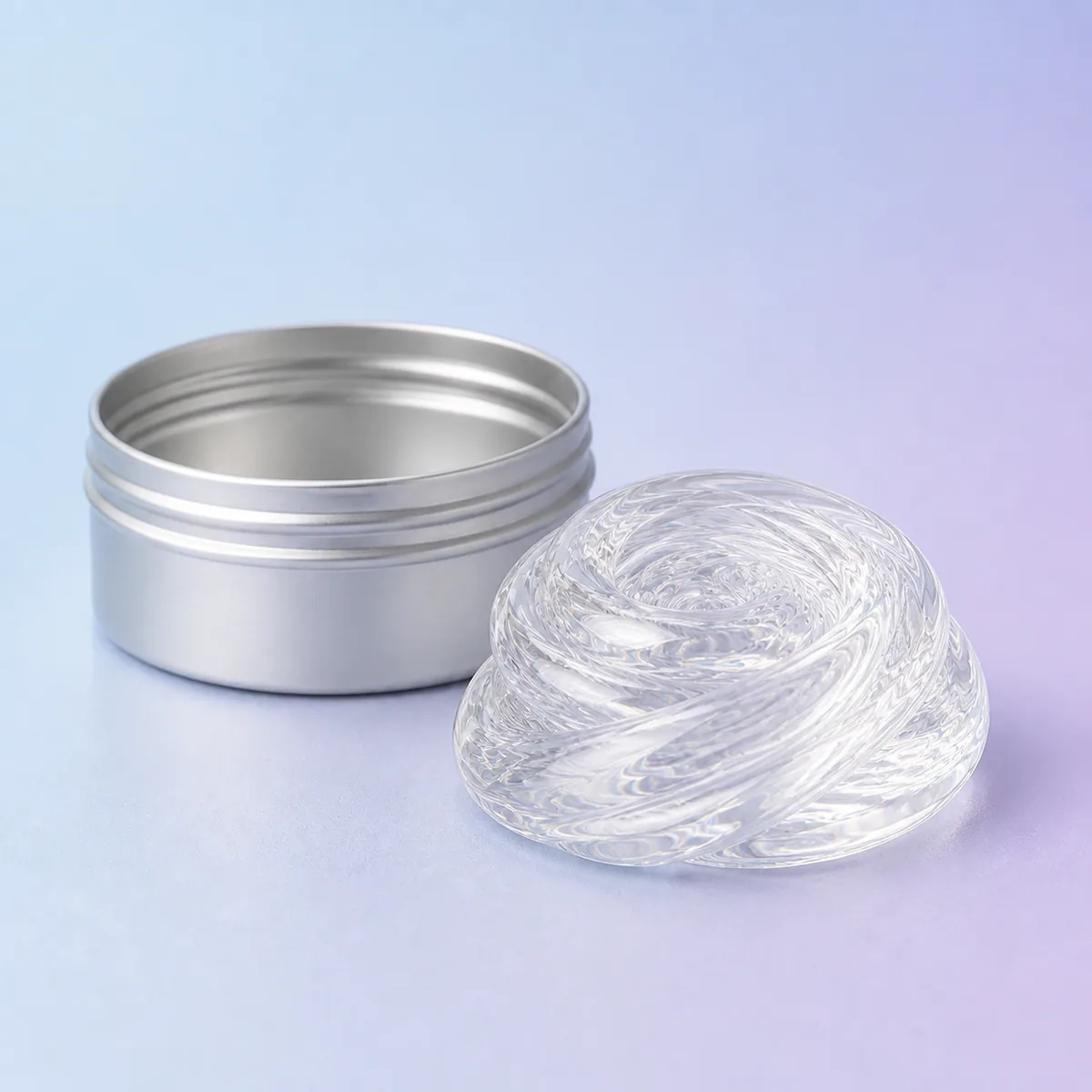
By the fortieth essay in a stack, a hand wants a different job for a minute, something to press or roll while the eyes take a break from the same handwriting. That is the exact moment a piece of Calm Putty earns its keep: pull it, fold it, flatten it, then pick the pen back up and keep going.
Does the grade level change the pick?
A little, yes. An elementary teacher spends the day surrounded by manipulatives already, counting cubes, pattern blocks, the class’s own shared fidget bin, so a personal fidget works best when it clearly reads as theirs and not one more small object drifting around the room. A worry stone does that well. From across a reading rug it looks like a smooth pebble on a desk, not a toy.
A middle or high school teacher has the opposite problem: teenagers notice everything and will comment on a visible fidget within a day. Putty kept in a desk drawer for grading, or a worry stone that lives in a blazer pocket rather than out on the desk, tends to stay a private tool instead of turning into a running joke for a semester.
What makes a fidget teacher-friendly
Three things matter here more than anything else: quiet, one-handed, and sturdy enough to survive a bag with a coffee thermos and a stack of graded quizzes in it.
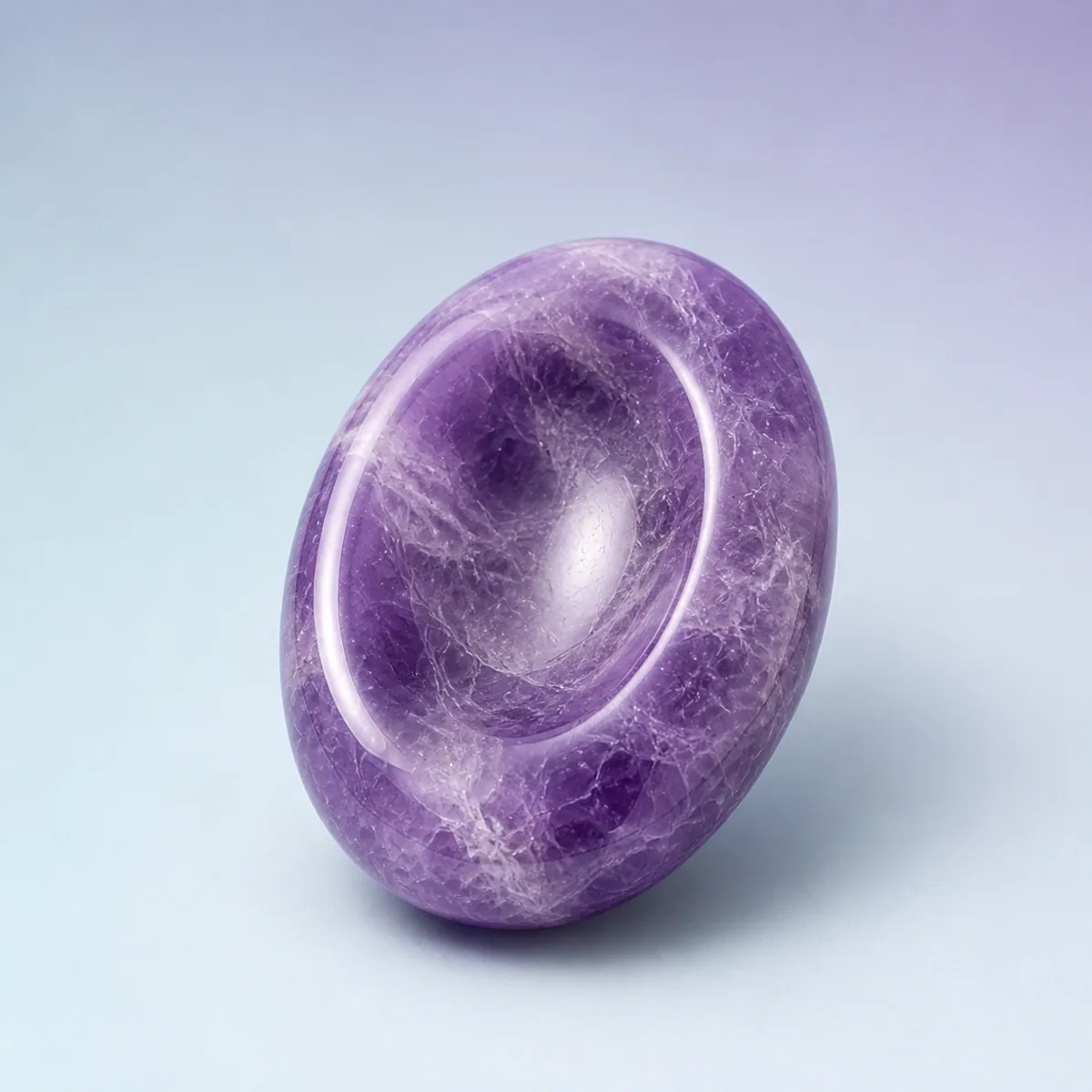
Quiet matters most at the front of a class, where a repeating click travels to the back row and turns into the thing every student watches instead of the board. The Calm Worry Stone and Calm Putty are both silent, which is why they work mid-lecture in a way a clicky fidget cube does not.
One-handed matters because a teacher’s other hand usually already has a marker or a raised-hand tally in it. A worry stone works with a thumb alone and needs no attention to use correctly; putty wants a bit more focus, so it suits a desk moment better than a live one in front of a class.
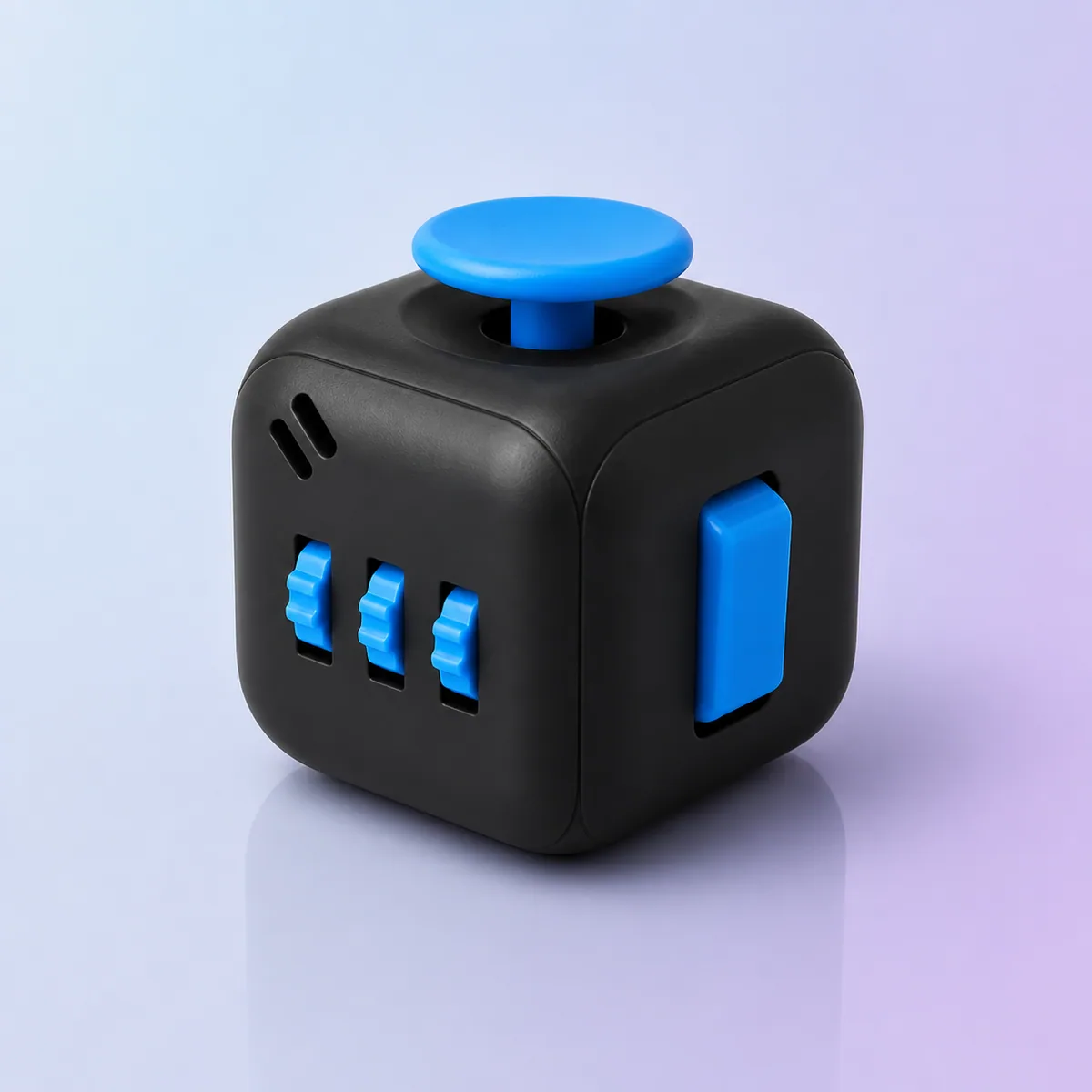
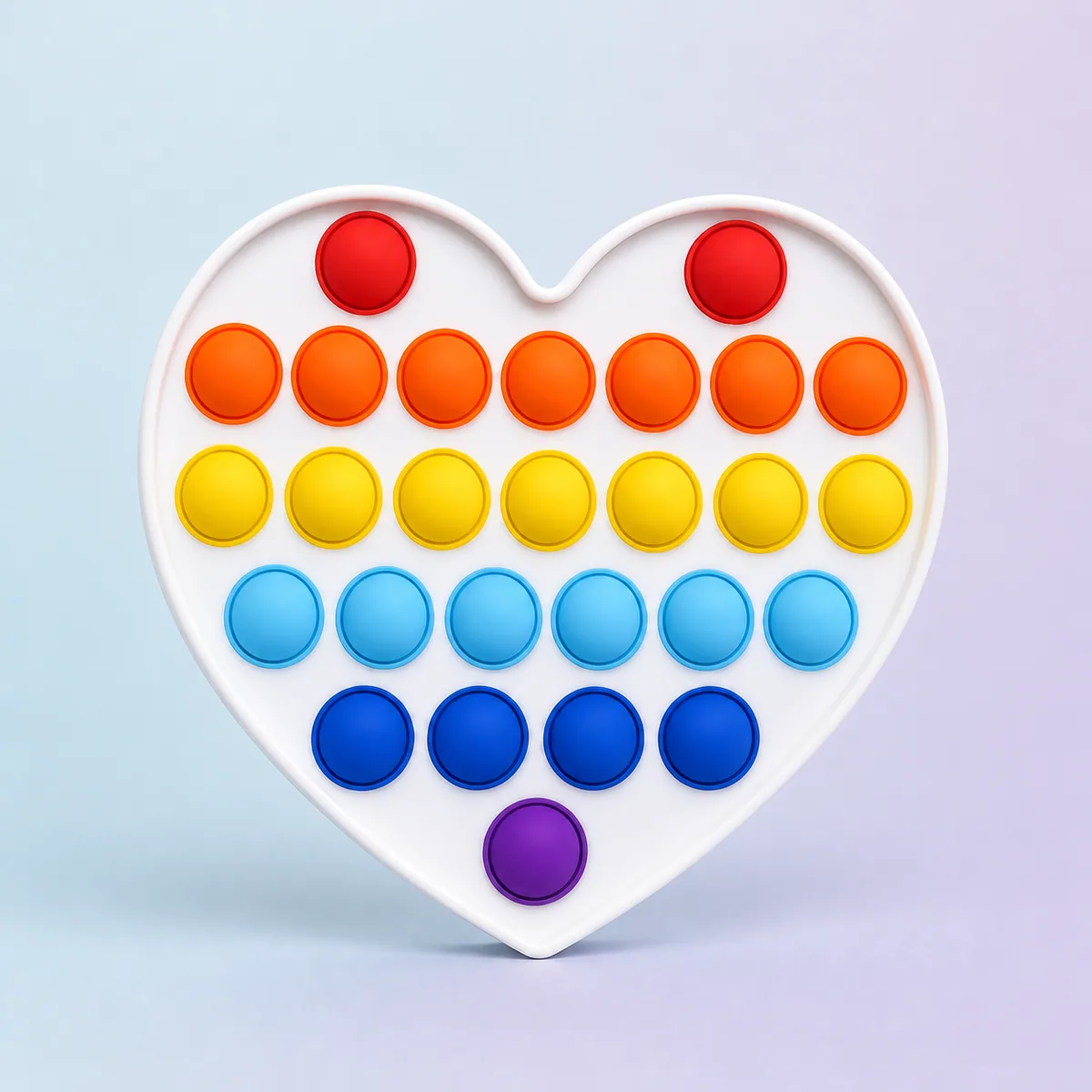
Sturdy matters because a teacher’s bag gets dropped, jostled, and occasionally left in a car over a long weekend. The Click-Cube Focus Fidget is built to take that kind of daily handling, and the Hush Pop Push-Pop Sensory Board’s silicone bubbles keep their pop through hundreds of presses.
The quick picks, by moment
| Moment | Pick | Why |
|---|---|---|
| Mid-lecture, hands full | Calm Worry Stone | One-handed, silent, fits a pocket |
| Grading at a desk | Calm Putty | Open-ended, keeps hands busy through a stack of essays |
| Hallway duty or a staff meeting | Click-Cube Focus Fidget | Sturdy, discreet, one-handed clicks and dials |
| A shared classroom fidget bin | Hush Pop Push-Pop Sensory Board | Silicone, wipes clean, holds up to many hands |
If you do not know which motion their hands prefer, the worry stone is the safest bet. It is the one item on this list that reads as a smooth stone and nothing else, so it never looks out of place on a teacher’s desk next to the stapler and the coffee mug.
What to skip
Skip anything that clicks loudly and often. A teacher who fidgets audibly in front of a class either stops using the gift within a week or spends the year answering “what’s that noise.” Skip anything built from small, separable pieces too, since those tend to end up on a classroom floor, in reach of students who were not the intended recipient. The Hush Pop Push-Pop Sensory Board is worth naming as the exception for a shared bin: its bubbles are molded into one solid silicone board, nothing detachable, which is exactly why it survives a room of ten-year-olds where a fidget with loose parts would not. It is worth being honest, too, that a shared classroom fidget is not a proven focus tool. Edutopia’s review of the classroom research found fidgets do not reliably improve attention broadly, and one study it cites found fidget spinners led to significantly worse math-test scores and a 44 percent drop in information retention among some student users. A durable, quiet board like this one is a reasonable thing to keep in a classroom bin, but give it as a low-stakes option for restless hands, not as something sold to boost anyone’s grades.
Wrap it with a note that says the plain thing: something for your hands during the long days. That is the whole gift, and it is a genuine one. Calm in the palm of your hand, even at the front of a classroom.
Sources & further reading
We reference trusted organizations by name. This article is informational and not a substitute for professional medical advice.
- RAND Corporation: An independent US research organization whose annual State of the American Teacher survey documents teacher stress and burnout rates compared with other working adults.
- Education Support: A UK charity whose annual Teacher Wellbeing Index survey tracks stress, mental health symptoms, and sleep difficulty among education staff.
- Edutopia: An education publication from the George Lucas Educational Foundation that summarizes classroom research on fidget toys, describing the evidence on whether fidgets help attention as mixed rather than settled.
Frequently asked questions
What is a good fidget gift for a teacher?
A small, quiet, one-handed fidget that survives a school bag is the safest bet. A worry stone or a block of putty works well because both are silent and simple, and neither draws attention away from the lesson.
Are fidget toys appropriate to give a teacher?
Yes, plenty of teachers already fidget with a pen or a lanyard during the day, and a proper fidget just gives that same habit a better tool. Choose something quiet and durable rather than anything that clicks loudly or has small, separable parts.
What should you avoid when buying a fidget for a teacher?
Avoid anything that clicks loudly and often, since that noise travels to the back of a classroom and becomes a distraction. Also avoid fidgets with small, separable pieces, which tend to end up lost on a classroom floor rather than in a teacher's pocket.
Is a worry stone or putty better for a teacher who lectures a lot?
A worry stone is the better pick for someone talking and moving through a lecture, since it works with one thumb and needs no real attention. Putty suits a seated moment, like grading at a desk, where a teacher's hands are free to actually work it.
Can a teacher use a fidget in front of students without it being distracting?
Yes, as long as it is silent and small enough to go unnoticed, like a worry stone tucked in a palm or a block of putty kept below desk level. A loud clicker or spinner is the kind that turns into the thing students watch instead of the lesson.
What is a good group gift for a whole staff room?
A shared fidget bin works well for a staff room, and the Hush Pop Push-Pop Sensory Board suits that use because its bubbles are molded into one solid board with nothing to lose. It also wipes clean, which matters when several people share the same one.