What is a good fidget gift for a nurse?
A good fidget gift for a nurse is small enough to disappear into a scrub pocket, quiet enough for a patient room at 3 a.m., and simple enough to wipe down between uses. Nursing puts hands through more than most jobs: gloves on and off, hand sanitizer a dozen times an hour, brief stretches of actual stillness at a nurses’ station between call lights. The fidget that earns its place is the one that survives that routine rather than getting in the way of it. A worry stone, a squeeze ball with a smooth non-porous surface, or a soft silicone bracelet all clear that bar.
The honest note here is that a lot of typical fidget gifts do not. Anything fabric, anything with fine crevices where lint and grime can sit, anything that has to come off before a task, is more trouble than it is worth on a unit. Choose for the shift, not just for the shape.
Why nurses reach for a fidget between patients
A twelve-hour shift is mostly on your feet, and the moments a nurse actually gets to sit are short and often interrupted: charting at a workstation, a few minutes in the break room, the walk between rooms. A fidget fits into exactly that kind of fragment, a minute here, thirty seconds there, rather than needing a long, quiet stretch to be worth reaching for. This is also a workforce under real, documented pressure: NCSBN’s 2024 National Nursing Workforce Study found more than 138,000 nurses left the profession since 2022, and among those planning to leave, stress and burnout was the single most cited reason, ahead of workload or pay. The American Nurses Foundation’s most recent Mental Health & Wellness Survey, covering more than 7,000 nurses, put similar numbers behind that trend, though the fuller breakdown sits behind a form on the Foundation’s own site. None of that means a fidget gift addresses burnout, and it does not; it just means the person you are buying for is carrying something real, and a small, quiet thing for their hands is a modest, honest gift into that, not a fix for it.
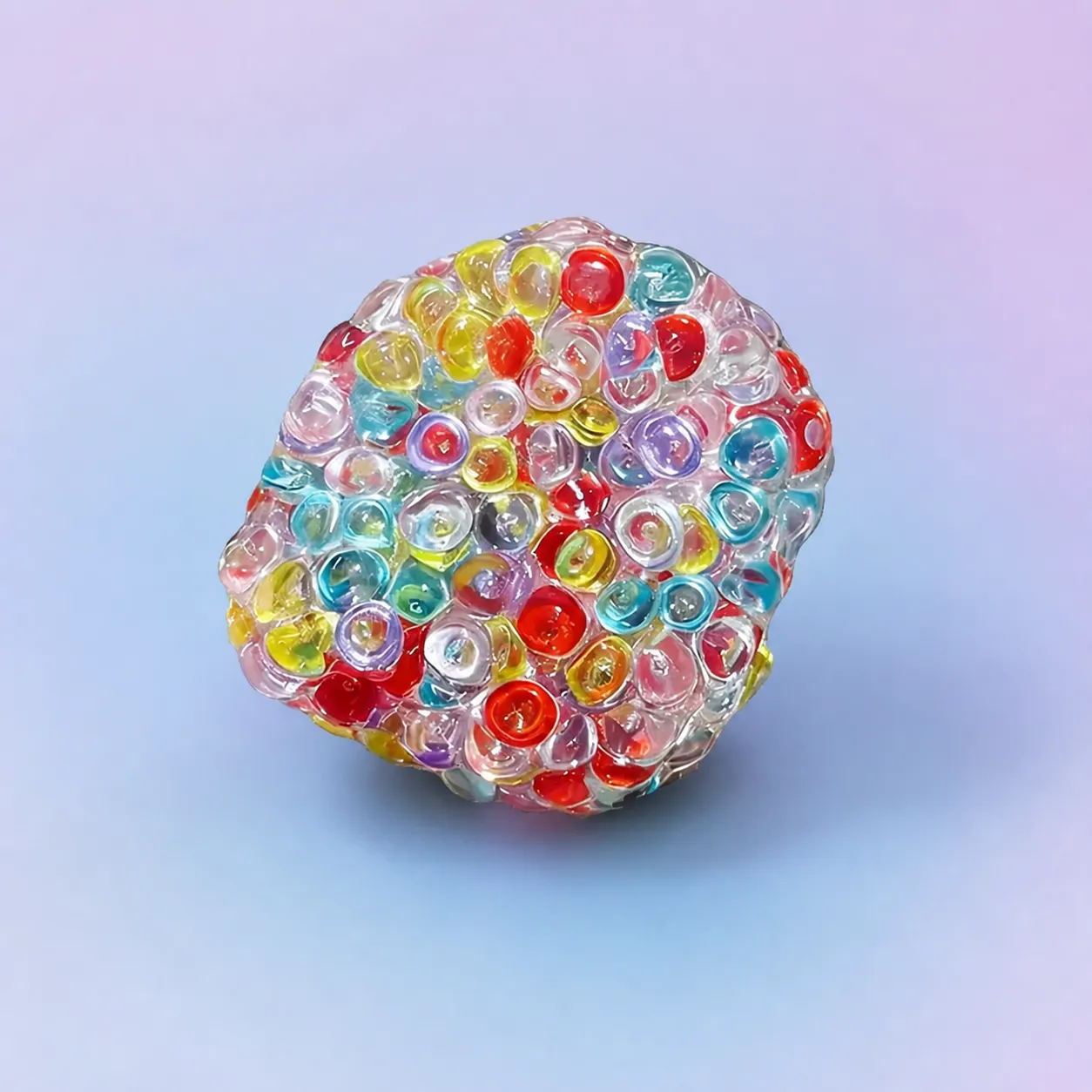
Night shift adds its own case for something silent. A ball that squeezes without a sound, or a worry stone rubbed under a desk, works at 3 a.m. on a quiet floor in a way that anything with a click or a pop does not. The Steady Hand Squeeze Stress Ball is built for exactly that kind of quiet, repeated squeeze during a long stretch of charting or waiting on a callback.
What makes a fidget nurse-friendly
Three things matter more here than in almost any other gift guide on this site: it has to be cleanable, it has to be pocket-sized, and it has to survive hand sanitizer.
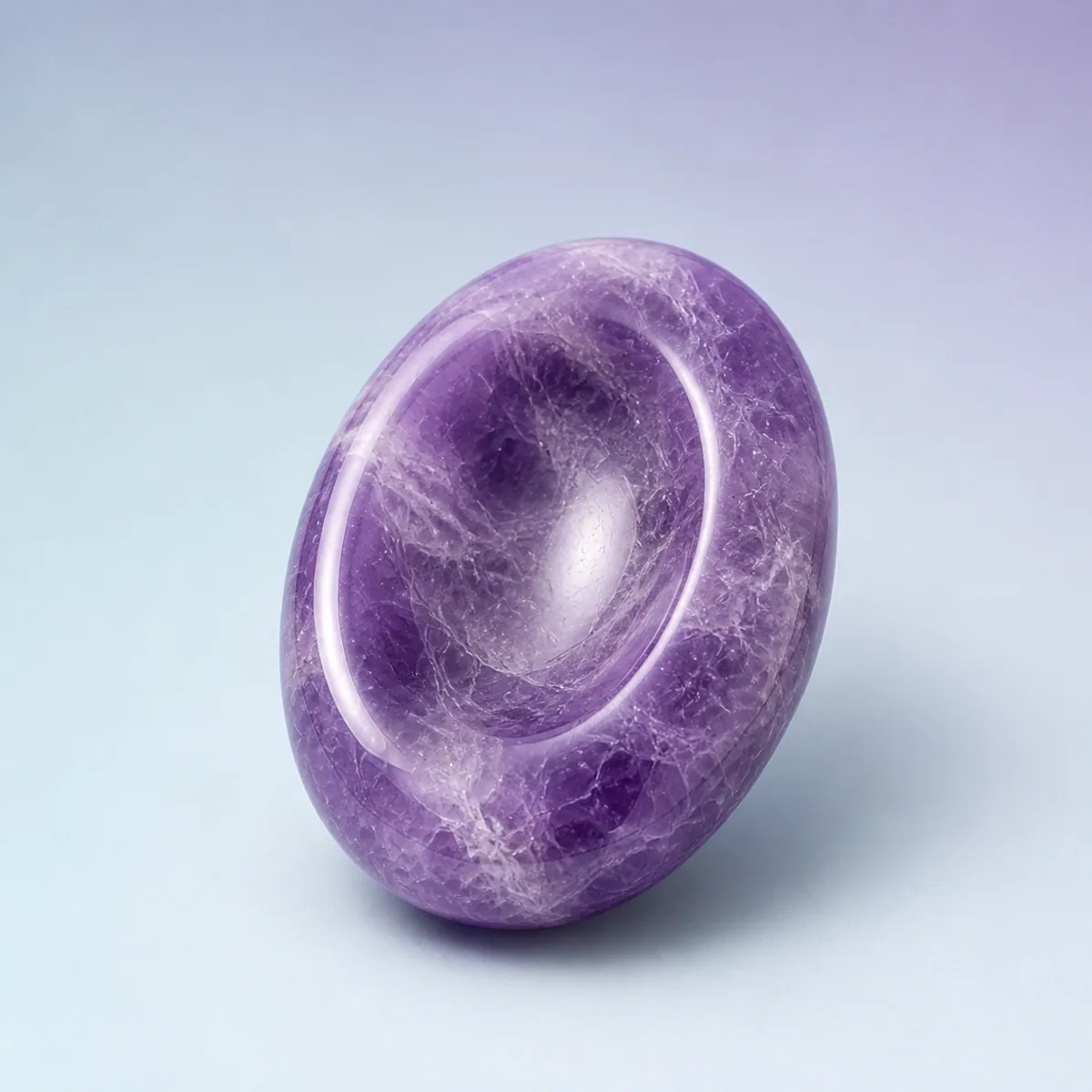
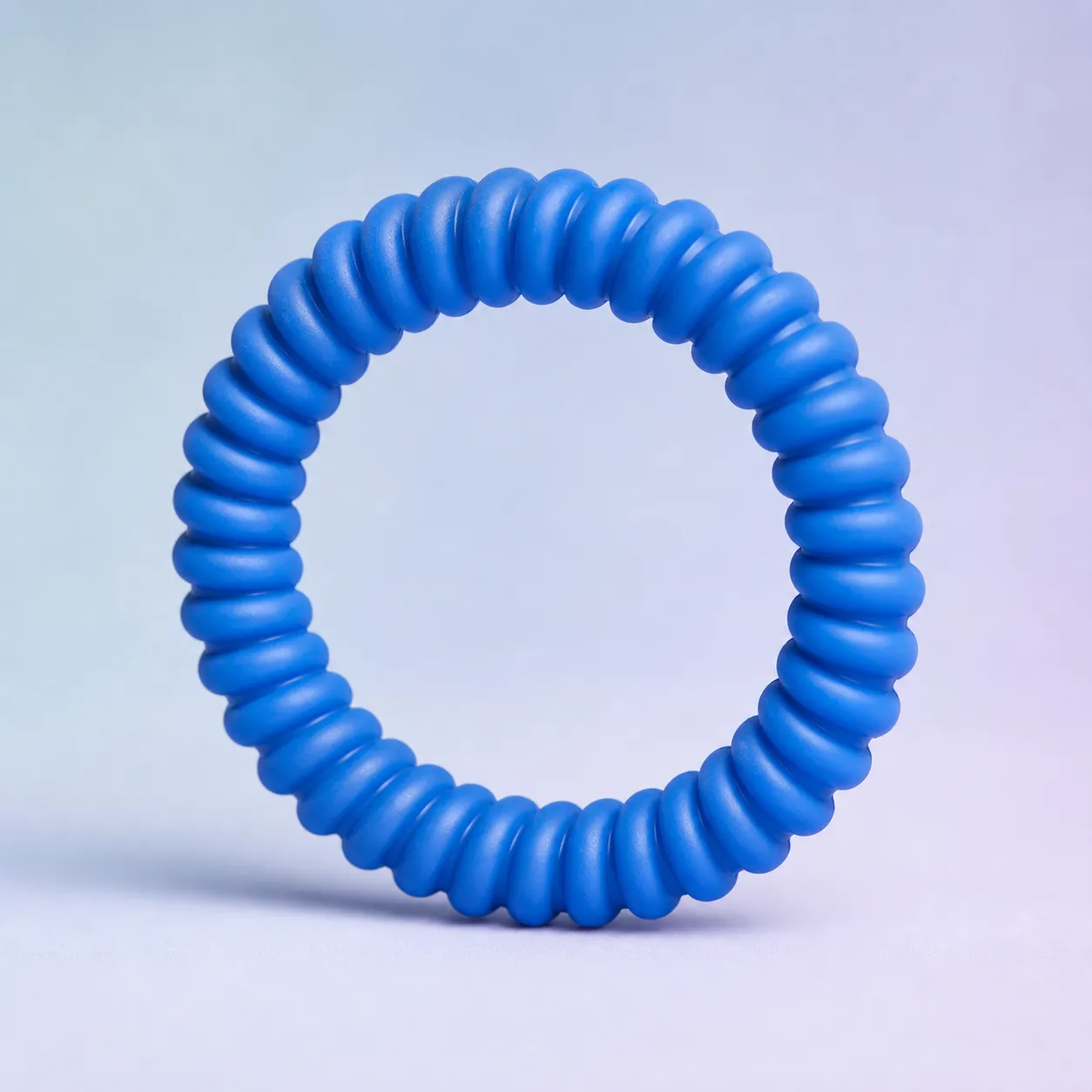
Cleanable means a smooth, non-porous surface rather than fabric, foam with an open texture, or fine mesh, since those hold onto grime in a way a nurse does not have time to deal with between patients. That preference lines up with general CDC infection-prevention guidance for healthcare facilities, which favors hard, nonporous, wipeable surfaces over porous ones for anything shared or high-touch. The Calm Worry Stone’s polished resin and the Steady Hand Squeeze Stress Ball’s smooth gel surface both wipe down easily; a silicone bracelet does too, and silicone is also a familiar material to have on your wrist all shift, since so much medical equipment on a unit is already made from it. None of this means a fidget is hospital-approved or certified for clinical-area use, since no such certification exists for a product like this; it just means the material makes sense for the setting.
Pocket-sized matters because scrub pockets are shallow and already full of a pen, tape, and a badge reel. Anything bulkier than a worry stone competes for that space and tends to get left in a bag instead of carried.
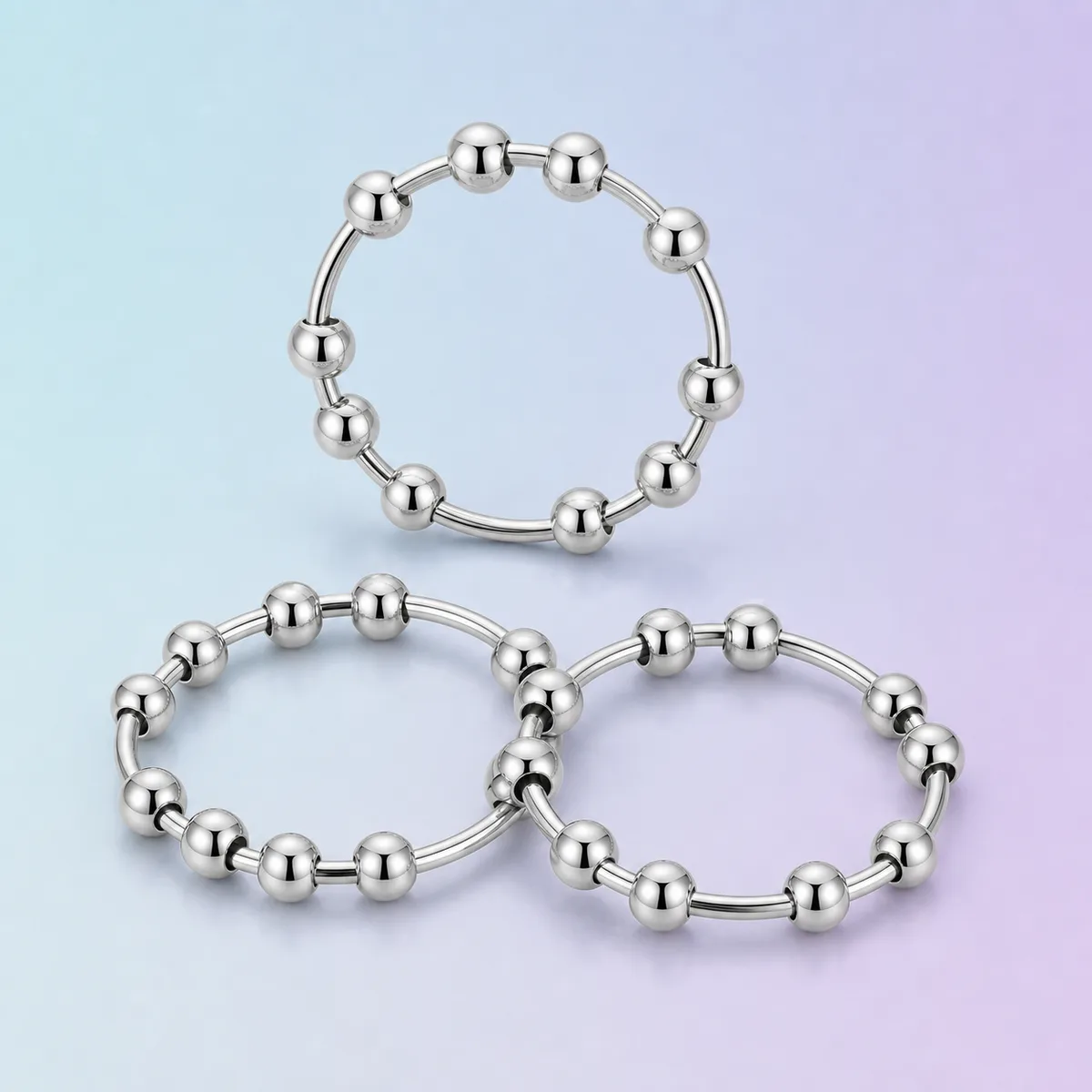
One real tradeoff worth naming: a ring is not the safe first pick for every nurse. Many units limit rings and other hand jewelry during patient care for hygiene reasons, so it is worth checking a recipient’s own dress code before wrapping a ring, even a quiet one like our Quiet Spinner Sensory Ring Set. When in doubt, a bracelet or a pocket item sidesteps the question entirely.
There is a practical reason cost matters here too. Scrubs get changed in a hurry, jackets get left in break rooms, and small items go missing during a busy shift more often than anyone would like. A worry stone under ten dollars is easy to replace without much guilt, and that matters more for a nurse’s gift than it does for most others on this site.
Does the unit or specialty change the pick?
Somewhat. A fast-paced unit like an ER or an ICU rewards something that can be grabbed and set down in seconds between calls, which is exactly what a worry stone or a squeeze ball is built for: no setup, no fine motor task, just a quick press or rub between one thing and the next. A nurse who is rarely still for more than a minute at a time does not need a fidget with steps.
An outpatient clinic or a slower med-surg floor allows a little more room. A ring is more realistic here if the dress code allows it, and the steadier pace means a wearable fidget actually gets used the way it is meant to, worn all day rather than grabbed in passing between rooms.
The quick picks, by moment
| Moment | Pick | Why |
|---|---|---|
| Charting between patients | Steady Hand Squeeze Stress Ball | Silent, one-handed, smooth surface wipes clean |
| A quick pocket check-in | Calm Worry Stone | Small enough for a scrub pocket, nothing to lose |
| All-shift wear, hands free | Always-On Fidget Bracelet | Silicone, water-resistant, nothing to remove for tasks |
| A unit where rings are allowed | Quiet Spinner Sensory Ring Set | Steel, quiet, confirm the dress code first |
If you only know one thing about the recipient, that they work long shifts on their feet, the squeeze ball or the worry stone are the safest gifts on this list. Neither one asks anything of a busy unit.
What to skip
Skip fabric-covered fidgets and anything with fine mesh or lots of small crevices, since those are exactly the surfaces a shift with no time to spare has no time to keep clean either. Skip anything that clicks or pops, too. A quiet floor at night does not want a new noise on it, and a fidget nobody can actually use during a shift is a fidget that sits in a locker.
A last, simple note: this is a gift for someone whose hands work harder than most, not a joke about being busy or stressed. Something small, clean, and genuinely useful says that better than a card does. Calm in the palm of your hand, even between rooms.
Sources & further reading
We reference trusted organizations by name. This article is informational and not a substitute for professional medical advice.
- NCSBN: The National Council of State Boards of Nursing publishes the National Nursing Workforce Study, tracking how many nurses leave the profession and why, including stress and burnout as a cited factor.
- American Nurses Foundation: Publishes the Pulse on the Nation's Nurses survey series, surveying thousands of US nurses on mental health, stress, and burnout.
- CDC: Publishes core infection-prevention guidance for healthcare facilities favoring hard, nonporous, wipeable surfaces for shared or high-touch items over porous ones.
Frequently asked questions
What is a good fidget gift for a nurse?
A small, cleanable, quiet fidget that fits a scrub pocket is the safest choice. A worry stone or a squeeze ball with a smooth surface works well because both wipe clean easily and need no attention to use between patients.
Can nurses wear fidget rings at work?
It depends on the unit. Many clinical units limit rings and other hand jewelry during patient care for hygiene reasons, so it is worth checking a recipient's dress code before buying a ring as a gift. A silicone bracelet or a pocket fidget sidesteps the question entirely.
What material is best for a fidget in a clinical setting?
Smooth, non-porous materials like polished resin, silicone, and smooth gel are the easiest to keep clean, since they wipe down without holding grime in seams or texture. Fabric, open-cell foam, and fine mesh are harder to keep clean and are worth skipping for this use.
What is a good fidget for someone working night shift?
A silent option works best, since a click or a pop stands out on a quiet floor at night. The Steady Hand Squeeze Stress Ball and the Calm Worry Stone are both silent and suit the short, interrupted breaks a night shift actually allows.
Is a squeeze ball or a worry stone better for a nurse?
Both work well, and the choice mostly comes down to preference. A squeeze ball gives faster, more physical feedback for tension, while a worry stone is smaller and easier to keep in a pocket during a task-heavy shift.
Do fidget gifts need to be cleaned regularly in a clinical job?
Yes, and that is exactly why material matters more here than in most gift guides. A smooth, non-porous surface can be wiped down between patients the same way other personal items are, while fabric or textured surfaces are harder to keep genuinely clean.