Fidget bundle vs. buying one at a time: which is the better buy?
It depends on one thing: whether you already know what your hands want. If you do, buying that single item is almost always the better buy, cheaper and with nothing sitting unused in a drawer. If you do not, a bundle is a cheaper way to find out than buying and returning several singles one by one. We sell both, and we would rather tell you honestly which fits your situation than push the bigger box.
The honest case for buying one item first
If you already have a hunch, say your hands twist things, or you already tried a friend’s worry stone and liked it, buy that one item. A single fidget runs somewhere between nine and seventeen dollars in our shop, a small enough bet that getting it wrong costs little. Here is the tradeoff we will not pretend away: a bundle puts several fidgets in your hands at once, and if your hands only bond with one or two of them, the rest sit in a drawer. That is not a hypothetical. It happens, and buying exactly the one thing you already know you want avoids it completely.
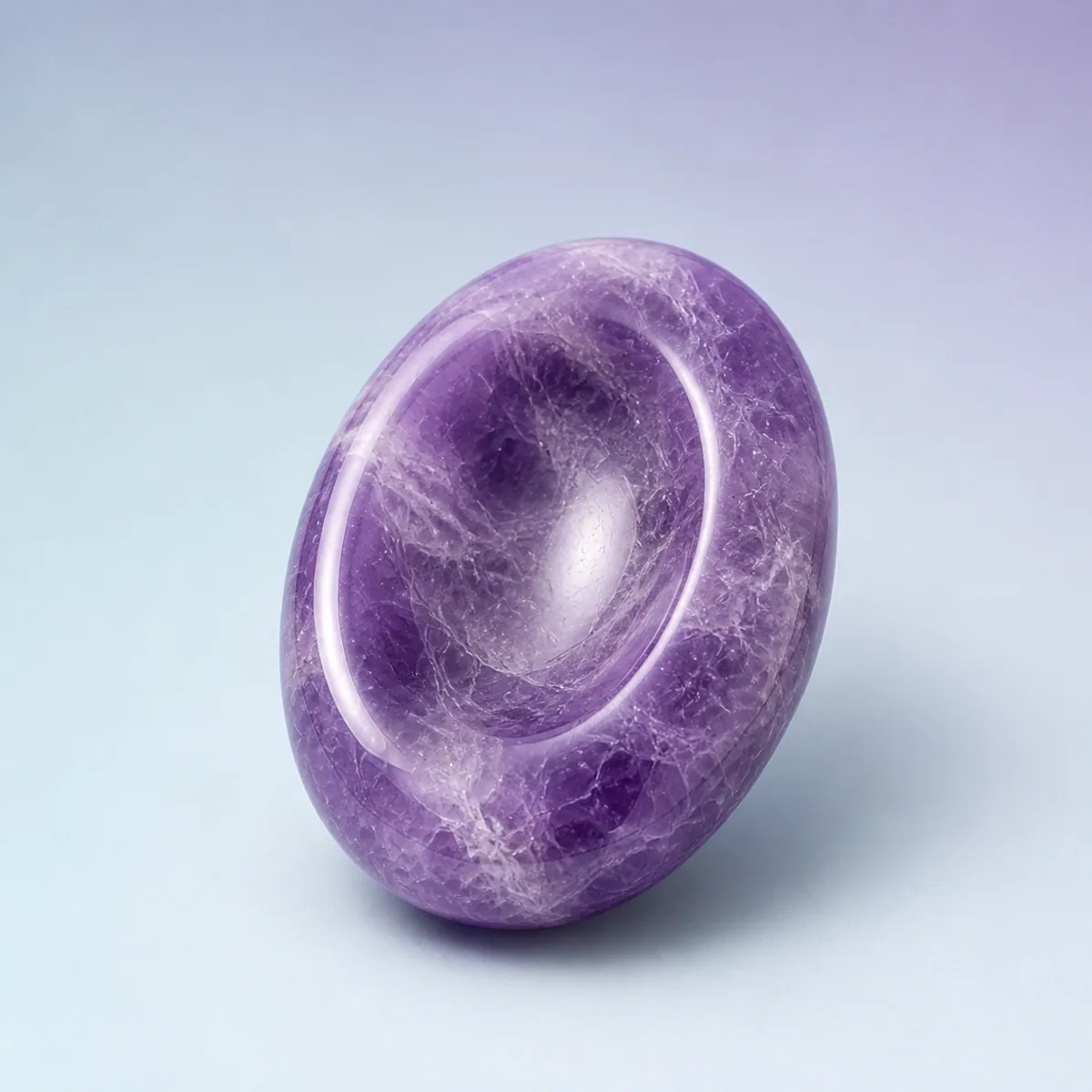
Watch your own hands for a day before you decide. If you catch yourself twisting a ring, picking at a sleeve, or rolling a pen between your fingers, a wearable or a worry stone is the closer match, and a full kit of squishies and gel would mostly go unused. If you press and squeeze things without thinking, a stress ball or a gel blob is the better single buy. The tell is usually already there; a bundle is for when it genuinely is not.
The honest case for a bundle
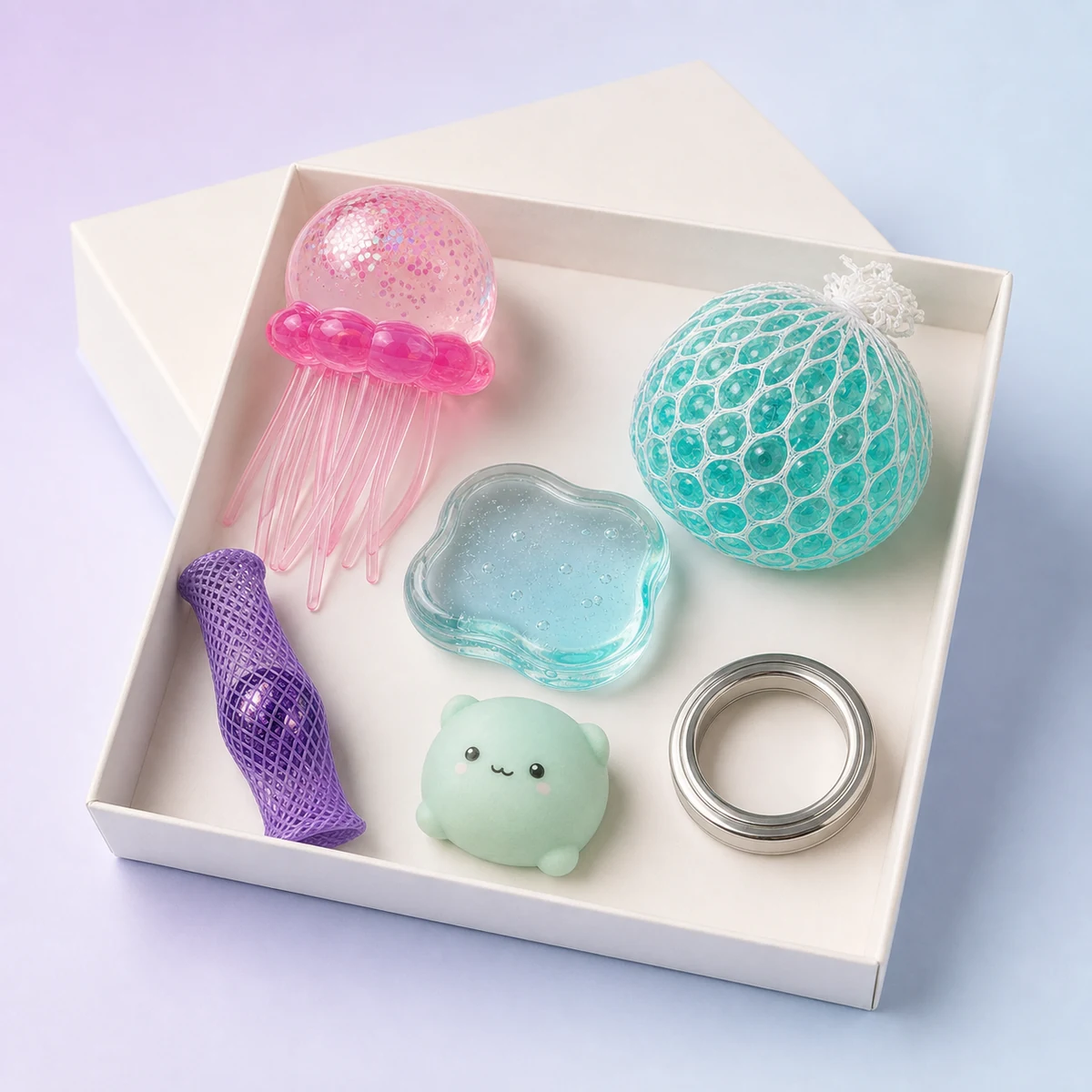
A bundle earns its price when you genuinely do not know yet, and finding out by buying and returning five separate nine-dollar items would cost more in time and shipping than it would in money. The Calm Starter Bundle packs six different kinds, squishy, gel, mesh, wearable, and more, into one box for $49.99, which works out to a little under $8.50 a piece, below what most single fidgets cost on their own. A bundle is also the safer gift when you do not know someone’s motion preference at all: better to hand them six chances at a favorite than guess wrong on one.
What is actually in each kit, and how do they differ?
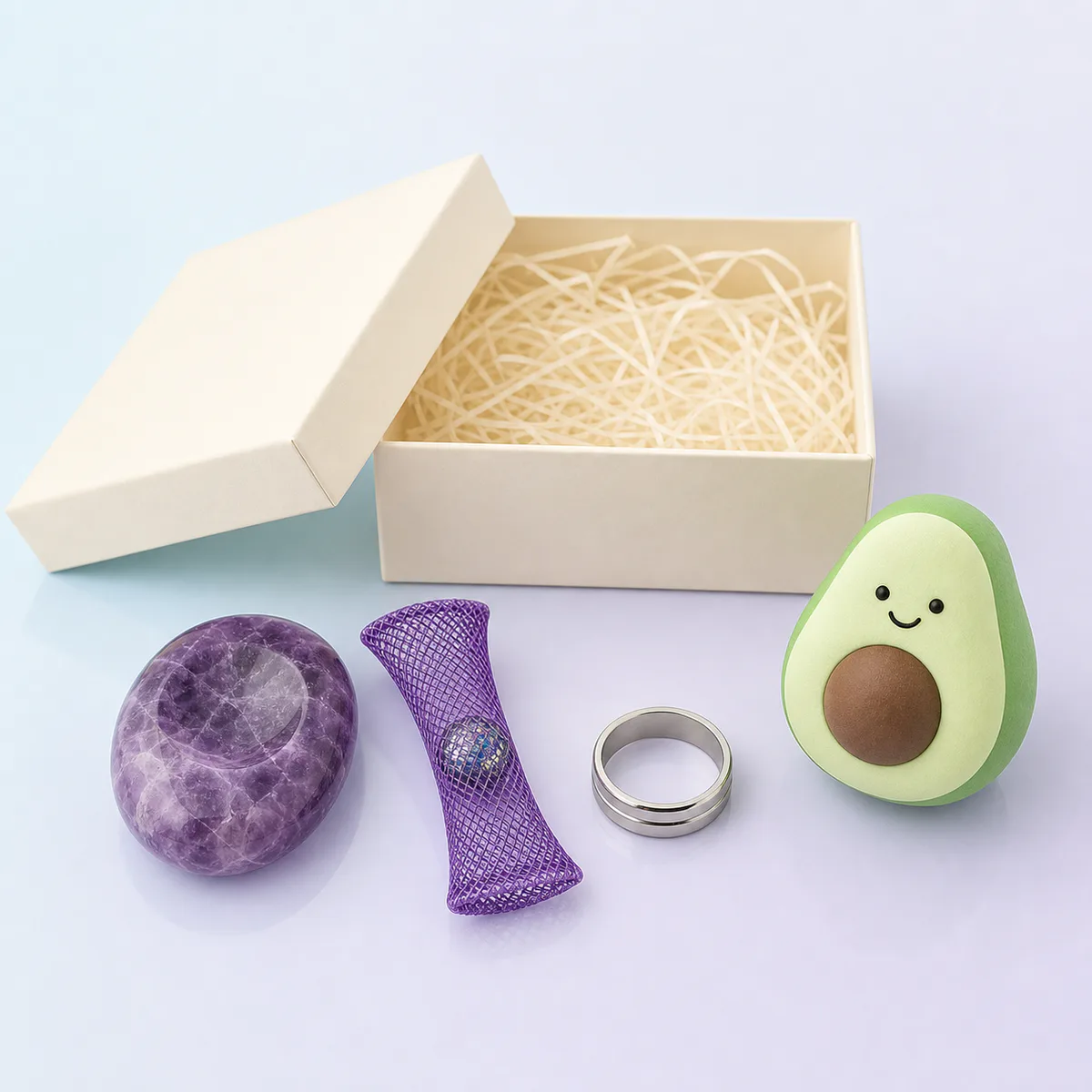
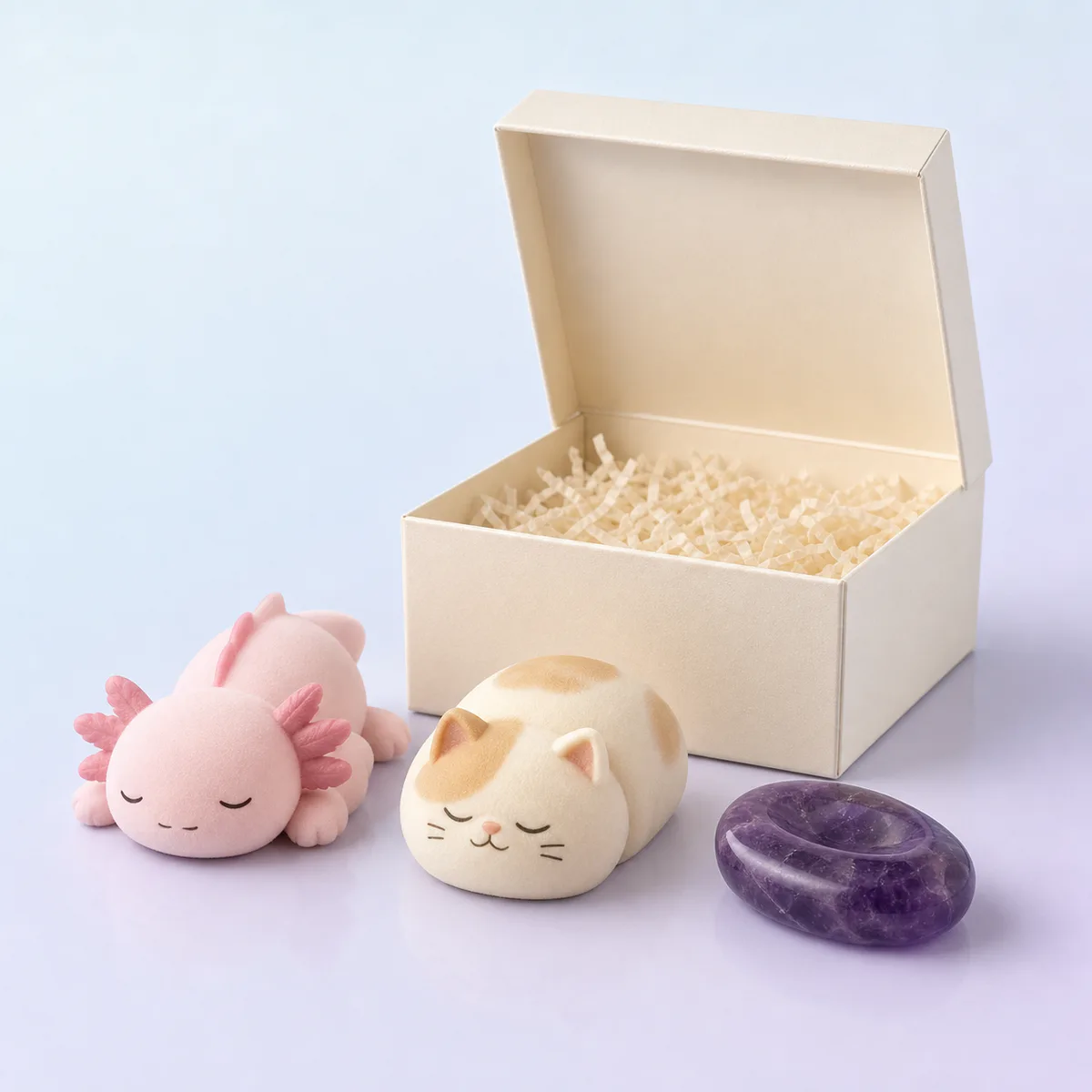
Three kits, three different jobs. The Calm Starter Bundle is the broad one: six kinds across materials, TPR, foam, silicone gel, mesh, and steel among them, built to help you find your motion by trying several rather than committing to one guess. The Exam Calm Kit is narrower on purpose, four silent or near-silent tools scoped specifically to study sessions and test halls, a better fit than the full starter bundle if exam season is genuinely the only place you need one, and pointless if you already know you would rather have a single worry stone in your pocket instead. The Sleep & Wind-Down Kit is narrower still: slow-rise squishies and a Calm Worry Stone, nothing that glows or clicks, built around one single job, easing toward sleep, rather than variety.
Buying the wrong scope is its own quiet cost. A starter bundle bought only for exam week leaves most of its pieces sitting untouched until finals roll around again; the Exam Calm Kit, scoped tighter, would have done the same job for less. The reverse is also true: someone who wants to explore fidgeting broadly, not just for one season, is better served by the starter bundle than by a themed kit that only covers one narrow moment.
Do the math: what do you actually save?
Worth being specific here rather than just saying trust us. The Calm Starter Bundle’s $49.99 for six pieces works out to under $8.50 an item, genuinely below the nine-to-seventeen-dollar range most single fidgets run in our shop. The Exam Calm Kit’s $34.99 for four pieces lands close to $8.75 an item, a similar modest discount. The Sleep & Wind-Down Kit is the honest exception: a representative price check on two slow-rise squishies plus a Calm Worry Stone bought separately comes out close to the kit’s own $32.99, so its real advantage is the curation, screen-free and nothing that clicks, not a steep discount. We would rather say that plainly than let the word bundle imply savings that are not really there for every kit.
The quick comparison
| Calm Starter Bundle | Exam Calm Kit | Sleep & Wind-Down Kit | One item alone | |
|---|---|---|---|---|
| Pieces | 6 | 4 | 3 | 1 |
| Price | $49.99 | $34.99 | $32.99 | $9 to $17 |
| Per-item cost | About $8.33 | About $8.75 | About $11 | Full price |
| Best for | Discovering your motion | Study sessions and tests | Bedtime wind-down | Knowing exactly what you want |
So which should you buy?
Buy the single item if you already know what your hands reach for; it is the cheapest, lowest-waste choice by far. Buy the Calm Starter Bundle if you genuinely do not know yet, or you are buying for someone whose preference you cannot guess. Buy the Exam Calm Kit or the Sleep & Wind-Down Kit if you know the moment you need help with, testing season or the last hour before bed, and want tools scoped to exactly that.
And if you already bought a bundle and only bonded with one piece from it, that is a normal outcome, not a failed purchase. Keep the favorite where you will actually reach for it, put a couple of the rest in a bag or a car for backup, and hand the ones you never touch to a kid, a coworker, or a drawer at the front desk rather than letting them sit unused at home. None of these kits treats anxiety or fixes a bad exam week; they are a quiet, repeatable thing for restless hands, and the honest best buy is whichever size actually matches what you already know about yourself. Calm in the palm of your hand, in whatever size gets there.
Sources & further reading
We reference trusted organizations by name. This article is informational and not a substitute for professional medical advice.
- American Occupational Therapy Association: Occupational therapists describe sensory and fidget tools as possible supports for self-regulation, with effects that vary from person to person.
- Child Mind Institute: Frames sensory and fidget tools as supportive aids and points to professional support for anything diagnosable.
- Anxiety and Depression Association of America: Provides resources on stress, grounding techniques, and knowing when to seek professional help.
Frequently asked questions
Is it cheaper to buy a fidget bundle or single items?
It depends on the kit. The Calm Starter Bundle and the Exam Calm Kit both work out to a modest real discount per item compared with buying single fidgets separately. The Sleep & Wind-Down Kit is closer to a wash, priced more for its curation than for savings, so buy it for the specific combination rather than expecting a steep deal.
When should I buy a single fidget instead of a bundle?
When you already know what your hands reach for. A single item costs less than a bundle, and if your hands only bond with one motion, buying just that one avoids paying for extras that sit unused. A bundle is the better move only when you are still guessing.
What is the difference between the Calm Starter Bundle and the themed kits?
The Calm Starter Bundle is broad on purpose, six different kinds meant to help you discover your preferred motion. The Exam Calm Kit and the Sleep & Wind-Down Kit are narrower, each built around one specific moment, test-taking or the wind-down before bed, rather than general discovery.
Is a fidget bundle a good gift if I do not know someone's preference?
Yes, that is exactly the situation a bundle is built for. Giving several kinds at once means a better chance of landing on something the person actually likes than guessing on one single item. The Calm Starter Bundle, or the Calm Worry Stone alone since it suits almost everyone, are both safe choices when you are not sure.
Does buying a bundle save money compared to buying every item separately?
Sometimes, and we would rather say plainly when it does not. The Calm Starter Bundle and the Exam Calm Kit both land noticeably below typical single-item pricing per piece. The Sleep & Wind-Down Kit runs close to what its pieces would cost bought apart, so choose it for the specific combination rather than for a discount.
Do fidget bundles or kits treat anxiety?
No, and we will not tell you they do. They give restless hands a quiet, repeatable thing to do during a study session, before bed, or in an anxious moment, which many people find genuinely useful, but the evidence on fidget tools generally is mixed, and a diagnosable problem deserves a qualified professional, not a bigger box.