How do you build a sensory corner on a budget?
You build a sensory corner on a budget by choosing a handful of tools that cover different kinds of input, rather than one expensive item that only does one job, and by finding a low-traffic spot to put them in. Something to squeeze, something to ooze, something to pop, and something quiet covers more ground than a single well-reviewed product ever could. Most of what actually matters here is variety and a place to sit, not price.
Why a few tools beat one big one
Sensory needs are not the same from person to person, or even from day to day for the same person. The National Autistic Society describes sensory processing as varying across different senses and even within one sense, shaped by things like fatigue and stress, which is exactly why it points to keeping a “sensory kit” or “sensory box” that combines several tools rather than relying on a single item. Some people are sensory-seeking, actively looking for more input: tapping, pressing, squeezing. Others are sensory-avoiding, needing calm and quiet more than stimulation. The same kid can lean either way depending on the day.
A budget sensory corner works with that reality instead of guessing at one correct tool. A handful of cheap, different options covers more ground than one expensive but singular product ever could.
Does the research actually back a dedicated sensory room?
Not clearly, and it is worth saying so plainly before spending anything. What the research does examine is a different, bigger thing than the corner this guide describes: a purpose-built multisensory or Snoezelen room, the kind of dedicated space a school or clinic might construct. A 2025 systematic review in the journal Autism looked for evidence that these rooms help autistic children and adults, found only 10 studies that met its criteria, and concluded the evidence overall is insufficient, held back by a thin body of research, inconsistent study designs, and small sample sizes. The Association for Science in Autism Treatment reviewed the same territory and reported little evidence supporting Snoezelen rooms as a therapeutic intervention, pointing to one study where two of three participants showed no behavioral change and a third got worse, and a more recent study that found no significant difference against a control group; ASAT recommends against investing significant resources in a dedicated room on that evidence. None of this is a study of the low-cost corner described in the rest of this guide, a shelf of tools and a place to sit is not the resource-intensive, purpose-built room the reviews are actually about, but it is a good reason not to spend toward a bigger, room-scale sensory space on the promise that the evidence clearly supports it. It does not, at least not yet.
What actually goes in a budget sensory corner
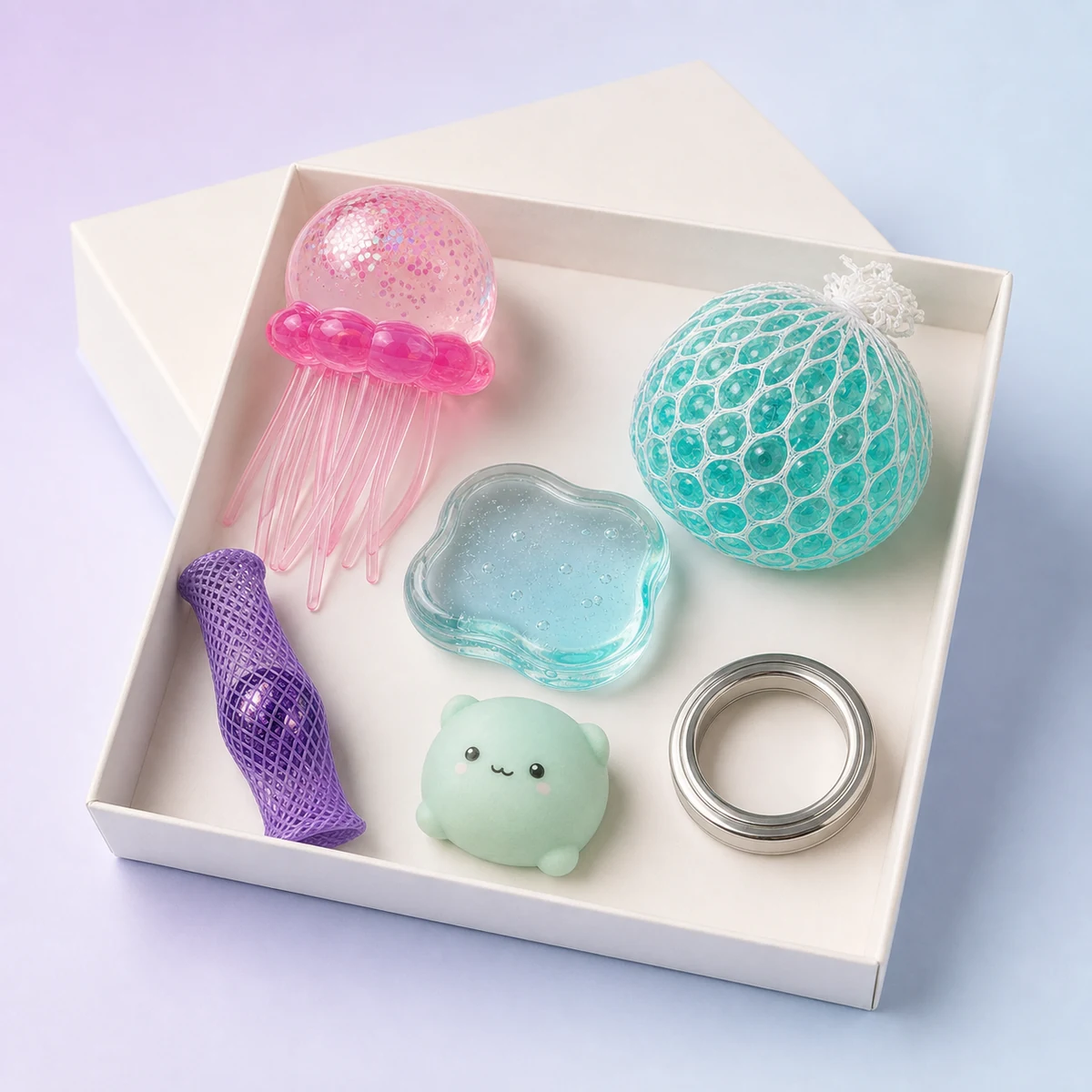
Start with a bundle rather than building item by item. The Calm Starter Bundle covers six different kinds of input in one purchase, which is the single most efficient way to stock a corner without shopping six separate times.
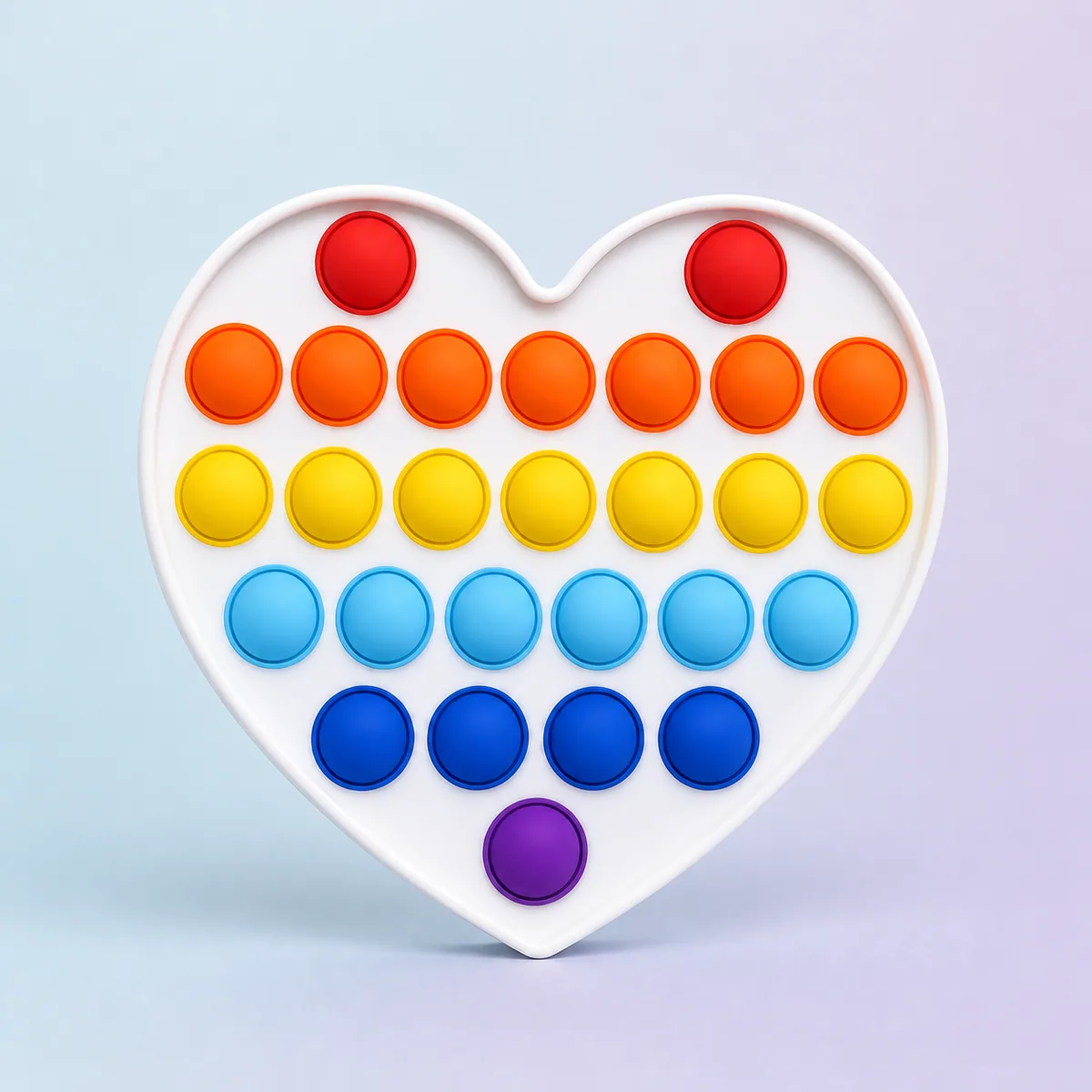
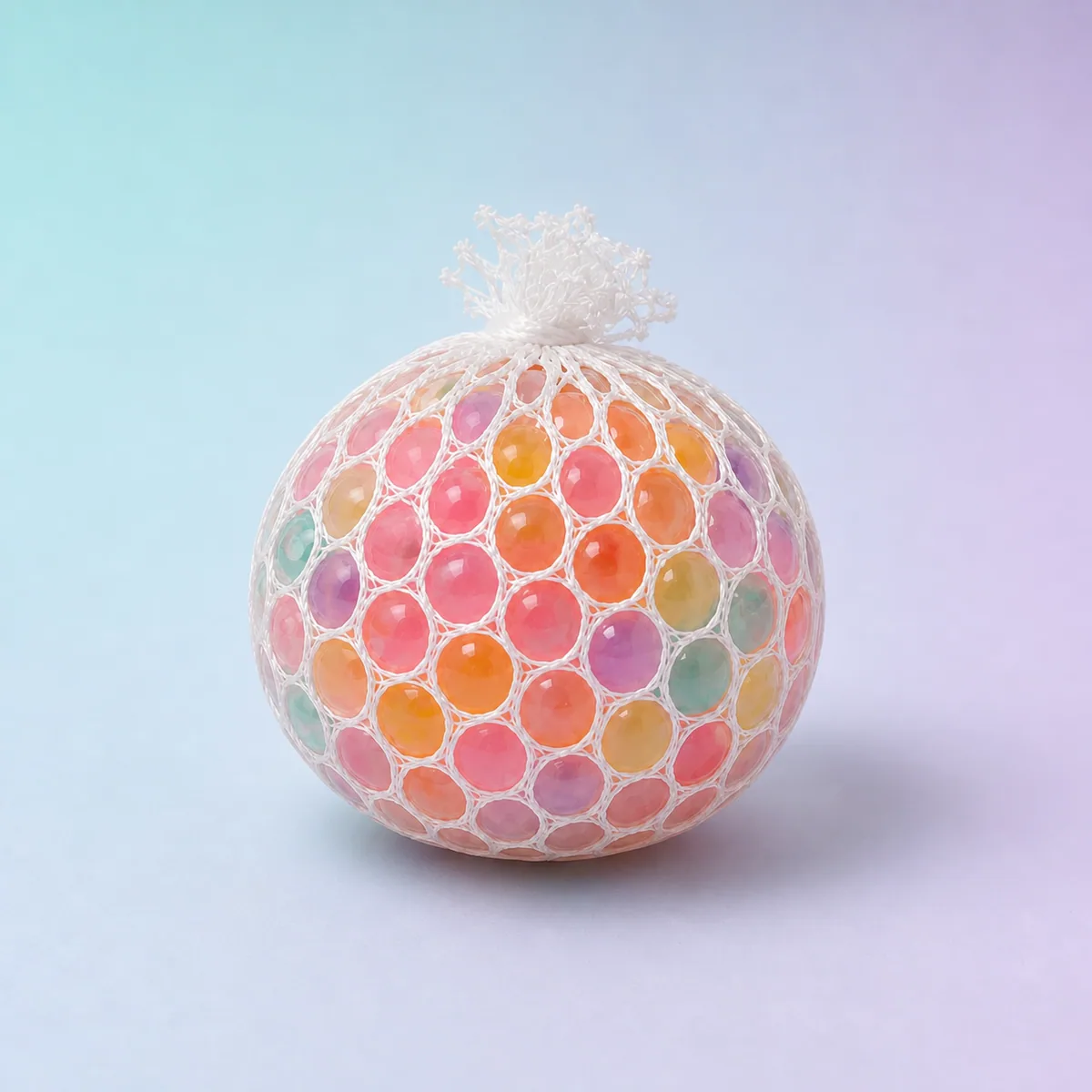
From there, round out what the bundle does not cover. The Jelly Blob Transparent Gel Fidget gives a slow, oozing, stretch-and-slump motion for a kid who wants something to knead through a rough moment. The Hush Pop Push-Pop Sensory Board gives fast, repeatable, poppable input for a kid who wants quick feedback rather than a slow one. The Calm Orb Water-Bead Squeeze Ball adds a bulging, squeezing texture that a lot of sensory-seeking kids come back to again and again, though it is not appropriate for a corner that any child under 3 might use, since water-bead products are never suitable for that age group.
Four items, one bundle and three singles, cover most of what a corner needs to do: squeeze, ooze, pop, and press, at a fraction of what a specialty sensory room would cost.
Where to put it, and how to make it actually feel like a corner
A sensory corner works better as a place, not just a box of items. Occupational-therapist-authored guidance from The OT Toolbox describes a calm-down corner as a space for a child to “calm or re-organize in a personal bubble,” distinct from a timeout spot, with usual pieces that include soft seating, a rug or mat, a privacy boundary, a visual timer, calming sensory items, and sometimes a movement or “heavy work” option like a small cushion to jump on for kids whose bodies want motion more than texture. None of that needs to cost anything beyond what is already in the house, and no source sets a required item list or a minimum budget, this is practitioner tip-sheet guidance, not a regulated standard.
Keep the number of visible items small too. Four tools laid out clearly work better than ten crammed into a bin, since a kid overwhelmed enough to need the corner in the first place does not need to sort through clutter to find what helps. Rotate what is out if the collection grows past what a small shelf can hold, rather than displaying everything at once.
Classroom versus home: does the setup change?
A little. A classroom corner needs to work for more than one kid, so items that are easy to wipe down and quick to reset between uses matter more, and a teacher generally wants fewer choices laid out at once to keep the space calm rather than a draw for the whole room. A home corner can afford more variety and a bit more mess, since it usually belongs to one or two kids who already know how to use it.
Either way, the same budget logic holds: one bundle to start, a couple of singles to round it out, and a place to actually sit down and use them.
Building it on a real budget
| If the corner needs to | Add | Approximate role |
|---|---|---|
| Cover the most ground in one purchase | Calm Starter Bundle | Six kinds of input, one box |
| Give a slow, oozy option | Jelly Blob Transparent Gel Fidget | For a kneading, stretching motion |
| Give fast, poppable feedback | Hush Pop Push-Pop Sensory Board | Quick, repeatable input |
| Give a squeezing, bulging texture | Calm Orb Water-Bead Squeeze Ball | Not for a corner used by under-3s |
A corner does not need every row on day one. Start with the bundle, sit with it for a few weeks, and add the piece that is clearly missing rather than buying all four at once.
What to skip, and how to stretch the budget further
Skip anything built around a single novelty motion that only works one way; those tend to get used for a week and then sit in a bin. A quiet spot to sit matters more than most people expect too. A beanbag or a folded blanket in a low-traffic corner does more for a budget sensory space than a second expensive fidget would.
None of this is a treatment for anything, and we will not tell you it is. The National Autistic Society frames tools like these as support for self-regulation, something to have on hand rather than a fix, and if a child’s sensory needs are getting in the way of school or daily life, a qualified professional is the right next step. The corner is the small, steady thing for their hands while that happens.
Build it slowly, add one piece when it is clearly needed, and let the corner do its quiet work. Calm in the palm of your hand, one budget-friendly piece at a time.
Sources & further reading
We reference trusted organizations by name. This article is informational and not a substitute for professional medical advice.
- National Autistic Society: Describes sensory processing as varying across different senses, and even within one sense for the same person over time, and recommends keeping a combined 'sensory kit' or 'sensory box' of several tools rather than relying on one item.
- U.S. Consumer Product Safety Commission: Its small parts regulation (16 CFR Part 1501) applies to toys and articles intended for children under 3 years (36 months) old, testing whether a piece fits entirely inside a choke-hazard cylinder.
- Autism (journal): Published a 2025 systematic review of multisensory environments for autism spectrum disorder that found the evidence overall insufficient, based on only 10 eligible studies with small, inconsistent designs.
- Association for Science in Autism Treatment: An evidence-based-practice nonprofit that reviewed Snoezelen room studies and found little evidence supporting them as a therapeutic intervention, recommending against investing significant resources in a dedicated multisensory room on current evidence.
- The OT Toolbox: An occupational-therapist-authored practitioner resource describing a low-cost calm-down corner as a space to self-regulate, distinct from a purpose-built multisensory room, and listing its typical elements.
Frequently asked questions
How do you build a sensory corner on a budget?
Start with a bundle that covers several kinds of input in one purchase, then add a single item or two where a clear gap remains. A handful of varied, inexpensive tools covers more ground than one expensive item that only does one job.
What should go in a sensory corner?
A useful starter set covers a few different kinds of input: something to squeeze, something to ooze or knead, something to pop for fast feedback, and a quiet spot to sit while using any of it. The Calm Starter Bundle covers most of that range in one box.
Do sensory corners actually help kids self-regulate?
Many people find that having a few sensory tools on hand supports self-regulation in the moment, and the National Autistic Society frames sensory and fidget tools this way rather than as a treatment. It is a supportive setup, not a fix, and a qualified professional is the right next step for a need that goes beyond what a corner can address.
Are water bead toys safe for a classroom sensory corner?
Not for a corner that any child under 3 might use. Water-bead products are never appropriate for that age group, so they are worth skipping for a mixed-age or very young classroom, even though older kids often find the squeeze satisfying.
How many items does a sensory corner actually need?
Fewer than most people expect. A bundle covering several kinds of input plus one or two singles filling an obvious gap is enough to start, and it is better to add pieces slowly as a real need shows up than to buy everything at once.
Why do some kids want more sensory input and others want less?
Sensory processing varies from person to person and even day to day for the same person, which the National Autistic Society describes as sensory-seeking or sensory-avoiding patterns. A useful sensory corner offers a few different kinds of tools rather than assuming every child wants the same kind of input.