What is box breathing, step by step?
Box breathing is a four-part breathing count: inhale for four, hold for four, exhale for four, hold for four, and repeat. Cleveland Clinic describes the full sequence as exhaling fully first to start empty, then inhaling through your nose for a count of four, holding for four, exhaling for four, and holding again for four, repeated for three or four rounds. It is also called 4x4 breathing or 4-4-4-4 breathing, and the box name comes from the four equal sides of the count.
Run through it slowly the first few times, since holding your breath on an empty exhale can feel uncomfortable before it feels calming. If four counts feels too long, shorten every side to three and build up from there. The pattern only works if the counts stay even, so resist the urge to rush the exhale just because the hold before it felt long.
Most people find the first hold, the one after the inhale, the easiest, and the second hold, the one after the exhale on nearly empty lungs, the hardest. That is normal. If your chest tightens or you feel the urge to gasp, shorten the count rather than pushing through it. There is nothing to prove here, and a four-count box that actually feels steady beats a longer one that does not.
Is box breathing really a Navy SEAL technique?
Not officially, and the story is more specific than the label suggests. The Navy SEAL breathing tag traces to Mark Divine, a former Navy SEAL, who has said directly, in a Time interview, that he developed the technique himself after he left the SEALs, to continue his own breath training, and that he is the one who named it box breathing. That is one person’s account of his own post-service practice, not a published military training document. No official US Navy or Department of Defense source naming or prescribing box breathing turned up anywhere in this research. Even Cleveland Clinic’s own page, which repeats the SEAL association, traces the technique’s actual roots to yogic pranayama breathing rather than to a military source.
Worth knowing before you repeat the claim yourself: it is a real, useful breathing pattern with a colorful, mostly informal origin story attached to it, not a documented piece of Navy training.
Does box breathing reduce stress?
There is meaningful evidence for breathwork broadly, box breathing included as one technique among several. A 2023 meta-analysis pooled 12 randomized trials covering 785 adults and found a significant small-to-medium reduction in self-reported stress, with similar significant effects on self-reported anxiety and depressive symptoms across a larger set of trials. Box breathing was one of the techniques folded into that breathwork category rather than tested on its own as a separate outcome, so the result supports slow structured breathing generally more than it isolates box breathing specifically. The same meta-analysis found similarly significant effects for self-reported anxiety across 20 of its included trials and for depressive symptoms across 18 of them, which is a wider pattern of benefit than the stress figure alone suggests, even with box breathing counted as just one entry in a longer list of techniques.
Does box breathing beat other breathing techniques?
Not in the one trial that tested it head to head. A 2023 randomized study that compared box breathing directly against cyclic sighing over 28 days, five minutes a day, found cyclic sighing produced a bigger improvement in mood and a bigger drop in resting respiratory rate than box breathing did. Neither technique changed heart rate variability significantly in that trial. If you have tried box breathing and it has not clicked for you, cyclic sighing’s double-inhale, long-exhale pattern is worth trying next, since the research to date actually favors it on the measures tested.
Who should be careful with box breathing?
Anyone with asthma, COPD, or a heart condition should check with a doctor before making breath-holding a regular practice, and everyone should stop if they feel faint, short of breath, or notice chest pain. Holding your breath, even for four seconds, changes the pressure in your chest, and that is a different experience for a healthy set of lungs than for one already working hard. For comparison, the NHS’s own basic stress-breathing exercise skips the holds entirely: a simple count of five on the in-breath and five on the out-breath, for at least five minutes, no box, no military branding. That version is worth keeping in your pocket too, especially if the holds in box breathing feel like the wrong kind of effort for you. A slow exhale on its own, without any hold at all, is also documented in medical literature as a reasonable option for people with COPD, under the name pursed-lip breathing, which is a useful reminder that the hold is a choice within structured breathing, not a requirement of it.
A four-count rhythm for your hands
| Phase | Count | What your hand can do |
|---|---|---|
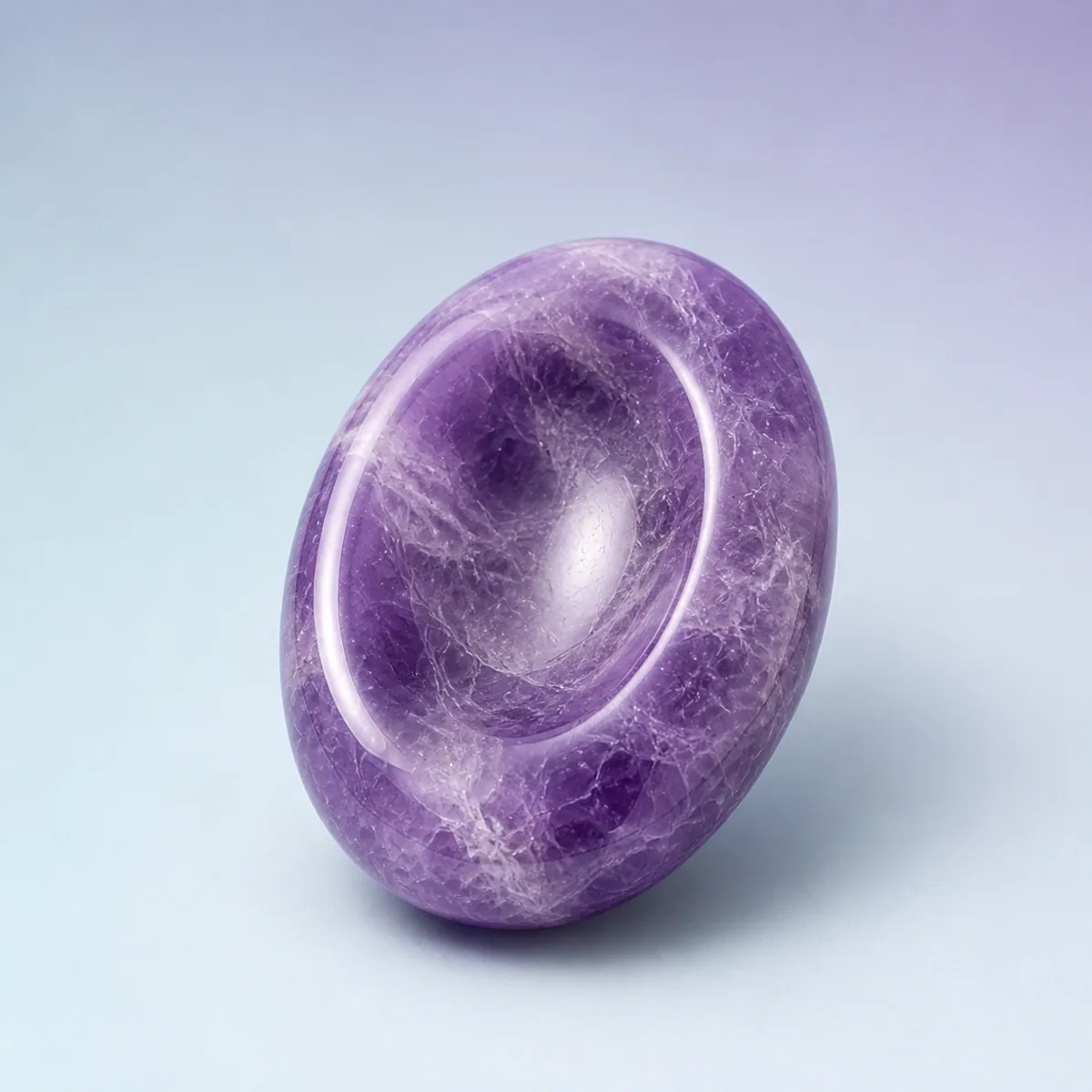
| Inhale | 4 | Rub the Calm Worry Stone slowly across the hollow |
| Hold | 4 | Rest your thumb still on the stone |
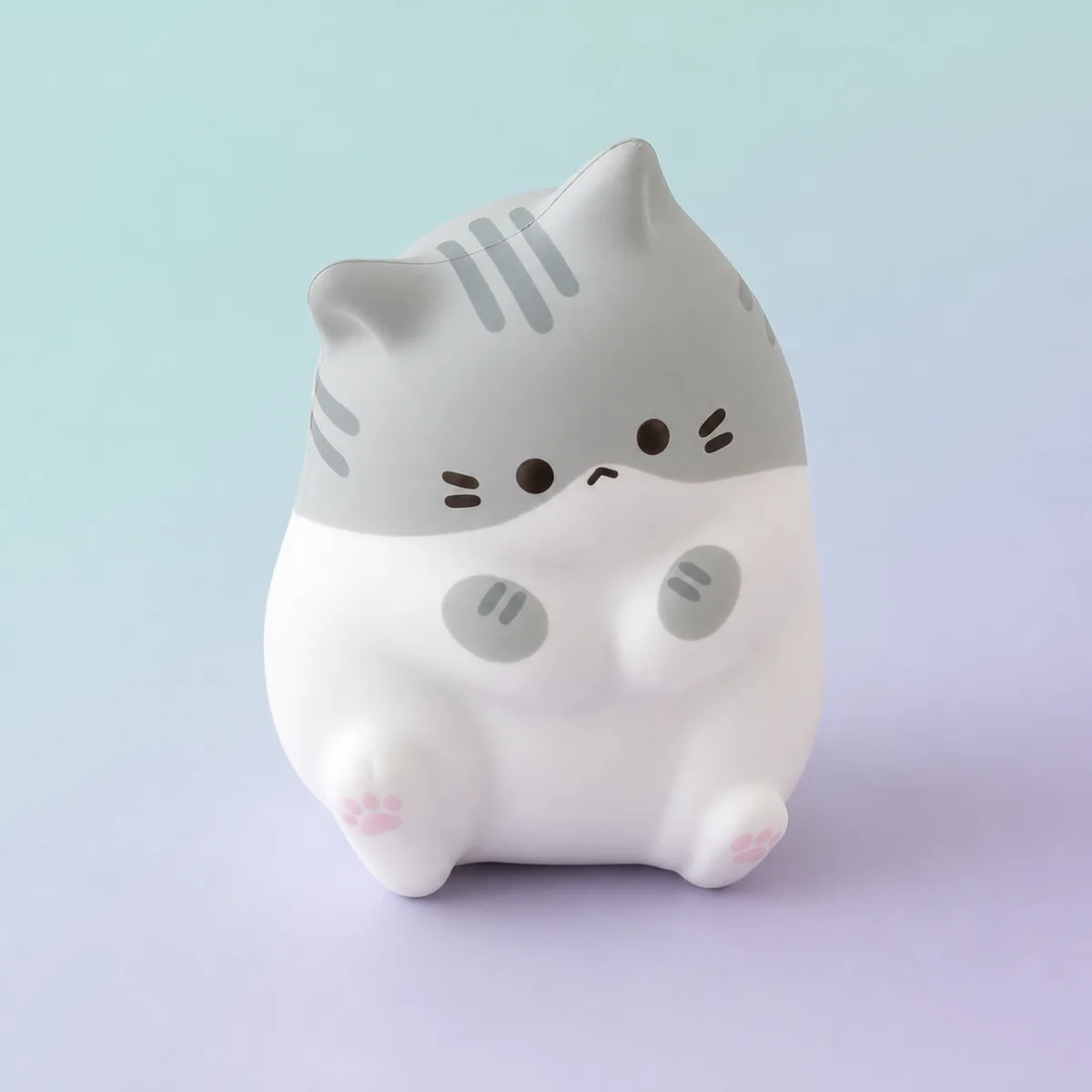
| Exhale | 4 | Press the Sitting Cat squishy down |
| Hold | 4 | Let it sit, unrising, until the count ends |
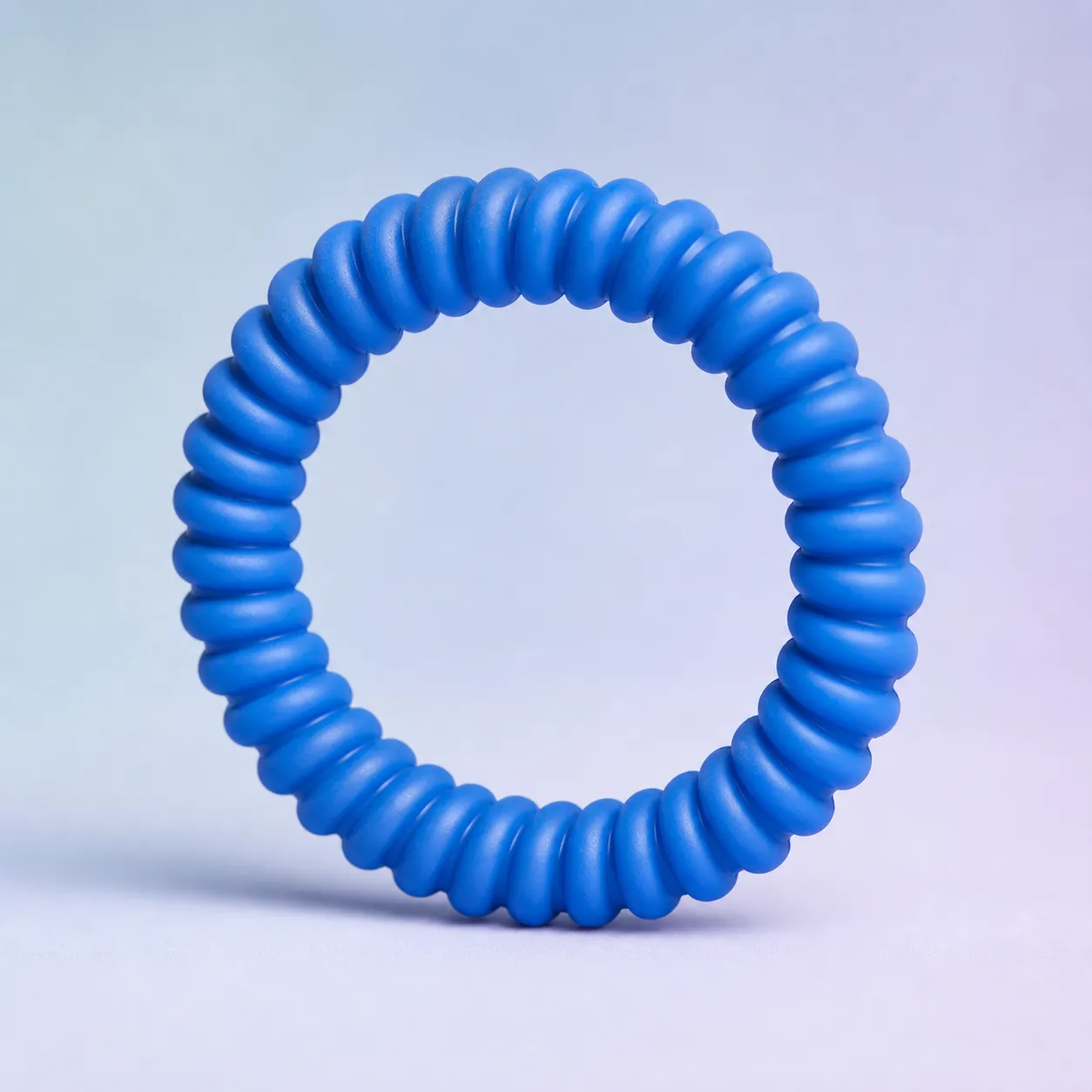
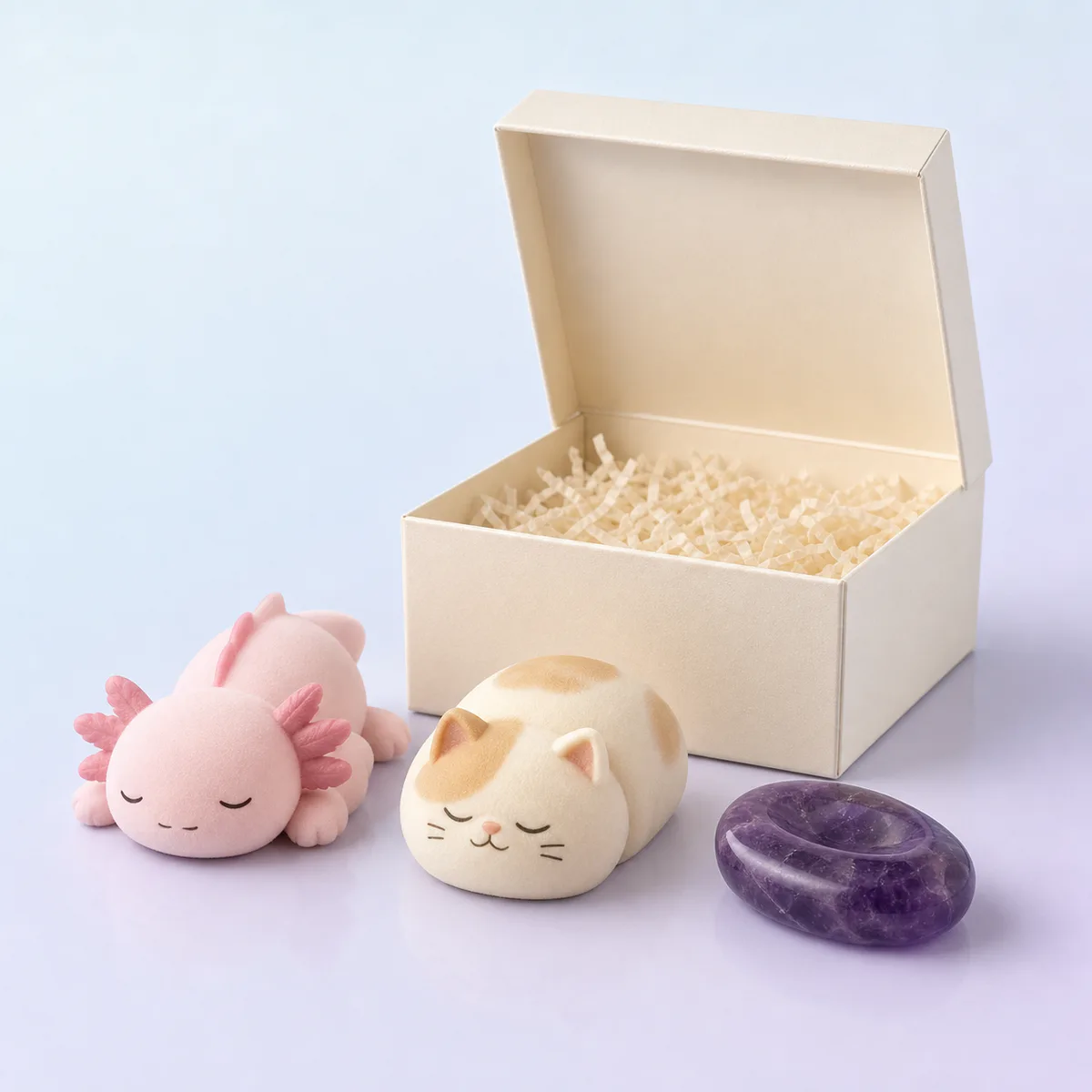
Matching a physical motion to each side of the box gives you a second way to track the count when your mind wanders off the numbers, which it will. The Always-On Fidget Bracelet works the same way if you would rather keep both hands free: run a thumb along the textured band on the inhale and hold, and let it go still on the exhale and hold. For a bedtime round, the Sleep & Wind-Down Kit pairs a slow-rise squishy with a worry stone, nothing with a screen or a click to pull your attention back out of the count.
Box breathing is a real technique with a modest, honestly reported evidence base, not a military secret and not a fix that works identically for everyone. Four counts, four sides, and your hands will thank you.
Sources & further reading
We reference trusted organizations by name. This article is informational and not a substitute for professional medical advice.
- Cleveland Clinic: Publishes the step-by-step box breathing sequence used here, describing it as a form of yogic deep breathing associated with the Navy SEALs, and its five-finger and grounding-technique guidance.
- Time: Published Mark Divine's own account of developing and naming box breathing himself after leaving the Navy SEALs.
- Scientific Reports: Published the 2023 Fincham et al. meta-analysis of 12 randomized trials on breathwork's effect on self-reported stress, anxiety, and depressive symptoms.
- Cell Reports Medicine: Published the 2023 Balban et al. randomized trial comparing box breathing directly against cyclic sighing, cyclic hyperventilation, and mindfulness meditation.
- NHS: Publishes a basic stress-breathing exercise, a simple five-count in-breath and out-breath, as a separate technique from box breathing, without any military branding or breath-holding.
Frequently asked questions
What is box breathing?
A four-count breathing pattern: inhale for four seconds, hold for four, exhale for four, and hold for four, repeated for three or four rounds. It is also called 4x4 or 4-4-4-4 breathing, named for its four equal sides. Cleveland Clinic recommends exhaling fully before starting the first inhale.
Is box breathing an official Navy SEAL training technique?
No, not according to any official source found. The Navy SEAL association traces to Mark Divine, a former Navy SEAL who has said directly that he developed the technique himself after leaving the SEALs to continue his own breath training. No published US Navy or Department of Defense document naming or prescribing box breathing exists in the sources checked.
Does box breathing actually lower stress?
There is real evidence for structured breathing techniques broadly, box breathing among them. A 2023 meta-analysis of 12 randomized trials found a significant reduction in self-reported stress from breathwork generally, though box breathing was not isolated and tested on its own in that analysis. It is one effective technique within a category of several that work.
Is box breathing better than cyclic sighing?
Not based on the one trial that compared them directly. A 2023 randomized study found cyclic sighing produced a bigger mood improvement and a bigger drop in resting respiratory rate than box breathing over 28 days. If box breathing has not worked well for you, cyclic sighing's double-inhale, long-exhale pattern is a reasonable one to try instead.
Is box breathing safe for everyone?
Not automatically. Anyone with asthma, COPD, or a heart condition should check with a doctor before making regular breath-holding a habit, and anyone should stop the exercise if they feel faint, short of breath, or notice chest pain. The holds are the part most likely to cause discomfort, so shortening the count is a reasonable adjustment.
Can you do box breathing with a fidget toy in hand?
Yes, and it can help you track the count without watching a clock. A worry stone or a textured bracelet gives your thumb a motion to match to each of the four phases, moving on the inhale and exhale and going still through the holds. It is a practical pairing, not a tested part of any specific study.