What is bilateral tapping, and where does it fit with grounding?
Bilateral tapping means alternating a touch or tap between your left and right side, one hand then the other, in a steady rhythm. It sits inside the broader family of grounding techniques, moves that use physical sensation to pull attention out of a spiraling thought and back into the body, alongside things like naming what you can see and touch or simply holding something textured in your hand. The best-documented version of bilateral tapping is a specific, named technique called the butterfly hug, and it comes with a real history and an honestly bounded evidence base worth knowing before you use it.
What makes tapping specifically worth a closer look, rather than lumping it in with grounding generally, is that alternating left-right stimulation is also a core building block of a much more studied clinical therapy. That connection is real, and it is also the part most likely to get overstated. Knowing where the line actually sits, between a simple self-soothing habit and a full clinical protocol, is the point of this guide.
What is the butterfly hug, and who invented it?
The butterfly hug is a self-administered bilateral tapping technique originated by Lucina Artigas, working with Ignacio Jarero, in 1998, during relief work with survivors of Hurricane Pauline in Acapulco, Mexico. The earliest published account of it appeared the following year in the EMDRIA Newsletter, and Artigas received the Creative Innovation Award from the EMDR International Association in 2000 for developing it. That is an unusually well-documented origin story for a grounding technique, most of which circulate without a named inventor or a paper trail at all.
Artigas and Jarero’s own protocol describes the butterfly hug as a way for a person to self-administer what they call Dual Attention Stimulation, a between-session self-soothing tool meant to be learned in therapy first, not something to pick up cold as a standalone treatment.
Is bilateral tapping the same thing as EMDR therapy?
No, and this is the distinction that gets flattened most often. EMDR, Eye Movement Desensitization and Reprocessing, uses bilateral stimulation, eye movements, alternating taps, or tones, as one component of a structured, multi-phase clinical protocol delivered by a trained therapist. That full protocol has a substantial evidence base behind it: more than 20 randomized controlled trials, a 2013 World Health Organization recommendation naming EMDR alongside trauma-focused CBT as one of the only psychotherapies it recommends for PTSD across ages, and a 2004 US Department of Veterans Affairs and Department of Defense guideline that placed it in the highest, strongly recommended, category.
None of that endorsement transfers automatically to tapping your own hands alone, outside a clinician’s office. No controlled trial isolates self-administered bilateral tapping, on its own, as an independently effective treatment for anxiety or trauma. The butterfly hug’s own originators frame it as an adjunct people use for self-soothing between sessions or in the moment, not as a substitute for the full therapy. If you are working through trauma, a qualified professional delivering the complete protocol is a different thing entirely from a grounding move you do at your desk.
What do touch-based grounding techniques do in general?
Touch is one of the standard channels clinical guidance points to for grounding. The US Department of Veterans Affairs describes grounding techniques broadly as using touch and physical sensation, holding something textured, noticing temperature, to interrupt anxious spiraling and bring attention back to the present moment. Cleveland Clinic’s own grounding guidance describes touch-based grounding in similar terms, alongside the well-known 5-4-3-2-1 sensory method. NHS materials recommend grounding and distraction techniques generally, including a focus on physical senses, as coping tools for anxiety. None of these three name the butterfly hug or bilateral tapping specifically. They support the general category, touch and physical sensation as a way to ground, without endorsing this particular technique by name.
That gap is worth sitting with rather than papering over. It does not mean touch-based grounding does not work, and it does not mean the butterfly hug is unfounded, since its own clinical origin is well documented. It means the specific claim that the VA recommends the butterfly hug by name would be an overstatement of what these sources actually say, even though the general idea, touch as a grounding tool, is exactly what they describe.
How do you do the butterfly hug, step by step?
- Cross your arms over your chest. Rest your middle fingertips just below your collarbones, one hand on each side.
- Interlock your thumbs. This forms the butterfly’s body, hands loosely open like wings.
- Alternate a gentle tap. Tap or flutter one hand, then the other, in a slow, even rhythm, closer to a heartbeat than a drumbeat.
- Breathe slowly through it. Slow abdominal breathing alongside the tapping is part of the original technique, not an optional extra.
- Keep going for a set stretch. Six to eight taps per side is enough for a grounding moment; a longer stretch of one to three minutes is closer to how it is used in a therapy setting.
Other grounding moves for restless hands
| Move | Motion | Pairs with |
|---|---|---|
| Butterfly hug | Alternating tap, left then right | No product needed, just your own hands |
| Alternating squeeze | Squeeze in one hand, release, switch | Steady Hand Squeeze Stress Ball |
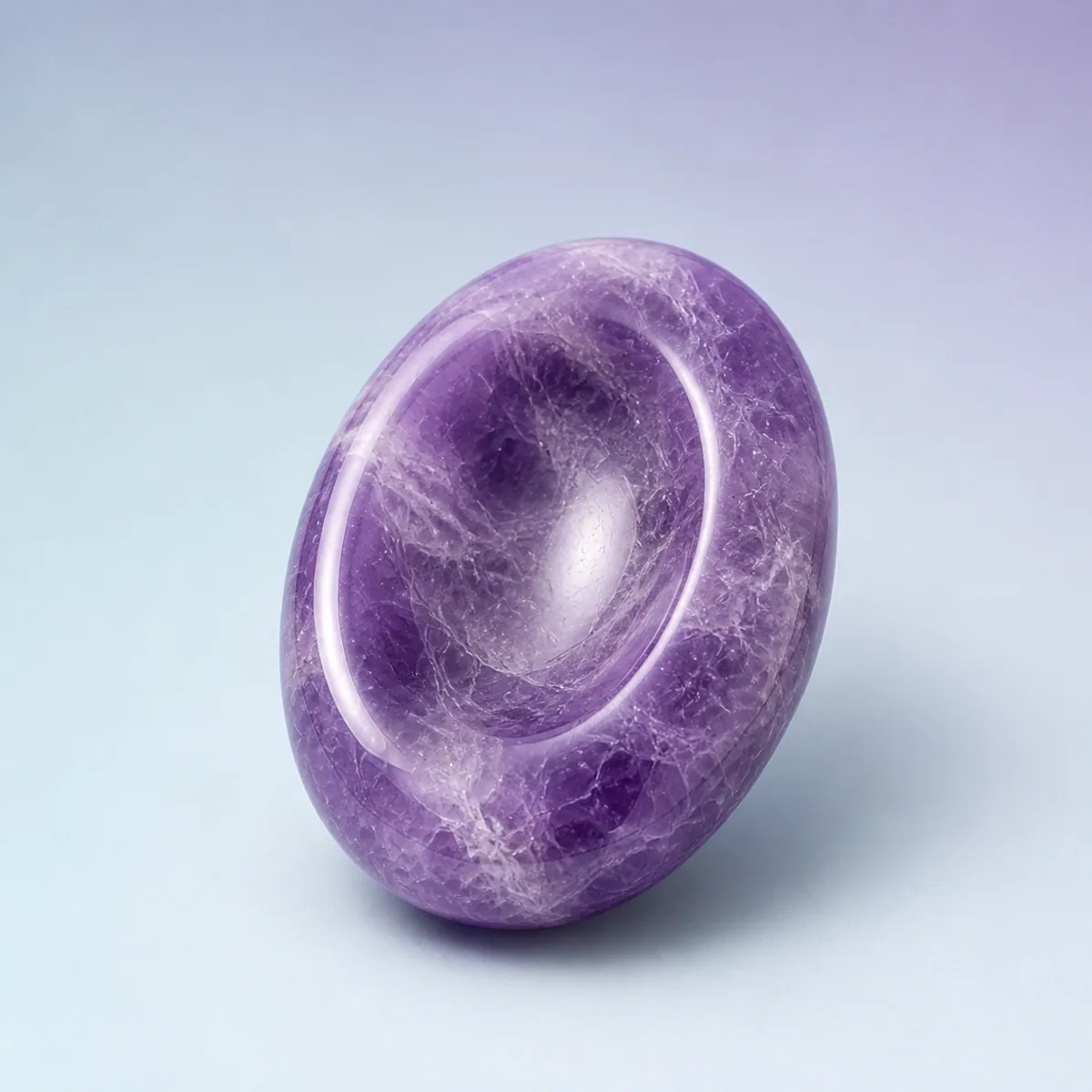
| Thumb circle | Slow, repeated circle in a worn hollow | Calm Worry Stone |
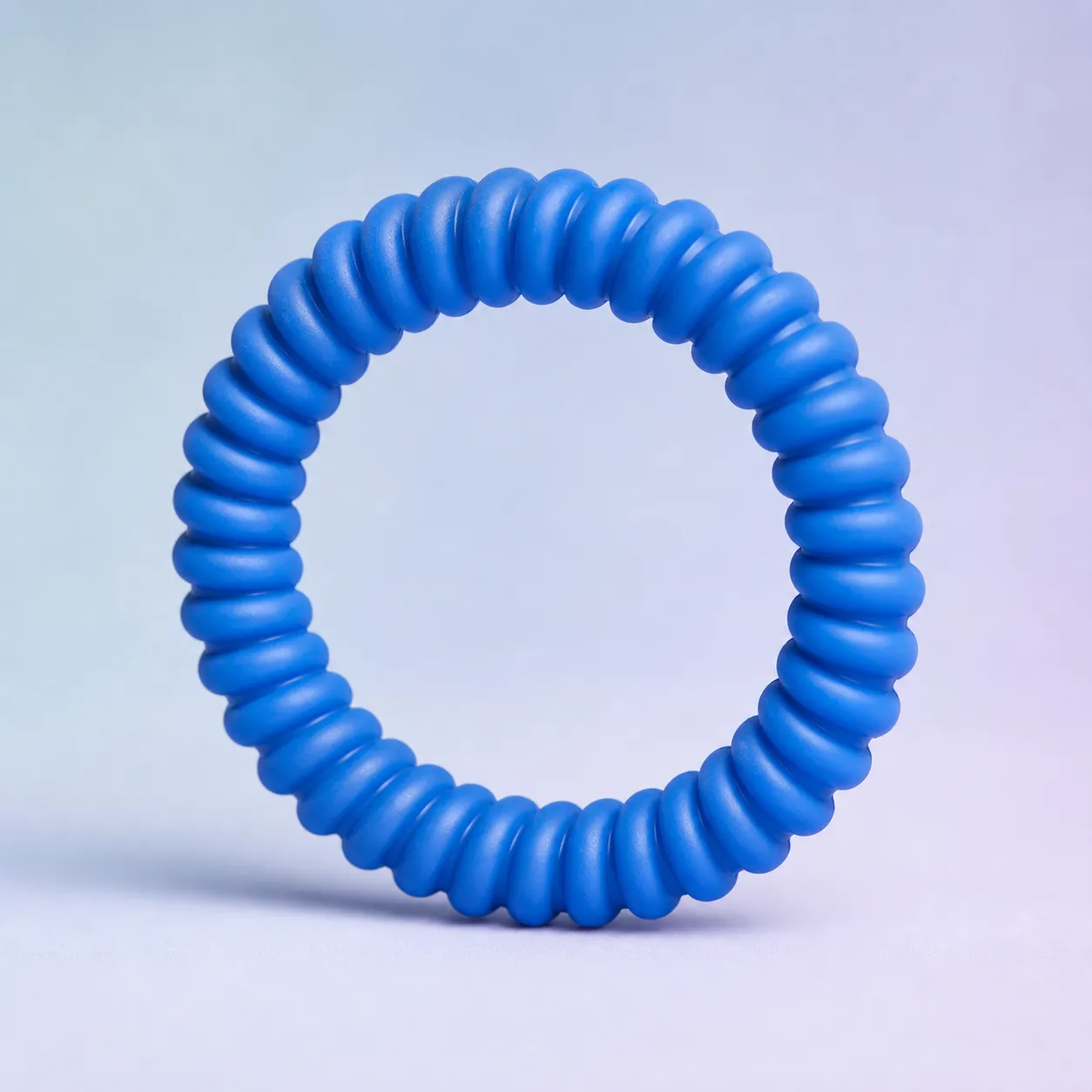
| Alternating wrist rub | Thumb along a textured band, one wrist then the other | Always-On Fidget Bracelet |
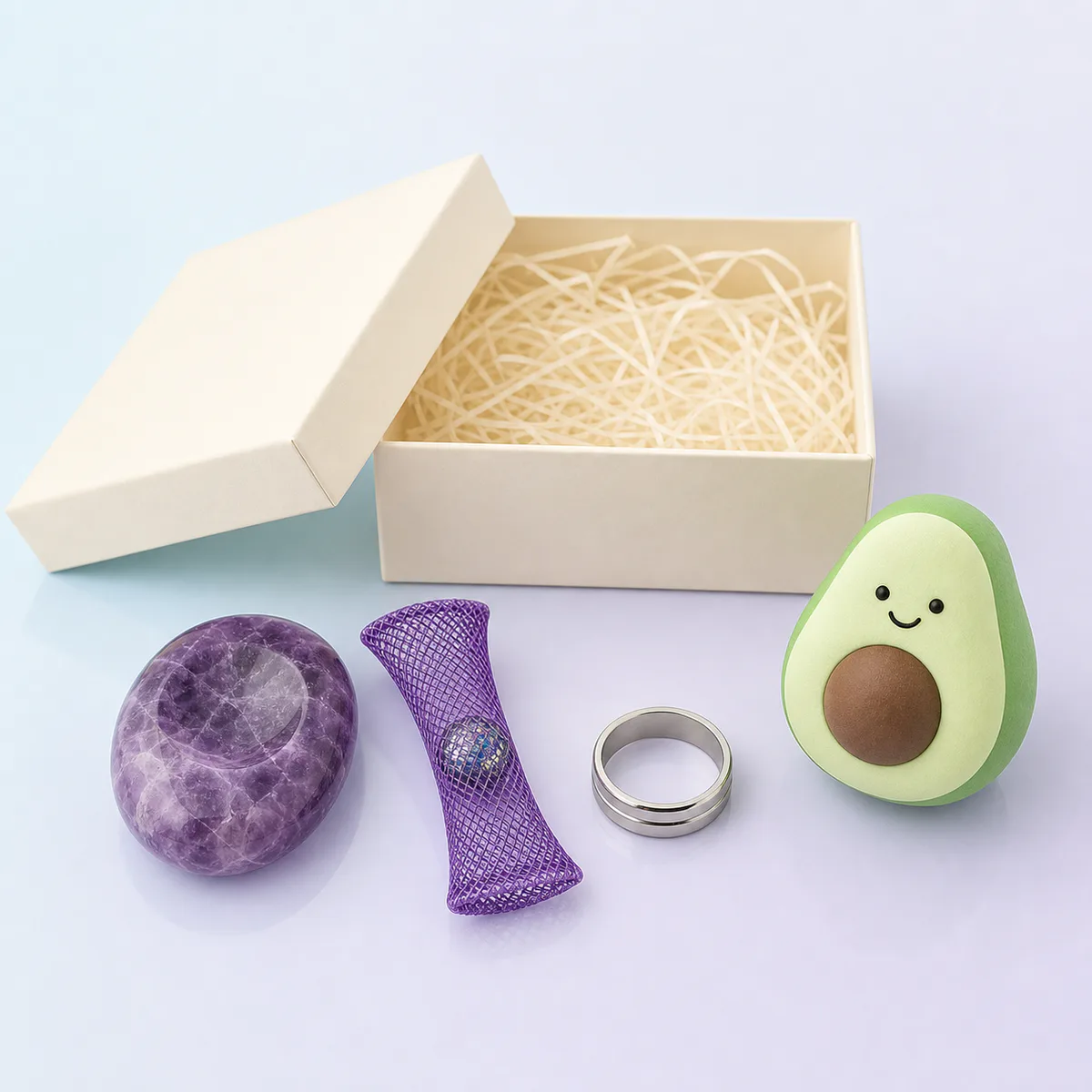
Any of these gives restless hands a steady, alternating job, which is the shared idea across grounding techniques generally, not a special property of tapping alone. For an exam-day version that keeps the whole kit silent, the Exam Calm Kit bundles a few of these into one small case.
A grounding move is exactly what it sounds like: small, physical, and modest in what it claims to do. It will not replace therapy for something that needs therapy, and its own inventor never said it would. What it offers is a steady, repeatable place to put restless attention for a minute, which counts for more than it sounds like it should. Calm in the palm of your hand.
Sources & further reading
We reference trusted organizations by name. This article is informational and not a substitute for professional medical advice.
- EMDR International Association: Published the earliest account of the butterfly hug in its 1999 newsletter and later recognized Lucina Artigas with a Creative Innovation Award for originating the technique.
- EMDR Institute: Publishes a summary of the evidence base behind clinician-led EMDR therapy, including its randomized-trial count and its World Health Organization and VA and DoD guideline endorsements.
- U.S. Department of Veterans Affairs, National Center for PTSD: Describes touch- and sensation-based grounding techniques as a way to interrupt anxious spiraling and reconnect with the present moment.
- Cleveland Clinic: Publishes consumer guidance on grounding techniques, including touch-based grounding and the 5-4-3-2-1 sensory method.
- NHS: Recommends grounding and distraction techniques, including a focus on physical senses, as general coping tools for anxiety.
Frequently asked questions
What is bilateral tapping?
Alternating a touch or tap between your left and right side in a steady rhythm, one hand and then the other. It belongs to the broader family of touch-based grounding techniques, which use physical sensation to pull attention out of a spiraling thought. The best-documented version of it is a specific technique called the butterfly hug.
Who invented the butterfly hug?
Lucina Artigas, working with Ignacio Jarero, originated the butterfly hug in 1998 while doing relief work with survivors of Hurricane Pauline in Acapulco, Mexico. The earliest published account appeared in the EMDRIA Newsletter the following year, and Artigas received a Creative Innovation Award from the EMDR International Association in 2000 for developing it.
Is the butterfly hug the same as EMDR therapy?
No. EMDR is a structured, multi-phase therapy delivered by a trained clinician, with bilateral stimulation as one component and a substantial evidence base behind the full protocol. The butterfly hug is a self-administered technique its own originators describe as a self-soothing adjunct learned in therapy, not a standalone substitute for the full treatment.
Does bilateral tapping have research support on its own?
Not independently, as far as this research found. No controlled trial isolates self-administered bilateral tapping, done alone and outside a clinician-led protocol, as an effective treatment for anxiety or trauma. The strong evidence base associated with bilateral stimulation belongs to the full clinician-delivered EMDR protocol, not to tapping your own hands by yourself.
How do you do the butterfly hug?
Cross your arms over your chest with your middle fingertips below your collarbones, then interlock your thumbs to form the butterfly's body. Alternate a gentle tap between your hands in a slow, even rhythm while breathing slowly, about six to eight taps for a quick grounding moment. Longer stretches of one to three minutes are closer to how it is used within a therapy session.
What other grounding moves work well with a fidget toy?
An alternating squeeze, one hand and then the other, works well with a stress ball, and a slow thumb circle suits a worry stone. A textured bracelet gives you something to rub on alternating wrists if you would rather skip the tapping motion entirely. Any of these gives restless hands a steady, alternating job, which is the shared idea across grounding techniques generally.