Are fidget toys latex-free?
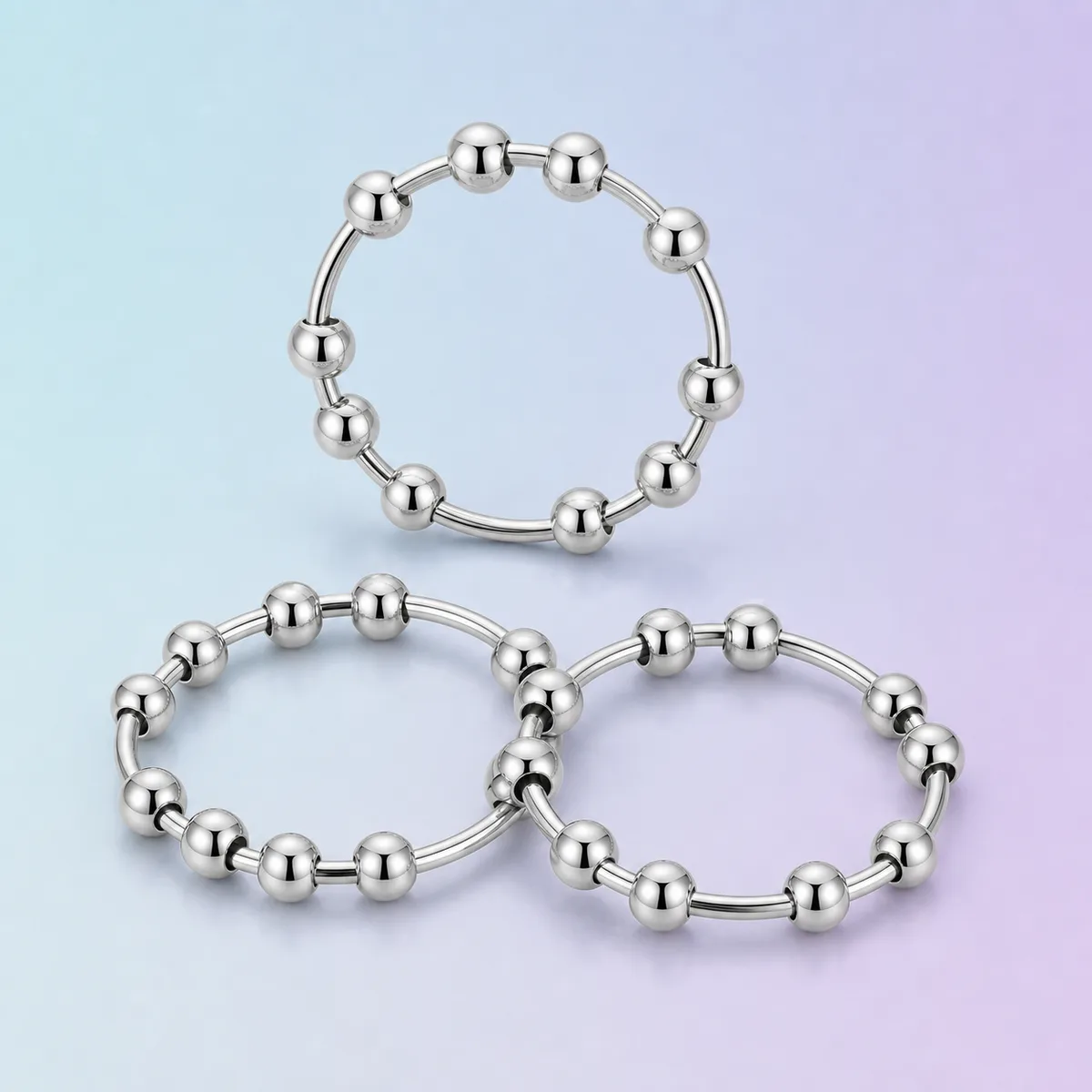
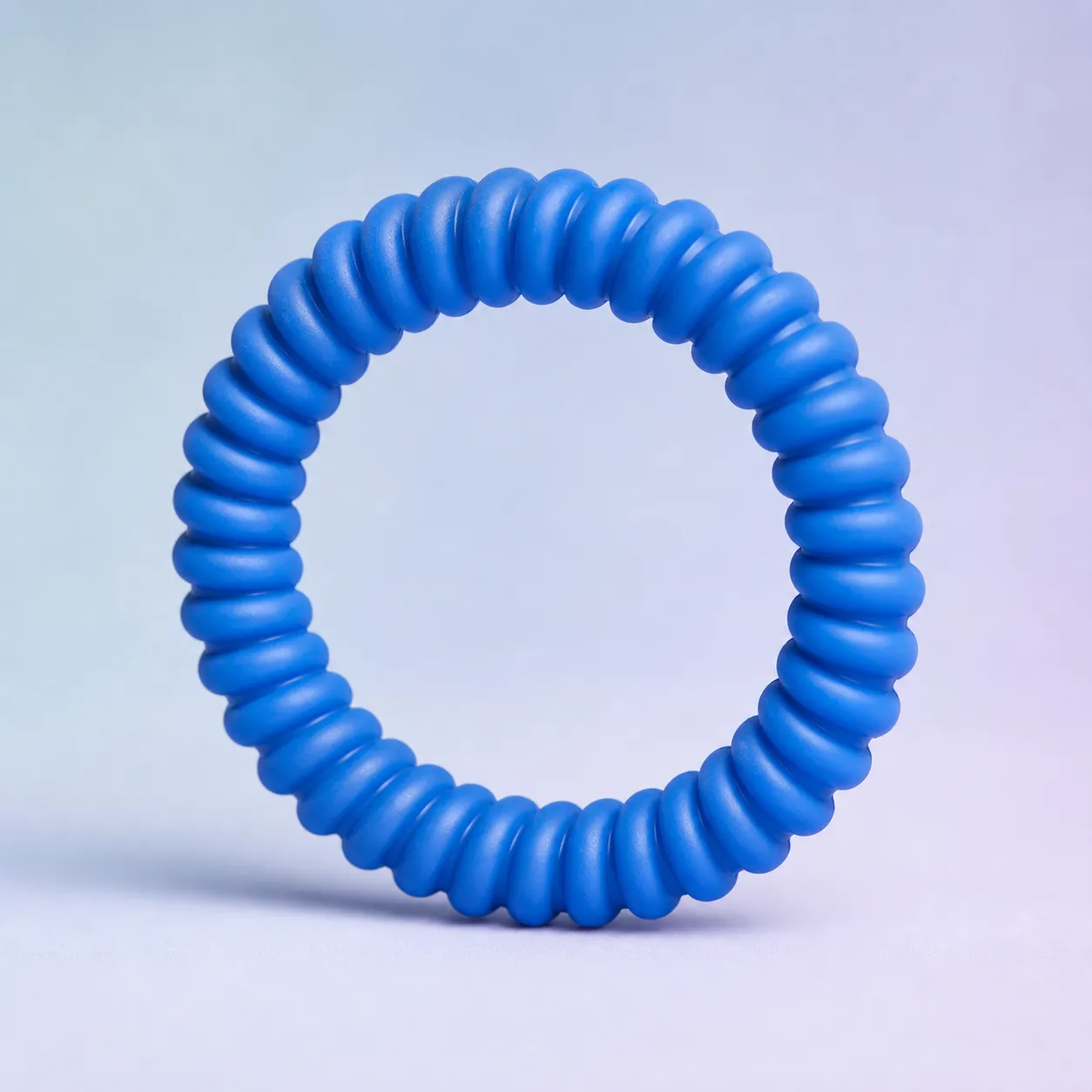
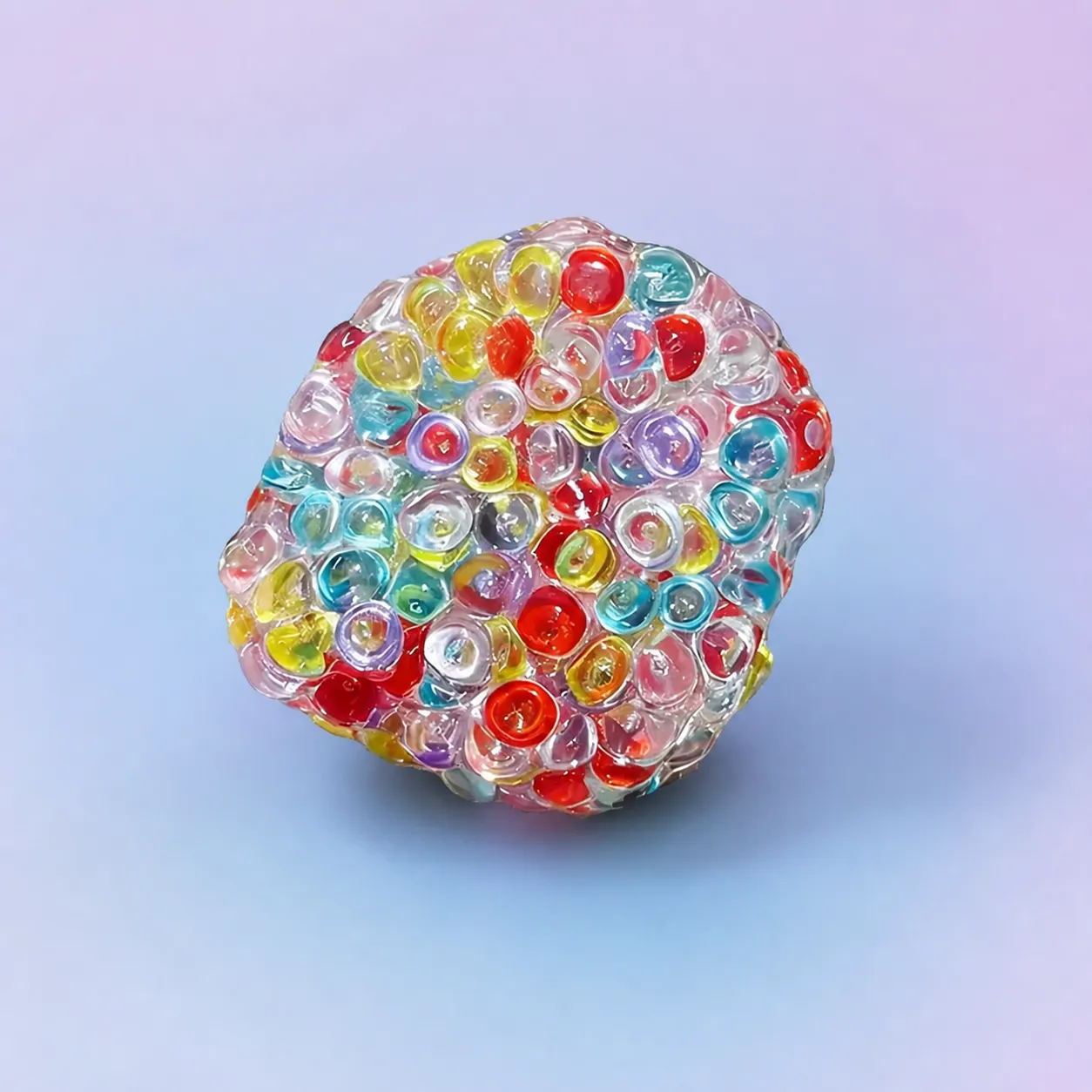
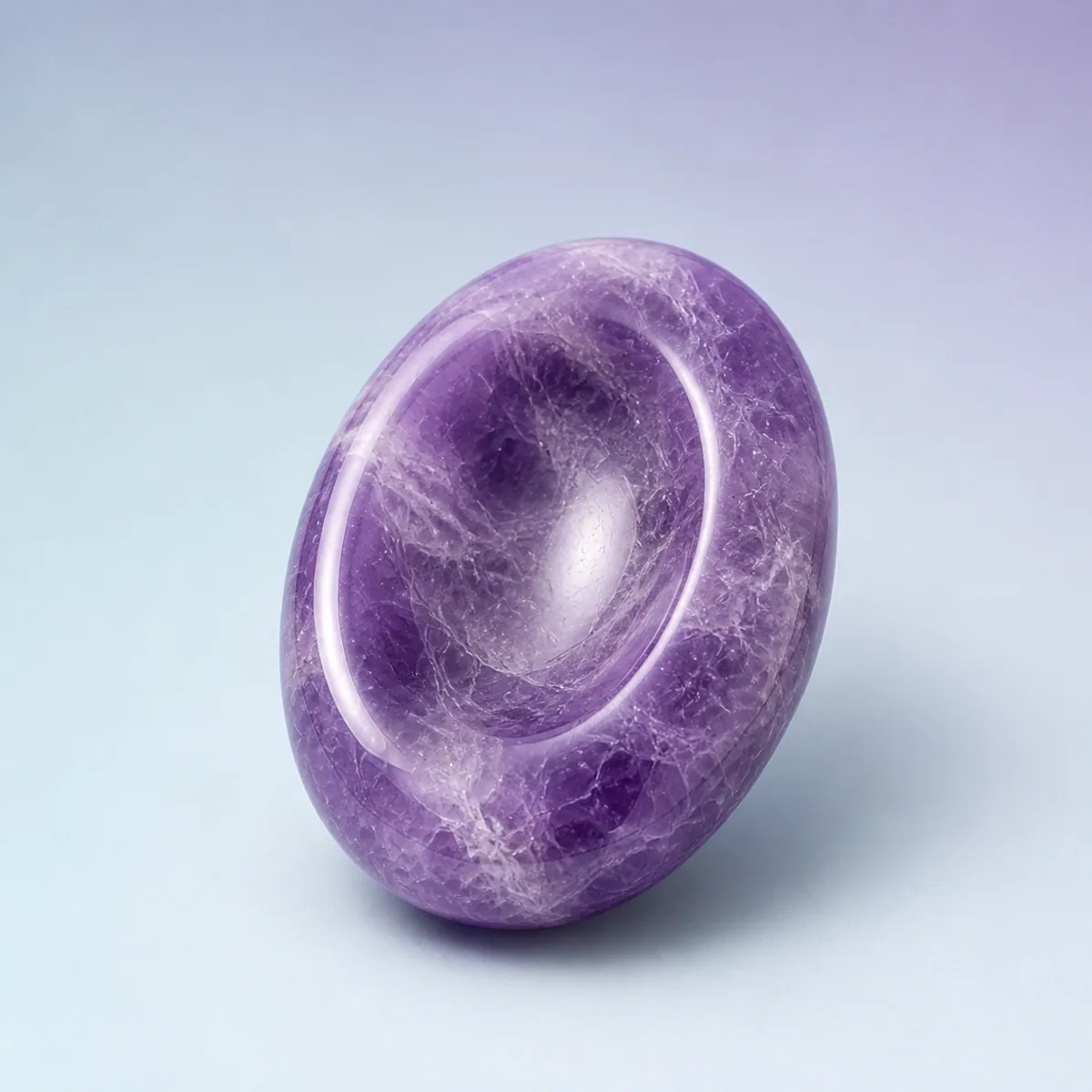
Yes, for the materials this store actually uses, and the reason is more specific than “no rubber here.” Our sensory ring set is stainless steel, the Always-On Fidget Bracelet is silicone, the Steady Hand Squeeze Stress Ball is a translucent TPR gel, and the Calm Worry Stone is polished resin. None of these is natural rubber latex, and none of them carry the plant-sap proteins that a true latex allergy reacts to. A latex allergy is a narrower, more specific thing than “sensitivity to anything rubbery,” and it is worth being precise about what it actually is before you shop around it.
What does a latex allergy actually react to?
A latex allergy reacts to proteins found specifically in natural rubber latex, not to rubber-like materials as a broad category. The American College of Allergy, Asthma and Immunology describes it this way: a reaction to proteins contained in natural rubber latex, the kind found in items like balloons, some rubber toys, pacifiers, tires, and certain medical gloves. Their own guidance states plainly that synthetic rubber products are not made with natural latex and do not trigger allergic reactions in people who are allergic to natural rubber latex. That single line does a lot of work: it means the chemistry of a material, not how squishy or stretchy it feels in your hand, is what decides whether it can set off this specific allergy.
Which materials here are not natural rubber latex?
All four of ours are not natural rubber latex, for different reasons tied to what each one is actually made from. TPR, the material in our Steady Hand stress ball, is a synthetic thermoplastic elastomer built from separate rigid and rubbery plastic domains; it contains no latex and is not vulcanized rubber at all. Silicone, in the Always-On bracelet, has a completely different backbone chemistry, silicon and oxygen rather than the isoprene polymer natural latex is built from. Stainless steel and polished resin are not rubber-derived materials in the first place, so the latex question does not apply to them any more than it would to a wooden spoon.
| Product | Material | Contains latex | Other allergen to know |
|---|---|---|---|
| Quiet Spinner Sensory Ring Set | Stainless steel | No | Real nickel content; reaction depends on skin contact, not just the metal’s name |
| Always-On Fidget Bracelet | Silicone | No | No metal, no natural rubber; a common first choice for reactive skin |
| Steady Hand Squeeze Stress Ball | Translucent TPR gel | No | Synthetic elastomer, not vulcanized rubber |
| Calm Worry Stone | Polished resin | No | Not rubber-derived; the latex question does not apply here |
Could a metal fidget still cause a reaction?
Yes, though the likely cause is nickel, not latex. Jewelry-grade stainless steel commonly runs 10 to 12 percent nickel by weight, a real, deliberate part of the alloy rather than a trace impurity. What actually predicts a reaction is not that percentage but how much nickel migrates onto your skin during wear, which is why the formal EU test for this, EN 1811, places an item in an artificial sweat solution for a week and measures what comes off, rather than testing the metal’s bulk composition. A steel item is not automatically safe just because a brand calls it hypoallergenic, and it is not automatically risky just because it lists nickel in its alloy. Our Quiet Spinner rings are rated 12+ partly for fit reasons on a growing hand, and the Always-On bracelet, no metal at all, is rated 8+ for that simpler materials profile. If metal jewelry has ever left your skin red or itchy, start with silicone.
Could fragrance be the real trigger instead?
Yes, fragrance is a separately recognized cause of contact dermatitis, and it is worth ruling out before you blame the base material. An allergist typically confirms it with a patch test that checks specific substances, rubber, fragrance, and hair dye among them, directly against your skin. It is not a universal irritant that bothers everyone the same way, which is exactly why patch testing exists instead of guessing from an ingredient list. A general toy-safety standard, like the mandatory US ASTM F963 covering age grading and choking hazards, or federal rules capping specific chemicals like phthalates, does not test for latex protein, nickel release, or fragrance sensitivity at all; a product can clear every relevant safety check and still bother a particular person’s skin.
What should you do if a fidget irritates your skin?
Take it off and wash the area with soap and water right away. That is the American College of Allergy, Asthma and Immunology’s basic first response for a suspected contact reaction, and it is simple enough to do before you even know what caused it. Note what you were wearing and roughly when the irritation started, since that record is what actually helps an allergist trace the cause later, whether it turns out to be nickel, fragrance, or something else entirely. If it clears up and you want to try again, a fragrance-free, metal-free option like silicone is the safer next step, not a guess.
Where to start
If you are choosing your first fidget and skin sensitivity is a real concern, the Always-On Fidget Bracelet is silicone straight through: no metal, no natural rubber, one of the simplest materials profiles we sell. If your hands want something to roll and turn, the Quiet Spinner Sensory Ring Set is stainless steel, a material most people tolerate well, with the nickel context above worth knowing rather than worrying over. The Steady Hand Squeeze Stress Ball is a third option worth considering for the same reason: a TPR gel with no latex and no metal, good for a desk drawer as much as for reactive skin. The Calm Worry Stone sidesteps both questions entirely, since resin was never a rubber or a metal to begin with. None of this needs to be complicated once you know what you are actually checking for. Calm in the palm of your hand, whatever your skin happens to react to.
Sources & further reading
We reference trusted organizations by name. This article is informational and not a substitute for professional medical advice.
- American College of Allergy, Asthma and Immunology: Describes latex allergy as a reaction to proteins in natural rubber latex specifically, and recommends washing the skin immediately and patch testing to identify a contact-dermatitis trigger like fragrance or metal.
- ASTM International: Publishes ASTM F963, the mandatory US toy-safety standard covering age grading and physical hazards; it does not test for latex protein, nickel release, or fragrance sensitivity.
- U.S. Consumer Product Safety Commission: Writes and enforces federal safety rules for children's products, including chemical limits like the phthalate cap, a different question from a latex or nickel skin reaction.
Frequently asked questions
Are fidget toys latex-free?
The materials used in our sensory ring set, fidget bracelet, squeeze stress ball, and worry stone, stainless steel, silicone, TPR, and resin, are not natural rubber latex and do not carry the proteins that trigger a latex allergy. Latex allergy is a reaction to a specific protein family, not to rubber-like textures in general. If you carry a diagnosed latex allergy, these material types are the ones to look for.
What actually causes a latex allergy?
Proteins found in natural rubber latex, the sap-derived material used in items like balloons, some rubber toys, and certain medical gloves. The American College of Allergy, Asthma and Immunology is clear that synthetic rubber and rubber-like materials made without natural latex do not trigger this same reaction. That is why a TPR squeeze ball is a different material question than a natural-latex balloon.
Can a stainless steel ring still cause a reaction?
Yes, though the usual cause is a nickel reaction rather than latex. Stainless steel used in jewelry commonly contains 10 to 12 percent nickel, and reaction risk depends on how much nickel actually reaches the skin, not the raw percentage in the metal. If metal jewelry has bothered you before, a silicone option is the safer first fidget to try.
Is silicone hypoallergenic?
Silicone does not contain natural rubber latex protein, so it will not trigger a latex allergy, and it carries none of the nickel concern that comes with metal jewelry. That is a narrower claim than saying it is hypoallergenic for everyone; a fragrance additive or a dye in any product could still cause a reaction in someone sensitive to it. It is a solid first option for latex- or nickel-reactive skin specifically.
How do you know if a reaction is from fragrance instead of the material?
You generally cannot tell from an ingredient list alone; an allergist diagnoses this with a patch test, which checks specific substances, including rubber, fragrance, and hair dye, directly against your skin. If a reaction shows up only with scented products, fragrance is the more likely trigger over the base material. Keeping a note of exactly what you wore and when helps an allergist narrow it down.
What should you do if a fidget toy irritates your skin?
Take it off and wash the area with soap and water right away, which is the American College of Allergy, Asthma and Immunology's basic first response for a suspected contact reaction. Note what you were wearing and when the irritation started, since that record helps an allergist trace the actual cause later. If the irritation is mild and resolves, a different material, like silicone instead of metal, is a reasonable next try.