Are fidget rings good for you?
They are good for restless hands, and that is the honest size of the claim. A fidget ring gives your fingers a small, repeatable, nearly silent motion that is always within reach, no pocket to dig in, nothing to carry, and many people find that steadying in the moments they cannot leave: the meeting, the waiting room, the difficult phone call. It is a supportive sensory tool. It is not a treatment for anxiety, and it will not make you healthier.
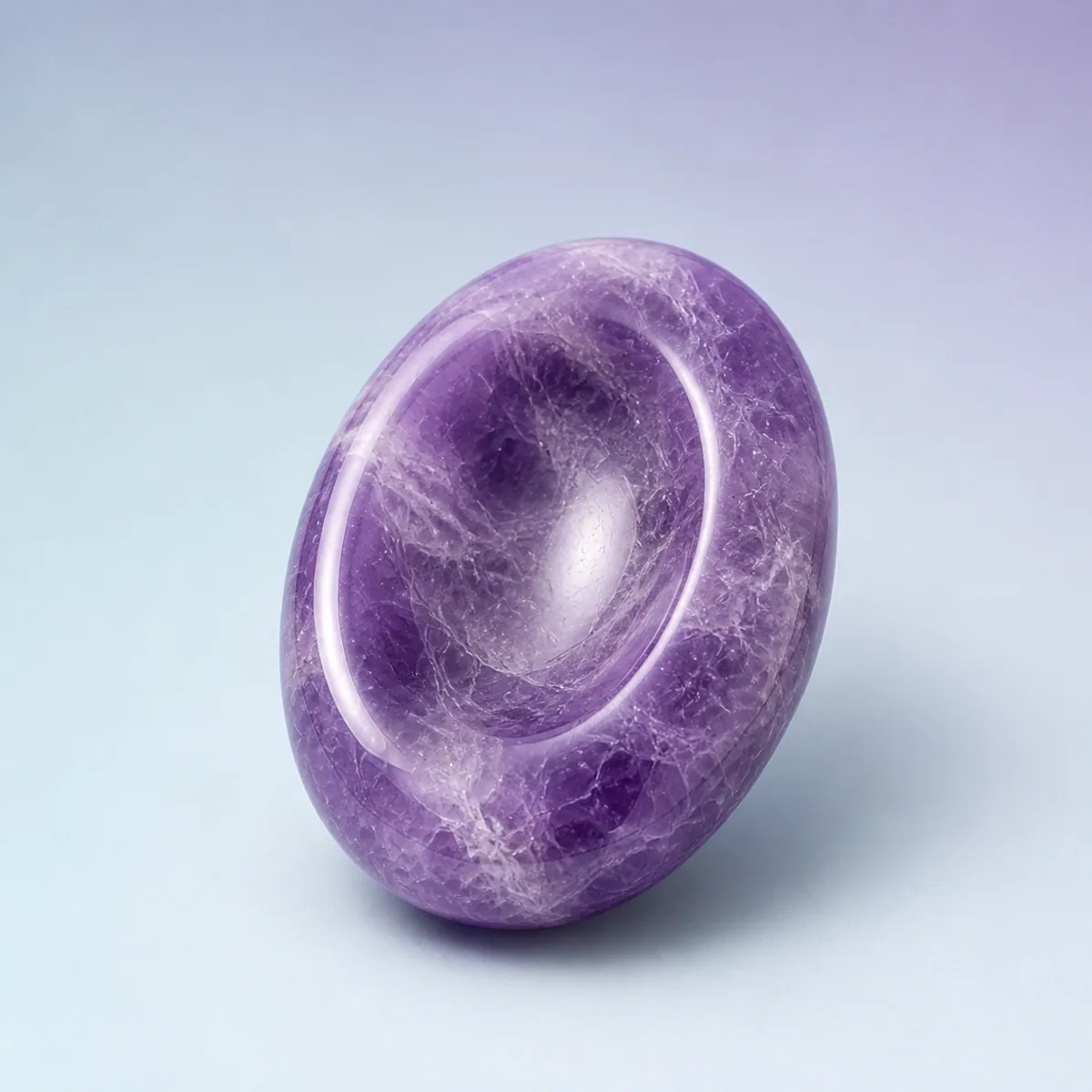
We want to be straight with you about that, because the market for these is full of the word “anxiety” used as if it were a medical promise. The word describes a use. What the ring can do is real and modest, and modest is fine. A worry stone has done the same job for centuries; a fidget ring is a worry stone you wear.
What does a fidget ring actually do?
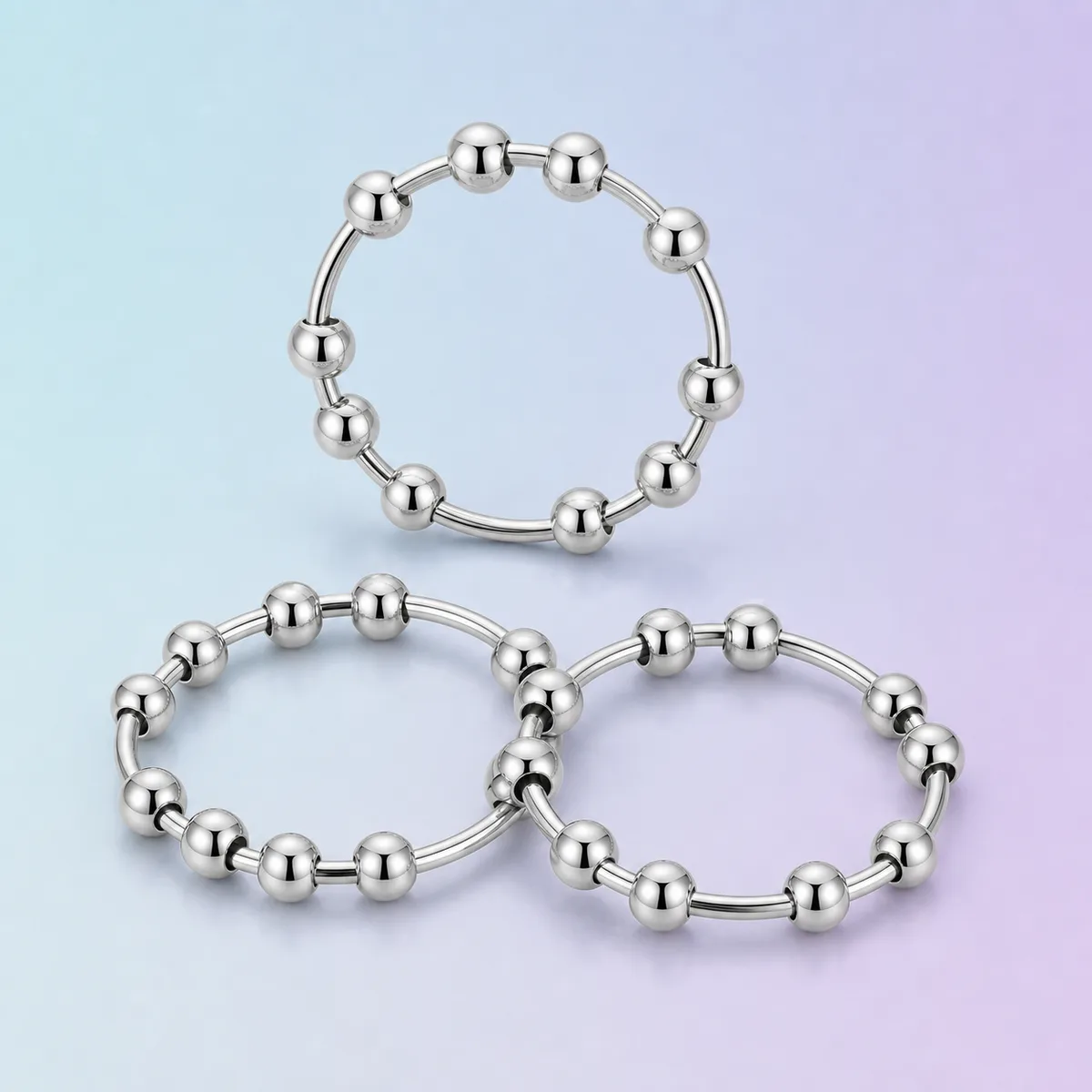
A fidget ring gives you one moving part to work with your thumb. The most common design is a spinner: a band or a set of beads that rolls around a fixed hoop, so the thumb can push it round and round without the rest of the hand moving. Others have a textured surface to rub, or a soft band that rolls along the wrist.
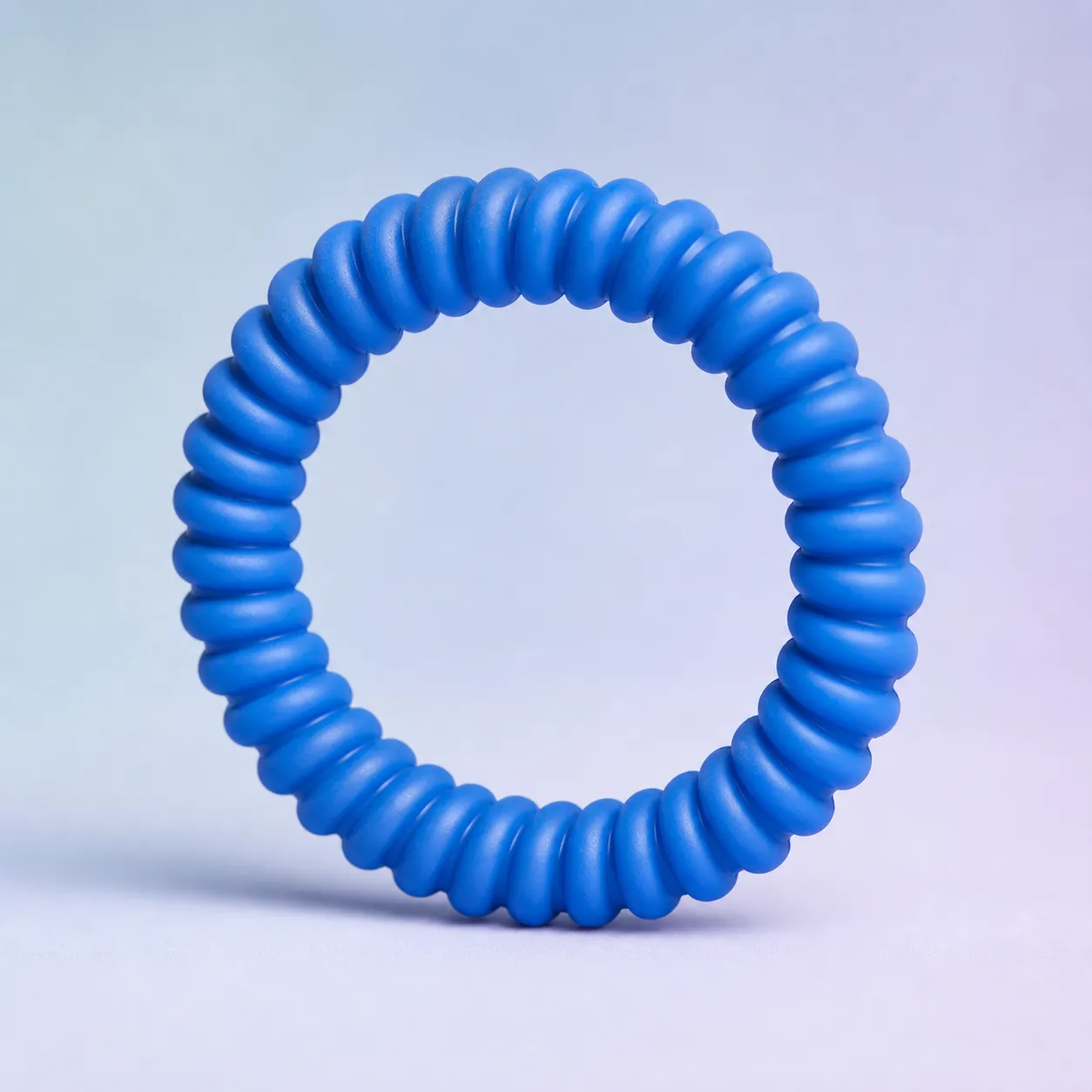
The motion matters more than the object. A repeating, low-effort movement is the thing restless hands look for, and it is why people drum fingers, click pens, and twist whatever ring they happen to be wearing. A fidget ring is that same habit with a part designed for it: smooth, quiet, and made to be turned ten thousand times. Our Quiet Spinner rings are three slim double-wire hoops with polished steel beads that roll and slide; the Always-On bracelet is a silicone band with a textured surface the thumb can run along.
Do anxiety rings work for anxiety?
Not as a treatment, and no ring should be sold as one. Here is what is true. Many people report that a small, steady task for the hands makes an anxious moment easier to sit through; occupational therapists often describe fidget tools as one possible part of a self-regulation toolkit; and the research on fidget tools overall is mixed. Worth trying, and not a treatment. Both things are true at once.
So the words anxiety ring and worry ring describe a use. People buy them for anxious moments the way they buy a soft blanket for hard days, and that counts. If anxiety is getting in the way of your work, sleep, or relationships, please talk to a qualified professional. The ring is for your hands while you do.
Are fidget rings bad for your skin or fingers?
A well-fitted ring in a skin-safe metal is not bad for your fingers. Two things do go wrong, and both are easy to avoid.
The first is fit. A spinner ring needs a little room so the beads can roll freely, but a ring that is too loose spins off, and one that is too tight restricts the finger and leaves a pale dent. Size it so it turns easily but does not slide past the knuckle on its own, and size up rather than down if you are between sizes.
The second is metal allergy, and it is more common than people expect. Nickel is the usual culprit in jewelry rashes, and the reaction shows as redness, itching, or a rash exactly where the metal sits. Stainless steel, which our spinner rings are made from, releases very little nickel and suits most people, which is why it is the standard for everyday jewelry. But if a watch back or a belt buckle has ever left you with a rash, start with the silicone bracelet instead, and take any ring off at the first sign of irritation. No fidget is worth a sore finger.
Can you wear one all the time?
Most people can. Stainless steel and silicone are both water-resistant, so a shower, a swim, and a sink full of dishes are fine; rinse and dry a spinner ring afterward so soap and grit do not collect between the beads and the wires and slow the roll. Two sensible breaks: take the ring off to sleep if the beads catch on bedding or hair, and give the finger some air if the skin underneath stays damp.
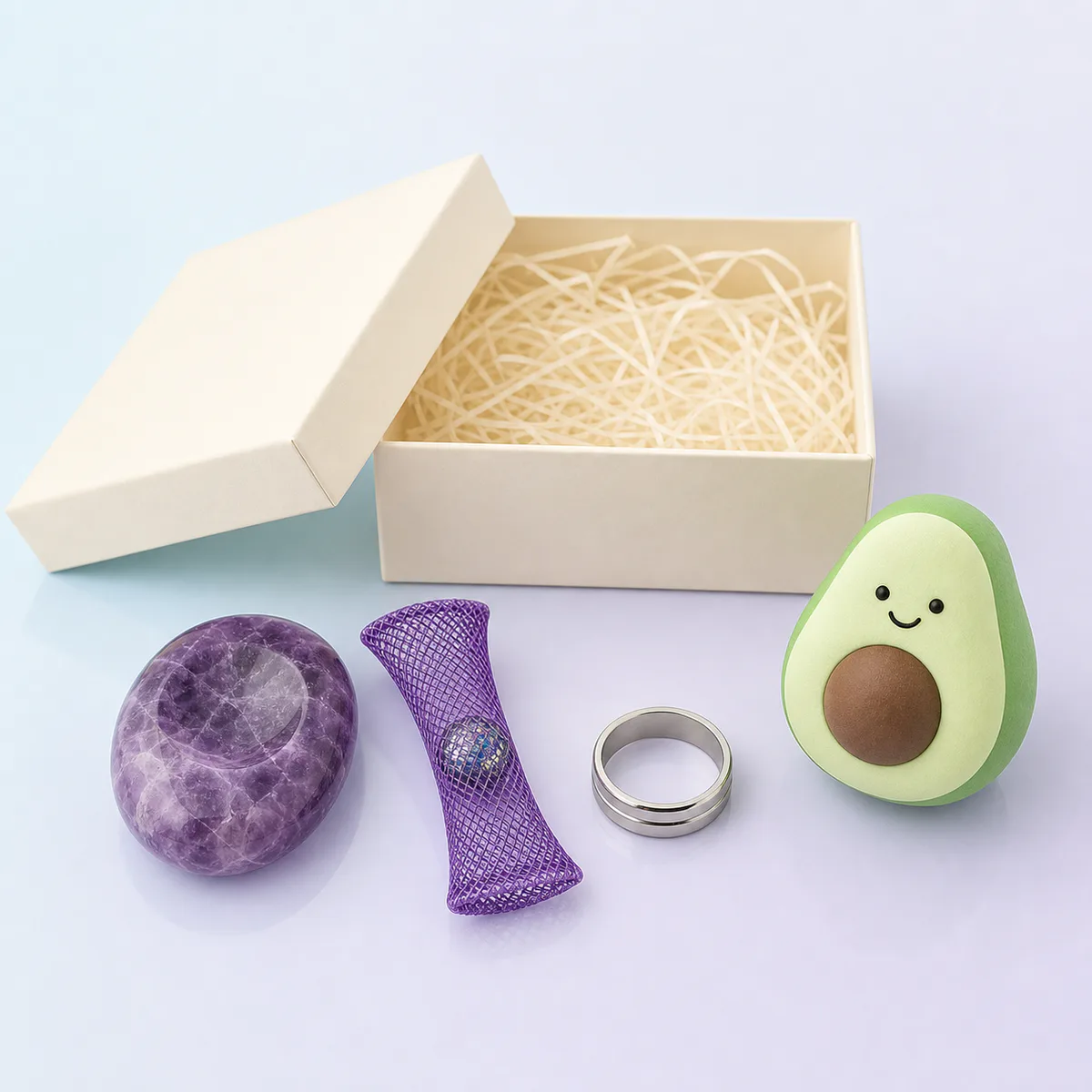
Noise is the other all-day question. The silicone band is completely silent. The bead spinner is very quiet, with a faint metal tick when beads meet that nobody across a table will hear but you might. For an exam hall or a silent office, we would steer you to the bracelet or to a worry stone in the pocket; our Exam Calm Kit is built around exactly that kind of quiet.
How do you choose a fidget ring?
Choose by skin, by motion, and by how much you want it noticed.
| If you want | Pick | Why |
|---|---|---|
| Completely silent | A silicone band | No metal, no moving parts to tick |
| A rolling, beaded motion | A double-wire spinner ring | Beads give the thumb a clear path to follow |
| No metal on the skin | Silicone | Nickel-free; the safe first ring for reactive skin |
| Something that looks like plain jewelry | A slim polished spinner | Reads as a simple band from across a room |
| A fidget for a younger child | The silicone bracelet (8+) | No small parts, nothing to unscrew |
| A spare for the desk and one for the bag | The 3-pack | Rings are easy to lose; spares keep the habit going |
A last honest note on expectations. A fidget ring is a small thing, and its whole value is that it is small: always there, never in the way, quietly turning while the rest of you gets on with it. Wear one because your hands like it. A listing that promises it will fix something is overselling. Calm in the palm of your hand, and on the finger too.
Sources & further reading
We reference trusted organizations by name. This article is informational and not a substitute for professional medical advice.
- American Academy of Dermatology: Describes nickel as the most common cause of allergic contact dermatitis from jewelry, with redness, itching, and rash where the metal touches skin, and advises choosing nickel-free or low-nickel metals such as surgical stainless steel.
- American Occupational Therapy Association: Occupational therapists describe sensory and fidget tools as possible supports for self-regulation, with effects that vary from person to person.
- Anxiety and Depression Association of America: Provides resources on anxiety, grounding techniques, and knowing when to seek professional help.
- Child Mind Institute: Frames sensory and fidget tools as supportive aids and points to professional support for anything diagnosable.
Frequently asked questions
Are fidget rings good for you?
They are good for restless hands, in the everyday sense: a quiet, repeatable motion that is always on your finger, which many people find steadying in moments they cannot walk away from. They do not improve your health or treat anxiety, and the research on fidget tools is mixed. Think of one as a wearable worry stone, a supportive tool rather than a treatment.
Do anxiety rings actually work for anxiety?
Not as a treatment, and we will not tell you they do. What an anxiety ring does is give nervous energy somewhere to go and give your attention a small, steady task, which plenty of people report as calming in the moment. If anxiety is interfering with your life, a qualified professional is the right support; the ring is for your hands while you get it.
Are fidget rings bad for your fingers or skin?
A well-fitted ring in a skin-safe metal is not bad for your fingers. Two things can go wrong: a ring that is too tight, which restricts the finger and should be sized up, and a metal allergy, most often to nickel, which shows as redness, itching, or a rash under the band. Stainless steel releases very little nickel and suits most people, but if metal has irritated your skin before, choose a silicone band and take any ring off at the first sign of a reaction.
Can you wear a fidget ring all the time?
Most people can, including in the shower, since stainless steel and silicone are water-resistant. Take it off for sleep if the beads catch on bedding or hair, and give your finger a break if the skin underneath stays damp or pale. Rinse and dry the ring now and then so grit does not build up between the beads and the hoop.
Which fidget ring is the quietest?
A silicone band is completely silent. A bead-spinner ring is very quiet, with only a faint metal sound when beads touch, which is inaudible across a room but noticeable to the wearer. For a silent exam hall or a quiet office, the silicone bracelet or a worry stone in the pocket is the safer pick.
Are fidget rings OK for kids and teens?
For teens, yes, and they are one of the more discreet classroom fidgets. Our spinner ring set is rated 12+ because the beads are small parts and because fit matters on a growing hand. For a younger child, the silicone fidget bracelet, rated 8+, is the better wearable: no metal, no small parts, nothing to unscrew.