What is a sixty-second desk reset?
A sixty-second desk reset is a short, deliberate pause built around three things you can do without leaving your chair: look away from the screen, move your hands, and let your breath slow down for a moment. On its own, it will not change your whole day, and it is no substitute for standing up and walking around when you actually can. Think of it instead as the smallest unit of a break that still counts, useful on the days when a real fifteen-minute walk is not on the table.
The idea borrows from two separate bodies of evidence that get lumped together more than they should: research on short work breaks in general, and eye-care guidance built specifically for screen use. Worth keeping apart, because conflating the two makes both look more settled than either one actually is.
Does a short break during work actually help?
Yes, modestly, according to the closest thing to a definitive answer on the subject: a 2022 meta-analysis of micro-breaks at work. Albulescu and colleagues pooled 22 independent samples from 19 published studies, covering 2,335 workers, and found short breaks produced a small but statistically significant lift in vigor and a matching drop in fatigue. The same analysis did not find a significant boost to overall task performance across the board.
Dig into the sub-groups and the picture sharpens a little. Performance gains showed up mainly on lower-demand tasks, the clerical and creative kind, not on work that leans hard on sustained concentration. A meta-regression across the studies also found that longer breaks tended to produce bigger performance gains than shorter ones. None of this pins down sixty seconds specifically. The researchers pooled breaks of varying lengths and activities and did not isolate a one-minute reset, let alone test a fidget toy as part of one. Treat the sixty-second version here as a practical minimum, not a number lifted from the study.
What about the 20-20-20 rule for your eyes?
That one belongs to a different body, and it gets misattributed constantly. The American Optometric Association states the rule directly on its own site: take a 20-second break to look at something 20 feet away every 20 minutes, as a way to ease digital eyestrain. The American Academy of Ophthalmology, which people often credit with the same formula, does not use that specific 20-20-20 language on its current tips page. Its guidance is close in spirit, look up from the screen and rest your eyes on something farther away now and then, alongside separate tips on blinking more, using artificial tears, adjusting screen brightness and glare, and sitting roughly 25 inches from the monitor.
Two different organizations, two related but distinct pieces of advice. If you are going to cite the 20-20-20 rule by name, the American Optometric Association is where that specific number actually lives.
What does the reset actually look like?
Three moves, in order, and none of them need more than a minute combined. Look away from the screen at something in the distance. Roll your shoulders back and let them drop. Then give your hands something slower than typing to do for the last twenty or thirty seconds. The eye part borrows from the 20-20-20 rule without needing the full twenty minutes to have elapsed first. The shoulder part is plain mechanical relief for a posture that has not moved in a while. The hand part is where a fidget earns its spot.
| Reset type | What it targets | Roughly how long |
|---|---|---|
| Eyes only | Screen fatigue, dry eyes | 20 seconds |
| Shoulders and neck | Static posture | 15 to 20 seconds |
| Hands | Restless energy, fidgety focus | 20 to 30 seconds |
| All three combined | A full sixty-second reset | About a minute |
Which fidget suits which kind of reset?
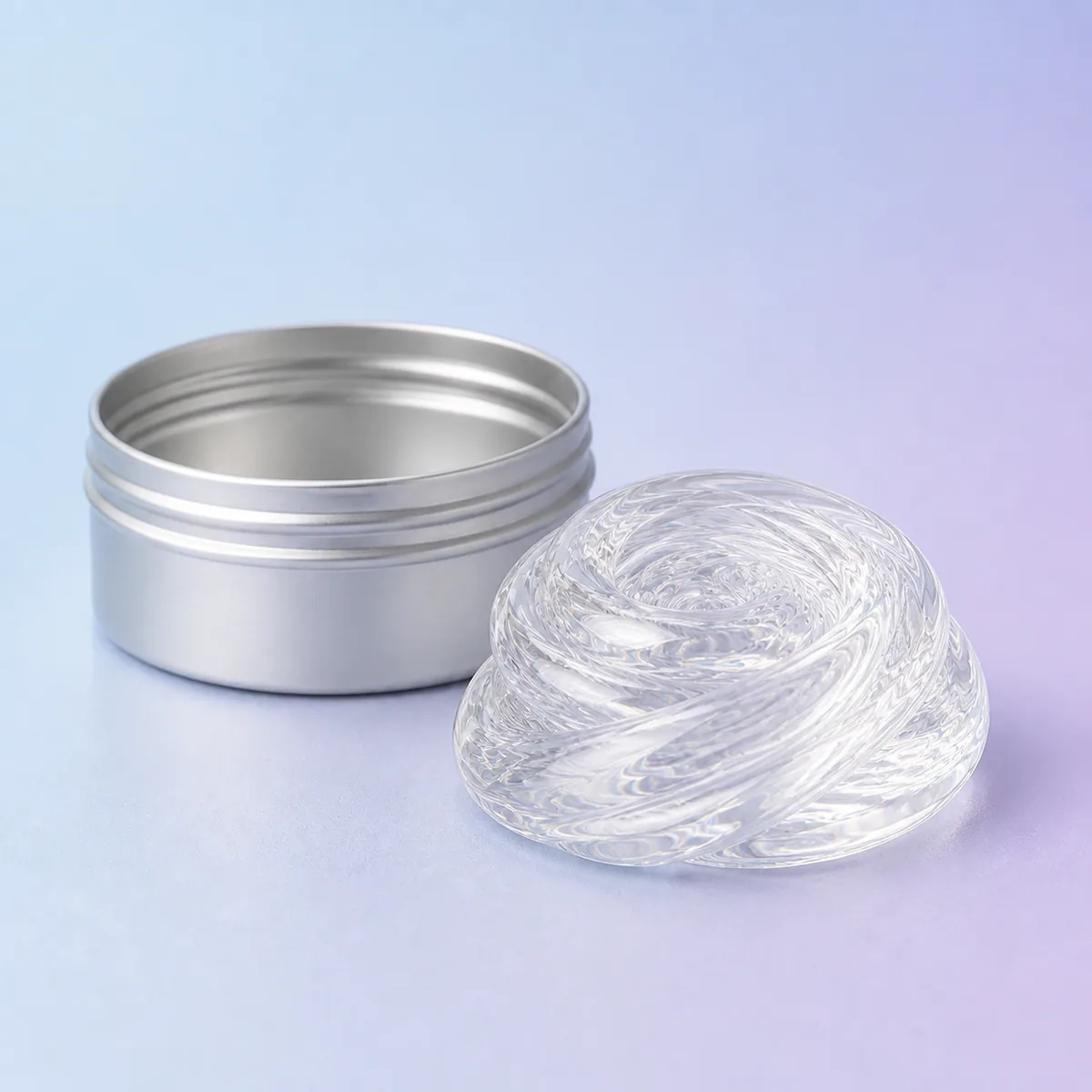
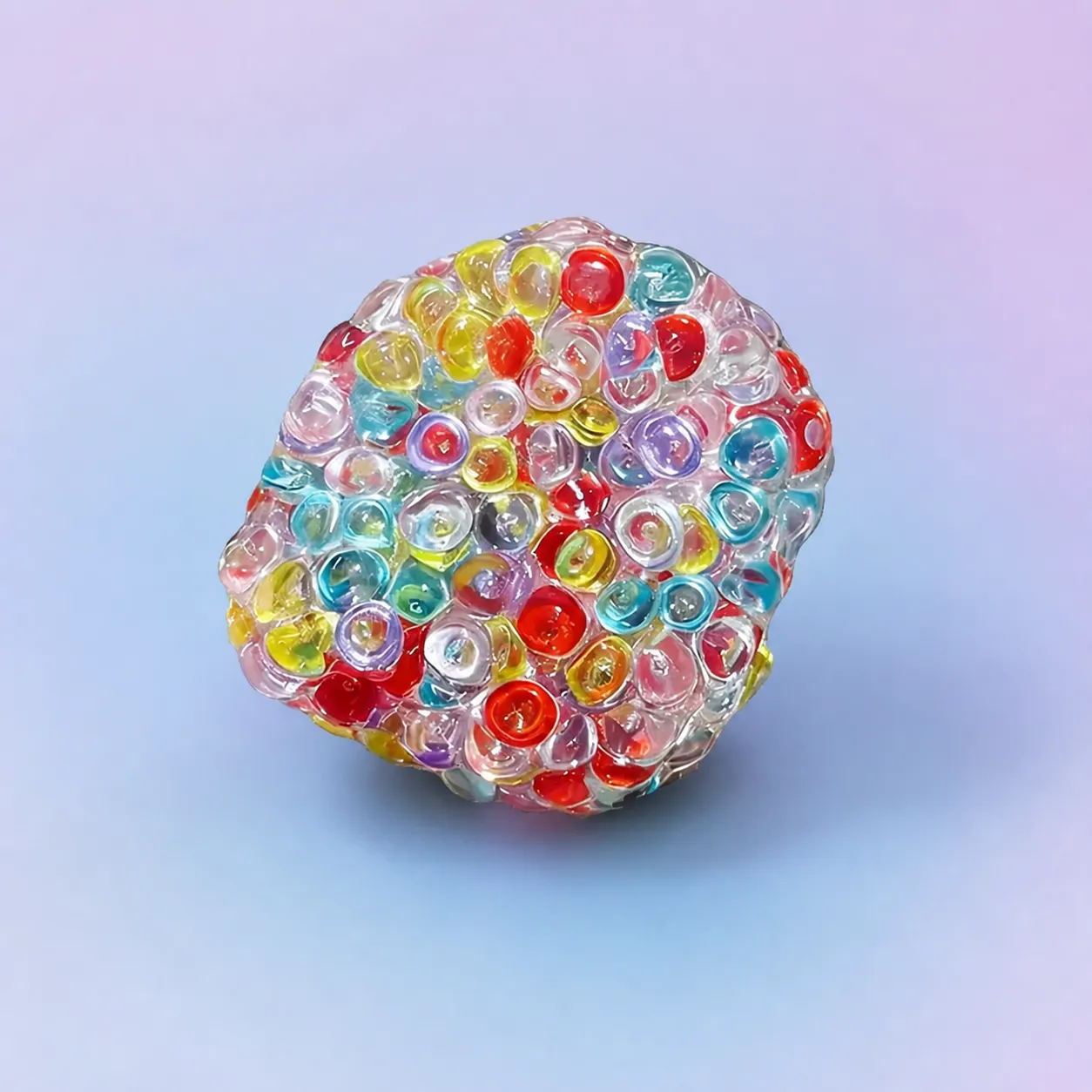
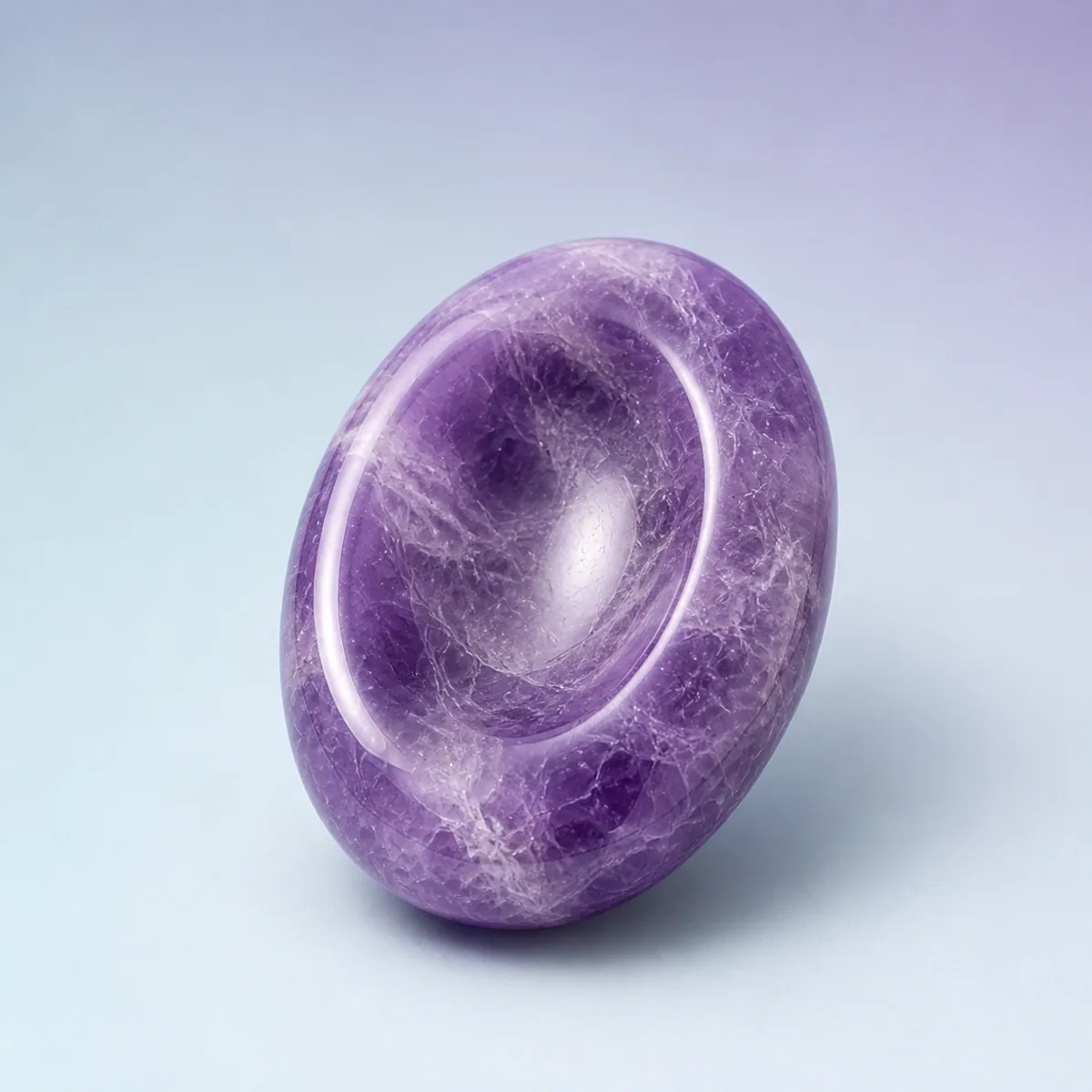
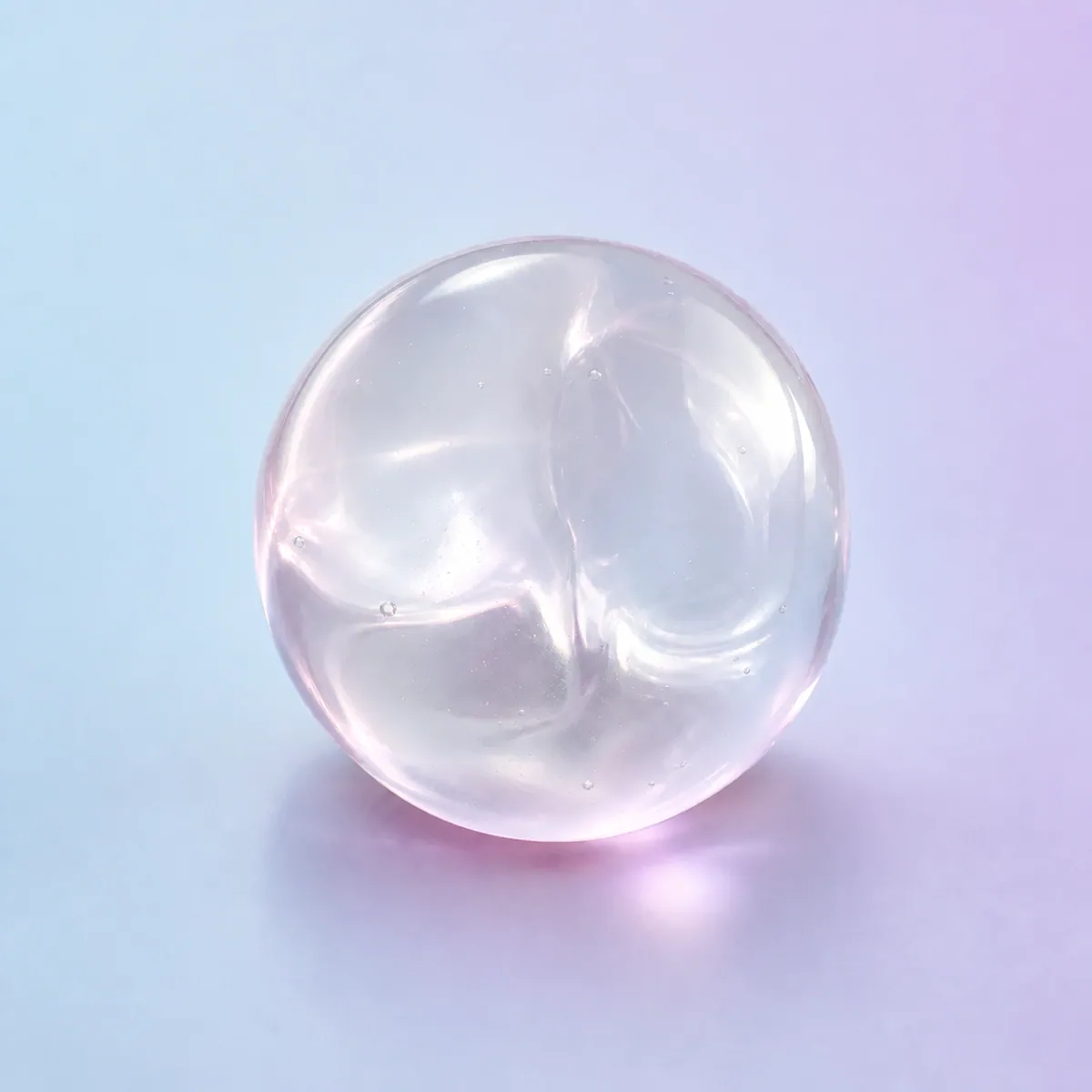
The hand part is where the products in this kit come in, and the honest answer is that it depends on what your hands were doing right before the reset started. If you have been gripping a mouse all morning, Calm Putty gives your fingers the opposite motion: pull, fold, and let it stretch back on its own. If you have been clenching without noticing, the Steady Hand Squeeze Stress Ball gives that tension somewhere obvious to go, one full squeeze and release. If your hands have been still and your mind has been loud, the Calm Worry Stone is quieter still, a slow thumb circle in the hollow while your eyes rest on the middle distance. If you like something to watch as well as feel, the Jelly Blob oozes and slumps in a way that holds attention for twenty seconds without effort.
None of this sits inside the micro-break research itself. Albulescu and colleagues studied breaks in general, not fidget toys specifically, and no study ties a fidget to either the vigor-and-fatigue findings or the 20-20-20 rule. What a fidget adds is a reason to actually take the sixty seconds. A break you remember to take is worth more than a perfect one you skip.
Is a minute really enough?
Some days, yes. Other days it is a placeholder until you can take a real one. The research says short breaks lift vigor and ease fatigue in a measurable, if modest, way, and that longer breaks tend to do more on top of that. A sixty-second reset is not trying to outperform a walk around the block. It is trying to be the version you will actually do at 2pm on a Tuesday between two calls, small enough that skipping it takes more effort than doing it.
Build a habit around it rather than a willpower test: the same trigger every time, a meeting ending, a task finishing, the second cup of coffee going cold. Keep whichever fidget you reach for on the desk, not in a drawer, so the sixty seconds starts the moment you notice you need it. Calm in the palm of your hand, one minute at a time.
Sources & further reading
We reference trusted organizations by name. This article is informational and not a substitute for professional medical advice.
- American Optometric Association: States the 20-20-20 rule directly on its own site: a 20-second break looking at something 20 feet away every 20 minutes to ease digital eyestrain.
- American Academy of Ophthalmology: Publishes general computer-use eye care tips, including looking up from the screen periodically and adjusting screen distance, without using the specific 20-20-20 numeric formula.
- PLOS ONE: Published the 2022 Albulescu et al. meta-analysis of 22 study samples on work micro-breaks, which found small but significant effects on vigor and fatigue.
Frequently asked questions
What is a sixty-second desk reset?
A short, deliberate pause built around looking away from the screen, rolling your shoulders back, and giving your hands a slower motion than typing for the last stretch. It borrows from two separate bodies of research, general work-break studies and eye-care guidance, rather than being one single studied protocol. Sixty seconds is a practical minimum, not a scientifically validated exact duration.
Does taking a short break actually help you at work?
Yes, modestly. A 2022 meta-analysis of 22 study samples covering 2,335 workers found short breaks produce a small but statistically significant lift in vigor and drop in fatigue. The effect on overall task performance was not significant across the board, though it showed up on lower-demand tasks and longer breaks tended to help more.
Is the 20-20-20 rule from the American Academy of Ophthalmology?
The specific 20-20-20 formula, a 20-second break looking at something 20 feet away every 20 minutes, is stated directly on the American Optometric Association's site. The American Academy of Ophthalmology's current tips page recommends looking up from the screen periodically but does not use that exact numeric rule. Both are legitimate eye-care sources; they just say slightly different things.
Does a fidget toy make the break more effective?
No study in the micro-break research or the eye-care guidance tested a fidget toy as part of a reset. What a fidget can do is give your hands a clear, satisfying job for the last twenty or thirty seconds, which may make the habit easier to keep. That is a practical addition to the habit, not a result the research itself measured.
How often should you take a sixty-second reset?
There is no single studied frequency; the research covers breaks of varying lengths and spacing rather than prescribing one interval. A reasonable approach is to tie the reset to a natural trigger, a call ending or a task wrapping up, rather than watching the clock. Consistency matters more than precision here.
Is a one-minute break as good as a real walk?
Not necessarily. The research found that longer breaks tend to produce bigger performance gains than shorter ones, so a sixty-second reset is not a replacement for stepping away when you can. It is meant to be the smallest version that still counts, useful for the days when a longer break is not realistic.